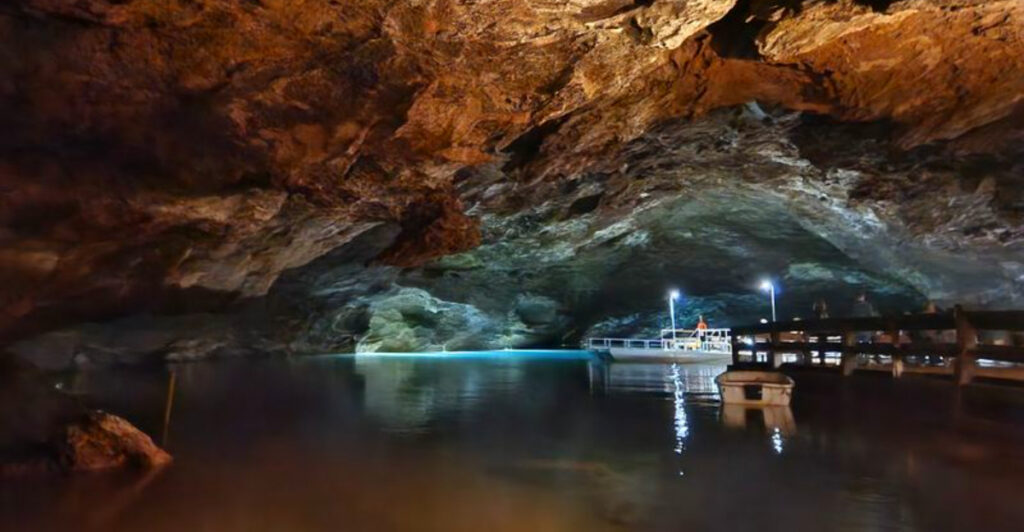
Hidden beneath Tennessee’s rolling hills is a secret that took thousands of years to form and only decades to uncover. If you love places that feel a little unreal, the Lost Sea will hit that sweet spot fast.
It’s the largest underground lake in America, and it stretches so far into the darkness that even seasoned divers still haven’t mapped it all. What makes it even wilder is how this place went from a cavern known to Cherokee people centuries ago to one of the Southeast’s most unexpected attractions. Today, you can take a glass-bottom boat ride across water so clear it looks staged, floating 140 feet below the surface.
In this post, you’ll see exactly what makes the Lost Sea worth the trip, what to expect once you’re inside, and the small details that turn a simple tour into a story you’ll want to tell later.
1. Go for the boat ride – it’s the whole point
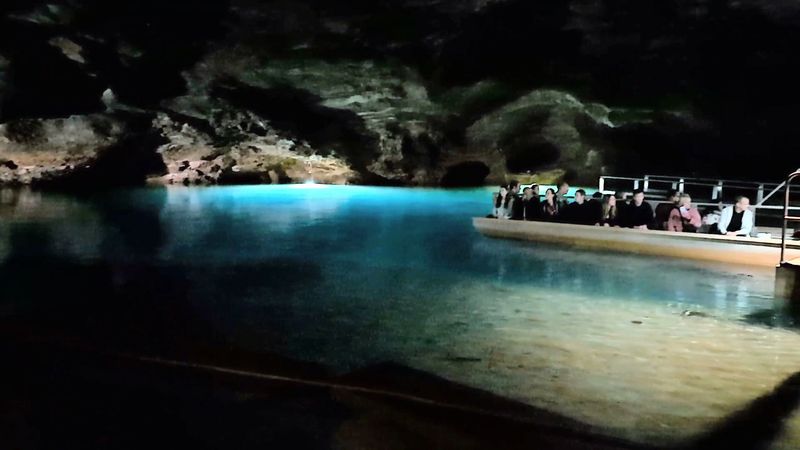
Walking through ancient passageways is cool and all, but let’s be honest: you came for the boat. After winding through corridors lined with stalactites and learning about jaguar prints older than your entire family tree, you’ll reach the payoff moment when your guide leads you to a dock that seems impossibly out of place.
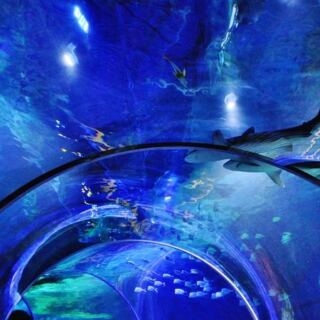
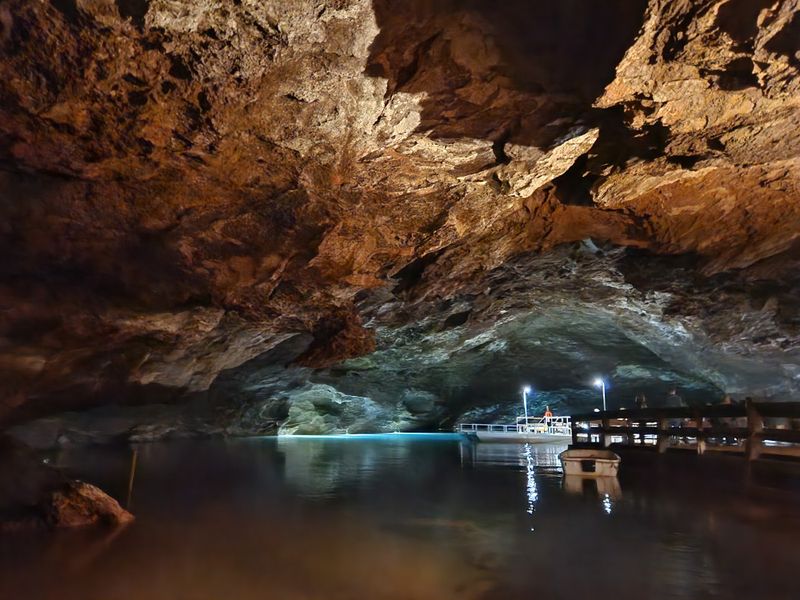
The Lost Sea stretches out before you like something from a fantasy novel. You’ll board a flat-bottom boat and glide across water so clear you can spot rainbow trout swimming below.
The lake’s actual size remains a mystery since divers have explored over 13 acres and still haven’t found the end.
Your boat captain will share stories while navigating between limestone pillars that rise from the depths. The ceiling disappears into darkness above, and the only sounds are gentle ripples and maybe a kid asking if there are really fish down here.
Spoiler: there are, and they weren’t put there by anyone. Scientists believe they’ve been isolated underground for thousands of years, evolving in total darkness.
This isn’t some five-minute paddle around a puddle. The boat portion alone takes a good chunk of your tour time, giving you plenty of opportunity to soak in the surreal experience of floating through a mountain.
2. Expect a 0.75-mile round-trip walk that takes about 1 hour 15 minutes
Comfortable shoes aren’t just recommended, they’re basically mandatory unless you enjoy hobbling through limestone corridors while everyone else enjoys the scenery. The entire experience clocks in around an hour and fifteen minutes, covering roughly three-quarters of a mile from the moment you enter until you emerge back into daylight.
That might not sound like much compared to your average nature hike, but cave walking hits different. You’re constantly watching your footing on uneven surfaces, ducking under low-hanging formations, and pausing to gawk at geological wonders that took millennia to form.
The pace is deliberately relaxed because your guide stops frequently to point out interesting features and share historical tidbits.
Nobody’s going to make you run a marathon here. The path is well-maintained with handrails in trickier spots, and there are periodic pauses where groups naturally bunch up while the guide explains what you’re looking at.
I spent half my tour time just staring at the ceiling formations, completely zoning out while the guide talked about mineral deposits.
Factor in the boat ride at the end, and you’ve got a perfectly paced adventure that doesn’t exhaust you but still feels substantial enough to be worth the drive. Kids handle it fine, and I’ve seen folks well into their retirement years making the journey without issue.
3. Yes – this wonder sits about 140 feet below ground
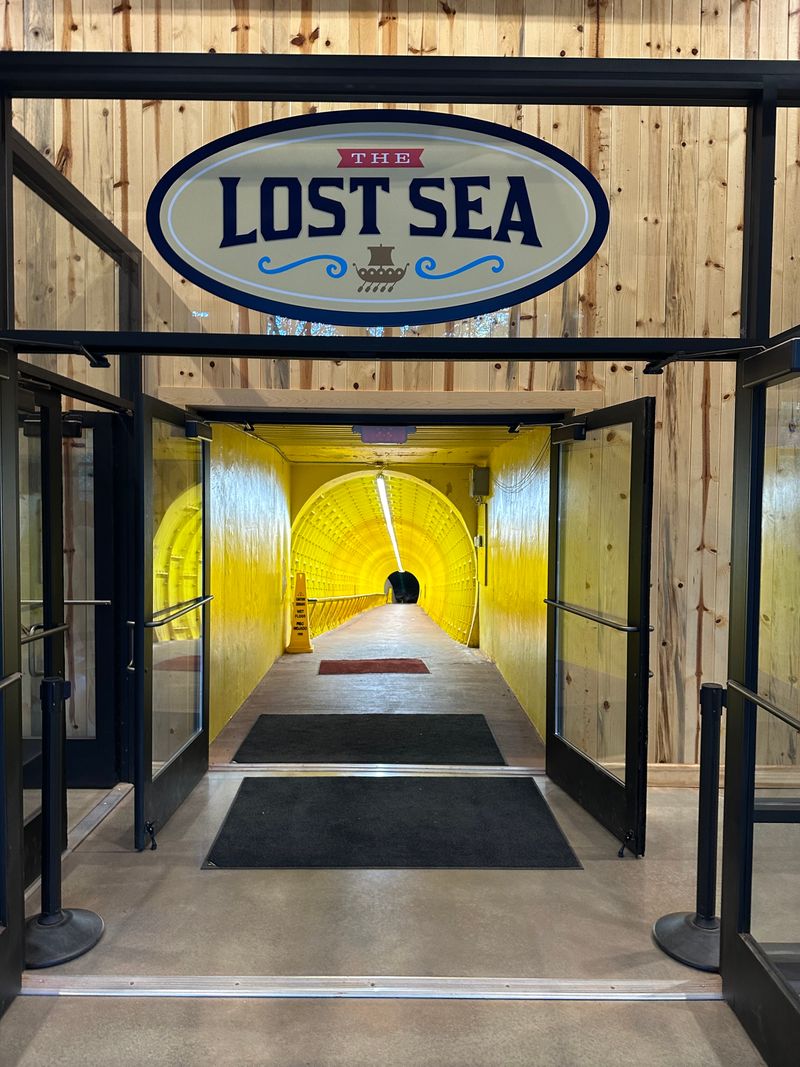
When someone tells you they’re taking you to see an underground lake, your brain probably imagines a basement with some standing water. This is not that.
You’ll descend 140 feet below the Tennessee surface, which is roughly the height of a 14-story building, except you’re going down instead of up.
The descent happens gradually through a series of passageways and stairways carved into the rock. You won’t feel like you’re plummeting into the earth because the path winds and curves, but every now and then you’ll pause and think about all that rock sitting above your head.
It’s simultaneously thrilling and slightly unsettling in the best possible way.
This depth isn’t some marketing exaggeration either. The official Lost Sea website confirms the 140-foot figure, and geologists have mapped the entire system to verify it.
At that depth, you’re in a completely different world where temperature, humidity, and even air pressure feel noticeably different from the surface.
What blows my mind is that early explorers found this place without modern lighting or safety equipment. They were crawling around in pitch darkness, probably by torch light, and somehow discovered a massive lake hidden in the depths.
Meanwhile, I need my phone flashlight to find the bathroom at night.
4. Dress for cave weather: it stays around 58°F year-round
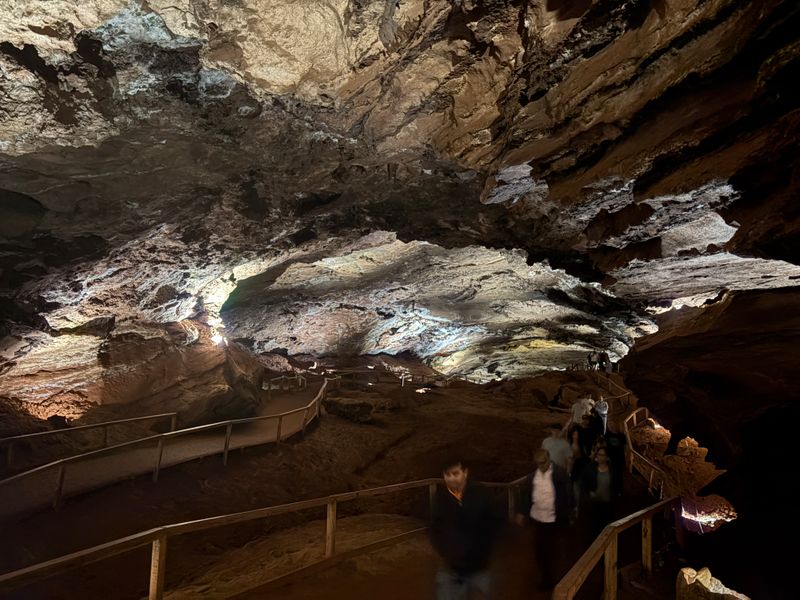
Pack a light jacket even if it’s blazing hot outside, because caves operate on their own climate control system that ignores whatever the sun is doing. The Lost Sea maintains a constant 58°F year-round, which sounds pleasant until you realize that’s actually pretty chilly when you’re standing still listening to your guide.
During summer visits, the temperature shock hits you immediately. You’ll walk from 90-degree parking lot heat into what feels like autumn inside a mountain.
That contrast actually feels amazing for about five minutes, then you start wishing you’d listened to the signs at the entrance that specifically tell you to bring layers.
Winter visitors have the opposite problem: 58 degrees feels downright toasty compared to freezing temperatures outside. You might even find yourself shedding your heavy coat once you’re deep enough into the cavern.
The cave doesn’t care what month it is or what the weather forecast says—it’s stubbornly committed to that 58-degree sweet spot.
Humidity is another factor people forget about. Caves are naturally humid environments, which can make that 58 degrees feel colder than you’d expect.
A light fleece or long-sleeved shirt works perfectly, and you’ll see seasoned cave visitors sporting exactly that combo regardless of the season outside.
5. It’s open year-round – except Thanksgiving and Christmas Day
Planning a spontaneous underground adventure? You’re in luck almost every single day of the year.
The Lost Sea operates 363 days annually, shutting down only for Thanksgiving and Christmas Day when even cave guides deserve time with their families and turkey.
This year-round schedule is genuinely impressive when you consider how many attractions close for entire seasons. Winter in Tennessee can get legitimately cold, but the cave doesn’t care, it’s the same temperature in January as it is in July.
That consistency means there’s never a bad time to visit from a weather perspective.
Holiday travelers need to pay attention to those two closure dates, though. Nothing’s worse than driving an hour out of your way only to find locked doors and a closed sign.
I’ve definitely been that person who assumed everything stays open between Christmas and New Year’s, only to learn the hard way that December 25th means closed for basically everyone.
The rest of the year, you’re golden. New Year’s Day?
Open. Easter?
Open. Fourth of July?
Open. Random Tuesday in February?
You guessed it – open. This reliability makes trip planning significantly easier, especially when you’re coordinating with multiple people’s schedules and trying to find a date that works for everyone in your group.
6. Lock in tickets early if you’re going in summer
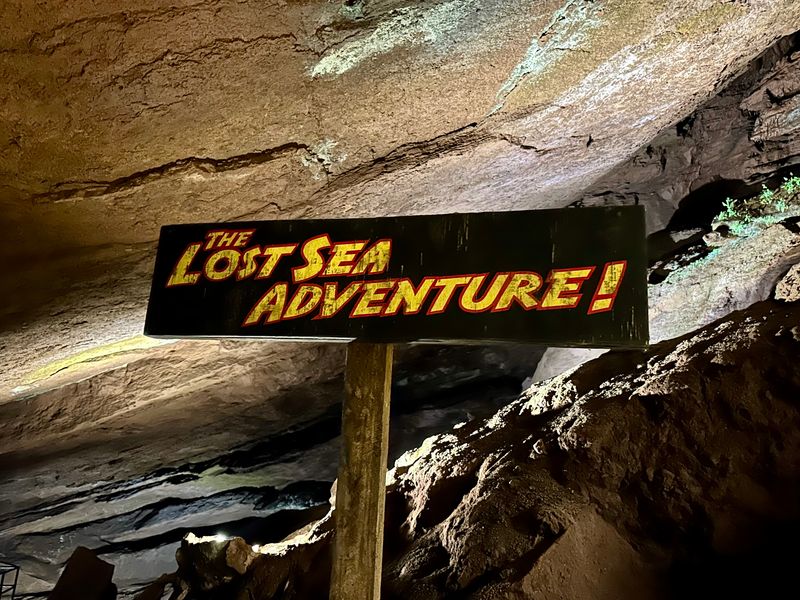
Summer crowds at The Lost Sea are no joke, and showing up without advance tickets is basically asking for disappointment. The attraction’s own staff specifically recommend booking ahead during peak season, which should tell you something about how popular this underground wonder gets when school’s out.
Tours run on a timed schedule because they can only fit so many people safely in the cave at once. When every family within driving distance decides that July is perfect for underground exploration, those time slots fill up fast.
You might arrive at 10 a.m. only to discover the next available tour isn’t until 3 p.m., which completely wrecks your carefully planned itinerary.
Buying tickets online takes maybe five minutes and guarantees your spot. You’ll pick your preferred time, enter your information, and show up knowing you’re getting in.
No standing in line hoping for cancellations, no disappointed kids, no scrambling to find a backup activity in Sweetwater, Tennessee.
Off-season visitors can probably get away with walk-up tickets, but why risk it? The booking system exists for a reason, and that reason is preventing the chaos that erupts when too many people want to see the same underground lake at the same time.
Save yourself the stress and click that reserve button before you leave home.
7. Use the exact address and the easy highway reference
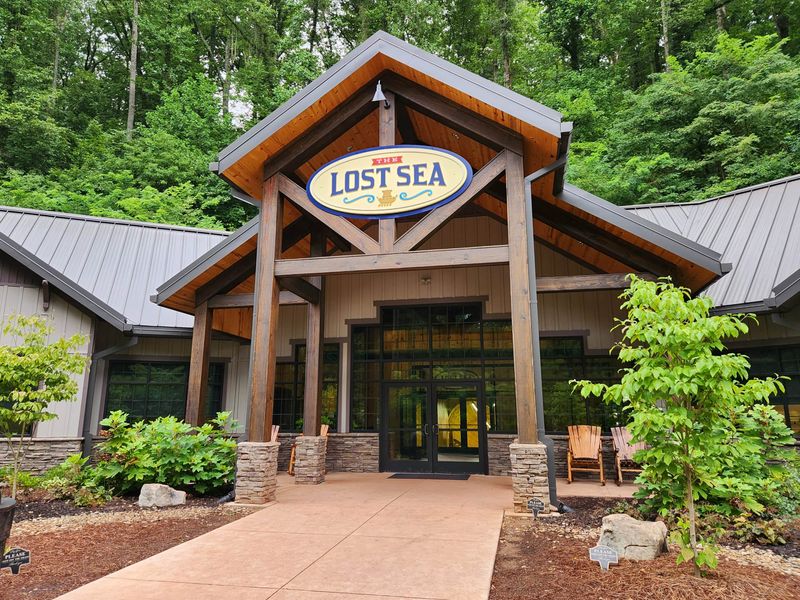
Getting lost trying to find an underground lake would be ironic in the worst way, so here’s the foolproof navigation info: 140 Lost Sea Road, Sweetwater, Tennessee. Plug that exact address into your GPS and you’re golden.
The attraction sits about seven miles from Interstate 75, specifically Exit 60, which makes it ridiculously accessible if you’re already traveling that corridor.
That I-75 reference matters more than you might think. This interstate runs straight through Tennessee, connecting Knoxville to Chattanooga and beyond.
If you’re doing any kind of road trip through the Southeast, you’re probably already on or near I-75 at some point. Knowing you just need to remember Exit 60 makes the Lost Sea feel less like a detour and more like a convenient stop.
Once you exit the highway, the route to the cave is well-marked with signs that prevent any confusion. You’re not going to end up on some sketchy dirt road wondering if you took a wrong turn.
The area is developed enough that you’ll see clear indicators you’re heading the right direction.
Cell service is generally reliable in this part of Tennessee, so your phone’s GPS should work fine. Still, having that physical address written down somewhere isn’t a terrible backup plan, especially if you’re traveling through areas where signal gets spotty.
8. Know what you’re looking at: ‘anthodites’ (aka cave flowers)
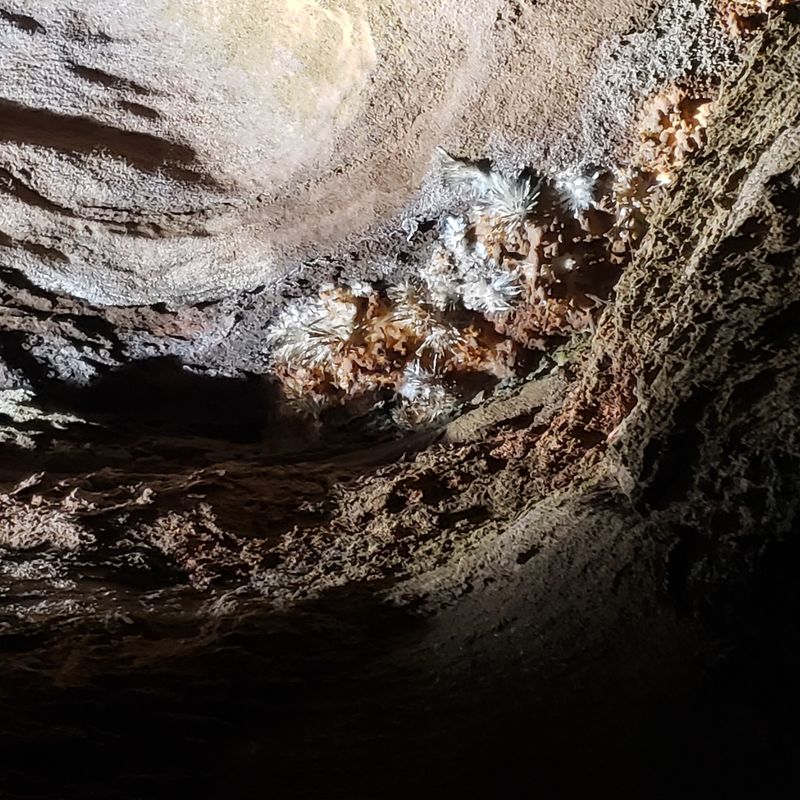
Anthodites sound like something a fantasy author made up, but they’re real geological formations that look like flowers exploded in slow motion across the cave ceiling. These delicate, needle-like crystals jut out in every direction, defying gravity and common sense.
Most cave formations grow downward or upward following water and gravity, but anthodites apparently missed that memo.
Your guide will point these out during the tour because they’re genuinely rare and visually stunning. The crystals are made of aragonite, a form of calcium carbonate that crystallizes under specific conditions.
They grow outward from a central point, creating these spiky clusters that legitimately resemble frozen flowers or sea urchins made of stone.
What makes them special isn’t just their appearance, it’s their fragility and rarity. Not every cave system has the right conditions to form anthodites.
You need specific mineral content in the water, the right temperature, proper humidity levels, and a whole lot of time. We’re talking thousands of years for formations that could be destroyed by a single careless touch.
This is why guides are serious about the no-touching rule. Those formations aren’t protected by ropes and barriers because they look pretty, they’re irreplaceable geological features that took longer to form than human civilization has existed.
Look all you want, take mental pictures, but keep your hands to yourself.
9. The history is a big part of the tour – Cherokee, Civil War, and ancient jaguar tracks
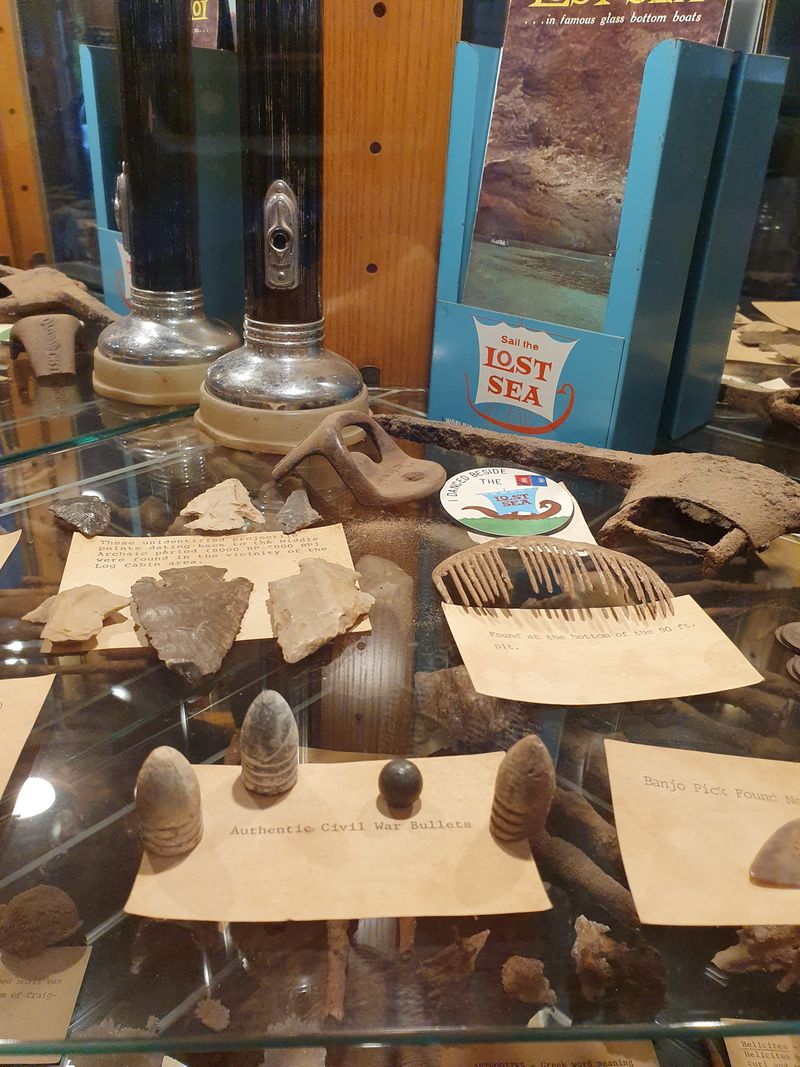
This cave has witnessed more history than most buildings, starting with Cherokee people who knew about these caverns long before European settlers arrived. The indigenous connection to this space adds a layer of significance that goes beyond just cool rock formations and underground water.
Your guide will share stories about how the Cherokee used and understood these caverns as part of their territorial knowledge.
Fast forward to the Civil War, and suddenly these caves became strategic assets. Soldiers used the caverns for various purposes during the conflict, and evidence of their presence remains visible today.
It’s wild to think about troops navigating these dark passages by lamplight while a war raged above ground.
Then there’s the really ancient stuff: jaguar tracks preserved in the cave floor that scientists estimate are roughly 20,000 years old. Let that sink in for a moment.
A massive prehistoric cat walked through this exact space twenty millennia ago, and its footprints are still here. The tracks are protected and highlighted during tours because they represent a direct connection to Ice Age fauna that once roamed Tennessee.
The Lost Sea doesn’t just show you geological wonders, it’s a time capsule containing layers of human and natural history. Each tour stop reveals another chapter in a story that spans from ancient predators to indigenous peoples to American military history.
10. Give yourself extra time for the seasonal ‘Lost Sea Village’
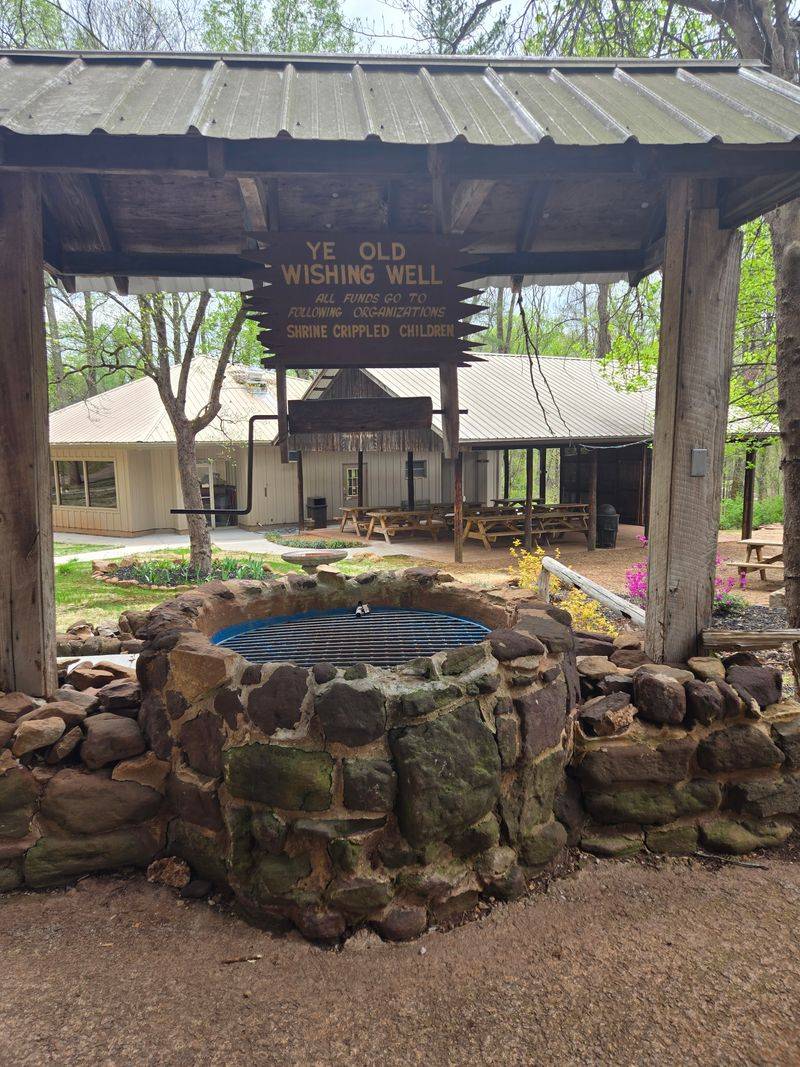
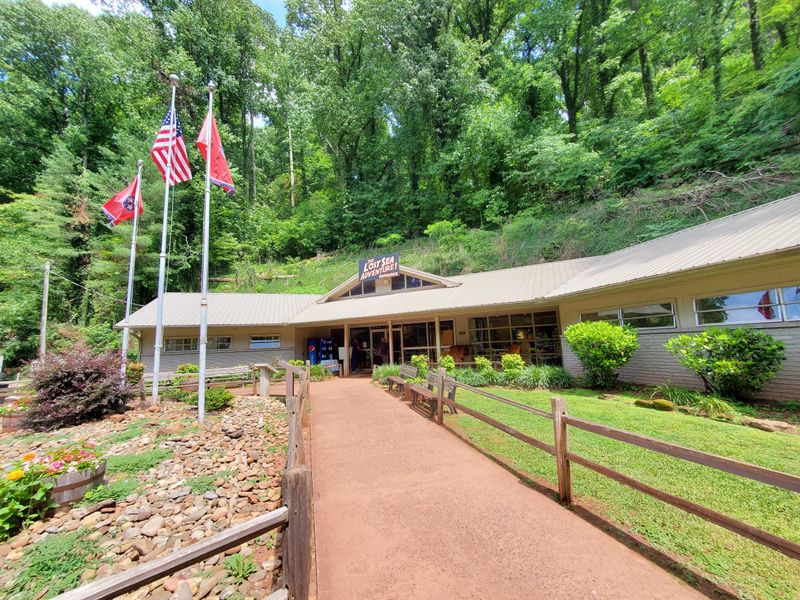
The underground lake is the main event, but the seasonal Lost Sea Village deserves more than a rushed five-minute glance on your way to the parking lot. This collection of attractions and amenities sits above ground and operates seasonally, offering a surprisingly robust set of activities that can easily add an hour or two to your visit.
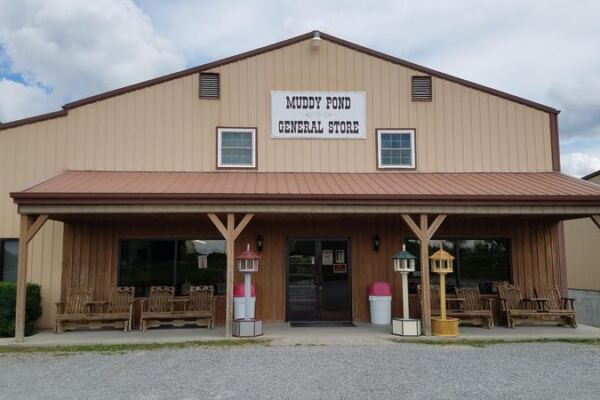
The general store is exactly what you’d expect from a cave attraction gift shop – rocks, minerals, souvenirs, and snacks, but the glass blowing gallery is legitimately cool. Watching artisans shape molten glass into finished pieces beats scrolling through your phone while waiting for your tour time.
The gem mine attraction lets kids (and adults who are honest about still being kids inside) sift through mining rough looking for treasures to take home.
Nature trails wind through the surrounding area if you need to stretch your legs or burn off energy before descending into the cave. Picnic facilities mean you can pack a lunch and make a whole afternoon of it rather than rushing off to find food elsewhere.
These extras transform the Lost Sea from a single-attraction stop into a more complete destination.
Check seasonal operating hours for the village since not everything runs year-round. Summer offers the full experience, while winter visits might find some elements closed.
Either way, arriving 30 minutes before your cave tour gives you time to explore without feeling rushed.
11. Pair it with a nearby historic stop that’s clearly open: Fort Loudoun State Historic Park
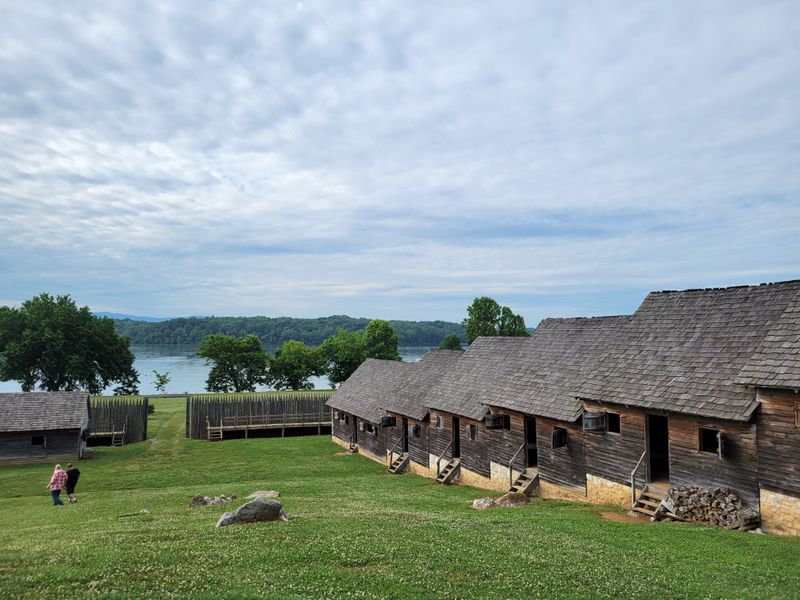
Fort Loudoun State Historic Park sits close enough to the Lost Sea that combining both into one day makes perfect sense. The park operates seven days a week with generous hours: grounds open from 8 a.m. until sunset, and the visitor center runs from 8 a.m. to 4:30 p.m.
The only closure is Christmas Day, which matches the Lost Sea’s holiday schedule nicely.
This reconstructed 18th-century British fort tells the story of colonial frontier life and the complex relationships between European settlers, British military forces, and Cherokee nations. Walking through the wooden palisades and buildings brings history textbooks to life in a way that actually holds your attention.
The site overlooks Tellico Lake, providing scenic views that make for great photos if you’re into that sort of thing.
Admission to state parks is typically very reasonable, and the self-guided nature means you can spend as much or as little time as you want exploring. Read every interpretive sign and you’re looking at a solid hour; do a quick walkthrough and you’re done in twenty minutes.
It’s the kind of flexible add-on that works whether you’ve got a packed schedule or a leisurely day planned.
The combination of underground natural wonders and above-ground historical sites creates a well-rounded day trip that satisfies different interests within your travel group. One person gets their geology fix, another gets their history lesson, and everyone leaves feeling like they actually learned something.
Share this story