Some of the world’s most incredible landmarks aren’t plastered across postcards or crowded with tour buses. Instead, they hide in remote valleys, beneath city streets, or just off the beaten path where most travelers never think to look.
These forgotten wonders offer something rare: the chance to experience history, beauty, and adventure without fighting through selfie sticks and souvenir stands. Get ready to discover places that may take extra effort to reach but will stay with you long after you return home.
Salina Turda — Romania’s Underground Wonder
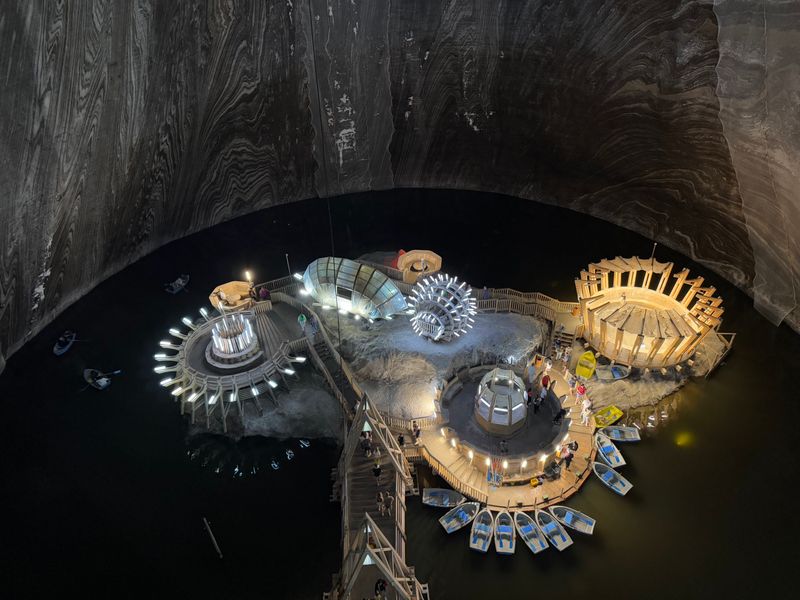
Deep beneath the hills of Transylvania lies something completely unexpected: a centuries-old salt mine that’s been transformed into one of Europe’s most surreal attractions. Salina Turda doesn’t look like your typical industrial heritage site—think more underground theme park meets geological museum.
Salt extraction here goes back hundreds of years, when miners carved enormous chambers from the halite deposits. But only in recent decades has the site opened to visitors, complete with modern lighting that makes the caverns glow like alien landscapes.
The most jaw-dropping feature? A full-size Ferris wheel installed inside one massive chamber, slowly rotating above an underground lake.
Walkways snake along salt-encrusted walls, and the acoustics create an eerie echo that follows you through the tunnels. Most tourists visiting Romania head straight for Dracula’s castle or medieval Saxon towns, leaving this underground marvel blissfully under-explored.
That’s a shame, because few places offer such a strange blend of natural wonder and human ingenuity. Walking through Salina Turda feels like stepping onto another planet—one where ancient mining history collides with modern creativity.
The cool, salt-scented air and otherworldly atmosphere make it impossible to forget, even if most travel itineraries somehow manage to overlook it entirely.
Melnik Earth Pyramids — Bulgaria’s Geological Marvel
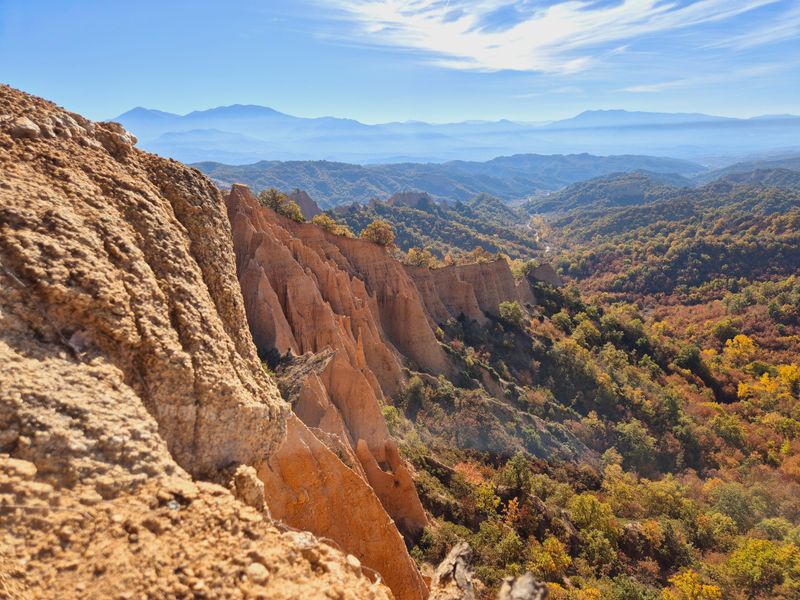
Bulgaria’s smallest town sits surrounded by some of its most dramatic scenery—yet hardly anyone knows about it. The Melnik Earth Pyramids rise like ancient sentinels from the landscape, their pale sandstone forms sculpted by wind and water over countless millennia.
These aren’t your typical rock formations. Each pyramid-shaped hoodoo stands tall and distinct, some resembling towers, others like natural obelisks reaching toward the sky.
The erosion patterns create shapes that seem almost architectural, as if some vanished civilization carved them deliberately. What makes this place truly special goes beyond geology.
Melnik sits in Bulgaria’s wine country, where vineyards cascade down hillsides and Mediterranean plants add splashes of green to the sandy terrain. The combination of unusual rock formations and ancient winemaking tradition creates an atmosphere few visitors expect from Bulgaria.
Most travelers chasing Bulgarian castles and monasteries zip right past, never realizing what they’re missing. But those who detour to Melnik find themselves wandering among these natural sculptures, especially magical during golden hour when shadows stretch long across the valleys.
The pyramids feel both ancient and alien, a reminder that nature can create wonders as impressive as any human monument—if you know where to look for them.
Belogradchik Rocks — Bulgaria’s Natural Fortress
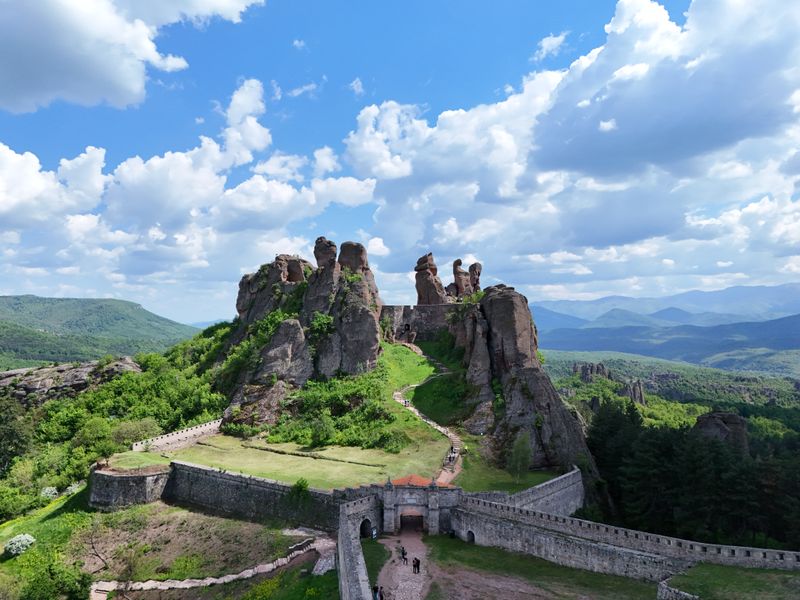
In Bulgaria’s northwest corner, nature decided to build its own fortress. The Belogradchik Rocks rise from the earth in impossible shapes—red and yellow sandstone pillars climbing as high as 200 meters, each one looking almost deliberately sculpted.
Local legends have attached names and stories to many formations. Some resemble human figures, others animals or mythical creatures, and at sunrise or sunset, their shadows transform the valley into something from a fantasy novel.
What makes Belogradchik truly remarkable is how humans incorporated these natural wonders into defensive structures. The Belogradchik Fortress, built across different historical periods, uses the rock formations as walls and towers.
Walking through it feels like exploring a collaboration between nature and medieval engineers. The color palette alone—deep reds, burnt oranges, golden yellows—creates visual drama that shifts with the light throughout the day.
Early morning mist wrapping around the pillars adds an ethereal quality that photographers dream about. Despite being one of Bulgaria’s most striking natural sites, Belogradchik remains relatively unknown to international travelers.
Most visitors who do make the detour leave stunned, wondering why this place isn’t on every European must-see list. The rocks have a presence that stays with you, a reminder that sometimes the most memorable landmarks are the ones nobody told you about.
Nafplio — Greece’s Romantic Hidden Capital
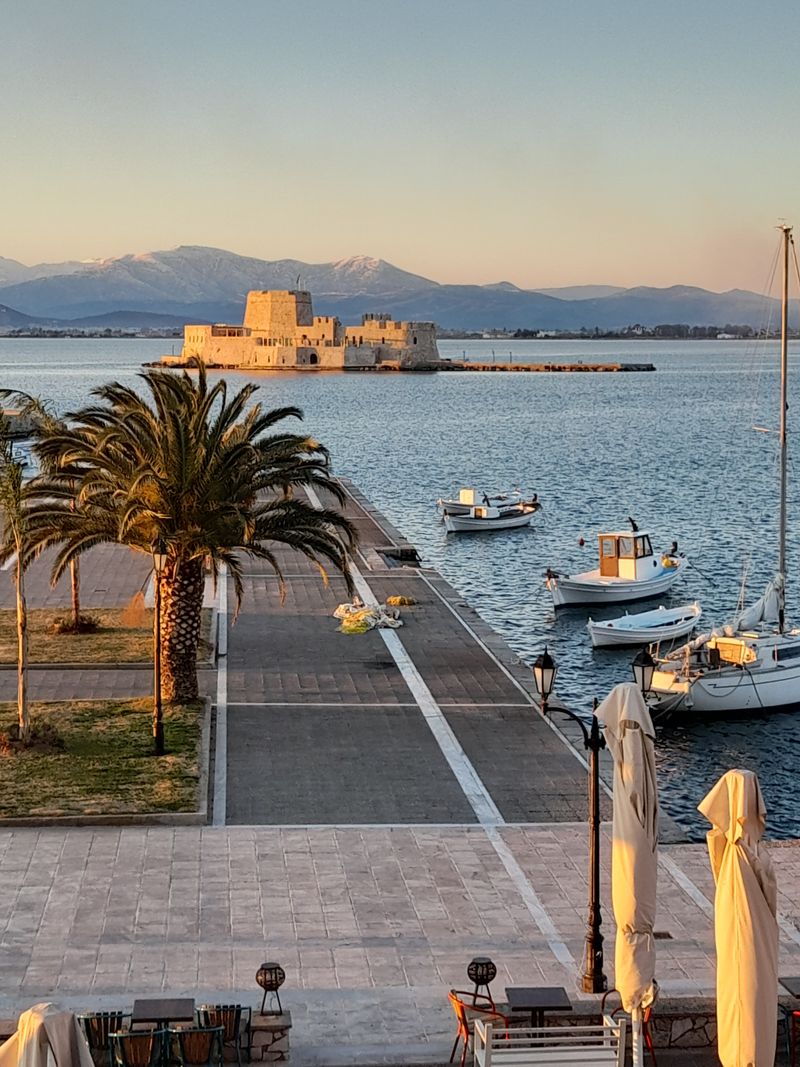
While everyone flocks to Santorini’s white-washed cliffs or Athens’ ancient ruins, a charming town on the Peloponnese peninsula quietly preserves Greece’s romantic past. Nafplio served as Greece’s first capital after independence, and that historical significance shows in every cobblestoned corner.
Venetian architecture lines the harbor, where fishing boats bob gently beside waterfront cafes. The old town’s narrow streets wind upward, revealing hidden squares, bougainvillea-draped balconies, and views that make you want to linger over every coffee break.
Two fortresses dominate the landscape. Palamidi Castle crowns the hill above town, reachable by climbing 999 steps—a workout that rewards you with panoramic views across the Argolic Gulf.
Below, the tiny island fortress of Bourtzi sits picturesquely in the harbor, once protecting the town from naval attacks. Unlike Greece’s tourist hotspots, Nafplio moves at a slower pace.
You can actually hear conversations in tavernas, explore castle ramparts without crowds, and watch sunset without fighting for photo space. The town feels authentically Greek rather than curated for Instagram.
Many travelers never make it here, staying on the usual circuit instead. But those who detour to Nafplio often call it their favorite Greek destination—a place where history, beauty, and everyday life blend seamlessly without the tourist circus.
America’s Overlooked Landmarks Worth Discovering
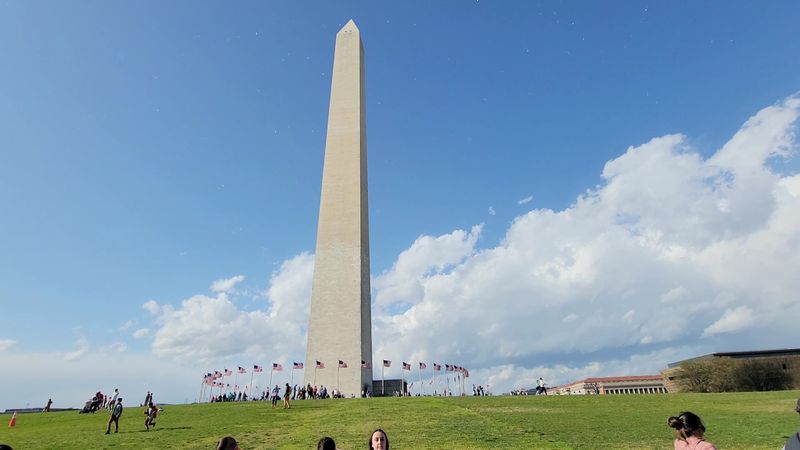
The United States is packed with iconic landmarks—everyone knows the Statue of Liberty, Grand Canyon, and Mount Rushmore. But scattered across the country are countless lesser-known sites that tell equally fascinating stories, often without the crowds and commercialization.
Travel publications like Reader’s Digest regularly highlight these hidden gems: rustic stone circles built by early settlers, quirky roadside attractions that celebrate local legends, and civic monuments that commemorate forgotten moments in American history. Each one offers something the big-name attractions often can’t—intimacy and authenticity.
What makes these overlooked landmarks special is their ability to surprise you. Maybe it’s a perfectly preserved ghost town in the desert, an unusual art installation in a rural field, or a historic site where something important happened but no one built a visitor center.
These places reward travelers willing to veer off the interstate and follow local recommendations. They’re the spots where you’ll chat with knowledgeable volunteers rather than buy tickets from automated kiosks, where you can actually touch history rather than view it from behind velvet ropes.
Exploring America’s overlooked landmarks turns predictable road trips into treasure hunts. You’ll collect stories and experiences that feel personally discovered rather than checked off a bucket list everyone else is following.
Herculaneum — Pompeii’s Intimate Cousin
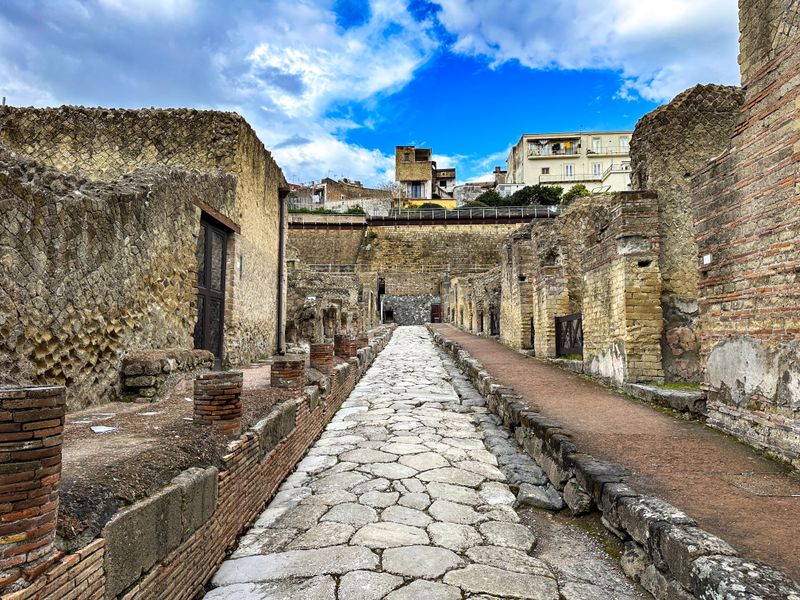
Everyone’s heard of Pompeii, but just down the coast sits another Roman town destroyed by Vesuvius—one that’s arguably better preserved yet sees a fraction of the visitors. Herculaneum offers something Pompeii can’t: upper stories, intact wooden structures, and details that volcanic mud protected better than ash ever could.
When Vesuvius erupted in 79 AD, Herculaneum was buried under superheated pyroclastic material that sealed buildings like a time capsule. Roofs remain, staircases climb to second floors, and you can still see wooden furniture and door frames—organic materials that usually decay within decades.
The site feels more intimate than its famous neighbor. Smaller and less sprawling, Herculaneum lets you imagine daily Roman life more easily.
You can peer into shops, walk through homes with vibrant frescoes still adorning walls, and sense the layout of neighborhoods rather than just viewing ruins. Because fewer tourists make the short journey from Naples or Rome, you’ll often have entire streets to yourself.
The experience becomes almost meditative—no jostling for photos, no tour groups blocking your view, just you and 2,000-year-old history. Herculaneum whispers where Pompeii shouts.
Both are remarkable, but this lesser-visited site offers a quieter, more personal connection to the ancient world that many travelers never experience.
Valtice Castle & Lednice Park — Czech Hidden Royalty
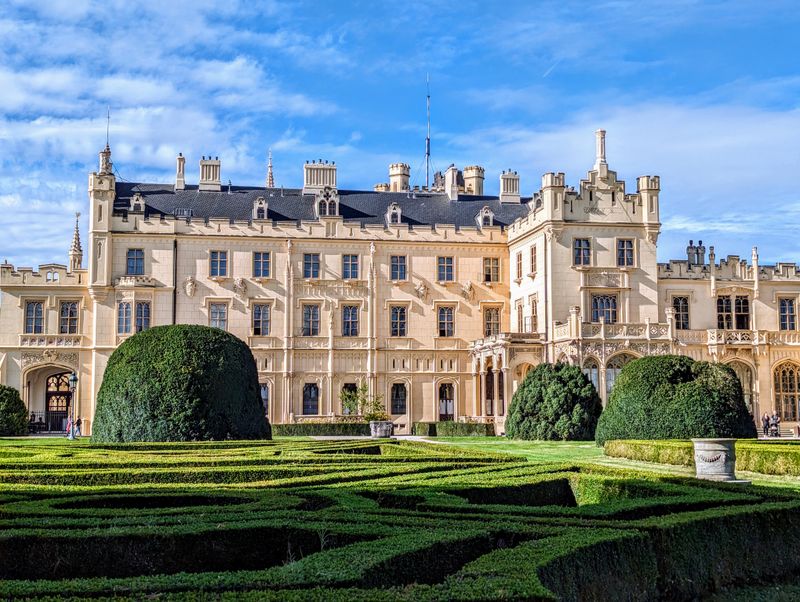
While Prague monopolizes Czech tourism, the country’s southern wine region holds a UNESCO World Heritage site that most visitors never discover. The Valtice-Lednice Cultural Landscape stretches across nearly 300 square kilometers of designed gardens, forests, fishponds, and architectural follies connecting two magnificent estates.
Valtice Castle showcases Baroque grandeur, its ornate interiors reflecting the wealth and taste of the Liechtenstein family who developed this area over centuries. A short distance away, Lednice Castle presents Neo-Gothic fantasy, complete with a soaring minaret that seems transported from the Middle East.
The landscape between them feels like wandering through an 18th-century aristocrat’s fever dream. Romantic pavilions appear around bends in the path, decorative temples crown hillsides, and carefully planned vistas open up at precisely calculated intervals.
Lakes reflect castle towers, tree-lined avenues stretch toward distant monuments, and the whole composition blends nature with human design. Unlike Prague’s crowded attractions, Valtice-Lednice offers space to breathe.
You can cycle between sites, picnic in manicured gardens, or explore wine cellars in the region’s historic vintner villages. The atmosphere balances grandeur with genuine peacefulness.
This is Czech history and architecture at its most enchanting, yet somehow it remains a well-kept secret. Those who make the trip discover a fairytale landscape that rewards slow exploration and stays memorable long after leaving.
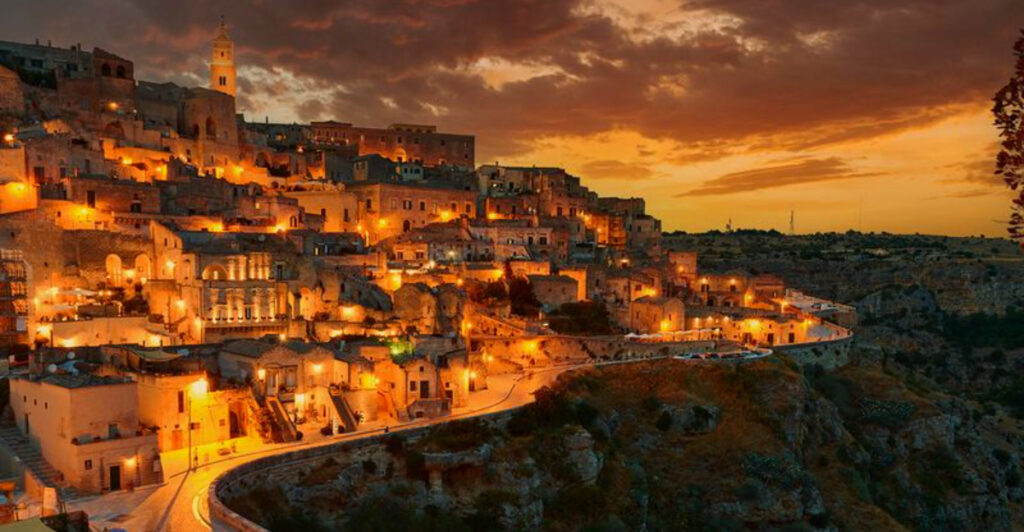
Matera — Italy’s Rock-Carved City of History
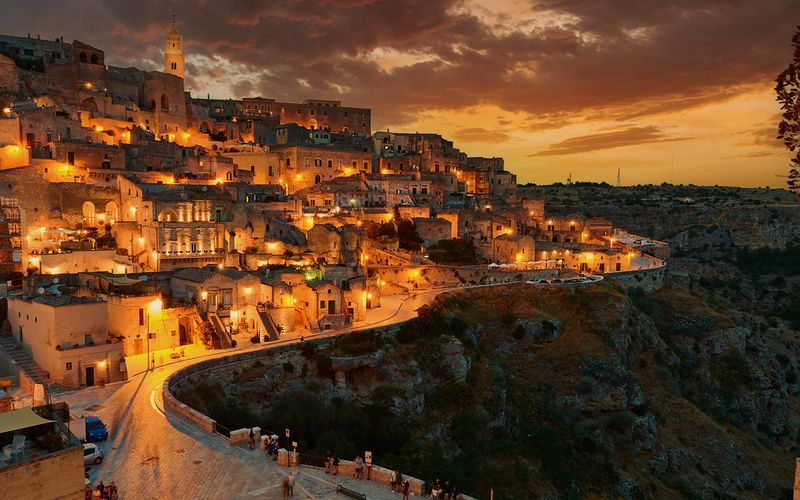
Southern Italy hides one of the world’s oldest continuously inhabited cities—a place where humans have lived in limestone caves for thousands of years. Matera’s Sassi districts look like something from biblical times, because in many ways, they are.
The cave dwellings carved into soft tufa rock date back to Paleolithic settlements, but people continued living in them through medieval times and even into the 20th century. Walking through the narrow lanes feels like time-traveling backward through layers of history—prehistoric caves, Byzantine frescoes in grotto churches, medieval additions, and finally modern renovations.
For decades, Matera was considered a national embarrassment, its cave homes associated with poverty and disease. Residents were relocated in the 1950s, and the Sassi stood empty and crumbling.
But recent decades have seen remarkable restoration, transforming these ancient dwellings into boutique hotels, restaurants, and museums. Despite being named a European Capital of Culture and appearing in numerous films, Matera still gets overshadowed by Italy’s more famous destinations.
Visitors who do come find themselves exploring a living archaeological site where every turn reveals another layer of human habitation. Matera isn’t just old—it’s a place where you can trace human continuity across millennia.
The experience of wandering its stone passages stays with you, a reminder that some landmarks carry stories too deep and complex for any guidebook to fully capture.
Parigala — The Fairy Castle, Azerbaijan
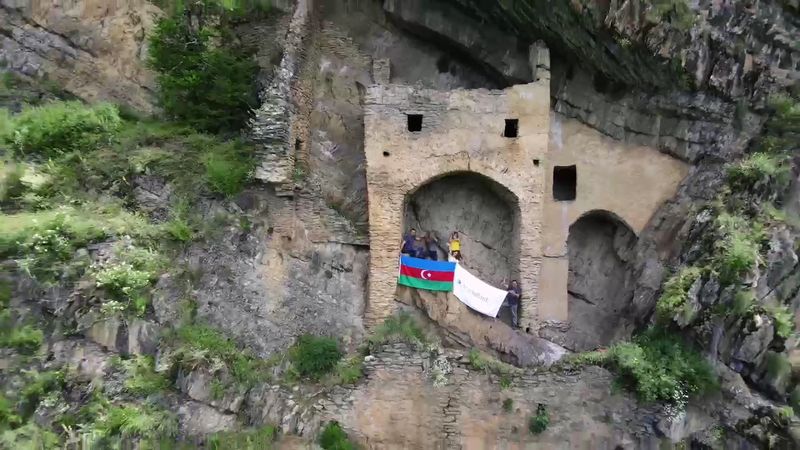
Perched impossibly high on a sheer cliff in Azerbaijan’s Caucasus foothills, Parigala earns its nickname through pure fairy-tale drama. The name literally translates to “Fairy Castle,” and one look at this ancient limestone structure clinging to rock 300 meters above the valley floor explains why.
Built somewhere between the 4th and 8th centuries, historians believe it served as either a monastery or a mountain refuge during times of conflict. Reaching it today requires serious hiking skills or the help of knowledgeable local guides who know the safest routes up.
Because of its remote location and challenging access, most travelers to Azerbaijan never even hear about Parigala, let alone visit. But those adventurous souls who make the climb are rewarded with sweeping valley views and an atmosphere that feels lifted straight from legend.
Standing at the edge of this ancient structure, wind whipping around you, it’s easy to imagine monks or warriors seeking sanctuary here centuries ago. The combination of breathtaking natural beauty and deep historical mystery creates an experience that photographs simply can’t capture.
Parigala isn’t just another scenic overlook—it’s a place where myth and reality blur together in the most unforgettable way.
Share this story