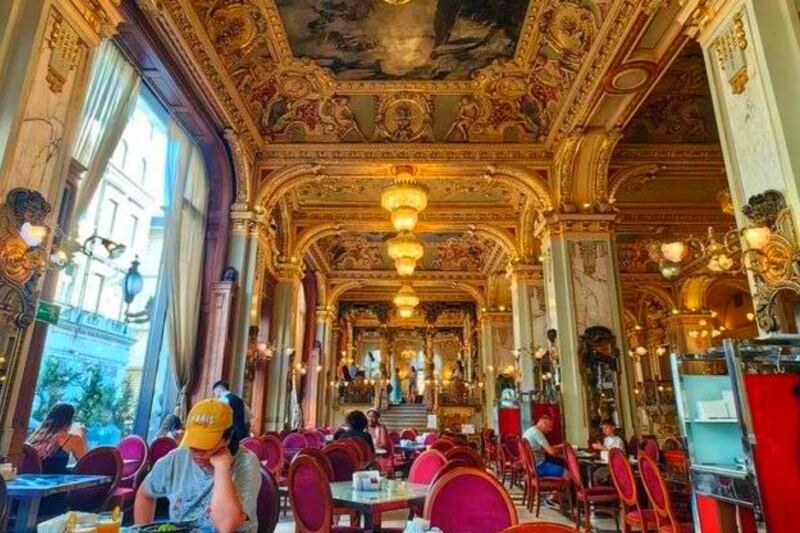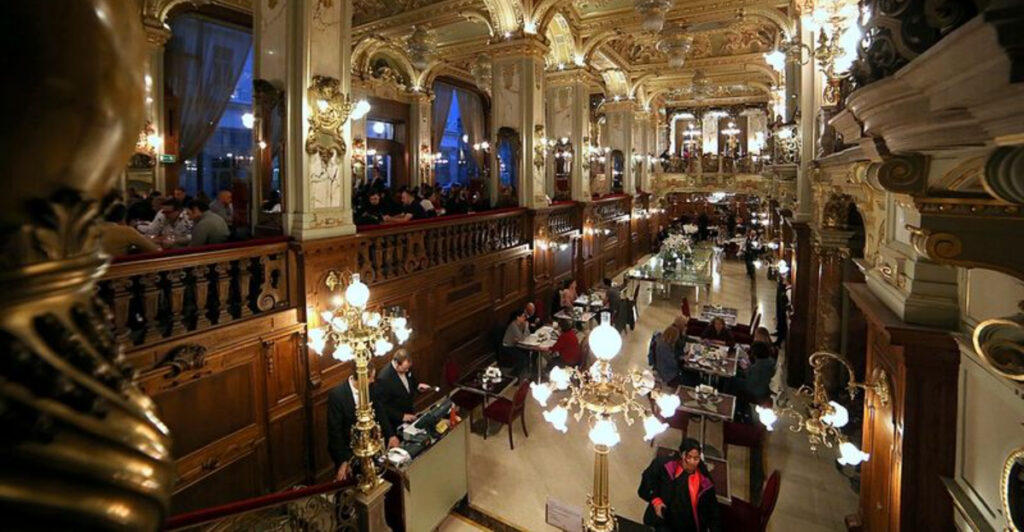
Ornate gold ceilings, velvet chairs, and chandeliers that have witnessed centuries of conversation make New York Café in Budapest one of the city’s most talked-about stops. It’s not just a café, it’s a place where history and luxury collide.
That popularity, however, comes with crowds, long waits, and expectations that don’t always match reality. Without a bit of preparation, what should feel magical can quickly become overwhelming.
The good news? A few smart tips can make all the difference.
Before you visit, here are some important things to know to help you enjoy New York Café without the stress and get the experience it’s actually famous for.
1. It started as a power move (not ‘just a café’)
Back in 1894, an American insurance giant decided Budapest needed more than just another office building. New York Life wanted a statement piece that screamed power, prestige, and permanence.
So they built a palace-like headquarters with a showpiece café on the ground floor, designed to dazzle locals and visitors alike. This wasn’t about serving good coffee, it was about flexing architectural muscle in a city already bursting with grand designs.
The café was the crown jewel, a space so lavish it made competitors look modest by comparison. From opening day, it attracted Budapest’s elite like moths to a chandelier.
Understanding this origin story changes how you see the place today. You’re not just visiting a pretty café—you’re stepping into a calculated act of cultural dominance that somehow worked.
The building still commands attention, still draws crowds, and still fulfills its original mission over a century later: making an unforgettable impression on anyone who walks through those doors.
2. Yes, it’s inside a palace-like hotel
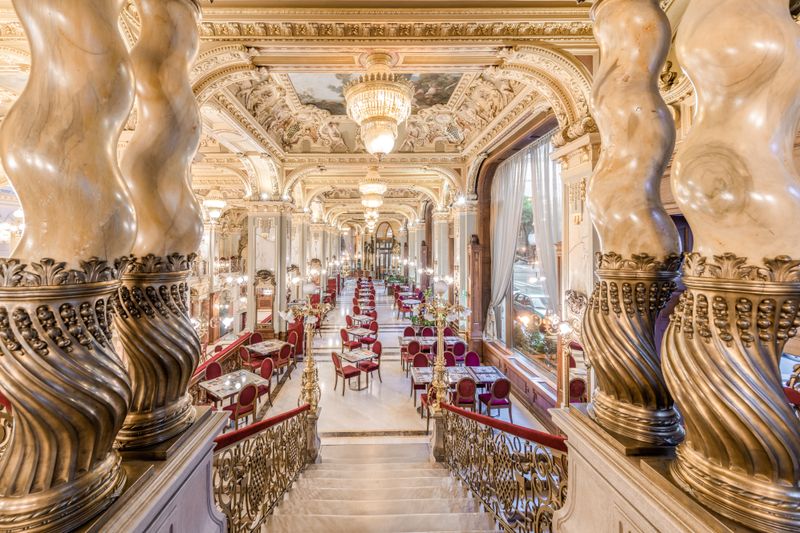
Confusion alert: many first-timers assume New York Café is a standalone building. It’s not.
The café occupies the ground floor of what’s now called the New York Palace, currently operated by the luxury Anantara hotel group. You don’t need to book a room to visit, but knowing this setup helps you navigate without looking lost.
The hotel connection actually enhances the experience. Walking through the entrance feels like stepping into royalty’s living room – marble everywhere, polished brass, staff in crisp uniforms.
Even if your budget stops at a cappuccino, you get to borrow that five-star atmosphere for an hour. Here’s the practical upside: the café shares the building’s restrooms, which are cleaner and fancier than typical tourist-trap facilities.
You can also explore a bit of the lobby without anyone stopping you, making the whole visit feel less transactional and more like a mini palace tour. Just remember you’re technically in a working hotel, so keep voices down and don’t treat the space like a playground.
3. The ‘most beautiful café in the world’ label has a timeline
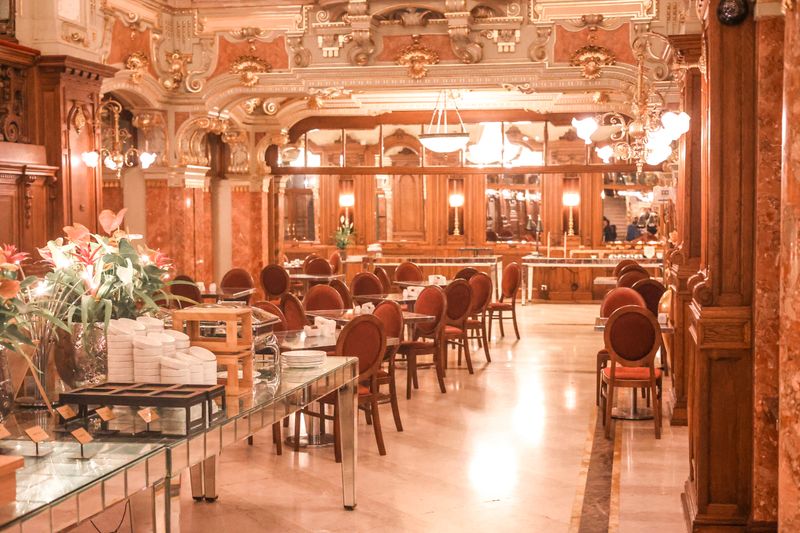
You’ll see that famous phrase plastered everywhere: “most beautiful café in the world.” It’s not ancient folklore—it’s modern branding with a specific birthdate. According to the café’s own materials, the title came from an international competition in 2011, giving the place a shiny new marketing hook after its 2006 reopening.
Does it matter whether some panel officially crowned it or if it’s just clever promotion? Not really.
What matters is that millions of visitors now arrive with sky-high expectations, cameras ready, hoping the reality matches the hype. For most people, it does—the space genuinely delivers visual drama.
But understanding the timeline helps you separate legend from strategy. This isn’t some centuries-old title passed down through generations of café critics.
It’s a 21st-century designation that helped put New York Café back on the global tourism map after decades of obscurity. Whether you call it marketing genius or justified recognition, the label stuck—and it works.
Just know you’re participating in a story that’s equal parts history and hustle.
4. There’s a famous key-in-the-Danube legend
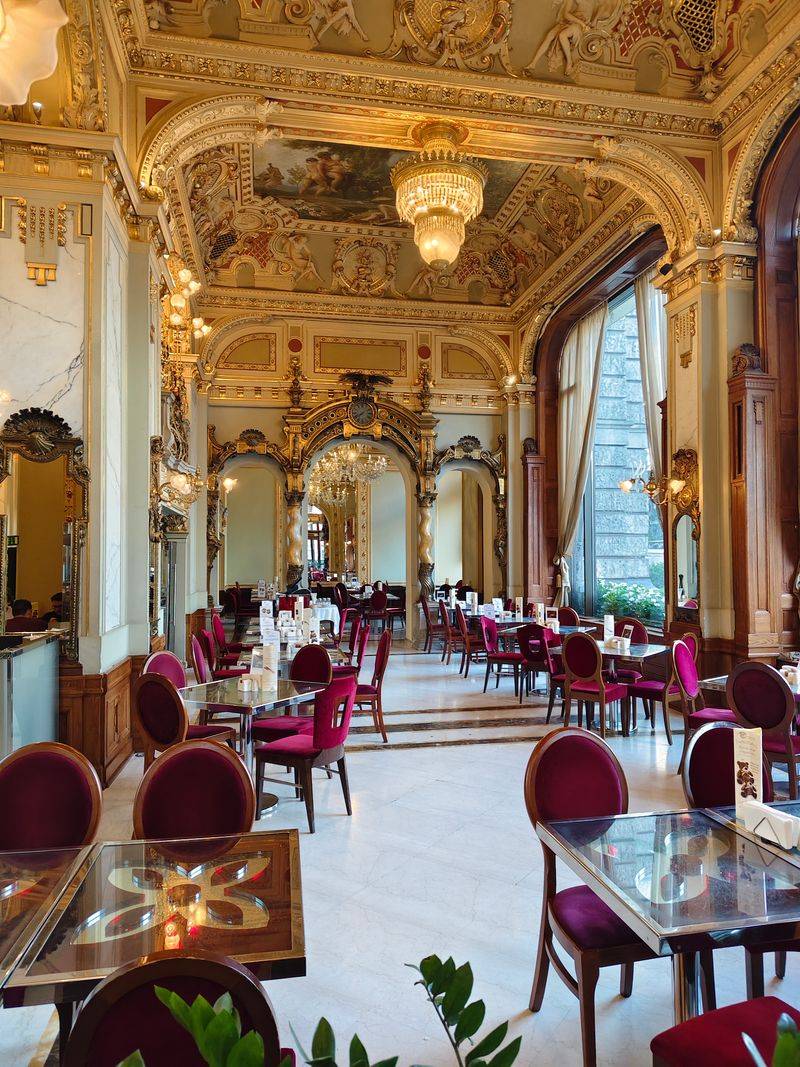
Here’s the story everyone loves: on opening night in 1894, a group of enchanted writers and artists supposedly threw the café’s key into the Danube River. Their symbolic gesture?
This magical place should never close, not even for a single night. It’s romantic, it’s dramatic, and it’s probably fiction—but that doesn’t stop the café from leaning into the tale.
No historian can confirm it actually happened, but legends don’t need receipts when they’re this good. The story perfectly captures the café’s theatrical personality and its historical role as a creative sanctuary.
Whether true or invented, it gives visitors something to talk about beyond the gold leaf and frescoes. The irony?
The café did close—for years, actually, during war and political upheaval. But the legend survived, and now it’s part of the experience.
When you visit, you’re not just seeing beautiful architecture; you’re stepping into a place that inspired people to create myths about it. That’s a different kind of power than any building material can provide.
5. It wasn’t always this glamorous – war and politics changed everything
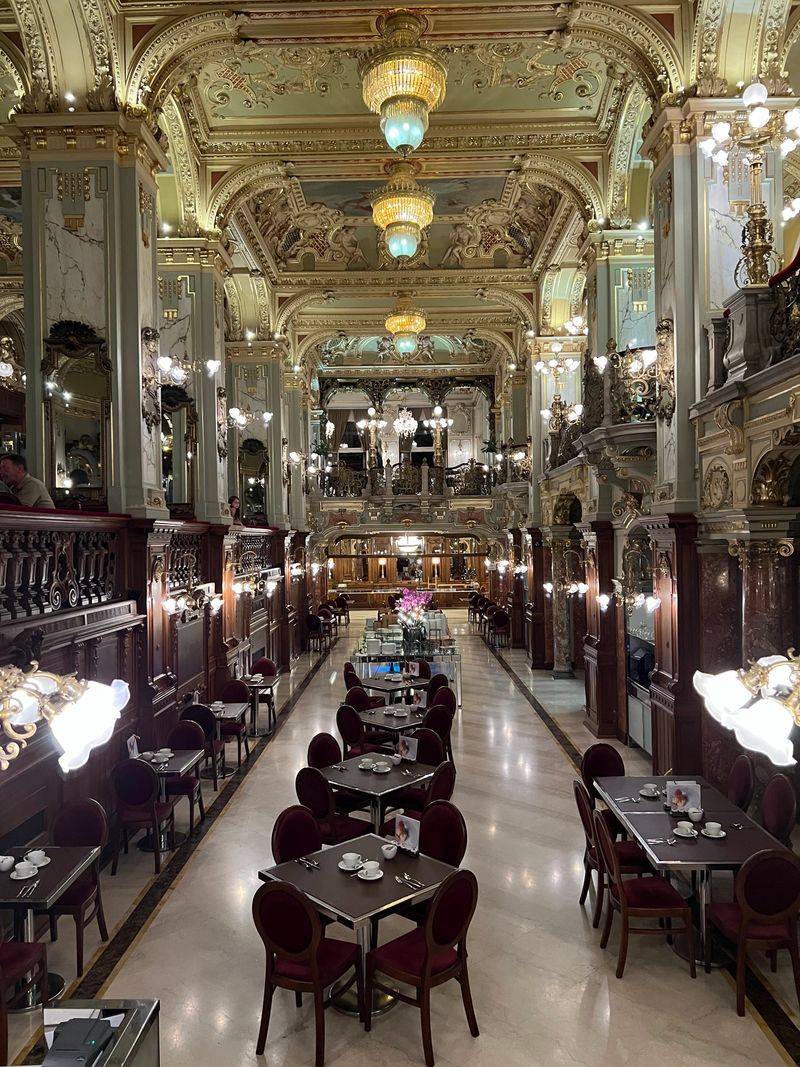
Before you get too swept up in the glamour, remember this building survived hell. World War II brought heavy damage, leaving the once-glorious café in ruins.
Then came nationalization under communist rule, a forced name change, and decades of neglect that stripped away most of its original sparkle. For much of the 20th century, New York Café wasn’t an Instagram destination—it was a shadow of itself, another casualty of Budapest’s brutal political timeline.
The chandeliers came down, the gold dulled, and the space served whatever purpose the state deemed necessary. Locals who remembered its glory days could only mourn what was lost.
This context matters because it reframes the current version as a resurrection, not just preservation. What you see today isn’t original—it’s a painstaking reconstruction of what once was, built on memory, photographs, and determination.
The café you’re visiting is both historic and brand new, a phoenix that rose from literal rubble. That makes the experience more meaningful than just “pretty old building.” It’s proof that beauty can survive politics, war, and time.
6. The 2000s restoration is why it feels so cinematic now
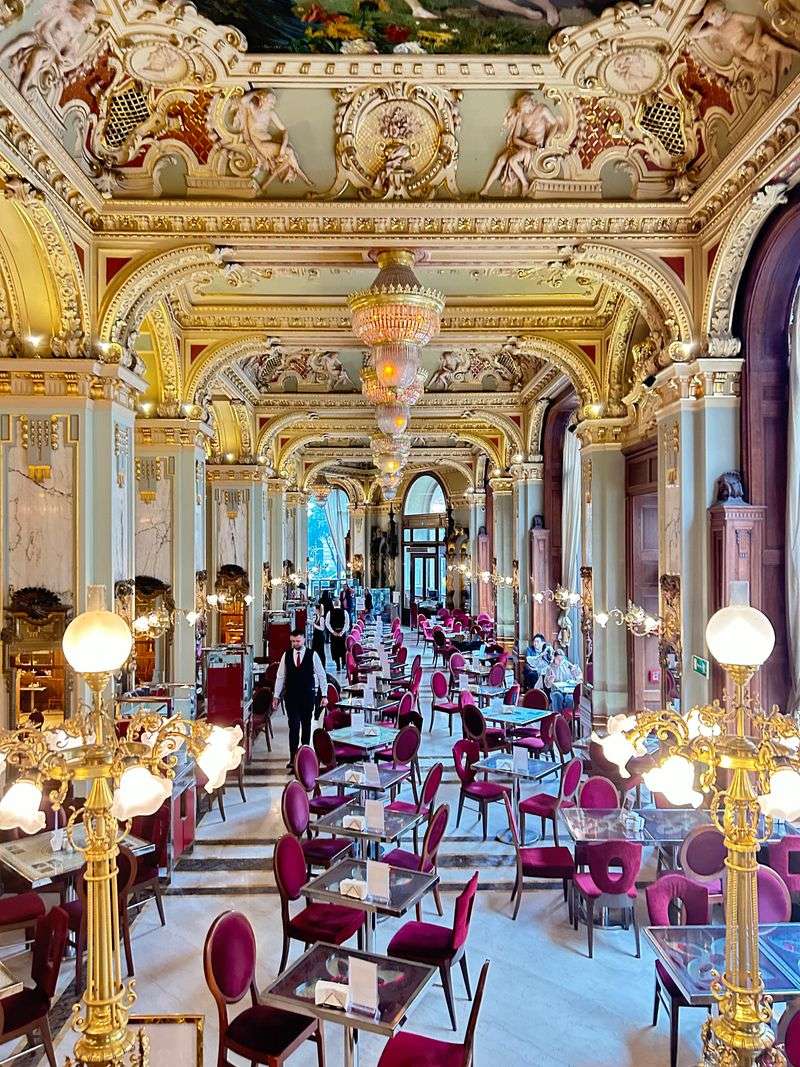
Everything you’ll photograph—the gleaming gold, the pristine frescoes, the dramatic lighting—comes from a massive early-2000s renovation project. The café reopened in 2006 after years of painstaking restoration work, essentially rebuilding the grandeur from historical records and old photographs.
This isn’t ancient patina you’re admiring; it’s expert craftsmanship designed to recreate 1894’s vision. Some purists might call it a replica, but that misses the point.
The goal wasn’t to preserve decay—it was to resurrect an experience that had been lost for generations. Teams of artisans studied original designs, matched materials, and recreated details most visitors will never notice.
The result feels cinematic because it was treated like a film set: every angle optimized, every surface perfected. This explains why the café looks impossibly pristine for something supposedly 130 years old.
Because in its current form, it’s barely 20. Understanding this doesn’t diminish the magic—it just shifts your appreciation from “wow, this survived” to “wow, someone cared enough to bring this back.” Both are impressive, just in different ways.
7. Look up first: the ceiling is the main course
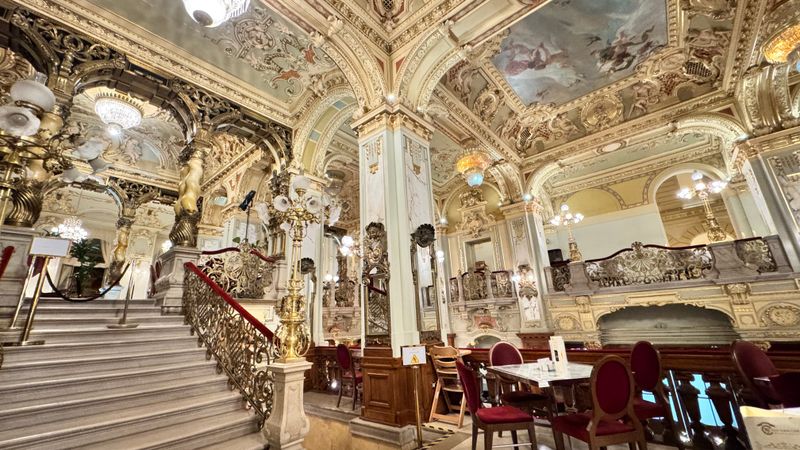
Most people walk in, scan the room, and immediately pull out their phones. Wrong move.
The first thing you should do – before sitting, before ordering, before anything, is stop dead in your tracks and look straight up. The ceiling is where New York Café reveals its true ambition.
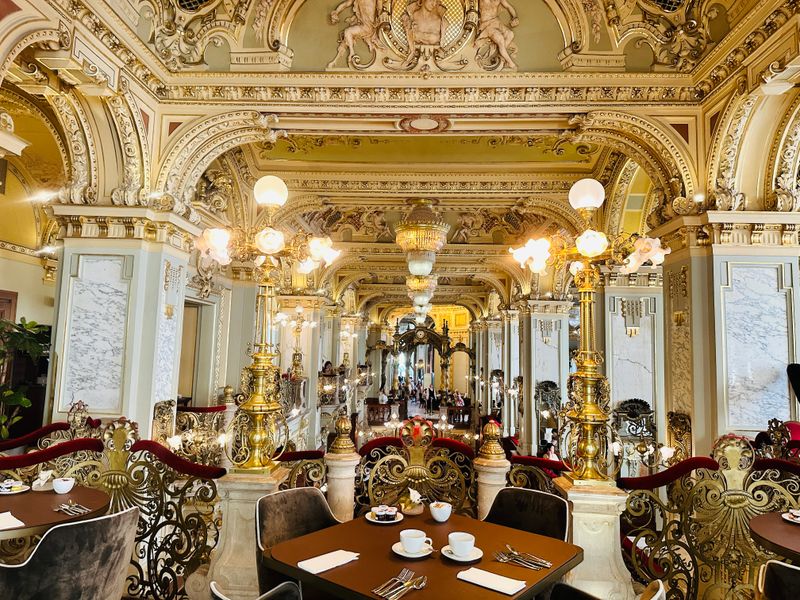
High above, painted frescoes sprawl across every inch of space, depicting scenes that range from mythological to whimsical. Dramatic lighting from massive chandeliers makes the artwork glow, creating depth and shadow that flat photos can’t quite capture.
It’s the kind of ceiling that makes you understand why people used the phrase “like a museum” to describe this place. Here’s the smart visitor move: take your ceiling photos first, before the crowds thicken and before you’re distracted by menus and waiters.
Stand in different spots to catch different angles, because the frescoes shift depending on where you’re positioned. Only after you’ve properly absorbed the ceiling should you settle in and focus on the ground-level details.
Get your priorities straight—literally.
8. Then zoom in: gilded details and sculptural surprises
Once you’ve conquered the ceiling, it’s time to slow down and notice the layers. New York Café isn’t just “gold everywhere”, it’s a masterclass in decorative restraint disguised as excess.
Look closer and you’ll spot sculptural figures tucked into corners, intricate carvings on columns, and ornamental details that reward patient observation. These aren’t random pretty things slapped on walls.
Each element serves a purpose, whether structural or symbolic, and together they create a visual rhythm that keeps your eye moving. Some sculptures depict mythological characters, others celebrate the arts, and a few seem to exist purely for whimsy.
The gilding catches light in ways that change throughout the day, making the same space feel different at breakfast versus evening. The practical takeaway?
Budget extra time for just looking around. Most visitors spend 30 minutes here, snap photos, and leave.
The ones who truly experience the space give themselves permission to stare, wander, and discover details they didn’t notice at first glance. Bring curiosity, not just a camera.
The café rewards slow looking in ways that fast tourism never will.
9. It used to be a serious cultural headquarters
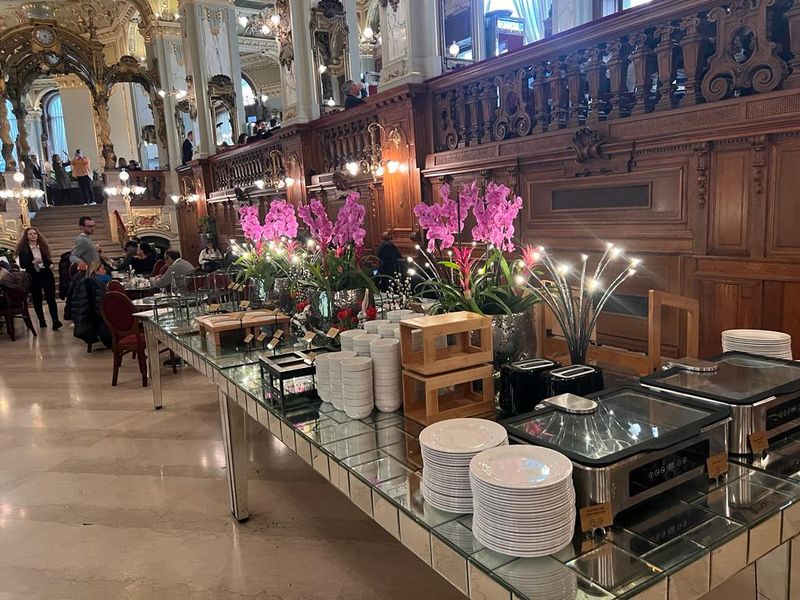
Long before influencers posed here for content, New York Café was Budapest’s intellectual engine. Writers, editors, poets, and artists claimed tables as offices, spending entire days nursing coffee while debating ideas, drafting manuscripts, and plotting the city’s cultural future.
This wasn’t a tourist attraction—it was a working creative hub. The café’s generous policies helped: you could sit for hours without being rushed, making it the perfect sanctuary for people whose work required time and caffeine.
Some of Hungary’s most important literary movements took shape at these tables, fueled by strong coffee and stronger opinions. The space fostered collaboration and competition in equal measure.
Knowing this history changes how you experience the room. You’re not just visiting pretty décor—you’re standing where Budapest’s creative class once gathered to shape the city’s identity.
The tables you’re photographing once held manuscripts that became classics. The air you’re breathing (okay, dramatically speaking) once buzzed with arguments about art, politics, and the future.
That’s a different kind of magic than gold leaf can provide, and it’s worth acknowledging.
10. Don’t over-romanticize the food – go for the experience (and pick smart)
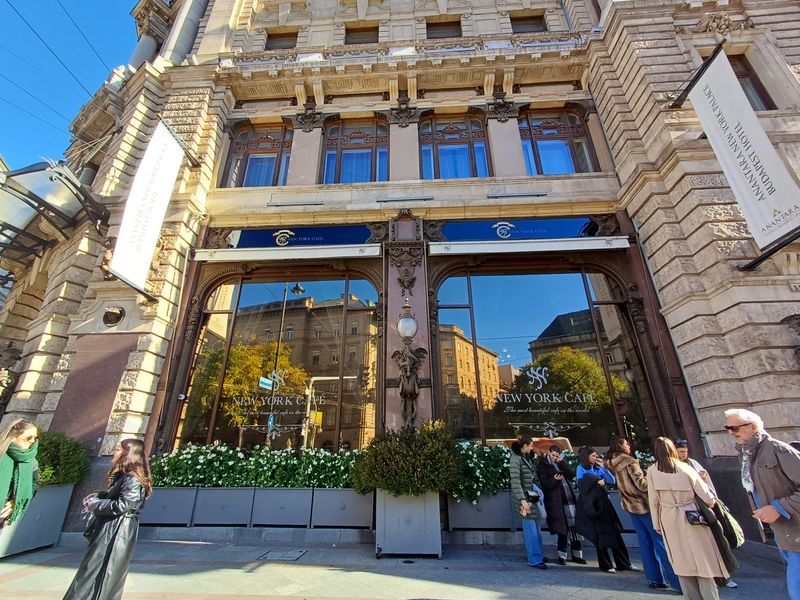
Let’s be honest: you’re not coming here for the best meal of your life. Even the café’s biggest fans admit the magic is 90 percent atmosphere, 10 percent culinary achievement.
The food is fine, sometimes good, occasionally great—but it’s never the main event. Adjust expectations accordingly and you’ll leave happy.
The smartest strategy? Order something nearly impossible to mess up: a classic coffee (cappuccino, espresso, whatever speaks to you) paired with one of their signature desserts.
These items play to the café’s strengths—presentation, tradition, and the simple pleasure of eating something beautiful in a beautiful place. Skip complicated entrees unless you’re genuinely hungry and willing to gamble.
Here’s the mindset shift that helps: treat your order like an admission ticket. You’re paying for the privilege of sitting in this space, soaking up the atmosphere, and taking your time.
The coffee and cake are just the excuse. Once you reframe it that way, the prices make more sense and any food disappointment becomes irrelevant.
You came for the setting, and the setting always delivers.
11. Expect lines and plan like a pro
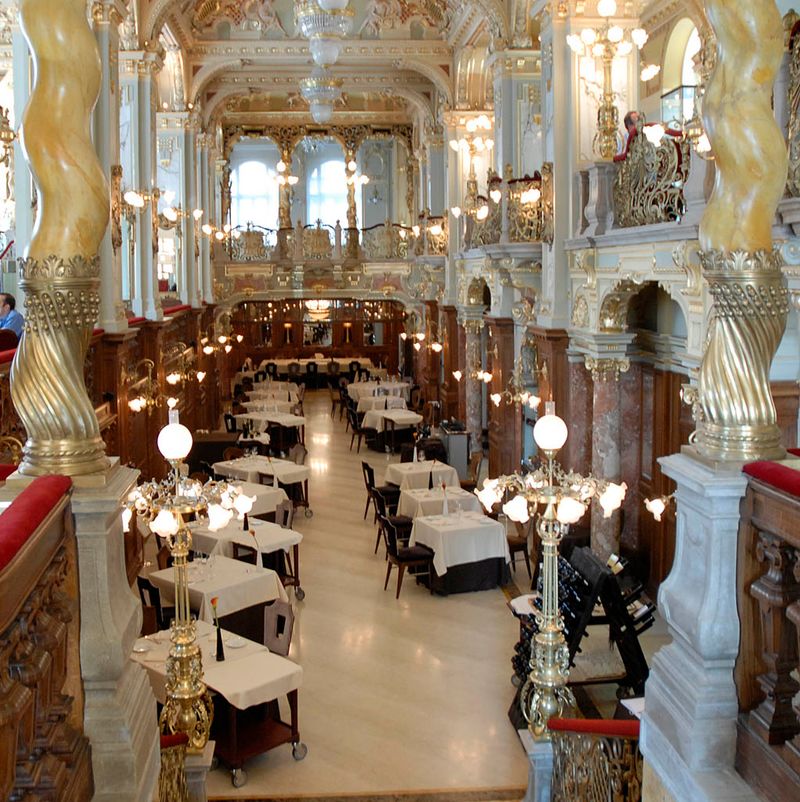
New York Café is one of Budapest’s busiest indoor attractions, which means crowds are part of the deal. During peak tourist season, expect lines at the entrance, wait times for tables, and a general sense of controlled chaos.
Ignoring this reality leads to frustration; planning around it leads to success. Timing is everything.
Early morning (right when they open) or later evening tend to be calmer than the midday crush when tour groups and cruise passengers descend. Weekdays beat weekends.
Off-season beats summer. If you have any flexibility in your schedule, use it here—arriving at the right time can mean the difference between a 10-minute wait and a 45-minute ordeal.
Once inside, keep your visit intentional. Take your photos, order your drink and dessert, enjoy the space for 30 to 45 minutes, then move on.
Lingering for hours might sound romantic, but it’s rarely practical when others are waiting. Treat this like a ticketed attraction where your “ticket” is your order, and you’ll have the right mindset for maximum enjoyment with minimum stress.
12. Dress code isn’t ‘formal’, but vibes matter
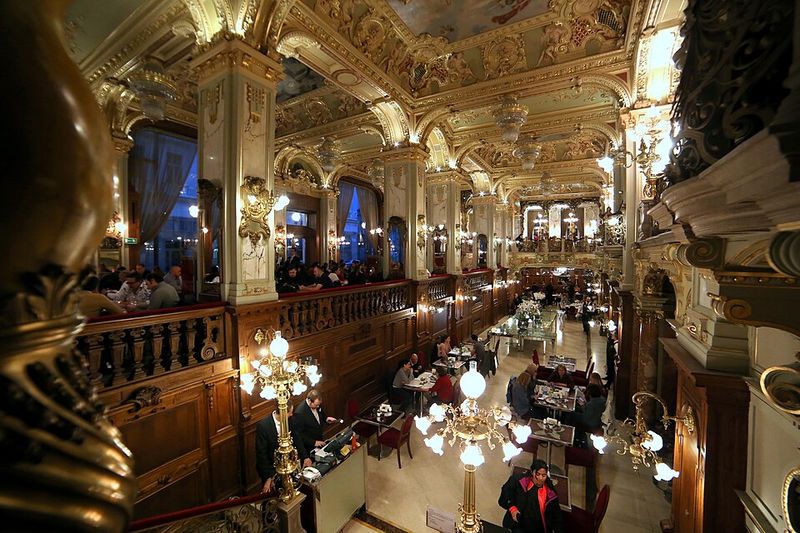
No one’s going to stop you at the door for wearing sneakers and a T-shirt, but New York Café feels best when you match the setting a little. Think smart casual at minimum, the kind of outfit you’d wear to a nice dinner or a museum opening.
You don’t need a gown or a three-piece suit, but showing up in gym clothes or beachwear misses the point. Here’s why it matters: this is a place designed for elegance, and your outfit becomes part of the experience you’re paying for.
When you’re surrounded by gold, velvet, and chandeliers, dressing the part makes you feel more connected to the space. It’s also about respecting the environment and the other guests who made the effort.
Plus, let’s be real, your photos will look better. A neat outfit against that ornate backdrop creates a cohesive aesthetic, while wrinkled tourist gear can undercut the magic.
Consider this part of the preparation, like charging your camera or checking opening hours. A little effort in the wardrobe department pays dividends in both experience and Instagram results.
13. Pair it with nearby Budapest highlights
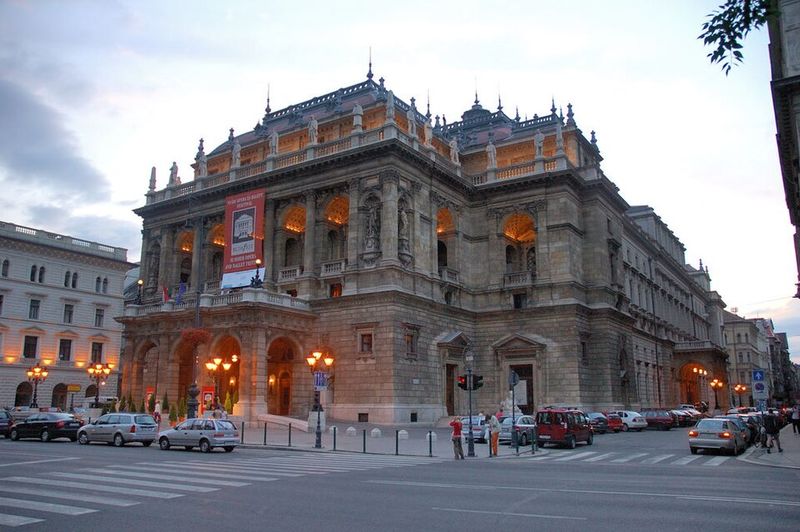
Location, location, location: New York Café sits right on Budapest’s Grand Boulevard, which means you can easily fold it into a packed sightseeing day without making it the sole destination. The area buzzes with classic architecture, shops, and transit connections that link you to the city’s biggest attractions.
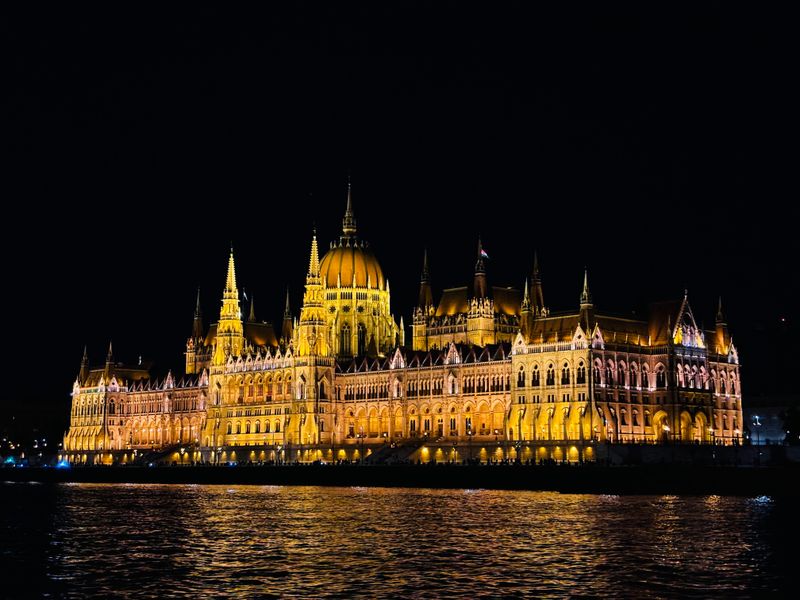
Smart pairing options: combine your café visit with a walk along Andrássy Avenue (a UNESCO World Heritage site), explore the nearby State Opera House, or hop on a tram to see the Parliament Building and Danube bridges. The café’s central position makes it a natural midpoint rather than an isolated detour, so you’re not sacrificing hours of your day for one stop.
The key is integration, not isolation. Treat New York Café as one highlight in a larger Budapest experience rather than the entire focus of your trip.
This approach keeps your schedule balanced and prevents the inevitable letdown that comes from building any single location into an all-day event. See it, enjoy it, photograph it—then move on to the next amazing thing this city has to offer.
Share this story