Watching animals roam freely in their natural habitats is one of the most thrilling experiences our planet offers. From massive elephant herds wandering across African plains to penguins waddling on Antarctic ice, wildlife encounters remind us how spectacular and diverse Earth truly is.
Whether you dream of tracking gorillas through misty rainforests or photographing bears fishing for salmon, these seventeen destinations deliver unforgettable moments that’ll stay with you forever. Pack your binoculars and sense of adventure—it’s time to explore where the wild things are.
Okavango Delta — Botswana
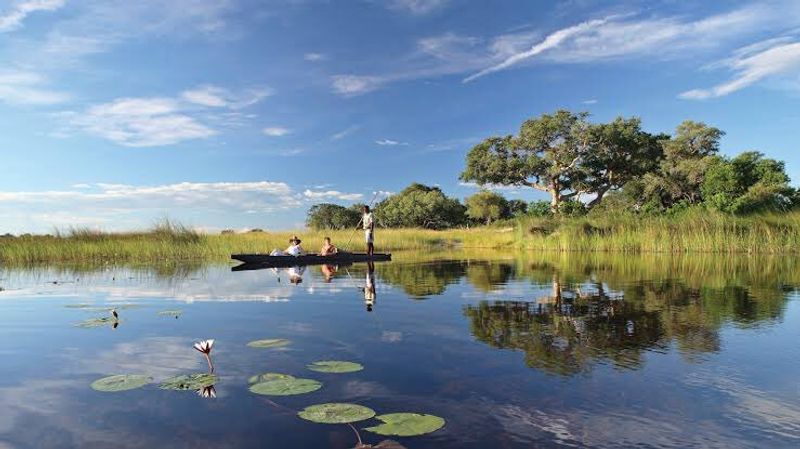
Water shouldn’t flow into the middle of a desert, yet the Okavango Delta does exactly that, creating one of Earth’s most improbable wildlife havens. This sprawling inland delta transforms Botswana’s arid landscape into a lush maze of channels, lagoons, and islands where animals gather in staggering numbers.
Elephants wade belly-deep through crystal-clear water, hippos snort and splash, and lions patrol the islands like furry monarchs surveying their kingdom. What makes Okavango truly special is how you explore it—gliding silently through narrow channels in a traditional mokoro canoe.
There’s something magical about drifting past a crocodile sunbathing on the bank or watching a herd of lechwe antelope bound through the shallows. The silence amplifies every sound: the splash of a fish, the call of an African fish eagle, the distant rumble of elephant communication.
Seasonal flooding between March and August turns the delta into an even richer wonderland, attracting wildlife from miles around. Bird enthusiasts lose their minds here with over 400 species recorded, while big cat lovers get their fix watching leopards and lions adapted to this watery world.
It’s wilderness viewing with a twist—literally, as your mokoro winds through nature’s own water park.
Kruger National Park — South Africa
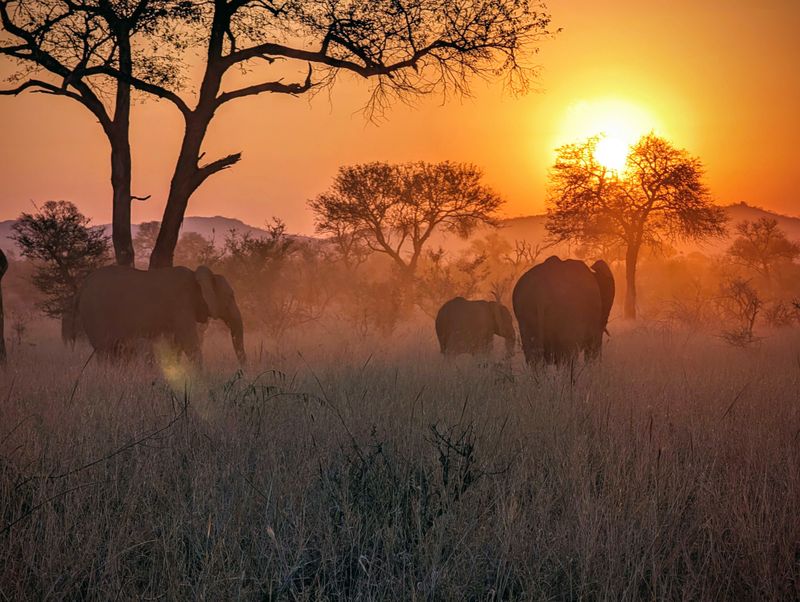
Kruger is where safari dreams become reality for millions of visitors each year, and there’s a good reason it’s practically synonymous with African wildlife watching. Spanning an area roughly the size of Wales, this legendary park offers something most other reserves can’t: consistent, year-round sightings of the Big Five without requiring a second mortgage.
I’ve heard countless stories from friends who spotted all five iconic animals in a single day—talk about bragging rights. The park’s infrastructure makes wildlife viewing accessible whether you’re a seasoned safari veteran or a complete newbie.
Well-maintained roads crisscross diverse habitats from riverine forests to open grasslands, each ecosystem supporting different animal communities. You might encounter a leopard draped lazily over a tree branch one moment, then stumble upon a rhino mother with her calf the next.
What really sets Kruger apart is its sheer abundance—estimates suggest over 12,000 elephants, 27,000 buffalo, and 2,000 leopards call this wilderness home. Expert guides know the land intimately and can read subtle signs that lead to extraordinary encounters.
Morning game drives often reveal lions returning from nocturnal hunts, while evening excursions catch predators beginning their prowl as the African sun paints the sky in brilliant oranges and reds.
Galápagos Islands — Ecuador
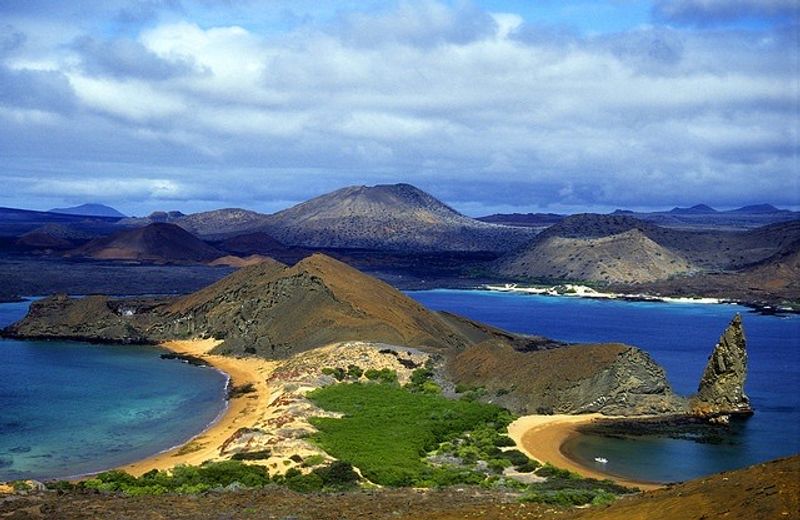
Evolution took a wildly creative turn on these volcanic islands scattered across the Pacific, producing creatures so bizarre and wonderful they seem almost fictional. Giant tortoises lumber along like living boulders, marine iguanas sneeze salt from their nostrils after ocean swims, and blue-footed boobies perform their hilariously charming mating dances with feet that look dipped in electric blue paint.
Darwin wasn’t exaggerating when these islands inspired his revolutionary theories. The wildlife here displays a fearlessness found almost nowhere else on Earth because these species evolved without natural land predators.
Sea lions might nap on park benches, penguins waddle past you on beach strolls, and birds land close enough to count their feathers. This lack of fear creates intimate encounters that feel almost surreal—like nature forgot to install the usual boundaries between humans and animals.
Snorkeling in Galápagos waters ranks among the planet’s most magical underwater experiences, with playful sea lions twirling around you like aquatic puppies. You’ll swim alongside sea turtles, spot penguins zipping through the water (yes, penguins near the equator!), and maybe even glimpse hammerhead sharks cruising the depths.
Every island offers something different, making this archipelago a wildlife bucket list destination that genuinely lives up to the hype.
Antarctica — Icy Wilderness & Awe-Inspiring Wildlife
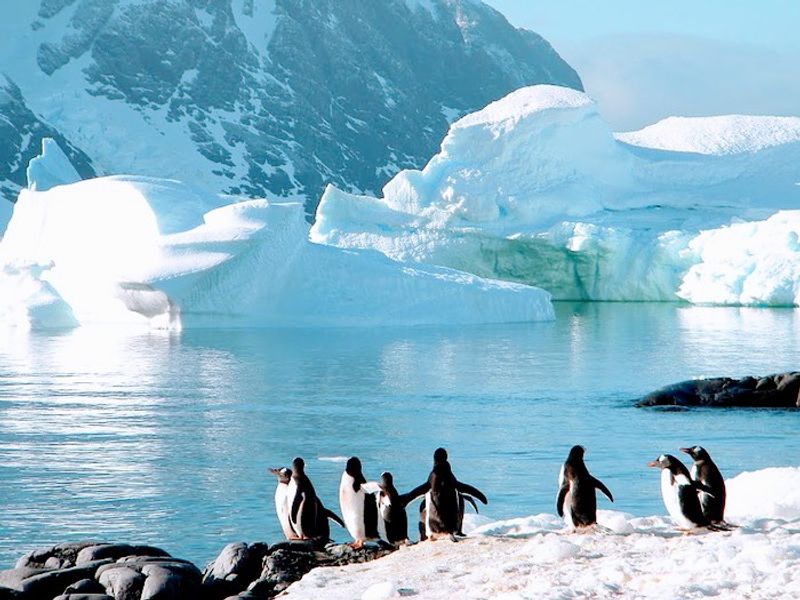
Nothing prepares you for the sheer scale of penguin colonies numbering in the hundreds of thousands, their calls echoing across frozen landscapes that stretch to infinity. Antarctica represents wilderness in its purest, most unforgiving form—a continent where nature still reigns supreme and humans are merely temporary visitors.
The first time you spot a whale’s tail rising from icy waters or watch penguins porpoising through waves, you’ll understand why people mortgage their houses for this journey. Expedition cruises navigate through iceberg-studded waters, bringing you face-to-face with wildlife adapted to Earth’s harshest conditions.
Gentoo penguins waddle comically along ice highways they’ve created through repeated use, while Adélie penguins build pebble nests with the dedication of tiny architects. If you’re exceptionally fortunate, you might encounter emperor penguins—the largest and most regal of all penguin species.
Marine life thrives in these frigid waters with humpback, minke, and orca whales feeding on abundant krill populations. Leopard seals lounge on ice floes looking deceptively cuddly despite being fierce predators, while Weddell seals seem perpetually content napping in the pale Antarctic sun.
The continent’s untouched beauty combined with incredible wildlife concentrations creates an experience so profound it often leaves visitors speechless—which is fortunate because your jaw will probably be frozen open anyway.
Svalbard — Arctic Bear Territory
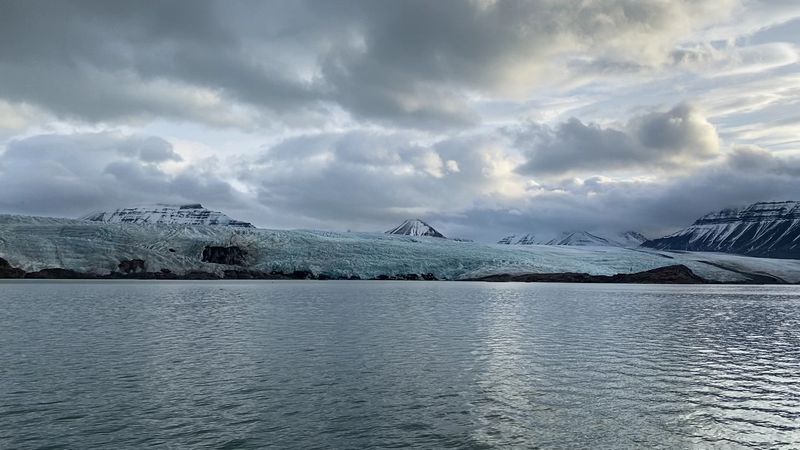
Polar bears outnumber humans on this remote archipelago, which should tell you everything about Svalbard’s wild credentials. Positioned deep within the Arctic Circle, these islands offer one of your best shots at witnessing the planet’s largest land predator stalking across sea ice or investigating seal breathing holes.
Armed guides accompany all excursions outside settlements because here, you’re definitely not at the top of the food chain. The stark, frozen beauty of Svalbard creates an otherworldly backdrop for wildlife encounters that feel almost prehistoric.
Arctic foxes in their winter white coats blend seamlessly with snow until they move, while massive walrus colonies haul out on rocky beaches, their tusks gleaming and their grunts echoing off glacial cliffs. Reindeer subspecies unique to Svalbard browse sparse vegetation, having adapted to survive where most animals would perish.
Summer months bring 24-hour daylight, transforming these islands into a seabird paradise with puffins, guillemots, and kittiwakes nesting on towering cliffs. Expedition cruises navigate between ice-sculpted fjords where glaciers calve dramatically into the sea and bearded seals pop up curiously beside zodiacs.
Svalbard isn’t an easy destination to reach, but that remoteness protects its pristine wilderness and ensures wildlife encounters remain authentically wild rather than staged tourist performances.
Borneo Rainforests — Malaysia & Indonesia
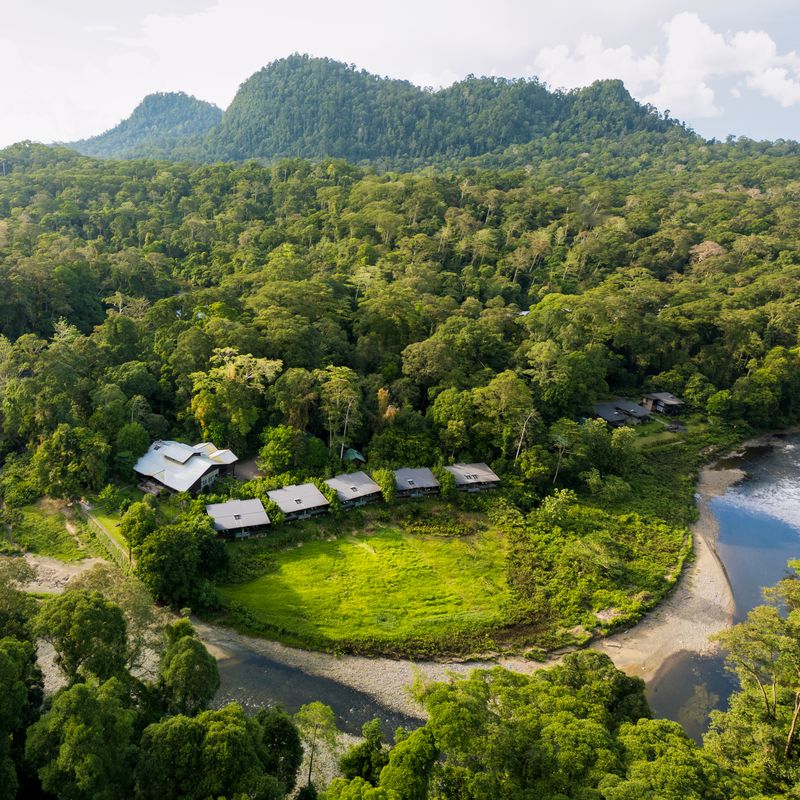
Ancient rainforests blanket Borneo with vegetation so dense and layered it creates entire worlds stacked vertically from forest floor to canopy. This island ranks among Earth’s most biodiverse places, harboring species found absolutely nowhere else—including our orange-haired cousins, the critically endangered orangutans.
Watching these intelligent great apes swing effortlessly through the canopy, using vines like nature’s own jungle gym, ranks among wildlife watching’s most humbling experiences. The Kinabatangan River in Malaysian Borneo serves as a wildlife highway where boat safaris reveal an astonishing parade of creatures.
Proboscis monkeys with their comically oversized noses leap between riverside trees, pygmy elephants—the world’s smallest elephant subspecies—emerge from jungle shadows to drink, and saltwater crocodiles lurk menacingly in murky waters. Dawn and dusk safaris offer the best sightings when animals are most active.
Tanjung Puting National Park in Indonesian Borneo provides another incredible orangutan stronghold where rehabilitation centers allow close encounters with orphaned apes learning survival skills before release. Hornbills with their massive beaks glide overhead, sun bears forage for insects, and if luck favors you, clouded leopards might reveal themselves briefly before melting back into forest shadows.
Conservation efforts here combine wildlife protection with sustainable tourism, giving visitors meaningful encounters while supporting local communities and habitat preservation.
Uganda & Rwanda — Mountain Gorilla Trekking
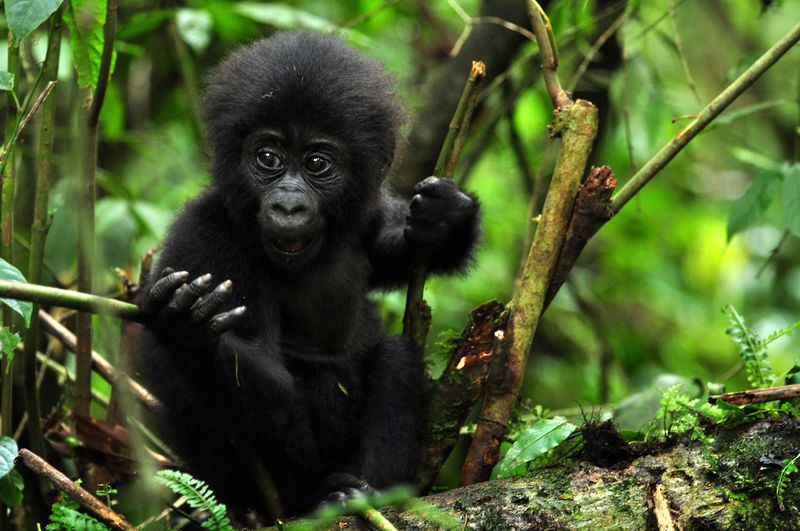
Meeting a mountain gorilla’s gaze in the misty forests of central Africa changes you in ways that are difficult to articulate. These critically endangered primates—fewer than 1,100 remain in the wild—share roughly 98% of our DNA, and that genetic kinship becomes viscerally obvious when you’re sitting meters away from a family group.
The silverback patriarch might weigh 400 pounds of pure muscle, yet he munches bamboo shoots with surprising delicacy while youngsters tumble and play like human toddlers. Gorilla trekking demands physical effort, sometimes requiring hours of hiking through steep, muddy terrain in Bwindi Impenetrable National Park or Rwanda’s Volcanoes National Park.
Your legs will burn, you’ll slip in mud, and leeches might hitch rides on your boots. But the moment you hear the rustling vegetation and your guide signals you’ve found them, every uncomfortable step evaporates from memory.
Strict regulations limit visits to one hour per gorilla family, with only small groups permitted daily to minimize stress on these gentle giants. You’ll watch infants wrestle, adolescents show off by chest-beating, and mothers nurse their babies with expressions of contentment that transcend species.
The emotional intensity of this encounter—knowing these magnificent creatures teeter on extinction’s edge—creates a conservation commitment that stays with you long after you’ve left the forest.
Denali National Park — Alaska, USA
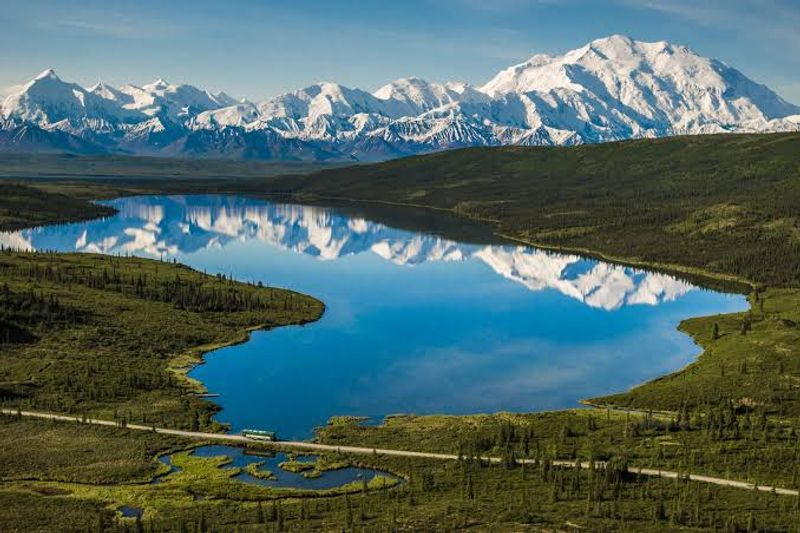
Six million acres of Alaskan wilderness sprawl beneath North America’s tallest peak, creating a landscape so vast and untamed it makes you feel wonderfully insignificant. Denali National Park embodies what Alaska does best—combining jaw-dropping scenery with wildlife encounters that quicken your pulse.
Grizzly bears dig for ground squirrels across tundra hillsides, their massive humped shoulders rippling with each powerful swipe of their claws. The park’s single road penetrates deep into wilderness areas closed to private vehicles, meaning wildlife viewing happens from shuttle buses that stop whenever animals appear.
This system protects habitat while providing excellent sighting opportunities—moose browse willows in valley bottoms, caribou herds migrate across mountain passes, and wolves occasionally trot along ridgelines. Dall sheep, with their brilliant white coats, cling to impossibly steep cliffs where few predators dare follow.
Denali’s subarctic ecosystem supports a surprising diversity considering the harsh climate and short growing season. Golden eagles soar on thermals scanning for prey, Arctic ground squirrels chatter warnings from burrow entrances, and if you’re extraordinarily lucky, a lynx might ghost through spruce forests.
Autumn transforms the tundra into a tapestry of reds, oranges, and golds, creating a photographer’s paradise where wildlife stands out dramatically against the colorful landscape beneath snow-dusted peaks.
Katmai National Park — Alaska, USA
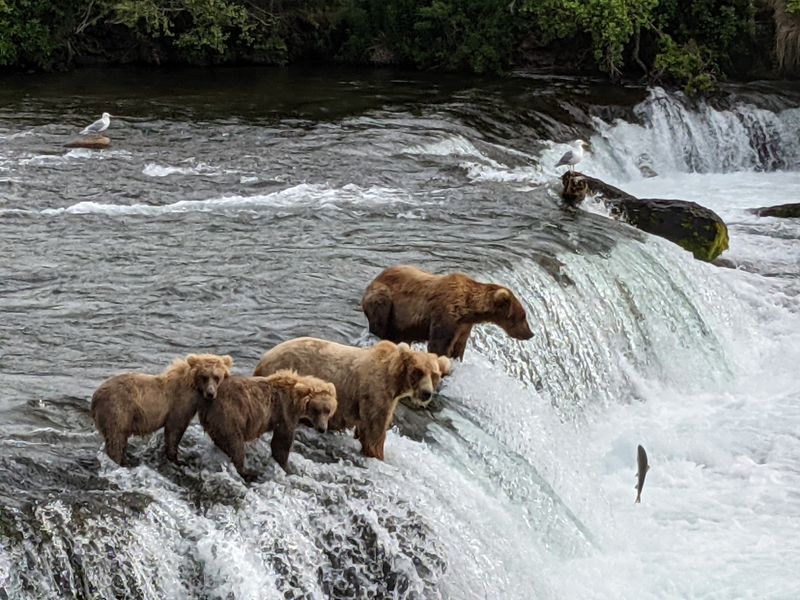
Few wildlife spectacles match the drama of watching massive brown bears plucking salmon from mid-air at Brooks Falls. Katmai has become synonymous with this iconic scene—bears positioned at the waterfall’s edge, jaws snapping shut on leaping fish with timing that would make any baseball player jealous.
During peak salmon runs in July and September, dozens of bears congregate here, creating a ursine traffic jam of fishing, squabbling, and salmon-fueled feasting. The park’s bear population ranks among North America’s densest, with an estimated 2,200 brown bears roaming Katmai’s remote wilderness.
These aren’t your average bears—coastal brownies grow enormous thanks to protein-rich salmon diets, with some males tipping scales at over 1,000 pounds. Watching a dominant male stake claim to the best fishing spot while smaller bears wait their turn reveals complex social hierarchies and surprising patience from animals we often think of as solitary.
Viewing platforms at Brooks Falls provide safe, intimate access to this natural phenomenon, with rangers ensuring both human safety and minimal bear disturbance. Cubs practice their fishing techniques with adorable clumsiness, often losing their catch to more experienced adults.
The entire scene plays out against a backdrop of pristine Alaskan wilderness where volcanic peaks, glacial valleys, and turquoise lakes remind you that nature still runs the show in places like Katmai.
Maasai Mara National Reserve — Kenya
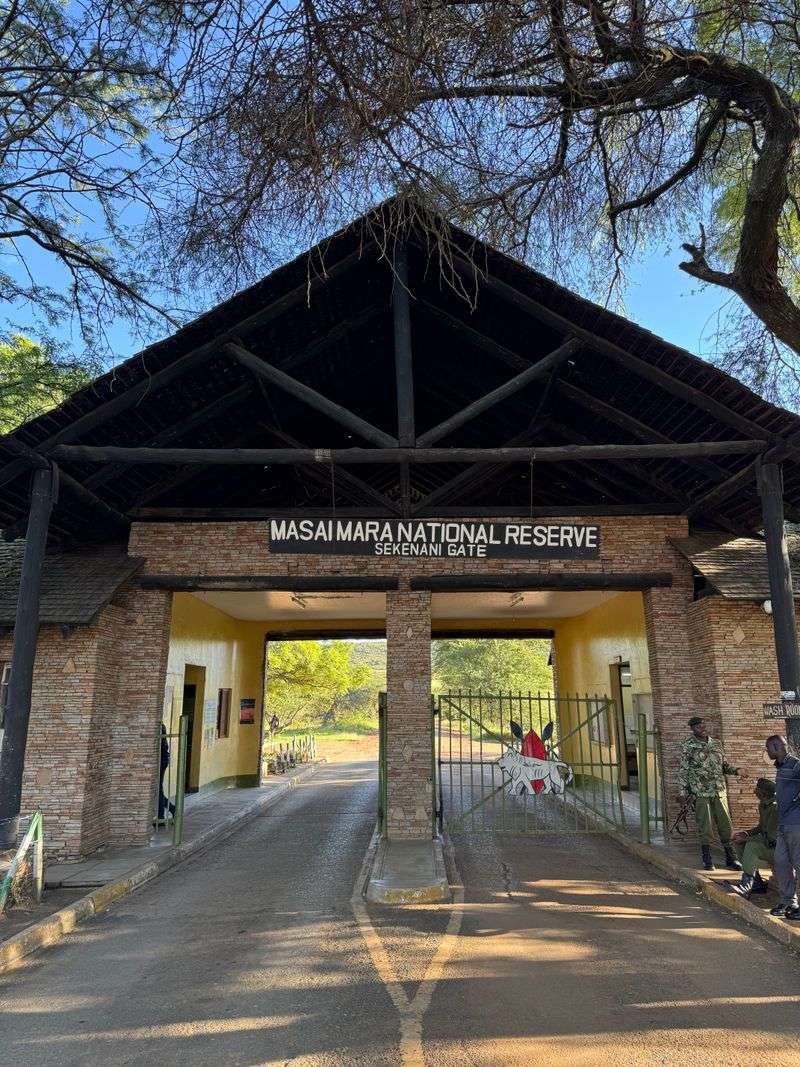
Golden grasslands stretch endlessly under the blazing Kenyan sun, and somewhere out there, a lioness crouches low, eyes locked on her next meal. Maasai Mara isn’t just a safari destination—it’s the safari destination, where nature’s most dramatic showdowns unfold daily.
I remember watching a cheetah sprint across the plains at impossible speeds, and honestly, no nature documentary could’ve prepared me for the raw power of that moment. The Great Migration is the star attraction here, with millions of wildebeest, zebras, and gazelles thundering across the landscape in search of greener pastures.
Watching them plunge into crocodile-infested rivers takes your breath away—it’s survival of the fittest on the grandest stage imaginable. Every crossing is a gamble, and nature doesn’t play favorites.
Beyond the migration spectacle, Maasai Mara delivers year-round wildlife action that few places can match. Elephants lumber past acacia trees, giraffes nibble on treetops, and if you’re lucky, you’ll spot all of the Big Five in a single game drive.
The reserve’s open terrain makes animal spotting easier than in dense forests, so even first-timers leave with incredible memories and camera rolls bursting with photos.
Chobe National Park — Botswana
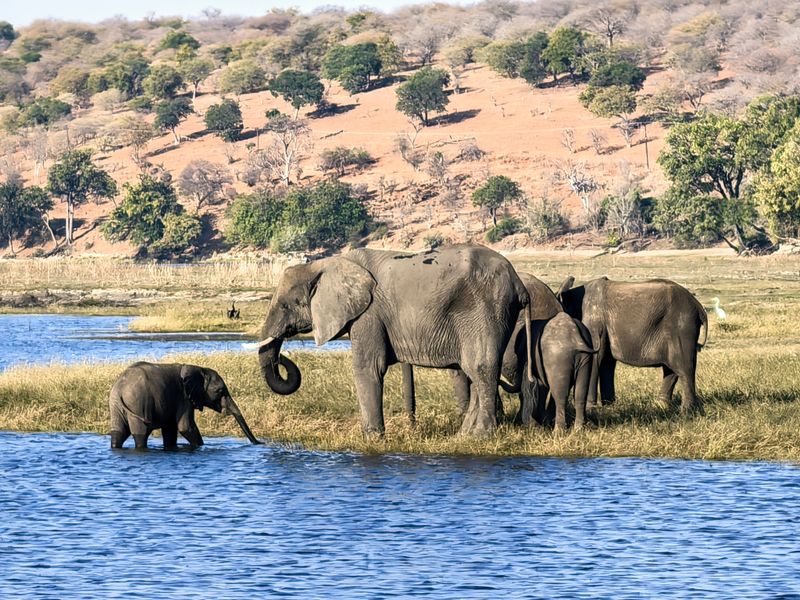
Elephant lovers, prepare to have your minds blown—Chobe hosts one of Africa’s largest elephant populations, with herds numbering in the tens of thousands. The Chobe River becomes elephant central during dry season when families converge on its banks, creating scenes straight from a wildlife documentary.
Watching hundreds of elephants splash, spray, and socialize along the water’s edge while their calves play like oversized puppies never gets old, no matter how many times you witness it. River safaris offer a completely different perspective than traditional game drives, bringing you eye-level with wildlife as they drink, bathe, and hunt along Chobe’s banks.
Hippos cluster in pods, their eyes and ears barely breaking the surface, while crocodiles bask motionless on muddy shores. Lions sometimes appear at water’s edge, and if timing aligns perfectly, you might witness a kill or see big cats attempting to cool off in the shallows.
The park’s northwestern section near Kasane delivers consistently excellent game viewing with minimal effort—animals must visit the river to drink, concentrating wildlife into relatively small areas. Buffalo herds thousands strong kick up dust clouds visible for miles, giraffes awkwardly splay their legs to reach water, and countless bird species create a constant soundtrack.
Chobe proves that sometimes the best wildlife watching happens where water meets land in Africa’s unforgiving climate.
Moremi Game Reserve — Botswana
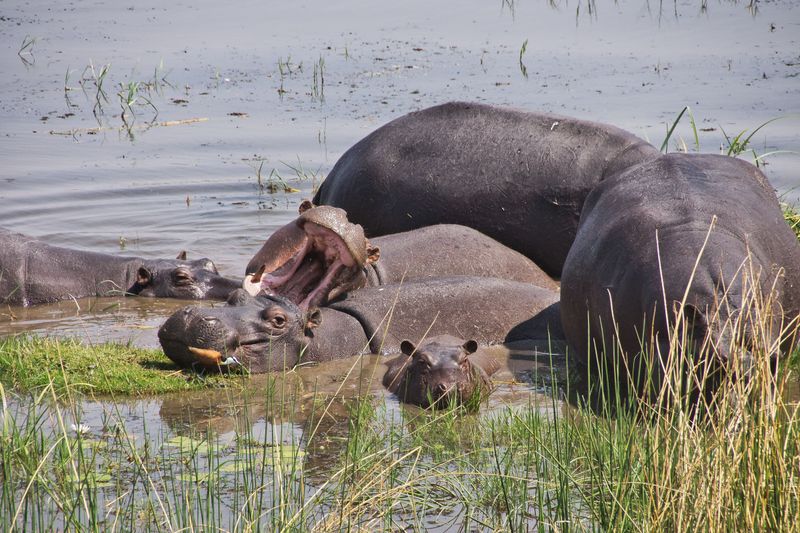
Tucked into the eastern Okavango Delta, Moremi combines the best of both worlds—permanent water channels teeming with aquatic life and dry land supporting classic savanna species. This reserve earned legendary status among serious safari enthusiasts for one particular reason: African wild dogs.
These endangered painted wolves hunt in coordinated packs with success rates that put lions to shame, and Moremi offers some of Africa’s best chances to witness their remarkable teamwork. Leopards also favor Moremi’s mixed habitats, often draping themselves photogenically over tree branches during midday heat.
The reserve’s relatively compact size packs incredible diversity into a manageable area—you might spot elephants splashing through shallow lagoons in the morning, then find lions stalking buffalo across open grasslands by afternoon. Chief’s Island, the reserve’s heart, remains accessible only to limited vehicles, ensuring a more exclusive, uncrowded experience.
Birdwatchers could spend weeks here and still not catalog every species, with African fish eagles, malachite kingfishers, and lilac-breasted rollers providing endless photographic opportunities. Seasonal flooding patterns shift animal distributions throughout the year, meaning Moremi offers different experiences depending on when you visit.
The reserve’s conservation success story—established in 1963 by the Batawana people—proves that protecting wilderness benefits both wildlife and local communities when done thoughtfully and sustainably.
Iberá Provincial Reserve — Argentina
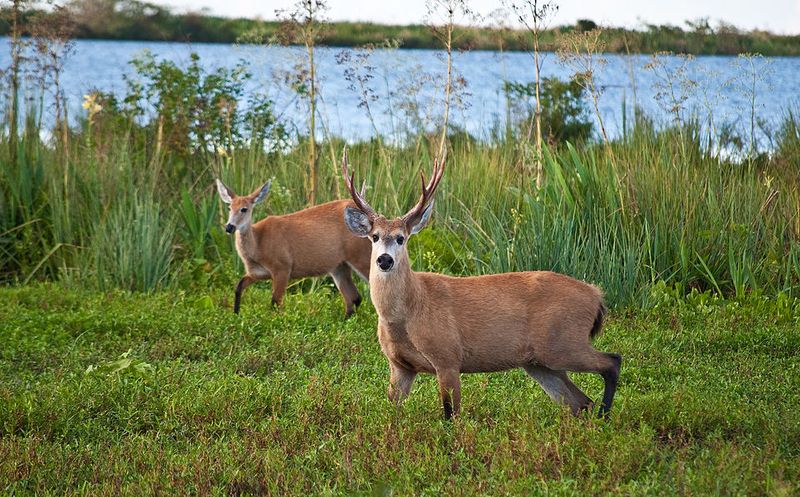
South America’s second-largest wetland system was slowly dying until conservationists launched one of the continent’s most ambitious rewilding projects. Iberá now buzzes with returning species, including jaguars reintroduced after disappearing decades ago.
Watching these powerful spotted cats patrol wetland edges represents conservation triumph—proof that with dedication and resources, we can reverse some of the damage humans have inflicted on wild places. Capybaras—the world’s largest rodents—waddle around Iberá like they own the place, which in a sense, they do.
These social, semi-aquatic creatures gather in groups that sometimes number over a hundred, creating scenes both comical and heartwarming. Marsh deer with their oversized hooves adapted for boggy terrain browse wetland vegetation, while caimans lurk in channels waiting for unwary prey.
The reserve’s bird diversity rivals anywhere in South America, with over 350 species recorded including jabiru storks, roseate spoonbills, and the bizarre hoatzin. Float safaris through floating vegetation mats reveal hidden wildlife, and unlike many famous destinations, Iberá remains refreshingly uncrowded.
Argentina’s growing ecotourism infrastructure makes visiting easier than ever, though the reserve retains its wild, frontier character. Success stories like Iberá prove that dedicated conservation combined with sustainable tourism can resurrect ecosystems previously written off as lost causes.
Phillip Island — Australia
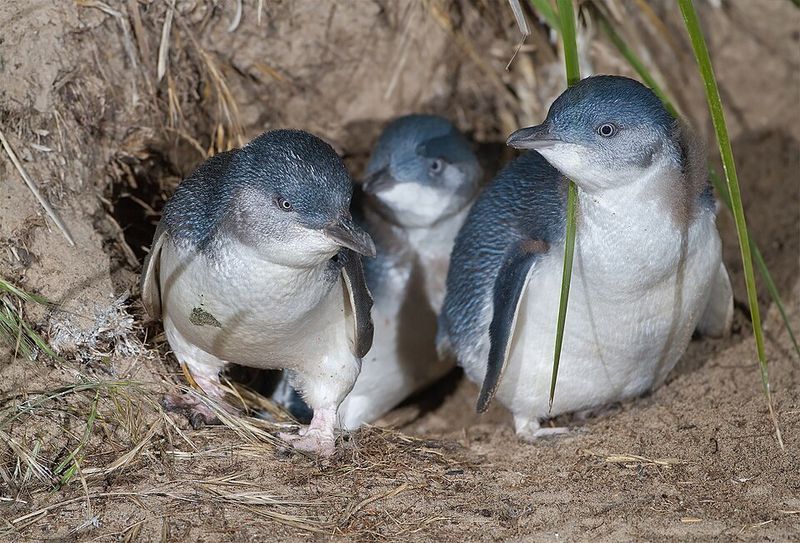
Every evening as the sun dips toward the horizon, hundreds of pint-sized penguins emerge from Bass Strait’s waves and waddle determinedly toward their sandy burrows. This daily penguin parade has become one of Australia’s most beloved wildlife spectacles, attracting visitors who can’t resist the charm of these little penguins—the world’s smallest penguin species, standing barely a foot tall.
Their serious expressions and businesslike march contrast hilariously with their adorable size and fluffy appearance. The colony on Phillip Island numbers around 32,000 penguins, making it the largest little penguin colony globally.
After spending their days fishing at sea, they return to shore in small groups for safety, hesitating at the water’s edge before committing to the dash across exposed beach. Watching them navigate the sand, occasionally tripping over their own feet or stopping to call for their mates, provides entertainment that feels wholesome and pure.
Responsible tourism infrastructure protects both penguins and viewing experience—boardwalks keep humans off nesting areas, and lighting is carefully controlled to avoid disturbing the birds. Beyond the famous parade, Phillip Island offers additional wildlife encounters including fur seal colonies at Point Grant and a koala conservation center.
The island proves that wildlife tourism done right creates powerful conservation outcomes while giving visitors memories that inspire environmental stewardship long after they’ve returned home.
Canadian Rockies — Canada
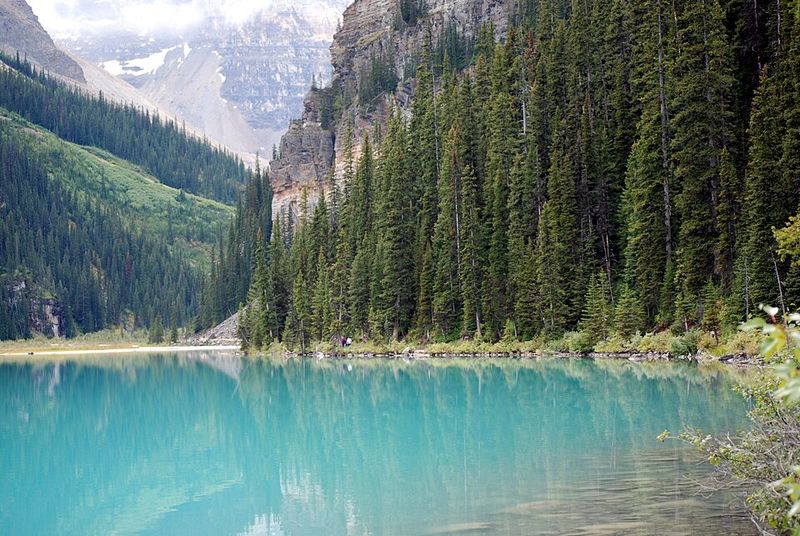
Turquoise lakes, towering peaks, and wildlife that seems plucked from a frontier fantasy—the Canadian Rockies deliver scenery so spectacular it almost overshadows the incredible animal encounters. Almost, but not quite, because spotting a grizzly digging for roots in an alpine meadow or watching a bull elk bugle during autumn rut creates moments that rival any landscape’s beauty.
These mountains host healthy populations of charismatic megafauna that once roamed across North America before human expansion pushed them into ever-shrinking refuges. Banff and Jasper National Parks anchor the region’s wildlife watching opportunities, with roadside sightings common enough that you should always keep your camera ready.
Black bears browse berry patches near highways, bighorn sheep lick mineral deposits at roadside outcrops, and moose wade through willow-choked wetlands. Mountain goats cling to impossibly steep cliffs with the nonchalance of animals born with built-in climbing gear.
Wolf packs still roam these wilderness areas, though spotting them requires luck and patience given their wariness of humans. The Rockies’ predator-prey dynamics remain largely intact—a rarity in our human-dominated world—allowing visitors to witness ecosystems functioning much as they have for millennia.
Scenic drives like the Icefields Parkway combine jaw-dropping vistas with excellent wildlife opportunities, proving that sometimes the journey really is as rewarding as the destination, especially when a caribou herd appears around the next curve.
Costa Rica — Tropical Biodiversity Hotspot
This tiny Central American country punches way above its weight in the biodiversity department, protecting over 25% of its land in national parks and reserves. Costa Rica pioneered ecotourism before it became trendy, recognizing that living forests generate more value than logged ones.
Now visitors flock here to spot sloths moving in slow motion through canopy branches, their perpetual smiles and algae-tinted fur making them internet-famous wildlife ambassadors. Howler monkeys provide the rainforest’s alarm clock, their roars carrying for miles through morning mist.
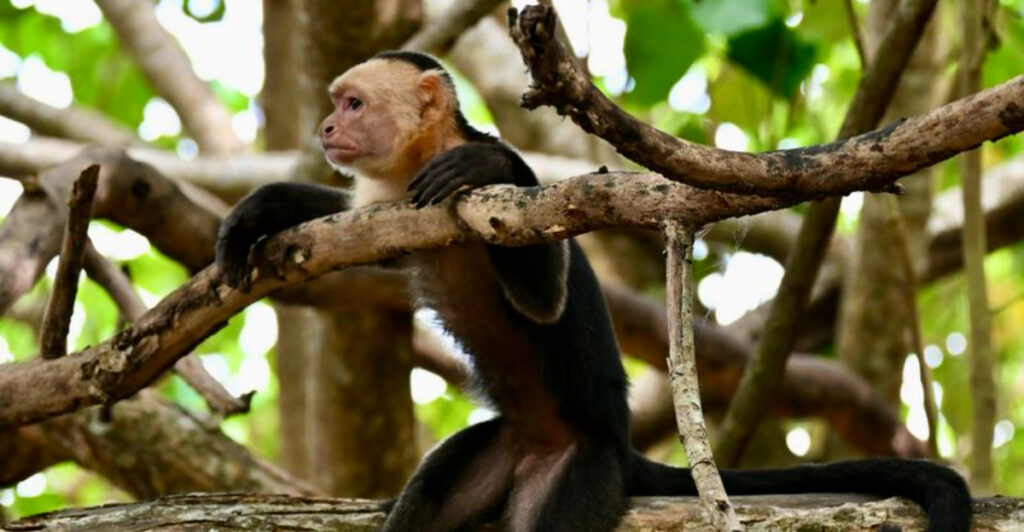
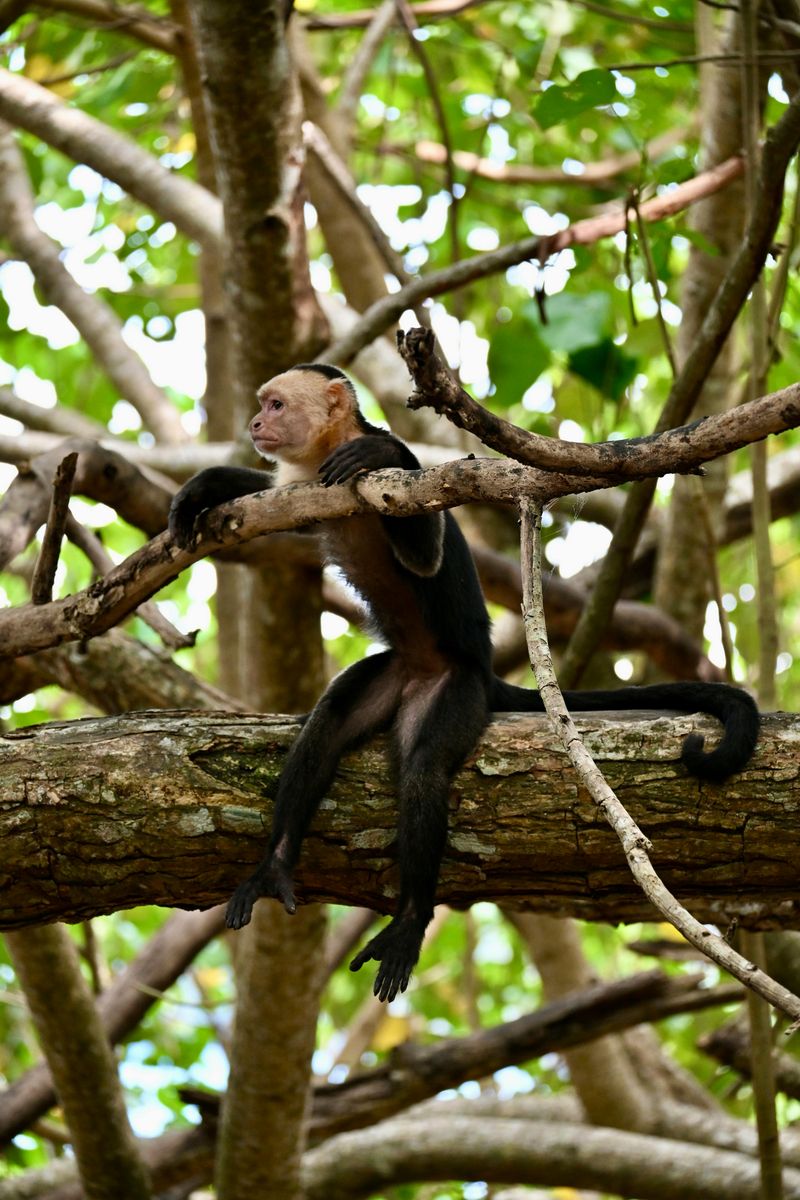
Spider monkeys swing acrobatically overhead, capuchins raid fruit trees with clever dexterity, and if you’re very fortunate, the rare squirrel monkey might appear in Pacific coastal forests. Toucans with their oversized, colorful beaks hop between branches looking like tropical cartoon characters come to life.
The country’s compact size means you can experience multiple ecosystems in a single trip—cloud forests where resplendent quetzals hide among moss-draped branches, Caribbean beaches where sea turtles nest under moonlight, and Pacific mangroves where crocodiles bask beside scarlet macaws. Manuel Antonio National Park combines pristine beaches with rainforest trails where wildlife sightings are practically guaranteed.
Tortuguero’s canals provide boat-based jungle exploration, revealing caimans, river otters, and countless bird species. Costa Rica proves that conservation and tourism can coexist beautifully when planned with both nature and local communities in mind.
Madagascar — Island of Strange and Wonderful Creatures
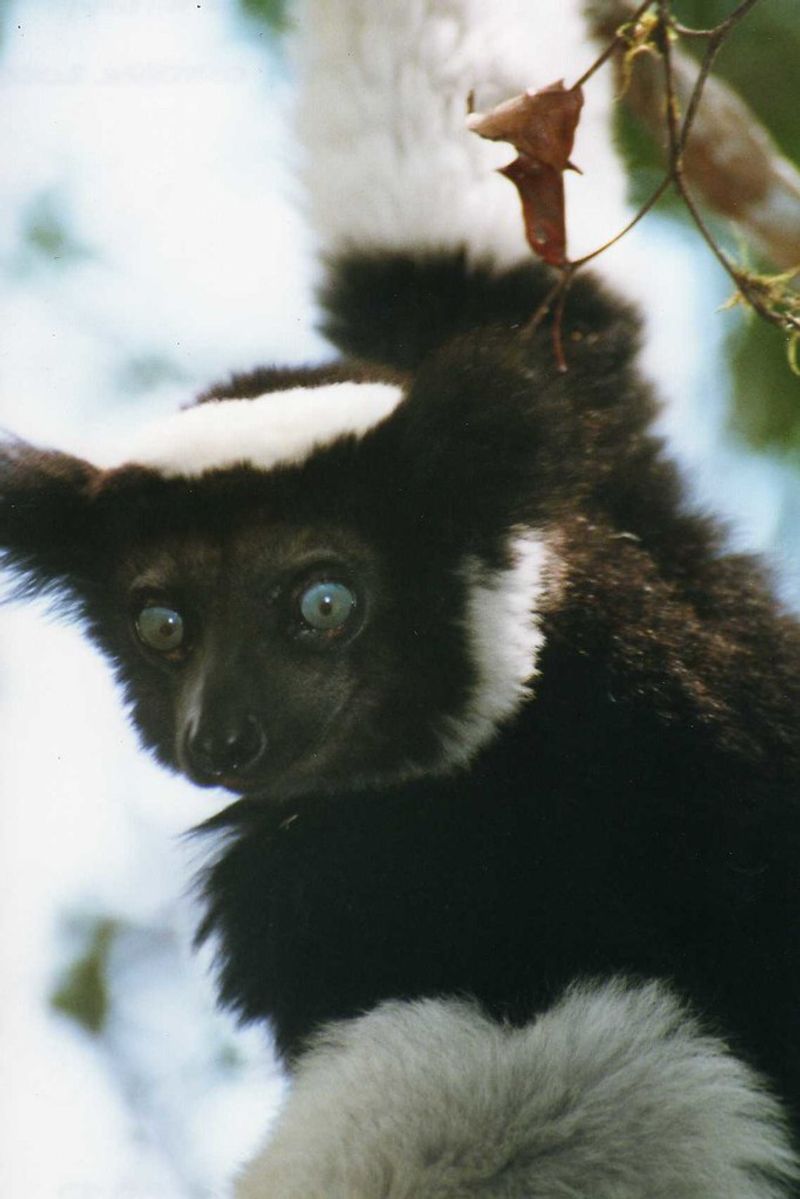
Isolation does weird and wonderful things to evolution, and Madagascar represents the ultimate example. This massive island broke away from Africa and India millions of years ago, allowing species to evolve in complete isolation and producing a cast of characters so bizarre they seem designed by a particularly creative fantasy author.
Lemurs—found nowhere else on Earth—range from the iconic ring-tailed variety with their striped tails held high to the bizarre aye-aye with its skeletal middle finger used for extracting grubs from tree bark. Over 90% of Madagascar’s wildlife exists nowhere else, making this island a living laboratory of evolution and a conservation priority of the highest order.
Chameleons in every size and color imaginable swivel their eyes independently while stalking insects, some species small enough to perch on your fingertip. The fossa, Madagascar’s top predator, looks like someone crossed a cat with a mongoose, creating something uniquely adapted to hunting lemurs through forest canopies.
Visiting Madagascar feels like stepping onto an alien planet where familiar rules don’t apply. Baobab trees with their swollen trunks look upside-down, spiny forests bristle with thorny vegetation found nowhere else, and rainforests echo with lemur calls that range from haunting wails to chattering conversations.
The country faces serious conservation challenges with habitat loss threatening many endemic species, but growing ecotourism provides economic incentives for protection while giving visitors wildlife encounters available absolutely nowhere else on this planet.
Share this story