Sun Valley is often defined by its luxury slopes and famous faces, but that’s only part of the story. Just beyond the polished resorts and busy downtown areas lies a quieter, more intriguing side of the Wood River Valley.
Many visitors never realize how much they’re missing by sticking to the usual spots. Tucked away from the crowds are unexpected landmarks, serene trails, and local cultural treasures that rarely make it into travel guides.
That’s where the real charm begins. In this article, you’ll discover a collection of lesser-known places that reveal a more authentic, relaxed, and uncrowded version of Sun Valley, perfect whether it’s your first visit or your fifth.
1. Sawtooth Botanical Garden’s Stream-Driven Tibetan Prayer Wheel (Ketchum)
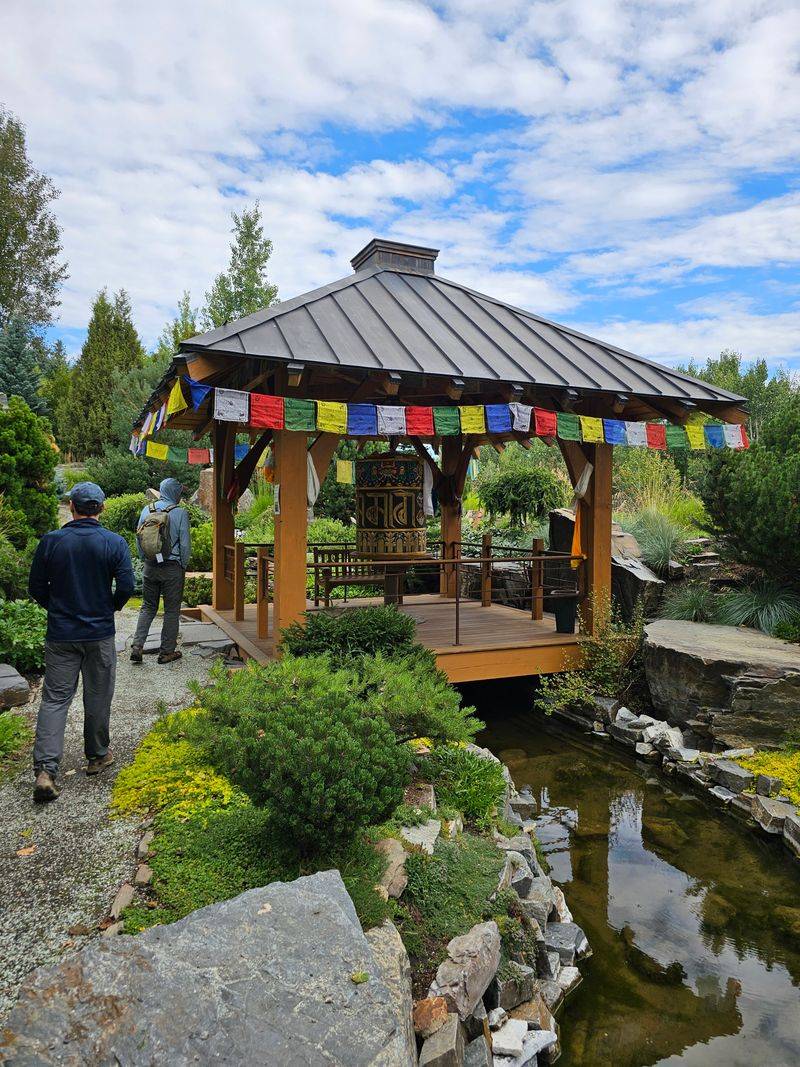
Water-powered spirituality isn’t something you’d expect to stumble upon in Idaho, but here we are. Tucked into the Sawtooth Botanical Garden, this prayer wheel spins continuously thanks to a clever stream diversion, sending mantras skyward with every rotation.
The Dalai Lama himself blessed it during his 2005 visit, which adds a layer of significance you won’t find at your average tourist trap.
I wandered here on a whim one afternoon, expecting nothing more than some native plants and maybe a butterfly. Instead, I found myself mesmerized by the gentle creaking of the wheel and the rush of water doing all the work.
It’s the kind of place that makes you forget your phone exists.
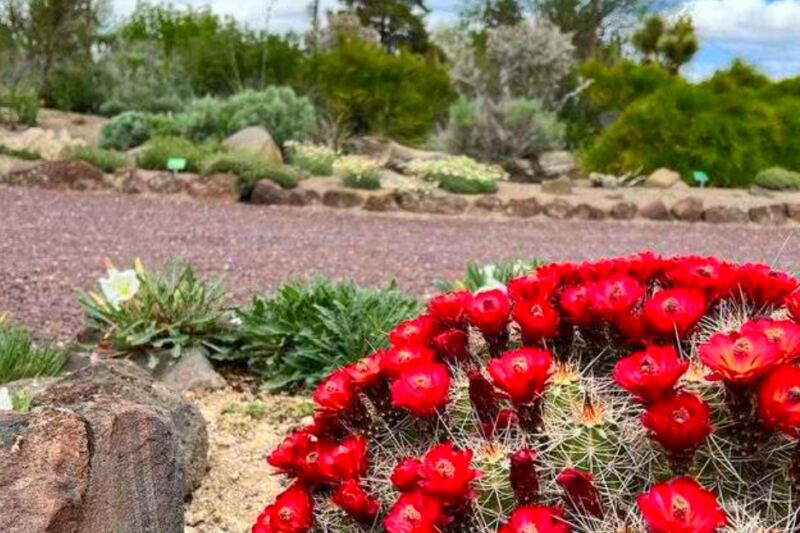
The garden itself showcases high-altitude flora adapted to Idaho’s intense climate, so you’ll learn something even if spiritual artifacts aren’t your thing. Summer brings wildflower explosions that rival anything you’d see on a backcountry hike.
Best part? Hardly anyone knows it’s here, so you’ll likely have the place mostly to yourself.
Pack a lunch and claim a bench near the wheel for an unexpectedly peaceful hour away from resort crowds.
2. Silver Creek Preserve (Picabo area, easy day trip from Sun Valley)
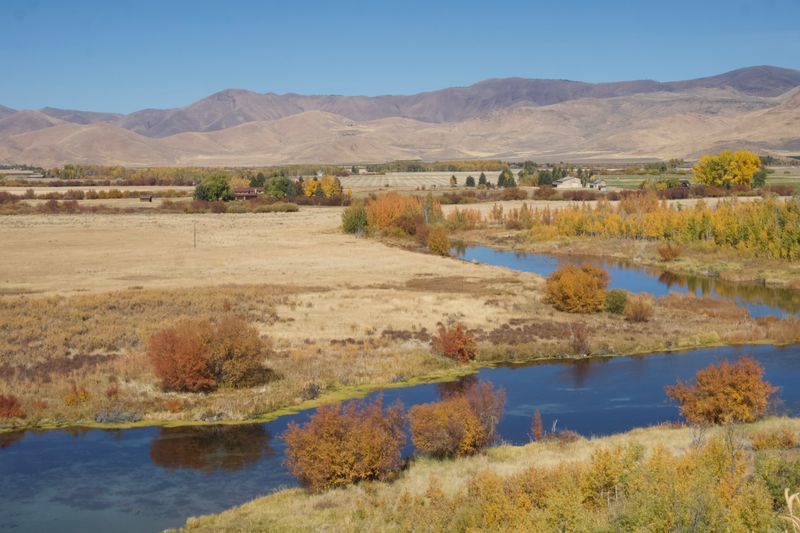
Birders treat this Nature Conservancy preserve like a sacred pilgrimage site, and for good reason. Silver Creek’s spring-fed waters create a wetland ecosystem that attracts over 200 bird species throughout the year, from sandhill cranes to bald eagles.
The self-guided nature trail winds through habitats that feel untouched by the Instagram age, which is refreshing.
You don’t need fancy binoculars or a life list to appreciate what’s happening here. Even casual observers will spot osprey diving for trout or hear the distinctive rattle of kingfishers echoing across the marsh.
The preserve sits about 30 minutes south of Ketchum near the tiny town of Picabo, making it an easy escape when resort energy gets overwhelming.
One tip: check current access information before you go, as trail conditions and visitor guidelines occasionally shift with conservation needs. Early morning visits reward you with the best wildlife activity and that golden light photographers obsess over.
The preserve also offers excellent fly-fishing opportunities if you’re properly licensed, though catch-and-release rules apply strictly.
Bring layers because wind whips across these open wetlands even on warm days.
3. The Hemingway Memorial (near Sun Valley Lodge)
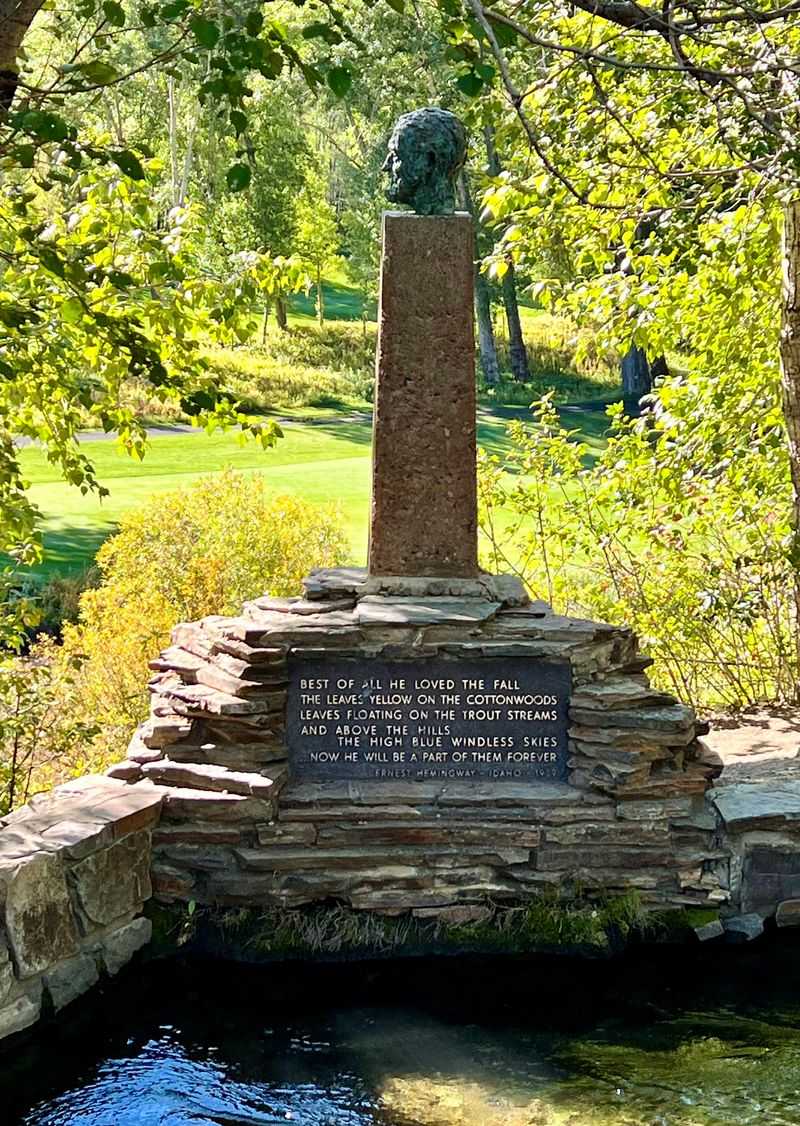
Most people associate Hemingway with Key West or Paris, forgetting he spent his final years in Ketchum. This memorial sits along Trail Creek, accessible year-round even when snow blankets everything else.
It’s deliberately understated—just a bust on a pedestal with a simple inscription—which somehow feels perfectly matched to Papa’s no-nonsense writing style.
The location offers mountain views that probably inspired some of his Idaho writing, though he’s better known for works penned elsewhere. What strikes me most is how few visitors bother making the short walk from the main road.
You can stand there for twenty minutes without seeing another soul, which creates an oddly intimate moment with literary history.
Trail Creek burbles past regardless of season, providing natural soundtrack to your contemplation. The memorial text includes a eulogy Hemingway wrote for a friend, later read at his own funeral, which adds layers of poignancy.
Winter visits require good boots since the path gets icy, but the snow-draped setting amplifies the solitude.
It’s maybe a ten-minute stop total, yet it lingers in memory far longer than many flashier attractions around the valley.
4. Ernest Hemingway’s Grave (Ketchum Cemetery)
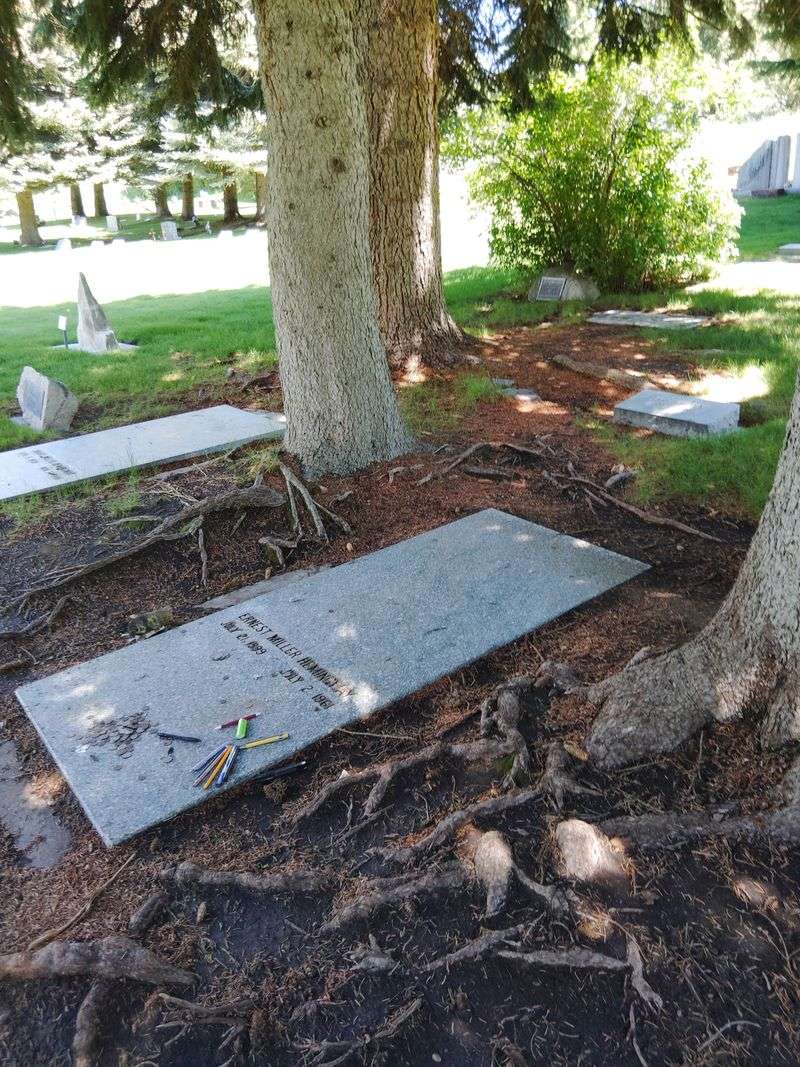
For someone who lived so large, Hemingway’s final resting place is shockingly modest. The headstone sits among other Ketchum locals without fanfare or special fencing, easy to walk right past if you’re not paying attention.
That simplicity feels intentional, like he wanted to be just another valley resident rather than a tourist attraction.
Finding it requires a bit of wandering through the cemetery unless you’ve looked up directions beforehand. Local protocol involves leaving pennies or small tokens, creating a slowly growing collection of tributes from literary pilgrims.
The cemetery itself occupies a hillside with views toward the mountains Hemingway hiked and hunted.
I’ve visited twice, once in blazing summer and once under fresh snow, and the atmosphere shifts dramatically with seasons. Summer brings wildflowers that soften the rows of markers, while winter creates stark beauty that matches the writer’s often spare prose.
You’ll spot other notable valley pioneers buried nearby, making this a genuine local history lesson beyond just one famous resident. The whole visit takes maybe fifteen minutes unless you’re the type who reads every gravestone.
Respect and quiet are expected—this isn’t Instagram opportunity central.
5. Adams Gulch Trailhead (just outside Ketchum)
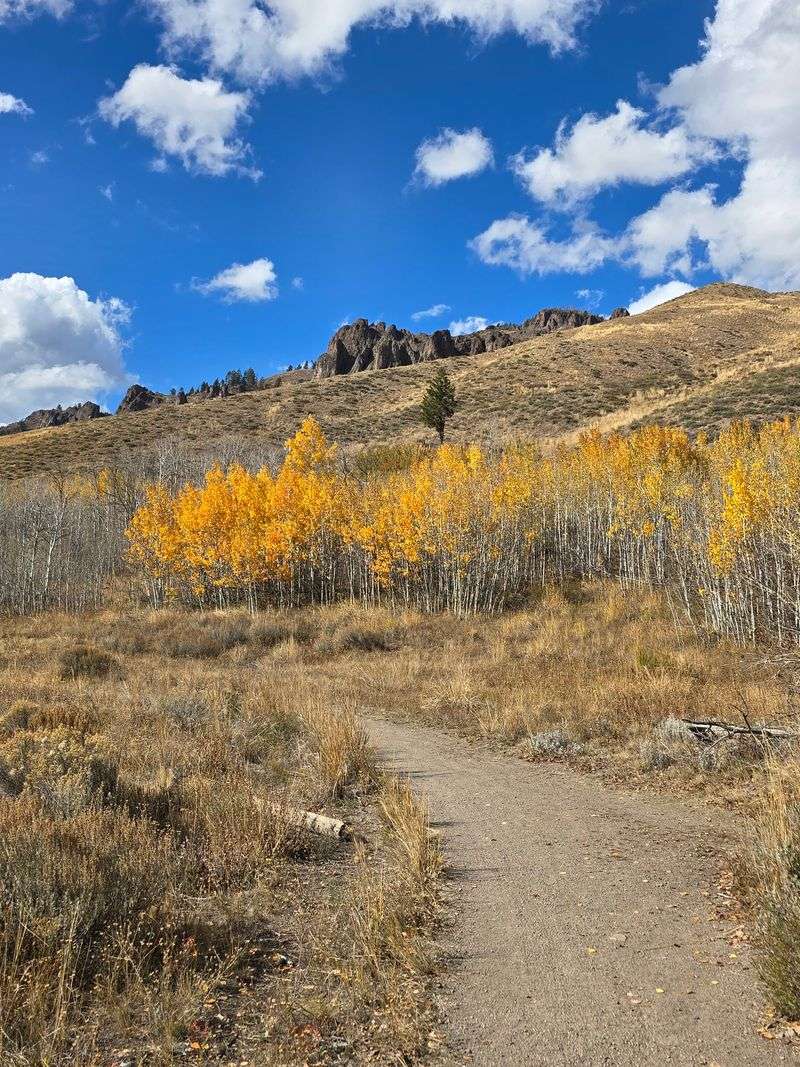
The Forest Service calls this the most popular trailhead in the Ketchum Ranger District, yet tourists somehow miss it entirely. Locals know Adams Gulch as the go-to access point for an extensive network of hiking and mountain biking routes that snake through aspen groves and sagebrush meadows.
Summer weekends see plenty of action, but weekday mornings often feel surprisingly empty.
Trail options range from mellow nature walks to lung-busting climbs, so you’re not locked into one difficulty level. The aspen stands explode into golden glory come late September, creating photo opportunities that rival anything Vermont offers.
Mountain bikers particularly love the flow trails that descend back toward town, though hikers have plenty of dedicated paths too.
Parking fills quickly on peak summer weekends, so arrive early or risk roadside scrambling. The trailhead sits just minutes from downtown Ketchum, making it perfect for morning exercise before the day heats up.
Wildlife sightings include deer, occasional moose, and if you’re lucky (or unlucky, depending on perspective), black bears doing their thing. Bring more water than seems necessary because altitude and Idaho sun combine to dehydrate you faster than expected.
Trail maps are available at the trailhead, though downloading offline maps beforehand is smarter.
6. Proctor Mountain Trail (Ketchum/Sun Valley area)
Climbing Proctor Mountain isn’t exactly a secret among locals, but tourists rarely venture beyond resort-sponsored activities. The payoff comes at the top where valley views stretch in every direction, showcasing why people pay absurd real estate prices around here.
It’s a proper workout—don’t let anyone tell you otherwise—with steady elevation gain that’ll test your sea-level lungs.
The trail starts near residential areas where parking enforcement is genuinely strict, so follow posted signs religiously or risk an expensive ticket. Summer brings wildflowers that carpet the slopes in colors you didn’t know existed outside of Photoshop.
Early morning starts beat both heat and crowds, plus you’ll catch that magical light photographers obsess over.
I made the mistake of attempting this in flip-flops once (don’t ask), and my feet still haven’t forgiven me. Proper hiking boots and trekking poles make the descent much kinder on your knees.
The summit plateau offers multiple spots to collapse and catch your breath while pretending you’re not winded. Round-trip takes most people three to four hours depending on fitness level and photo-stop frequency.
Pack snacks because you’ll burn through calories faster than anticipated at this elevation.
7. Wood River Trail (aka “the bike path”)
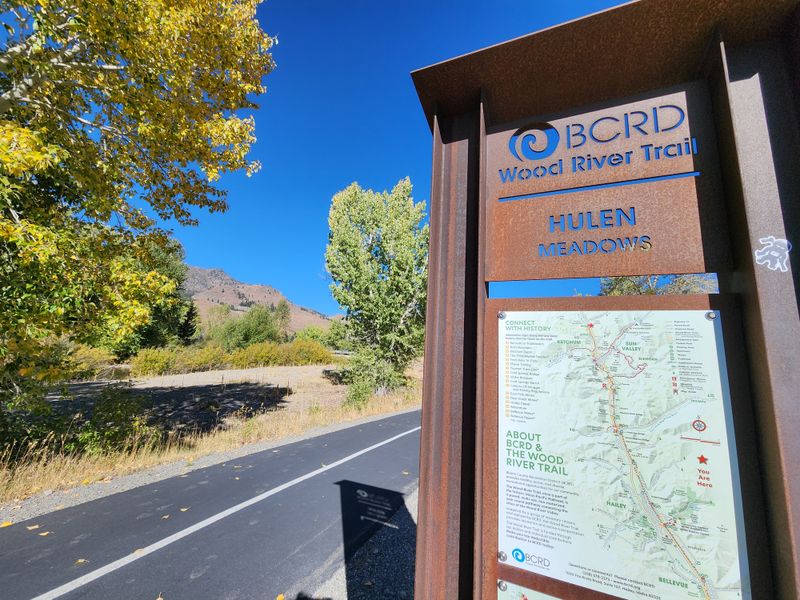
Calling this just a bike path undersells what’s actually a 20-plus-mile paved ribbon connecting four valley communities. The Wood River Trail links Bellevue, Hailey, Ketchum, and Sun Valley, creating car-free transportation and recreation options that locals use daily.
Winter transforms sections into Nordic skiing routes, proving this thing works year-round.
You can hop on anywhere along the route, making it perfect for custom-length outings whether you want twenty minutes or three hours. Families with small kids appreciate the gentle grades and separation from vehicle traffic.
The path follows the Big Wood River for much of its length, offering water views and riparian habitat that attracts wildlife.
I’ve walked, biked, and even rollerbladed sections of this trail, each mode revealing different details you’d miss otherwise. Spring runoff makes the river roar impressively, while fall brings those Instagram-worthy aspen colors everyone pretends they discovered first.
The trail connects to actual destinations like coffee shops and breweries, not just random trailheads, which adds practical value. Rental bikes are available in multiple towns if you didn’t bring your own.
Watch for the occasional speedy cyclist who treats this like the Tour de France—a friendly bell or “on your left” keeps everyone happy.
8. Blaine County Historical Museum (Hailey)
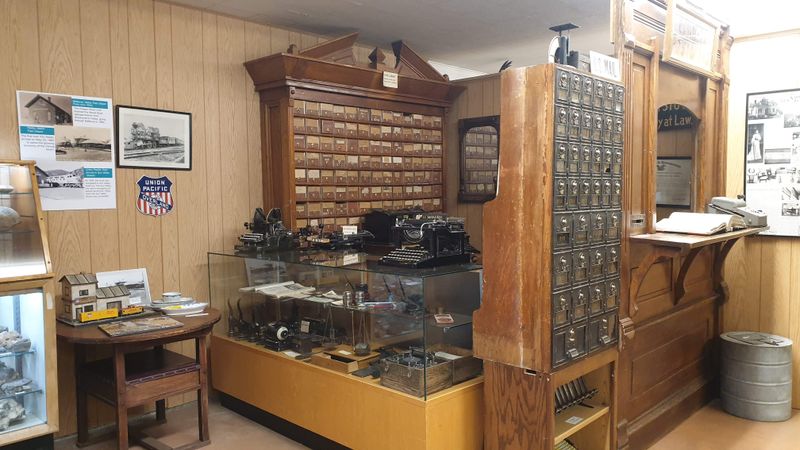
Housed in an 1882 building that’s seen more history than most textbooks, this small museum punches above its weight for local storytelling. The collection focuses on mining heritage, pioneer life, and the boom-and-bust cycles that shaped the Wood River Valley.
It’s open seasonally from Memorial Day through October 31, so don’t show up in January expecting a tour.
Hailey gets overlooked by visitors racing between Ketchum and Sun Valley, which means this museum stays blissfully uncrowded. The volunteers who staff it genuinely know their stuff and will happily share stories that never made it into official displays.
You’ll see mining equipment, period clothing, and photographs that show just how rough life was before Gore-Tex and heated car seats.
One exhibit covers the area’s transformation from rough mining camps to the resort destination it became, which puts modern Sun Valley into perspective. The building itself qualifies as an artifact, with original architecture that survived multiple economic crashes.
Admission is typically donation-based, making it budget-friendly compared to resort prices everywhere else. Plan for about an hour unless you’re a serious history buff who reads every placard.
The museum sits right in downtown Hailey, walkable from several good lunch spots worth trying.
9. The Community Library + Jeanne Rodger Lane Center for Regional History (Ketchum)
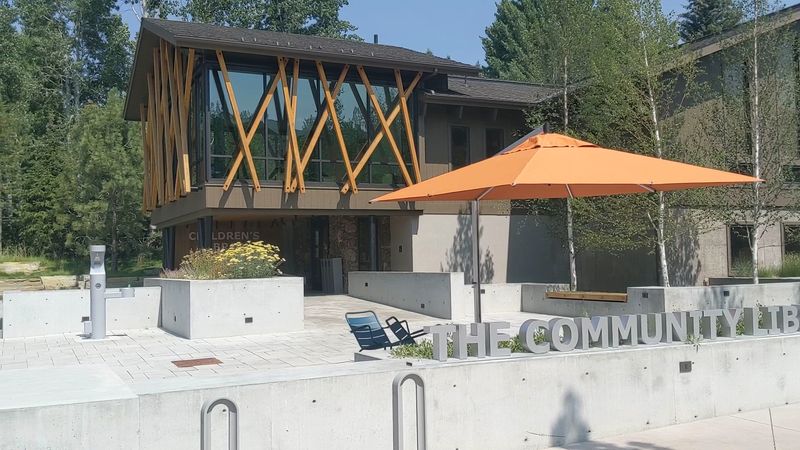
Libraries usually don’t make tourist itineraries, which is exactly why this one deserves attention. The Community Library serves as Ketchum’s cultural hub, hosting author talks, art exhibits, and programs that reveal what locals actually care about beyond skiing.
The Jeanne Rodger Lane Center for Regional History houses archives and collections that document the Wood River Valley in ways no guidebook captures.
Architecture alone makes this worth visiting—the building blends mountain modern design with functional public space in ways that feel welcoming rather than intimidating. Large windows frame mountain views that beat any screensaver, and reading nooks invite you to settle in with books you didn’t plan to read.
The history center offers research assistance if you’re digging into family genealogy or just curious about valley evolution.
I’ve killed many happy hours here on rainy days when outdoor plans fell apart. The children’s section is genuinely excellent if you’re traveling with kids who need a break from constant activity.
Regular exhibits showcase local artists and photographers, providing gallery-quality experiences without admission fees. Free WiFi and comfortable seating make this a perfect remote work spot when your vacation rental feels cramped.
Check their event calendar because visiting authors and speakers often appear with surprisingly little fanfare.
10. Gilman Contemporary (Ketchum)
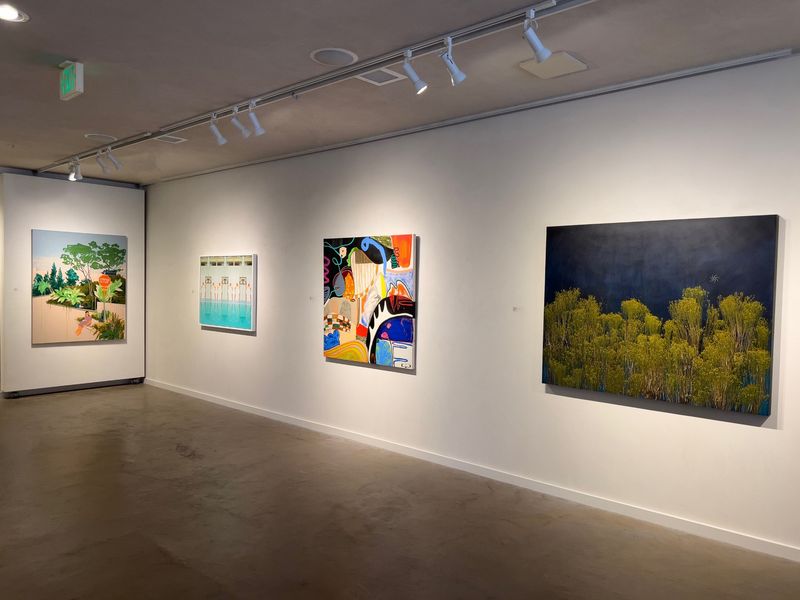
Sun Valley attracts serious art collectors, which explains why Ketchum supports galleries that would thrive in much larger cities. Gilman Contemporary showcases museum-quality contemporary art in a polished space that takes itself seriously without feeling pretentious.
Most visitors never step inside because they’re too busy chasing outdoor adventures, which is their loss.
The gallery represents both established and emerging artists working in various media, from painting to sculpture to photography. Exhibitions rotate regularly, so repeat visitors always find something new.
Even if you’re not in the market to buy, browsing is welcomed and the staff actually knows their artists rather than just reciting wall labels.
I’m not exactly an art expert, but I’ve spent enjoyable afternoons here appreciating work that challenges my usual landscape-photo preferences. The gallery occupies prime downtown real estate, making it easy to pop in while wandering Ketchum’s main drag.
Climate control and quiet create a welcome contrast to the sensory overload of tourist traffic outside. Some pieces carry price tags that would fund a small car, but others are surprisingly accessible for working artists.
Opening receptions happen periodically and offer free wine plus chances to meet artists, which beats most resort entertainment options.
The space itself is beautiful enough to appreciate even if the current exhibition doesn’t grab you.
11. Sun Valley Opera House (Sun Valley Village)
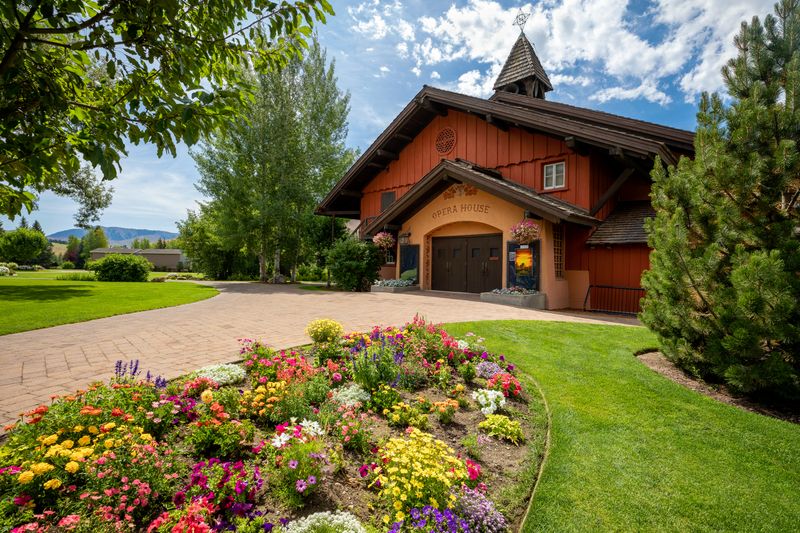
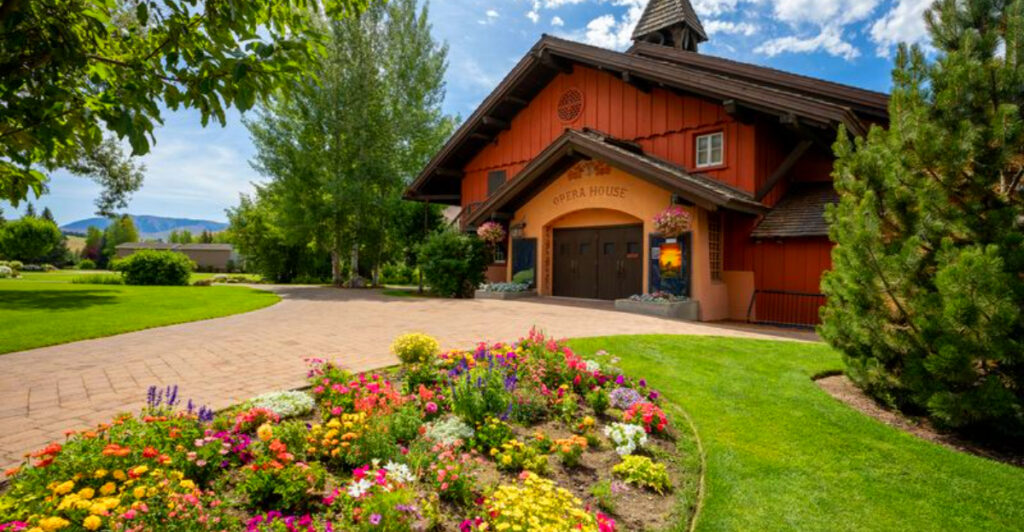
This charming theater venue hides in plain sight within Sun Valley Village, overlooked by visitors who don’t check event calendars. The Opera House hosts everything from film screenings to live performances, operating year-round despite its historic appearance.
The intimate scale means no bad seats, though getting tickets for popular shows requires advance planning.
Built to serve the original resort community, the venue maintains old-school theater charm without feeling like a museum piece. Modern sound and projection systems ensure contemporary technical quality despite the vintage vibes.
The programming leans eclectic, mixing classic films with indie releases, live music with spoken word events.
I caught a documentary screening here once and was struck by how engaged the audience was—people actually stayed for post-film discussion instead of rushing out. The building itself represents Sun Valley’s early resort era when founder Averell Harriman was creating a European-style destination in Idaho wilderness.
Seating is limited compared to modern multiplexes, creating an exclusive feel without the exclusive attitude. Ticket prices remain reasonable by resort standards, making this an affordable evening option.
The lobby is tiny, so arrive early if you want snacks before shows sell out.
Walking to the Opera House through the village on a crisp evening feels like stepping into a different era entirely.
12. Sun Valley Pavilion (Sun Valley Resort area)
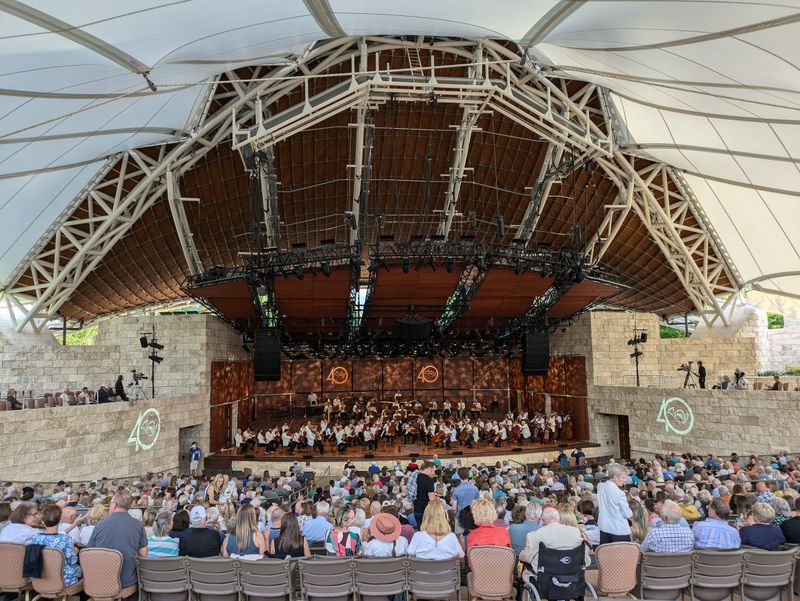
Tourists photograph the pavilion without realizing it’s an active performance venue rather than just scenic architecture. This outdoor amphitheater serves as the primary concert location for the Sun Valley Music Festival, hosting classical performances throughout summer.
The mountain backdrop provides scenery that Carnegie Hall can’t match, though weather sometimes adds unpredictable elements to evening concerts.
The Music Festival brings world-class musicians to perform in this unlikely location, creating cultural experiences that rival major metropolitan offerings. Lawn seating lets you picnic while listening to symphonies under open sky, which beats formal concert halls for pure enjoyment.
Reserved seating closer to the stage costs more but guarantees better sightlines and sound.
I’ve attended several concerts here, each time marveling that such high-caliber performances happen in what feels like the middle of nowhere. The festival runs for several weeks each summer, with programs ranging from familiar classics to contemporary compositions.
Bringing layers is essential because mountain evenings turn chilly even after hot days. The pavilion also hosts other events beyond classical music, so checking the schedule reveals unexpected programming.
Acoustics are surprisingly good for an outdoor venue, though occasional airplane noise reminds you this isn’t a sealed auditorium.
Parking can be tricky during popular performances, so arrive early or use resort shuttles.
13. Galena Summit Overlook (Bethine & Frank Church Overlook)
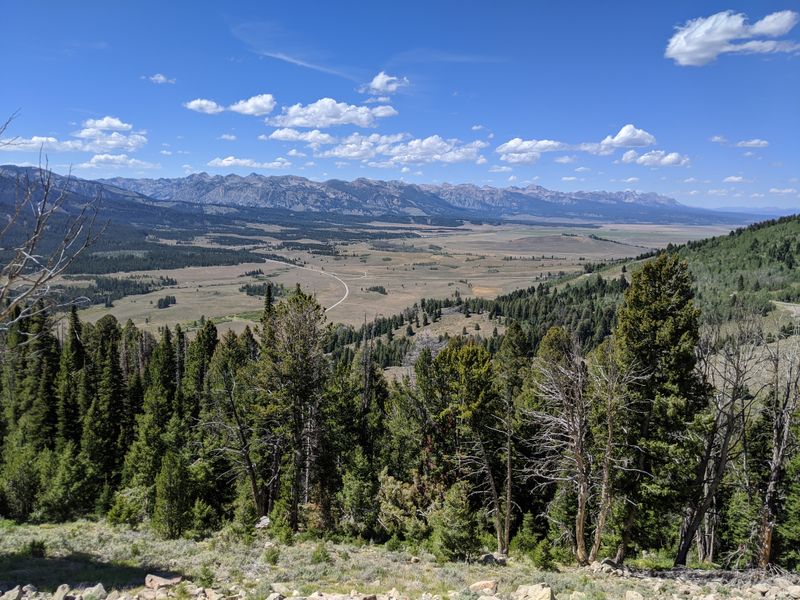
About 30 miles north of Ketchum on Highway 75, this overlook rewards drivers willing to venture beyond the immediate resort area. The official name honors Bethine and Frank Church, though most people just call it Galena Summit.
What you get for the drive is arguably the most iconic Sawtooth Range view in Idaho, the kind that makes screensavers and tourism brochures.
Many visitors never make this drive because they assume everything worth seeing clusters around Ketchum and Sun Valley. That assumption costs them one of the most spectacular mountain panoramas in the American West.
The overlook sits at 8,701 feet elevation, so even summer visits can be surprisingly cool and windy.
Interpretive signs identify major peaks and explain the geology that created these jagged mountains. The descent on the north side drops into the Sawtooth Valley, where the Salmon River headwaters begin their journey to the Pacific.
I’ve stopped here probably a dozen times and still pull over for another look every trip. Fall brings aspen gold that contrasts beautifully with evergreen forests and granite peaks.
Winter closes the highway periodically, so check conditions before attempting off-season visits. The parking area accommodates RVs and has vault toilets, making it a practical stop beyond just the views.
Budget at least twenty minutes to properly absorb the scenery and maybe walk the short interpretive loop.
Share this story