When winter digs in and refuses to budge, snow stops being pretty and starts being a problem. Streets narrow, curbs vanish, and buses crawl while intersections turn into slushy bottlenecks.
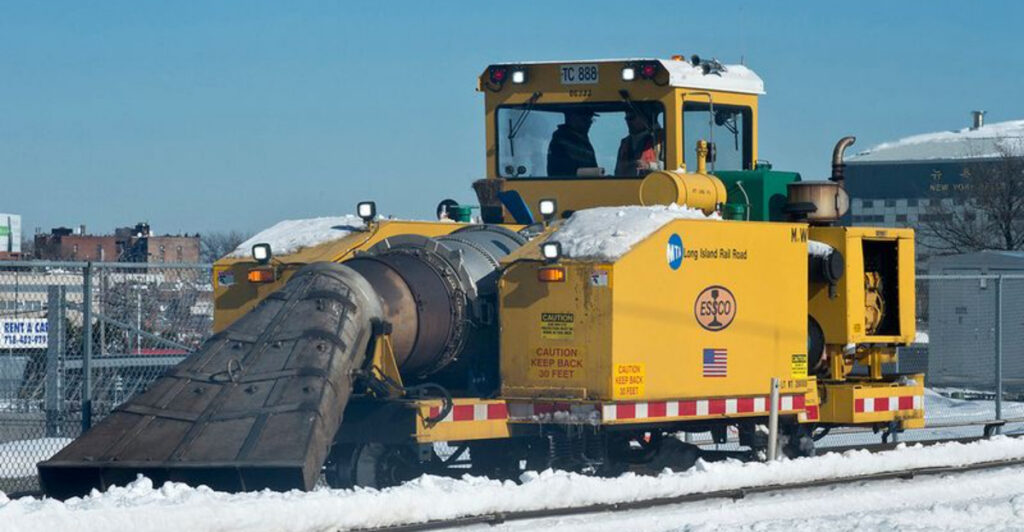
Cities are turning to an industrial fix that sounds almost playful: snow melters, the so called snow hot tubs that drink up drifts and send them down the drain. Here is how they work, why they matter, and where they are changing the winter playbook.
Snow does not just vanish when the flakes stop falling. In New York City’s recent storm, more than a foot landed across the boroughs and temperatures stayed stuck below freezing.
Plows opened lanes, but the aftermath lingered, with icy berms hemming in corners and bus stops. You could feel the squeeze, as delivery vans edged around snow cliffs and walkers tested slick crosswalks.
Crews kept circling, scraping, and salting, yet stubborn piles refused to shrink. Sunlight was weak, nights were long, and refreezing locked everything into jagged ridges.
Residents asked how long the city could keep routing trucks around half blocked intersections. The answer involved an unusual sight: hulking machines parked curbside, gulping scoop after scoop of snow and turning it into runoff.
These snow melters, nicknamed snow hot tubs, became the pressure valve. Instead of trucking mountains to distant lots, crews fed them locally and reclaimed curb space.
Bus shelters reappeared, right turns widened, and bike lanes reopened. While sanitation teams still worked grueling shifts, the machines accelerated the cleanup, giving streets back to buses, small businesses, and the morning rush that never pauses for winter.
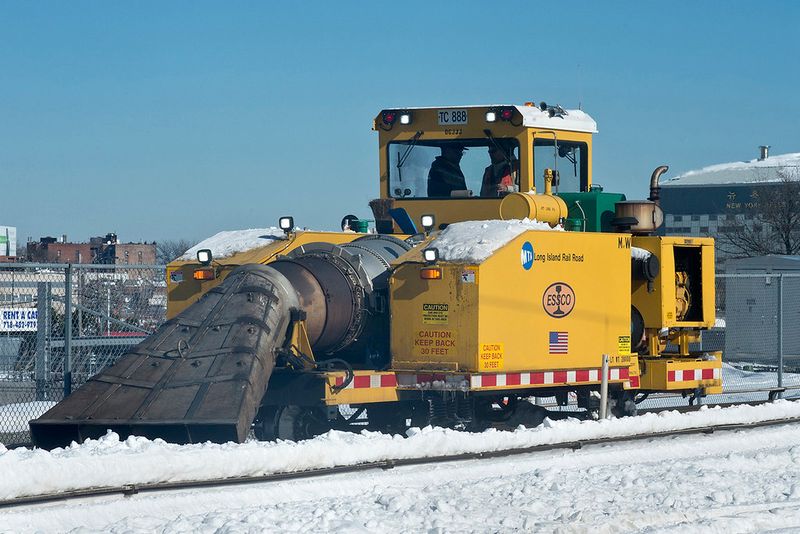
Snow melters are purpose built heaters that turn piles of snow into water fast. Crews deliver scoops by loader or whole truckloads and tip them into a steel tank.
Inside, burners or heat exchangers warm circulating water and air, gently liquefying drifts without violent boiling. Screens catch trash and grit, while operators monitor gauges and flow rates.
As slush becomes water, the machine routes it through filters and a weir before discharge. The outflow is directed to storm drains or a sanitary sewer, depending on local rules.
Many units track throughput by gallons or tons per hour, giving supervisors a live sense of progress. High capacity models can process dozens to hundreds of tons each hour, clearing lots that would otherwise take days.
Efficiency matters in the cold, so insulation and recirculation keep heat where it counts. Operators stage melters where snow piles up most, saving time and fuel spent hauling.
You see steam ghosts rising into the air and hear the steady churn. It is less spectacle than system: a controlled, mobile watershed that converts a static hazard into managed runoff, one bucket of city winter at a time.
In dense cities, space is a commodity, and snow consumes it quickly. After storms, the question is not only how to plow but where to put the spoils.
Corner piles block sightlines, bus pads vanish, and truck bays lose clearance. Hauling to remote snow farms is costly, slow, and complicated by traffic and bridge restrictions.
Snow melters compress the problem on site. Instead of building mini glaciers, crews reclaim curb space within hours.
That translates to safer crossings, more reliable bus dwell times, and fewer deliveries delayed by frozen choke points. City officials in New York say they have already melted millions of pounds this winter, helping sanitation crews keep momentum when daytime thaw never arrives.
Melting near the source also reduces wear on trucks and cuts fuel use compared with repeated long hauls. Environmental protocols matter, so debris screens and sediment handling keep out the worst contaminants.
You get a pragmatic balance: faster clearance with less sprawl. In neighborhoods where sidewalks crowd storefronts and bike lanes thread through traffic, the machines restore normalcy sooner, letting businesses open doors, buses hit schedules, and ambulances navigate streets built for movement, not storage.
Weather dictates the playbook. When temperatures bob above freezing, sunlight and time do quiet work, and piles slowly slump into gutters.
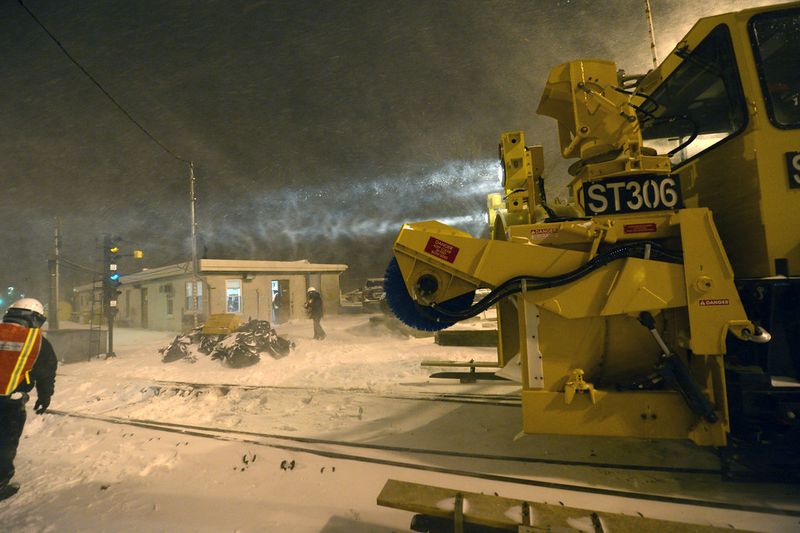
But cold snaps lock everything down, refreezing meltwater into armor that blades skate over. That is when snow melters become indispensable, replacing nature’s delay with industrial certainty and predictable throughput.
They are not spas despite the nickname. Think furnace more than bubble bath, deployed where need is highest: bus hubs, hospital corridors, school zones, and warehouse blocks.
Airports use versions tailored for ramp logistics, while commercial lots bring in mobile units after storms. Stationary melters in yards handle steady inflow from surrounding streets without gridlocking traffic.
Beyond big cities, towns with limited dump space lean on smaller rigs, and some sites invest in heated pavements for critical walkways. The mix is strategic, matching capacity to geography and budgets.
You see the pattern: targeted melting during deep freezes, hauling when roads are clear, and passive melt when the sun cooperates. The goal is continuity, keeping daily life from freezing into inconvenience by choosing the right tool for the weather window in front of you.
Share this story