Movies do more than entertain you. They nudge how you talk, dress, challenge authority, and care about each other.
This article highlights films that reshaped values, storytelling, and the way everyday life feels, often without shouting about it. You will find titles that sparked conversations about identity, technology, friendship, and work that still echo today.
1. The Breakfast Club (1985)
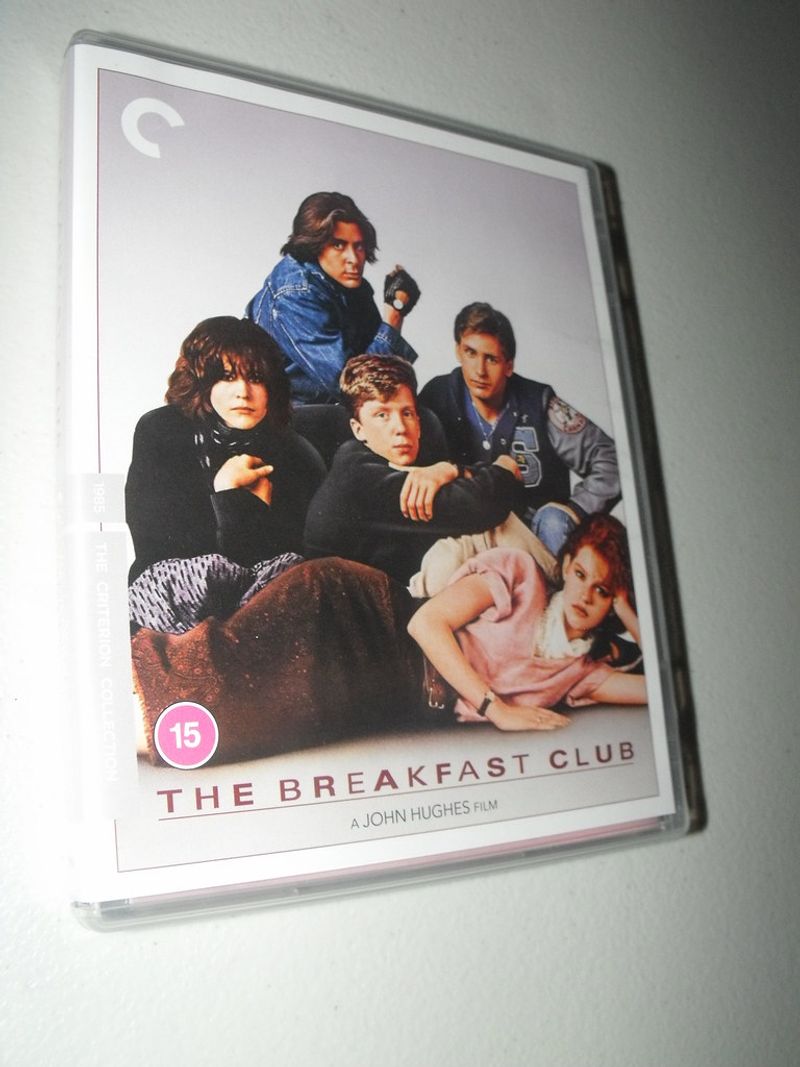
This detention-room story showed how labels fall apart when people actually talk. You watched archetypes become individuals as they shared fears, lies, and hopes.
The film made vulnerability feel braver than popularity, and detours into honesty suddenly seemed possible at school.
It also shifted how teens approached cliques. Instead of accepting identities handed to you, the movie invited questions about who benefits when you hide.
That core challenge felt practical, not preachy.
Its influence lingered in everyday interactions and school culture. Guidance counselors referenced it, and friend groups softened their borders.
The soundtrack, the wardrobe, the awkward humor all made candor feel normal. It taught that listening takes effort but pays off in unexpected alliances.
2. Stand by Me (1986)
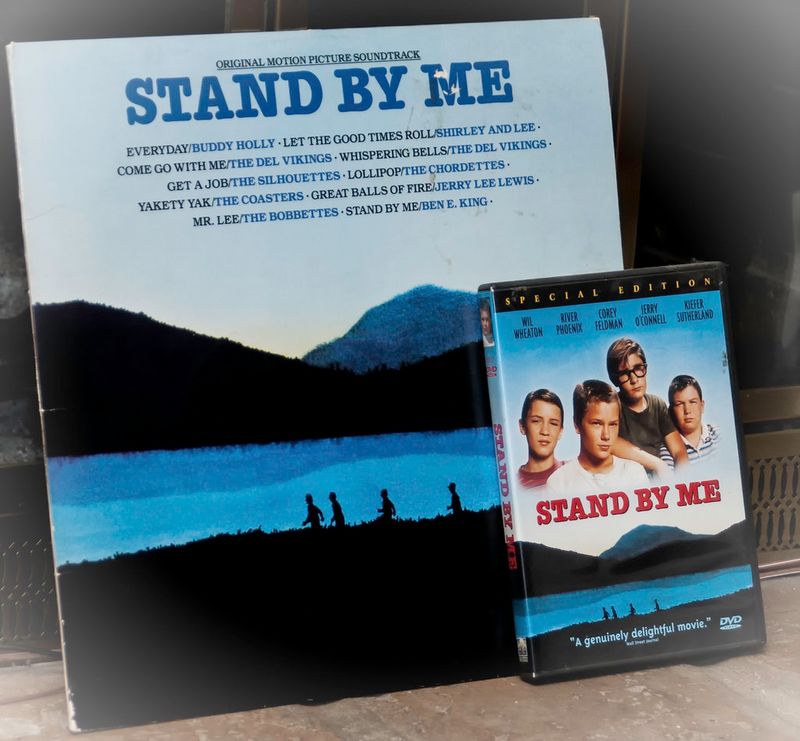
Stand by Me captured friendship at that fragile age when adventure and fear share the same path. You felt the weight of secrets and the thrill of wandering beyond town lines.
The story made small choices feel enormous, the kind you carry into adulthood.
It reframed nostalgia as something earned, not staged. The boys’ banter, vulnerability, and shifting loyalties showed how groups evolve.
You remembered the first time courage was not loud, just steady.
The film validated grief and uncertainty, which many kids rarely say aloud. It modeled how listening can be a lifeline during rough home lives.
Decades later, the image of those tracks still symbolizes growing up. Viewers learned that memory is both comfort and compass, helping you honor where you came from while choosing who you become.
3. Dead Poets Society (1989)

Dead Poets Society turned the classroom into a stage for courage. You saw how a teacher can unlock minds by asking better questions, not delivering easy answers.
The film reframed learning as a living act, not a checklist, and invited you to challenge stagnant expectations.
It also illuminated the cost of conformity. In those hushed hallways, the pressure to perform was almost physical.
The story did not romanticize rebellion; it asked whether your choices serve your voice.
The cultural footprint extended to education itself. Students formed clubs, read poetry aloud, and sought mentors who listened.
The line seize the day became less slogan and more practice, pushing you to notice when fear masquerades as tradition. It made intellectual bravery feel tangible, even necessary.
4. Fight Club (1999)

Fight Club captured late century disillusionment with consumer life. You watched characters shed possessions and performance to chase raw meaning, even when it turned destructive.
The film pressed you to ask whether identity is chosen or sold.
Its critique of masculinity was complicated and uncomfortable, which felt honest. The underground gatherings exposed hunger for connection and purpose.
The satire cut through branding, cubicles, and curated happiness, leaving questions that aged into the social media era.
Importantly, it warned about ideology hardening into control. The rebellion became a uniform, exposing paradox.
Viewers learned to interrogate the seduction of belonging and the cost of nihilism. For many, it opened space to discuss mental health, loneliness, and the fragile self behind performance.
The film remains a cautionary mirror, not a manual.
5. The Matrix (1999)
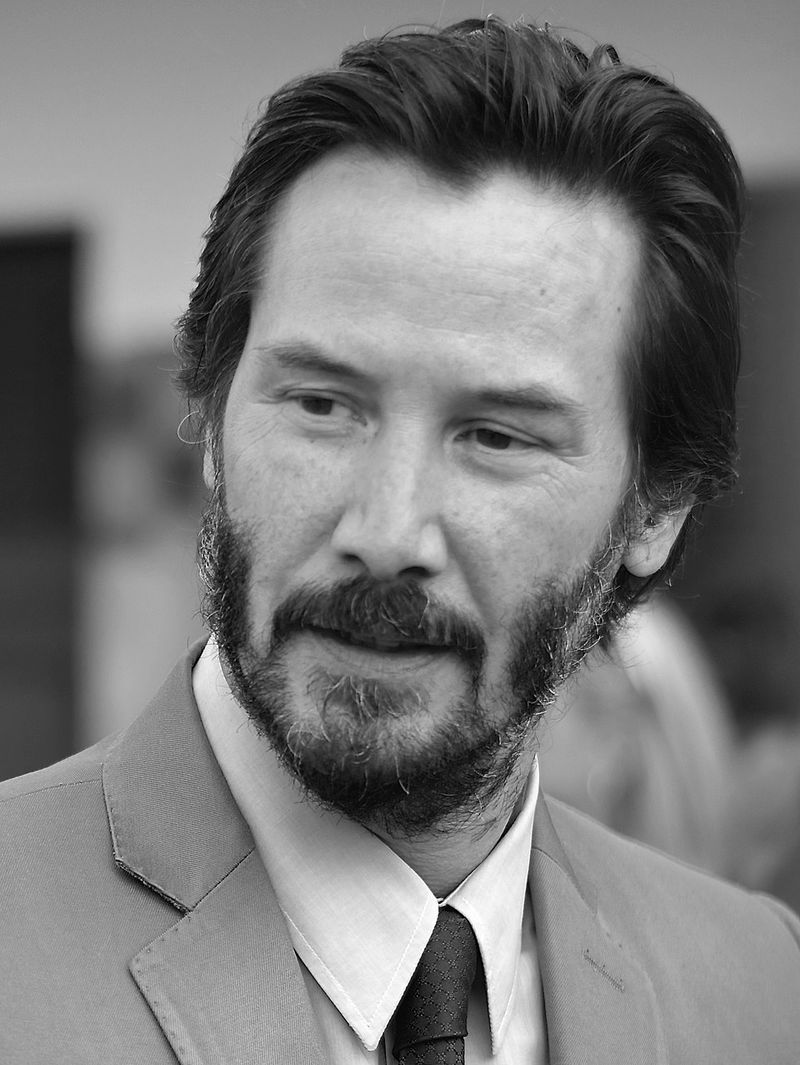
The Matrix reframed reality as a system you could question. You saw code as metaphor for structures that shape choices, from work to media.
Bullet time was flashy, but the bigger thrill was discovering you could say no to limits that felt natural.
It also blended philosophy with action without lecturing you. Concepts like free will, simulacra, and control landed through character stakes.
The film gave language to a new century’s anxieties about technology.
Its aesthetic reshaped fashion, choreography, and visual effects. Sunglasses and long coats signaled agency, while green code became shorthand for hidden systems.
It encouraged you to test assumptions, upgrade skills, and pick mentors wisely. The red pill became a cultural metaphor, urging discernment without cynicism.
You left wondering what else was constructed and how to move within it responsibly.
6. Pulp Fiction (1994)
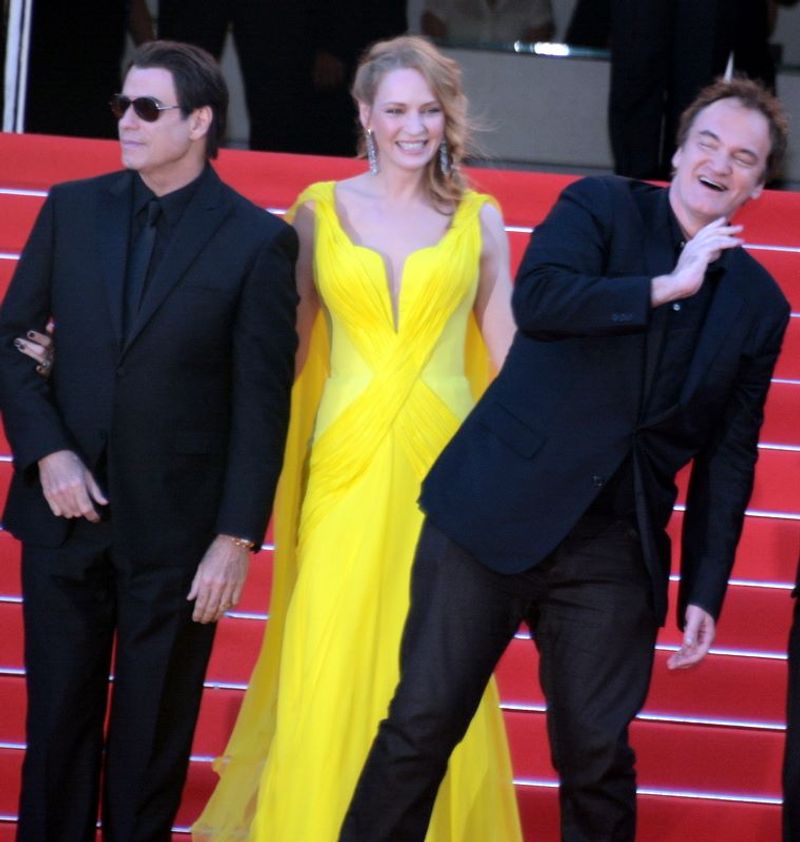
Pulp Fiction made nonlinear storytelling feel effortless and mainstream. You tracked intersecting timelines and realized structure can be a playground, not a cage.
Its dialogue turned everyday chatter into rhythm, giving quotable lines real texture.
The film also democratized cool by mixing high and low culture. Pop references sat beside moral choices without apology.
You learned tone can swing from absurd to tragic without losing honesty.
Independent filmmakers felt the aftershock. The movie proved audiences would follow bold structure if character stakes stayed clear.
Soundtrack, diner booths, and suitcases became cultural icons. It encouraged you to take narrative risks, trust subtext, and let silence do work.
Pulp Fiction changed how stories were paced and how confidence felt on screen.
7. Ferris Bueller’s Day Off (1986)

Ferris Bueller’s Day Off celebrated joy as a responsible choice. You watched a teenager turn a free day into a blueprint for noticing life.
The charm was not recklessness but intention, a reminder that time is a resource you must actively spend.
The film reframed rebellion as curiosity. Museums, city views, and parade scenes became invitations to explore your hometown.
It suggested that confidence grows when you plan your fun as carefully as your obligations.
Its cultural legacy lives in senior skip days, bucket lists, and friendly subversion. Teachers and parents debated its message, which kept it relevant.
You learned to check stress before it calcifies and to show up fully for the people beside you. Ferris asked you to protect wonder, then schedule it.
8. Clerks (1994)

Clerks proved that ordinary conversations could anchor a movie. You saw a convenience store become a stage where boredom, ethics, and loyalty played out.
The low budget felt liberating, not limiting, and the dialogue invited you to notice texture in everyday work.
It also expanded what independent film could be. With DIY production and community casting, the project showed you could tell your story without waiting for permission.
That message rippled into zines, web forums, and microbudget filmmaking.
The film’s humor masked serious questions about responsibility and drift. You learned that small choices define character over time.
For a generation, Clerks made art feel reachable and worth attempting. The takeaway was simple: if you have something to say, start where you stand and make it.
9. American Beauty (1999)

American Beauty challenged the myth of perfect suburbs. You watched cracks appear beneath lawns, promotions, and polite dinner conversations.
The film questioned whether success without self-knowledge only deepens emptiness.
Its imagery turned ordinary spaces into charged stages. Roses, plastic bags, and tract homes reframed beauty as attention rather than decoration.
You were asked to examine habits that numbed curiosity and feeling.
The cultural conversation broadened to include midlife reinvention and quiet desperation. People debated the film’s characters like neighbors, which made its critique feel local.
It encouraged you to notice wonder in overlooked details while confronting denial. The message was not cynicism but clarity: aesthetics cannot replace honesty.
When values align with action, even small lives glow.
10. Reality Bites (1994)

Reality Bites distilled post-college drift into a recognizable mood. You felt the tug between ideals and rent, art and employment.
The film captured how friendship groups become labs where values and style are tested.
It also validated cultural irony without dismissing sincerity. The camcorder motif prefigured self-documentation and internet diaries.
You saw that selling out and survival are not identical questions, which sparked honest talks about money.
Its soundtrack, haircuts, and thrift aesthetics influenced wardrobes and playlists. The film made creative work feel possible, even if messy.
Viewers learned that uncertainty is not failure but a stage before commitment. It encouraged you to find mentors, collaborate, and define success on purpose, not by default.
11. Office Space (1999)

Office Space gave language to corporate burnout. You recognized the absurdity of memos, meetings, and passive management.
The film made you laugh, then wonder how much of your day served anything meaningful.
It also invited practical rebellion. Small acts like honest conversation and clear boundaries felt radical in cubicles.
The movie helped normalize evaluating workplaces like products, not destinies.
Its legacy lives in memes and policy changes. Leaders cite it when fixing pointless processes.
You learned that motivation thrives on autonomy, mastery, and purpose, not fear. The film nudged people to redesign work or exit with intention, revealing that culture is a system you can influence.
12. E.T. the Extra-Terrestrial (1982)

E.T. made empathy feel like an adventure. You watched a lonely kid build trust with an outsider everyone feared.
The story taught that connection requires patience, curiosity, and vulnerability.
It also reframed childhood courage. The bikes, flashlights, and whispered plans showcased teamwork over bravado.
You learned that protecting someone different can be the bravest choice.
The film’s imagery became universal shorthand for wonder. Families found new ways to talk about fear and belonging.
Decades later, its gentle message still resonates in classrooms and living rooms. It reminded you that friendship is an action and that home can be shared.
The science fiction wrapper only sharpened the human center.
13. Boyz n the Hood (1991)

Boyz n the Hood demanded that mainstream audiences listen to lives often ignored. You saw friendship, family, and survival framed by limited options and systemic forces.
The film insisted that context matters when judging choices.
It elevated neighborhood wisdom and fathers’ guidance as stabilizing forces. Scenes around dinner tables and street corners carried moral clarity.
You learned the difference between spectacle and testimony.
The impact reached classrooms, newsrooms, and policy talks. Viewers discussed opportunity, policing, and grief with more nuance.
The movie modeled empathy without softening reality, which gave its lessons staying power. It reminded you that dignity grows when stories are told by those who live them, not about them.
14. The Truman Show (1998)

The Truman Show anticipated life lived for an audience. You watched a kind man discover his world was staged, and the reveal felt eerily familiar as reality TV and social media grew.
The film asked who benefits when privacy becomes content.
It also explored consent and authenticity with clarity. The set’s perfection highlighted how control can look like care.
You learned to question platforms that reward performance over presence.
Its metaphors guided media literacy. Viewers began spotting invisible producers in daily feeds.
The closing door on that studio became a promise to choose real relationships, even at a cost. The movie still urges you to notice when convenience hides surveillance and to step outside the script.
15. Good Will Hunting (1997)

Good Will Hunting made therapy feel like strength, not failure. You watched a guarded genius learn that talent cannot replace healing.
The conversations showed how empathy and accountability coexist.
It also offered a blueprint for mentorship. The film respected blue-collar roots while pushing for growth.
You learned that chosen family can open doors you are afraid to touch.
Its influence helped normalize emotional intelligence, especially for men. Lines echoed in dorms, counseling centers, and bar stools.
The movie suggested that success without self-knowledge breeds isolation. It invited you to risk connection and to measure progress by honesty, not titles.
Share this story