The vinyl booth stuck to bare legs, the soda fizzed too fast, and a laminated menu promised endless refills. These once-ubiquitous restaurants were stitched into American life – after Little League games, during cross-country drives, and on first shifts that smelled like fryer oil.
The orange roofs, salad bars, cafeteria trays, and waving mascots weren’t just décor; they were signals that a familiar ritual was about to begin.
1. Howard Johnson’s
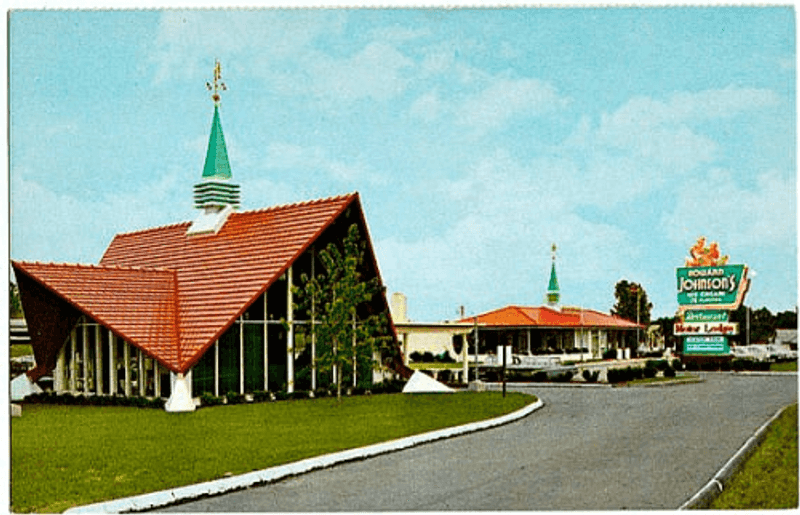
Howard Johnson’s was the roadside North Star for family travel, with its unmistakable orange roofs guiding parents off the highway. You came for the 28 ice cream flavors and stayed for fried clams or a grilled frank in a toasted roll.
It felt safe, clean, predictable, and that was the point during long road trips.
At its peak, more than 1,000 locations dotted the map, often paired with motor lodges that welcomed station wagons by the dozen. The brand helped normalize national consistency in dining before fast food fully took over.
Service was friendly, the menu photo-forward, and the kids always got a treat.
As interstates and quick-service giants sped ahead, Howard Johnson’s struggled to modernize. Still, nostalgia remains strong because it represented reliability.
Next time you spot an old orange-roof postcard at a flea market, you can almost taste peppermint stick ice cream and hear vacation plans unfolding.
2. Woolworth’s Lunch Counter
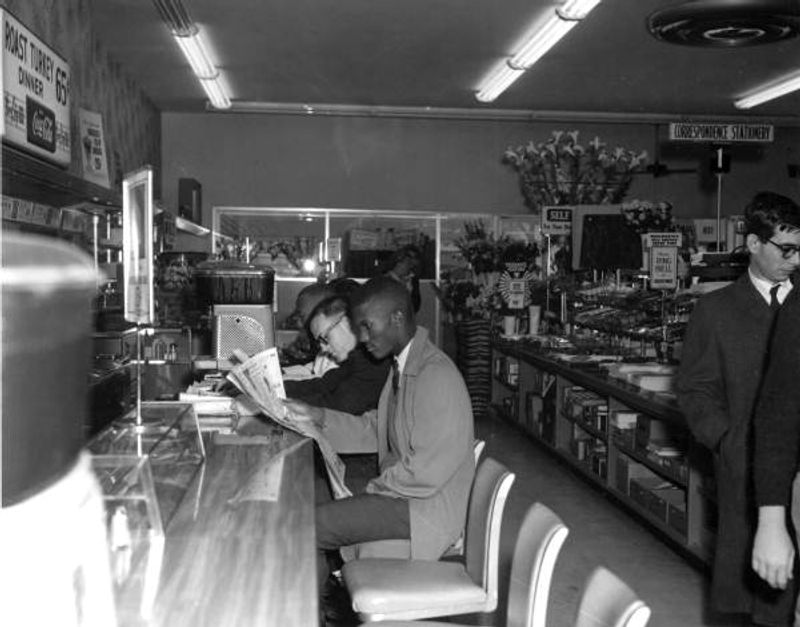
Woolworth’s lunch counters were where downtown errands turned into quick, affordable meals. Grilled cheese, coffee, sundaes, and friendly banter made them feel like a neighborhood living room.
You could sit, rest your feet, and watch the city glide by the plate glass.
These counters also became stages for history. The 1960 Greensboro sit-ins transformed an ordinary lunch into a civil rights flashpoint, proving everyday spaces can hold extraordinary change.
That dual legacy makes a simple swivel stool feel monumental.
As suburban malls rose, downtown Woolworth’s declined, and the counters followed. Yet the imagery endures: chrome, formica, the zing of a soda fountain.
When discussing inclusive public spaces today, Woolworth’s remains a reference point, a reminder that who gets to sit, eat, and be served is not just hospitality but citizenship.
3. Sizzler
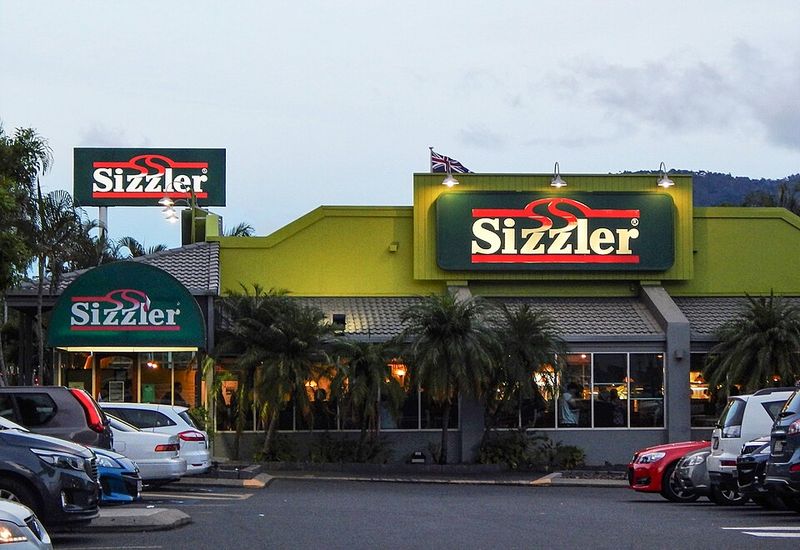
Sizzler felt like a treat that still respected a budget, a place where you learned how much salad bar you could engineer onto one plate. You picked a steak, then ran laps for croutons, cottage cheese, and hot rolls with honey butter.
The ritual mattered as much as the ribeye.
Commercials promised flame-kissed value and a sense of occasion without formality. In the late 80s and 90s, Sizzler competed on abundance, not just price, helping mainstream the salad bar boom.
Families could satisfy picky eaters and still split a sundae.
As tastes shifted toward fresher, fast-casual concepts, the old formula struggled. Yet talk to anyone who grew up near a Sizzler, and you will hear strategic salad bar hacks and birthday memories.
It taught you how a restaurant can be both everyday and celebratory, proving that hospitality sometimes looks like an extra ladle of ranch.
4. Steak and Ale
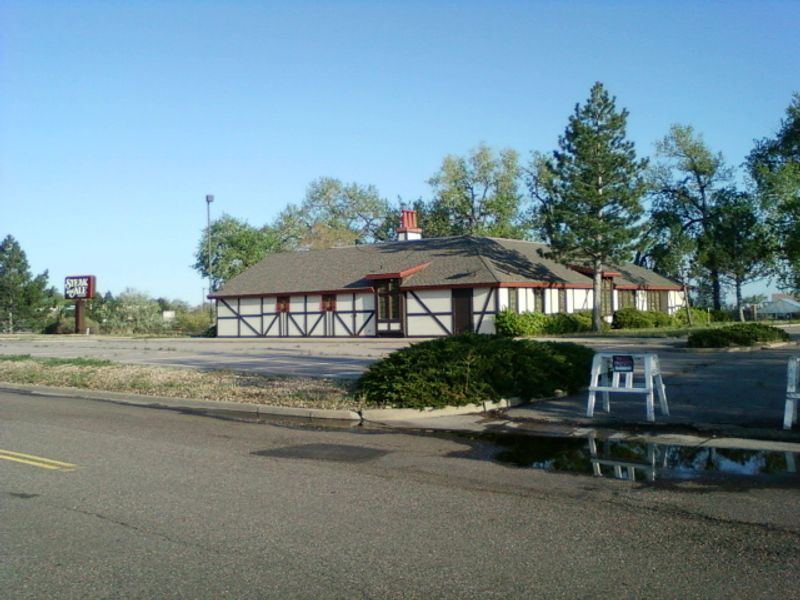
Steak and Ale introduced a Tudor fantasy where low light and wood beams made Tuesday dinner feel like a date. You ordered a marinated sirloin and a baked potato that arrived like a small mountain.
The check soothed the wallet, and the vibe soothed everything else.
Founded by Norman Brinker, it helped pioneer casual steakhouse dining, proving you did not need a white tablecloth for good beef. The salad bar and value pricing taught competitors new playbooks.
Many modern steakhouses still echo its formula: approachable cuts, comfortable rooms, reliable sides.
Changing real estate costs and evolving tastes dimmed the candles, but the concept left deep marks. People remember the honey-butter bread and the thrill of ordering a “fancy” steak without fear.
In a way, Steak and Ale democratized date night, setting expectations that good dining could be warm, unpretentious, and attainable.
5. Chi-Chi’s
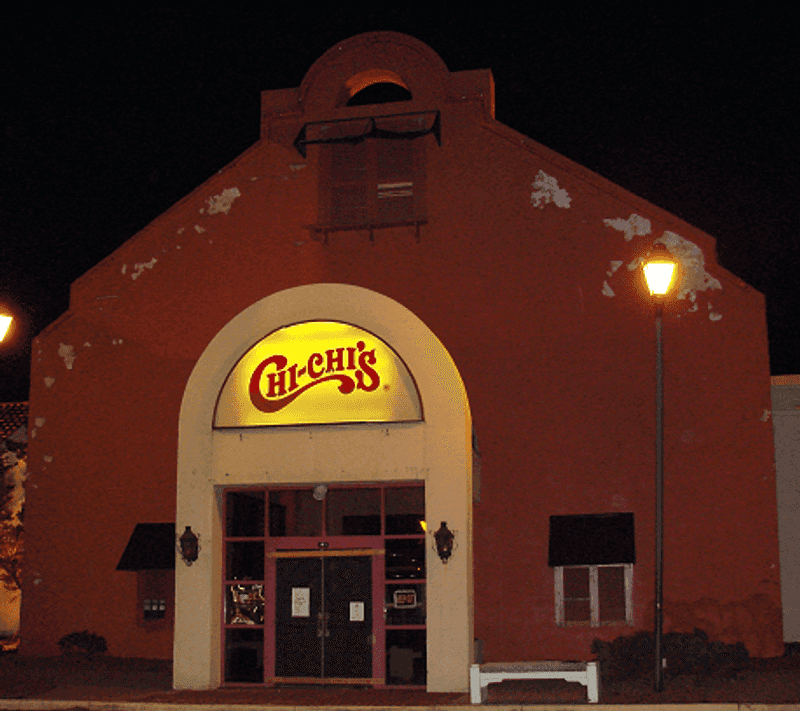
Chi-Chi’s gave many Americans their first taste of Tex-Mex theater: sizzling fajita platters that turned heads and fried ice cream crowned with cinnamon. You learned to love warm chips and salsa before the meal even started.
It felt like Friday night, even on a Tuesday.
The brand rode a wave of casual-dining growth with big portions and bigger personalities. For suburban diners, it offered a passport to flavors beyond burgers, planting the seed for today’s nationwide Tex-Mex scene.
People still trade stories about birthdays where the staff clapped and laughed like family.
After health crises and financial troubles, the chain faded in the U.S., though the name lingers abroad. Its legacy is the soundtrack of sizzling cast iron and candied crunch.
Chi-Chi’s showed that a restaurant could sell joy as much as food, and that sometimes cinnamon sugar is the memory that lasts longest.
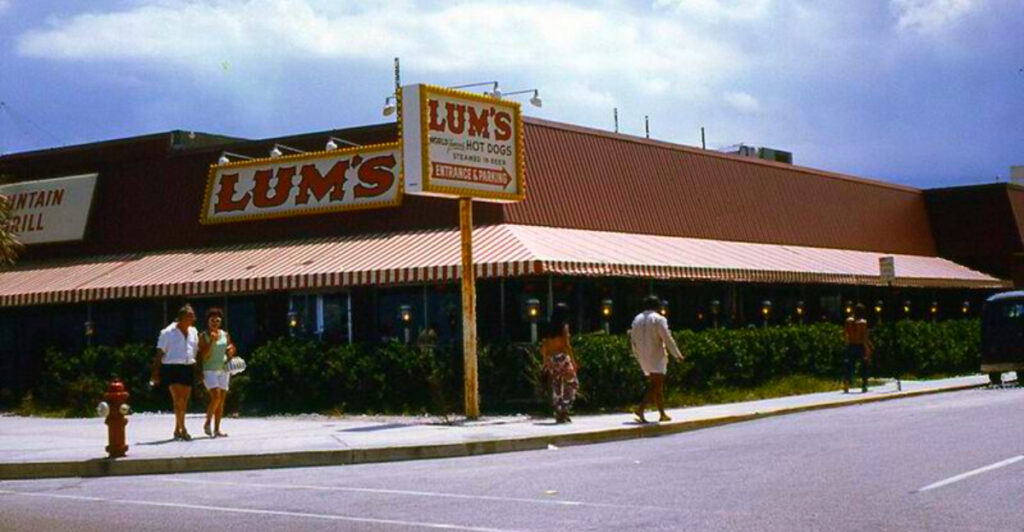
6. Lum’s
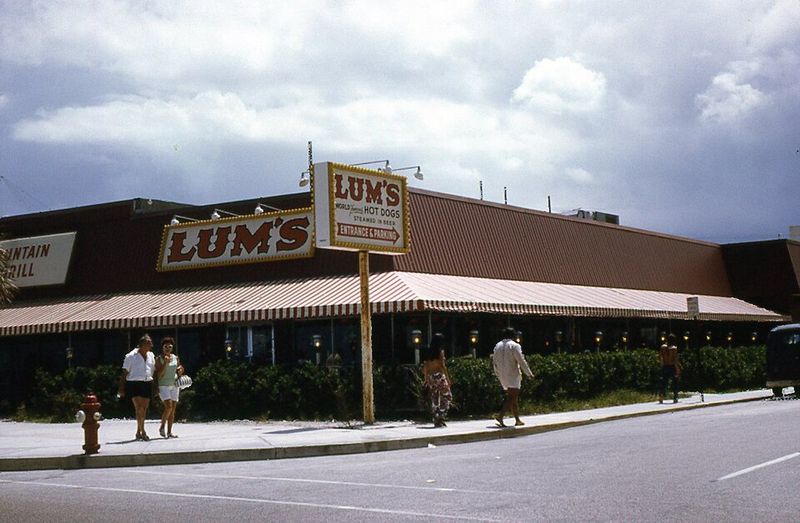
Lum’s sold the dream of a beer-steamed hot dog, a novelty that felt both cheeky and delicious. The menu was simple, the branding sunny, and the experience quick.
You grabbed a dog, maybe a frothy root beer, and got back to the day.
Founded in Miami Beach, Lum’s expanded rapidly during the 1960s, riding the wave of fast-casual innovation. Its signature cooking method set it apart from the burger herd, drawing curious lunch crowds.
For many, the first bite was a small rebellion against ordinary franks.
Changing tastes and expansion missteps caught up to the chain, but the idea had already imprinted. People remember the kettle, the aroma, and the sense of trying something special without breaking stride.
Lum’s proved that a focused signature can carry a concept a long way, especially when it tells a story in one bite.
7. Horn & Hardart Automat
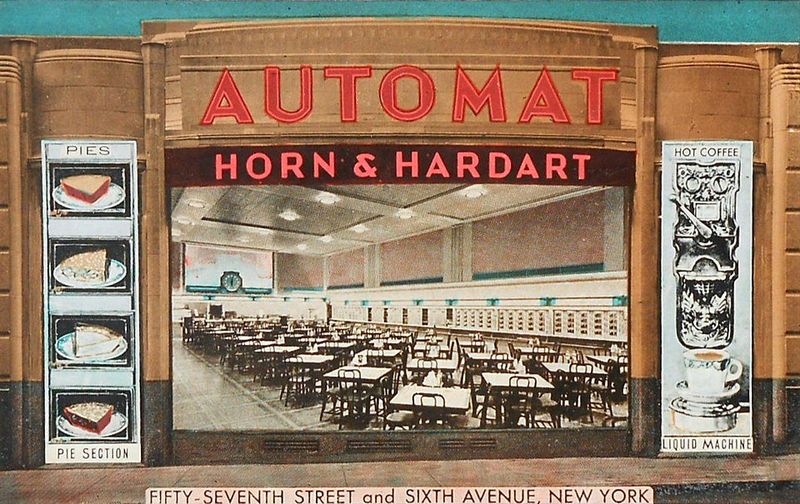
The Automat felt like the future arriving through a nickel slot. You pressed your nose to glass, eyed creamed spinach or pie, and popped a coin to release lunch.
It was fast, clean, and fascinatingly anonymous.
Horn & Hardart’s New York and Philadelphia locations turned mechanized service into public theater. In an era before drive-thrus, the Automat solved speed and consistency with elegance.
Immigrants, office workers, and celebrities shared the same chrome-trimmed ritual.
As labor costs and technology shifted, the model faded, but the myth grew. Today’s touchscreens echo its premise: simple, efficient service with visible product.
You can almost hear the clink of coins when ordering at a kiosk. The Automat showed that design and convenience can shape culture, not just lunch, making it a true ancestor to modern quick-service dining.
8. The Brown Derby
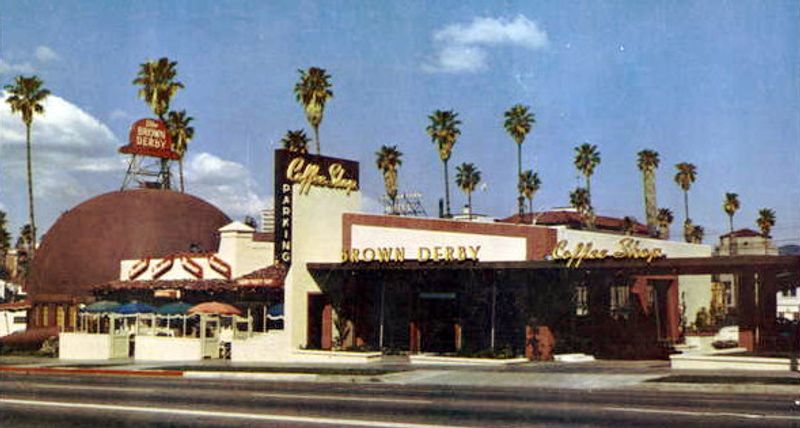
The Brown Derby turned Hollywood dining into a stage, complete with a hat-shaped building you could not forget. Celebrities gathered beneath caricatures while you discovered the Cobb salad that started it all.
The room hummed like a studio lot between takes.
For diners, it offered proximity to glamour, where the next booth might hold a star. Photographers captured arrivals, and the Derby’s silhouette became shorthand for Tinseltown elegance.
The brand proved a restaurant could be architecture, brand, and social club at once.
Locations eventually closed, but the legend stayed camera-ready. Today, any menu boasting a Cobb nods back to this origin story.
The Brown Derby taught that storytelling sells as effectively as seasoning, and that design can make a meal famous. Even now, that hat casts a long shadow across American dining lore.
9. Kenny Rogers Roasters
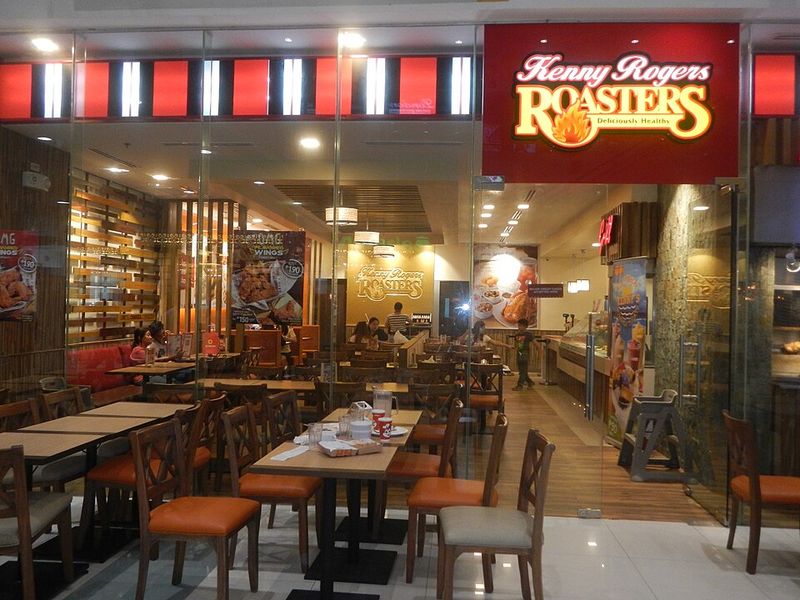
Kenny Rogers Roasters brought the slow-turning theater of rotisserie to malls and busy corners. The chicken arrived juicy, with sides like corn and baked beans that tasted homestyle.
You could see the ovens, which made trust easy.
Launched with celebrity shine, the brand surfed a wave of better-for-you eating before the term went mainstream. Rotisserie offered perceived health advantages versus fried options, a trend that still endures.
A Seinfeld episode even immortalized its neon glow.
Competition and overexpansion trimmed the roster, but the idea proved durable. Supermarkets and chains still rely on rotisserie’s aroma to pull you in.
For many, Kenny Rogers Roasters was the first time fast food felt slow-cooked and a little bit special. You left feeling like dinner had been sung into existence, even if the playlist was just sizzling drippings.
10. White Tower
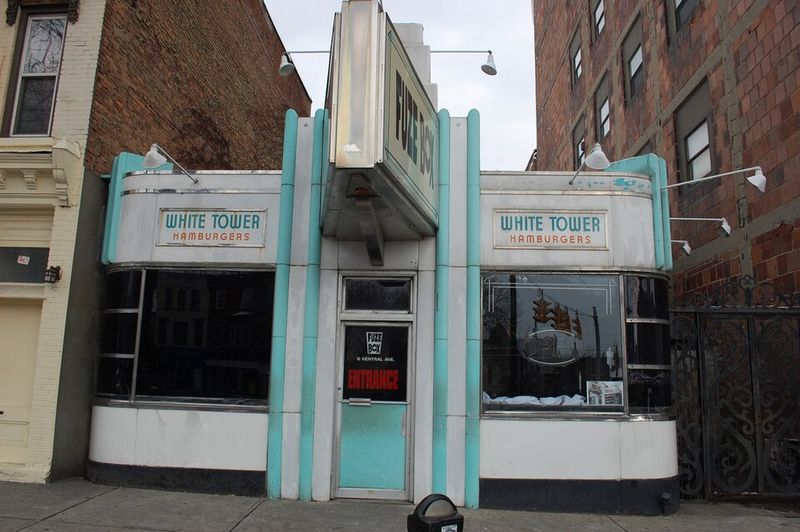
White Tower mirrored White Castle’s efficiency with Art Deco flair, all white tiles and clean lines that promised purity. Sliders sizzled on a visible griddle, perfuming the sidewalk.
You could eat fast, cheap, and watch the city move.
The chain spread through mid-century downtowns, a beacon for shift workers and night owls. Its architectural uniformity delivered trust when brand recognition mattered most.
Simple menus kept throughput high and prices low.
Legal battles and changing urban patterns thinned the ranks. Yet nostalgia persists for the geometry of those little buildings and the ritual of a paper sleeve full of steam.
White Tower showed how architecture communicates quality and speed before a word is spoken. If you ever leaned on the counter at midnight, you remember the hiss of onions like a lullaby.
11. Shakey’s Pizza
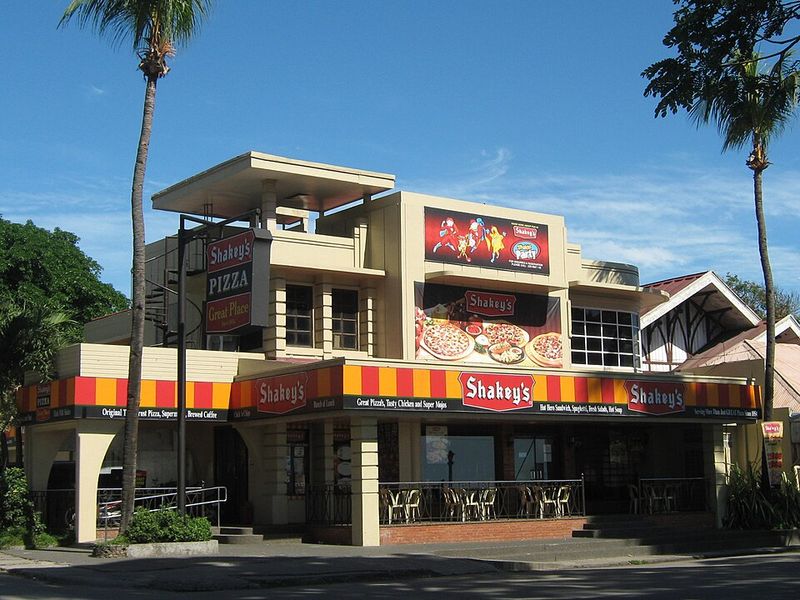
Shakey’s was loud in all the right ways: clinking pitchers, laughter, and banjo twang floating above pepperoni pies. Long tables made strangers into neighbors as kids darted between arcade machines.
Pizza arrived on stands like trophies.
Founded in 1954, it helped establish the pizza-parlor-as-party concept, where music and beer mattered as much as sauce. The chain pioneered a social model that today’s family entertainment venues still chase.
You ordered by the pitcher as much as by the slice.
Though its U.S. footprint shrank, international locations thrive, and the template remains influential. Ask any former regular about the mojo potatoes and you will unlock a flood of stories.
Shakey’s taught that pizza can be a stage for community, and that a banjo can sell just as many pies as pepperoni.
12. Sambo’s
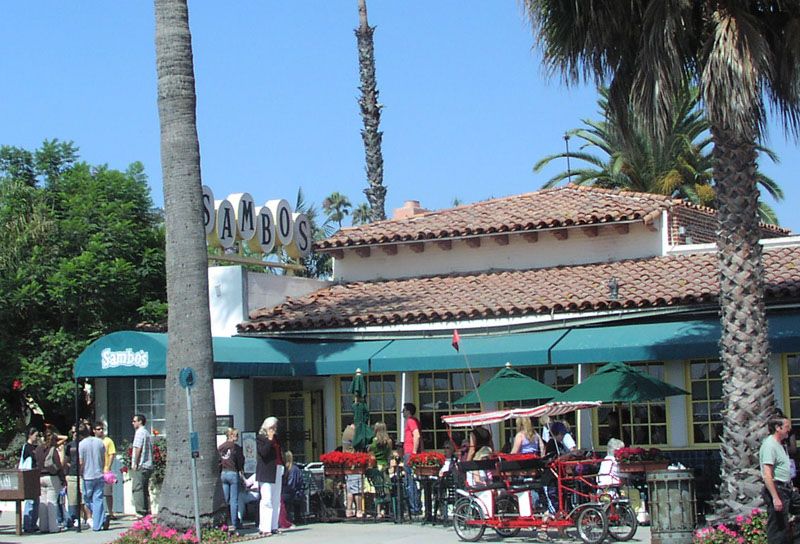
Sambo’s spread quickly with a breakfast-forward menu, sunny interiors, and low prices. Pancakes, coffee refills, and booths that invited long conversations made it popular with travelers and locals.
You could count on early hours and friendly service.
But the name and branding were rooted in racist imagery, and protests grew. As awareness rose, the chain rebranded or closed, a case study in how culture shifts can redefine a business overnight.
Guests had to reconcile familiar flavors with an unacceptable story.
Today, the lesson is clear. Brand identity must respect people or it becomes untenable, no matter the pancakes.
Sambo’s reminds you that nostalgia should be examined, not just embraced. Good hospitality welcomes everyone.
Any retro conversation about this chain needs honesty about harm, even as we remember the coffee that kept road trips moving.
13. Rax Roast Beef
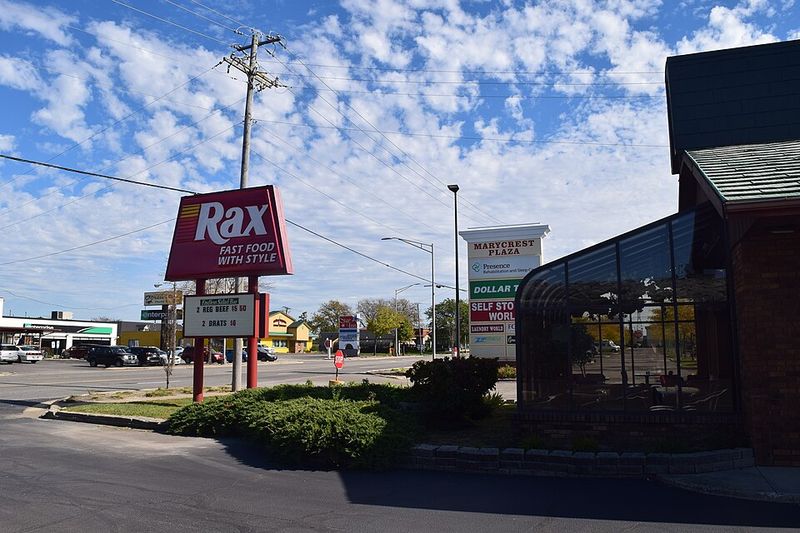
Rax aimed to be the thinking person’s roast beef stop, with atrium seating and a salad bar that felt unexpectedly upscale. You built a plate of greens, grabbed curly fries, and unwrapped a warm sandwich that dripped just right.
It was fast food with a wink.
In malls and along highways, Rax courted diners who wanted choice and a calmer room. The brand experimented with design and menu breadth to stand apart from Arby’s.
For a while, it worked, and people still trade stories about Endless Salad.
Overexpansion and mixed branding clouded the message, but pockets remain. The chain’s cult following proves how a distinct vibe can create loyalty beyond scale.
Rax taught that environment matters as much as meat, and that a sunlit dining room can make lunch feel like a pause, not a pit stop.
14. Bob’s Big Boy
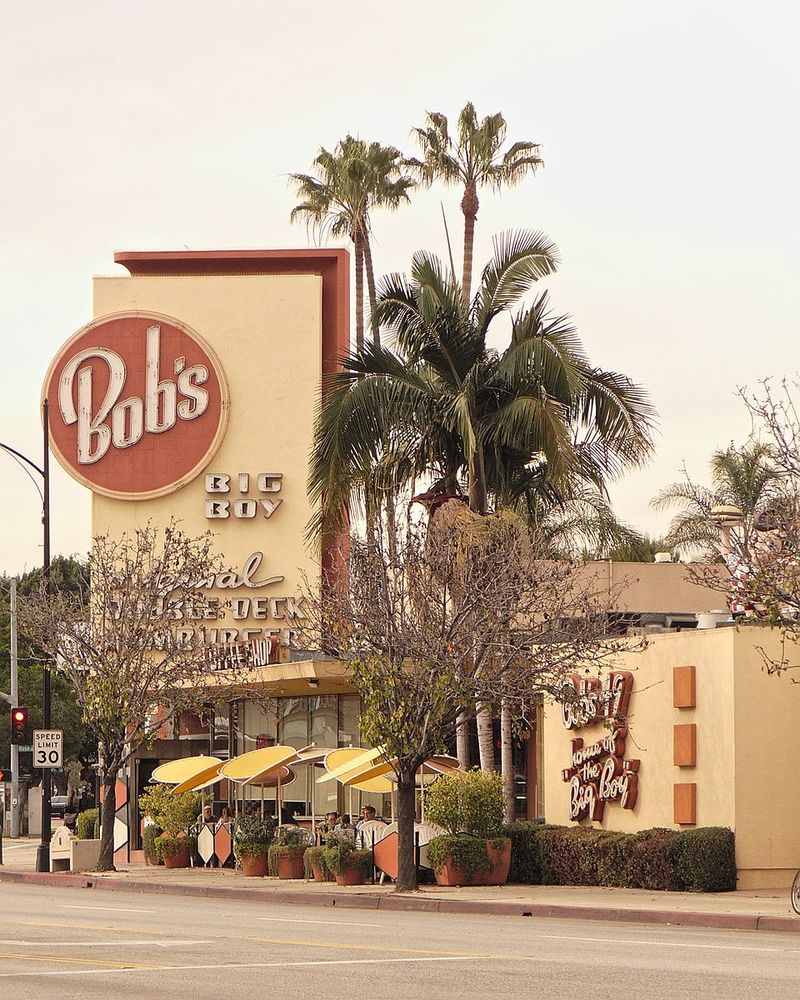
Bob’s Big Boy made the double-deck burger iconic and the statue unforgettable. You pulled into carhop stalls or slid into red booths, then demolished a Big Boy and a thick chocolate shake.
Saturday nights felt cinematic under neon.
The brand helped define postwar diner culture in the West and beyond. Googie architecture, friendly service, and breakfast-all-day created a template many diners still follow.
The statue turned into a roadside landmark, a selfie before selfies.
Though locations dwindled, surviving outposts draw faithful crowds. Cars and burgers never stopped being a great match.
Bob’s proved that personality and a photogenic mascot can carry decades of goodwill. If you ever rode home with fry salt on your fingertips, you know the feeling Bob’s sold: carefree and a little glossy.
15. Ponderosa Steakhouse
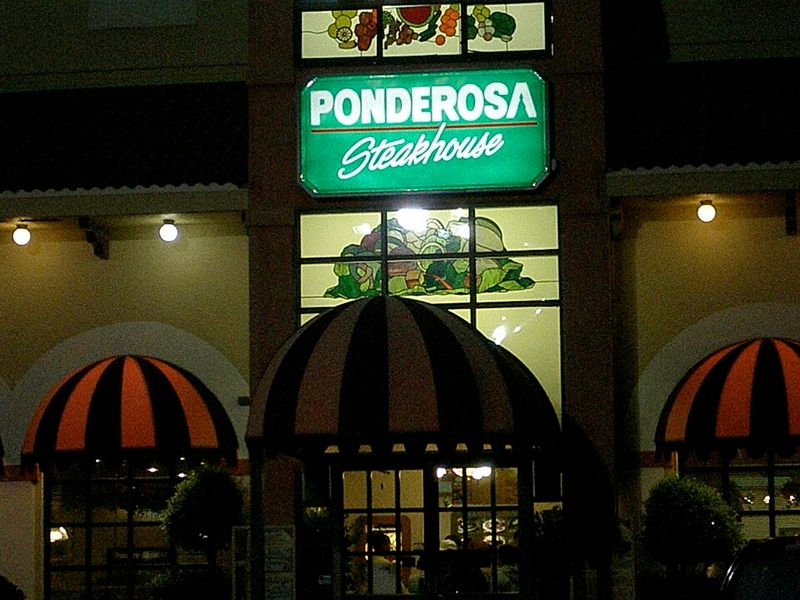
Ponderosa promised steak for everyone, buttressed by a buffet that felt like a victory lap. You ordered a sirloin and then piled plates with corn, rolls, and soft-serve twists.
The value proposition was plain and powerful.
In small towns especially, Ponderosa functioned as a community dining room. Birthdays, church groups, and team dinners found space and predictability.
The Western motif delivered cozy escapism without pretense.
Competition chipped away, but memories remain of endless salad and a chocolate fountain cameo here and there. The brand proved that abundance can be hospitality when done with care.
Ponderosa taught you to measure a night out not only by the steak, but by laughter around a crowded table and the small joy of a perfect swirl of soft serve.
16. Luby’s Cafeteria
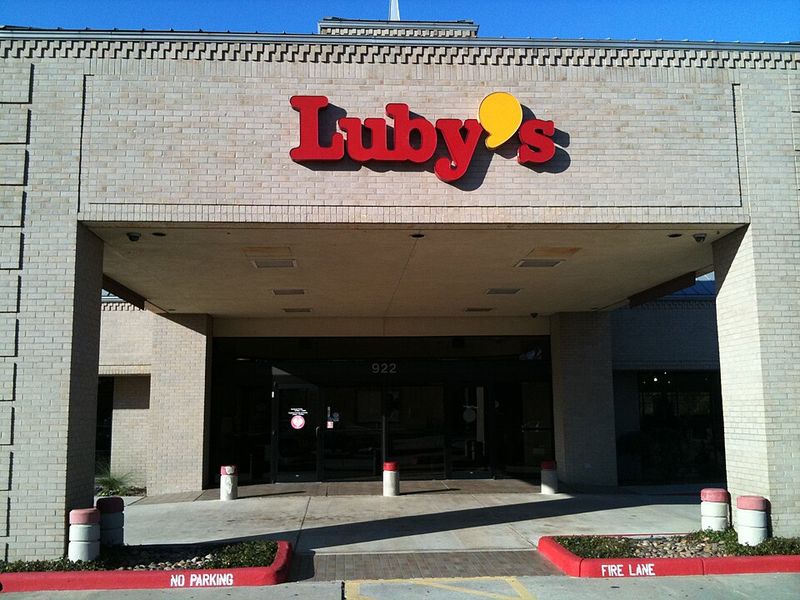
Luby’s became a Texas institution by delivering dependable comfort food with cafeteria clarity. You pointed to carved roast, mac and cheese, and a square of cornbread that rarely disappointed.
The iced tea refills never seemed to stop.
For seniors, nurses, and students, Luby’s felt like a refuge: affordable, quick, and clean. It built community with church bulletins by the door and familiar staff who knew regulars’ favorites.
The menu anchored weekday routines.
Though the chain faced closures, its playbook remains relevant anywhere value and simplicity matter. Cafeteria service reduces friction and keeps lines moving, especially during lunch rushes.
Luby’s taught that consistency is a kind of love language in dining. If you ever balanced a tray with pie teetering at the end, you remember the pride of a perfect selection.
17. Casa Bonita
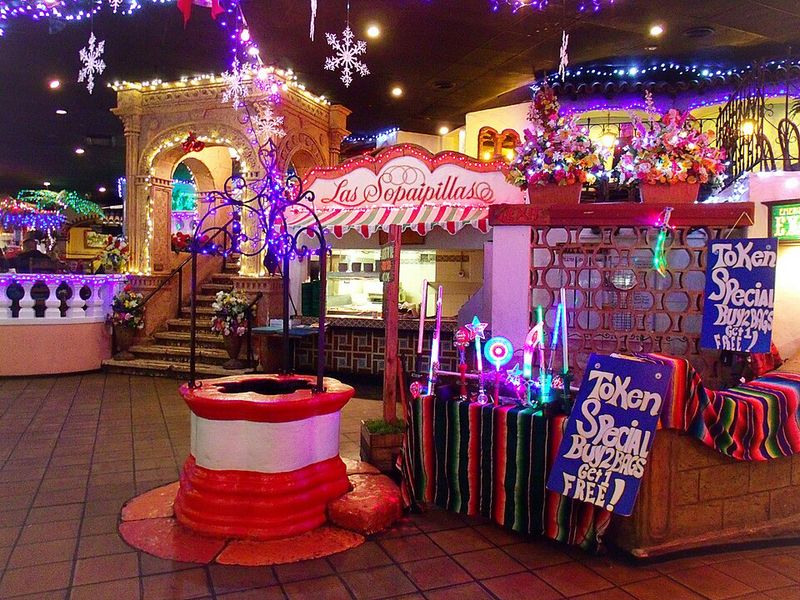
Casa Bonita proved a restaurant could be an amusement park in disguise. You followed winding paths to a cavernous dining room where cliff divers splashed beside your table.
The menu delivered sopapillas and hearty plates, but the spectacle stole the show.
For families, birthdays there felt like crossing into another world. Theming extended from costumes to sound effects, turning dinner into an adventure.
Even skeptics left smiling, honey on their fingers.
After ownership changes and a high-profile revival effort, the legend continues to evolve. The popularity underscores a truth: people crave experiences worth telling friends about.
Casa Bonita taught that story-first dining can earn cult status, and that immersive design can make even simple tacos feel enchanted.
18. St. Elmo Steak House
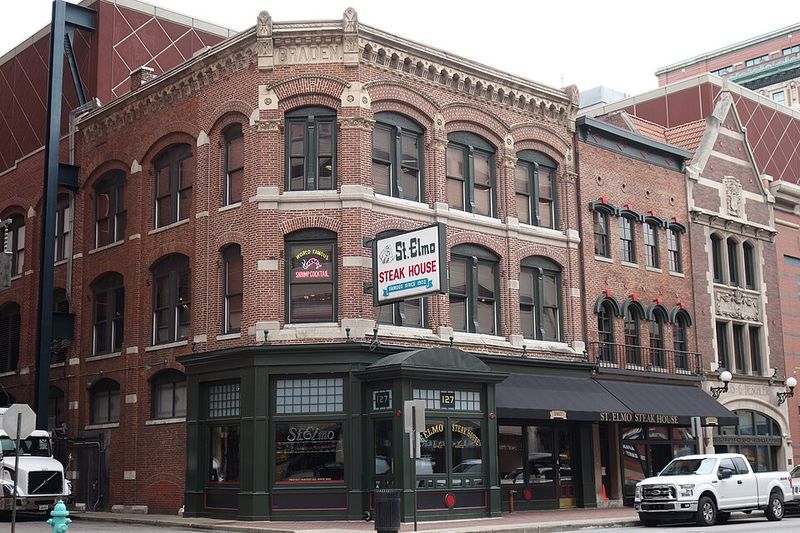
St. Elmo Steak House dates to 1902 and endures as Indianapolis’s oldest steakhouse, famed for a shrimp cocktail that clears sinuses and expectations. You feel the weight of history in the woodwork and in the staff’s polish.
It is a reminder that longevity is built plate by plate.
Heritage restaurants like St. Elmo prove that consistency and a marquee dish can anchor a city’s culinary identity. In 2023, U.S. full-service restaurants saw sales exceed $400 billion, showing enduring demand for dine-in experiences.
That demand rewards places that deliver ritual with excellence.
While our list focuses on fading chains, St. Elmo offers contrast: a survivor that evolved without losing soul. When you chase old memories, also visit living ones.
Order the shrimp cocktail and measure the burn. You will understand how institutions become more than addresses.
19. Old Ebbitt Grill
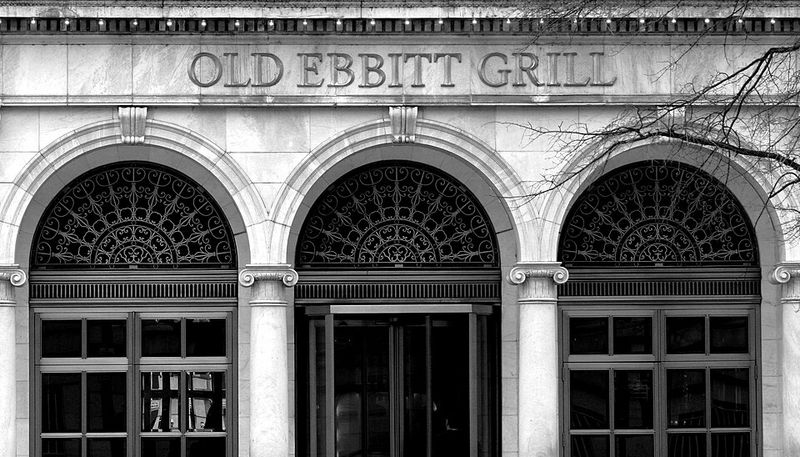
Old Ebbitt Grill, founded in 1856, is Washington’s oldest saloon and a masterclass in preserving atmosphere. You slide onto a barstool, watch oysters shucked on ice, and feel politics and history mingle over martinis.
It is living heritage with a raw bar.
Historic restaurants like this demonstrate how ambiance and ritual drive loyalty. According to the National Restaurant Association, restaurant and foodservice sales topped roughly $1 trillion in 2023, underscoring hospitality’s scale.
Within that, heritage brands carve durable niches.
As you reflect on vanished chains, visiting Old Ebbitt shows how continuity can thrive. The lesson is not just nostalgia but stewardship.
Keep the photos, evolve the menu, and protect the welcome. You will leave with a story, which is the currency that kept Woolworth’s and Brown Derby alive in memory.
20. Bright Star Restaurant
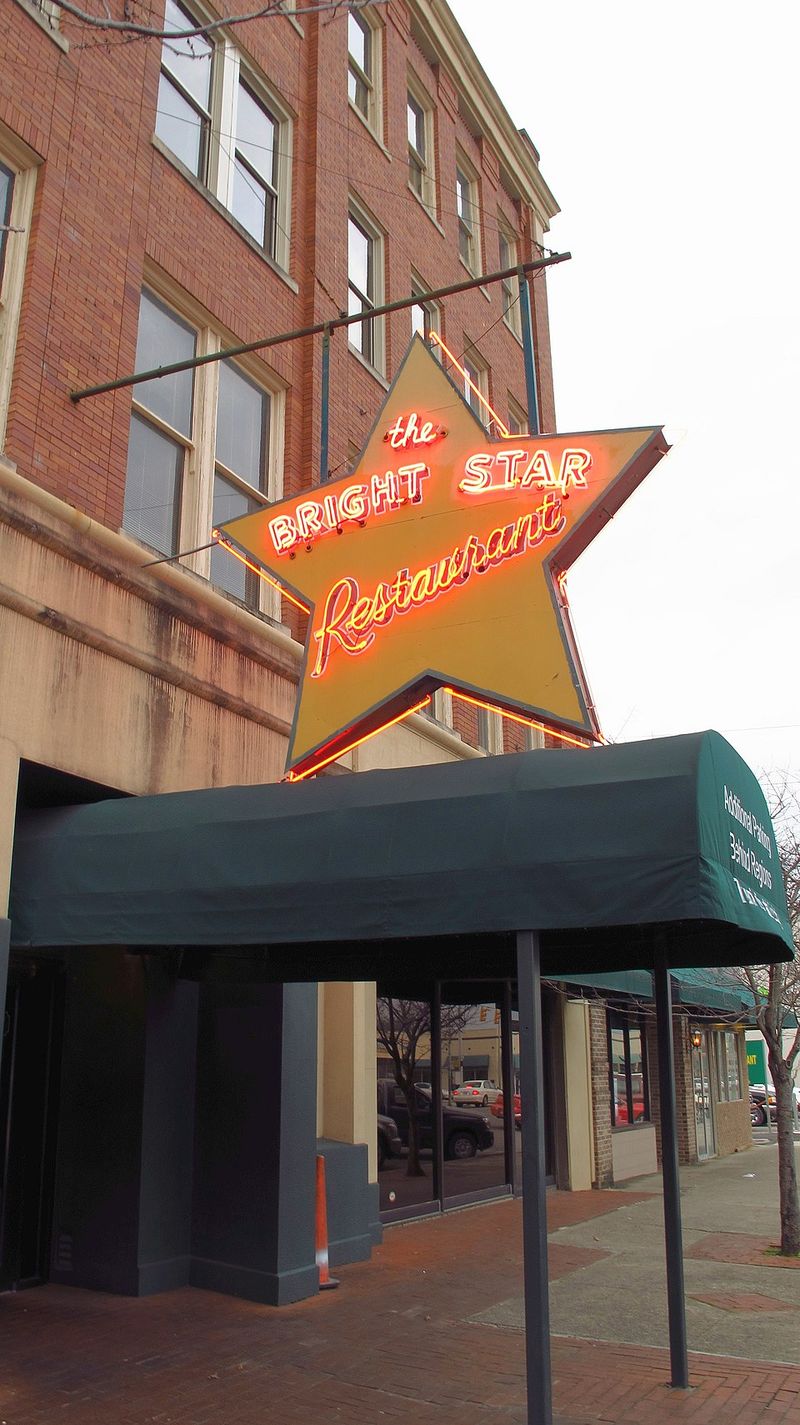
The Bright Star, operating since 1907 in Bessemer, Alabama, proves regional institutions can define a state’s palate. You taste Greek influences in seafood and stews, a blend that feels both Southern and Mediterranean.
Families treat it like a rite of passage.
Longevity like this requires relentless consistency and trust. While many chains chased expansion, places like Bright Star doubled down on community, sourcing, and service.
The payoff is generational loyalty that marketing cannot fake.
Thinking about Morrison’s or Luby’s, you can see the cafeteria DNA evolve into tablecloth hospitality here. The throughline is comfort and belonging.
Visit, and you will understand how a century of meals becomes culture, not just commerce. It is the kind of place that makes you call your parents after dessert.
21. Union Oyster House
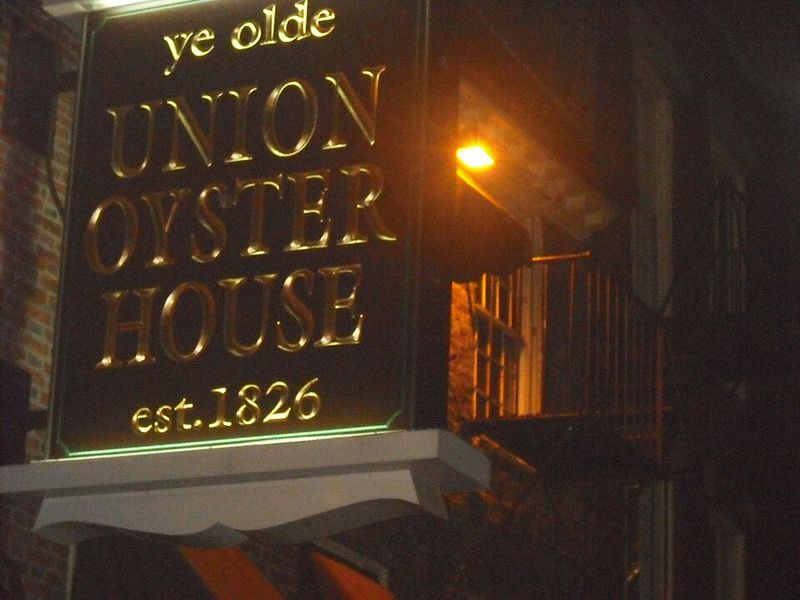
Union Oyster House in Boston has served since 1826, making it America’s oldest continuously operating restaurant. You stand at the raw bar, watch oysters pop open, and taste a briny timeline.
The building creaks with stories in every beam.
Its endurance highlights a truth the Automats and salad bars taught differently: format matters less than identity. When a place knows what it is, guests return for decades.
The ritual of oysters and chowder beats trends.
Pair this with memories of Farrell’s or Bob’s Big Boy and you see a spectrum of American dining icons. Some fade, some adapt, some simply endure.
Visiting Union Oyster House stitches the past to the present, reminding you that culinary history is best studied with a napkin in hand.
Share this story