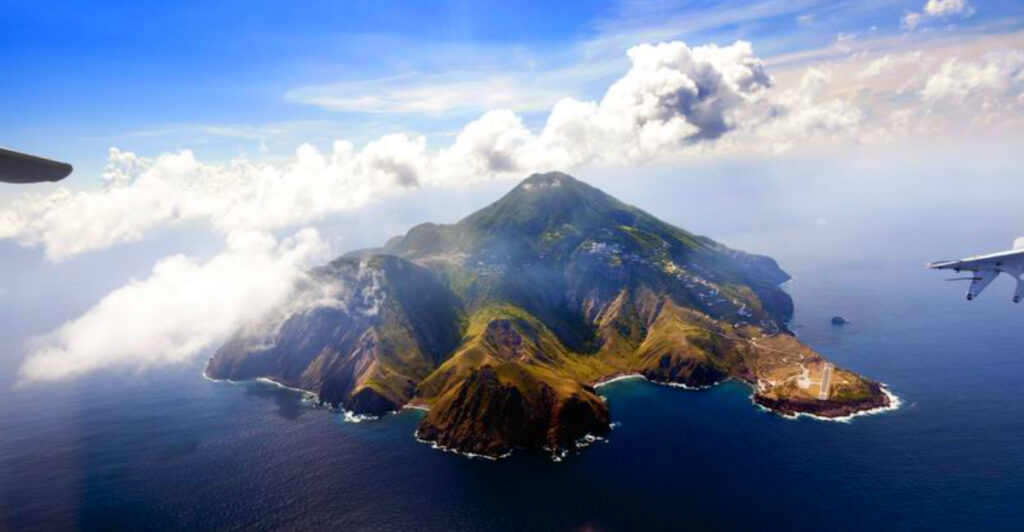
The plane skims a volcanic ridge, drops hard, and stops almost as soon as the wheels touch the cliff-edge runway. At Juancho E. Yrausquin Airport on Saba, the landing is less arrival than spectacle, framed by turquoise water and sheer rock. Past the adrenaline, the island settles into rainforest trails, dramatic reef walls, and a village pace that hasn’t rushed to meet the modern world.
The Heart Pounding Landing You Will Talk About Forever
You taxi toward the edge of the Caribbean, propellers humming, and suddenly understand why pilots train specifically for Saba. The 400 meter runway appears, flanked by cliffs and cobalt sea, and your stomach flutters as wheels kiss asphalt.
It is controlled drama, delivered by steady hands, and you feel the entire cabin exhale at once.
Flight time from St. Maarten is roughly 12 minutes, yet the scenery stretches time into a movie reel. Wind shifts can nudge the aircraft, but crews read the terrain like a familiar book.
You will glimpse Zions Hill’s red roofs, the lighthouse gleaming, and white spray tracing the rocks.
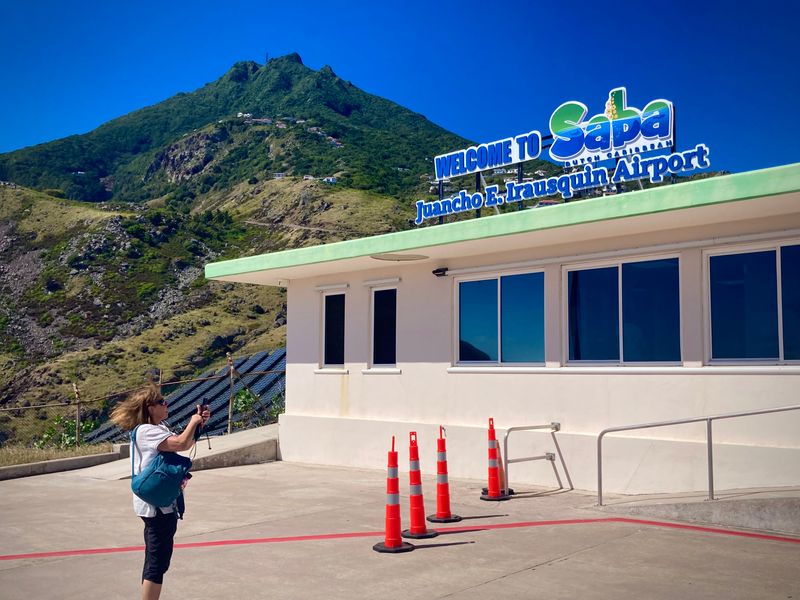
Once inside the tiny terminal, friendly staff remind you this is not a stunt, it is life here. The airport keeps Saba connected for medical flights, fresh goods, and visiting divers.
Aviation enthusiasts collect the stamp and grin like kids again.
Insider tip: sit on the left side flying in from St. Maarten for a sweeping island reveal. Morning light is crisp; late afternoon is cinematic gold.
If weather delays happen, accept them as part of the Saba story.
Statistics give the thrill context: Saba welcomes about 15,000 visitors annually, and many cite the landing as their highlight. Still, safety protocols are rigorous despite the romance.
You will step onto the tarmac feeling both brave and grounded.
Meet The Unspoiled Queen Beyond The Runway
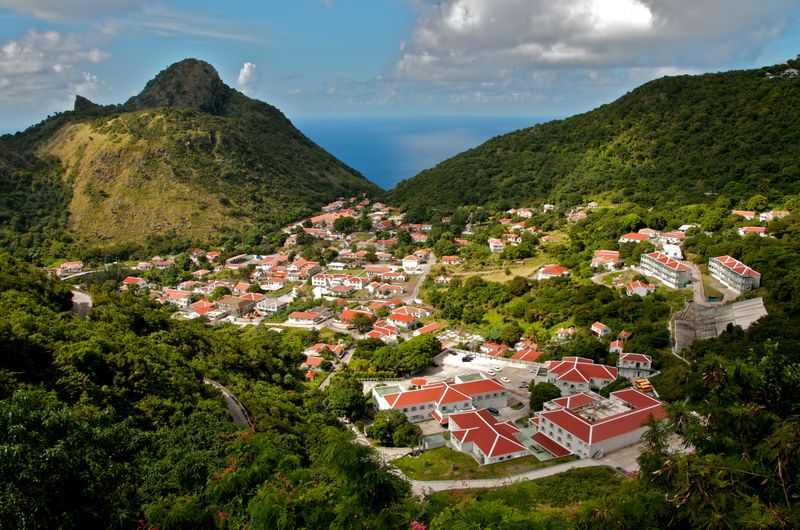
Step outside the airport and Saba’s quiet confidence greets you. No cruise ship crowds, no neon strips, just tidy villages stitched together by stone walls and hibiscus hedges.
Locals call the island the Unspoiled Queen, and you will see why within minutes.
Mount Scenery rises in the center, often crowned by a soft cap of cloud. Trails weave through elfin forest dripping with moss and bromeliads.
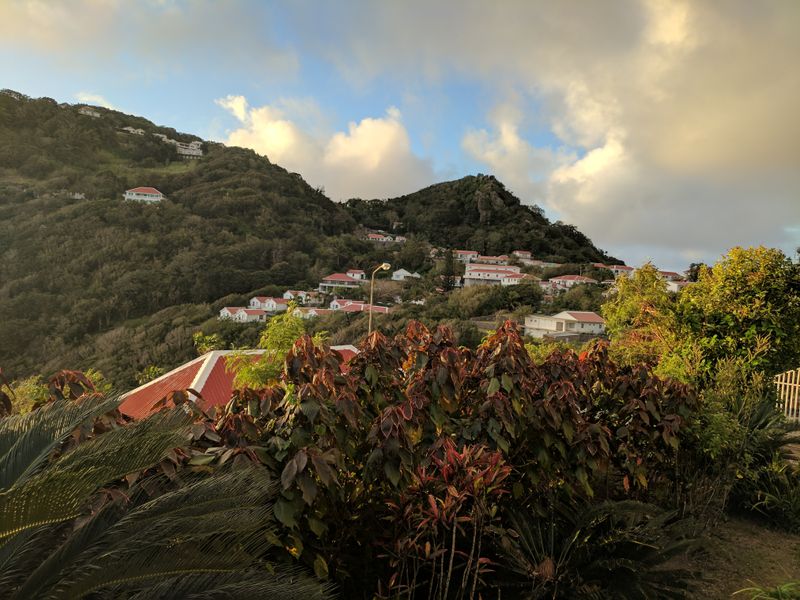
Homes glow with red roofs and white trim like they were ordered from a storybook catalog.
Tourism is modest yet meaningful. About 15,000 travelers arrive each year, drawn by diving and hiking rather than nightlife.
That scale keeps the island grounded, ensuring personal hellos from shopkeepers and relaxed dinners where you savor conversations as much as plates.
The economy relies on the airport’s lifeline for supplies and health services, so every landing matters. You feel that shared gratitude in small gestures, like a wave from a taxi driver or a baker offering a warm johnnycake.
This place rewards attention.
Bring respectful curiosity. Walk slowly, learn names, ask about island history from elders who remember the first landings in 1963.
By sunset, you will feel less like a visitor and more like a welcomed guest.
Hike Mount Scenery’s Cloud Forest
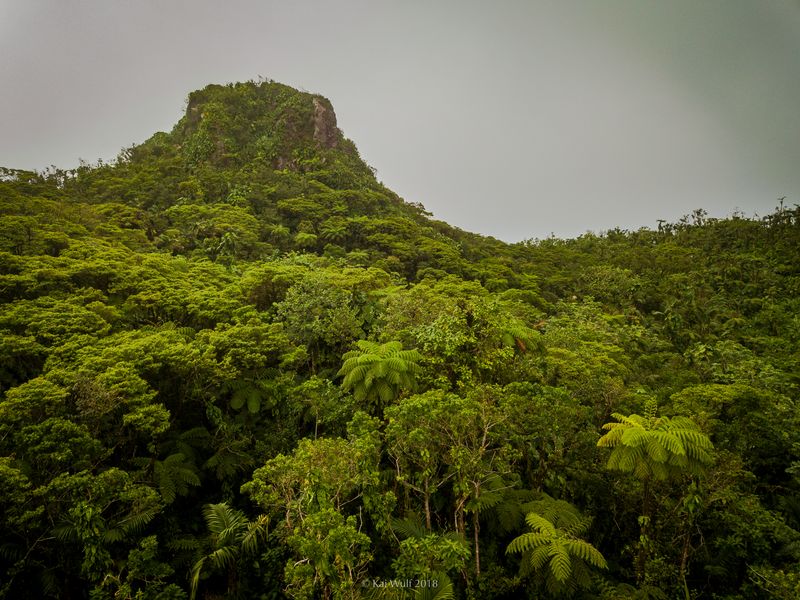
The Mount Scenery trail starts with wooden steps and a promise. As you climb, the air cools and mist threads between tree ferns, orchids, and mossy trunks.
Birds flit overhead while your breath syncs with the rhythm of the mountain.
You will pass numbered markers and hear roosters from villages below fade into jungle hush. The summit often wears a cloud halo, gifting fleeting views that open and close like a curtain.
On clear days, islands pop on the horizon and you will feel like you climbed into a painting.
Footing can be slick, so bring sturdy shoes and water. The ascent is a workout, not a sprint, with benches to pause and listen.
Leave early to beat heat and catch morning clarity.
Along the way, look for tiny orchids clinging to branches and bromeliads collecting droplets like crystal bowls. The forest smells earthy and clean, mixing rain, leaf, and volcanic soil.
Your phone camera will not capture the hush, so linger.
After the descent, treat yourself to a cool drink in Windwardside. You will carry mud on your calves and a little pride in your step.
The cloud forest stamps Saba on your memory with green ink.
Dive Saba’s Steep Reef Walls And Pinnacles
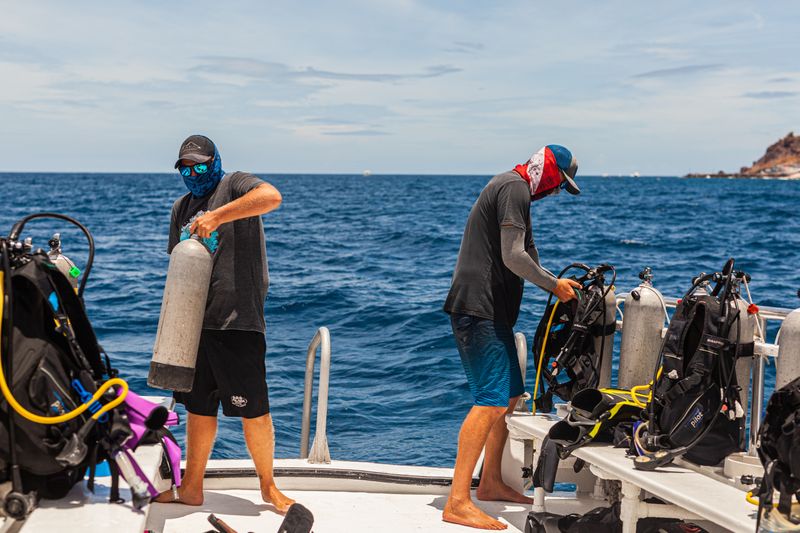
Saba’s underwater world drops away like a cathedral, all arches of lava rock and spires called pinnacles. You will roll off the boat and watch blue turn into sapphire, then midnight, as reef walls brim with life.
Soft corals sway while schools shimmer past like liquid confetti.
Dive operators run small boats with attentive crews, ideal for newer divers and photographers. Visibility often stretches far, and currents are manageable with guidance.
Expect turtles, healthy sponges, and macro surprises tucked into crevices.
The Saba Marine Park protects these sites with moorings and strict rules. That care shows in the coral health and quiet confidence of the fish.
You will feel like a guest in a well kept underwater home.
If you are new to diving, consider a guided snorkel or discovery session first. Advanced divers can chase deeper pinnacles on days when conditions align.
Either way, the captain will read weather like a sailor poet.
Surface intervals come with island stories and fresh fruit. You will dock with salt stiff hair and the good ache of adventure.
Saba’s sea has a way of reminding you to breathe deeply, on land and below.
Windwardside Village: Red Roof Charm
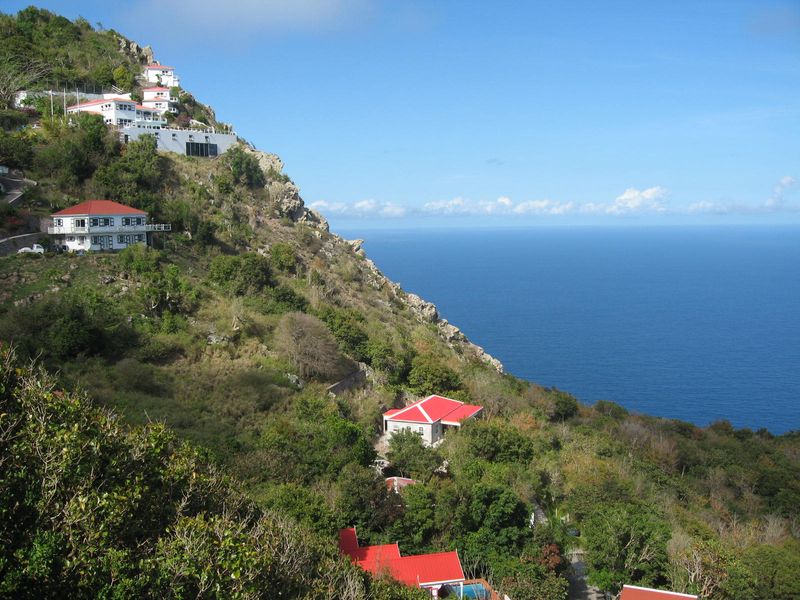
Windwardside feels like the island’s living room, cozy and social without trying. You will find tidy cottages with red roofs, white shutters, and gardens spilling bougainvillea.
Small cafes plate lionfish specials and homemade cakes that taste like a neighbor baked them.
Stroll past the museum and craft shops selling Saba lace, then climb a lane for a sea view that stops conversation. People greet you by your first name after a single purchase.
If you linger on a bench, someone will ask how the hike went.
Evenings are gentle here. Candles flicker on porches and the air smells like nutmeg, fried plantain, and rain.
Steady trade winds cool your skin as stars pin themselves into the black.
For a practical plan, time lunch after a morning trek, then wander galleries. Try a local bush tea and ask about weekly specials or live music nights.
You will leave with a small bag and a lighter mood.
Windwardside is not a checklist; it is a pause. The reward is how seen you feel after conversations with shopkeepers who remember your order.
That is travel worth crossing seas for.
Zions Hill And The Airport Overlook
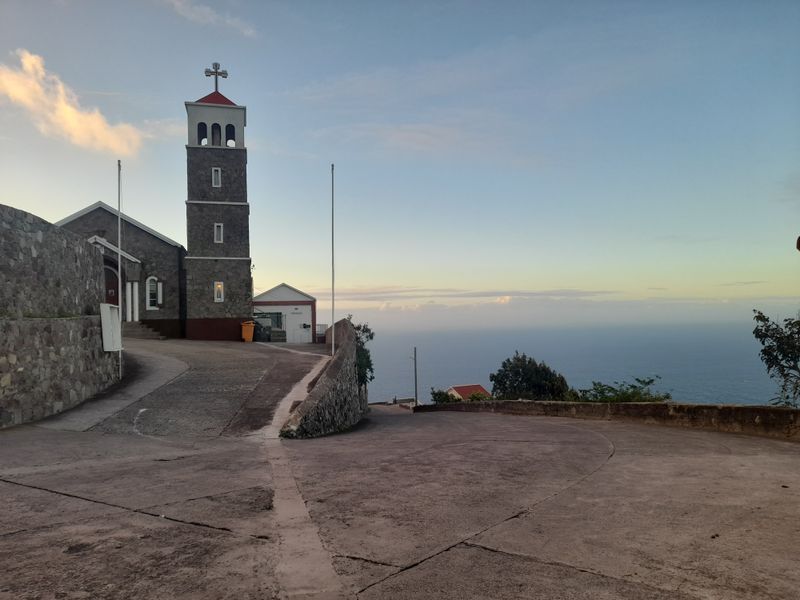
Zions Hill perches above the airport like a balcony seat at the world’s best aviation show. From turnouts and small overlooks, you can watch a Twin Otter appear between ridges, dip, and settle on the short strip.
Cameras click, but there is always a hush right before touchdown.
Bring water and a hat, as the sun reflects off the rock and ocean. The road is steep yet paved, with pockets to pull over safely.
Mornings are calmer for wind, afternoons glow with honey light.
Locals will share stories of first landings and the island’s early aviation pioneers. The airport has been a lifeline since 1963, and you feel that weight when ambulances or supply vans hustle by.
It is beauty with purpose.
Pair the overlook with a visit to the nearby church and a slow wander through tidy lanes. From here, Saba looks carved and cared for at once.
You hear waves, goats, and a prop buzz that sounds like home.
Patience pays. Wait for a takeoff, watch the pilot commit, and feel the plane lift into blue.
Your heart will too, every time.
Saba’s Story: From Pioneers To Pilots
Ask anyone in a cafe about the first landing and you will hear names spoken with respect. Remy de Haenen surveyed the island by air, helped identify Flat Point, and made a daring landing that sparked a movement.
By 1963, Juancho E. Yrausquin Airport opened and life changed.
Before the strip, boats and weather ruled schedules. Afterward, medical evacuations, mail, and visitors arrived with more certainty.
You can feel that shift in gratitude woven through everyday routines.
Today, only STOL aircraft like the Twin Otter and BN 2 Islander serve the route. Pilots train for winds that wrap the volcano, reading subtle cues the way fishermen read swells.
Reviews call the landing unforgettable, but locals call it necessary.
Peek at the terminal display for artifacts and photos. Stories of hurricanes, rebuilds, and community resolve prove this is an airport built on heart as much as asphalt.
It is small, yes, but mighty by design.
Let that context color your visit. When you wave at a crew or thank a ground agent, you join a long chain of island connections.
Travel here feels personal because history still shakes your hand.
Taste Saba: Seafood, Sweets, And Bush Tea
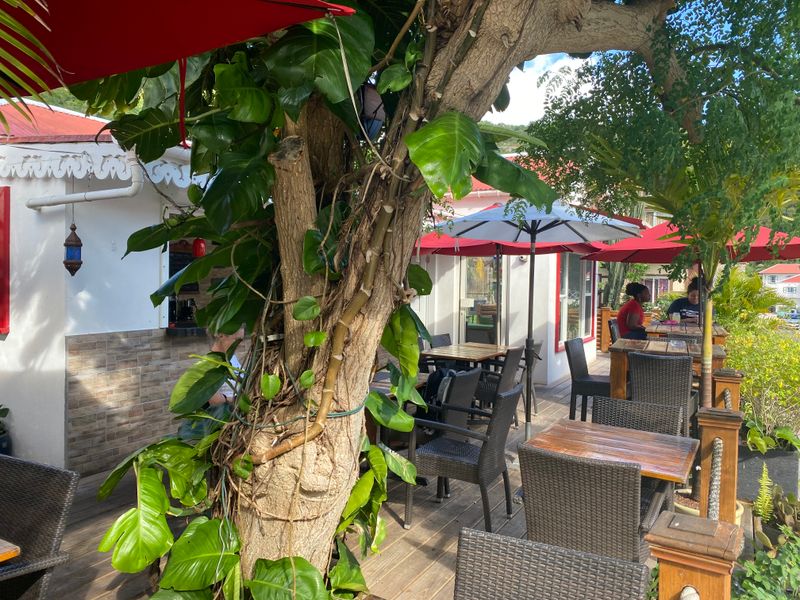
Menus on Saba read like love letters to sea and soil. You will see grilled wahoo, lionfish tacos, and goat stew slow cooked until tender.
Sides arrive as johnnycakes, plantains, and pumpkin fritters that vanish faster than plans for dessert.
Ask about bush tea, a fragrant local herbal blend poured steaming into simple cups. Cakes are homemade, sometimes with coconut or guava, and taste like family recipes guarded kindly.
Portions are generous, but the mood stays unhurried.
Recent Caribbean dining trends lean toward sustainable seafood and garden grown herbs. Saba fits that arc naturally, with small scale kitchens sourcing responsibly.
Your plate tells a story of fishermen, rain barrels, and back porch gardens.
Order the day’s catch and ask for house hot sauce. If a place lists lionfish, say yes; eating it helps the reef.
Save room for a slice of rum cake if it appears like a miracle.
Even simple snacks feel special after a hike or dive. You will leave with spice on your lips and a recipe tip in your notes app.
That is edible memory, the best kind.
Stay Small: Inns With A View
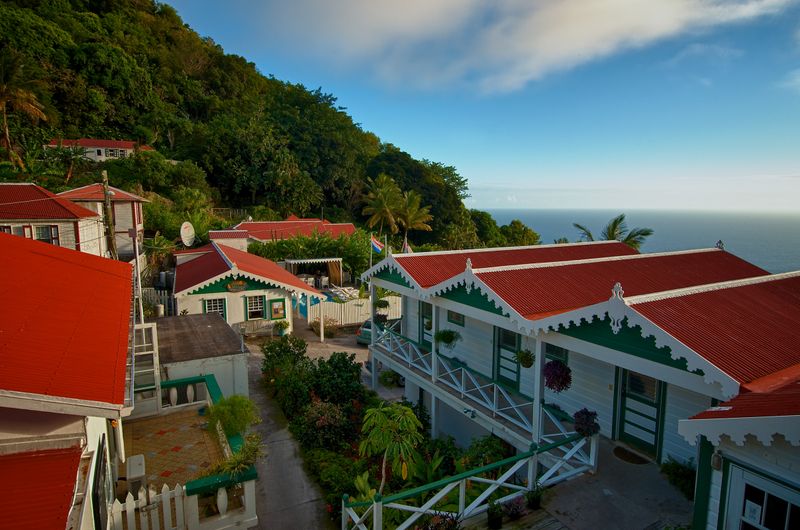
Lodging on Saba favors character over crowds. Picture verandas with hammocks, cliffside pools catching sunset, and rooms trimmed in white wood with shuttered windows.
You wake to roosters, trade winds, and a sea that changes mood by the hour.
Many inns keep guest counts low, making service feel like friendship. Owners often share hike tips, call taxis, and recommend the fisherman with the best morning catch.
You will remember names, not room numbers.
Rates vary, but value is constant in views and quiet. Book early for winter and shoulder seasons, and ask about dive or hike packages.
Wi Fi is reliable enough for check ins, but not built for binge streaming.
Expect thoughtful touches: a basket of local fruit, a map highlighted in bright ink, a lending shelf of paperbacks. Sunrise coffee on the terrace tastes better than anywhere else.
Nights are inky dark, stars loud and insistent.
If you crave big resort buzz, this is not your stop. If you want rest and real conversation, you are home.
Saba’s hospitality is small scale and big hearted.
Fort Bay Harbor: Boats, Breezes, And Fry Baskets
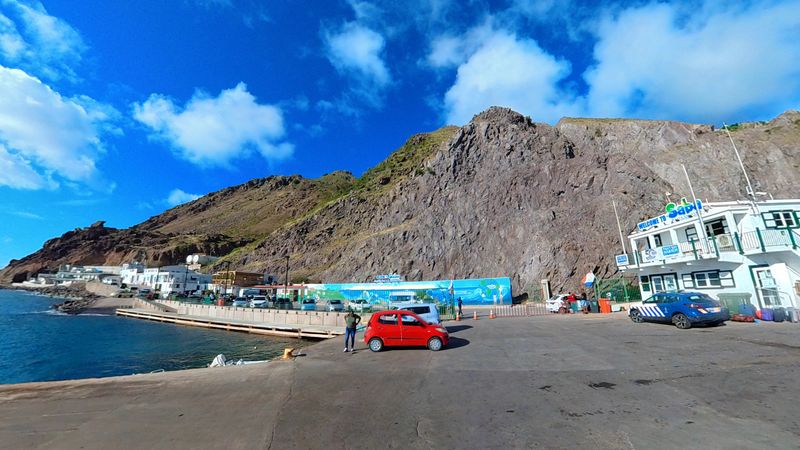
Fort Bay is Saba’s working harbor and social hub rolled into one. Dive boats bob beside fishing skiffs, and the smell of salt and fryer oil drifts across the quay.
You will hear compressors, laughter, and gulls arguing over scraps.
Grab a paper boat of fries or a fish sandwich after your dive. Sit on the seawall and watch crews coil lines with practiced grace.
This is where stories travel faster than Wi Fi and every nod counts.
The harbor is practical beauty. Cargo arrives here, linking island life to the wider world when seas behave.
When the airport pauses for weather, the dock steps in as backup lifeline.
Photographers love late light on the water and the bright paint on boats. Ask before snapping portraits; a little courtesy goes a long way.
You will leave with hands smelling like lime and salt.
Plan an hour here even if you are not diving. The rhythm of the harbor tunes your pace to island time.
You will understand Saba better after watching the tide work.
Saba Lace And Island Made Keepsakes
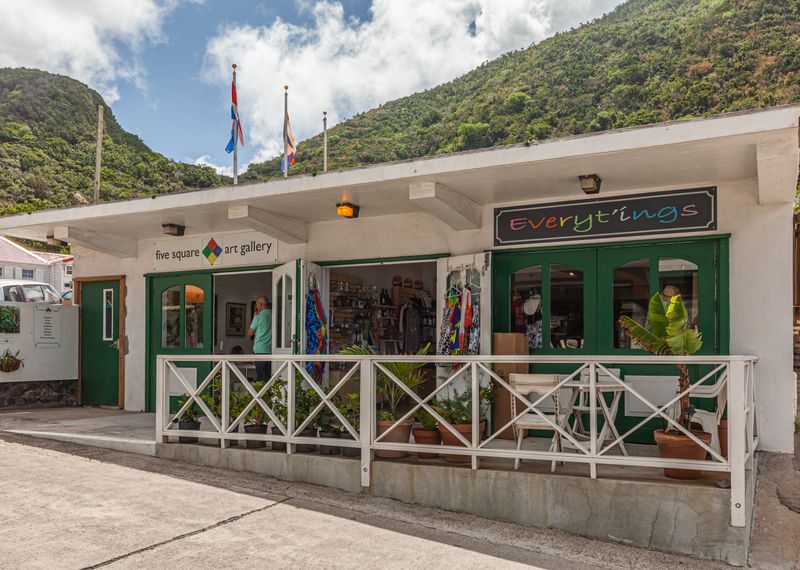
Saba lace is delicate, patient work that tells a whole island story. You will find it in small shops, displayed beside sea glass jewelry and hand painted signs.
Behind the counter, someone might be stitching while you browse.
Ask about patterns and you will hear family names and lessons passed like heirlooms. The craft traveled here with women who turned skill into independence.
Buying a piece connects you to that quiet power.
Beyond lace, look for jams, hot sauces, and woven baskets. Each item carries the modest pride of making something by hand on a steep rock in the sea.
Prices reflect the hours, not just the materials.
Pack items carefully and keep receipts for customs. If a maker is present, thank them by name and share where the item will live back home.
That conversation might be the highlight of your day.
Choose keepsakes with weight and story, not just convenience. When friends ask about your trip, you will place Saba on the table and watch their faces soften.
Souvenirs can be bridges if you let them.
Practical Planet Friendly Travel On Saba
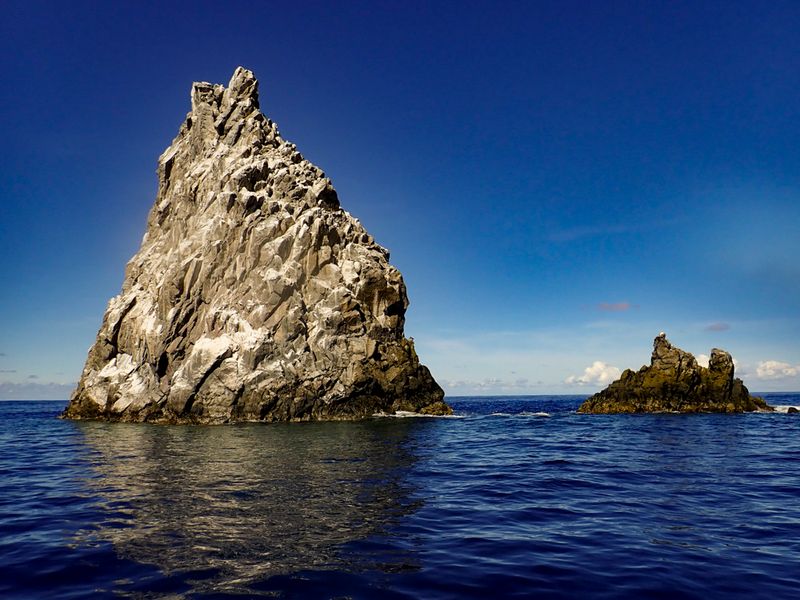
Saba’s scale makes sustainable choices simple. Tap into rainwater catchments where allowed, carry a refillable bottle, and skip single use plastics.
Walk the village steps instead of asking for short rides when possible.
Respect trails by staying on marked paths and brushing boots to avoid spreading seeds. Choose reef safe sunscreen for dives and snorkels.
Ask operators about mooring use and marine park rules; your curiosity encourages good practice.
Data suggest eco travel interest across the Caribbean is rising, and Saba has quietly led by example for years. With limited space and resources, conservation is necessity, not trend.
You will see this in trash sorting, water awareness, and careful development.
Eat local fish and garden greens when available. Support small inns and tour guides who reinvest in the community.
Tip well and leave reviews that praise responsible choices.
The island gives you views, calm, and adventure. Give back by treading lightly and listening first.
You will leave knowing your presence helped more than it hurt.
How To Plan Your Arrival And Get Around
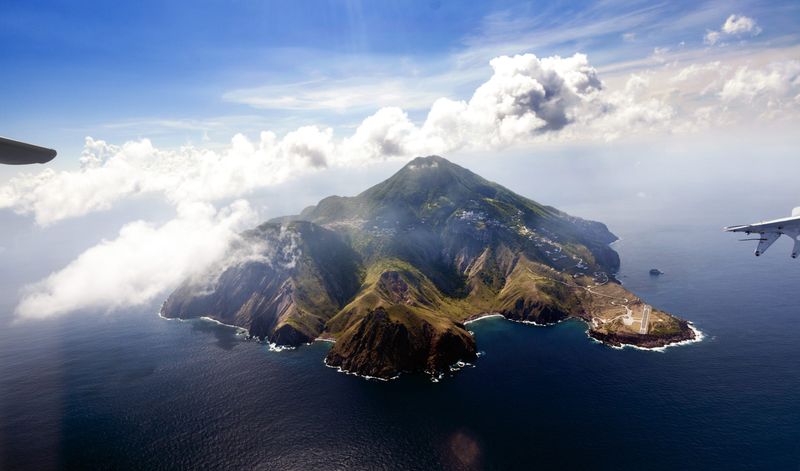
Book a morning or midday flight from St. Maarten on a Twin Otter to maximize daylight on arrival. Sit left side inbound for mountain drama and right outbound for sea views.
Pack light and balanced, as small aircraft handle better with tidy bags.
The terminal is friendly and efficient. You will clear formalities fast and meet taxis just outside, ready to climb switchbacks toward Windwardside or The Bottom.
Confirm cash options and fares in advance or ask your inn to arrange pickup.
Roads are steep but well paved. Walking is wonderful within villages, yet distances between them are bigger than maps suggest.
Taxis function like flexible shuttles; ask for numbers and plan returns.
Weather can shuffle schedules. If a delay happens, breathe and enjoy the porch view where you can watch your plane arrive.
The island runs on safety first, always.
For departures, arrive early enough to savor one more landing or takeoff. Keep cameras ready but hands free during boarding.
You will lift off with a last look at cliffs and a promise to return.
Share this story