Route 66 didn’t just connect Chicago to Los Angeles. It kept hundreds of small towns breathing.
When the interstates took over, a lot of those places didn’t “decline”. They got bypassed overnight.
What’s left today is eerie and fascinating: faded neon still clinging to old motels, boarded-up diners that once fed packed lunch crowds, and quiet main streets that feel frozen in another decade. This is a look at the Route 66 towns the map forgot and the ghosts of the road trip era they’re still holding onto.
1. Glenrio, Texas/New Mexico
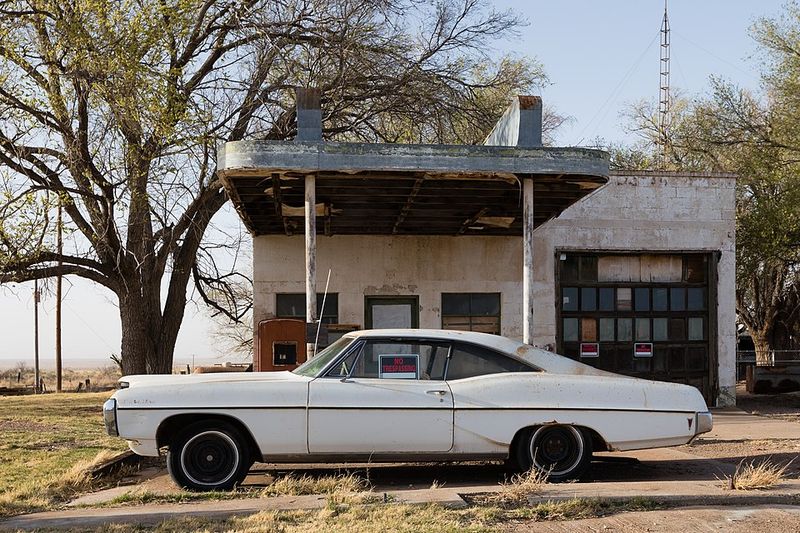
Straddling two states like a forgotten checkpoint, Glenrio sits exactly where Texas kisses New Mexico goodbye. I pulled off the highway here once, expecting maybe a gas station or at least a vending machine, but found only wind and crumbling concrete.
The town died when Interstate 40 decided to take a different route, leaving Glenrio to collect tumbleweeds instead of travelers.
What’s eerie is how complete the abandonment feels. The old motel signs still stand, faded and bent, advertising rooms nobody will ever rent again.
A diner that once served thousands of hungry motorists now serves only as a canvas for graffiti artists and a shelter for desert creatures.
Walking down the main drag feels like trespassing in someone’s frozen memory. The gas pumps are gone, but their concrete islands remain like tombstones marking where commerce once thrived.
If you listen carefully, you can almost hear the phantom rumble of 1950s Chevrolets rolling through, their drivers blissfully unaware that progress would soon render this place obsolete.
2. Amboy, California
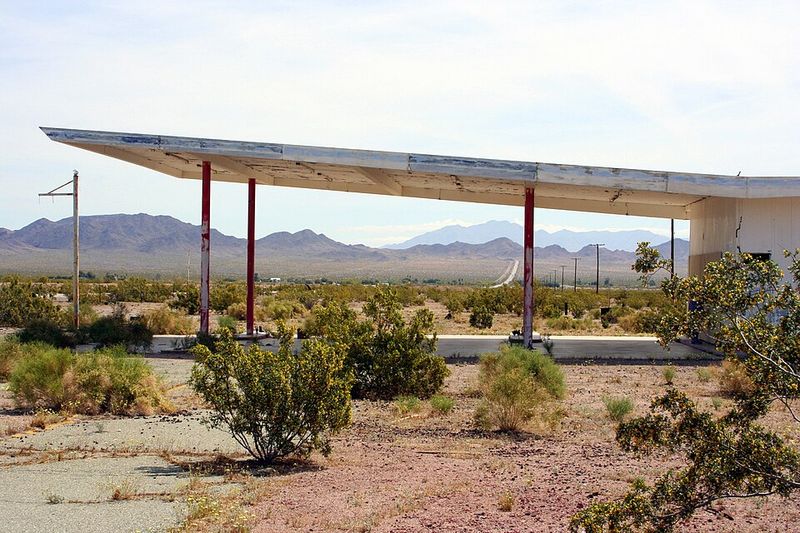
Roy’s Motel and Cafe stands like a neon prophet in the Mojave Desert, preaching to an audience that stopped listening decades ago. That massive sign, once a beacon for weary travelers crossing the brutal California desert, now mostly attracts photographers hunting for that perfect vintage shot.
The place still technically operates, but calling it bustling would be generous.
Back in Route 66’s glory days, Amboy was where you stopped or risked becoming a cautionary tale about desert preparedness. The town had everything a traveler needed: fuel, food, beds, and most importantly, air conditioning.
Now it has atmosphere and Instagram potential, which doesn’t pay the bills quite as reliably.
The population hovers around four people, give or take whoever’s counting. I stopped here during a summer road trip and the thermometer read 115 degrees, which explained why absolutely nobody was walking around outside.
The whole town felt like a movie set between takes, waiting for actors who wrapped filming years ago and never came back.
3. Oatman, Arizona
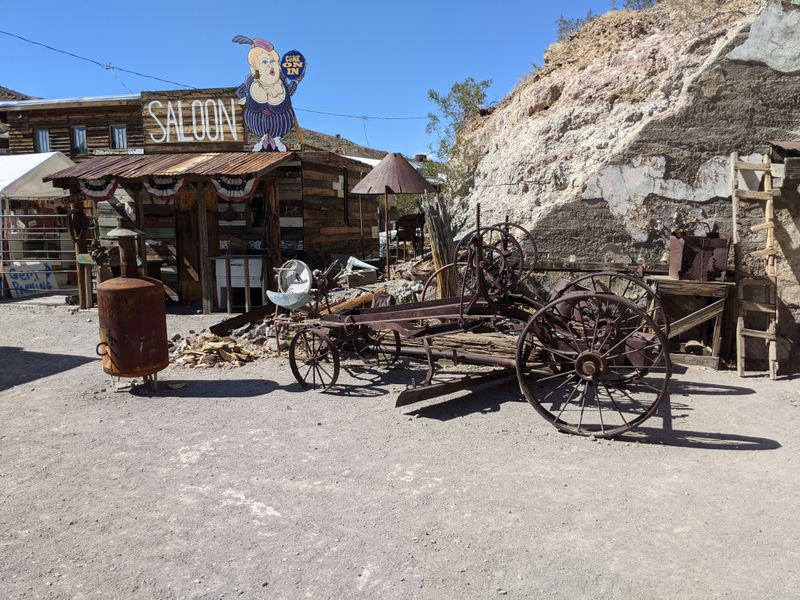
Burros rule Oatman with an iron hoof, wandering the streets like they own the place, which honestly they kind of do. This former gold mining town clings to its Old West identity harder than a prospector clings to his claim.
The wooden sidewalks and false-front buildings look like they were borrowed from a John Wayne film, and the wild donkeys descended from miners’ pack animals have become the town’s most famous residents.
Mining brought thousands here in the early 1900s, but when the gold ran out, so did most people. What remains is this quirky hamlet that’s technically still alive but moves at a pace that would frustrate a sloth.
Tourists trickle through, mostly to feed carrots to the burros and buy turquoise jewelry they don’t need.
The Oatman Hotel claims Clark Gable and Carole Lombard honeymooned here, and whether that’s entirely true doesn’t really matter because the story’s too good not to repeat. Dollar bills plaster the walls and ceiling of the saloon, left by visitors as a weird form of wallpaper that’s probably worth more than the building itself at this point.
4. Two Guns, Arizona
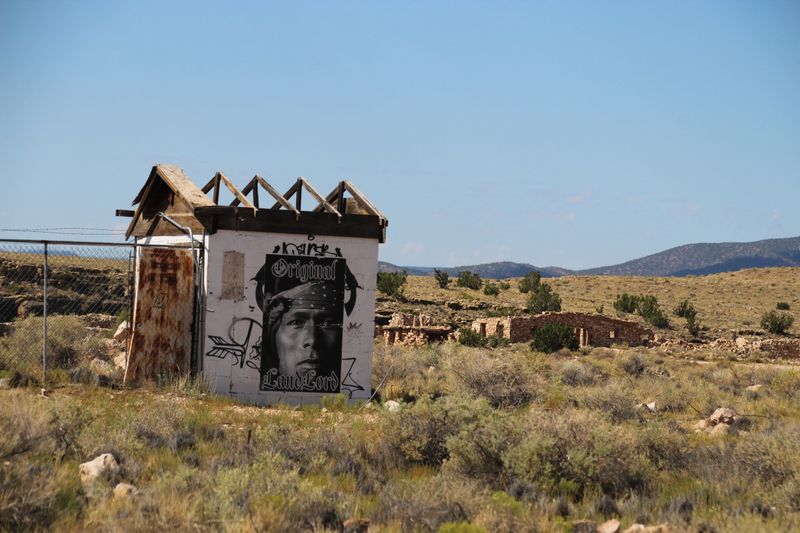
Nothing says “tourist trap gone wrong” quite like Two Guns, where ambitious roadside attractions met spectacular failure. The ruins here tell stories of bad business decisions and possibly worse karma, built partially over Apache Death Cave where a massacre occurred in the 1800s.
Entrepreneurs thought building a zoo and trading post over a mass grave was perfectly fine, and unsurprisingly, things didn’t work out great.
The place changed hands multiple times, each owner trying to squeeze profit from passing motorists with increasingly desperate gimmicks. There was a zoo with mountain lions, a gas station, a store selling Native American crafts, and probably some genuinely cursed souvenirs.
When Route 66 traffic dried up, so did any reason to stop here.
Now it’s just crumbling stone walls covered in graffiti, cacti reclaiming what humans abandoned, and an atmosphere that screams “turn around.” I’ve driven past it twice and never felt compelled to explore on foot, partly because of the sketchy vibes and partly because Arizona heat makes wandering through ruins feel like voluntary suffering. The place is legitimately creepy, which at least gives it more personality than most abandoned gas stations.
5. Bagdad, California
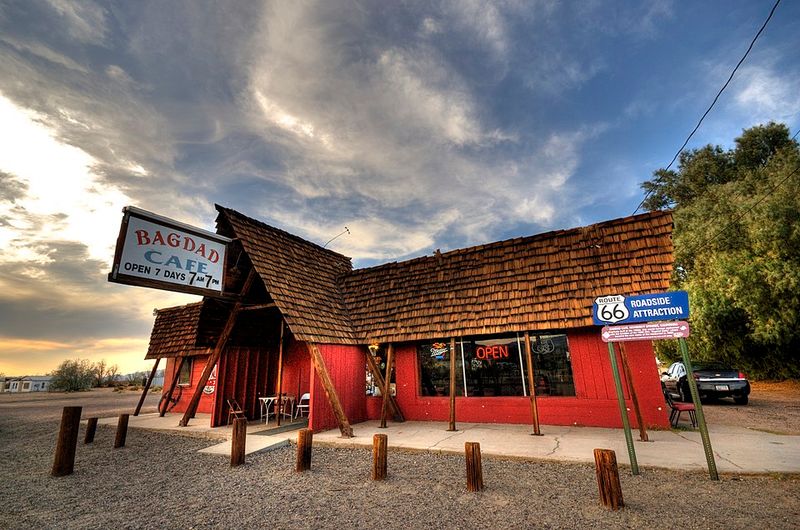
Bagdad doesn’t exist anymore in any meaningful sense, reduced to a few scattered foundations and the kind of roadside marker that makes you wonder why anyone bothered. The Mojave Desert reclaimed this spot with the efficiency of a landlord evicting a tenant who stopped paying rent.
What was once a vital water stop for steam locomotives and later a Route 66 service town is now essentially a hot, empty patch of dirt with delusions of former grandeur.
The famous Bagdad Cafe wasn’t even actually in Bagdad, which tells you everything about how this place’s identity got confused and diluted over time. By 1991, even the last resident had packed up and left, officially making Bagdad a ghost town without any ghosts stubborn enough to stick around.
Driving through this area now, you’d miss it entirely if you blinked. There’s nothing to see except desert, more desert, and maybe a historical sign if vandals haven’t stolen it yet.
The extreme heat and isolation that made Bagdad necessary in the first place are the same forces that erased it from the map once cars became reliable enough to skip the stop entirely.
6. Texola, Oklahoma
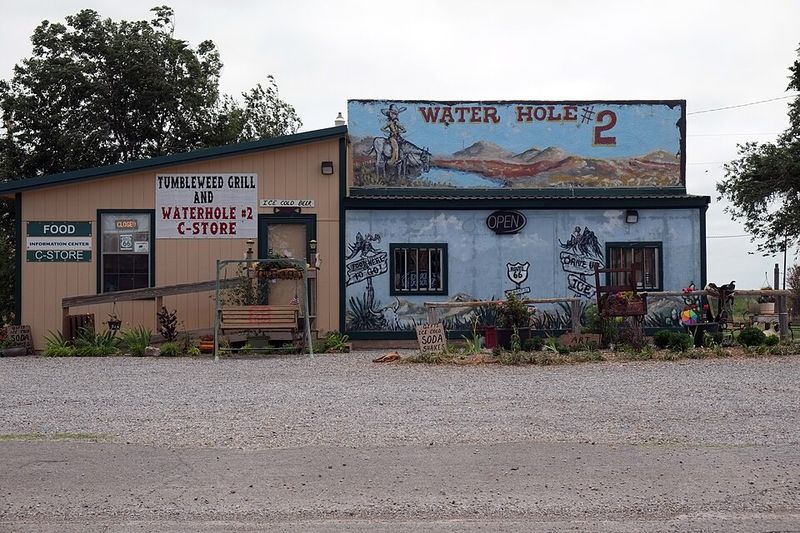
Right on the Oklahoma-Texas border, Texola once served as a gateway between states and a convenient excuse to stop for gas before crossing into the next time zone. The population peaked at around 600 people back when Route 66 meant something, but now it’s down to double digits on a good day.
Most of the buildings look like they’re one strong wind away from complete collapse, held together by stubbornness and old paint.
A few residents still live here, though calling it a community seems overly optimistic. The old buildings tell stories of busier times: a jail that once held bootleggers, stores that sold everything from motor oil to postcards, cafes where truckers ate pie and complained about the road ahead.
Now those same buildings mostly house memories, spiders, and the occasional urban explorer looking for photo opportunities.
I talked to someone who grew up here, and they described watching the town die in slow motion as the interstate pulled traffic away. It wasn’t dramatic or sudden, just a gradual emptying out as businesses closed one by one and families moved to places with actual job prospects.
What’s left is a testament to how quickly prosperity can vanish when the road moves on without you.
7. Ludlow, California
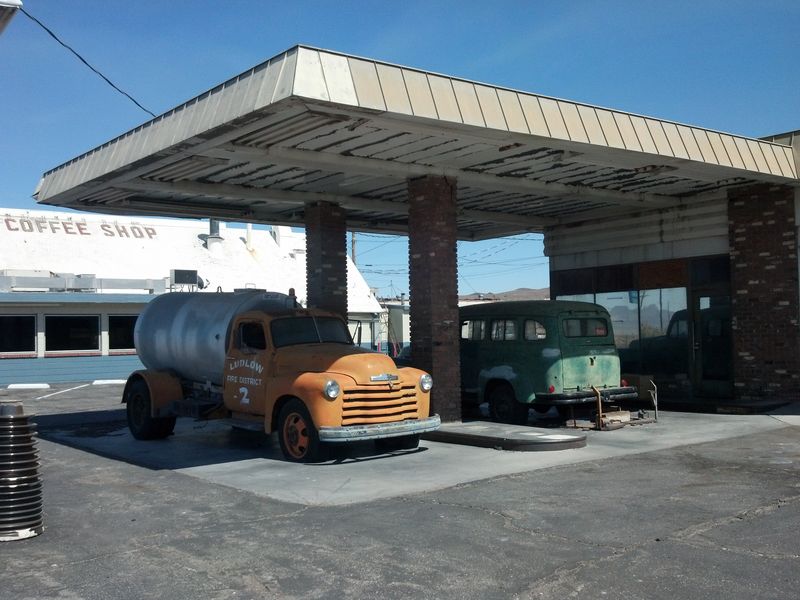
Ludlow thrived as a water stop for steam trains, then as a crucial service town for Route 66 travelers crossing the merciless Mojave. If your car overheated, you stopped in Ludlow.
If you needed gas, Ludlow had it. If you wanted food that wasn’t a melted candy bar from your glove compartment, Ludlow was your salvation.
Then Interstate 40 opened and Ludlow became optional, which in the desert economy means basically dead.
The Ludlow Cafe closed in 2013, taking with it one of the last reasons anyone would intentionally stop here. A few people still live in the area, servicing the needs of travelers who run out of gas or make poor navigational choices, but the glory days are long gone.
The buildings that remain look sun-bleached and defeated, like they’re tired of standing upright in 120-degree heat.
What’s fascinating is how quickly nature doesn’t reclaim desert towns because there’s barely any nature to do the reclaiming. Instead, they just sit there baking in the sun, fading slowly like old photographs left on a dashboard.
Ludlow isn’t romantic or picturesque in its abandonment. It’s just hot, empty, and a reminder that desert towns exist only as long as people need them.
8. Erick, Oklahoma
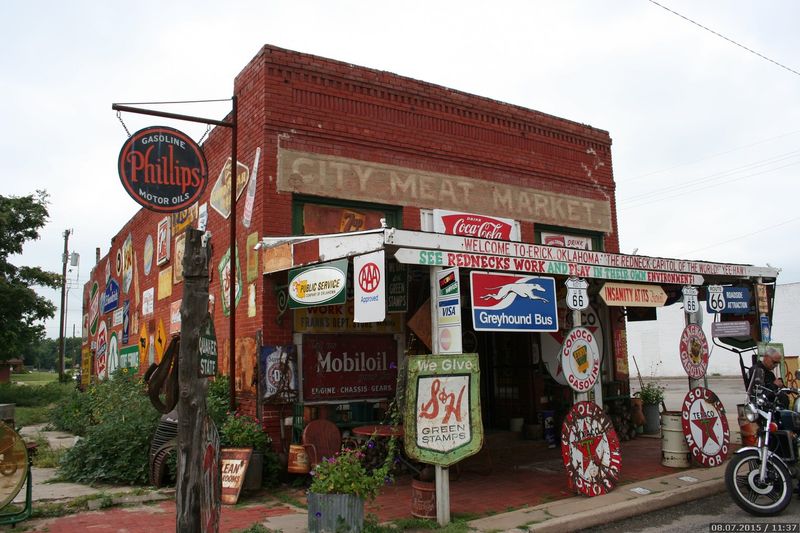
Erick once billed itself as the place where Roger Miller grew up, hoping musical fame by association would draw tourists. The town had quirky roadside attractions and enough personality to stand out among the hundreds of small Oklahoma towns competing for traveler dollars.
But personality doesn’t pay the bills when nobody’s driving past anymore, and Erick learned that lesson the hard way.
The population has dwindled to around 1,000 people, which sounds substantial until you realize it was nearly double that during Route 66’s peak. Main Street has more empty storefronts than operating businesses, and the roadside culture that made Erick interesting has mostly packed up and moved to museums or private collections.
What remains feels like a town going through the motions without much conviction.
I stopped at a gas station here and asked the attendant what there was to do in town. He laughed and said, “Keep driving,” which was honest if not exactly Chamber of Commerce approved.
There’s a certain dignity in Erick’s quiet decline, though. Unlike some Route 66 towns that desperately cling to tourist nostalgia, Erick seems content to just exist without putting on a show for visitors who aren’t coming anyway.
9. Peach Springs, Arizona
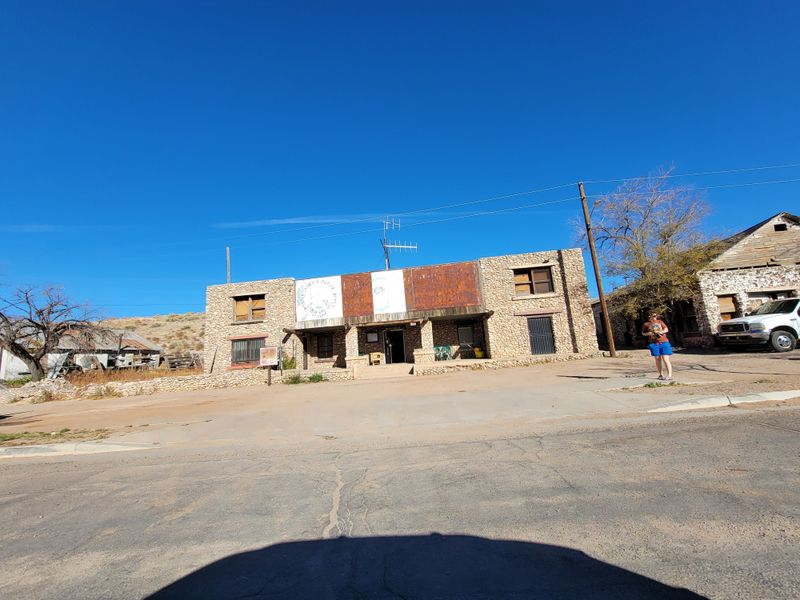
Peach Springs inspired the fictional Radiator Springs in the Pixar movie Cars, which is probably the most famous thing about it now. This Hualapai community sits along Route 66 in northwestern Arizona, and while it’s still inhabited, the energy level suggests everyone’s taking a very long nap.
The mid-20th century buzz of travelers stopping for gas and food has been replaced by a sleepy quiet broken only by the occasional truck rumbling through.
The Hualapai Nation owns and operates businesses here, including a lodge and restaurant that serve tourists heading to the Grand Canyon Skywalk. But compared to its heyday when Route 66 brought constant traffic, Peach Springs feels like it’s operating at about 15 percent capacity.
The old buildings and vintage signs remain, but they’re serving a trickle instead of a flood.
What’s interesting is how the town’s identity shifted from transportation hub to cultural destination, though that transition hasn’t exactly brought back the crowds. The landscape is stunning, all red rock and big sky, but stunning scenery doesn’t generate economic activity unless people actually stop and spend money.
Peach Springs exists in this weird limbo between ghost town and functioning community, too alive to abandon but too quiet to thrive.
10. Ash Fork, Arizona
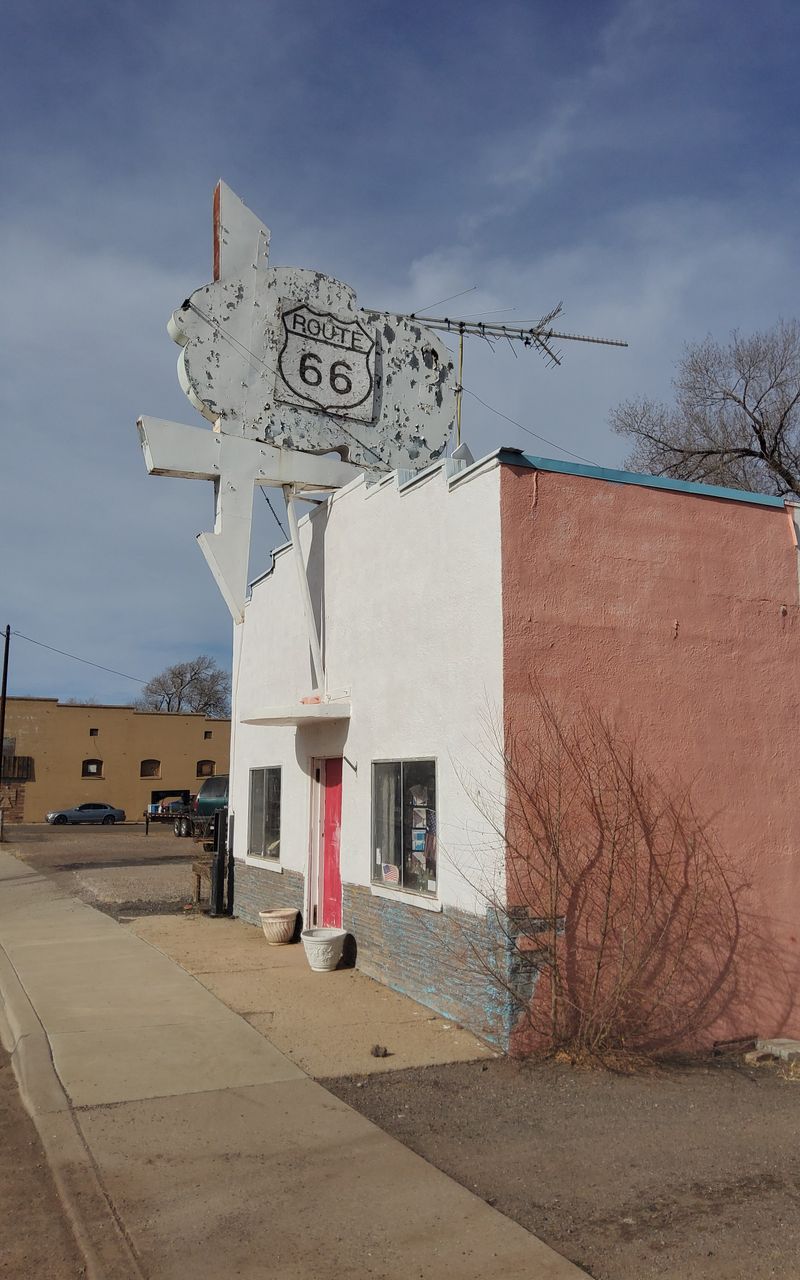
Ash Fork called itself the Flagstone Capital of the World, which is the kind of specific bragging right that tells you a town was really reaching for identity. The flagstone industry brought jobs and purpose, but like most single-industry towns, when that industry faded, so did the community’s reason for existing.
Route 66 traffic helped supplement the economy, but losing both flagstone demand and highway traffic was a double punch Ash Fork couldn’t recover from.
The buildings along the old route still stand, many of them empty or repurposed into businesses that seem perpetually on the verge of closing. The population hovers around 600, down from over 1,000 in better times.
Walking down the main street feels like being the only person at a party that ended hours ago but nobody bothered to turn off the lights.
I stopped here for lunch once and the restaurant had exactly two other customers, both locals who clearly knew the owner personally. The food was decent, the service friendly, but the whole experience felt tinged with melancholy, like everyone was going through familiar motions while quietly acknowledging the town’s best days were behind it.
Ash Fork isn’t dead, but it’s definitely not thriving either.
11. Essex, California
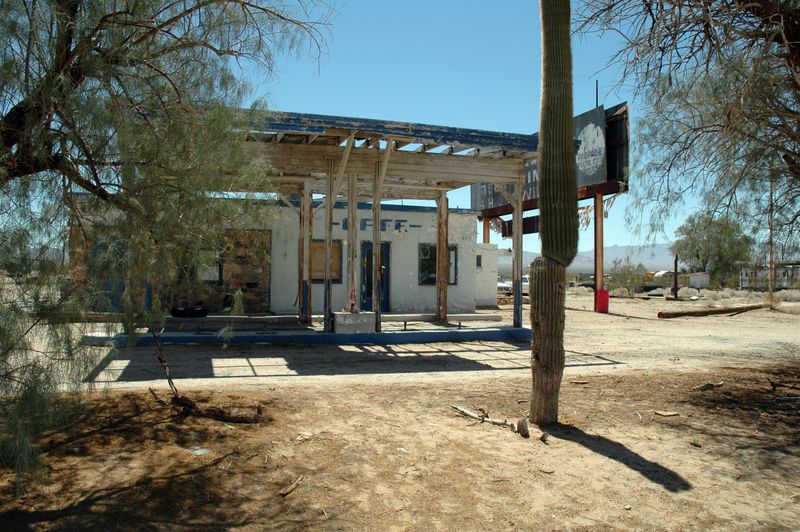
Essex sits in the Mojave Desert like a forgotten chess piece, once strategically important but now just taking up space on the board. This tiny settlement served Route 66 travelers who needed fuel, water, or a moment to question their life choices while crossing one of America’s most hostile deserts.
When Interstate 40 opened and traffic shifted away, Essex lost its purpose faster than ice cream melts in the Mojave sun.
The population is now in the single digits, and calling it a town seems generous. A few buildings remain standing, though “standing” might be too strong a word for structures held together mostly by habit and dry desert air.
There’s technically still a post office, which operates out of a building that looks like it’s auditioning for a horror movie set.
What strikes you about Essex is the absolute silence. No traffic noise, no conversation, just wind and the occasional raven commenting on the absurdity of humans trying to build communities in places that clearly don’t want them.
The desert is slowly erasing Essex, not through dramatic destruction but through patient, relentless neglect. In another generation or two, there might be nothing left but a faded sign and some confused archaeologists wondering what people were thinking.
12. Newkirk, New Mexico
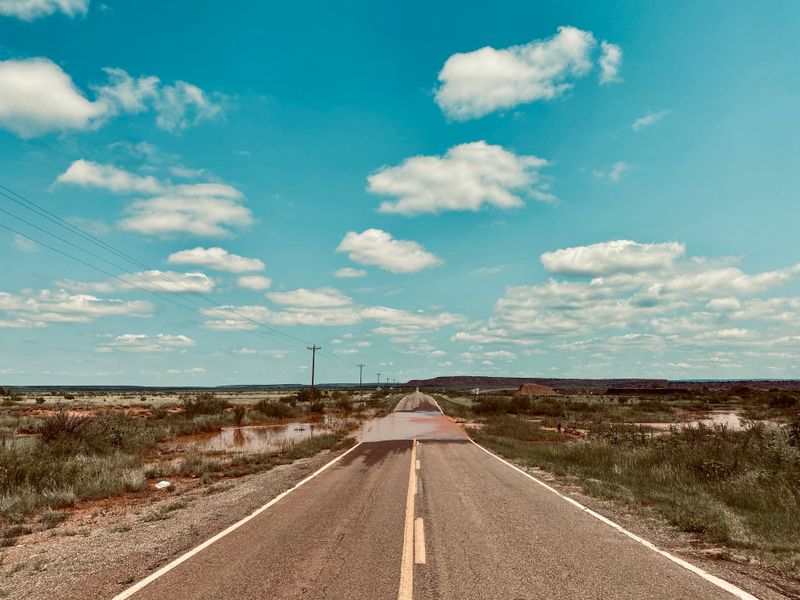
Newkirk barely qualifies as a town anymore, more like a geographical suggestion with a few buildings scattered around to prove people once thought living here was a good idea. This tiny New Mexico village along Route 66 never had much going for it beyond location, and when location stopped mattering, Newkirk was left with essentially nothing.
The population is so small that official counts sometimes list it as zero, which is both statistically accurate and existentially depressing.
A few remnants of Route 66 infrastructure remain: old building foundations, rusted signs, maybe a vintage gas pump if the scrappers haven’t hauled it away yet. But calling these remnants a tourist attraction would be like calling a sneeze a symphony.
There’s just not much here, and what is here isn’t particularly interesting unless you’re really into extreme minimalism or studying the concept of abandonment.
I drove through Newkirk once without realizing it, which tells you everything about its current state of prominence. Later, checking my map, I saw the name and thought, “Oh, I guess that’s what that was.” The desert has mostly reclaimed the area, and unlike some ghost towns that maintain a spooky atmosphere, Newkirk just feels empty and forgotten, like a name someone meant to delete from a list but never got around to.
13. Endee, New Mexico
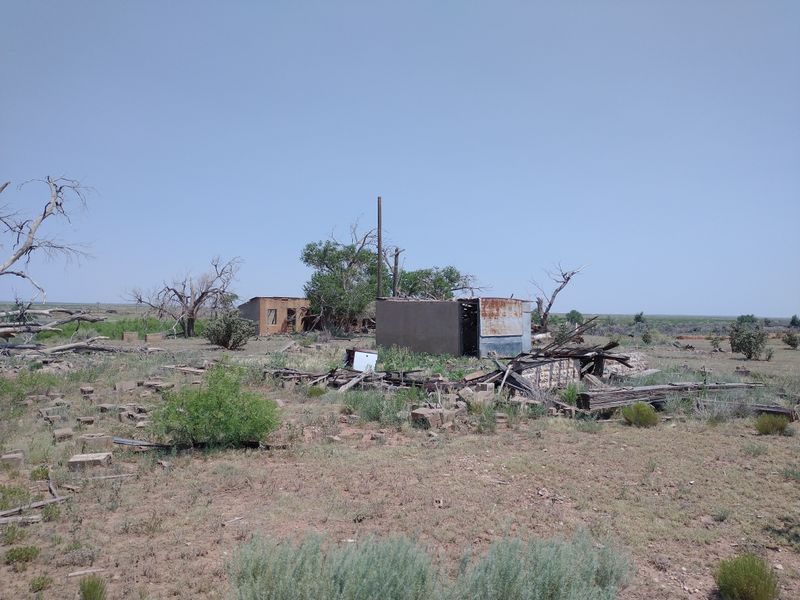
Endee got its name from the ND Ranch, which is either charmingly simple or evidence that naming creativity was in short supply on the New Mexico plains. This hamlet was never exactly booming, but it had a gas station, a few homes, and enough passing traffic to justify existing.
Then the interstate arrived, traffic vanished, and Endee discovered that being small and remote is only charming in romance novels, not in economic reality.
Now the desert has effectively swallowed Endee whole. A few structures remain, though calling them buildings is generous since most lack roofs, walls, or any features that typically define architecture.
Tumbleweeds have more of a presence here than people. The silence is so complete it feels aggressive, like the landscape is actively hostile to the idea of human habitation.
What’s remarkable about Endee is how thoroughly it demonstrates nature’s indifference to human ambition. People built homes here, raised families, ran businesses, and believed they were establishing something permanent.
The desert waited patiently and then erased almost all evidence they existed. If you’re looking for a metaphor about impermanence and the futility of human endeavor, Endee delivers it with brutal efficiency and zero subtlety.
14. Conway, Texas
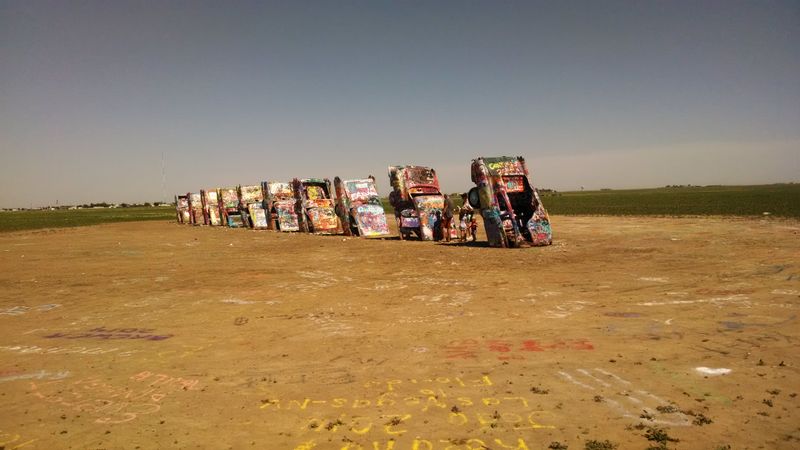
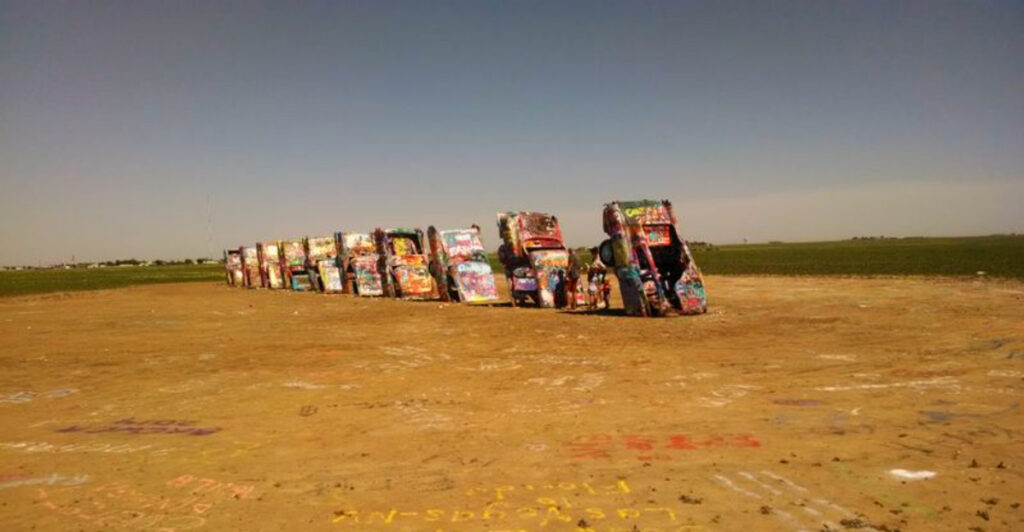
Conway embraced roadside art as a survival strategy, figuring that if you can’t attract people with commerce, maybe weird sculptures will do the trick. The town sits along Route 66 in the Texas Panhandle, and while it’s not completely abandoned, the traffic level suggests most people have better places to be.
A few artistic installations dot the roadside, giving Conway more personality than many larger towns, though personality doesn’t necessarily translate to economic viability.
The population barely cracks 30 people, and the main industry seems to be existing. There’s a certain quiet dignity to Conway’s approach, though.
Instead of desperately trying to recreate its Route 66 glory days or building tacky tourist traps, it just installed some interesting art and called it good. Whether this strategy will ensure Conway’s survival is questionable, but at least it’s failing with style.
I stopped to photograph one of the installations and didn’t see another car for 20 minutes, which in Texas terms means you’re either in the middle of nowhere or it’s 3 a.m. In Conway’s case, it was definitely the former.
The town has this end-of-the-world vibe, not apocalyptic exactly, just geographically and economically isolated to the point where you wonder how it persists at all.
15. Santa Rosa, New Mexico
Santa Rosa bills itself as the City of Natural Lakes, which is a fancy way of saying it has some nice swimming holes in an otherwise dry landscape. Route 66 brought steady business to this New Mexico town, filling its motels and diners with travelers crossing the Southwest.
But calling Santa Rosa semi-deserted might be overselling its current emptiness since it still has around 2,500 residents, which is practically metropolitan compared to some entries on this list.
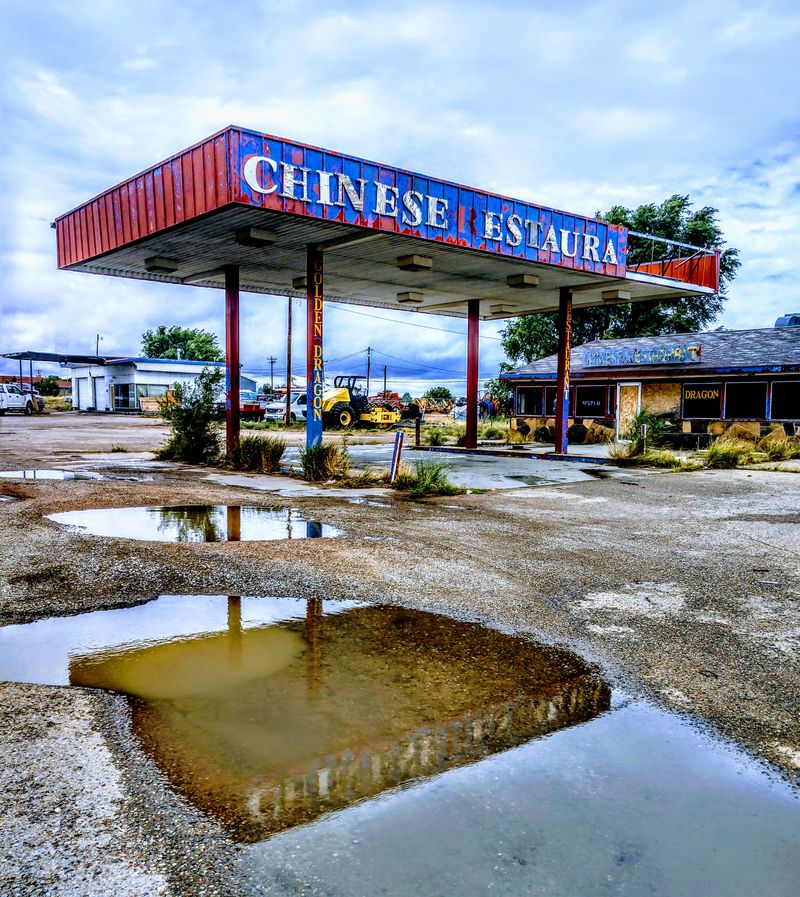
What makes Santa Rosa feel frozen in time isn’t total abandonment but rather the vintage infrastructure that remains. Neon signs from the 1950s still advertise motels, though many are dark now or flicker uncertainly like they’re not sure why they’re still trying.
Classic diners serve green chile cheeseburgers to a mix of locals and Route 66 enthusiasts who specifically seek out these time capsule experiences.
The Blue Hole, a natural swimming area, draws some tourism, but it’s not enough to return the town to its Route 66 heyday. Walking through downtown Santa Rosa feels like visiting a place that peaked decades ago and hasn’t quite figured out what to do next.
The vintage relics are charming, but they’re also reminders of when the future looked brighter and the highway brought endless possibilities instead of just occasional nostalgia tourists.
Share this story