Astoria sits where the Columbia River meets the Pacific, a misty coastal town that feels both cinematic and lived-in. You’ll smell salt and spruce, hear gulls above weathered piers, and watch massive ships drift past Victorian homes.
Californians are starting to notice, drawn by its maritime charm, creative scene, and slower pace that still delivers great food and culture. If you’re deciding where to land on the Oregon Coast, Astoria blends history, scenery, and weekend adventure in one easy stop.
1. The Astoria Column at Sunrise
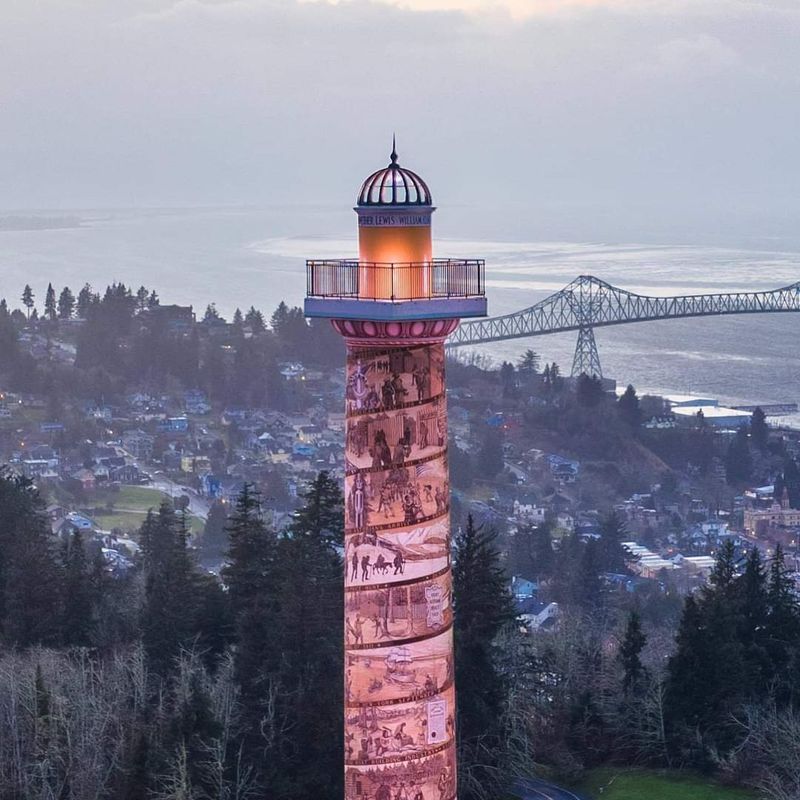
Climbing the Astoria Column at sunrise is like stepping into a quiet theater before the premiere. The hilltop air smells like wet pine and the river’s metallic chill, while gulls skate on the breeze.
As light breaks, the entire town appears below in meticulous detail, from Queen Anne gables to the silver ribbon of the Columbia.
You will want to circle the mural before you ascend, tracing Lewis and Clark scenes carved like a sepia film strip. The spiral stairway feels intimate, echoing with your breath and the soft tap of shoes.
At the top, the view sprawls in every direction, ships anchored like chess pieces and the Astoria-Megler Bridge spanning Washington.
Locals swear by early mornings for calm winds and fewer crowds, and they are right. Bring a light layer, even in July, because the river breeze can turn stubborn.
Toss a small glider plane if you pick one up at the gift kiosk, then watch it ride a thermal arc over spruce, Victorian rooftops, and tide-softened docks that tell you you have arrived.
2. Strolling the Riverwalk and Working Piers
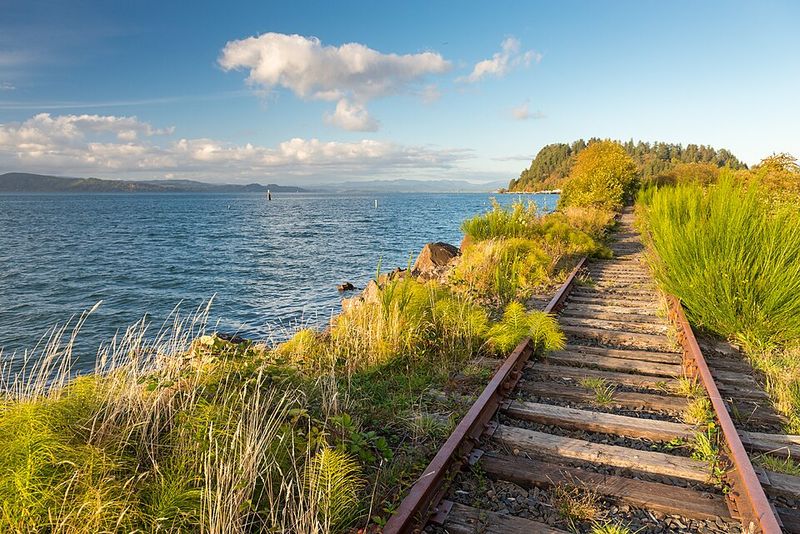
The Riverwalk is Astoria’s front porch, and you feel it the moment your shoes hit weathered planks. The scent is briny and a little sweet, with cedar and fryer oil drifting from dockside kitchens.
Freight horns roll across the river like distant thunder while seals bark under the pier in comic counterpoint.
Start near the Maritime Memorial and wander past cannery buildings reborn as breweries and galleries. You can watch pilots guide deep draft ships upriver, then pause for chowder in a bread bowl that warms your hands.
The path is flat and easy, perfect for bikes or strollers, and it strings together viewpoints like beads.
Insider tip: go during an incoming tide when sea lions are most talkative. In summer, visitors spike on weekends, so weekday mornings feel intimate.
You will find interpretive signs that decode pilings, nets, and the tough romance of workboats, anchoring you in a town that still labors beside its views rather than posing for them.
3. Columbia River Maritime Museum
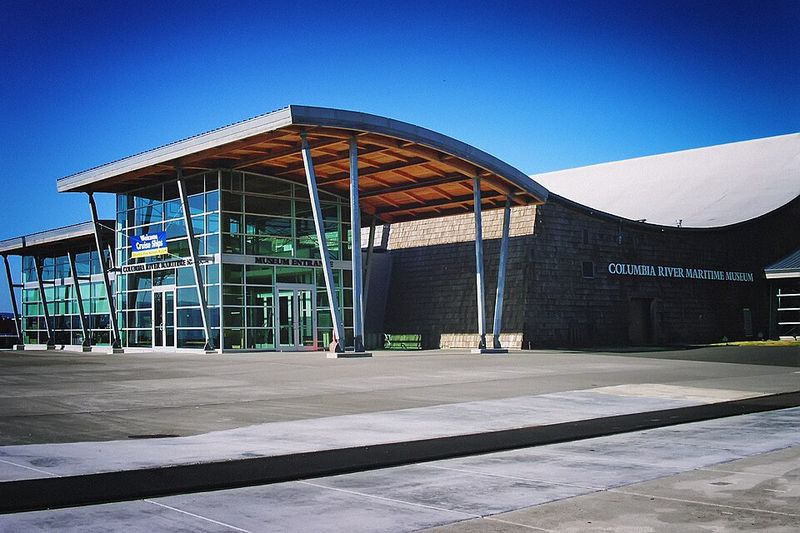
This museum is the master key to Astoria’s identity, and you feel it in the first gallery. The exhibits lean into the Columbia’s power, with storm footage that rumbles in your chest and a bar pilot station that makes your palms itch.
Kids and grownups tap through charts, trying to thread massive ships through the bar’s teeth.
You will stand nose to glass with Fresnel lenses and survival suits, then step aboard a retired lightship that once guarded the river mouth. Everything is tactile and purposeful, steeped in the grit and grace of maritime work.
Docents speak from lived experience, folding rescue stories into charts and models.
Plan 90 minutes at least, more if weather turns moody and you are happy lingering over shipwreck maps. Recent figures show coastal museums statewide regaining pre pandemic attendance, and this one feels especially energized.
When you leave, the river looks different, not just pretty but consequential, and you carry that weight pleasantly the rest of the day.
4. Flavel House Museum and Victorian District
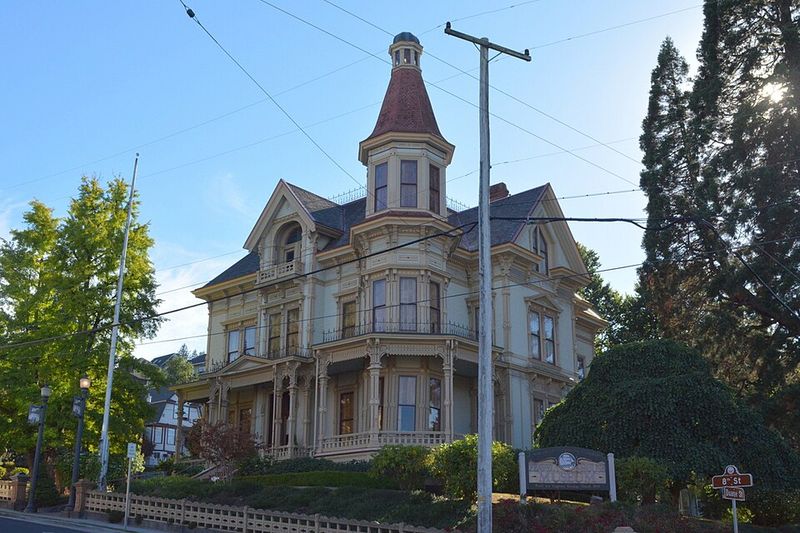
Astoria’s Victorians do not merely sit; they preen, sigh, and whisper stories when the fog lifts. The Flavel House is the star, with carved balustrades and a tower that catches light like a ship’s lantern.
Inside, parquet floors creak politely and woodwork glows with beeswax warmth.
You will drift room to room imagining formal dinners and river gossip, then step into gardens that smell of earth and old roses. The volunteer guides are generous with anecdotes, connecting Captain Flavel’s fortune to the bar pilots still at work today.
The district around it rewards wandering, where bay windows mirror gray skies and fishing floats wink from porches.
Go midweek if possible, when the tour breathes and you can photograph details without blocking doorways. Pair the visit with coffee nearby and a slow stroll down Exchange Street to spot gingerbread trim.
This is where Astoria’s theatrical side quietly lives, and it makes the modern town feel layered, gracious, and unexpectedly intimate.
5. Astoria-Megler Bridge Lookouts
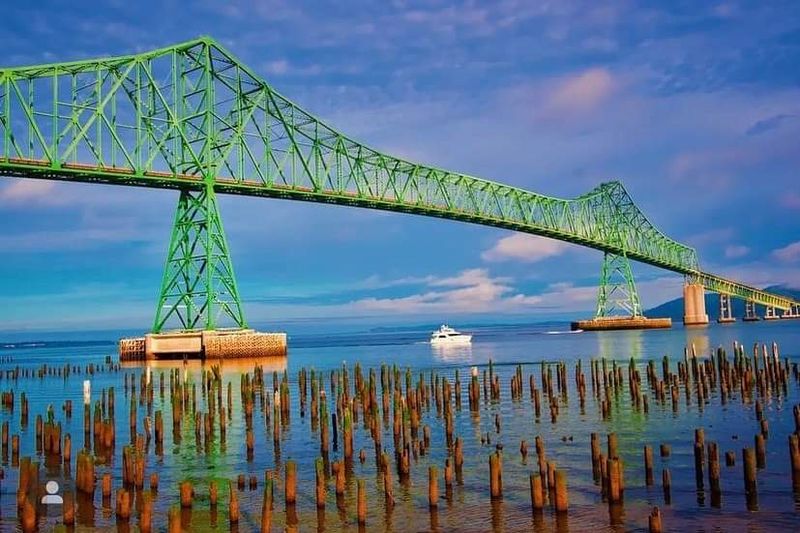
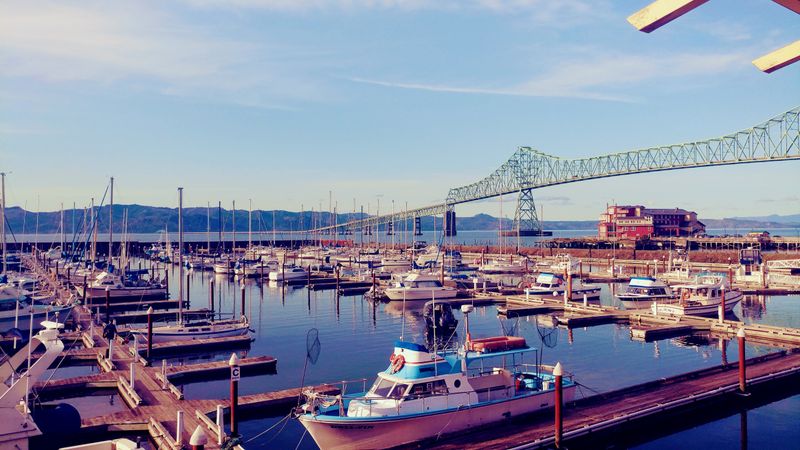
The Astoria-Megler Bridge is not just a crossing; it is the town’s exclamation point. From the waterfront, the green truss arcs toward Washington like a rolling wave frozen mid leap.
You will hear tires hum above and river chop slap pilings below, a chorus that never quite repeats.
Photographers chase angles from 6th Street to the Cannery Pier, where the geometry stacks into clean lines. On clear days, the steel glows jade while freighters drift under like obedient whales.
In fog, the bridge disappears segment by segment, coaxing your imagination to fill the gaps.
Best tip is timing: blue hour deepens color and car lights string into constellations. If you drive across, watch crosswinds near the high span and keep eyes forward.
Whether you pause for five minutes or fifty, the bridge explains Astoria in one frame, binding river, road, work, and wonder into a single sweep.
6. Fort George Brewery and Local Beer Scene
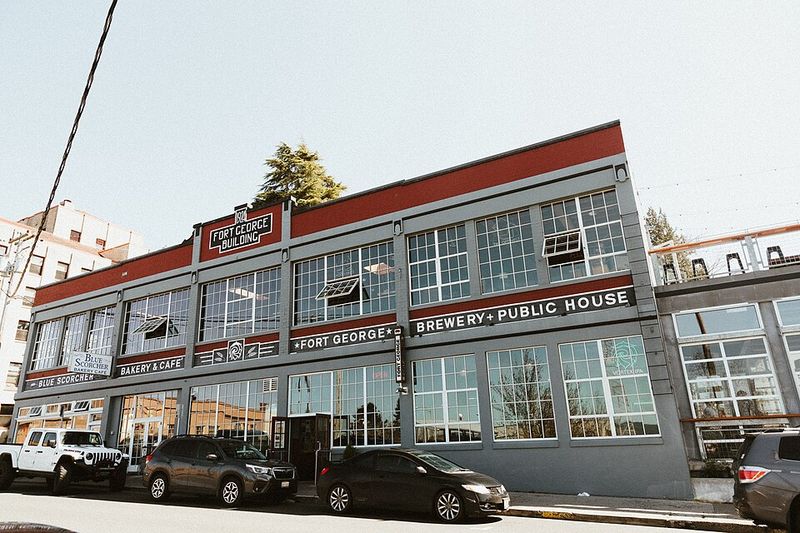
Astoria’s beer scene hums with river energy, and Fort George sits at the center like a friendly lighthouse. The building sprawls across a block, offering pizzas upstairs, pints downstairs, and an ever changing lineup of IPAs that lean citrus and spruce.
You catch whiffs of malt and wood smoke whenever the door swings.
Try a sampler if choices overwhelm, then pick a favorite to pair with clam chowder or wood fired slices. Staff speak hops fluently without talking down, happy to translate bitterness into something you can taste.
Nearby breweries get in on the conversation, so a mini crawl becomes an easy afternoon.
Weekend evenings fill up fast, so go early or slide in for a lazy weekday lunch. If you sit by the window, watch ships inch upriver while conversation swells around you.
It is convivial, flavorful, and very Astoria: hardworking yet playful, with pints that taste like forest rain and porch weather.
7. Cannery Pier Hotel and Spa Vibes
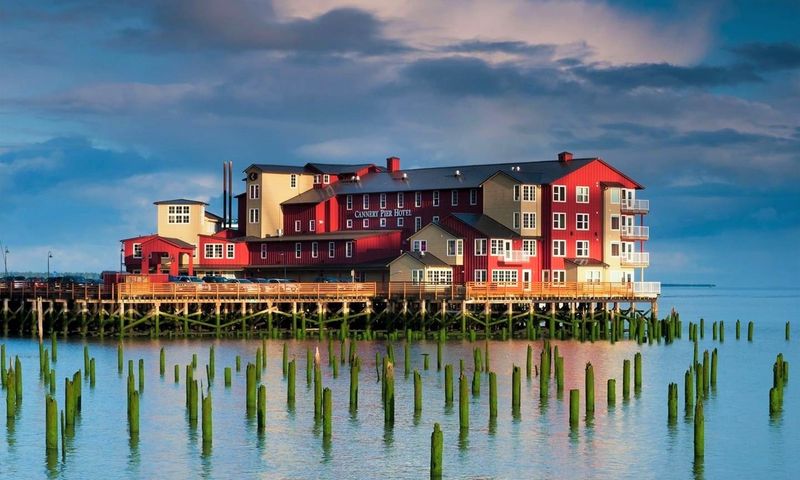
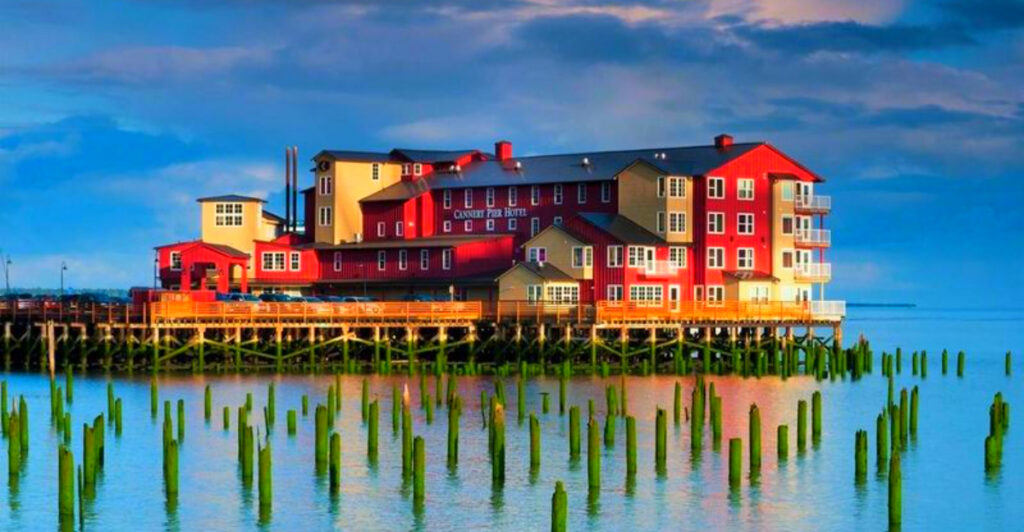
Perched on old pilings, the Cannery Pier Hotel feels suspended between eras. You look down at river swirls and up at steel and sky while ships glide so close you can read their rust.
Inside, cedar, leather, and a fireplace broadcast warmth that settles into your shoulders.
Rooms frame the Columbia like a living painting, with balconies that sip fog and sunset equally well. Guests borrow classic cars for quick drives, a wink to the town’s vintage soul.
The spa keeps things calm and restorative, perfect after a wet afternoon of walking piers.
Book shoulder season for better rates and that beloved, slower hum. Bring slippers because floors hold a faint chill that suits the atmosphere.
Whether you stay or just pop in for a massage, this place teaches you how Astoria looks and sounds when you let the river set the tempo.
8. Fresh Catch at Bowpicker and Beyond
There is usually a line at Bowpicker, and it moves with good humor. The fryer pops and the smell of hot oil mingles with sea air, promising Albacore tuna that flakes under a crisp shell.
You get a paper tray, a lemon wedge, and a second of silence after the first bite.
Astoria’s seafood has that dockside immediacy, from crab shacks to sit down spots with river views. Ask for what is freshest and you will hear today’s answer.
In winter, chowder with a peppery kick warms you from fingers to core.
Cash can be useful at smaller stands, and patience is wise on sunny weekends. Step to the curb, watch gulls stage left, and taste why locals keep coming back.
It is simple, unfussy, and exactly right, just like coastal lunch should be when the river keeps time.
9. Fort Stevens State Park Day Trip
Fifteen minutes from downtown, Fort Stevens spreads out like a coastal playground. You pedal paved trails through salal and spruce, then break into dune light and wind-riffled sand.
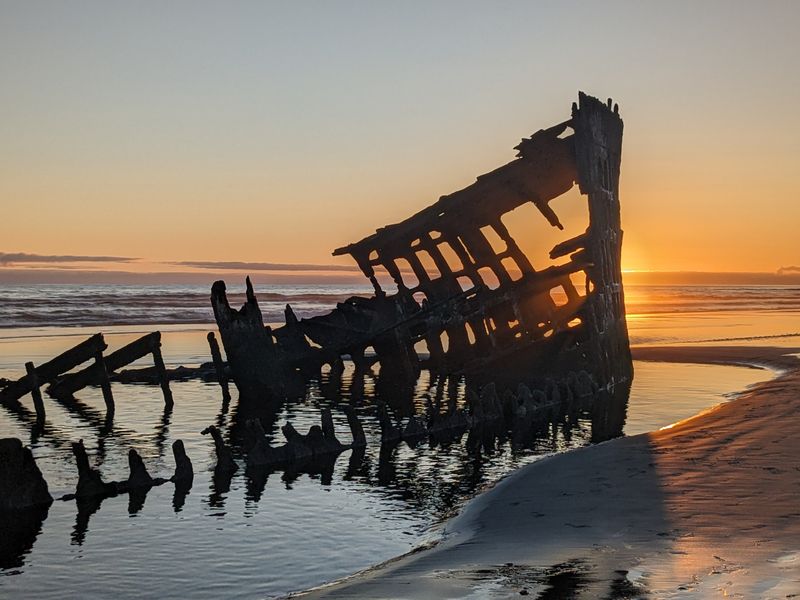
The Peter Iredale’s rusted ribs claw at the sky, a reminder that the Columbia can be generous and merciless in a single tide.
Families poke tide pools when conditions allow, and birders scan for harriers over the marsh. The old batteries are concrete geometry swallowed by moss, photogenic and slightly eerie.
You will find picnic tables tucked into lee pockets where chips do not blow away.
Go early in summer for parking and always mind beach advisories. Even sunny days can swing chilly when the ocean decides, so layers win the day.
Fort Stevens pairs history, hiking, and seaside drama in a neat loop, a perfect counterpart to Astoria’s Victorian streets.
10. Astoria Sunday Market

On Sundays from spring through fall, downtown turns into a bright ribbon of tents and buskers. You will spot berries that stain fingers, bouquets riding in mason jars, and ceramics glazed the color of river fog.
Musicians set a strolling tempo and the air smells like scones and grilled salmon.
Vendors are chatty, quick with cooking tips or trail suggestions if you ask. The market routes you past indie shops and cafes, so wandering becomes an all day sport.
Kids can nibble kettle corn while you taste your way through hot sauce flights and small batch jam.
Arrive early for parking and a quieter first lap, then circle back for decisions once you have seen it all. Bring a tote and small bills to keep transactions easy.
The market feels like Astoria’s living room: friendly, flavorful, and just messy enough to be real.
11. Lewis and Clark National Historical Park
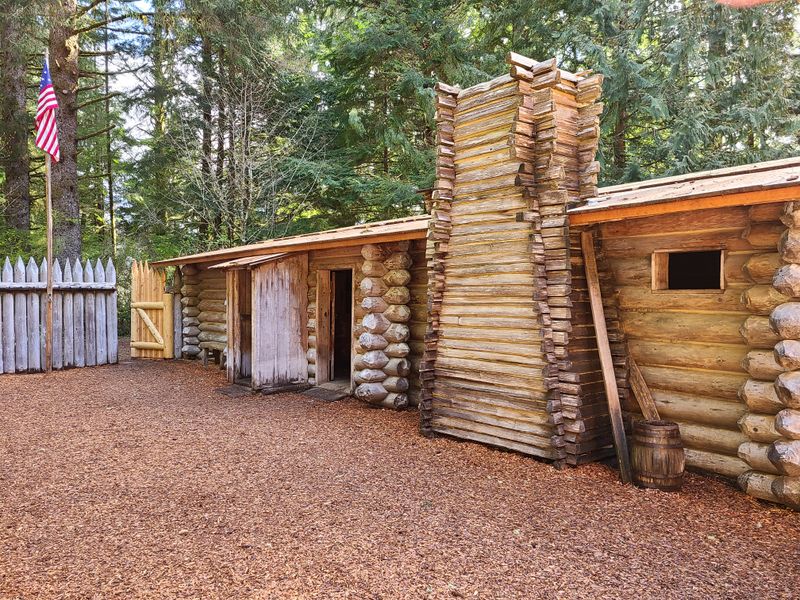
At Fort Clatsop, rain beads on cedar and the forest breathes like a sleeping animal. The replica fort is compact and persuasive, its smoky scent pulling you through a narrow doorway and back two centuries.
You listen to a ranger explain winter hardships while droplets whisper on hoods and huckleberry leaves.
Trails spool out along the river plain, flat and soft underfoot, perfect for a meditative walk. Wayfinding signs connect camp life to the modern coast, where storms still write the rules.
Kids try quill writing and hold replica trade goods, suddenly tuned to the practical beauty of every object.
Give yourself two hours to soak it in, longer if interpretive talks are scheduled. Even on busy days, the woods carve out pockets of quiet.
Leaving the site, you will notice how Astoria’s present hums on top of a very old rhythm, patient and persistent.
12. Trolley Ride on the Old 300
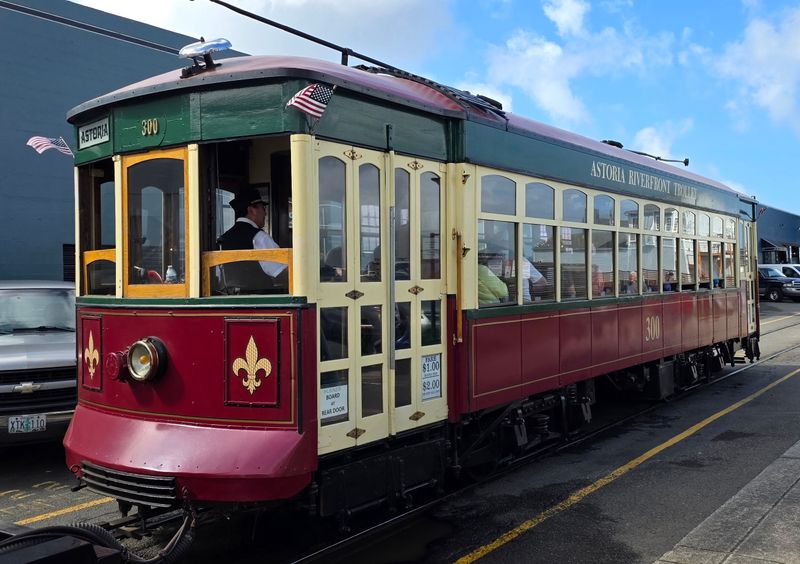
The Astoria Riverfront Trolley is charming in a no fuss way, rattling along the waterfront with bell dings and waves from walkers. You climb aboard, feel wooden benches under your palms, and the breeze sneaks in through open windows.
Conductors narrate with dry humor and local pride.
It is hop on, hop off, which makes it an easy stitching line through your day. Ride to the cannery district for lunch or toward the bridge for photos, then loop back as the sun softens.
The pace is unhurried, giving you time to mark cafes and viewpoints for later.
Carry small cash for fare and be ready to wait on peak weekends. Kids love the bell, adults love the nostalgia, and everyone loves the river in constant motion.
It is simple transportation that doubles as a rolling postcard, and it just fits this town.
13. Coffee, Books, and Rain Breaks
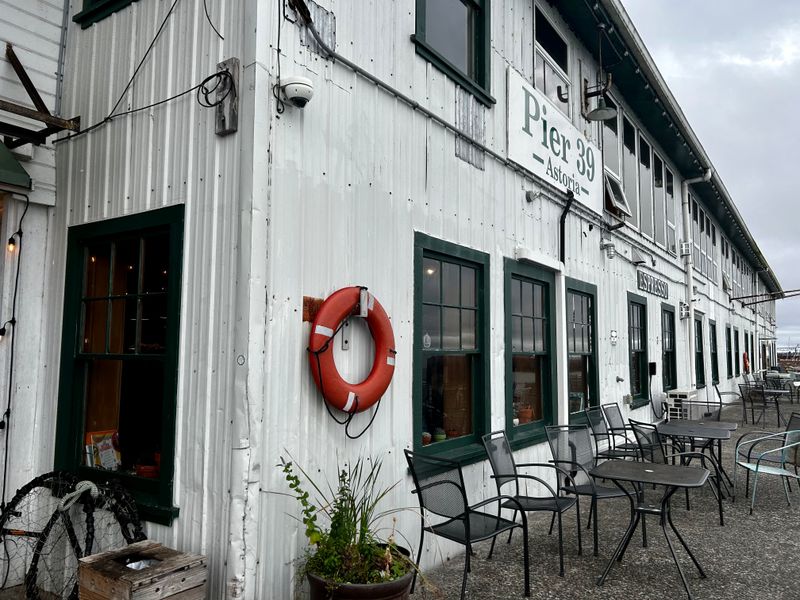
Rain is not a problem in Astoria; it is an invitation. Duck into a cafe where steam curls from mugs and the windows bead with tiny rivers.
You will hear laptops, hushed conversations, and the friendly hiss of milk hitting metal.
Pick a corner table, stack a local zine beside a novel, and order something with cardamom or cedar notes. Many shops roast in house or feature Oregon micro roasters, and the pastries lean generous.
When the downpour eases, you step out caffeinated and brighter, ready for another loop along the water.
Afternoons are cozy but mornings are best for snagging a seat. If you travel with kids, bring a small game to bridge the gap between sips.
The ritual becomes part of the town’s melody: drizzle, espresso, pages turning, and the muffled bass of river traffic beyond the glass.
14. Uppertown Arts and Street Murals
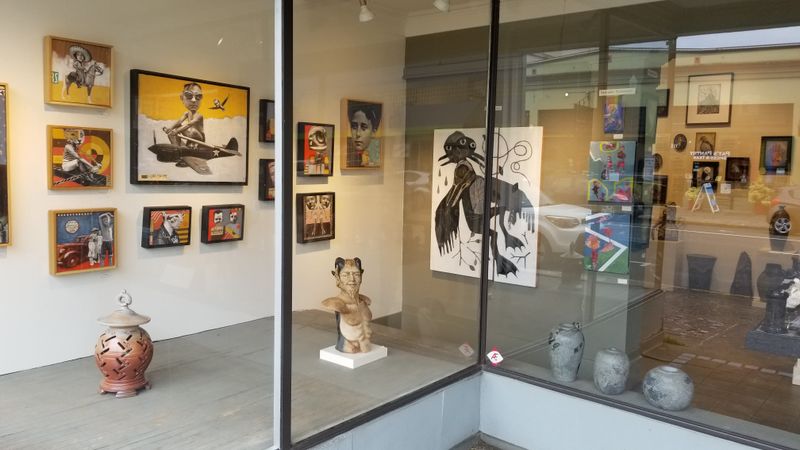
Uppertown carries a creative pulse that flickers in galleries and on brick walls. Murals nod to fishermen, cranes, and the bar’s restless mood, splashing color against salt-streaked facades.
You will find tiny studios that operate like open secrets, welcoming if you linger and ask.
Shows skew local and experimental, from storm photography to sculptures made of salvaged rope and steel. Friday evenings often bubble with openings, pour overs, and friendly critiques on the sidewalk.
It feels handmade and resilient, much like the town’s working bones.
Snap photos early or on cloudy days to avoid glare and get richer tones. If you buy art, ask about the story because there is always one.
Wandering Uppertown rounds out an Astoria day in a way that feels grounded, creative, and pleasantly unpolished.
15. Cathedral Tree Trail and Picnic Nooks
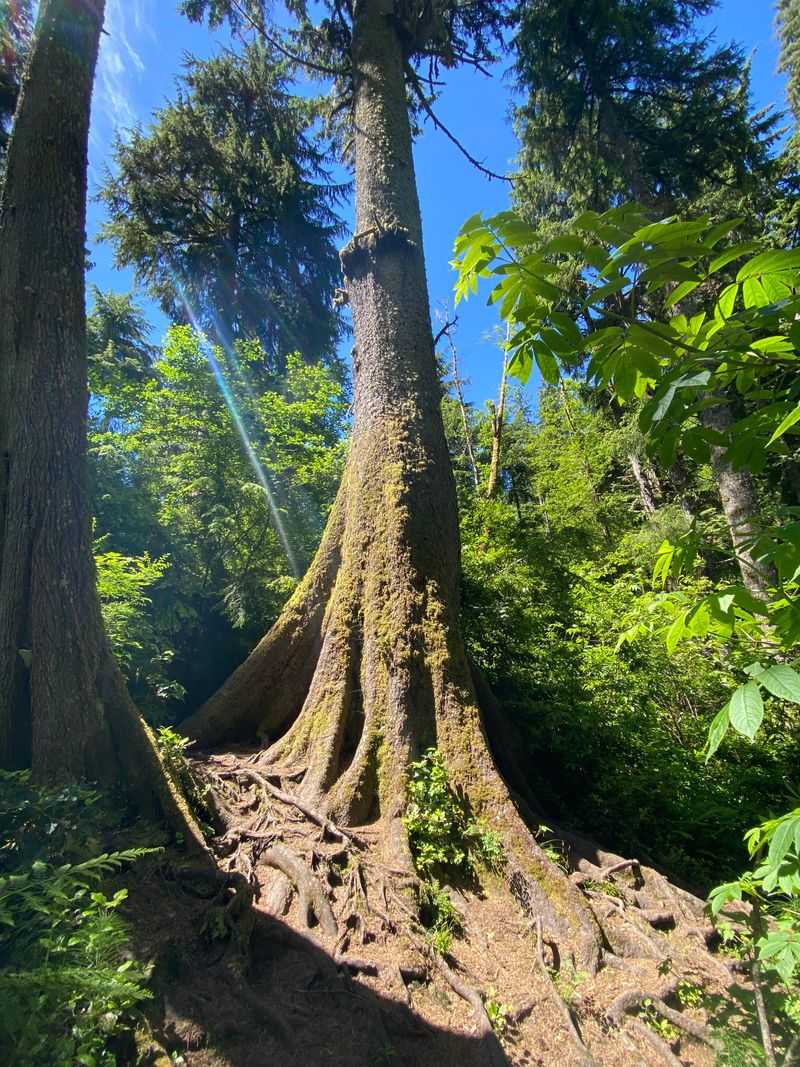
Below the Column, Cathedral Tree holds a small web of trails that reward slow walkers. The forest is damp and aromatic, with cedar, earth, and faint ocean woven together.
You hear whispers of traffic far below, then nothing but wind combing fern fronds.
These paths are short and forgiving, perfect for families or a quick solo reset. Picnic tables tuck against the slope where you can unwrap sandwiches and watch cloud layers shift.
Occasional openings deliver postcard peeks at the bridge and river lanes.
Bring shoes with grip after rain because boards and roots slick up fast. If you time it near sunset, golden stripes thread the canopy and the hill feels cinematic.
This is not a headline hike, just a gentle reminder that Astoria’s best moments often happen between destinations.
16. Ship Watching and Bar Pilot Lore
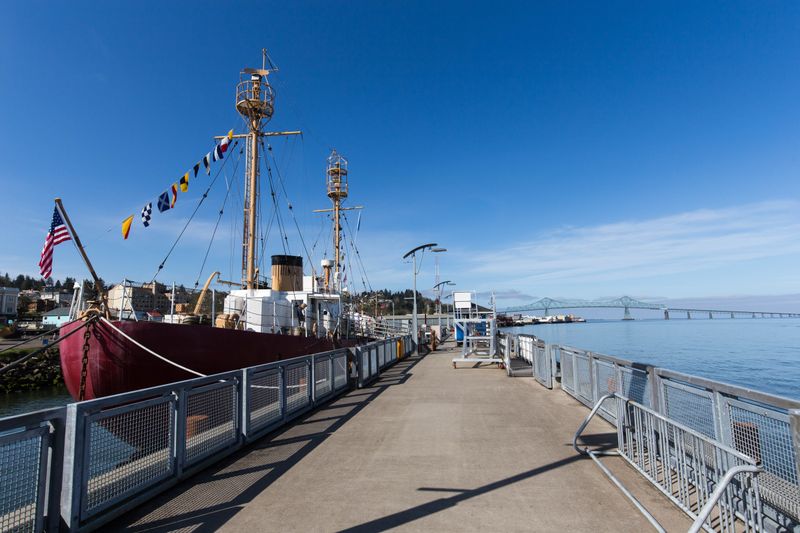
Park anywhere with river sightlines and the show begins. Bulk carriers, car carriers, and tugs parade by, each with a personality you can read in rust, draft lines, and wake.
You will start to recognize silhouettes the way some folks recognize birds.
The bar pilots are the quiet heroes in this ballet, transferring in all weather to steer ships through the Columbia Bar. Watching a pilot boat stitch toward a moving hull is athletic poetry.
Interpretive signs fill in the danger and skill, grounding the spectacle in real stakes.
Bring binoculars or a long lens and a thermos. Check marine traffic apps to guess arrivals, then settle in with a windproof layer.
The longer you sit, the more the river tells you, and by evening you feel tuned to its language of horns, tides, and steel.
17. Why Californians Are Choosing Astoria
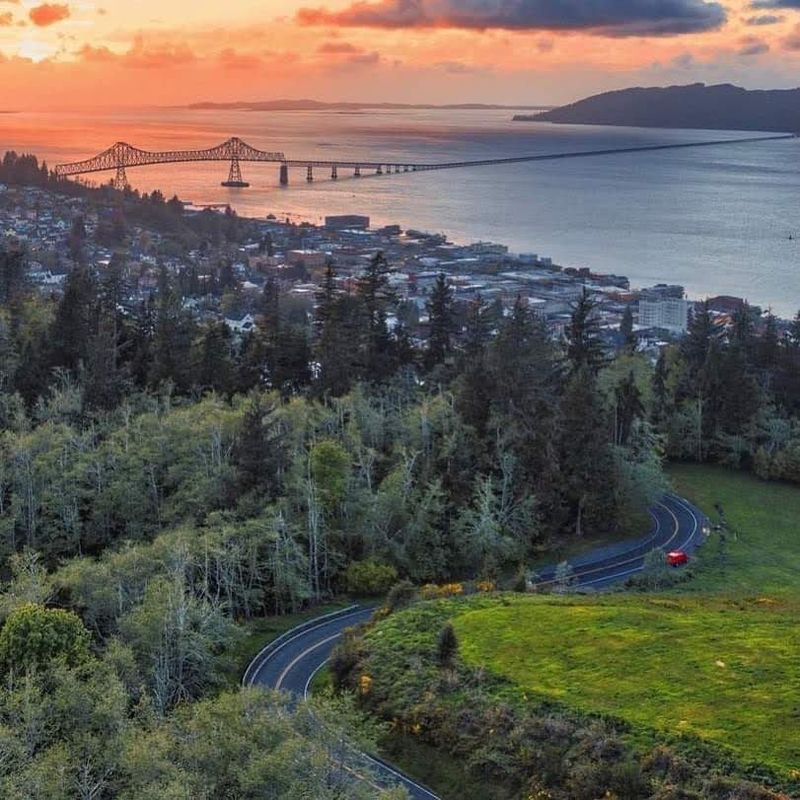
Talk to newcomers and you hear a consistent chord: pace, access, and personality. The town delivers walkable streets, river views, and weekend adventures within thirty minutes.
Housing remains competitive yet comparatively attainable beside bigger West Coast hubs, though prices have climbed with demand.
Astoria’s economy mixes tourism, maritime, and creative work, building resilience that many seek. Oregon’s coastal counties have seen renewed interest as remote work normalizes and people chase lifestyle over commute.
Visitors become residents after a few long weekends, seduced by foggy mornings and neighborly nods.
If you are considering a move, scout in shoulder seasons to feel the rhythm of rain and quiet. Budget for layers and waterproof everything, and plug into the market and volunteer groups early.
You will know quickly whether the river’s tempo matches your own, which is the only metric that matters here.
Share this story