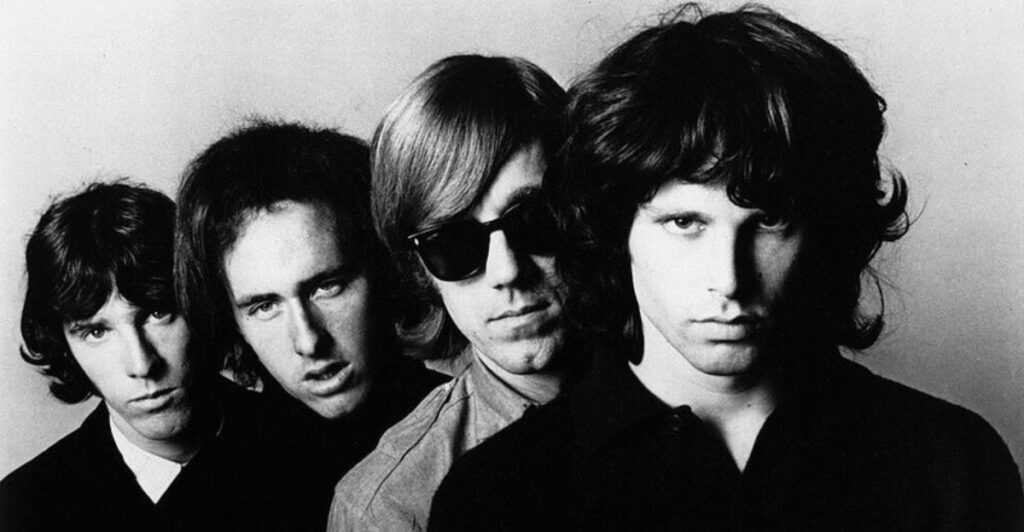
Some bands don’t fade away – they explode, leaving a crater in music history. Their breakups came too soon, but the aftershocks still ripple through playlists, basement shows, and sold-out arenas.
These are the short-lived legends who changed everything before we were ready to let them go.
1. Nirvana (1987–1994)

Lightning cracked when Nirvana hit, and the air never settled again. The songs felt like private diary entries shouted through busted speakers, messy in all the right ways.
You could hear adolescence turning into adulthood in real time, aching and loud.
Nevermind broke the pop grid, but In Utero proved they were artists first, myth second. That balance of melody and abrasion is still the blueprint for bands trying to sound vulnerable without losing bite.
I remember blasting Lithium in a friend’s garage and feeling like the floor might lift.
Their end froze the band as a monument and a wound. Kurt’s voice became a ghost in every post-grunge chorus, every flannel-laced hook.
Short career, permanent afterimage.
2. Joy Division (1976–1980)
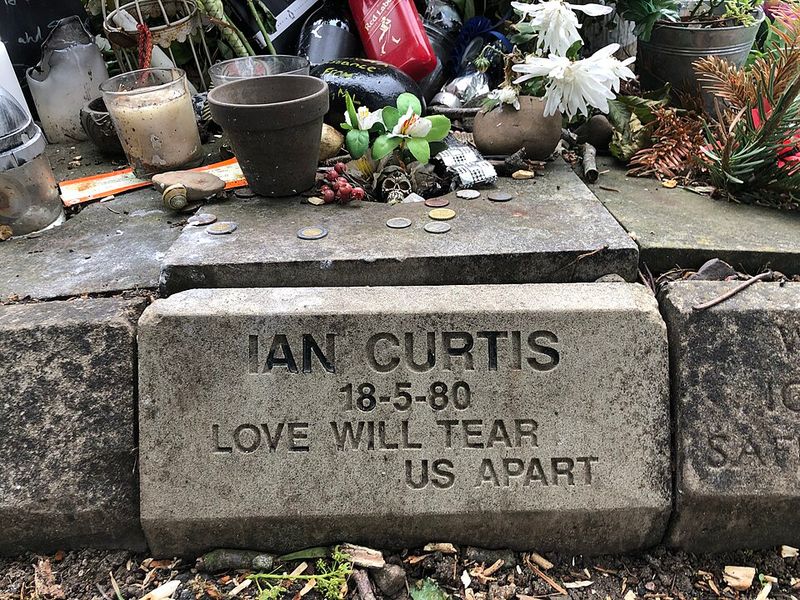
Cold air and warm bass lines, that is Joy Division’s paradox. The drums march like a heartbeat you cannot ignore, while the guitar cuts thin, precise shapes.
Ian Curtis sang like someone reading the weather report for a storm inside your chest.
They made two albums that birthed a thousand bands. Post-punk, goth, alternative, even electronic textures trace back to that disciplined pulse.
I felt Unknown Pleasures like a city map for nights when you get lost on purpose.
The ending arrived too soon, and the silence afterward felt louder than the music. New Order carried the signal forward, but the original frequency never returned.
Brief life, endless influence.
3. The Smiths (1982–1987)
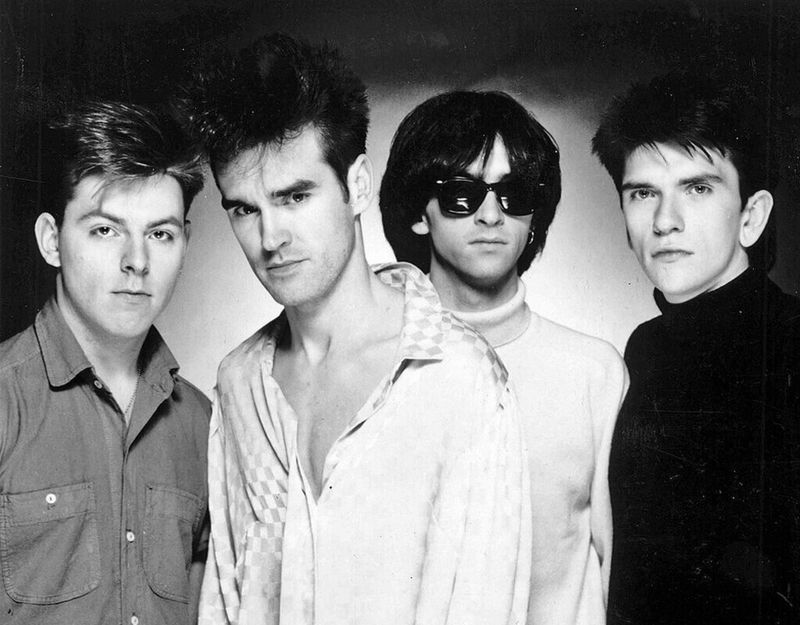
Here come the jangle chimes and the eye-roll lyrics. The Smiths turned bedroom sighs into crowd sing-alongs, equal parts sarcasm and sincerity.
Marr’s guitar skipped like stones across a very British lake of feelings.
Five years was enough to rewrite indie’s dictionary. Sharp wit, brisk arrangements, and melodies that sneak into your week and refuse to leave.
I once learned that a clever riff can make sad words feel like company, not weight.
They split while the echo was still rising. Every indie band with conversational lyrics and bright guitars owes a debt.
Short tenure, long shadow.
4. The Beatles (1960–1970)
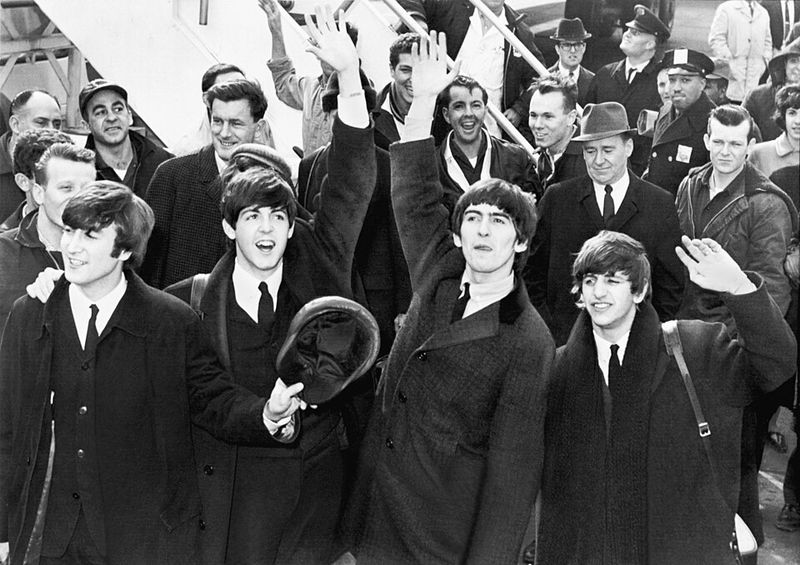
A decade sounds long until you stack it against everything The Beatles did. Early charm turned into fearless experimentation, and the studio became a playground.
Every new single felt like a software update for pop music.
They bent songwriting, production, and band identity into new shapes. Harmonies learned new colors, drums learned new pockets, and listeners learned to expect surprise.
I still hear Sgt. Pepper as a dare to dream weirder within the verse chorus frame.
Then it ended, not with a whisper, but with a catalog still teaching classes. Solo careers flourished, yet the collective magic remains unmatched.
Ten years, infinite lessons.
5. The Doors (1965–1971) – classic lineup
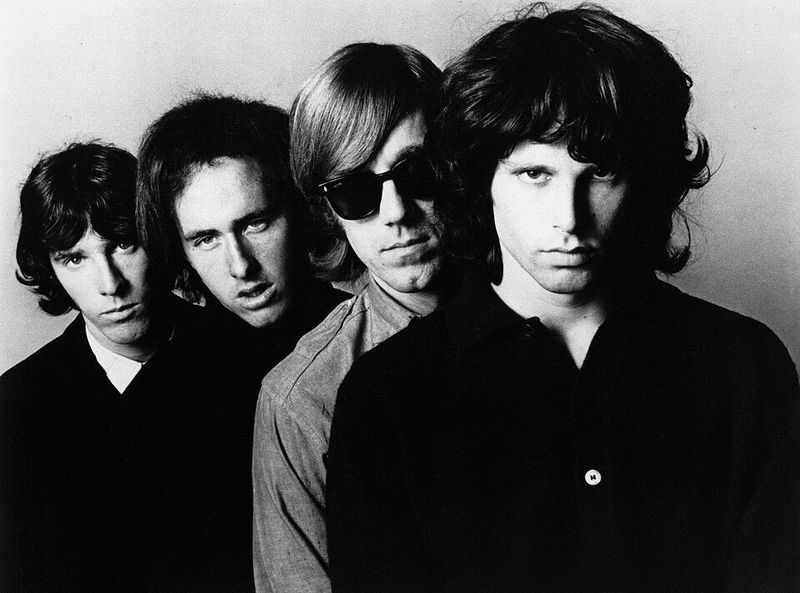
Step through the organ swirl and you are not in Kansas. The Doors mixed blues heat with surreal cool, letting poetry stalk the stage in leather boots.
Songs felt like dark rooms where the walls breathed.
They never stuck to one lane, drifting from barroom stomp to cinematic trance. Manzarek’s keys were a second vocalist, and the rhythm section rolled like a patient tide.
I once played Riders on the Storm during a thunderstorm and the room nodded in agreement.
When Morrison died, the spell cracked. The original chemistry could not be bottled again, and that is part of the legend.
Brief arc, lasting mystique.
6. Big Star (1971–1975) – original run
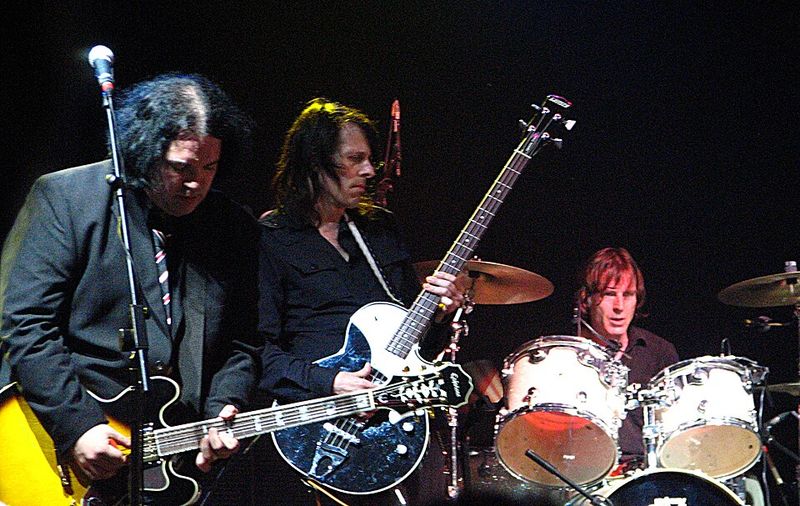
Big Star sounded like summer radios catching feelings. The harmonies were crisp, the guitars chimed, and the hooks were shyly perfect.
Somehow the zeitgeist missed them on first pass.
Years later, musicians treated those records like sacred texts. Power pop, indie rock, and college radio all carry their fingerprints.
I found them in a used bin and felt like I had discovered buried treasure with perfect choruses.
The original run ended with more myth than sales. That gap between brilliance and recognition turned into fuel for generations.
Short chapter, classic syllabus.
7. The Stooges (1967–1974) – original run
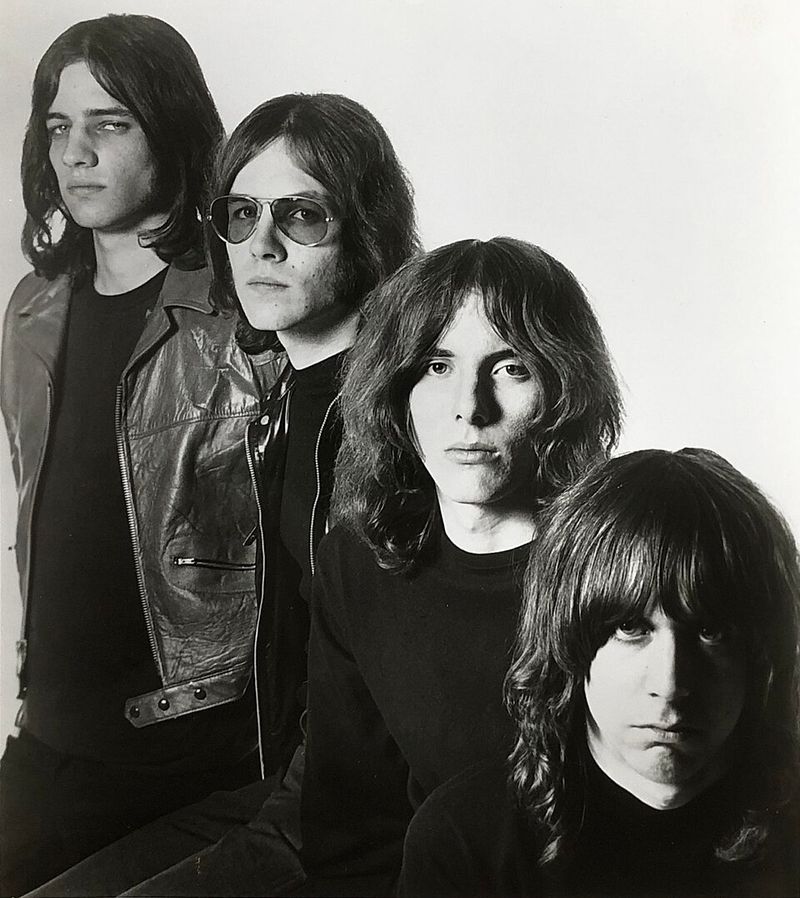
Noise first, questions later. The Stooges treated rock like a bareknuckle sport and a performance art piece at once.
Guitars snarled, drums pounded, and Iggy turned chaos into choreography.
They set the fuse for punk and grunge before anyone wrote the manual. Simplicity became a weapon, repetition a mantra.
I remember blasting Search and Destroy before a job interview, which in hindsight explains a lot.
The initial run collapsed under its own beautiful mess. Yet every loud band with minimal patience still pays tribute.
Short storm, permanent weather pattern.
8. Cream (1966–1968)
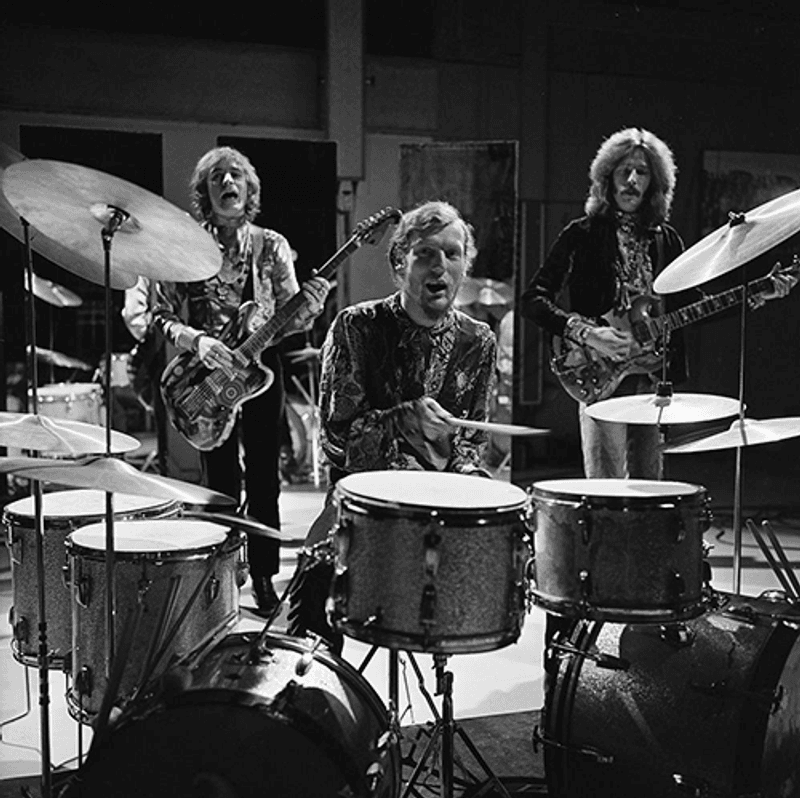
Three virtuosos walk into a blues bar and set it on fire. Cream stretched songs like taffy until new flavors appeared.
Big riffs, bigger solos, and rhythms that swerved without losing the groove.
They pushed improvisation into rock’s living room. Clapton, Bruce, and Baker argued through their instruments and called it music.
I once tried to air drum to Toad and ran out of limbs by minute two.
The breakup came fast, right as the crowds swelled. Supergroup shine, supernova lifespan.
Brief reign, long guitar-shop conversations.
9. The Police (1977–1986)

Sharp suits, sharper rhythms. The Police spliced punk’s urgency with reggae’s sway and pop’s sugar.
Every chorus felt built for stadiums without losing muscle.
Stewart’s drumming danced on the offbeat while Sting’s bass kept the floor steady. Andy’s guitar painted airy skylines over it all.
I still crank Synchronicity II on long drives and feel the tension unwind.
They walked away at the top, catalog compact and bulletproof. Reunion tours teased, but the core story was already written.
Short shelf life, endless rotation.
10. Operation Ivy (1987–1989)
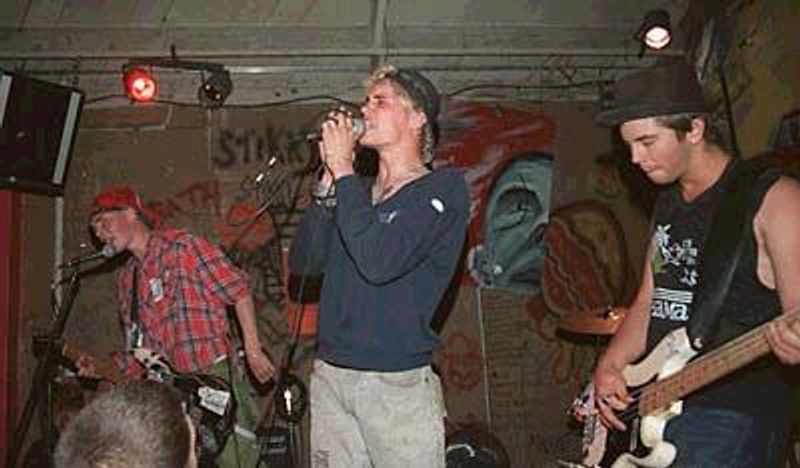
Two years, whole movement. Operation Ivy slammed ska rhythms into punk speed and made unity a chorus.
The songs were fast, friendly, and stubbornly hopeful.
Energy won over polish, and community felt like the headline. Their lone album still sounds like a zine stapled to a melody.
I remember learning a downstroke pattern from Knowledge and feeling invincible for three minutes.
They scattered, but the style spread like stickers on a guitar case. Countless bands picked up the torch and kept it dancing.
Short burst, lasting banner.
11. Minor Threat (1980–1983)
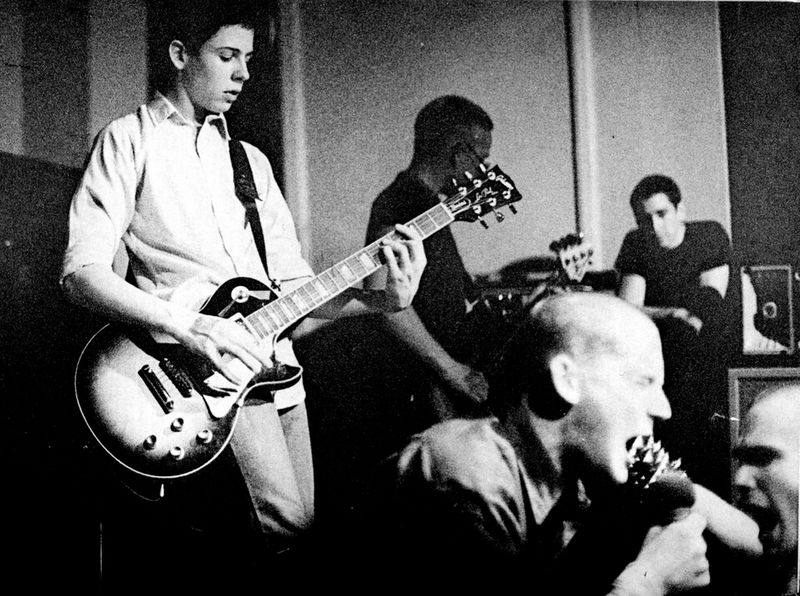
No frills, all focus. Minor Threat turned seconds into statements and left no slack in the rope.
The tempos sprinted, but the message never stumbled.
Hardcore learned discipline here, and straight-edge found its banner. Short songs, clear ethics, and a scene built on intention.
I blasted Out of Step before a run and shaved a minute off my mile out of fear.
They ended before dilution could set in. The blueprint remained, simple and demanding.
Brief tenure, uncompromising legacy.
12. Badfinger (1968–1974) – classic era
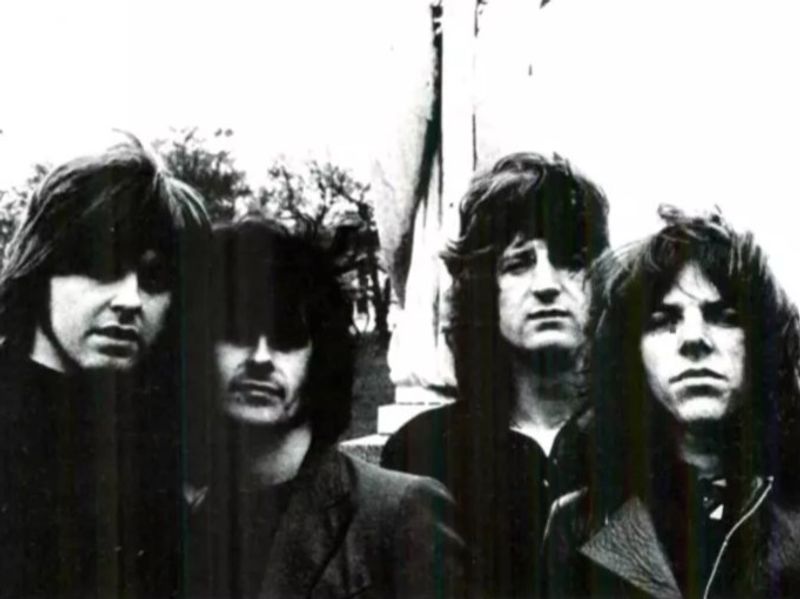
Sunshine melodies carrying storm clouds underneath. Badfinger packed hooks so sweet they practically gift-wrapped themselves, yet trouble trailed them.
The harmonies felt familiar in the best possible way.
They showed how pop-rock could be both tight and tender. Close ties to The Beatles gave them a spotlight and a shadow.
I once put Baby Blue on repeat while packing boxes and moved slower on purpose.
Mismanagement and tragedy cut the thread. What remains is a catalog that refuses to age.
Short promise, enduring sparkle.
13. The Replacements (1979–1991)
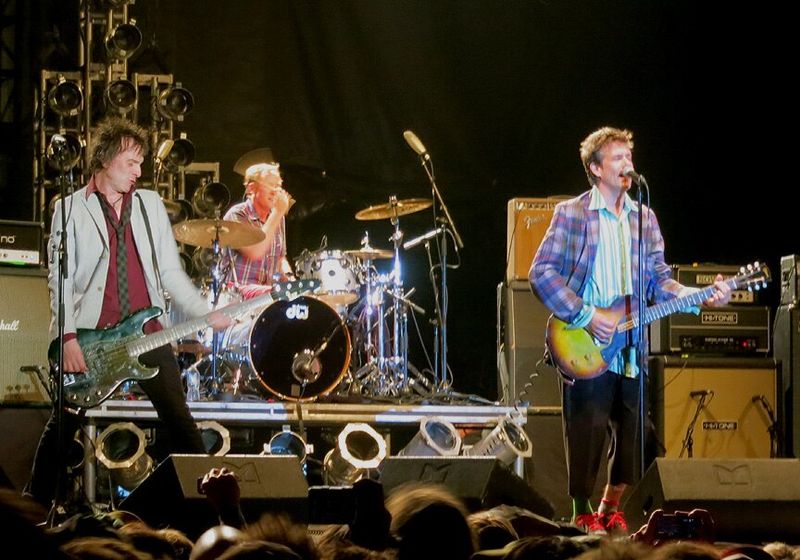
Beautifully unkempt and accidentally profound. The Replacements stumbled into greatness like it was a prank.
Loud guitars hid soft hearts, and the songs hugged you after they shoved you.
Punk attitude met bruised poetry, bridging underground grit and radio possibility. The band could blow a gig and still win your week.
I learned that an off-key shout can feel more honest than a perfect note.
They unraveled before the mainstream could fully catch them. That tension became part of their magnetism.
Short ride, huge footprint.
14. The Stone Roses (1983–1996) – classic lineup
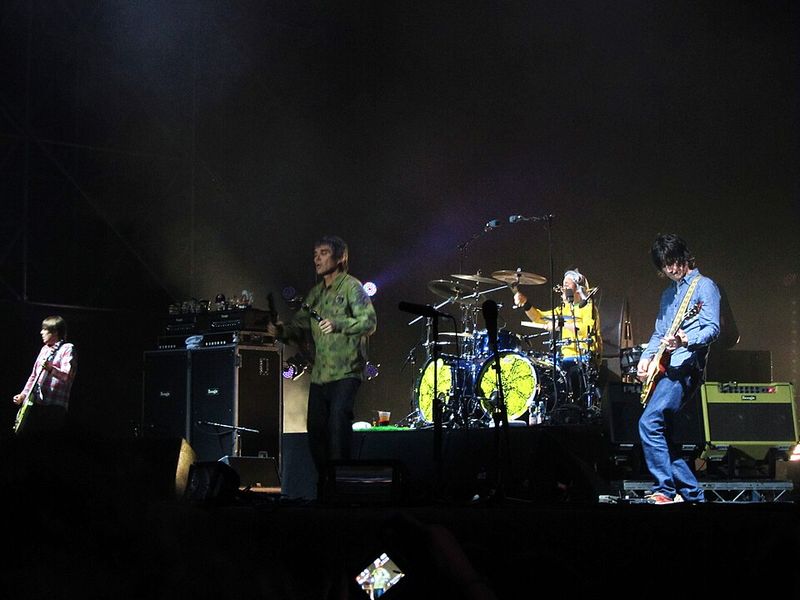
Drums that swagger, guitars that shimmer, and vocals that float. The Stone Roses made grooves that felt like open windows in spring.
Their debut plays like a greatest hits of possibilities.
They bridged indie psychedelia with dancefloor confidence, paving a path for Britpop’s big swing. Every track seems casually perfect, which is the trick.
I remember a late night bus ride where I Am the Resurrection turned the aisle into a runway.
Legal snarls and delays stalled their ascent. The moment stretched, then broke.
Short prime, long reverberation.
15. New York Dolls (1971–1975) – original run
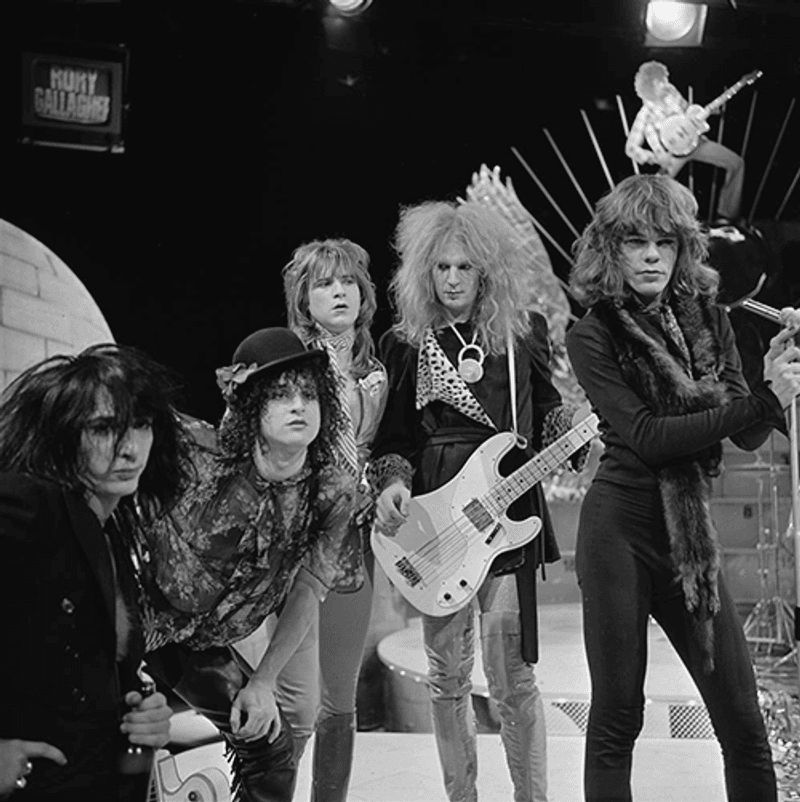
Glitter on the boots, grime on the floor. New York Dolls made punk look like a party thrown in a dressing room.
The riffs were simple, the attitude was complex, and the swagger felt contagious.
They rewired fashion and sound at once, giving future punks a template with lipstick and sneer. Beneath the spectacle sat wiry songs that still bite.
I once tried their look for a costume party and discovered platform shoes have opinions.
The original run flamed out fast, but the spark went global. From London to Los Angeles, echoes multiplied.
Short set, lifelong encore.
Share this story