Northern Michigan looks like a postcard that learned how to flirt. The lakes sparkle, the forests whisper, and every sunset tries to outdo the last.
But the fantasy and the day-to-day rarely match, especially once you pack a moving truck. If you have ever wondered why more people do not put down roots there, the reasons are real, and they stack up fast.
1. The Winters Are Long (And Not the Cute Kind)
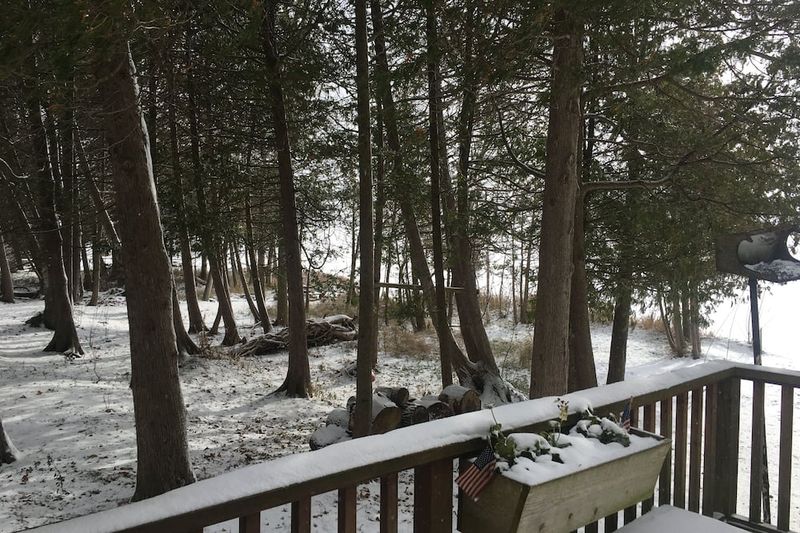
The first snow shows up like an overachiever, and it never knows when to leave. Lake-effect bands can turn a quick errand into a mini arctic expedition.
You will shovel, scrape, and learn the exact sound of tires sliding at four miles per hour.
By January, daylight feels like a rumor. The cold bites, the wind nags, and the gray stretches stack like unread emails.
I once timed my grocery trip between squalls and still returned looking like a powdered donut.
Winter does not just visit, it leases the place. Five months is common, with spring sneaking in muddy and apologetic.
Fall blazes and then blips away, leaving you to wonder if the color show was a dream or just fast fingers scrolling past.
2. There Aren’t Enough Jobs That Pay Like City Jobs
The vibe is charming, the paychecks often are not. Tourism, seasonal service roles, and small businesses carry much of the load.
In July, tips are good and hours are long, but January looks at your schedule and laughs.
Healthcare, education, and the trades can deliver stability. Tech, finance, and corporate paths feel thinner than a February sunbeam.
I kept hearing about openings that started great and faded as the leaf peepers drove home.
Remote work helps if your internet behaves. Still, the market does not scale like a city’s, and professional ladders are shorter.
The dream is not impossible, just less padded, and you quickly learn why resumes and snow shovels both need backups.
3. The Region Was Never Built Around Big Industry
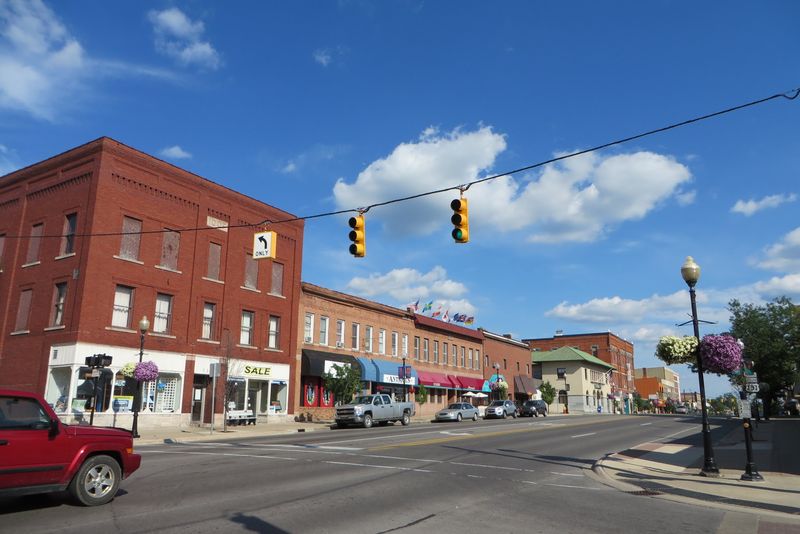
Southern Michigan had factories; the north had forests and ore, and those booms faded. When the timber shipped out and the shafts closed, there was no massive second act waiting in the wings.
Towns adapted by welcoming visitors, not smokestacks.
That history echoes today in modest payrolls and seasonal cash flow. You will find entrepreneurs hustling, makers crafting, and marinas buzzing in August.
November, though, politely requests you bring your own momentum.
Without a heavy industrial backbone, growth pulses with vacation calendars. It is beautiful and light on infrastructure meant for scale.
You can love that identity while recognizing why families chase steadier engines downstate.
4. It’s Far From Major Airports and Big Transportation Hubs
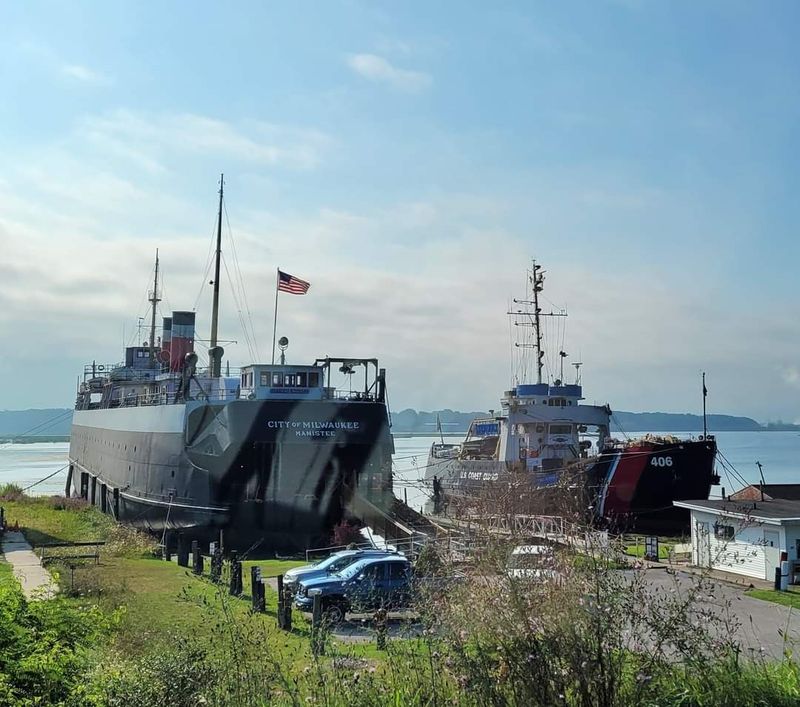
Distance is not dramatic, but it is decisive. A flight often starts with hours of driving and a weather gamble.
I have arrived at a gate already exhausted from the pre-trip road rally.
Regional airports exist and they are friendly. Major hubs, however, live farther south, and winter turns schedules into suggestions.
Public transit is sparse enough that you start counting routes like rare birds.
If mobility fuels your work or family life, the extra steps add up. Spontaneity becomes planning, and planning becomes spreadsheets.
The isolation is not total, just persistent, and it quietly pushes some would-be movers to stick closer to runways.
5. Healthcare Access Can Be a Real Challenge
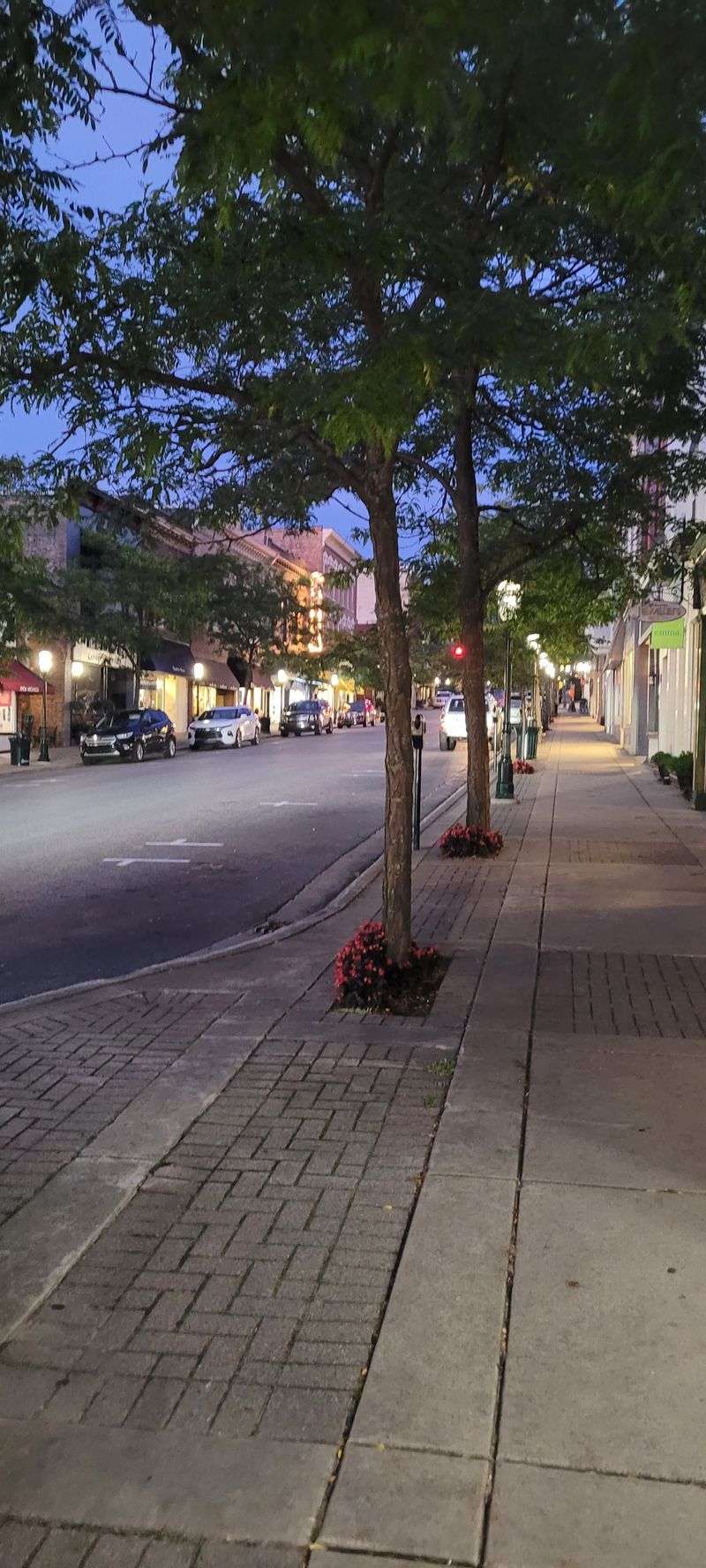
Primary care is there, but the specialists are often zip codes away. Complex procedures and high-risk care can mean packing snacks for a long drive.
After one icy appointment run, I learned to build a weather buffer into every medical plan.
Telehealth helps, though it does not perform surgery. For chronic conditions, the distance becomes part of the diagnosis.
Families weigh logistics as much as lab results, and that calculus discourages long-term commitments.
The system works, but the margin for error is small. Storms, full calendars, and limited options collide.
People who need consistent, specialized support often decide that being closer to big hospitals is worth more than a perfect shoreline.
6. Housing Isn’t As Affordable As People Assume
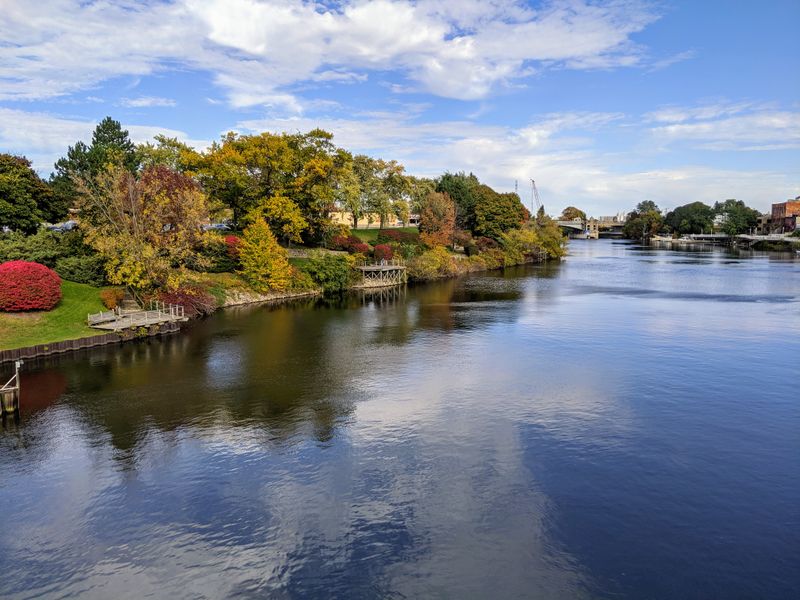
The bargain everyone imagines has largely sailed. Prices climbed as second homes, Airbnbs, and retirement nests multiplied.
I watched locals bid against weekend dreams and lose by Monday.
Rentals get scarce, especially near the water and postcard towns. Even modest places collect premium pricing during peak seasons.
The math looks friendlier on a postcard than in a monthly budget.
It is great for tax bases and owners, rough on young workers and first-time buyers. Talent drifts to places where wages and housing shake hands.
The demand to visit outpaces the income to stay, which keeps population growth soft even as the views go viral.
7. The Towns Are Small – And That Can Feel Limiting
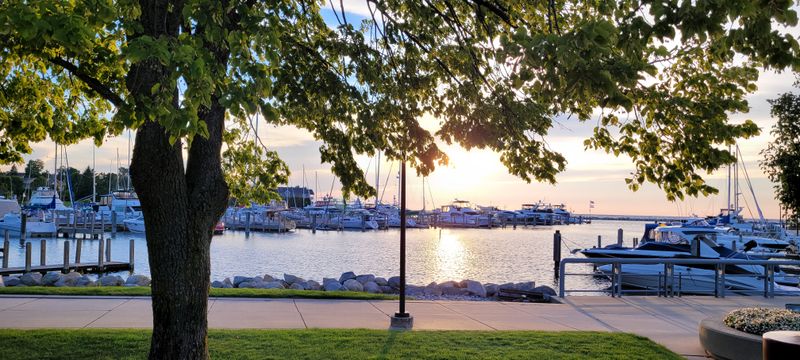
Small towns deliver charm in bulk and options in teaspoons. You will know the barista’s dog’s name by Friday.
Saturday night, though, might be Board Game Night by default.
Fewer restaurants, fewer venues, fewer social circles to bounce between. In your twenties, ambition sometimes wants a bigger sandbox.
I loved the friendliness, but I missed serendipity on demand.
Communities skew older because many young adults leave for school or work. Some return later, chasing peace and a porch.
Until then, the cycle keeps things quaint, but it also keeps energy diluted.
8. Internet and Cell Service Still Lag in Many Areas
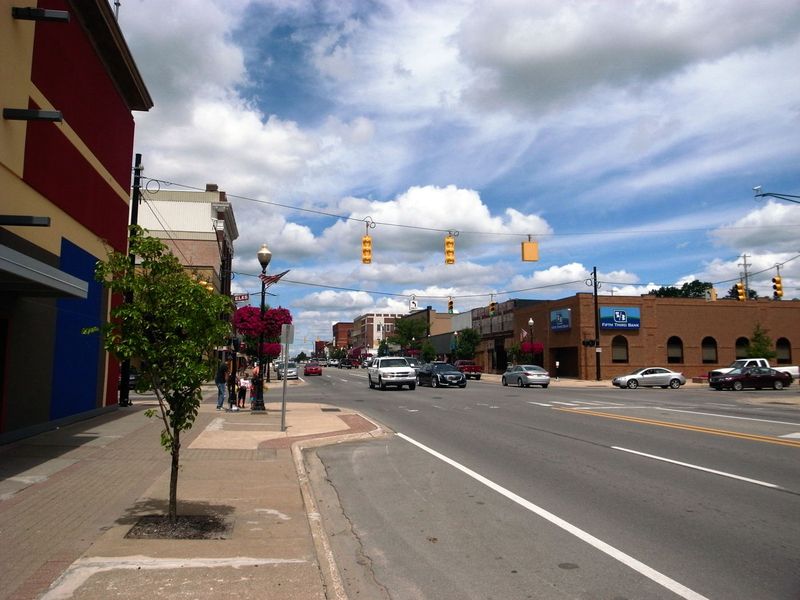
Remote work sounds perfect until the video feed turns into abstract art. Many rural pockets still juggle slow broadband and patchy cell service.
I once presented to a client while a snowplow drowned out my hotspot.
Some towns are improving fast with fiber builds. Drive ten miles out, and you might find buffering as a lifestyle.
For jobs that live in the cloud, reliability is not optional.
Connectivity gaps are shrinking, but they still shape who can move and stay. If your paycheck rides on uploads, you will think twice.
The dream works best where the router behaves year-round.
9. The Economy Is Seasonal (And So Is the Energy)
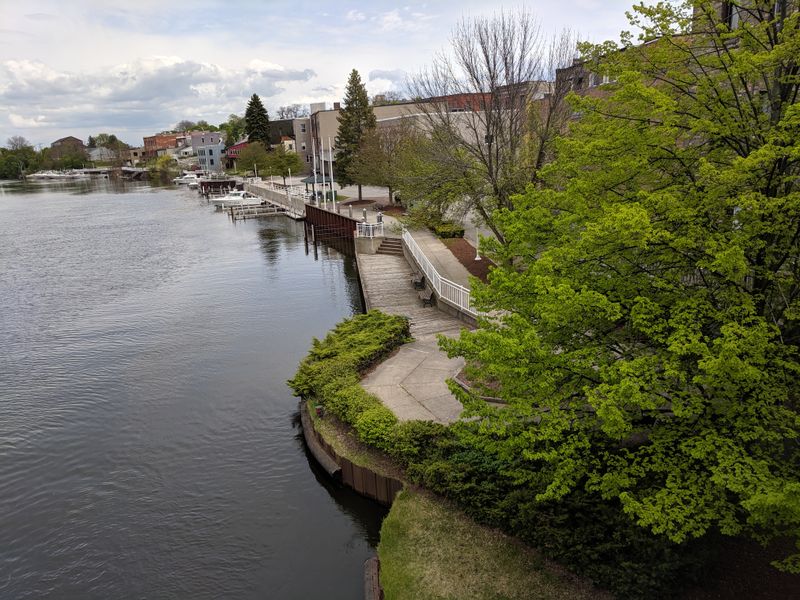
July throws a party, January cleans up in silence. Restaurants hum, marinas sparkle, festivals stack weekends like dominoes.
Then the lights dim and the roads whisper.
Many locals love the ebb and flow. Others feel whiplash between full-throttle summers and library-quiet winters.
I enjoy both moods, but they demand a flexible spirit and budget.
Seasonality shapes friendships, workloads, and cash flow. You are living in two towns that share a name.
That split can be magic for some and a nonstarter for others.
10. There Are Fewer Colleges and Career Pipelines
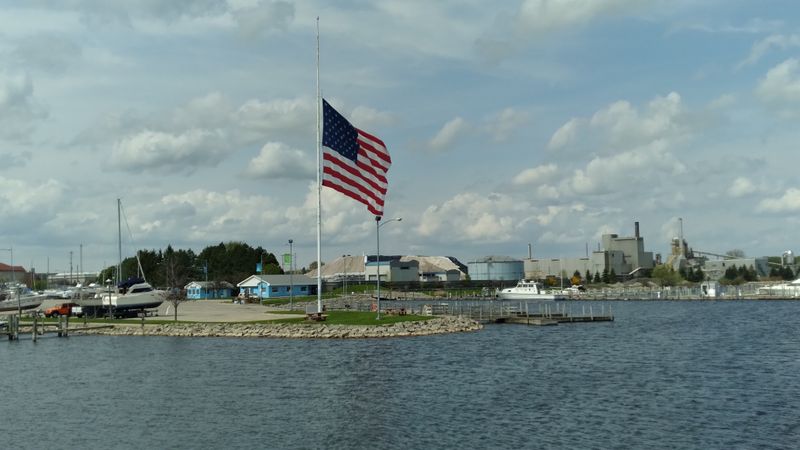
Education fuels growth, and the pipeline here is thinner. There are solid schools, just not many of them, and fewer research engines.
Graduates often head south chasing internships and mentors.
With limited employer networks, recruiting feels more like fishing than farming. You might land a great role, or you might wait out a season.
I met bright students who loved the lakes but packed their diplomas for bigger ladders.
The structure nudges ambition outward, then life roots elsewhere. It is not about culture, it is about scale.
Without strong education-to-career loops, population churn stays high.
11. Big Shopping, Big Services, Big Convenience Are Hours Away
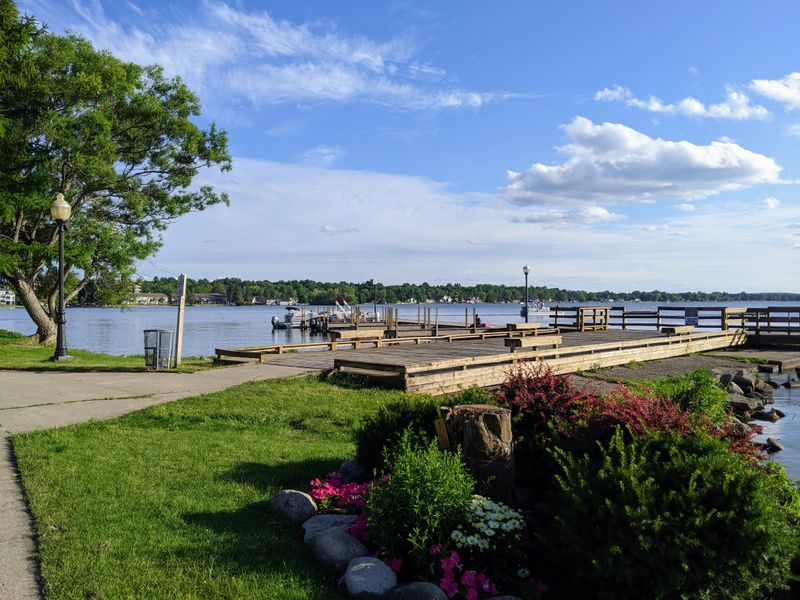
Need a specialized mechanic or a niche part? Warm up the car and the playlist.
Convenience lives at a distance, and you will learn to batch errands like a pro.
Big-box stores, certain medical services, and specific tools often mean a road trip. In cities, convenience hides in plain sight.
Here, you notice its absence and plan like a scout.
Locals adapt with lists, bins, and backup plans. Newcomers sometimes burn out on the constant prep.
If spontaneity is your love language, this can feel like a mismatch.
12. The “Dream” Lifestyle Isn’t the Same as the Daily Lifestyle
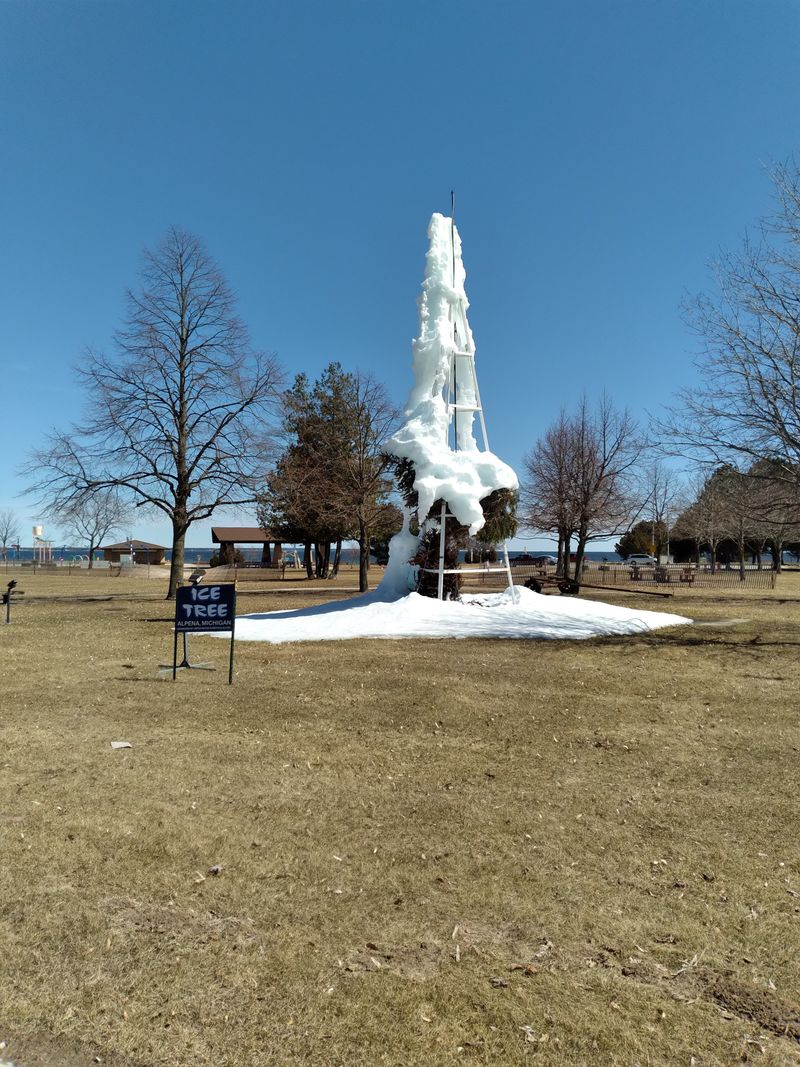
Vacation Northern Michigan is a highlight reel. Sunny lake days, cherry stands, and strolls through charming downtowns win hearts fast.
Living there adds the parts that never make the brochure.
Expect icy roads, long distances, and services that nap through winter. Heating bills flex.
Jobs ebb with the seasons. I love the beauty, but I respect the logistics even more.
Neither version is wrong. They are just different shows sharing a stage.
If you move with clear eyes and a sturdy plan, the daily reality can still feel like a good story.
13. Heating and Utility Costs Can Be Brutal
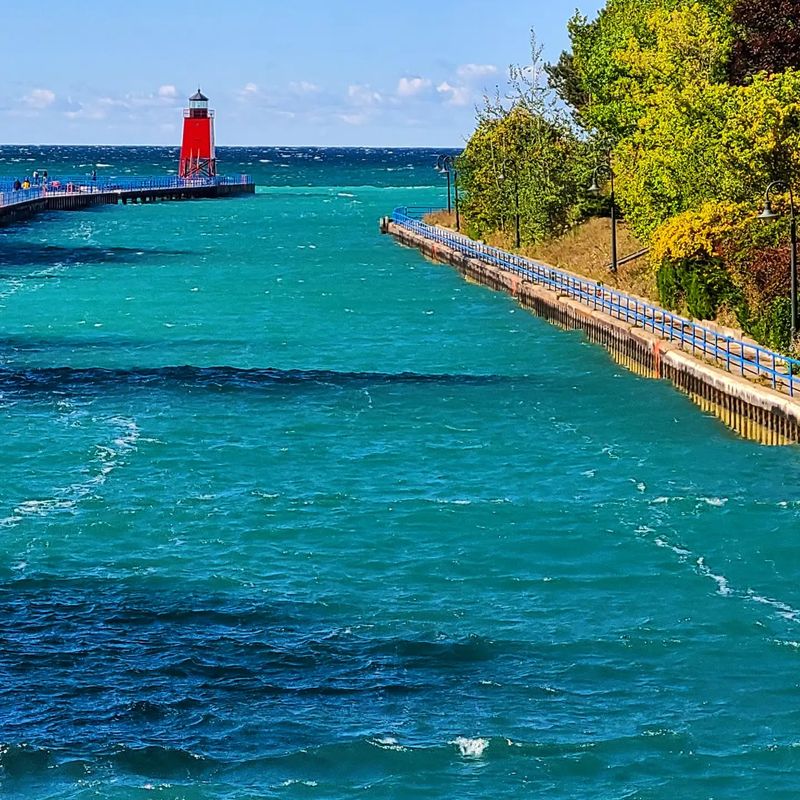
Winter sends invoices. Old houses leak heat like gossip, and fuel deliveries become calendar regulars.
I learned the delicate friendship between a thermostat and a bank account.
Propane, oil, electric heat, or wood stoves keep people going. Natural gas does not reach every road, which shifts costs upward.
Rural infrastructure adds service fees that nibble year-round.
Budgeting becomes a winter sport, and efficiency upgrades turn into love letters to your future self. None of it ruins the dream, but it does weigh it.
People run the numbers and sometimes decide warmer zips make better math.
14. Many Communities Are Built for Visitors, Not Residents
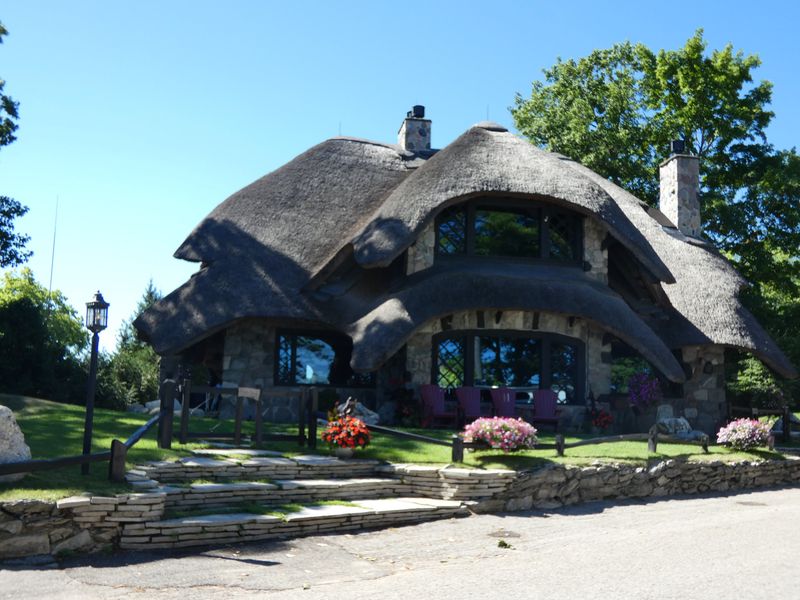
Some towns feel like gorgeous theaters where residents work backstage. Businesses chase summer crowds, then hibernate.
It is fun until you need year-round childcare and Tuesday groceries at 9 pm.
Menus shrink, hours shorten, and amenities wobble with the calendar. Locals make it work, but families crave consistency.
I caught myself timing errands like tides.
When places optimize for visitors, long-term living requires extra systems at home. Nothing wrong with that, just different priorities.
For many, that tradeoff tilts the decision toward bigger, steadier communities.
15. People Do Live There – Just Not in Dense Clusters
The region is not empty, it is spread like butter on a big slice of land. Hubs pop up, then forest and water take over again.
Commutes can mean trees for company and deer for drama.
Traverse City, Petoskey, Alpena, Marquette, Sault Ste. Marie, Cadillac, and Escanaba gather people.
Outside them, quiet dominates. I like that spaciousness, but it thins services and social overlap.
Nature is the star, not density. Fewer suburbs, fewer big neighborhoods, fewer reasons for mass settlement.
If you want elbow room, perfect. If you want buzz, bring your own battery pack.
Share this story