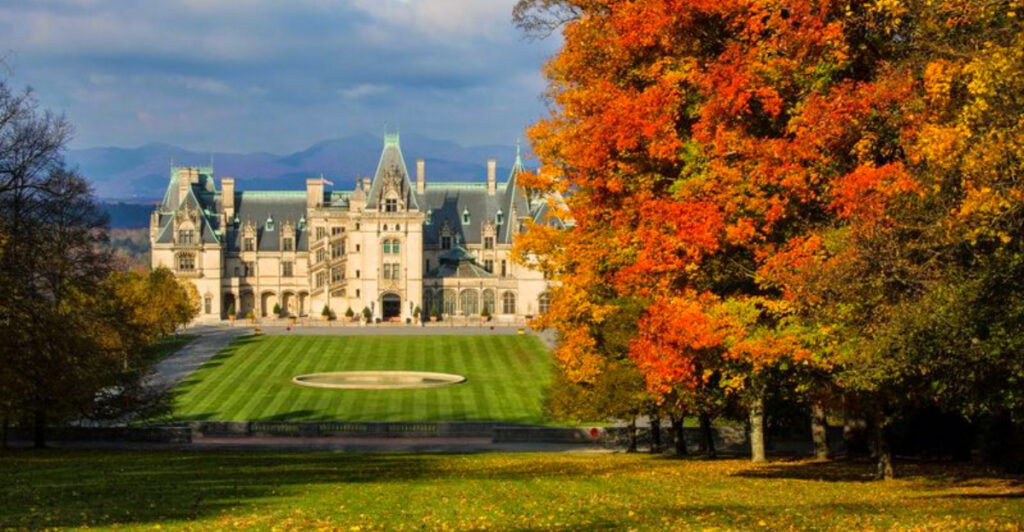
Nestled in the Blue Ridge Mountains of North Carolina, the Biltmore Estate stands as America’s largest privately-owned home and a stunning reminder of the Gilded Age’s grandeur. Built by George Vanderbilt in the 1890s, this 250-room French Renaissance château attracts millions of visitors each year who come to marvel at its architectural beauty, expansive gardens, and fascinating history.
Whether you’re a history buff, architecture enthusiast, or simply looking for an unforgettable day trip, the Biltmore offers a glimpse into a bygone era of elegance and opulence that continues to captivate guests from around the world.
George Vanderbilt’s Vision
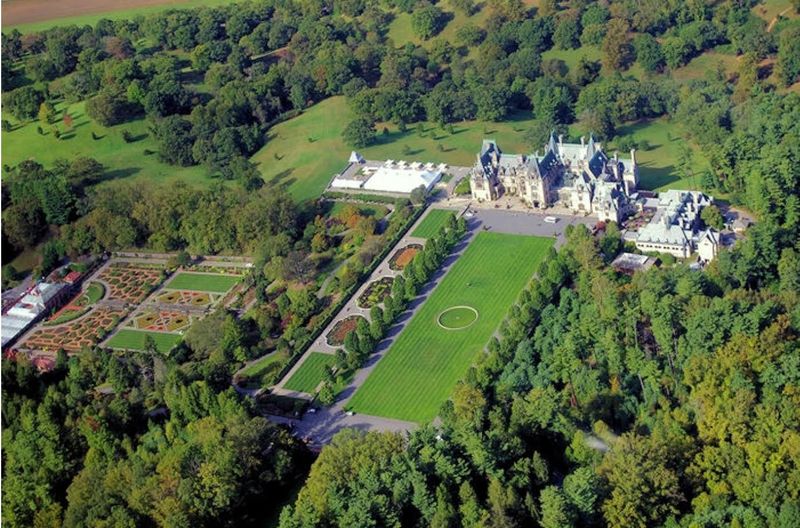
George Washington Vanderbilt II wasn’t your average millionaire with too much time on his hands. At just 26 years old, he decided to build a weekend retreat that would make European castles jealous, creating what became America’s largest private residence.
Born into the wealthy Vanderbilt family in 1862, George was different from his business-focused relatives. He loved art, books, and architecture, collecting over 22,000 volumes for his personal library.
His travels through Europe inspired him to create something extraordinary in the mountains of North Carolina. When George first visited Asheville in 1888, he fell in love with the area’s natural beauty and mild climate.
He began purchasing land, eventually amassing 125,000 acres of forest and farmland. His vision wasn’t just about building a fancy house—he wanted to create a self-sustaining estate with farms, forests, and gardens.
The young Vanderbilt hired the best talent available, including architect Richard Morris Hunt and landscape designer Frederick Law Olmsted. Together, they worked for six years to bring his dream to life.
George’s thoughtful approach to conservation and forestry also helped establish what would later become Pisgah National Forest, showing his commitment to preserving natural beauty for future generations.
The Château’s Magnificent Architecture
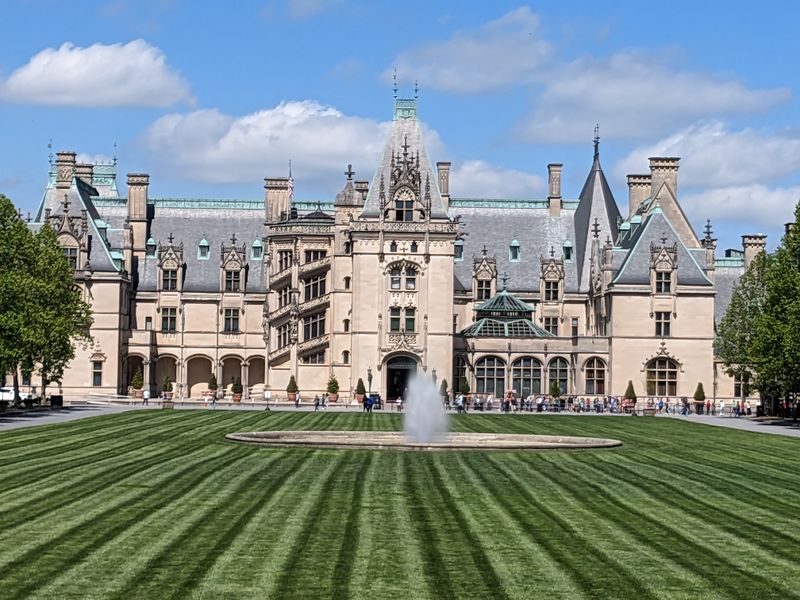
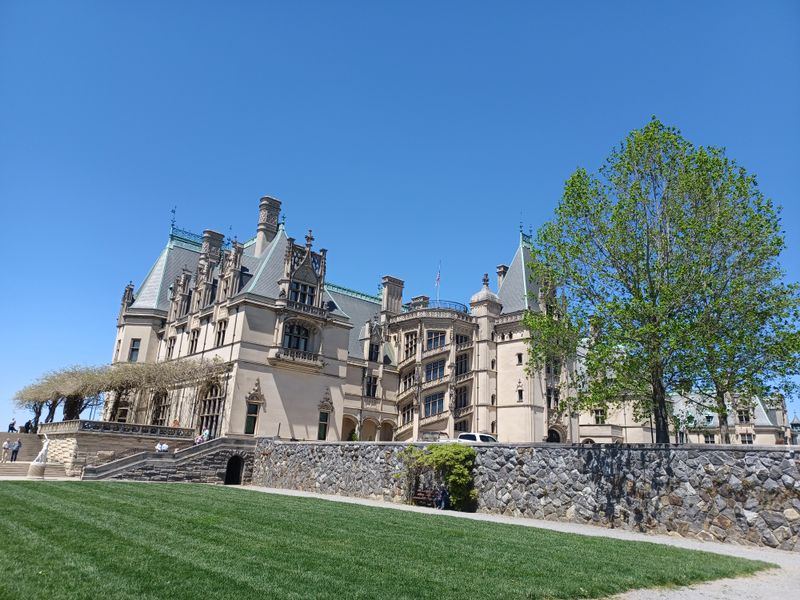
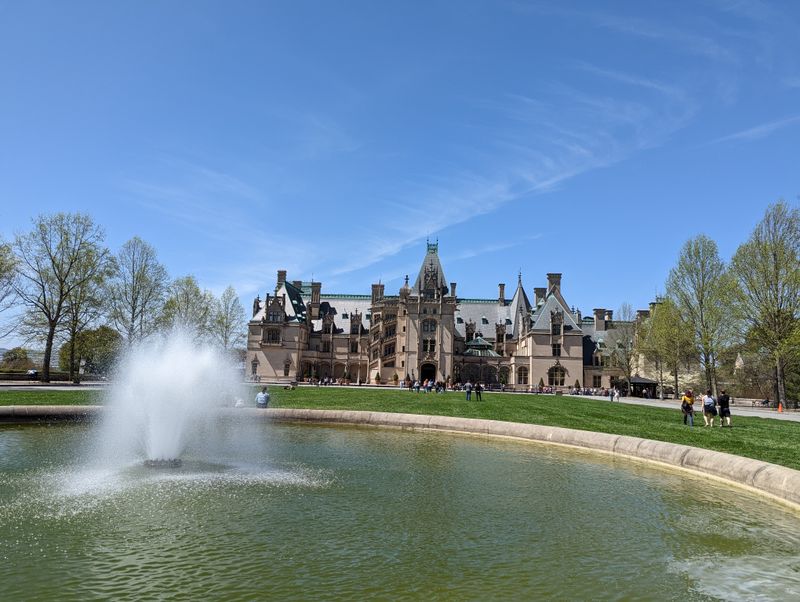
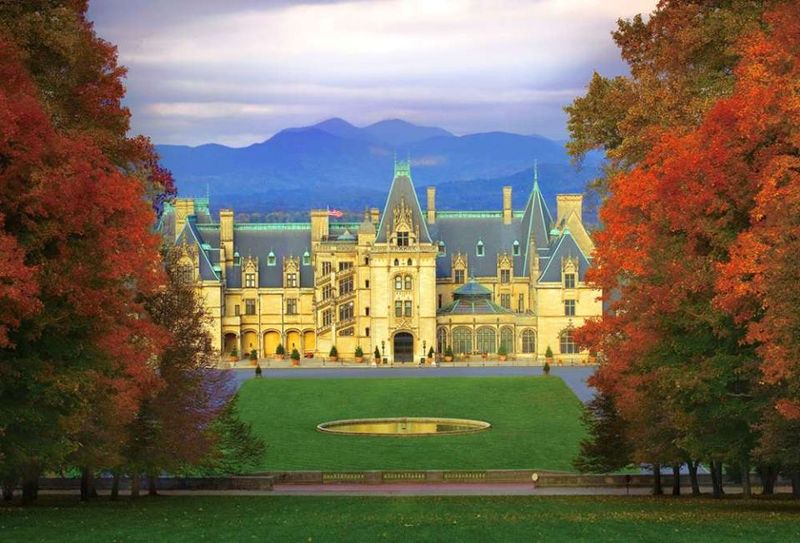
Walking up to the Biltmore feels like stepping into a French fairy tale, except this castle is 100 percent American-made. The limestone facade stretches four acres across the estate’s hilltop perch, featuring towers, gargoyles, and architectural details that would make any Loire Valley château proud.
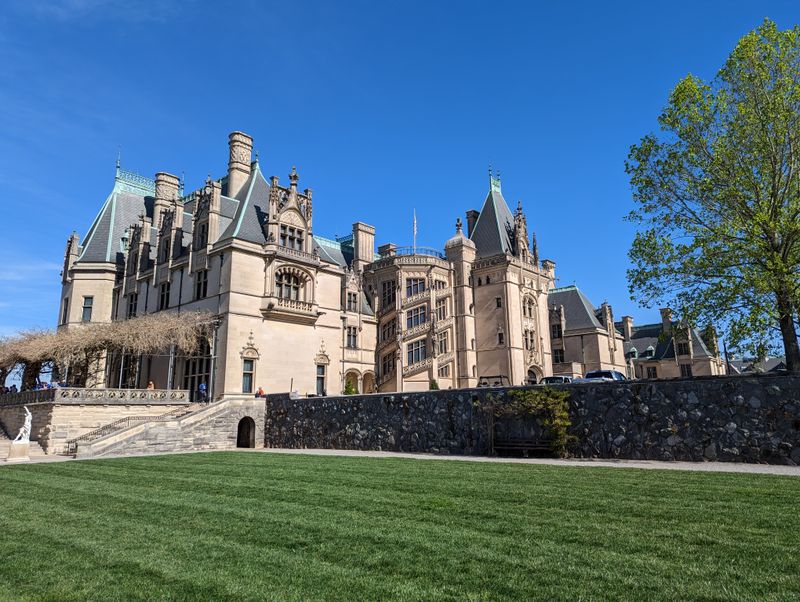
Richard Morris Hunt designed the mansion in the Châteauesque style, blending French Renaissance and Gothic elements. The roofline alone is a masterpiece, with steep pitched roofs, ornate chimneys, and decorative stonework that catches the eye from every angle.
Hunt had designed homes for several Vanderbilt family members, but Biltmore became his crowning achievement. Construction began in 1889 and took six years to complete, requiring hundreds of workers and craftsmen.
Stonemasons, woodcarvers, and artisans were brought from Europe to ensure authentic details. The building materials came from various sources—limestone from Indiana, marble from Italy, and oak from the estate’s own forests.
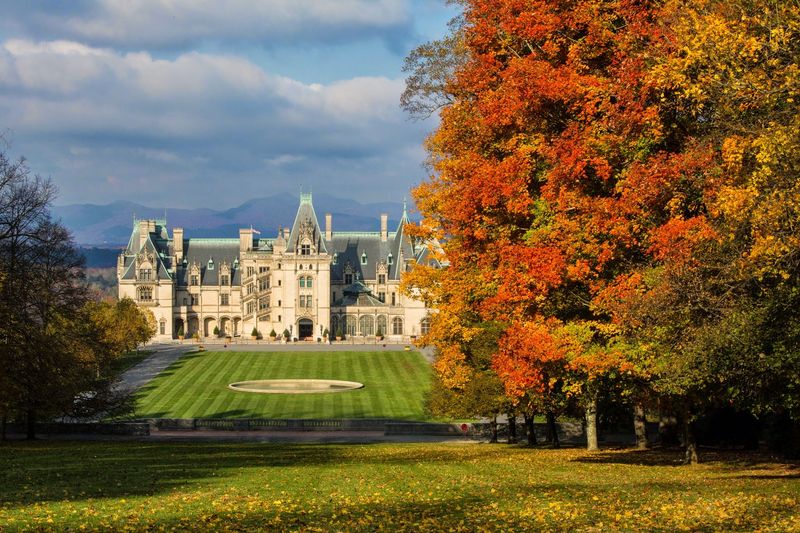
The mansion’s exterior features change with the seasons and lighting, revealing new details throughout the day. From the grand porte-cochère entrance to the intricately carved stonework around windows and doorways, every element showcases the exceptional craftsmanship of the era.
250 Rooms of Opulence
Counting all the rooms in Biltmore could take you a while—there are 250 of them spread across 175,000 square feet. That’s roughly four acres of living space, including 35 bedrooms, 43 bathrooms, and 65 fireplaces to keep everyone toasty during mountain winters.
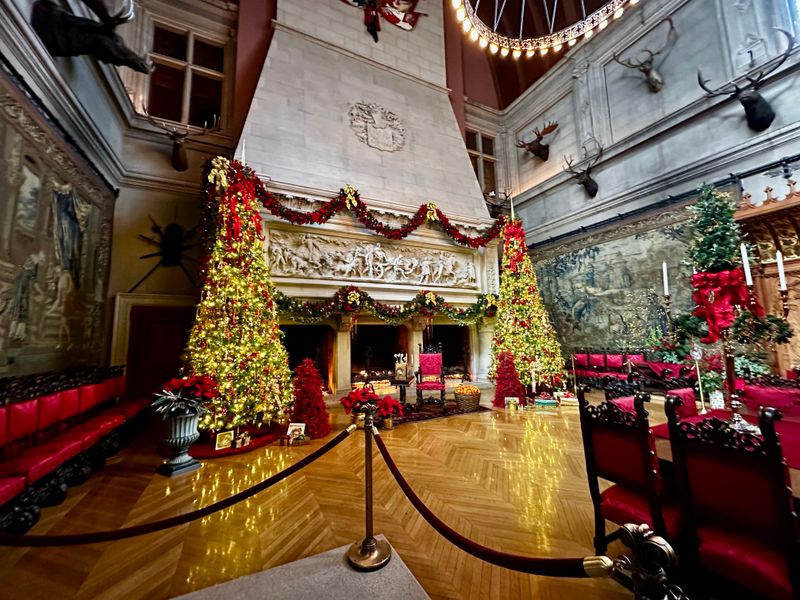
The Banquet Hall stands as one of the most impressive spaces, with a 70-foot-high barrel-vaulted ceiling and a massive triple fireplace. Medieval tapestries hang on the walls, and the room can comfortably seat dozens of guests for elaborate dinner parties.
George’s collection of European antiques and artwork fills nearly every room, creating a museum-like atmosphere. The Library houses George’s impressive book collection across two stories, with a painted ceiling and a secret passage hidden behind the fireplace.
The Billiard Room features Spanish leather wall coverings and elaborate woodwork, while the Music Room showcases intricate plasterwork and paintings. Even the basement level impresses with its recreational spaces, including an indoor swimming pool with underwater lighting, a bowling alley, and a gymnasium.
The kitchens and service areas reveal the complex operations required to maintain such a grand estate. Modern conveniences for the era included electricity, central heating, and indoor plumbing throughout.
Frederick Law Olmsted’s Garden Paradise
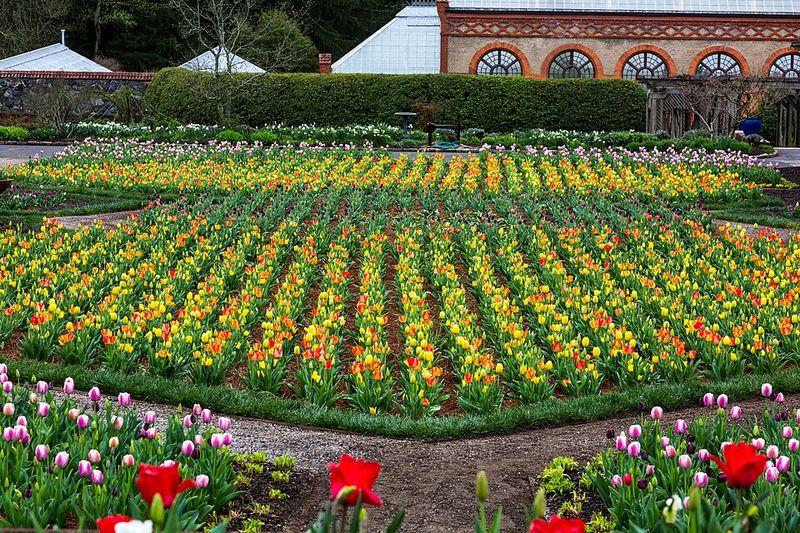
Frederick Law Olmsted, who designed New York’s Central Park, called the Biltmore gardens his proudest achievement—and that’s saying something. The legendary landscape architect transformed thousands of acres into a carefully planned paradise that blends formal European gardens with natural Appalachian beauty.
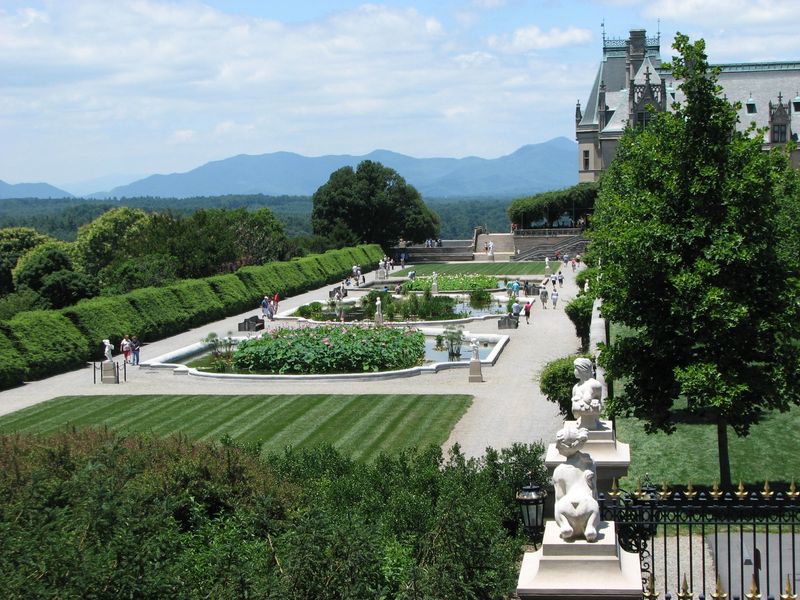
The Italian Garden features three formal pools surrounded by annual flowers that change with the seasons. Pergolas covered with climbing roses frame the space, while classical statuary adds elegant focal points.
The Walled Garden spans four acres, originally designed to provide fresh flowers, fruits, and vegetables for the estate. Olmsted’s approach went beyond pretty flowerbeds.
He created a managed forest, planted thousands of trees, and established agricultural operations that made the estate largely self-sufficient. His vision included sustainable practices that were revolutionary for the time, demonstrating that grand estates could coexist with environmental stewardship.
The Azalea Garden explodes with color each spring, featuring native and hybrid varieties that Olmsted’s successor, Chauncey Beadle, continued developing. The Conservatory houses tropical plants year-round, while the Bass Pond reflects the mansion’s image like a natural mirror.
Walking these grounds reveals new perspectives and hidden corners, making multiple visits worthwhile.
The Grand Banquet Hall Experience
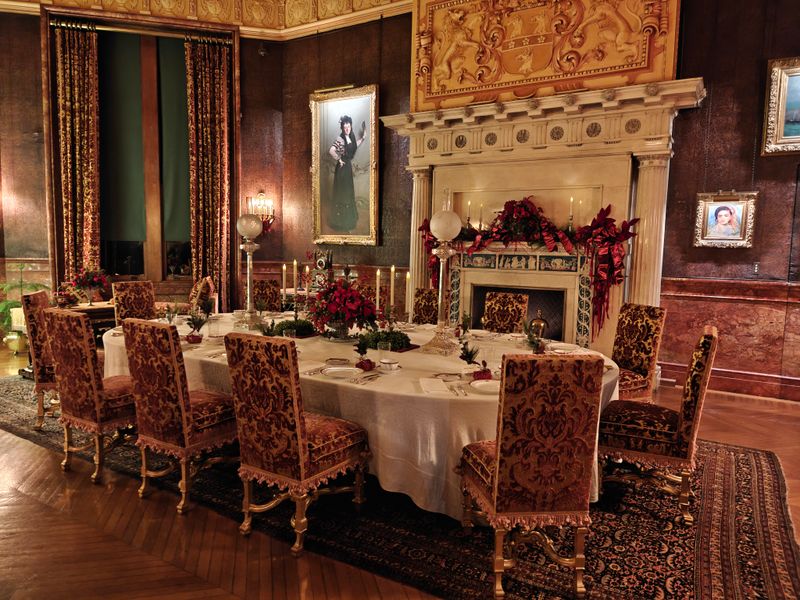
Standing in the Banquet Hall feels like entering a medieval castle where knights might appear at any moment. The soaring 70-foot ceiling creates an almost cathedral-like atmosphere, while the massive triple fireplace could easily fit several people inside its opening.
Five Flemish tapestries from the 1500s hang along the walls, depicting scenes from classical mythology. George purchased these priceless textiles during his European travels, and they’ve remained in the room for over a century.
The organ pipes at one end of the hall still work, occasionally filling the space with music during special events. The dining table can extend to seat 64 guests, though George typically hosted more intimate gatherings.
Flags representing various nations hang from the ceiling, adding splashes of color against the stone walls. The room’s acoustics are remarkable—whispers at one end can sometimes be heard clearly at the other.
Christmas transforms the Banquet Hall into something magical, with a massive tree reaching toward the ceiling and garlands adorning every surface. The fireplace blazes with logs the size of small trees, just as it did during George’s time.
This room embodies the grand entertaining style of the Gilded Age better than perhaps any other space in America.
The Library’s Literary Treasures
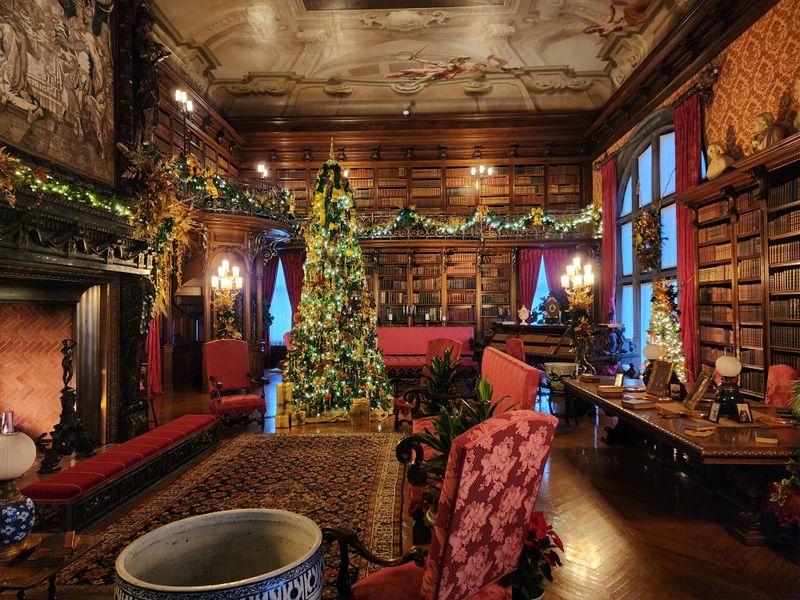
Book lovers might never want to leave the Biltmore Library, where roughly 10,000 volumes still line the walls in their original arrangement. George Vanderbilt was a serious reader who spoke eight languages, and his collection reflects his diverse interests in literature, art, history, and science.
The two-story space features a painted ceiling by Giovanni Antonio Pellegrini, an 18th-century Venetian artist. A black walnut spiral staircase provides access to the upper level, while comfortable seating areas invite visitors to imagine settling in with a good book.
The fireplace conceals a hidden door leading to the guest wing, adding an element of mystery. Many books bear George’s personal bookplate and annotations in the margins, offering glimpses into his thoughts and interests.
First editions, rare volumes, and beautifully bound sets represent centuries of literary achievement. The collection includes works in multiple languages, reflecting George’s international education and cultural sophistication.
The room’s warmth comes not just from the fireplace but from the rich wood paneling and leather furniture. Natural light filters through tall windows, perfect for reading on lazy afternoons.
This wasn’t just a showpiece—George actually used this library regularly, making it a true working collection rather than mere decoration.
The Indoor Pool and Leisure Spaces
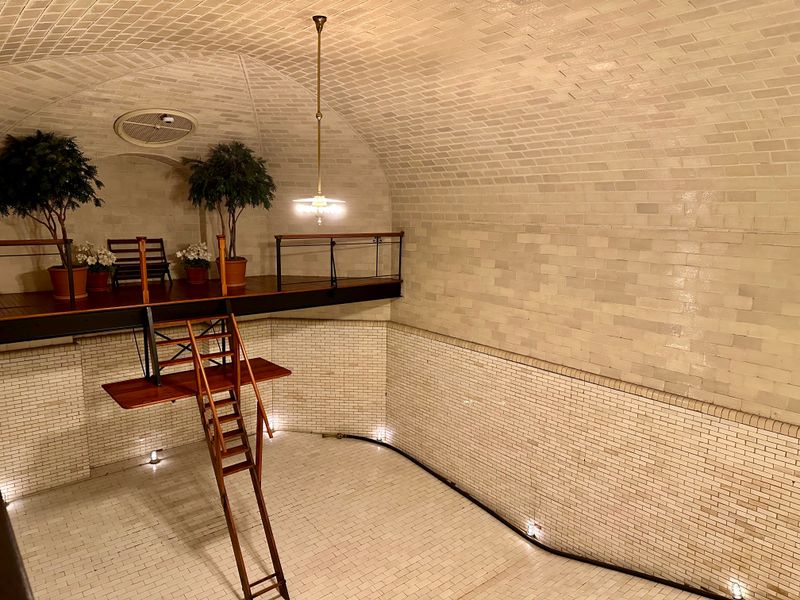
Having an indoor swimming pool in the 1890s was like having a spaceship in your garage today—absolutely mind-blowing. The Biltmore’s basement pool features underwater lighting, a revolutionary technology at the time, creating an ethereal glow that must have amazed George’s guests.
The pool measures 70 feet long and sits in a room lined with beautiful tile work. Changing rooms and showers adjoin the space, all equipped with modern plumbing that was cutting-edge for the era.
The lighting system could be adjusted to create different moods, from bright and energizing to soft and relaxing. Beyond the pool, the basement level includes a bowling alley where George and his guests enjoyed friendly competitions.
The gymnasium featured exercise equipment popular during the Gilded Age, including rowing machines and weight sets. These recreational facilities show that the Vanderbilts valued health and fitness alongside luxury.
The Halloween Room, also in the basement, served as a casual gathering space with a more relaxed atmosphere than the formal rooms upstairs. Its name comes from the parties George hosted there, though the room saw use year-round.
These lower-level spaces reveal a more playful side of estate life, where guests could unwind away from the mansion’s formal grandeur.
The Estate’s Working Winery
America’s most-visited winery sits right on the Biltmore grounds, producing award-winning wines that George Vanderbilt himself would appreciate. The winery opened in 1985, but the estate’s wine-making tradition dates back to George’s time when French winemaker Paul Pezant tended the original vineyards.
The production facility occupies the estate’s former dairy barn, a beautiful building that’s been adapted for modern wine-making while maintaining its historic character. Visitors can tour the production areas, seeing stainless steel tanks and oak barrels where wines age to perfection.
The process combines traditional techniques with contemporary technology. Biltmore produces numerous varieties, from crisp whites to robust reds, using grapes grown both on-site and from partner vineyards.
The tasting room offers samples of current releases, limited editions, and special reserves. Knowledgeable staff guide visitors through the tasting experience, explaining each wine’s characteristics and food pairings.
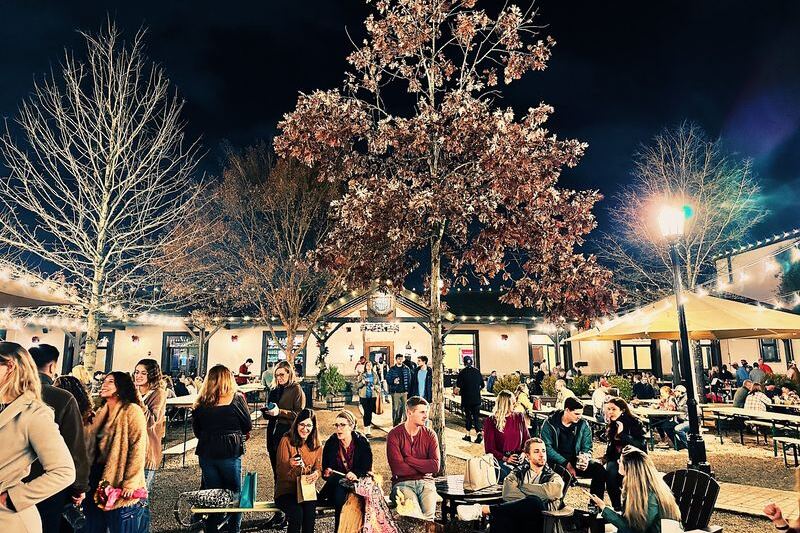
The winery’s outdoor spaces include a terrace overlooking the vineyards, perfect for enjoying a glass while taking in mountain views. Special events, concerts, and seasonal celebrations draw crowds throughout the year.
Wine club members receive exclusive releases and invitations to members-only events, creating a community of Biltmore wine enthusiasts.
Seasonal Celebrations and Events
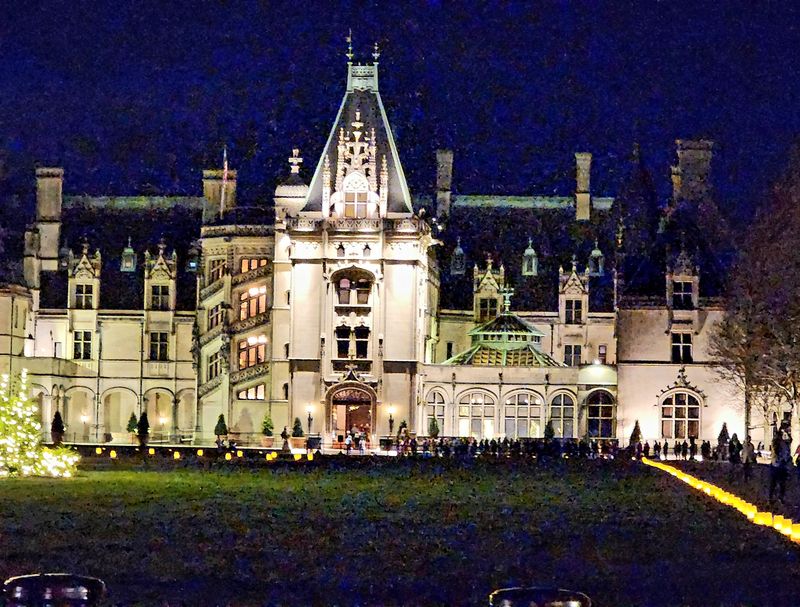
Christmas at Biltmore has become legendary, transforming the mansion into a holiday wonderland that attracts visitors from around the globe. Dozens of decorated trees, miles of garland, and thousands of lights create scenes straight from a Victorian Christmas card, making it one of America’s premier holiday destinations.
The decorating process takes weeks and involves a dedicated team of designers who create unique themes for different rooms. Fresh flowers, ribbons, ornaments, and natural materials adorn every space.
The Banquet Hall’s tree alone requires special equipment to install and decorate, towering toward the ceiling in spectacular fashion. Spring brings the Biltmore Blooms celebration when thousands of tulips burst into color across the gardens.
Summer offers outdoor concerts on the lawn, while fall showcases the estate’s vineyards during harvest season. Each season provides different reasons to visit, with special activities and tours highlighting seasonal themes.
Candlelight tours during the holidays create an intimate atmosphere, showing the mansion as George’s guests might have experienced it. Wine tastings, garden walks, outdoor adventures, and special exhibitions rotate throughout the year.
The estate also hosts private events, from weddings to corporate gatherings, allowing people to create their own memories in this historic setting.
Antler Hill Village and Farm
Antler Hill Village brings the estate’s agricultural heritage to life with hands-on experiences that city kids and adults alike find fascinating. The working farm showcases heritage breed animals, from chickens and goats to horses and sheep, demonstrating the self-sufficient operations that George Vanderbilt established.
The centerpiece barn houses interactive exhibits about the estate’s history, including displays about George Vanderbilt’s vision and the property’s evolution over 130 years. Visitors can watch blacksmiths at work, learn about traditional farming techniques, and participate in seasonal activities like corn shucking or pumpkin picking.
The village includes shops featuring Biltmore-made products, from jams and jellies to handcrafted items. The Creamery serves ice cream made on-site, while the Smokehouse offers barbecue and Southern specialties.
These aren’t just tourist traps—the food quality lives up to the estate’s high standards. Kids especially love the farmyard area where they can pet friendly animals and learn about farm life.
Educational programs teach about sustainable agriculture, animal care, and environmental stewardship. The village also serves as a starting point for various estate tours and outdoor adventures, making it a hub of activity beyond the mansion itself.
Outdoor Adventures on the Grounds
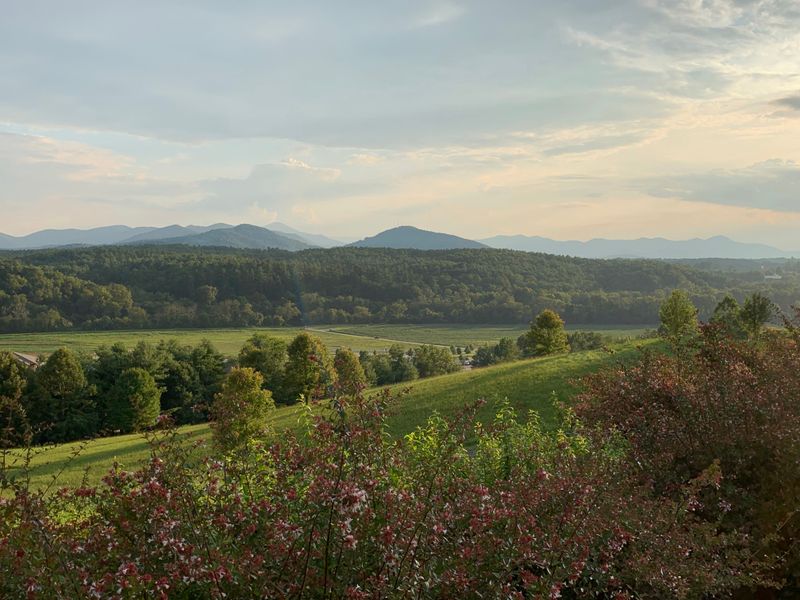
Adventure seekers find plenty to do beyond touring the mansion, with activities ranging from gentle bike rides to heart-pumping zip line tours. The estate’s 8,000 acres offer diverse landscapes perfect for outdoor exploration, from riverside trails to mountain vistas.
The Lagoon provides opportunities for kayaking, canoeing, and stand-up paddleboarding on calm waters surrounded by natural beauty. Guided float trips teach about the estate’s ecology and history while offering peaceful time on the water.
Fishing is also available for those seeking a more contemplative outdoor experience. The estate maintains miles of hiking and biking trails through forests and meadows, with options for different skill levels.
Bike rentals are available, including electric-assist bikes for those who want help tackling hills. The trails connect various points of interest across the property, rewarding riders with scenic overlooks and quiet natural spaces.
For adrenaline junkies, the zip line canopy tour soars through the treetops, offering bird’s-eye views of the estate. The adventure includes multiple zip lines, sky bridges, and platforms high above the forest floor.
Horseback riding through estate trails provides yet another way to experience the landscape, channeling the Vanderbilts’ own love of equestrian pursuits.
The Estate’s Dining Experiences
Eating at Biltmore means experiencing cuisine that matches the estate’s elegance, from casual bites to fine dining that would impress the Vanderbilts themselves. Multiple restaurants and cafes across the property offer everything from quick lunches to elaborate multi-course meals.
The Dining Room at the Inn on Biltmore Estate provides the most refined experience, with seasonal menus showcasing local ingredients and expertly paired wines. Floor-to-ceiling windows overlook the estate, creating a stunning backdrop for memorable meals.
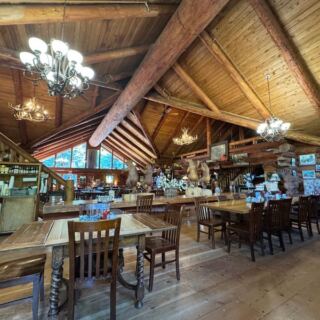
The service and presentation reflect the property’s commitment to excellence in every detail. More casual options include the Stable Cafe, housed in the estate’s former horse barn, serving soups, sandwiches, and salads perfect for lunch between tours.
The Bistro offers farmhouse-inspired dishes in a relaxed atmosphere, while the Creamery dishes up house-made ice cream in creative flavors. Many menu items incorporate ingredients from the estate’s gardens and local farms, continuing George Vanderbilt’s vision of self-sufficiency.
The bread comes from the estate’s bakery, wines from Biltmore’s winery, and seasonal produce from regional growers. This farm-to-table approach isn’t trendy marketing—it’s how the estate has operated for over a century, just with modern culinary techniques and updated recipes.
The Inn and Village Hotel
Spending the night on the Biltmore Estate elevates the experience from day trip to immersive getaway, and the property offers two distinct lodging options. The Inn on Biltmore Estate provides five-star luxury with 213 guest rooms, while the Village Hotel at Antler Hill offers a more casual atmosphere with 209 rooms.
The Inn sits on a hill overlooking the estate and French Broad River, with rooms featuring elegant decor that honors the property’s heritage while providing modern amenities. Many rooms include balconies or patios with stunning views.
The property’s spa offers treatments using products inspired by the estate’s gardens and natural surroundings. Staying overnight grants special perks, including early estate access before day visitors arrive and complimentary wine tastings.
Guests can explore the mansion without crowds, stroll the gardens in morning light, and enjoy evening activities not available to day guests. The experience provides a taste of how Vanderbilt guests might have felt during extended visits.
The Village Hotel offers a more relaxed vibe near Antler Hill Village, perfect for families or those seeking comfortable accommodations without formal luxury. Both properties maintain high standards for service, cleanliness, and guest satisfaction.
Booking a stay transforms Biltmore from an attraction into a destination.
Conservation and Forestry Legacy
George Vanderbilt’s commitment to conservation helped birth American forestry as a profession, making Biltmore more than just a pretty estate. He hired Gifford Pinchot, who later became the first chief of the U.S.
Forest Service, to manage the property’s forests using scientific principles. Pinchot implemented selective cutting, replanting programs, and sustainable harvesting practices that were revolutionary in the 1890s.
His work at Biltmore demonstrated that forests could be managed for both profit and preservation. Carl Schenck later established the Biltmore Forest School, America’s first forestry school, on the estate grounds.
In 1914, Edith Vanderbilt sold approximately 87,000 acres of estate land to the federal government, forming the nucleus of Pisgah National Forest. This generous act preserved vast wilderness areas for public enjoyment while honoring George’s conservation vision.
The remaining estate still practices sustainable forestry on thousands of acres. Today’s visitors can learn about these conservation efforts through interpretive programs and exhibits.
The estate continues managing its forests responsibly, harvesting timber while maintaining ecosystem health. This legacy influenced national conservation policy and demonstrated that private landowners could be environmental stewards, a radical concept during the Gilded Age’s exploitation-focused era.
Planning Your Visit
Making the most of your Biltmore visit requires some planning since there’s far too much to see in just a few hours. The estate opens daily at 9 AM and closes at 5 PM, with tickets required for admission and available online or at the entrance.
Purchasing tickets in advance is strongly recommended, especially during peak seasons like spring bloom time, fall foliage, and the Christmas holidays. Various ticket options include mansion tours, gardens access, and special experiences like behind-the-scenes tours or wine tastings.
Multi-day passes make sense if you want to explore everything thoroughly. Comfortable walking shoes are essential—the mansion tour alone involves stairs and considerable walking, while exploring the gardens and grounds adds miles.
The weather in Asheville can change quickly, so layers and rain gear are smart choices. Cameras are welcome throughout most areas, though flash photography isn’t allowed inside the mansion.
Plan to spend at least four to six hours for a basic visit, though a full day or multiple days let you truly appreciate everything. Arriving early helps beat crowds and provides better lighting for photos.
The estate offers wheelchair accessibility and accommodations for visitors with disabilities. Check the website for current hours, special events, and any temporary closures before your visit.
Share this story