The Doomsday Glacier has a flair for drama, and the stakes could not be higher. Thwaites Glacier in West Antarctica is already nudging global sea levels upward, with scientists watching every creak and crack.
Now there is a radical idea on the table: a 150-meter-high underwater wall to slow the melt from below. Bold solution or climate Hail Mary, you deserve the full story before the tide decides for you.
Why Thwaites Earned Its Ominous Nickname
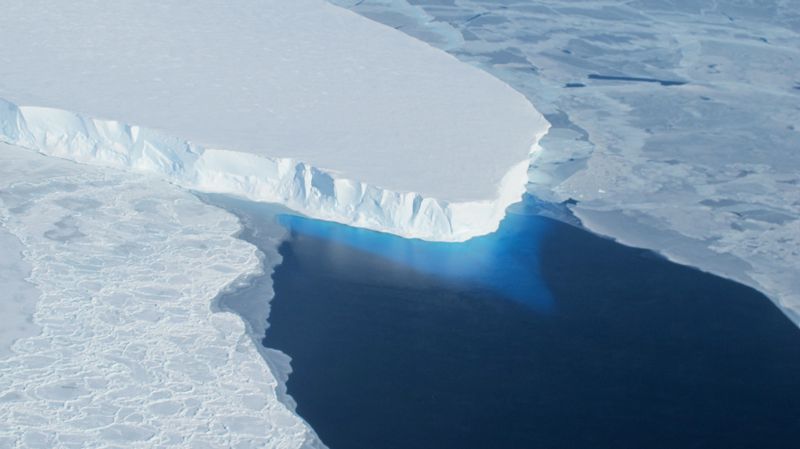
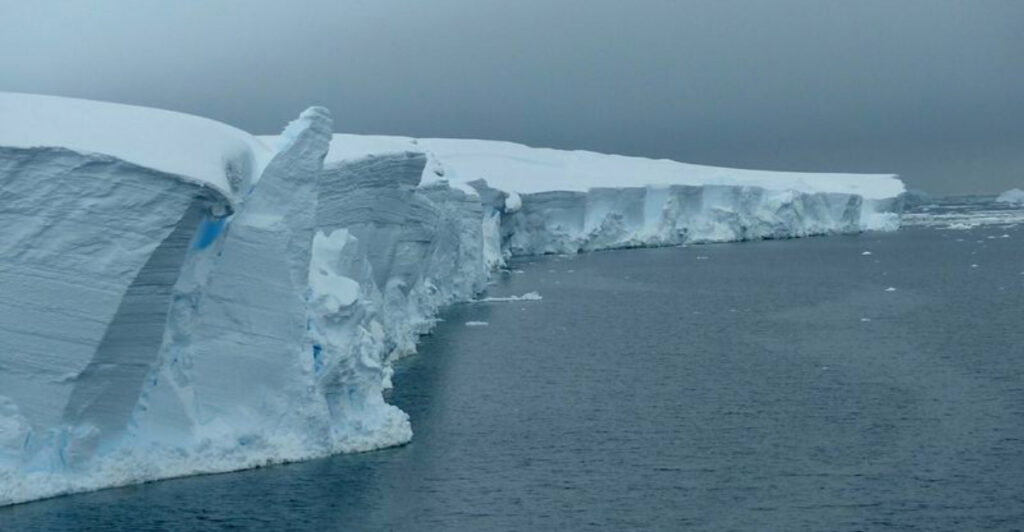
Cold air bites, but the numbers sting more. Thwaites Glacier sprawls across West Antarctica, a frozen giant whose reach rivals a nation.
Its ice acts like a gate, holding back neighboring glaciers and the broader West Antarctic Ice Sheet.
The nickname Doomsday is not hype so much as shorthand. If Thwaites retreats rapidly, it can unlock a cascade of ice loss, amplifying global sea-level rise.
I remember the first time I saw satellite imagery and felt my stomach drop like a rock.
Scientists track the cracking ice tongue and grounding line with relentless focus. The fear is not spectacle, it is momentum.
Once the balance tips, gravity and warm water do not negotiate.
How Much Sea-Level Rise Thwaites Drives Today
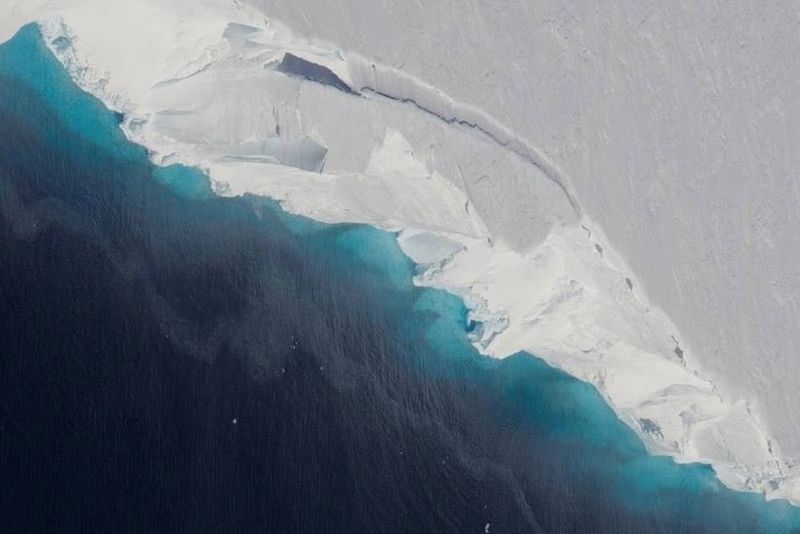
Here is the uncomfortable math: Thwaites accounts for roughly four percent of annual sea-level rise right now. That slice punches far above its weight when multiplied by coastlines.
A few millimeters per year sound gentle until water creeps into basements and marshes turn brackish.
Storm surges ride on a taller ocean, so nuisance flooding becomes weekly news. Saltwater pushes into wells and croplands that never asked for a sip.
You feel it not as panic, but as insurance premiums and closed roads.
When I visited a tidal gauge on a quiet pier, the chart did not shout. It whispered a steady climb that never took a day off.
Thwaites is already writing coastal diaries in wet ink.
If Thwaites Collapses Completely
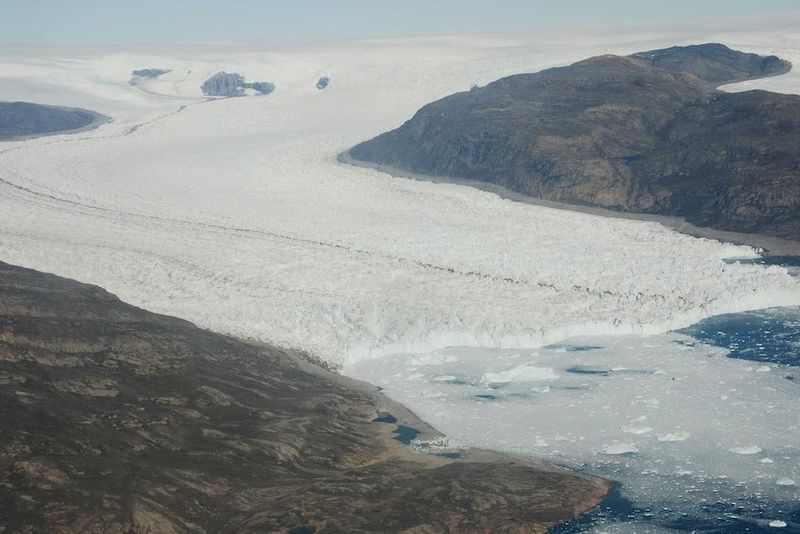
Imagine 65 centimeters of global sea-level rise locked into the calendar. That number translates into permanent inundation for parts of beloved cities.
It means sea walls where parks once sat and relocations that skip sentimentality.
Multiply one centimeter by roughly six million people newly exposed to flooding. Then keep counting.
The human math grows faster than any spreadsheet feels comfortable holding.
I have walked waterfronts with marks etched into brick, showing higher tides each year. The future is not a blockbuster wave, it is a swelling baseline.
Thwaites holds a lot of that water, and it is not sentimental.
Why Thwaites Melts From Below
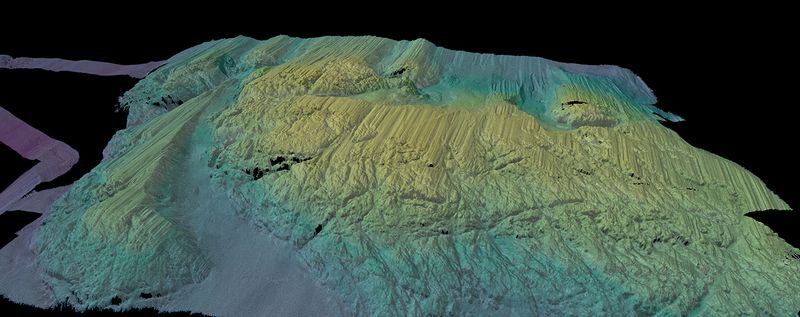
The plot twist happens underwater. Warm ocean water slips beneath the floating ice shelves and nibbles at the base.
Basal melting weakens the ice where it grips the seabed, encouraging faster slide toward the sea.
Atmospheric warming gets headlines, but ocean heat does the stealth work. Currents funnel warmer water into cavities that expand like secret rooms.
The more space, the more heat, the more melt.
I remember hearing the phrase grounding line retreat and realizing the hinge is literally moving. Once the contact point rolls back, resistance drops.
The glacier starts behaving like it got better skates.
Why Emissions Cuts May Not Be Enough
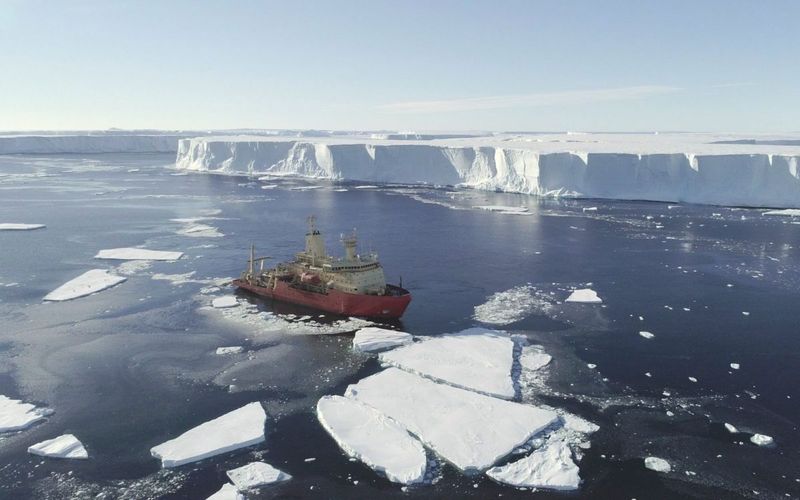
Cutting emissions is nonnegotiable. Still, some tipping points do not wait for policy cycles.
Thwaites might already be on a path where inertia carries it further than comfort allows.
Stabilizing temperatures helps, but it may not reverse the geometry of retreat once thresholds are crossed. Ice dynamics can be stubborn.
You cannot bargain with a grounding line.
When I realized this, mitigation and adaptation stopped feeling like rivals. They became teammates in sudden-death overtime.
The question is whether we move fast enough to matter.
The Seabed Curtain Concept
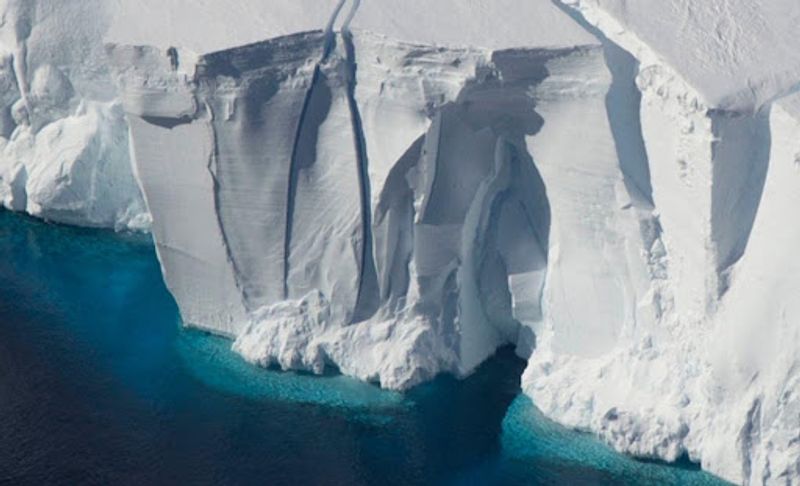
Enter the wild card: a submerged barrier anchored to the seafloor. Picture a curtain that blocks or diverts warm water from reaching the glacier’s underbelly.
It aims to cool the conversation where it matters most.
The goal is simple to say, hard to do. Reduce basal melt, stabilize the ice shelf, and slow the slide.
Do that, and you buy time for coastal planning and emissions work.
I am cautious but curious. This is not a silver bullet, more like a snow fence underwater.
If models line up with reality, the payoff could be meaningful.
Sizing Up a 500-Foot Wall
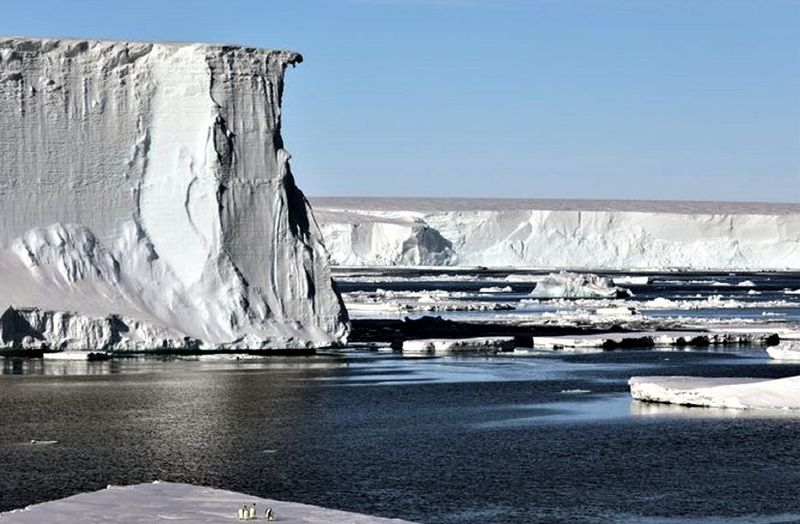
Scale makes eyebrows jump. A barrier roughly 152 meters tall and about 80 kilometers long would rank among the most ambitious marine structures ever conceived.
The setting is Antarctic harshness, not a friendly shipyard.
Building at that size means modular sections, rugged materials, and redundancy everywhere. Icebergs, currents, and storms do not grade on a curve.
Every joint must earn its keep.
I tried to picture the blueprint on a coffee shop napkin and ran out of napkin fast. Scope is the story here.
Ambition meets logistics in the coldest conference room on Earth.
Who Is Behind The Plan
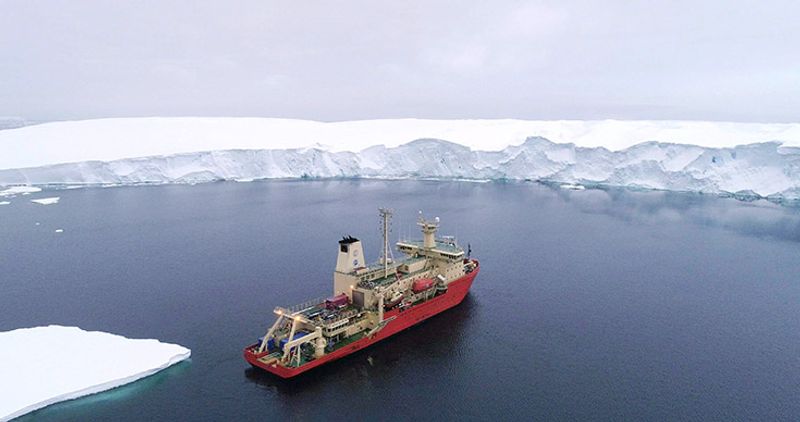
This is not a one-lab moonshot. The team spans universities and institutes known for ice, oceans, and engineering.
Names include Cambridge, Chicago, Alfred Wegener Institute, NYU, Dartmouth, NIVA, Aker Solutions, and the Arctic Centre.
That mix matters because glaciers demand cross-talk. Modelers, field teams, policy thinkers, and builders must share the same coffee pot.
Otherwise, errors slip through the cracks like meltwater.
I like when experts argue early and often. Better to wrestle with tough questions on deck than pretend the sea is smooth.
Collaboration is the only jacket warm enough out there.
How Construction Might Unfold
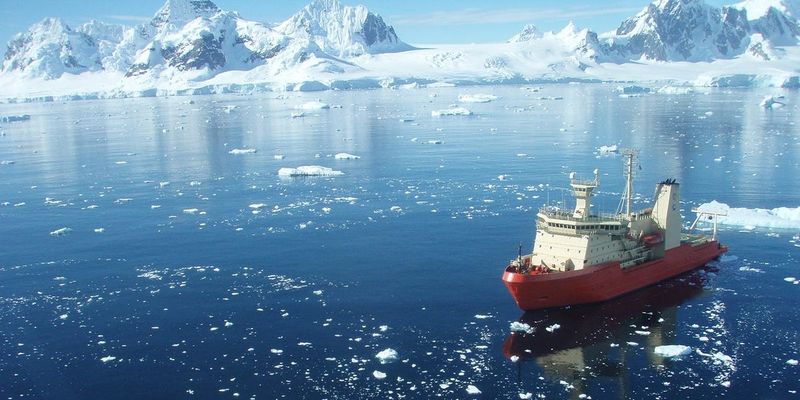
Plans start on screens, then earn their scars in the field. A three-year R and D phase would design anchors, choose hardy materials, and test prototypes that can shrug off Antarctic mood swings.
Models would simulate current flow around every panel.
Scaled trials in Norwegian fjords provide a dress rehearsal. Those valleys offer cold water, strong circulation, and manageable logistics.
If it fails there, it fails cheaply.
I have seen prototypes humble big egos. That is good science.
Better to learn with bolts and buoys than regret it under a calving front.
What The Price Tag Could Be
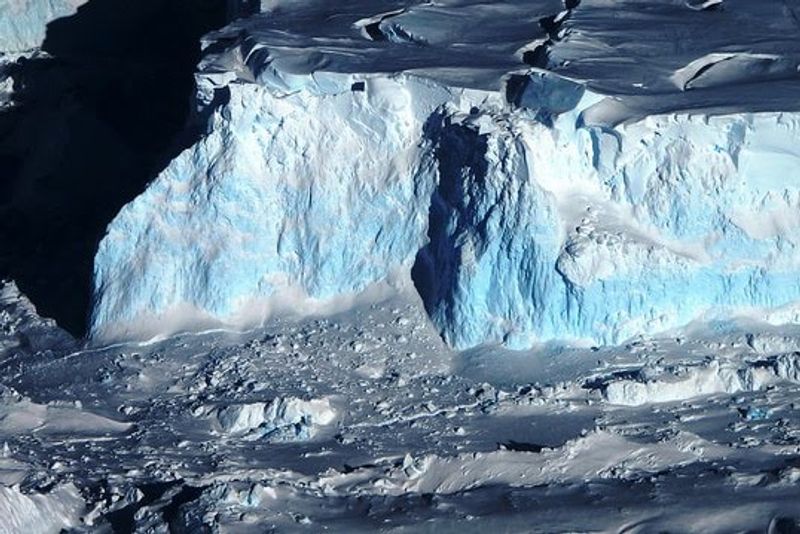
The opening ask is modest by megaproject standards: about €8.4 million for feasibility work. That covers design, modeling, and prototypes, not a single full-scale section.
The real bill would land in the tens of billions, maybe more.
Supporters say compare that to flood defenses and relocations worldwide. A wall that slows melt could save multiples of its cost.
Critics counter that budgets have a way of melting too.
When I balance the ledger, I add a line for time. If the barrier buys decades, coastal planners gain options.
Time is the most expensive commodity we keep pretending is free.
Ethical And Political Speed Bumps
Who gets to pull a lever this big. That question drives the ethics.
If a nation builds a barrier in Antarctic waters, the consequences ripple globally.
Voices from the Global South, Indigenous Arctic communities, and vulnerable coastal states deserve front-row seats. The team says it is listening.
Listening must translate into shared power, not polite minutes.
I trust process only when it bends toward consent and transparency. Climate decisions made in small rooms age poorly.
This one needs a stadium.
Why Skeptics Push Back
Doubt is healthy here. Ocean currents might slip around or under a barrier, blunting its effect.
Ecosystems could feel unintended pressure from altered flow and sediment paths.
There is also the moral hazard glare. A shiny project can distract from cutting emissions, which still does the heavy lifting.
Technology does not erase physics.
I keep a soft spot for skeptics because they save us from expensive mistakes. If the case survives their fire, it earns trust.
If not, better we learned now than later.
Drilling Into Thwaites For Answers
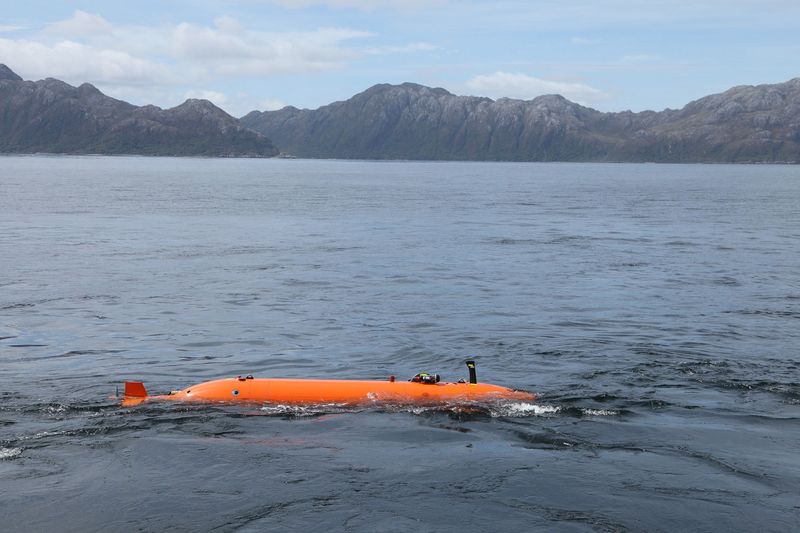
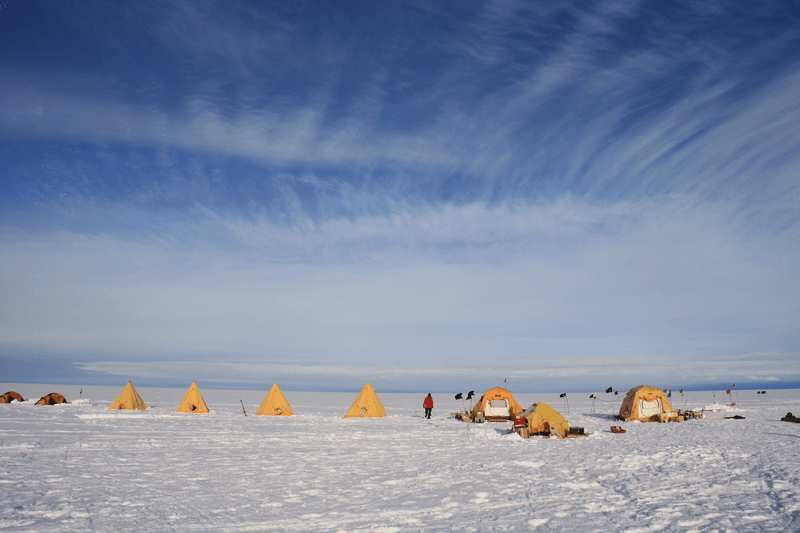
Nothing beats data from the source. A UK and South Korea team is drilling up to a kilometer into the ice at one of Thwaites’ most volatile sites.
They are threading sensors into the hidden underworld.
Hot-water drilling opens a narrow window for instruments that measure temperature, salinity, flow, and melt rates. The setup is rugged, the timeline tight.
Every hour counts before the hole refreezes.
I once watched a drill slurp through ice like a straw through a milkshake. The sound is unforgettable.
So is the feeling when the first data ping arrives via satellite.
Why These Measurements Matter
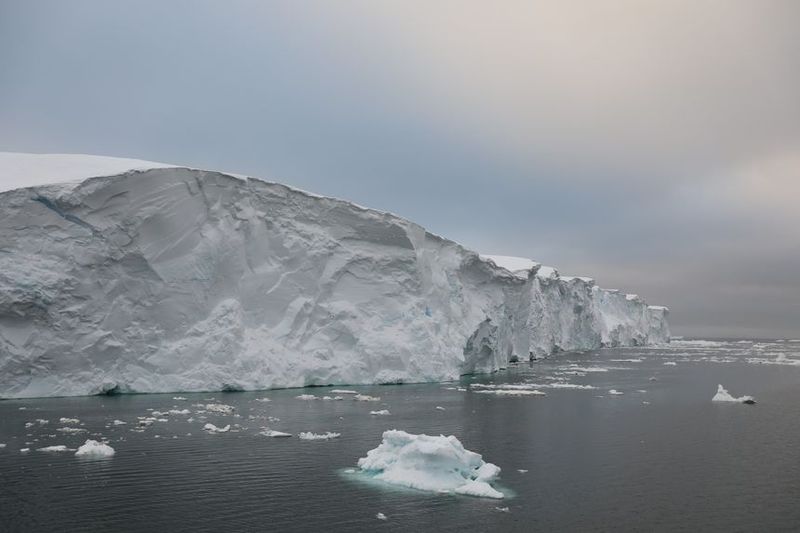
Real-time readings change the game. Instruments below the shelf track how warm water threads into cavities and how fast the ice base thins.
That turns guesses into parameters.
Daily Iridium transmissions feed models that forecast retreat and collapse odds. With better inputs, we stop flying blind.
Policy gets sharper when uncertainty shrinks.
I love when a squiggly line on a screen reframes a debate. One dataset can kill a myth or validate a plan.
This work might do both.
What Scientists Hope To Learn Next
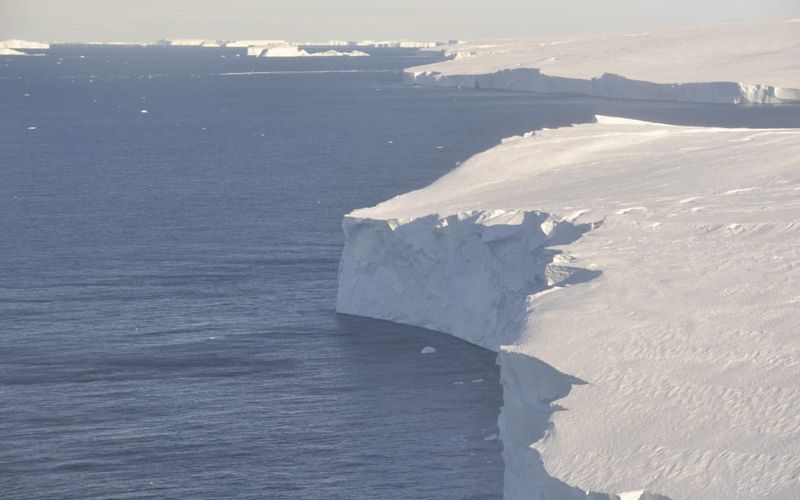
Three questions top the list. How exactly does warm water touch the glacier base.
How quickly does melting accelerate when channels widen. And can geometry changes be slowed by altering flow paths.
Peter Davis and colleagues want mechanisms, not headlines. With mechanisms, predictions tighten.
With predictions, interventions face a fair trial.
I am rooting for clarity more than optimism. If the numbers say hurry, we hurry.
If the wall would work, we should know before the decade gets old.
Is This Climate Triage Or Triumph
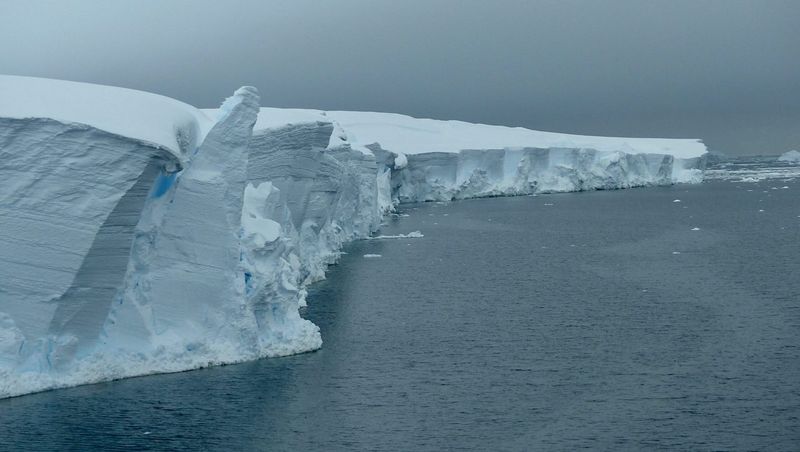
The wall idea feels like climate triage with steel nerves. It is not a cure, it is a pause button.
Pauses matter when cities and deltas need breathing room.
Adaptation, protection, and time-buying become pragmatic tools while mitigation grinds forward. That is the uncomfortable honesty of this era.
We do many things at once or we lose.
I carry both caution and hope in the same backpack. Bold does not mean reckless, and restraint is not surrender.
Thwaites forces us to grow up fast.
Share this story