Some TV characters were meant to be quick detours, not destinations. Yet somewhere between pilot rewrites and fan forums, they refused to leave the stage.
You watched their arcs deepen, their jokes land, and their chemistry reshape entire shows. Here are the ones who dodged the exit and turned near-goodbyes into TV legend.
1. Jesse Pinkman – Breaking Bad
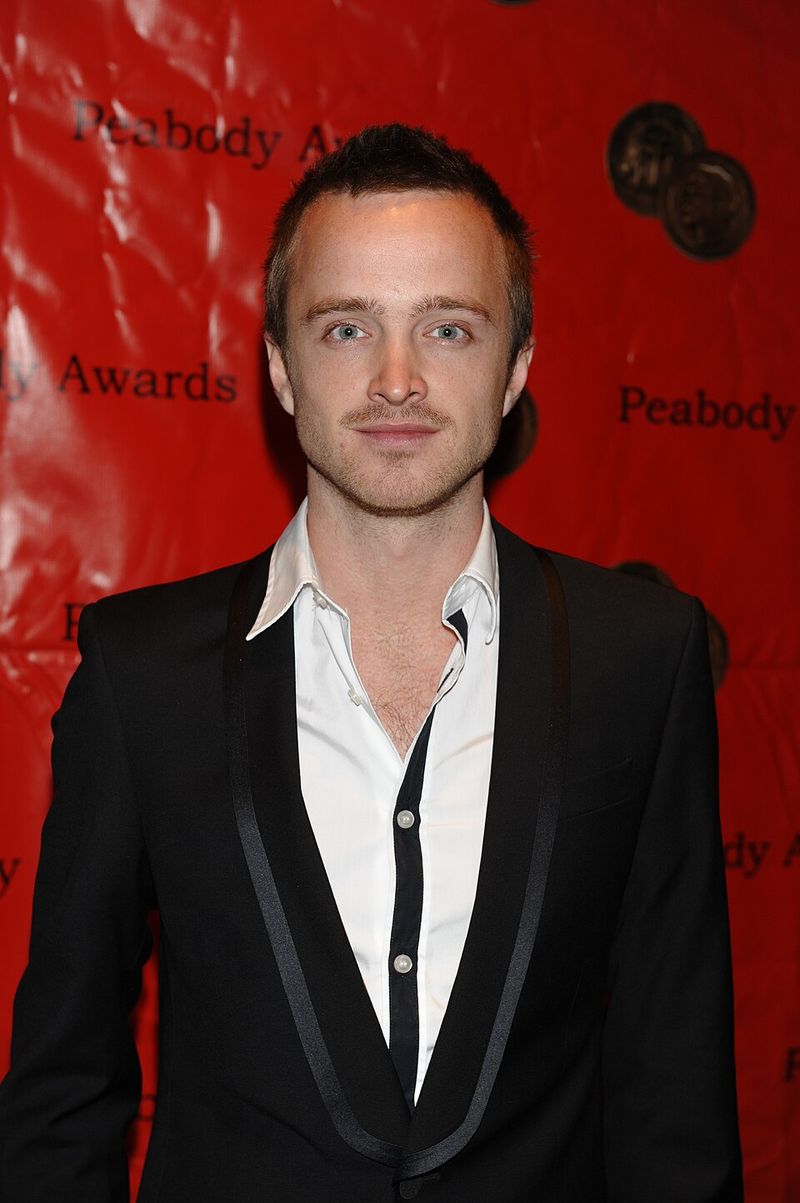
Jesse Pinkman was supposed to be a cautionary tale, not a co-lead. Early plans had him dying by the end of Season 1, a grim lesson for Walter White’s descent.
Then Aaron Paul’s performance hit like a thunderclap, giving Jesse vulnerability, humor, and raw humanity that reframed the show’s heart.
Vince Gilligan has said the writers simply could not lose what Paul brought. Ratings grew season over season, with Season 5 averaging more than 5 million live viewers, amplifying that bond.
You likely remember moments like the ATM incident, Jane’s tragedy, and “Yeah science” becoming meme lore.
Jesse turned into the audience’s conscience, a fragile compass swinging wildly under moral pressure. His unexpected survival opened space for “Felina” to deliver bittersweet catharsis.
Without Jesse, Breaking Bad risks nihilism. With him, it became a story about consequence, mercy, and the shards of a soul trying to survive.
2. Steve Harrington – Stranger Things
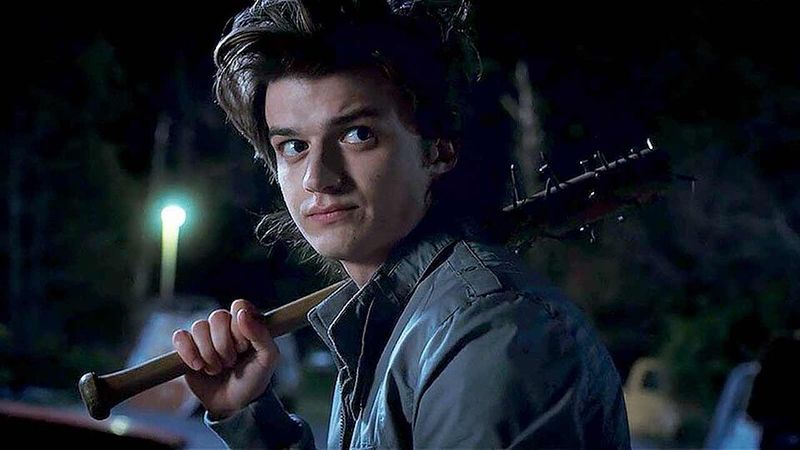
Steve Harrington showed up as the quintessential 80s jerk boyfriend, a hairsprayed obstacle for Nancy Wheeler. The Duffer Brothers originally planned to minimize him, maybe even write him out early.
Then Joe Keery started mixing swagger with surprising warmth, and the character pivoted into babysitter-in-chief.
By Season 2, Steve’s teamwork with Dustin redefined him as the show’s lovable protector. Interviews note the writers reworked arcs after seeing Keery’s chemistry pop.
Pop-culture metrics reflected the shift, with Steve-driven clips and memes surging on YouTube and TikTok during Season 3’s Scoops Ahoy era.
You could feel it: he became the town’s big brother, wielding that bat and good advice. The joke is he peaked in high school, but his growth says otherwise.
Keeping Steve meant keeping heart, humor, and the best hair in Hawkins. Sometimes a punchable face becomes your favorite hero.
3. Sawyer – Lost
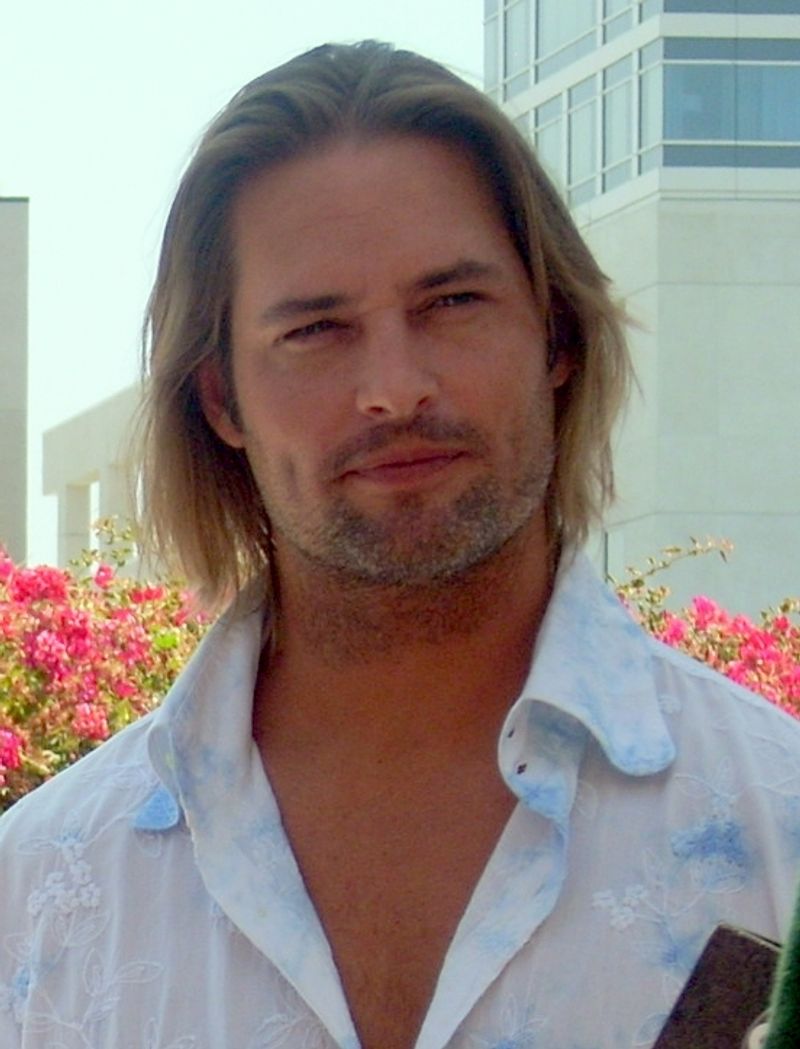
Sawyer began as a sunburned con man built to antagonize, not anchor. Early concepts sketched him as a short-term foil for Jack and Kate.
But Josh Holloway fed the role a drawl, a library of nicknames, and tragic weight that made the character impossible to shelve.
Lost thrived on ensemble alchemy, and Sawyer’s flashbacks delivered gold. His long game with Juliet and evolving respect for Jack shifted the show’s emotional axis.
ABC’s ratings stayed formidable across early seasons, buoyed by characters like Sawyer who could pivot from menace to tenderness.
You remember the glasses, the fish biscuits, the painful letter he carried from childhood. The writers leaned in, expanding his leadership in Dharma times and post-crash chaos.
He was proof that swagger can hide wounds worth healing. Cutting Sawyer would have cut one of the island’s deepest, most human mysteries.
4. Carol Peletier – The Walking Dead
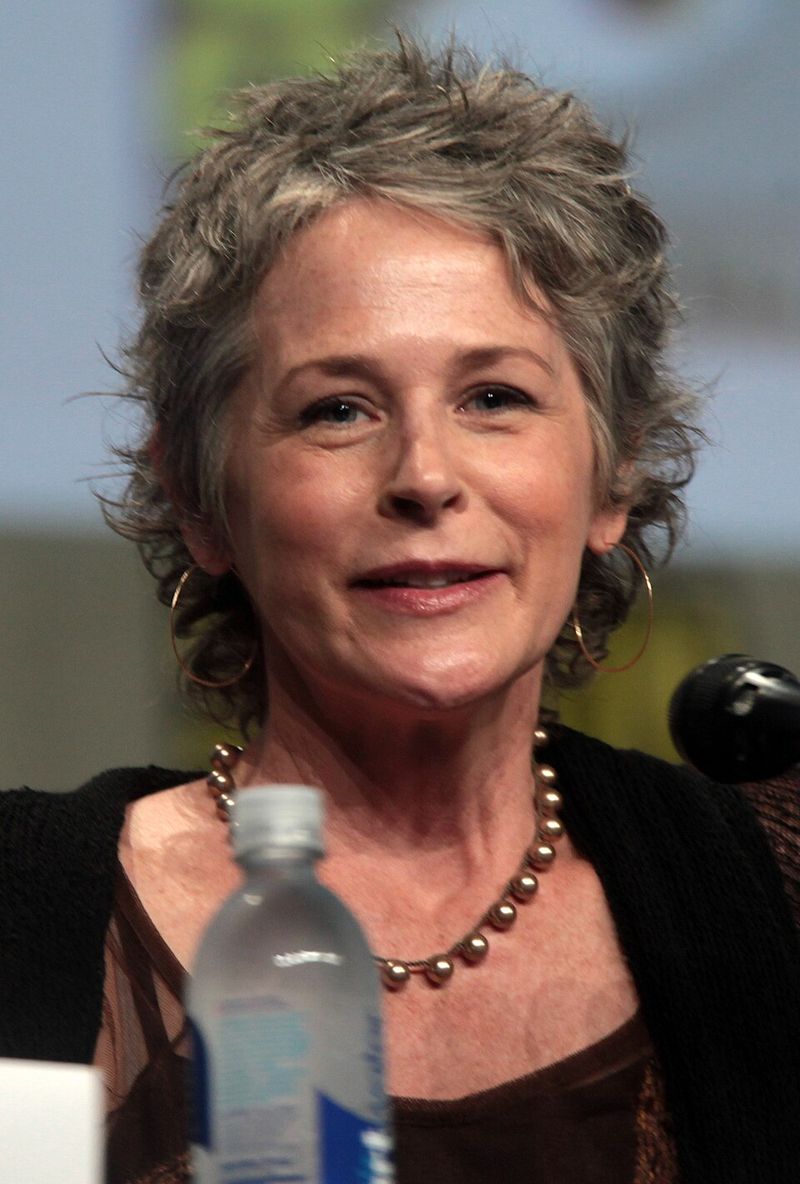
Carol Peletier started as a quiet survivor with a tragic home life, mirroring her comic counterpart who died much earlier. On TV, Melissa McBride transformed Carol into a study in resilience and strategic ferocity.
Writers extended her run as viewers connected with her painful choices and clear-eyed pragmatism.
Her arc from abused spouse to stealthy guardian delivered some of the show’s most searing episodes. Remember the “Look at the flowers” moment, a decision that still sparks debate.
Nielsen data placed The Walking Dead at over 17 million live viewers for its Season 5 premiere, and Carol-centric episodes regularly trended.
Keeping Carol added moral complexity to a world already drenched in gray. She made the hard calls others dodged, then paid for them in sleepless nights.
Removing her early would have dulled the show’s edge. Instead, Carol became its sharpest blade.
5. Daryl Dixon – The Walking Dead
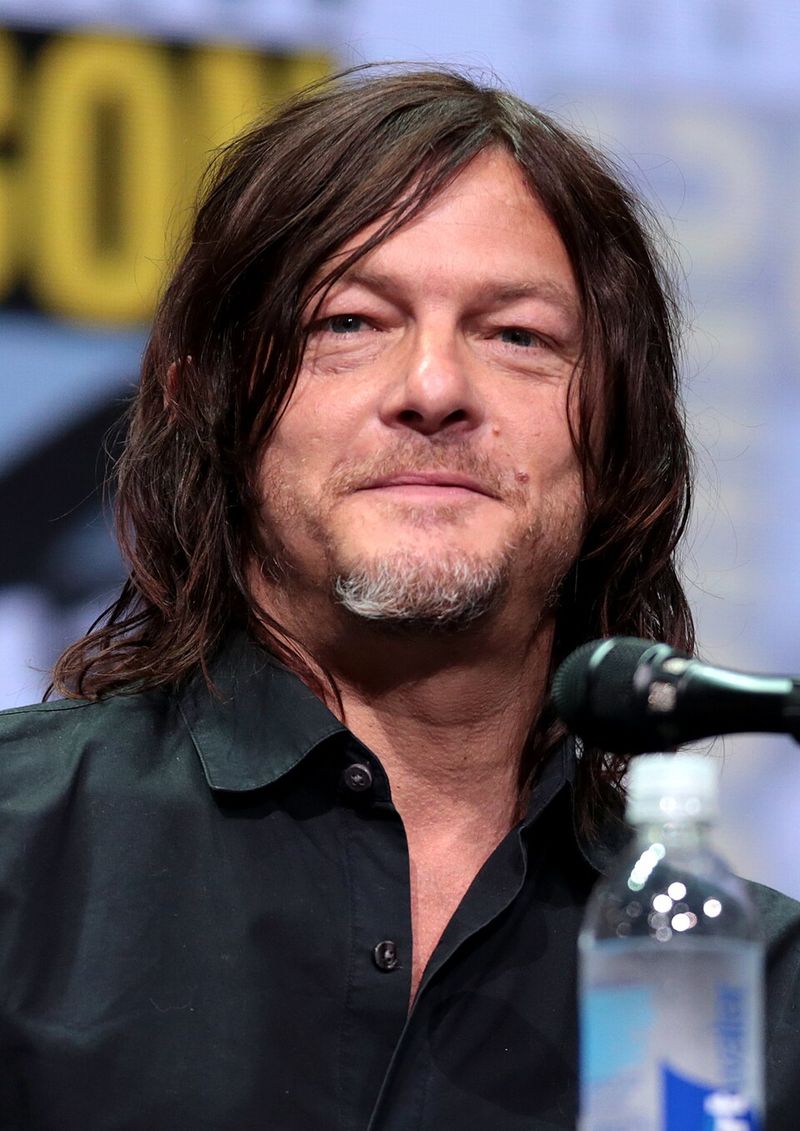
Daryl Dixon did not exist in the comics, which already marked him as expendable. Norman Reedus auditioned for Merle and impressed producers enough to invent Daryl.
What began as a volatile tracker evolved into the fandom’s beating heart and the show’s quiet compass.
His crossbow became iconography, and the phrase “If Daryl dies, we riot” rolled across social media. Merchandise sales and convention lines testified to his gravitational pull.
AMC leaned into it with expanded arcs and a spinoff, recognizing the character’s unmatched staying power.
You saw him grow from loner to loyal protector, a man finding family after the world ended. Cutting him early would have erased a crucial counterweight to Rick’s leadership.
Daryl’s survival proved audience passion can redraw a map overnight, turning a mayfly role into a franchise cornerstone.
6. Spike – Buffy the Vampire Slayer

Spike entered as a monster-of-the-week with swagger, a British punk vampire built for a fiery exit. The plan was simple: raise stakes, dust him quickly.
Instead, James Marsters delivered charisma so volatile that fans practically willed him into permanence.
Whedon’s team pivoted, layering in humor, pathos, and a complicated romance with Buffy. Spike became the rare antagonist who transforms without losing his bite.
Fandom metrics in the early 2000s were cruder, but magazine covers, message boards, and convention buzz told the story unmistakably.
You remember the chipped vampire arc, the soul quest, the final sunlight blaze. He turned “bad boy” into a theological debate about redemption.
Losing Spike early would have cost the show its most electric tension. Instead, he evolved into a tragic hero who could still make you laugh mid-apocalypse.
7. Fonzie – Happy Days
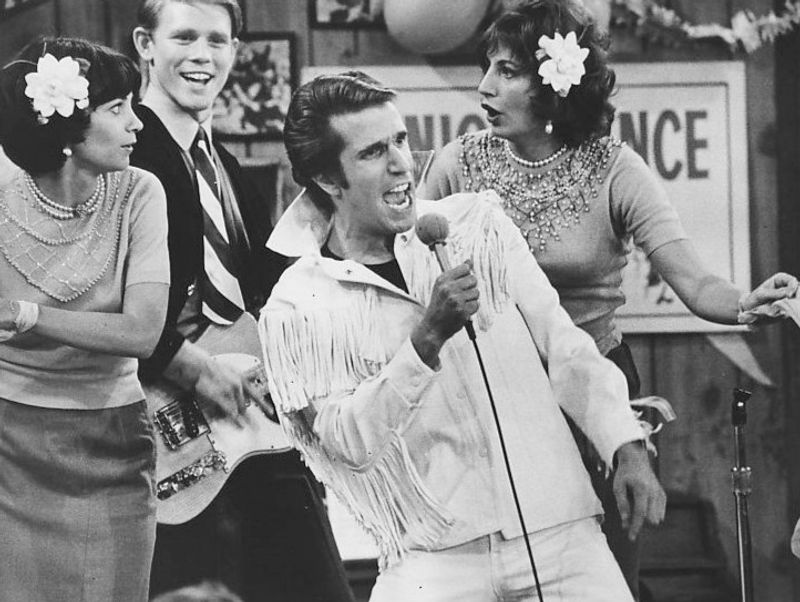
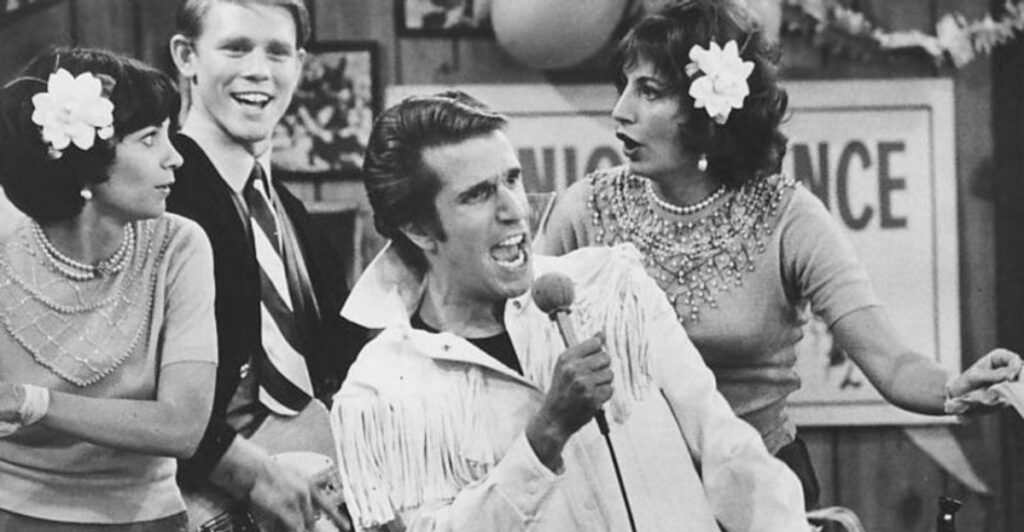
Arthur Fonzarelli was designed as a side garnish to wholesome 1950s nostalgia, not the main course. Then Henry Winkler’s effortless cool turned Fonzie into a cultural phenomenon.
Ratings reflected it as Happy Days climbed to number one in the mid-70s, powered by the man in the leather jacket.
The character’s catchphrases, the motorcycle, the gentle mentorship of Richie Cunningham all amplified his staying power. TV lore even gave us “jumping the shark,” a phrase born from a later Fonzie stunt.
Ironically, the show’s most iconic moment became a cautionary tale about excess.
You might remember family nights with the studio audience applause bursting at his entrance. He redefined the series from nostalgia sitcom to star vehicle.
Cutting the Fonz would have been like muting the jukebox. Instead, he became the beat the entire diner danced to.
8. Andy Dwyer – Parks and Recreation
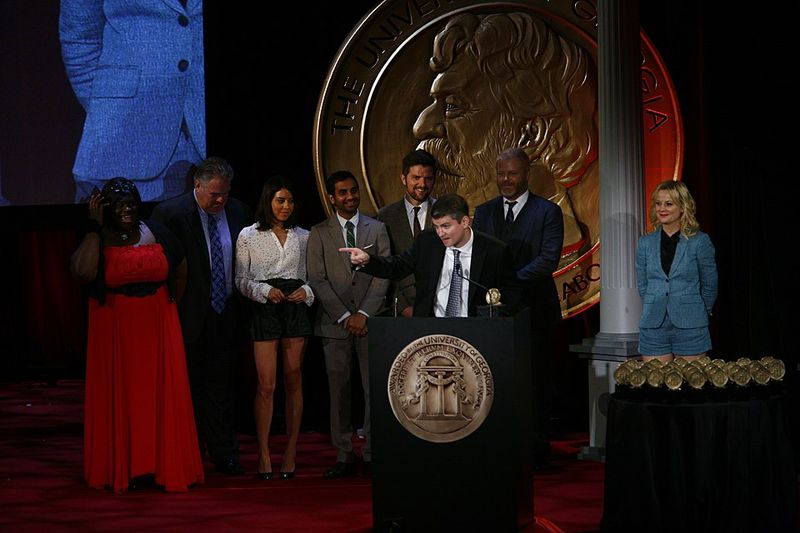
Andy Dwyer began as a Season 1 placeholder, Ann’s doofy boyfriend stuck in a pit. The plan was to let him go once the show found its rhythm.
Then Chris Pratt infused Andy with a golden-retriever charm that made every scene a serotonin booster.
Writers expanded him into shoe-shiner, Mouse Rat frontman, and earnest partner to April. As Parks and Rec evolved post Season 2, Andy’s positivity helped steer the show from snark to warmth.
Nielsen numbers were modest, but Netflix and streaming rewatch stats later elevated its cult status.
You probably quote “Burt Macklin, FBI” without thinking. Andy taught that competence is not the only path to value.
Cutting him early would have trimmed the show’s sweetest laughs. Instead, he grew into a goofy hero whose optimism felt like civic duty in Pawnee’s weird little world.
9. Luke and Laura – General Hospital
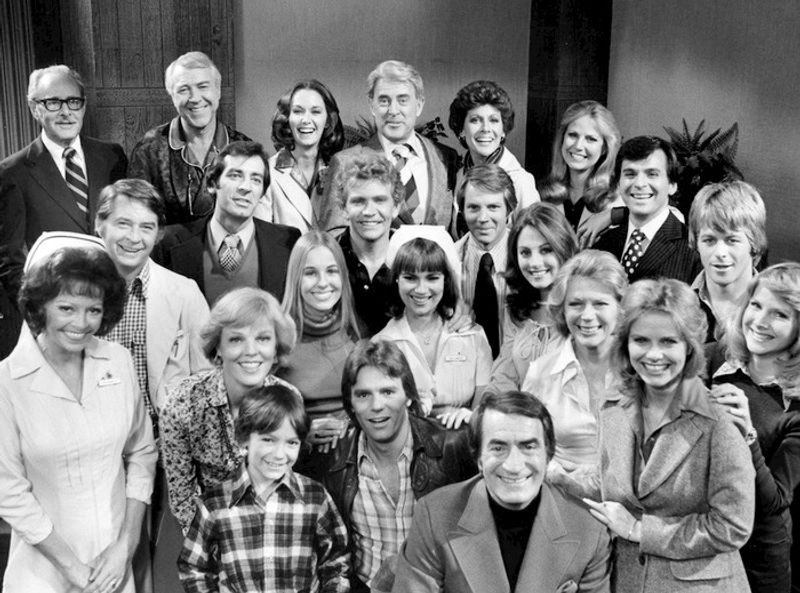
Luke Spencer was meant for a short 13-week stint, a summer storyline slated to fade. Then his chemistry with Laura ignited daytime TV.
Their saga revitalized ratings and culminated in a 1981 wedding watched by an estimated 30 million viewers, a daytime landmark.
What began as a limited arc snowballed into years of cliffhangers, kidnappings, and reconciliations. The characters became shorthand for soap opera spectacle and longevity.
Producers followed the audience, stretching timelines because the crowd would not look away.
You might not watch soaps, but you know the names. Cutting Luke early would have erased one of TV’s most famous romances.
Keeping Luke and Laura proved daytime could command national attention. In a medium built on tomorrow, they made history feel urgent in the afternoon.
10. Sheldon Cooper – The Big Bang Theory
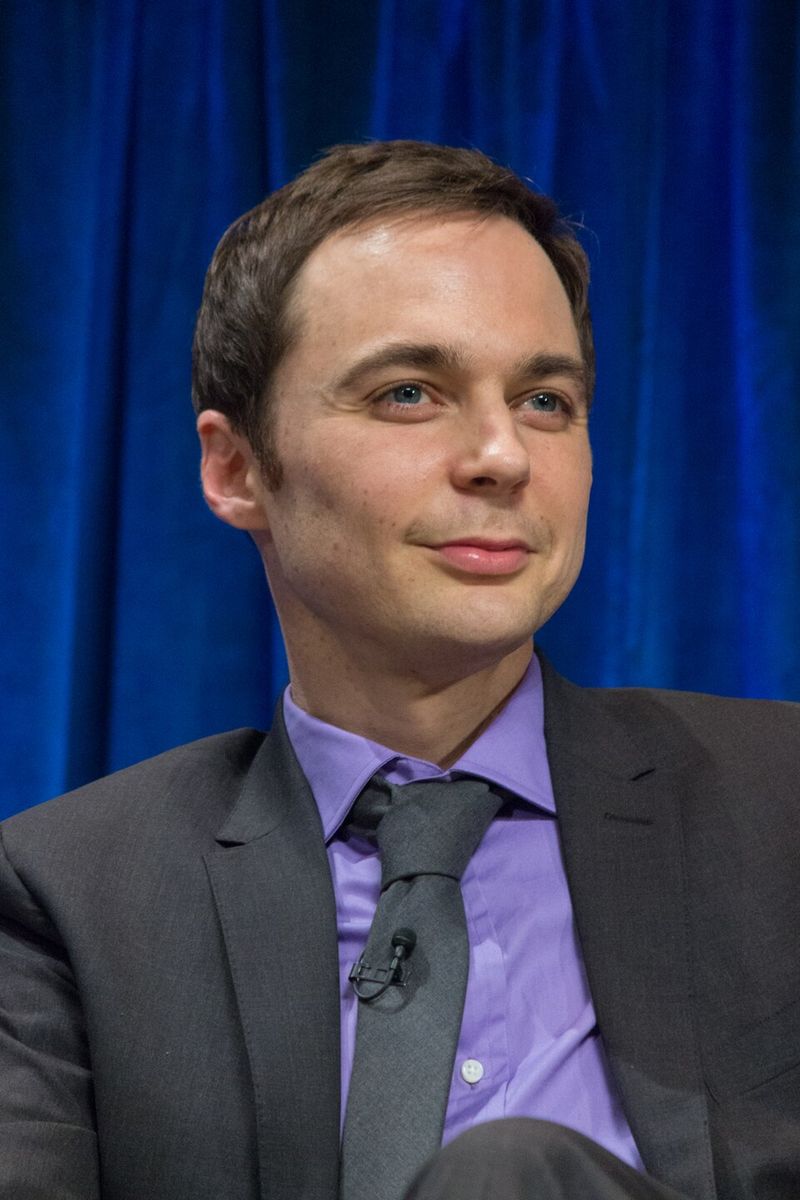
Early outlines for The Big Bang Theory did not guarantee Sheldon center stage. But Jim Parsons’ precise rhythms and deadpan confidence recalibrated the ensemble.
Soon, storylines bent around his quirks, from seat ownership to roommate agreements that became fan folklore.
The results were seismic: the series became one of the most-watched comedies of the 2010s, with later seasons averaging over 14 million viewers live plus same day. Parsons collected multiple Emmys, validating what audiences already knew.
Sheldon graduated from comic relief to cultural shorthand.
You might have rolled your eyes at his pedantry and laughed anyway. He made friendship feel like a solvable theorem.
Writing him down early would have erased the show’s identity. Instead, Sheldon became the axis, and everything else happily orbited in nerdy, surprisingly tender gravity.
11. Logan Echolls – Veronica Mars
Logan Echolls stepped in as a disposable antagonist, the rich kid you loved to hate. Then Jason Dohring’s layered performance surfaced hurt under the swagger.
Writers flipped the switch, building a romance that became the series’ messy, magnetic core.
Veronica Mars thrived on noir-by-homeroom storytelling, and Logan gave the mystery a pulse. Fan campaigns famously resurrected the property via Kickstarter in 2013, raising over $5.7 million, proof of enduring investment.
Logan’s journey from enemy to complicated love interest mirrored that loyalty.
You felt the chemistry even when they were trading barbs like knives. He made Neptune’s class wars personal.
Cutting Logan early would have drained the show’s voltage. Keeping him meant love that felt dangerous and inevitable, as every good noir romance should.
12. Murphy – The 100

John Murphy arrived as a sneering antagonist, the kind of guy genre shows discard by episode five. Richard Harmon injected glints of wit and vulnerability that complicated the hate.
The writers noticed, and Murphy kept escaping the narrative guillotine.
As seasons darkened, he evolved into a self-preservation expert who occasionally chose the right thing. The 100’s audience skewed young and vocal, with social metrics rewarding morally gray favorites.
Murphy’s sarcasm became comic relief and truth serum in equal measure.
You could not predict him, which made him essential in a world allergic to certainty. Kill him early and you lose a mirror to the show’s thesis: survival is messy.
Keeping Murphy meant living with consequences, forgiveness on layaway, and humor found at the edge of apocalypse.
13. Eleven – Stranger Things

Eleven’s fate was once a coin flip after Season 1, a tragic sacrifice to close the portal and story. Then the show exploded, and Millie Bobby Brown’s performance captivated a global audience.
The Duffers pivoted, turning El into the franchise’s emotional axis.
Stranger Things’ viewership numbers shattered Netflix internal records, with Season 4 ranking among its most-watched English-language seasons. Merchandise, cosplay, and synthwave playlists carried her silhouette everywhere.
More than a weapon, she was a kid learning boundaries, friendship, and waffles.
You felt her fear of the lab and love for the group’s DnD table. Ending her early would have cut the show’s empathy in half.
Keeping Eleven meant watching power meet tenderness, and a coming-of-age story glow beneath neon horror. She stayed because you needed hope in the Upside Down.
14. Ben Linus – Lost

Ben Linus arrived as a trembling captive named Henry Gale, seemingly a short-term deceit. Michael Emerson’s performance reprogrammed the show’s DNA in real time.
Writers expanded him into the Others’ mastermind, a soft-spoken hurricane of manipulation.
Ben’s chess matches with Locke and grudging alliances with the survivors extended Lost’s moral maze. The character turned exposition into theater.
Critical acclaim followed, with Emerson eventually winning an Emmy for supporting actor.
You waited for every eyebrow twitch, every half-truth. Kill him early and the island loses its most fascinating interpreter.
Keeping Ben meant mythology with a face and a shiver. He proved that power whispers louder than it shouts, especially when the jungle is listening.
15. Omar Little – The Wire
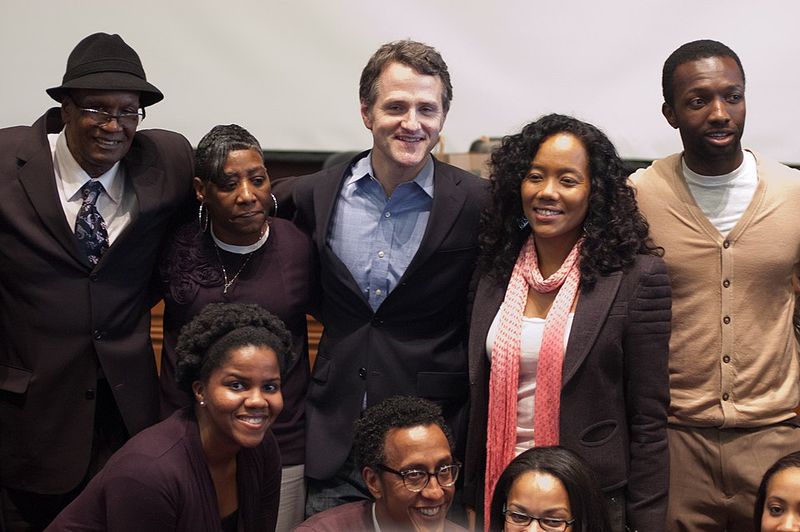
Omar Little entered The Wire as a minor folklore figure, a stickup man whistling a warning tune. Michael K.
Williams carved him into television myth, a code-bound outlaw who robbed drug dealers and haunted institutions. Critics rallied; viewers leaned in.
Though The Wire’s live ratings were modest, its critical reputation soared, with frequent top-10-of-all-time placements. Omar’s courtroom scenes, Sunday truce, and complicated queerness challenged stereotypes with rare precision.
The show kept expanding him because he expanded Baltimore itself.
You remember the quiet walk and the chorus of doors slamming shut. Remove him early and you lose a moral counterpoint forged in the street.
Keeping Omar meant letting an American folk hero bloom in a city of broken systems. The game is the game, but he played it with rules.
16. Barney Stinson – How I Met Your Mother
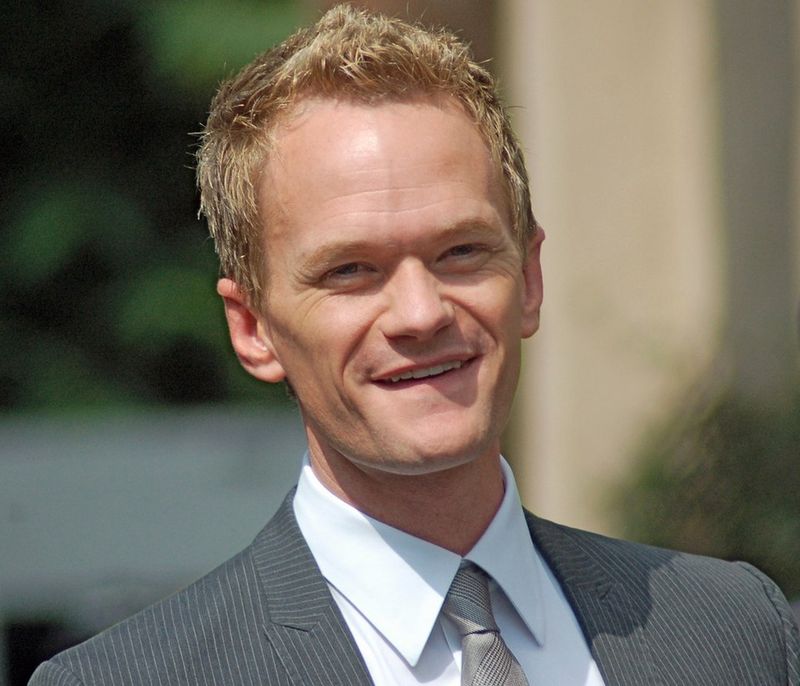
Barney Stinson was conceived as a wild-card sidekick, the friend who hijacks a scene then disappears. Neil Patrick Harris turned the role into rocket fuel.
Catchphrases, playbooks, and improbable schemes flooded pop culture while the writers reoriented arcs around his charisma.
HIMYM’s ratings climbed as it became a DVR staple, and Barney-centric episodes often ranked among fan favorites. The character also sparked debates about ethics in comedy, foreshadowing shifts in audience sensibilities by the 2010s.
Yet he evolved, too, revealing vulnerability under all that legend-suiting.
You probably know at least one person who quotes him at weddings. Cutting Barney early would have left the gang without its engine.
Keeping him meant spectacle, swagger, and surprisingly tender growth. He made the long story feel worth the wait, one outrageous detour at a time.
Share this story