 Unearth The Voyage
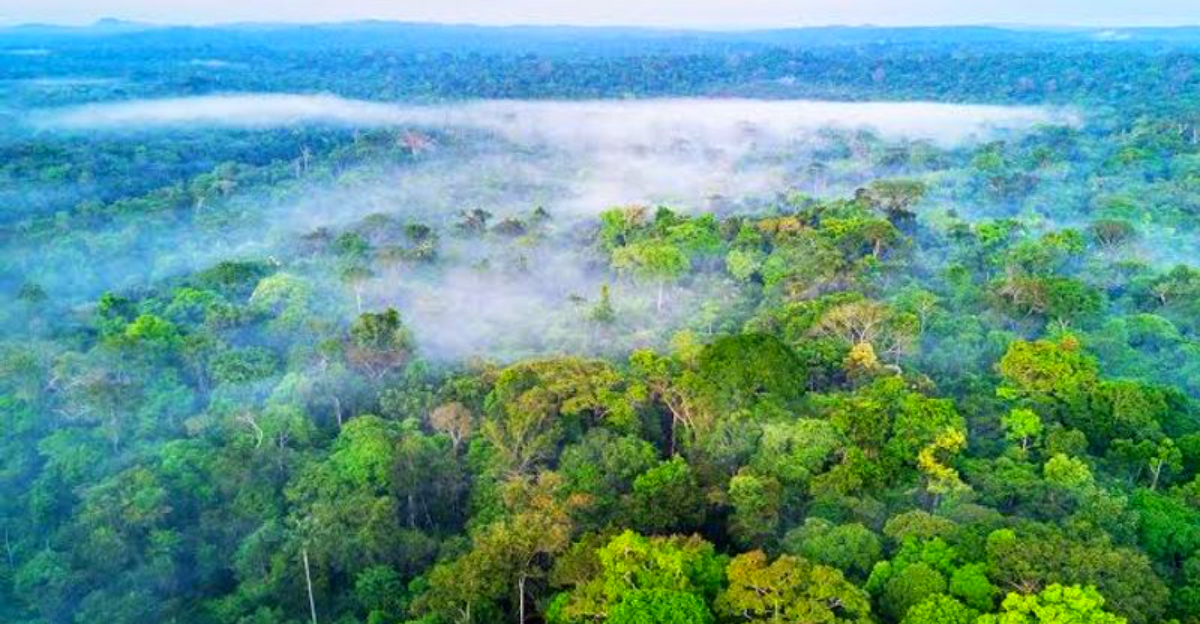
Rumors of a hidden American metropolis have tempted explorers for more than a century, promising stone avenues and vanished empires just beyond the tree line. The most famous seeker, Percy Fawcett, vanished in 1925 chasing what he called Z, and the mystery only grew.
Today, new science like lidar reveals complex Amazonian settlements while also dismantling the wilder claims. If you have ever wondered how these legends persisted, here are the stories that thrilled the world but never quite squared with reality.
Percy Fawcett’s Vanishing Act
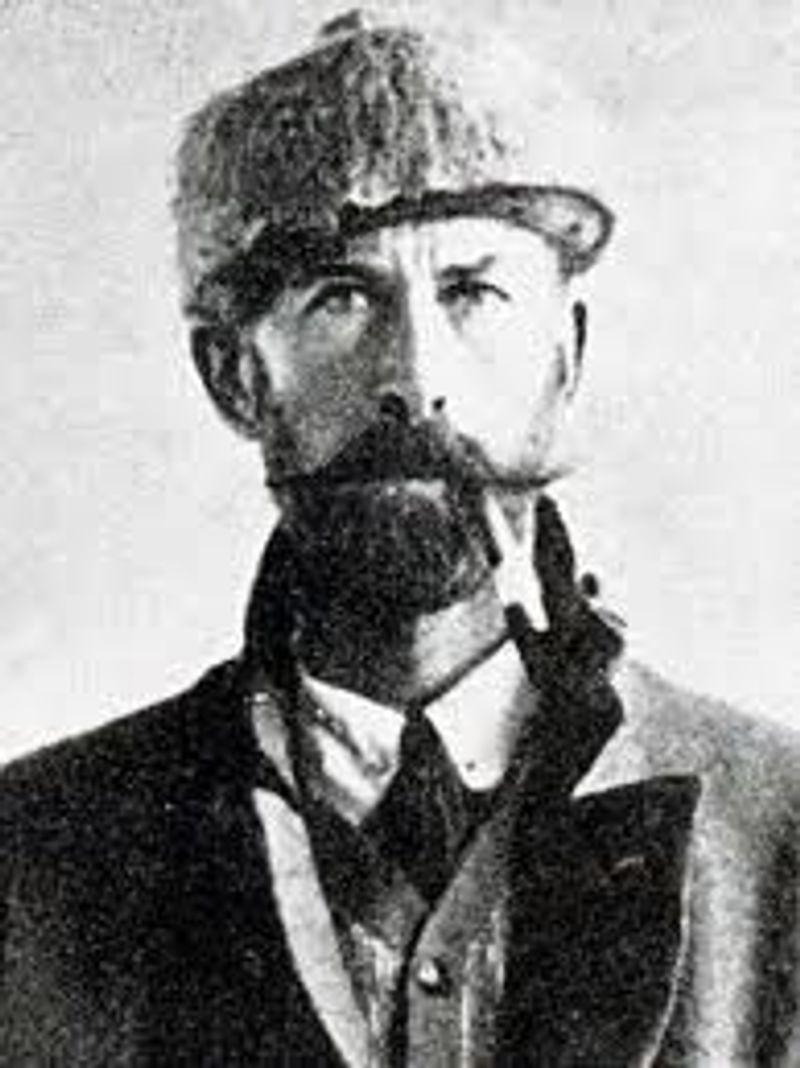
Every legend needs a disappearance, and Percy Fawcett provided the definitive one. In 1925, he marched into the Mato Grosso with his son and a friend, chasing what he called Z, a sophisticated city he believed would upend history.
The trio vanished without a trace, igniting a century of search parties, rumors, and cautionary tales about obsession.
Fawcett’s notes read like a riddle, mixing secondhand stories with ambiguous coordinates and mystical conviction. He referenced Manuscript 512 and hearsay from locals yet offered little verifiable data.
Later searchers found campsites and artifacts, but nothing proved the existence of Z as described.
Modern archaeology complicates the myth, revealing Amazonian earthworks and urban planning through lidar. These findings show complex societies existed without matching Fawcett’s stony metropolis.
The tragedy remains: a driven explorer, a tantalizing theory, and a jungle that keeps its secrets.
The Map That Showed Too Much
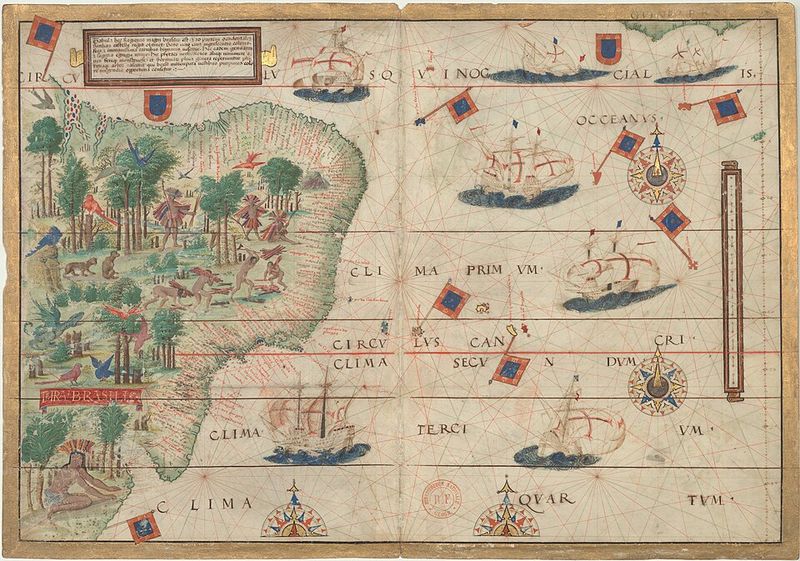
Fawcett hinted at ancient maps that supposedly pointed toward Z. He spoke of Portuguese documents and secret copies, the kind of lore that feels cinematic but rarely holds up.
When historians went looking, no authenticated versions surfaced, and the trail dissolved into anecdotes.
Maps create confidence. The right cartouche and crease pattern can convince investors and journalists that a route exists.
Yet provenance matters, and without verifiable custody or corroborating documents, the map becomes a prop rather than proof.
Cartographic hoaxes have tricked better people than most of us. Still, serious expeditions demand reproducible coordinates and independent verification.
When multiple teams cannot locate the same landmarks, the burden shifts to the claimant. In Z’s case, the missing maps underscored a theme you will see again and again: extraordinary claims that evaporate during basic archival checks.
Stone Cities Reported by Conquistadors
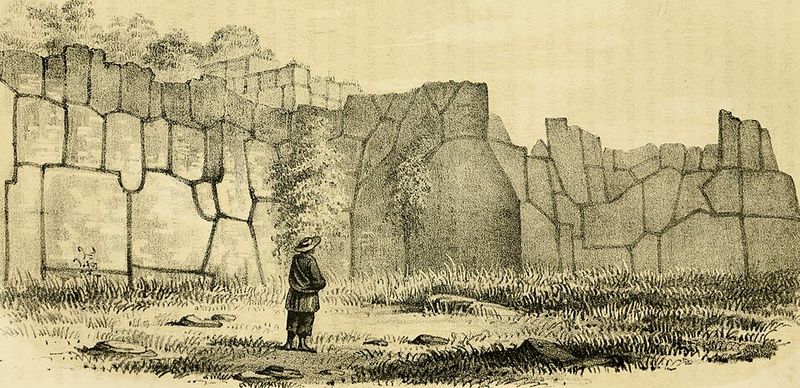
Spanish chroniclers occasionally described inland cities larger than European capitals, brimming with stone palaces and glittering plazas. Such passages thrilled readers and frightened rivals.
But later expeditions typically found small settlements, ceremonial centers, or dramatic rock outcrops mistaken for architecture.
Translation issues compounded the exaggeration. Indigenous guides used metaphors, while European listeners heard confirmations of familiar urban ideals.
Distance estimates were notoriously inflated. In rugged terrain, a week’s walk becomes two, and a city shifts to a mirage on the horizon.
Archaeology eventually put boundaries around the claims. Yes, complex societies flourished across the Americas, including citylike hubs in Mesoamerica and the Andes.
In many reported zones, however, supposed stone metropolises collapsed into misread geology or gossip. The lesson is simple: primary sources require context, and conquest literature doubled as propaganda.
The White City of the Southeast
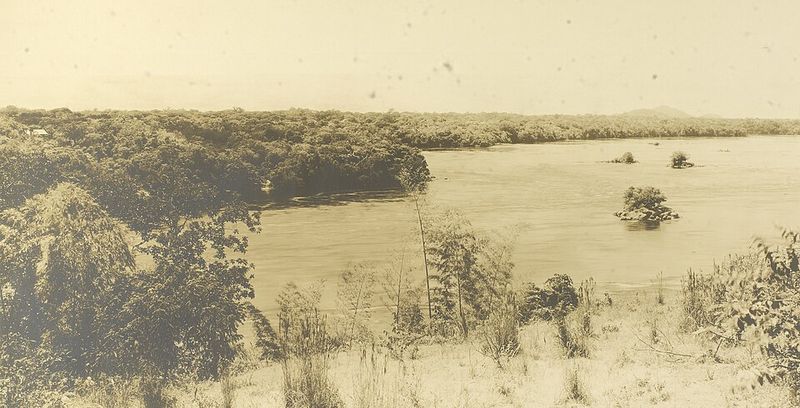
For years, whispers told of a pale stone city hidden in the Southeast. Treasure maps circulated, weekend expeditions followed, and newspapers ran breathless dispatches.
When professionals investigated, the alleged white walls turned out to be earthworks, shell middens, and ceremonial mounds built by Indigenous peoples.
Stone is dramatic. Earthworks are subtler until you view them from above or understand their geometry.
Many of these sites align with astronomical events or encode social networks, a form of urbanism that does not mimic European masonry.
Historic mislabeling fed bias. Calling them ruins of outsiders erased the known sophistication of Southeastern cultures.
Today, better survey methods and collaboration with descendant communities have rewritten the narrative. The city was not white stone at all.
It was engineered soil, artistry in profile, and a civic philosophy that prioritized landscape and ceremony over fortressed walls.
Misread Mound Complexes
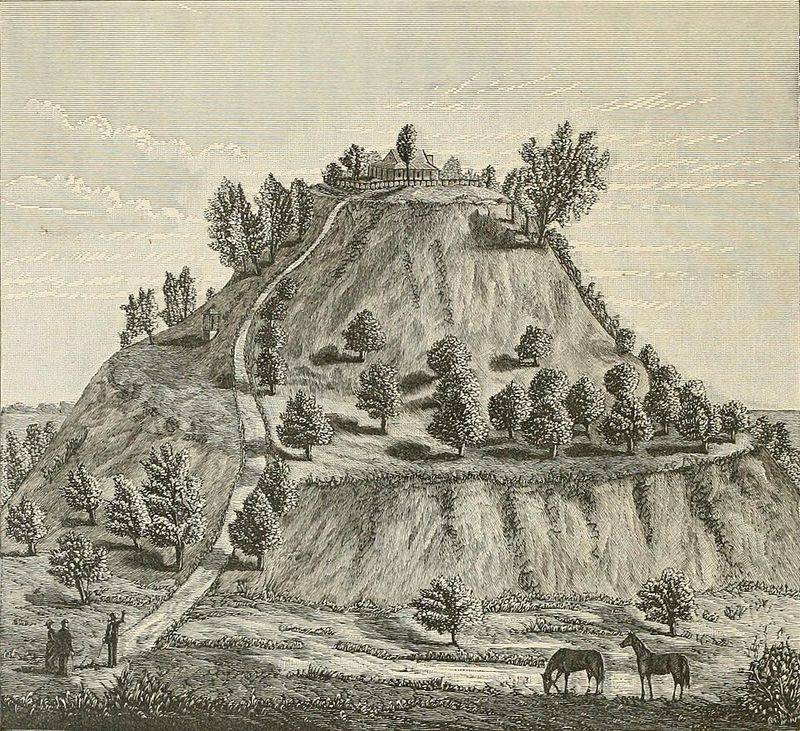
Mound cities once puzzled settlers who assumed they were Old World leftovers. Cahokia near present day St. Louis boasted grand plazas, massive mounds, and a population that may have peaked over 10,000.
Early myths credited lost Europeans rather than Indigenous engineers.
Excavations changed everything. Woodhenge alignments, trade goods, and stable isotope studies revealed a vibrant city supported by agriculture, craft specialization, and regional exchange.
No mystery colonizers required. The sophistication was local, homegrown, and astonishing.
When you tour such sites, the absence of stone can feel deceptive. But engineering does not need marble to be monumental.
Recent estimates indicate North American mound complexes formed dense, urban landscapes with zoning, ceremony, and governance. The takeaway: misattribution reflects cultural bias, not evidence.
Recognize Indigenous authorship and the lost city narrative loses its exotic scaffolding.
The Vikings Did It Or Did They
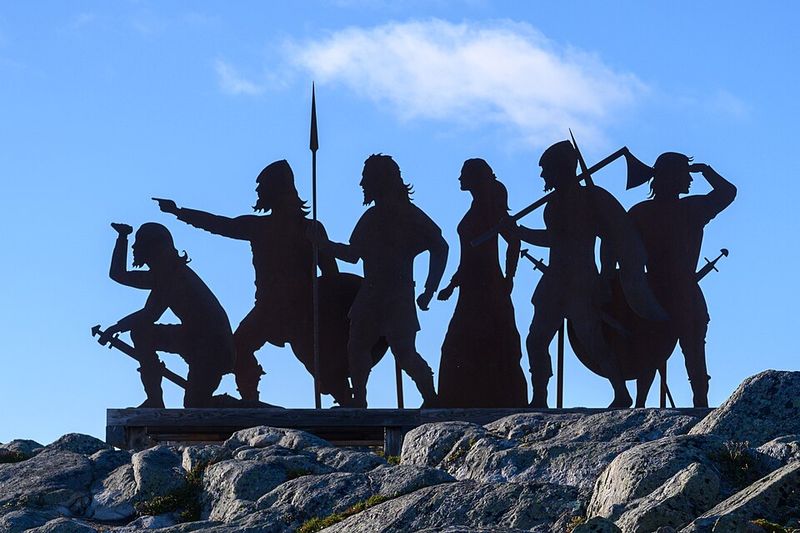
Norse presence in North America is real at one site: L’Anse aux Meadows in Newfoundland. Beyond that, theories balloon into claims of hidden Viking cities across the continent.
Enthusiasts point to runic stones and odd artifacts, many of which collapse under scrutiny.
Archaeologists rely on context. A single object without provenance rarely rewrites history.
Radiocarbon dates, construction styles, and metallurgical signatures tell a stricter story than legend. Outside Newfoundland, no confirmed urban scale Norse settlements exist.
Romance drives persistence. Viking sagas are compelling, and Scandinavian craft invites admiration.
But extraordinary distribution requires extraordinary anchors. Instead, we see scattered misread items, hoaxes, and wishful interpretations.
The best takeaway: celebrate the verified Norse footprint while resisting the temptation to multiply it into phantom cities, especially when Indigenous sites already explain the evidence.
The Knights Templar Theory
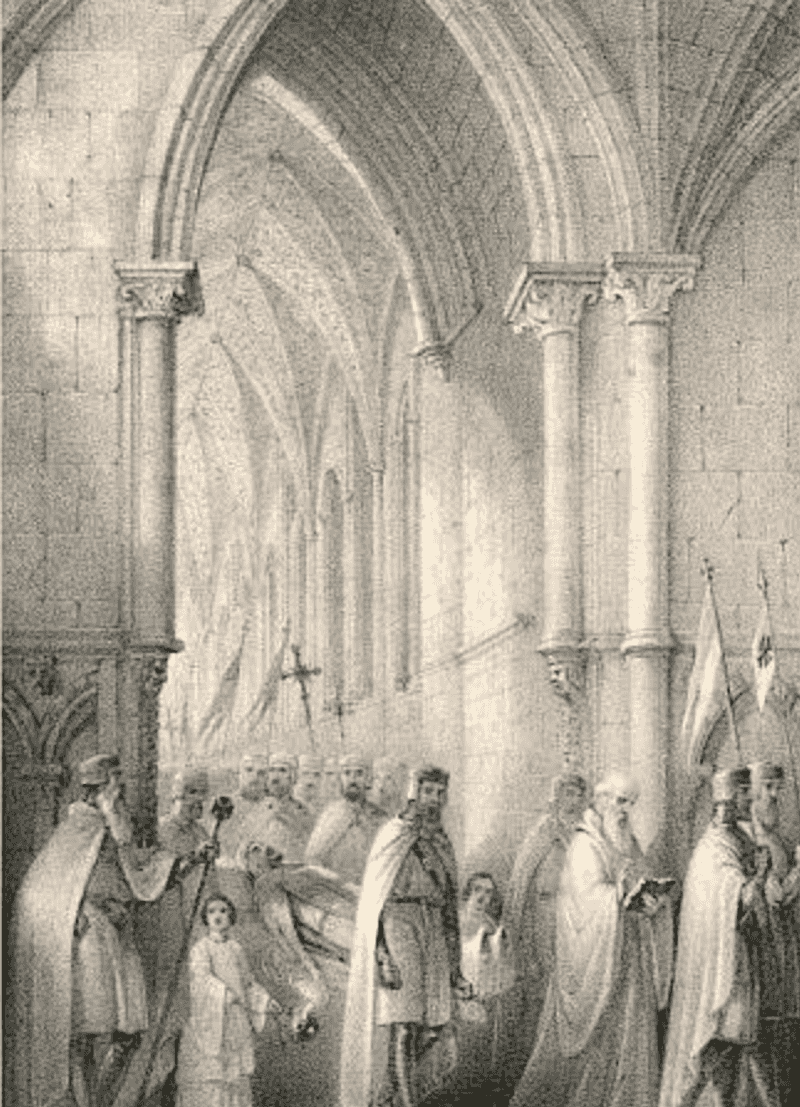
Every mystery genre eventually summons the Templars. In this case, the story suggests exiled knights sailed west, hid treasure, and built secret cities in the Americas.
It leverages real medieval drama to plug gaps in evidence with iconography and intrigue.
But archaeology is stubborn. No authenticated Templar artifacts, inscriptions, or architecture confirm such a diaspora.
Claims often lean on ambiguous symbols carved much later or artifacts lacking excavation records.
Conspiracies thrive where documentation is thin and the audience wants a twist. The better explanation respects local histories and materials.
When we align dates, trade routes, and known technologies, the Templar city evaporates. What remains is a reminder to separate narrative satisfaction from credible proof, especially when Indigenous achievements are standing in plain sight.
Gold Cities That Shifted Location
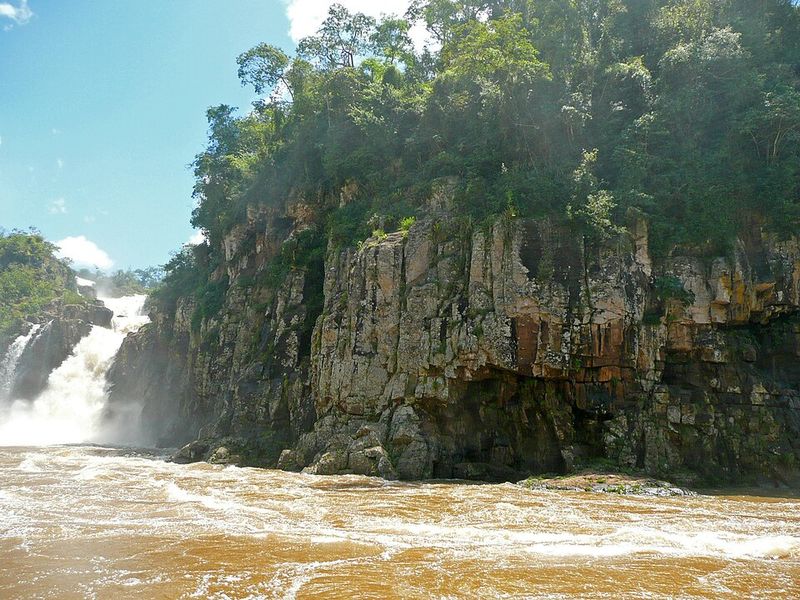
In explorer journals, Z behaved like a traveling circus. One decade it lived near the Xingu.
Another, it ran to the Andes foothills. Cartouches shifted with funding opportunities and fresh rumors, making certainty impossible.
Real cities do not move. If directions are precise, multiple teams should converge on the same zone.
When they do not, the culprit is usually bad data or motivated storytelling. Investors wanted gold, headlines demanded novelty, and writers obliged.
Modern mapping and satellite imagery expose these fluid claims. You can triangulate river bends, ridge lines, and distances with accuracy that would have stunned early adventurers.
Yet even with such tools, the phantom city remains mobile because the myth depends on uncertainty. Practical takeaway: set falsifiable coordinates before leaving home, or you are chasing a shadow that never stands still.
Exaggerated Indigenous Accounts
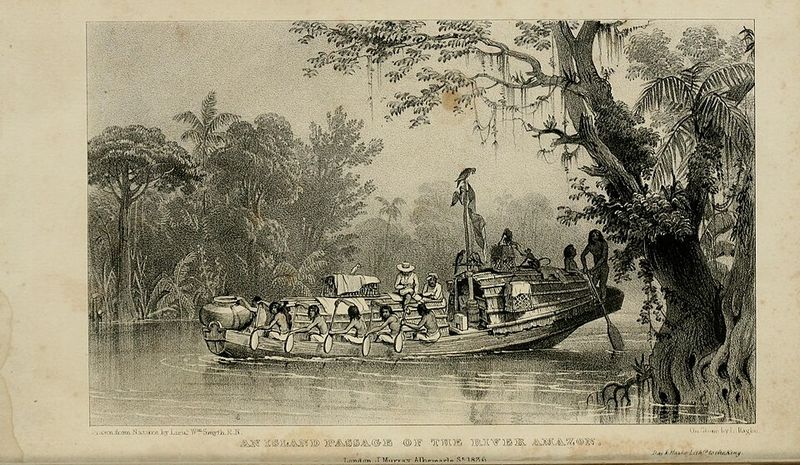
Explorers often filtered Indigenous oral histories through European expectations. Descriptions of ceremonial centers or seasonal gatherings morphed into rumors of stone empires.
Translation gaps and cultural bias amplified the effect, turning metaphors into architectural blueprints.
Oral tradition is sophisticated but not a city directory. It encodes ethics, migrations, and landscape knowledge.
When outsiders cherry picked phrases, they manufactured cities that fit their desires. Scholars who partner with communities now parse stories within cultural frames, recovering nuances long flattened by mythmaking.
Respectful listening changes outcomes. You learn where engineering, agriculture, and ritual actually occurred.
You also avoid the error of demanding masonry where earthwork and wood once sufficed. The correction is not to dismiss tradition, but to read it correctly, with humility and shared authorship.
Natural Rock Formations Mistaken for Ruins
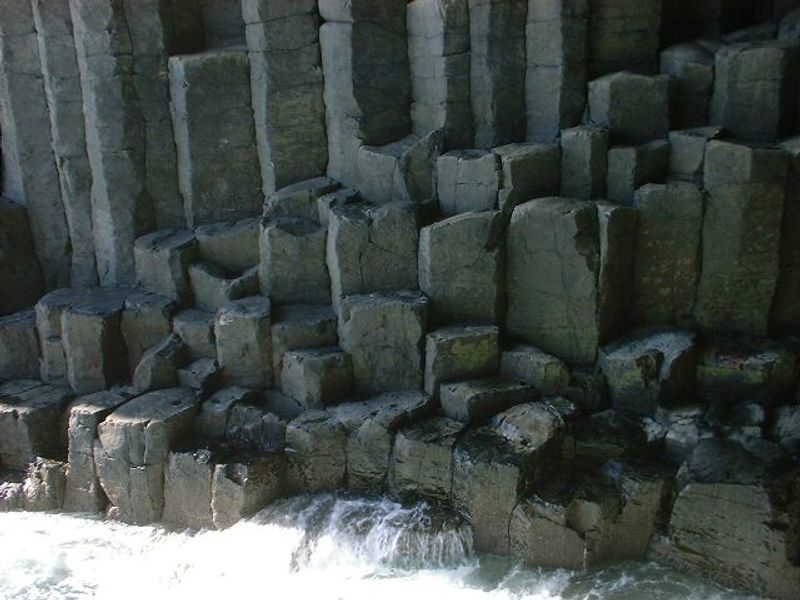
From Arkansas to Arizona, geology does marvelous impressions. Columnar joints mimic pillared halls.
Tors and dikes sketch what looks like fortifications. To an eager eye, a wall is always a wall.
Geologists quickly reset expectations. Bedding planes, weathering patterns, and mineral seams explain the illusions.
When you map orientations and compare with regional strata, the architecture dissolves into natural structure. It is still beautiful, just not built by human hands.
The practical tip: bring a geologist or learn enough to spot patterns. If the joints repeat at consistent angles across a landscape, you are looking at physics, not urban planning.
Respect the land for what it is and you will avoid writing fiction in your field notes.
Lost Journals That Never Appeared
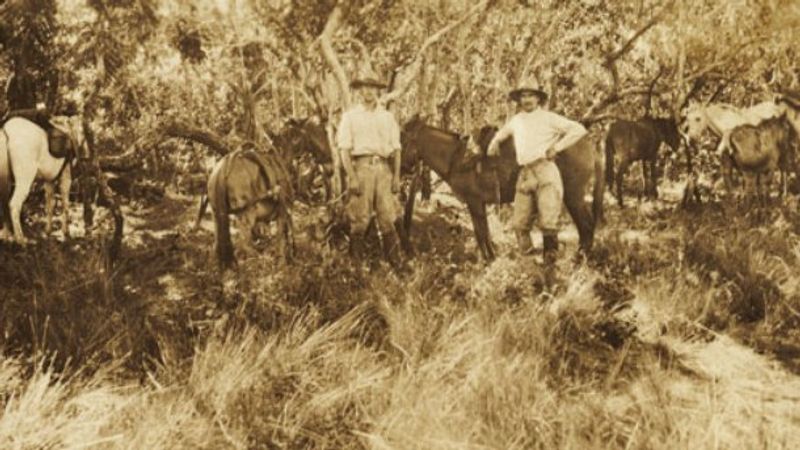
Many explorers promised proof would arrive when their journals were published. Somehow, the papers were lost, stolen, or locked away.
The promise functioned like a perpetual motion machine for belief, keeping donors and readers invested.
Documentation has a chain of custody. Reproducible evidence survives peer review and archival standards.
When critical records never materialize, the credibility clock runs out. In Z lore, missing journals often covered the weakest claims.
In the digital age, verification is easier and excuses thinner. Scans, metadata, and repository IDs track provenance.
If you are weighing a new claim, ask where the documents are housed and who has cited them. Extraordinary stories deserve ordinary paperwork.
When that is absent, caution beats romance.
Treasure Hunters Who Found Nothing
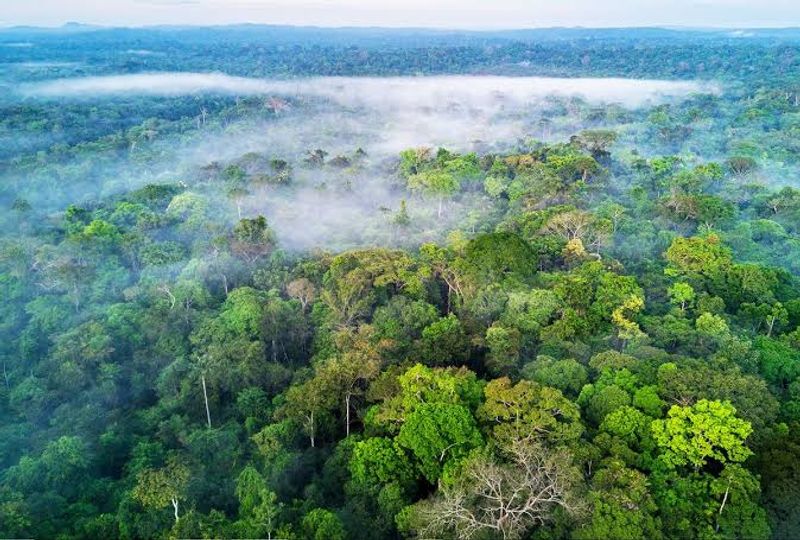
Detailed directions. Precise distances.
A promise that if you follow the river two days, then turn at the black rock, gold cities appear. Dozens of groups tried versions of this formula and returned with mosquito bites and tall tales.
If instructions are that specific, independent teams should converge on artifacts. Instead, results were inconsistent or nonexistent.
In science, that is a fail. In fundraising, it can still be spun as almost, try again.
The sunk cost fallacy kept expeditions alive.
Practical takeaway: pre register routes and criteria for success, then publish outcomes whether or not they impress. Transparency would have cut the myth cycle in half and spared wallets and lives.
Adventure is fine. Evidence is better.
Romanticizing the Unknown
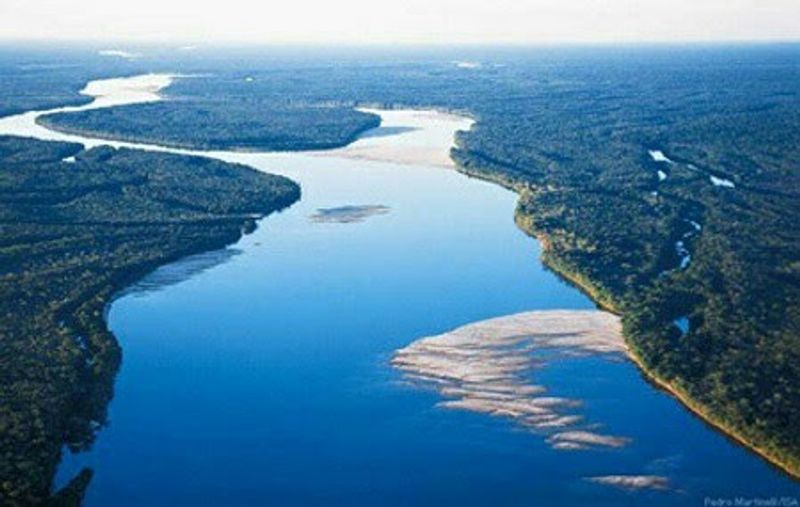
The idea of Z thrives on romance. It flatters the seeker and promises a world still wild enough to hide cathedrals of stone.
For decades, that romance displaced real histories that did not resemble European capitals.
Archaeology corrected course. Lidar reveals ancient road networks and garden cities in the Amazon, especially in regions like the Xingu.
A 2022 synthesis noted that lidar can map features under canopy across thousands of hectares, transforming survey speed. Complexity is undeniable, even if it looks different than legend.
Respect grows when we accept alternate urban scripts. Earthworks, agroforestry, and seasonal aggregation are citymaking tools too.
What you should romanticize is accuracy and the people who lived it, not the reflection of a European skyline in the jungle mist.
Fame Funding and Fantasy
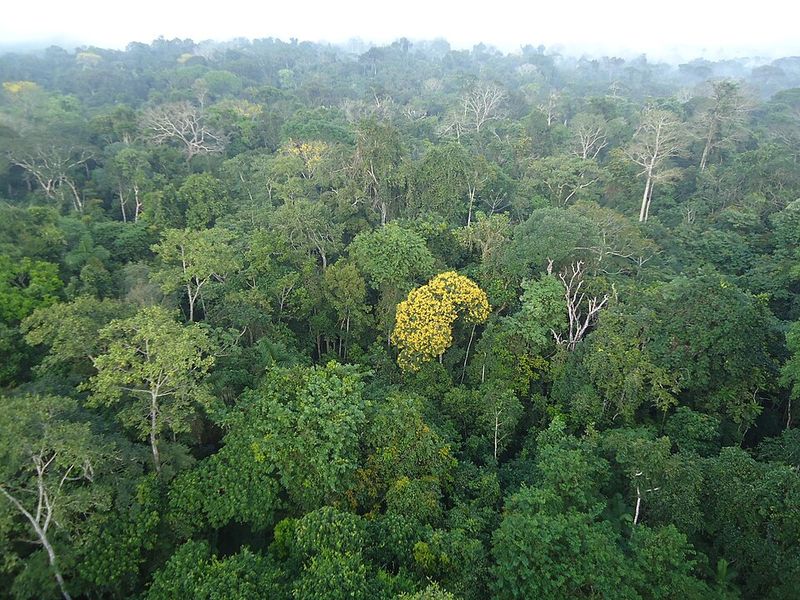
Lost city stories travel well. They fill lecture halls, sell books, and loosen purse strings.
In the 1920s, a gripping yarn could finance months of fieldwork. Incentives rewarded spectacle over precision, and the line between hypothesis and headline blurred.
Even today, sensational claims correlate with attention. One media analysis found that bold archaeological headlines outperform cautious ones by large margins on social platforms.
Yet attention does not equal accuracy. Investors and audiences must ask for methods, not just mystery.
The fix is structural. Tie funding to transparent data sharing and preregistered research plans.
Celebrate null results. When the ecosystem values rigor, fantasy loses oxygen and genuine discovery rises.
The Real Truth Behind the Myth
Here is the part many legends miss: the Americas were never empty or simple. Complex trade networks stretched for hundreds of miles.
Agroforestry, raised fields, and engineered soils supported dense populations. Lidar findings now show road grids and causeways under canopy, suggesting large organized settlements.
In 2022, researchers reported survey coverage leaps allowing mapping across entire regions in days.
Fawcett’s Z, as a stone walled metropolis, did not appear. But something richer did.
Multiple urban traditions, not one template, animated the continents. When you adjust the lens, you see ingenuity everywhere and myths dissolving where evidence shines.
The takeaway for any would be explorer: chase curiosity, not confirmation. Partner with communities, publish data, and let the land speak in its own materials.
The truth is not smaller than the legend. It is simply different and far more durable.



