The comeback isn’t loud – it’s strategic. Across the country, familiar restaurant chains are reopening locations, tightening menus, and fixing the things that drove customers away in the first place.
Instead of chasing trends, they’re focusing on consistency, price clarity, and food that actually travels well again.
Nostalgia plays a role, but it isn’t doing all the work. Smarter operations and quieter resets are giving these brands real traction heading into 2026.
If these names feel familiar, that’s the point – and this time, they’re trying to get it right.
1. Red Lobster
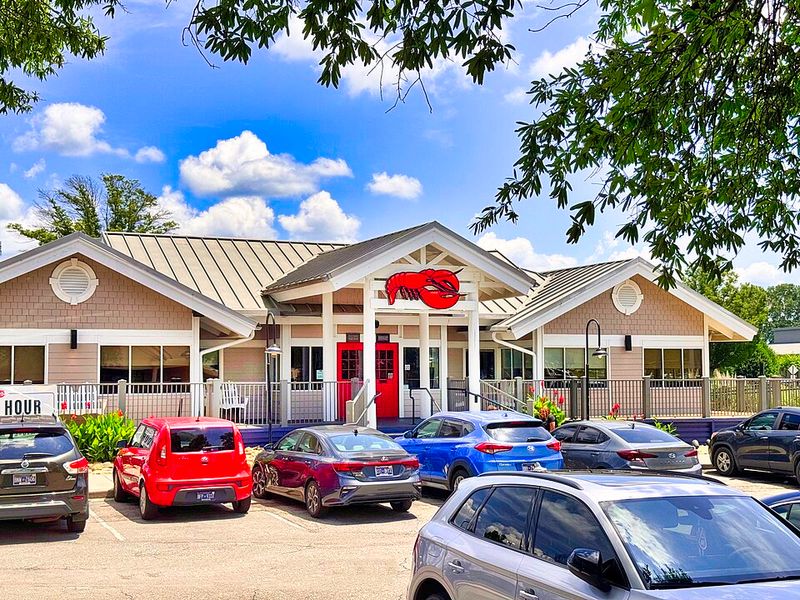
Red Lobster still owns the night when you want seafood without guessing the bill. The playbook has shifted to value bundles, seasonal lobster events, and those Cheddar Bay Biscuits that quietly run the table.
You will see smaller dining rooms, brighter lighting, and menu boards that make surf and turf feel within reach again.
Seafood has always been a treat, but inflation turned it into a maybe. Red Lobster’s answer: sharpened price points and cleaner operations that cut wait times.
Industry data shows seafood menu mentions rising since 2023, and casual chains that simplify SKUs often trim labor minutes.
In test markets, weekday offers and limited time shrimp deals have moved traffic late afternoon. If you grew up celebrating here, you will notice the pacing is quicker and the plating less fussy.
It is the same promise, just smarter and more focused.
2. Applebee’s
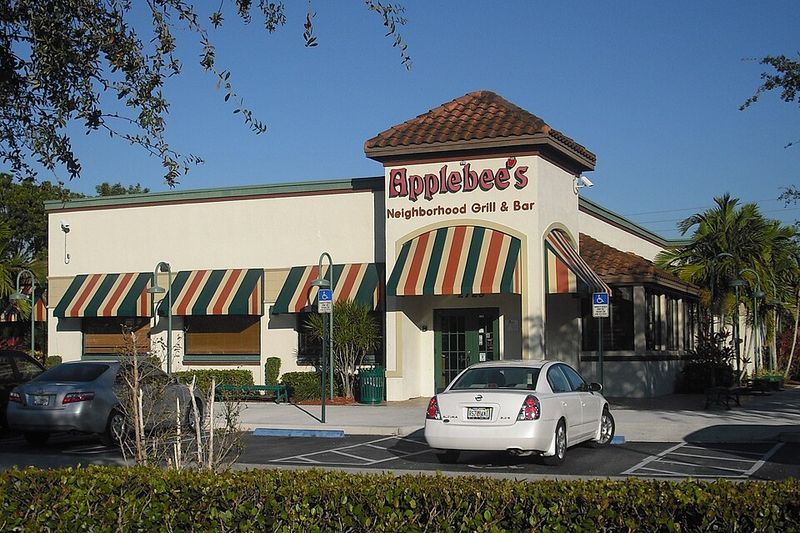
Applebee’s has leaned hard into comfort at a reachable price, and that is working. You will see tighter combos, sharper bar snacks, and late-night deals that make a Tuesday feel like Friday.
The screens stay busy with local games, and the staff moves with a steady, friendly rhythm.
Traffic bumps have followed value messaging since 2024, especially around wings, burgers, and two-for options. The secret sauce is not just discounts, it is consistency across suburbs that long to meet in the middle.
Bar sales carry the evening, while family bundles keep the early dinner relaxed.
Menus are cleaner and the QR clutter is gone, replaced with readable specials you actually order. It is a neighborhood grill again, not a nostalgia shrine.
If you want familiar without stale, Applebee’s is making that trade honestly, one affordable plate at a time.
3. Pizza Hut
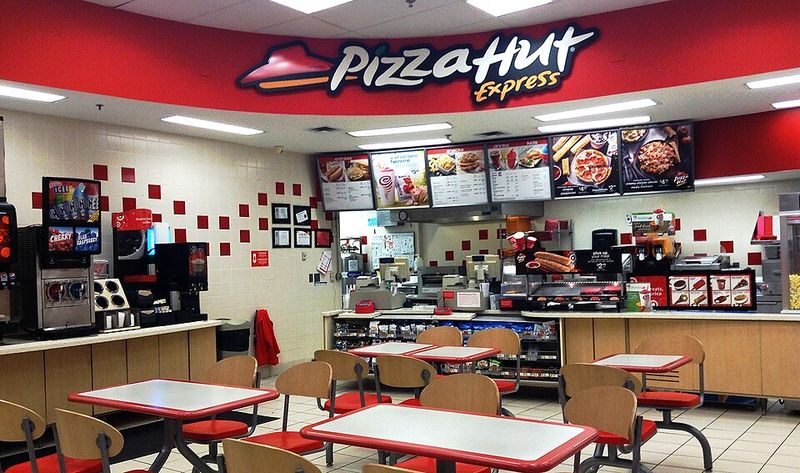
Pizza Hut is courting your memories without trapping you in 1995. The pan pizza returns to center stage, crispy edges and buttery crusts elevated by better cheese blends and spicier pepperoni.
Some markets are testing mini dine-in rooms that recall the red-roof era with modern polish.
Delivery remains the workhorse, but Hut’s retro cues create buzz that pure logistics cannot. Limited runs of Throwback Menu favorites spike social posts and weekend orders.
You will notice cleaner packaging, improved heat retention, and more reliable ready times.
Competitors chase value, but Hut bets on crave. The brand is reminding you why a heavy pan slice feels like a small celebration.
If you have not sat down for pizza in ages, the new booths are brighter, the salad bar smarter, and the vibe flatteringly familiar.
4. Sbarro
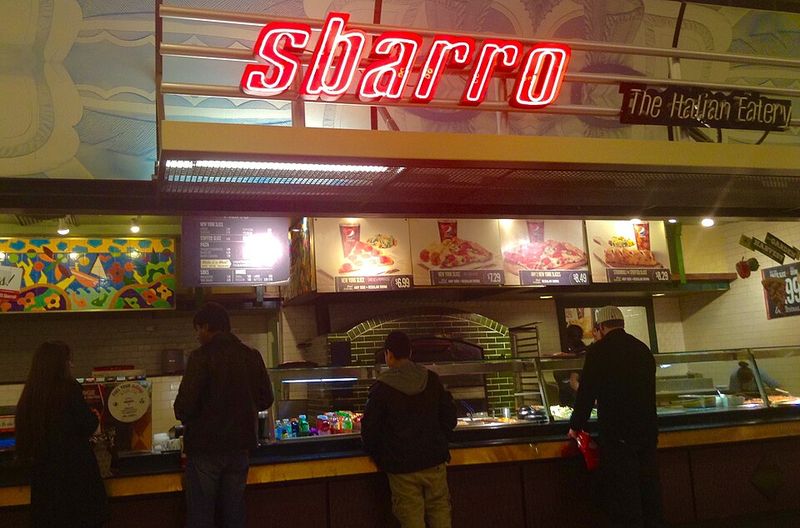
Sbarro is finding its stride where foot traffic never sleeps. Airports, service plazas, and urban corners supply hungry minutes and uncomplicated choices.
You see the slice, you grab the slice, and you are gone in five. That is the promise, tightened and modernized.
The brand shifted from mall dependency to mobility, and it suits their product. Dough programs emphasize consistency over showmanship, with fresh bakes staggered to peak waves.
Pricing stays visible behind glass, avoiding the scan-and-guess trap.
Travel patterns rebounded, and Sbarro caught the curve with speed and size. The oversized slice still photographs beautifully, which helps conversions when lines are long.
If you last tried Sbarro beside an escalator in 2007, the new counters feel cleaner, brighter, and ruthlessly efficient.
5. IHOP
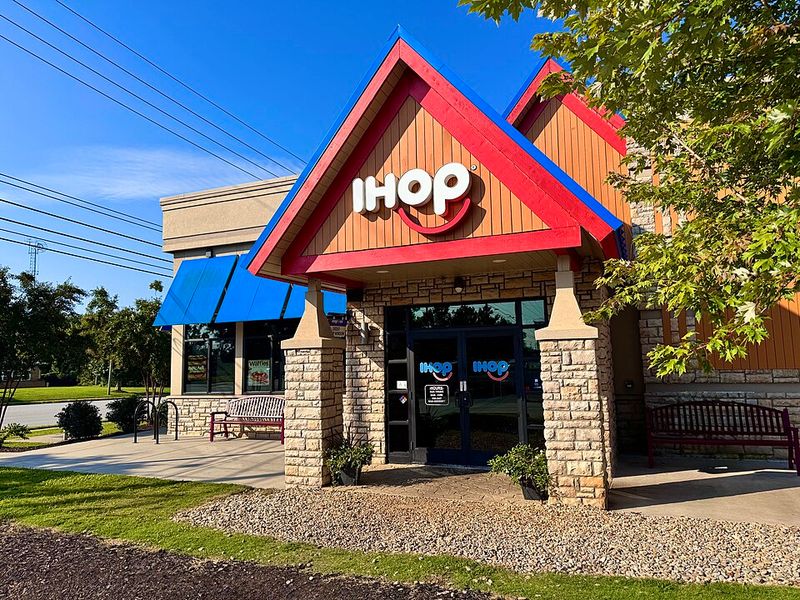
IHOP thrives whenever the clock loses its grip. Pancakes at 9 p.m. are a mood, and the menu makes that easy.
You will find more portable breakfast burritos, lighter protein add-ons, and seasonal stacks designed for social sharing.
Breakfast as a category has proven resilient during economic swings, often outperforming other dayparts. IHOP leans into that with dependable pricing and kid-friendly options.
Operations favor griddle simplicity that keeps ticket times steady even when booths fill.
Expect brighter signage, smoother online ordering, and partnerships that push coffee quality. If you remember late-night high school hangs, the vibe is still forgiving and warm.
This is breakfast democracy, available when you want it, without ceremony and with generous syrup.
6. TGI Fridays
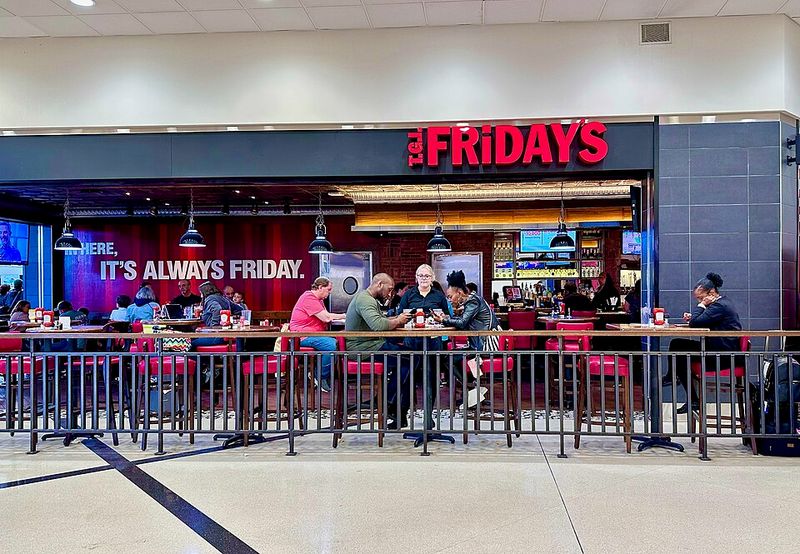
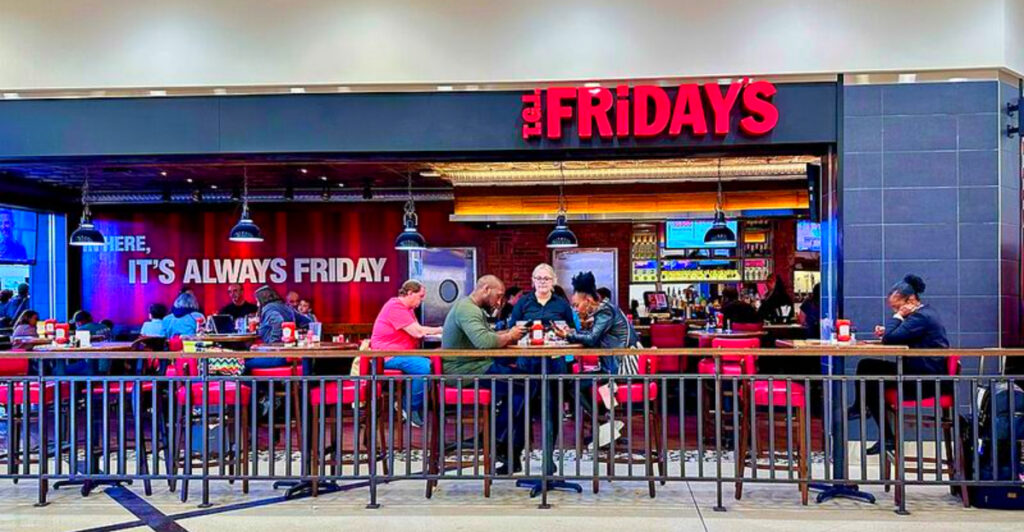
Fridays is reclaiming its lane by putting the bar back at center stage. You will notice fewer cluttered tchotchkes and more clean sightlines to a glowing back bar.
The menu favors crisp shareables, whiskey-forward cocktails, and late-night energy that feels grown up yet welcoming.
After heavy restructuring, the brand has a 1-2-3 plan to scale again and fix its middle. New prototypes run leaner, with smaller footprints and better bar revenue per square foot.
Younger guests want scenes, not just seats, and Fridays is giving them a reason to linger.
Happy hour actually has bite now, with clearer price tiers and tighter portions. If you remember birthday dinners under a canopy of flair, this version feels lighter on props and heavier on hospitality.
The vibe is conversational, the playlist modern, and the checks friendlier than you expect.
7. Friendly’s
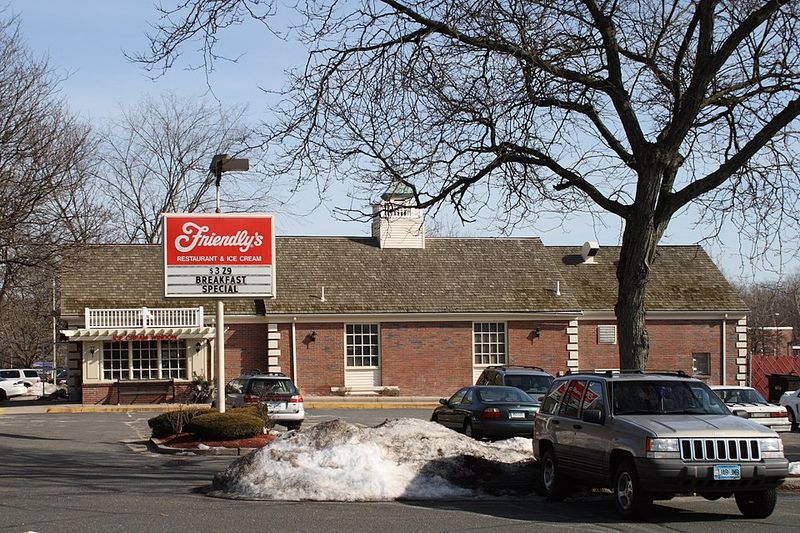
Friendly’s is rebuilding around the joy that made it matter. Ice cream leads again, with sundaes plated like small theater and Fribbles blended to nostalgic thickness.
Menus trimmed the noise to favor melts, burgers, and family value that lands under a tidy total.
New ownership has pushed modern kitchens and service training that shortens the wait between spoon and smile. Guests notice refreshed dining rooms that still feel comfortably familiar.
Kids get their moment, and parents get receipts that do not sting.
The brand’s best play is emotional clarity: dessert first, everything else supportive. You will see community nights and fundraiser tie-ins that feel local, not corporate.
If your childhood ended at a red-striped straw, Friendly’s is betting that memory still has pull in 2026.
8. Long John Silver’s
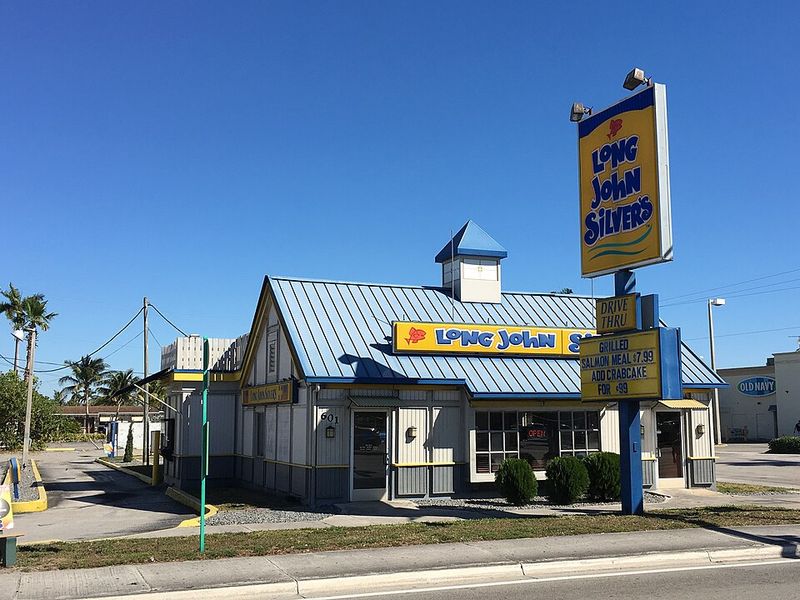
Long John Silver’s plays in a lane few touch: fast fried seafood that feels indulgent yet familiar. The comeback hinges on smaller menus, cleaner oil management, and digital boards that finally showcase the crisp.
You can hear the crunch before you take the bite.
Seafood fast food has minimal direct rivals, which gives LJS a shot when execution improves. Remodeling trims pirate kitsch for a fresher coastal look.
Family Combos create price anchors that reduce decision friction at the speaker.
Supply chain work has tightened fish specs and consistency across markets. If you loved those golden crumbs, they are still there, better drained and hot.
The brand is not chasing fine dining, just giving you a reliable, salty-satisfying break from burgers.
9. Chuck E. Cheese
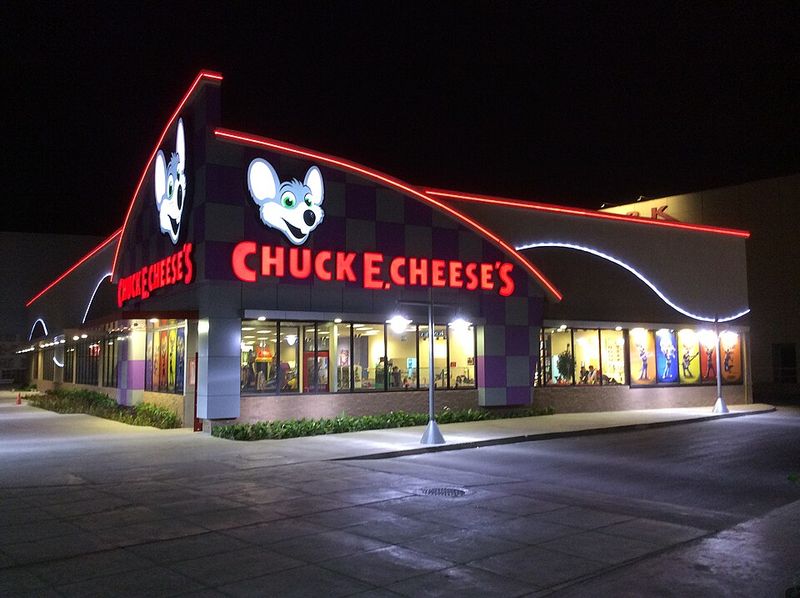
Chuck E. Cheese is learning to host regular nights, not just birthdays.
Cleaner carpets, tuned sound levels, and a pizza program that no longer apologizes make visits easier. You will find streamlined packages and arcade cards that stretch further.
The chain’s post-restructuring focus is credibility with parents. Food quality has stepped up with better cheese, hotter ovens, and fewer soggy moments.
Safety visibility is higher, from check-in stamps to staff presence across zones.
Weeknight deals and updated games tempt you back for an hour, not a marathon. If you once dreaded the chaos, the new layout is calmer and better lit.
Kids still win tickets, but now you leave with a decent slice and your sanity intact.
10. Quiznos
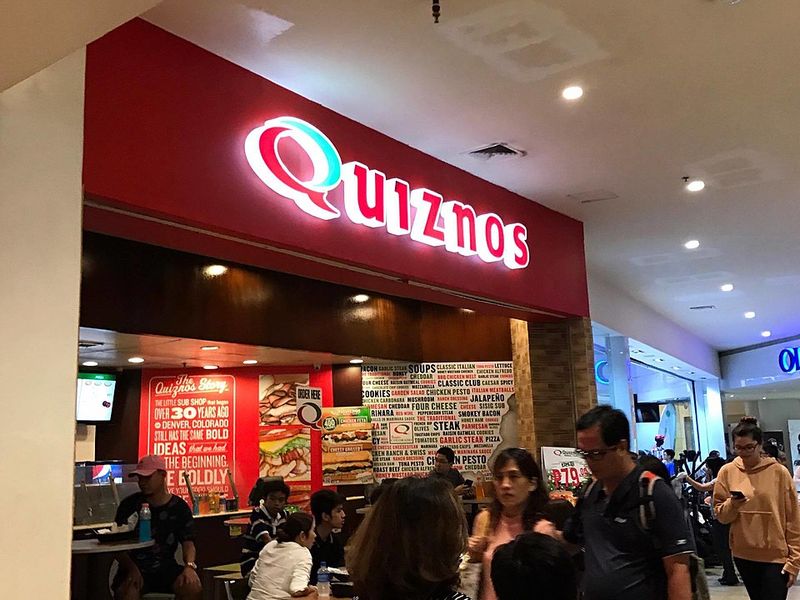
Quiznos is rebuilding with a humbler swagger. Toasted subs remain the hook, but the proteins taste cleaner and sauces punch harder.
You will notice simplified combos, clearer pricing, and smaller boxes that travel better for delivery.
After a long retrenchment, the brand introduced modular Qube units to cut build-out costs and expand quickly. That lets Quiznos test corners and campuses where heat and aroma sell the category.
Guests get speed without losing that toasted edge.
The new playbook favors signature items over bloated menus. If you drifted to competitors, consider the updated steak and peppercorn or a sharper Italian.
It is a comeback built one oven belt at a time, with fewer missteps and warmer bread.
11. Golden Corral
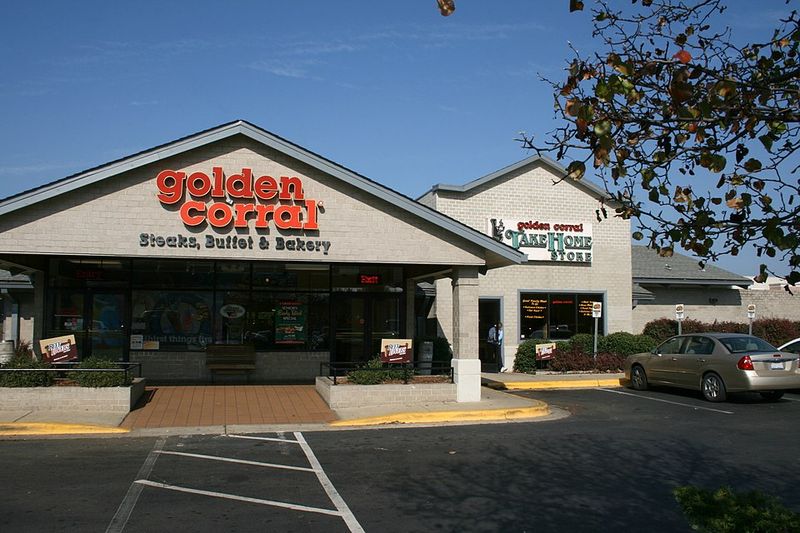
Golden Corral survived by taking cleanliness from promise to practice. Buffets paused, then returned with stronger standards and calmer pacing.
You will see staff polishing sneeze guards, smaller pans refreshed more often, and clear traffic lanes that reduce crowding.
Value matters here, and the brand keeps plates generous without letting quality slide. Guests like choosing their own adventure, especially when budgets are tight.
Holiday buffets anchor big visits, while weekday carving stations make routine nights feel special.
Service cues are friendlier and more visible: greeters explain stations, managers roam. If buffets once felt chaotic, this version is measured and bright.
It is the kind of place where a family can agree without debate and leave comfortably full.
12. Ruby Tuesday
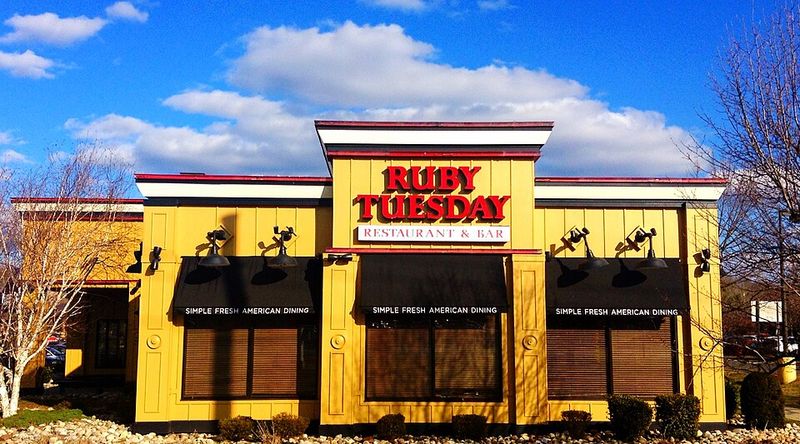
Ruby Tuesday trimmed the map to strengthen the experience. Fewer stores, tighter training, and a salad bar that finally looks like the hero again.
You will notice better lighting, crisp greens, and proteins that do not hide behind dressing.
Downsizing gives operators time to execute instead of chase. Kitchen workflows prioritize a handful of grill items done right.
Guests who missed the salad bar ritual are finding it cleaner and quicker.
Check averages ride on cocktails and add-ons, not coupons alone. If your last memory was a tired unit, the refreshed locations feel composed and confident.
Sometimes smaller is smarter, and Ruby Tuesday is proving that on purpose.
13. Perkins
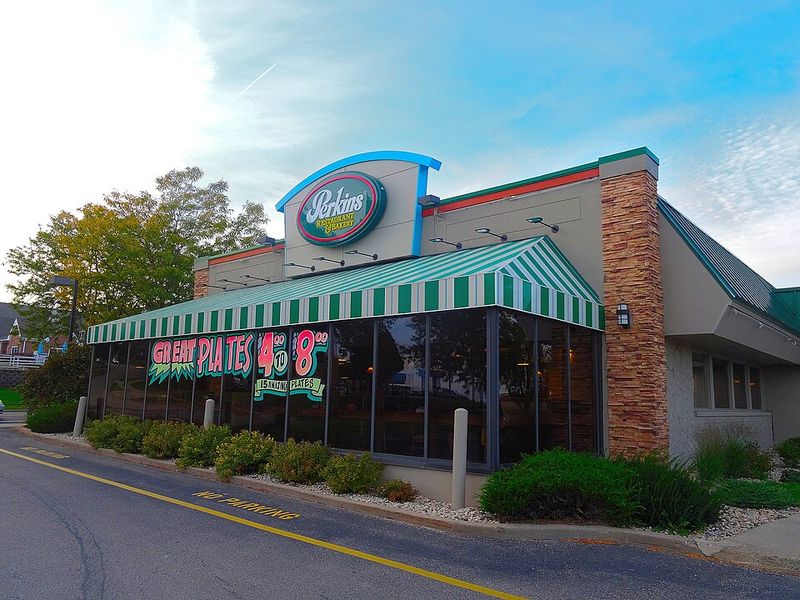
Perkins wins by keeping mornings gentle and evenings unpretentious. All-day breakfast means eggs and pancakes land whenever your schedule allows.
The bakery case still draws eyes, with seasonal pies that feel like postcards from a simpler kitchen.
Service is the difference: refilled mugs, attentive pacing, and check drops that never rush. Franchisees have refreshed signage and seating without breaking the soul of the place.
You will find senior specials coexisting with student study sessions.
In a world of QR everything, a human refill feels revolutionary. Perkins uses that to stay sticky in small towns and outer suburbs.
If you are craving a quiet booth and real conversation, this chain is quietly ready for you again in 2026.
14. A&W Restaurants
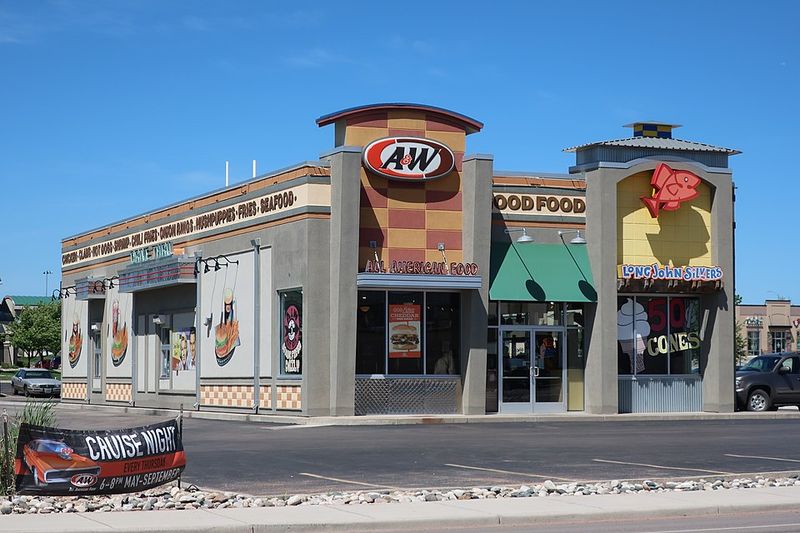
A&W leans into its drive-in charm without getting stuck in amber. The floats arrive in frosted mugs, and the burgers come off flat-tops with satisfying sizzle.
You will find smaller, efficient sites and co-branded counters that keep costs sane.
Retro done right is about texture, not costume. A&W updates the canopy experience with mobile ordering and carhop touches where it fits.
The result is fast, friendly, and photogenic enough for your feed without feeling forced.
Root beer remains the hero, brewed for that creamy head and nostalgic snap. If you want a throwback moment that respects your time, this brand delivers.
It is a happy intersection of memory, practicality, and a cold glass that sweats in summer.
15. Steak ’n Shake
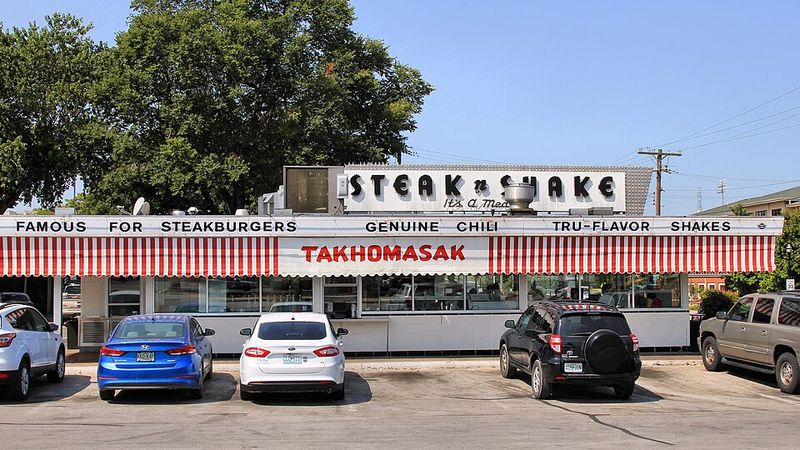
Steak ’n Shake simplified to get fast again. Counter service replaced complicated table steps, and the steakburgers hit hot griddles with crisp edges.
You will see transparent kitchens, slimmer menus, and prices that reward repeat visits.
Late-night has returned as a quiet strength, with students and service workers filling booths. Speed matters, and retooled equipment keeps ticket times tight.
Shakes remain thick, with limited editions pushing social chatter.
The comeback is a study in subtraction: fewer SKUs, better throughput, clearer brand voice. If you remember slow meals and confused checks, this feels like the opposite.
It is classic flavor delivered with urgency and a smile at midnight.
Share this story