Some voices feel instantly timeless, yet their names do not travel as far as their songs. This list spotlights lead singers who deliver power, nuance, and personality but still do not get the household name treatment.
You will find genre benders, technical marvels, and mood makers who deserve a much bigger spotlight. If you love discovering artists before everyone else catches on, start here.
1. Jay Buchanan (Rival Sons)
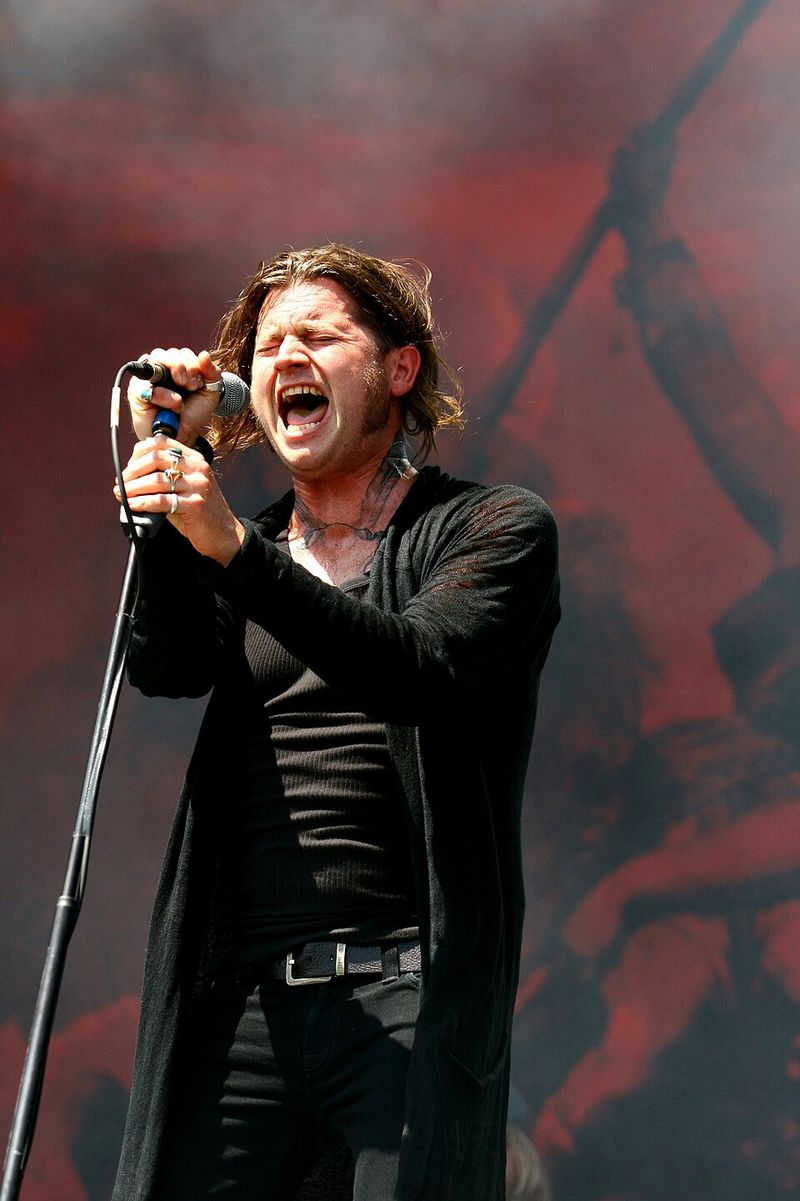
Jay Buchanan sings like the spirit of classic rock woke up in 2024 and decided to take no prisoners. His tone has that sandpaper heat you hear on old vinyl, but his control and phrasing feel modern and alive.
You hear grit, gospel, and golden era swagger, all wrapped in a voice that can bend a chorus into a handshake or a jaw drop.
Rival Sons fans already treat him like a secret weapon, yet his name rarely shows up beside the usual rock titans. That is a miss, because he can navigate tender ballads and full-throttle shouters without sounding forced.
The vibrato sits right, the dynamics breathe, and his onstage presence pulls you closer.
If you love a singer who can sell a lyric without oversinging, Buchanan belongs on your shortlist. He leans into melody rather than obliterating it, letting tension and release do the heavy lifting.
Put on Pressure and Time or Feral Roots, and listen to how he shapes each phrase. You will hear tradition honored and refreshed in real time.
2. Tunde Adebimpe (TV on the Radio)

Tunde Adebimpe does not attack a melody so much as inhabit it. His voice feels elastic, shifting from hush to howl without losing emotional thread.
There is soul, art rock angularity, and theater in the way he lands syllables, often flipping a line into a new color halfway through.
TV on the Radio thrive on texture, and Adebimpe rides those textures like a painter with a limited palette and unlimited ideas. He will blur the note, then sharpen it into focus, creating a living pulse inside the arrangement.
That trick is rarer than it sounds, and it makes even the densest tracks feel human.
Staring at the Sun and Wolf Like Me show his kinetic punch, while Family Tree reveals a tender, haunted hush. He deserves to be cited in any best frontmen conversation because he makes experimentation feel warm and inviting.
His phrasing never chases trend. It sets the room’s temperature and lets everything bloom around it.
3. Dallas Green (City and Colour)
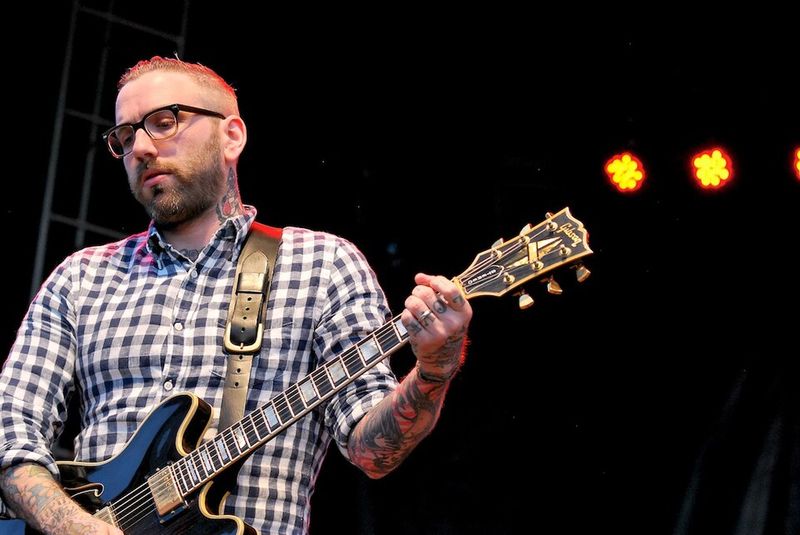
Dallas Green sings with a clarity that feels like moonlight on a quiet street. The tone is pure, but not sterile, and he shapes lines with painterly patience.
You hear breath and heart, never strain, and that restraint gives his choruses a quiet ache that stays with you.
City and Colour hits often move softly, yet Green’s vocal choices carry surprising weight. He lets consonants fall late, milks the vowel, and never crowds the guitar.
That is craft, not accident, and it is why a whisper from him can land heavier than a stadium shout.
Listeners sometimes box him in as indie folk, but the range of color across his catalog is striking. From The Girl to Lover Come Back, he balances tenderness and resolve with unfakeable poise.
If you want a singer who can make small moments feel cinematic, this is essential listening. It is time more people said his name first when discussing modern voices.
4. Claudio Sanchez (Coheed and Cambria)
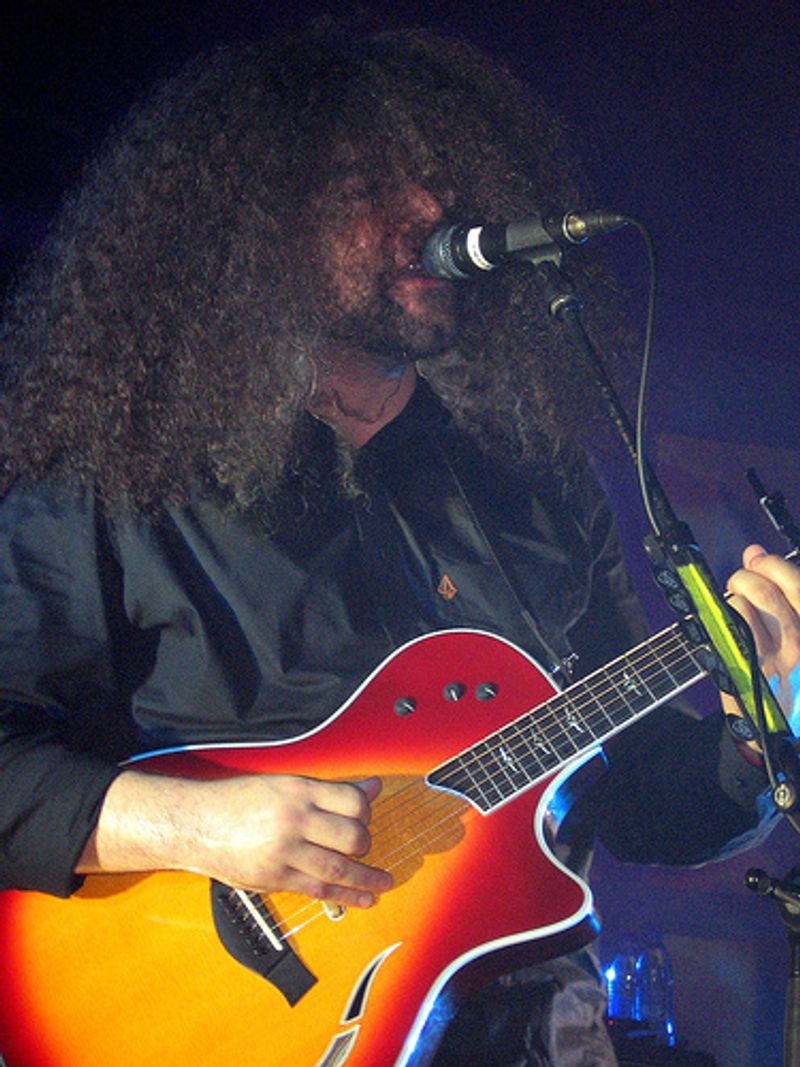
Claudio Sanchez treats the microphone like a mission log from a distant galaxy. His voice rings bright in the upper register, strong and agile, slicing through polyrhythms and towering riffs.
He can slip from narrative hush to heroic belt without losing pitch center or story thread.
Coheed and Cambria’s prog epics demand athletic singing, but Sanchez adds theatrical nuance instead of only gymnastic flash. Vowel shapes stay consistent across range, and you can hear deliberate air control fueling long phrases.
It is technical, yes, but it feels lived in, not clinical.
He also does what few technical singers manage: he makes complex lore feel intimate. On Welcome Home you get a clarion call, while tracks like The Suffering reveal tenderness behind the armor.
His timbre is instantly identifiable, which should count for more in best singer debates. If you want worldbuilding plus world class vocals, this is your north star.
5. Cedric Bixler-Zavala (The Mars Volta)
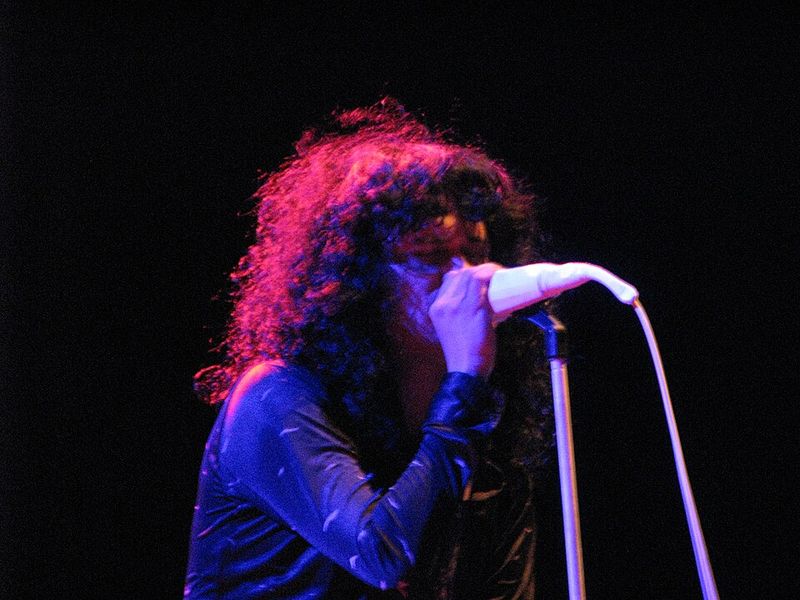
Cedric Bixler-Zavala sings like a neon acrobat, flipping from falsetto sparks to elastic belts. The Mars Volta build labyrinths, and he is the bright thread pulling you through.
His pitch sits surefooted even when rhythms fracture, an anchor amid controlled chaos.
What sets him apart is fearless attack. He reaches for notes others approach with caution, then lands them with odd grace.
The Spanish inflections, the elastic phrasing, the way he chews syllables and spits them back rhythmic and new, all create a live-wire intensity.
On tracks like Inertiatic ESP or The Widow, you hear a singer who refuses to pick between precision and mayhem. He carries both, switching gears without losing emotional charge.
It is a voice that sounds like a city at midnight, humming with possibility and danger. Put his name higher when you rank frontmen.
The receipts are already on record.
6. Brittany Howard (Alabama Shakes)
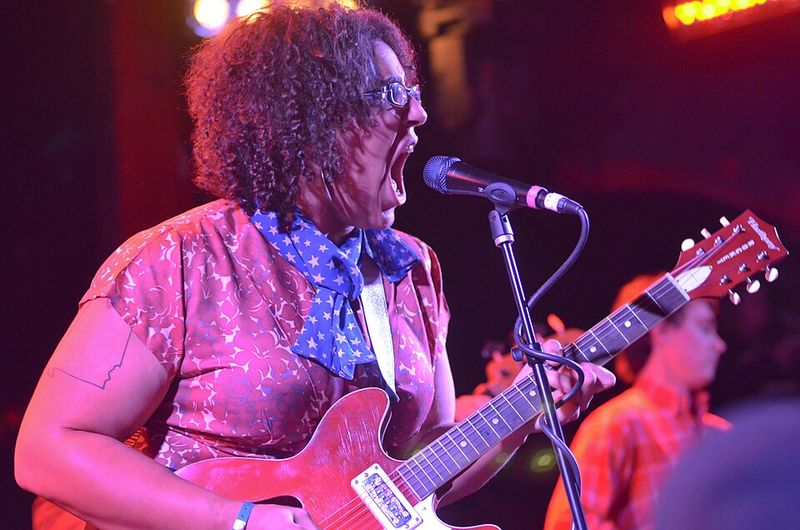
Brittany Howard possesses a volcanic instrument that still knows patience. She can rip a chorus wide open, then tuck into a whisper that feels like a secret.
The grain in her voice carries blues, gospel, and futurism all at once, but it is the intention that makes it hit.
With Alabama Shakes or solo, she never treats power as a default setting. She plays dynamics like a songwriter, not just a belter, and that makes each lift feel earned.
Her tone can turn smoky, then suddenly diamond bright, always grounded in impeccable pitch.
Hold On and Stay High show different corners of the same truth. She is versatile without losing identity, and charisma radiates before the first note.
You hear lived experience, not affectation. If mainstream saturation has not matched her talent yet, that is on the system, not the singer.
She is already one of the greats.
7. Skin (Deborah Dyer) (Skunk Anansie)
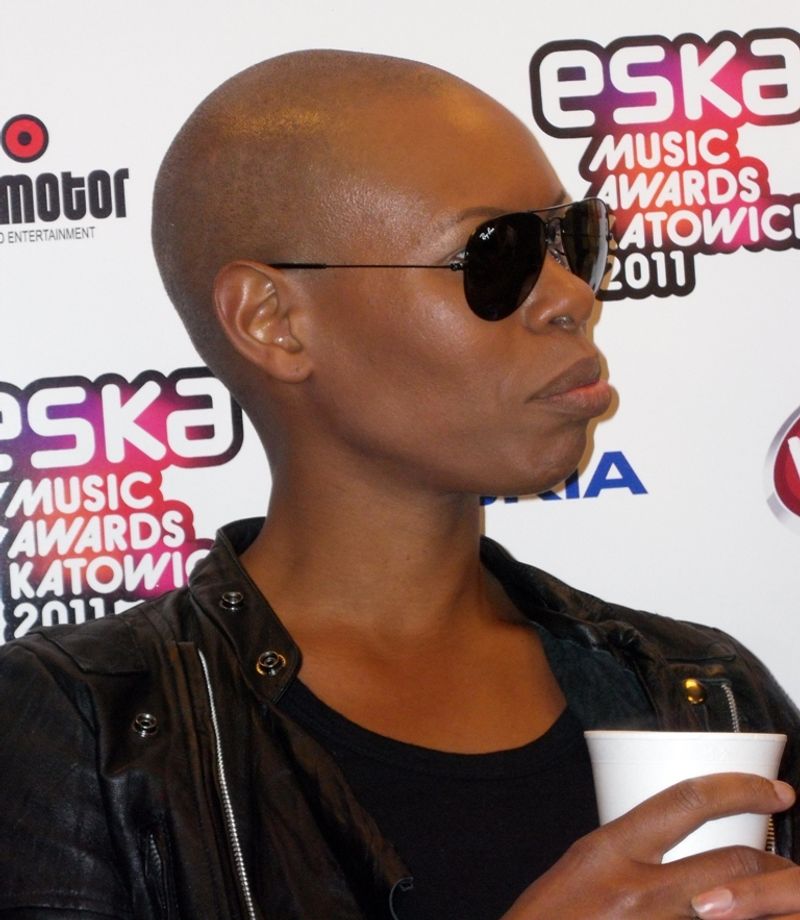
Skin sings like a lightning strike that learned dynamics. The projection is staggering, but what lingers is control and emotional clarity.
She can slide from intimate confession to feral roar without losing pitch or purpose, a rare trick even among rock heavyweights.
Skunk Anansie records deliver sleek aggression, and Skin is the blade’s edge. Her vowel placement keeps intensity bright rather than harsh, letting choruses soar without fatigue.
Live, she commands space with athletic phrasing and fearless presence, making massive rooms feel personal.
Songs like Weak and Hedonism show how she balances vulnerability and fire. There is a sense that every syllable has been weighed, then hurled with precision.
She should be mentioned alongside the most powerful voices in modern rock, full stop. If your playlist craves both catharsis and refinement, start here.
You will wonder why everyone is not shouting her name already.
8. Hope Sandoval (Mazzy Star)

Hope Sandoval does not raise her voice. She narrows the room instead, until the world feels like candlelight on a velvet wall.
That hush has gravity, turning small notes into entire weather systems and teaching listeners to lean in rather than turn up.
Mazzy Star made mood into architecture, and Sandoval is the quiet architect at the center. Her phrasing is glacial but precise, a slow pour of melody that never curdles into monotone.
The breathy tone is not affectation. It is a deliberate lens that softens edges and sharpens feeling.
Fade Into You became a standard, but the singer behind that spell often goes unnamed. Explore Mary of Silence or Blue Light to hear how she sculpts space.
She proves restraint can be thunderous. If you think whisper singers lack impact, Sandoval will change your mind in a single verse.
9. Chad VanGaalen (solo)
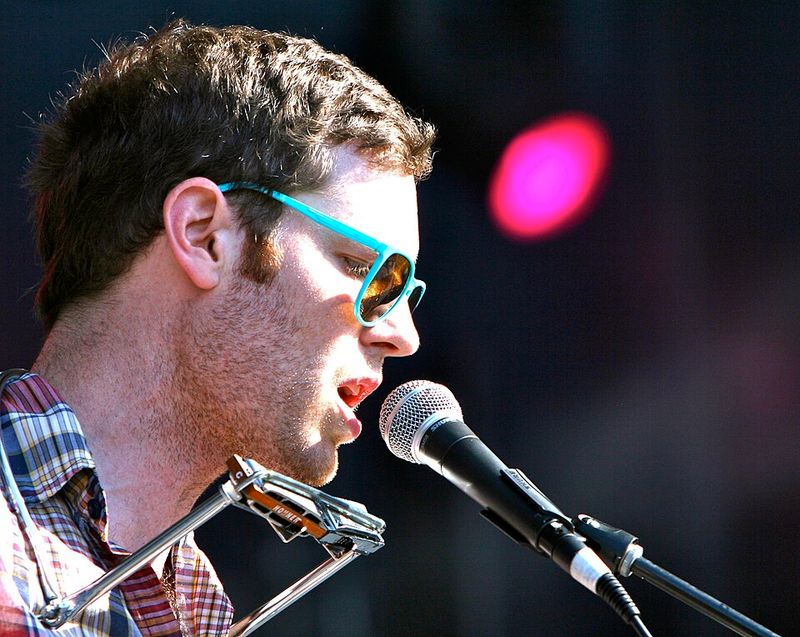
Chad VanGaalen’s voice is a friendly ghost, hovering slightly above the mix with gentle ache. It is not a heavy belt, but it slides into melodies with offhand grace.
The lo fi framing is part of the charm, letting tiny cracks and air noises feel like emotional fingerprints.
As a songwriter and producer, he builds odd little worlds where the vocal guides you like a neighborhood map. The tone can tilt nasally, then bloom into sweetness across a chorus, always conversational and human.
That honesty makes even surreal lyrics land like lived memory.
On songs like Willow Tree or Peace on the Rise, you hear intimacy that never feels faked. He can place a fragile note dead center, then let it wobble just enough to feel alive.
If you chase pristine perfection, look elsewhere. If you want warmth, invention, and a voice that loves the seams, VanGaalen deserves your time.
10. Kazu Makino (Blonde Redhead)

Kazu Makino sings like a beam of light refracted through glass. The tone is airy but focused, slipping through Blonde Redhead’s art rock structures with eerie precision.
She bends vowels into shapes that feel both delicate and unbreakable, a paradox that keeps you listening closer.
Across eras, she has reinvented her delivery without losing identity. Early records carry brittle tension, while later work leans silky and cinematic.
Her intonation remains rock solid, and the micro shifts in breath and tone color do storytelling that words alone could not.
On songs like 23 and Elephant Woman, she threads melancholy and lift in the same line. It is a voice that can haunt without ever turning ghostly thin.
She deserves far more celebration as an influence across indie and art pop. Put her vocals under a microscope and you will find immaculate craft alongside fearless feeling.
11. Mark Oliver Everett (E) (Eels)
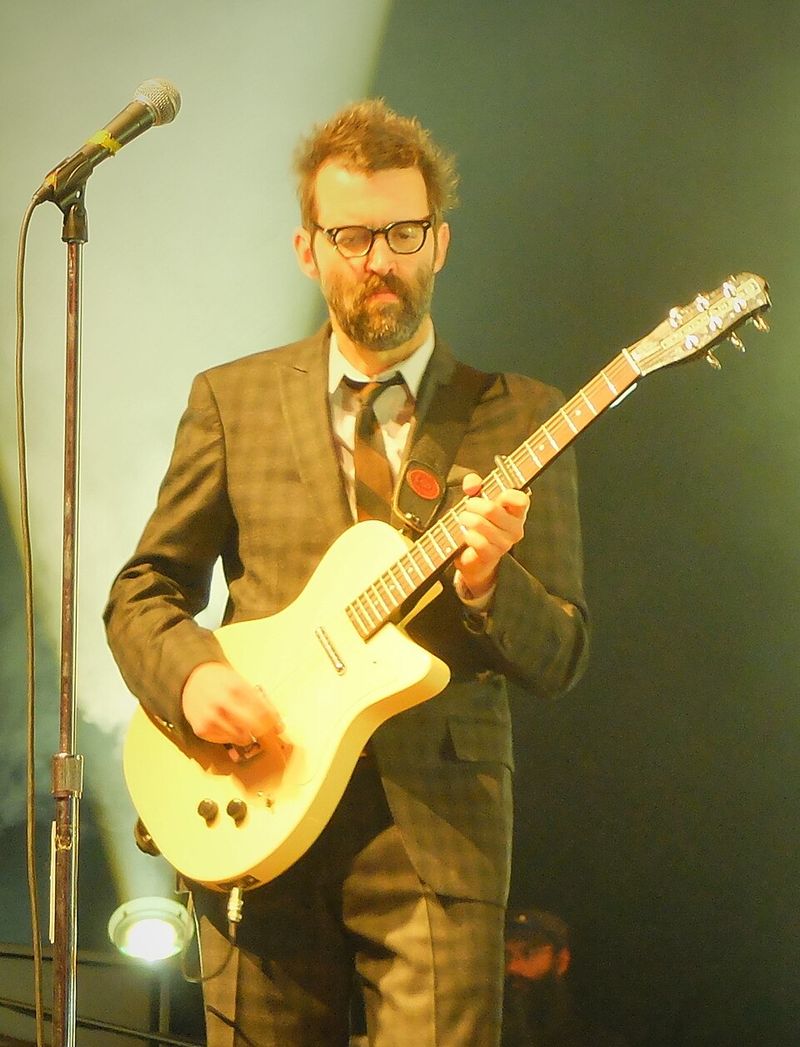
Mark Oliver Everett, known as E, carries a voice that sounds like a well-worn letter. It is husky, conversational, and stubbornly honest, the kind of tone that makes small stories universal.
He never over-dramatizes. He lets the lyric breathe until it becomes yours.
Eels records live on nuance, and E’s phrasing turns modest melodies into anchors. A half-cracked note can reveal a whole backstory, while a casual aside lands like a confession.
He treats the microphone like a diary, but the writing is sharp, never vague or indulgent.
Listen to Novocaine for the Soul, Elizabeth on the Bathroom Floor, or Fresh Blood to hear his range of shade. He can growl, murmur, or lean into a wry hook that lingers for days.
In big debates, his name is too quiet. In the songs, it is unmistakable.
That should tell you who is worth hearing more.
12. John Gourley (Portugal. The Man)
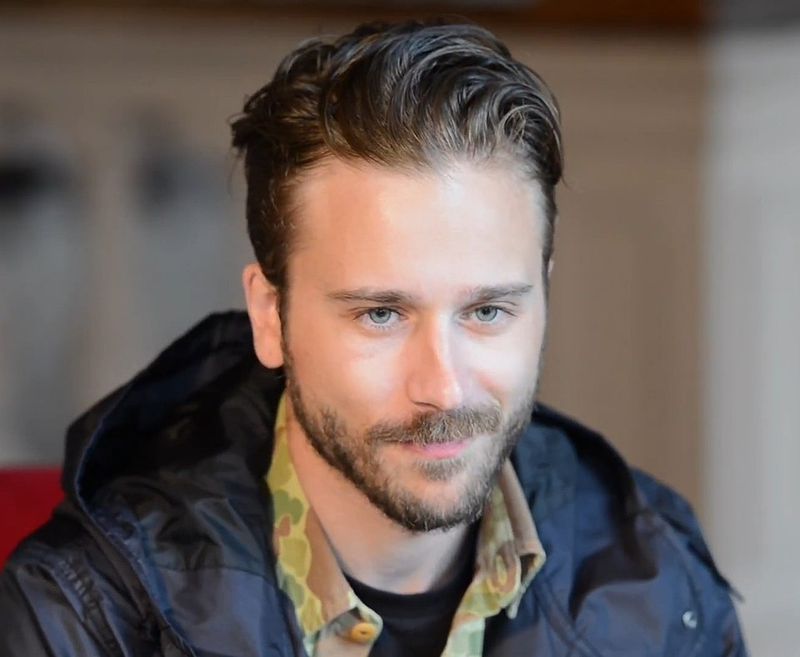
John Gourley’s falsetto is a feather with a steel spine. It floats across hooks, then digs in when the groove demands grit.
Portugal. The Man can pivot from psych swirl to pop precision, and his voice makes those shifts feel effortless.
He is not a belter, but he is a sculptor. You can hear exacting control in how he stacks harmonies and tucks lead lines into rhythmic pockets.
The result is a voice that sounds breezy while doing serious athletic work beneath the surface.
Beyond hits like Feel It Still, deeper cuts show his palette is wider than radio suggests. He will slide from airy falsetto to relaxed chest tone, shading phrases with sly attitude.
The charisma is understated, but the identity is unmistakable. If frontmen are judged by versatility, Gourley belongs higher on the list than he usually lands.
13. James Murphy (LCD Soundsystem)
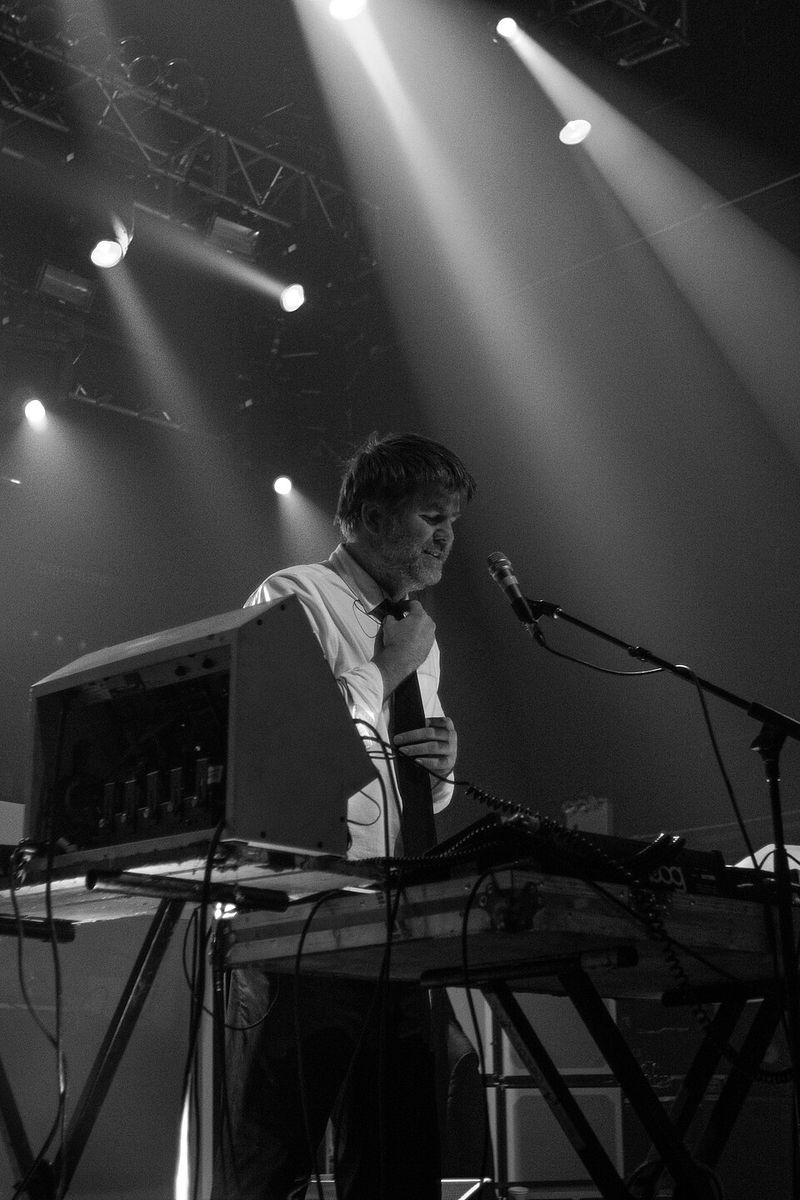
James Murphy builds cathedrals out of conversation. His voice is not about range theatrics.
It is about cadence, character, and timing, the way a line lands half weary and half ecstatic right when the beat blooms.
LCD Soundsystem tracks thrive on tension release, and Murphy narrates that arc like a late night friend. He leans into a talk-sing grain that turns into shout-along catharsis without losing pitch.
The vibrato is minimal, but the humanity is loud, and that is why crowds sing every word.
All My Friends and Someone Great demonstrate how a plainspoken delivery can devastate when the writing is sharp. He shaped indie dance by proving you do not need a skyscraper belt to lead a room.
You need truth, timing, and taste. On those fronts, Murphy is a master who deserves more vocal respect.
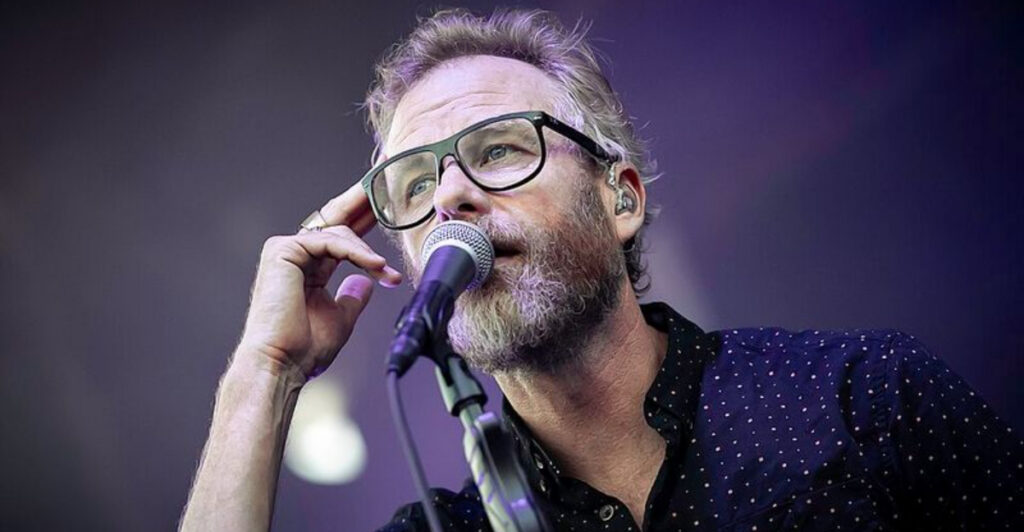
14. Matt Berninger (The National)
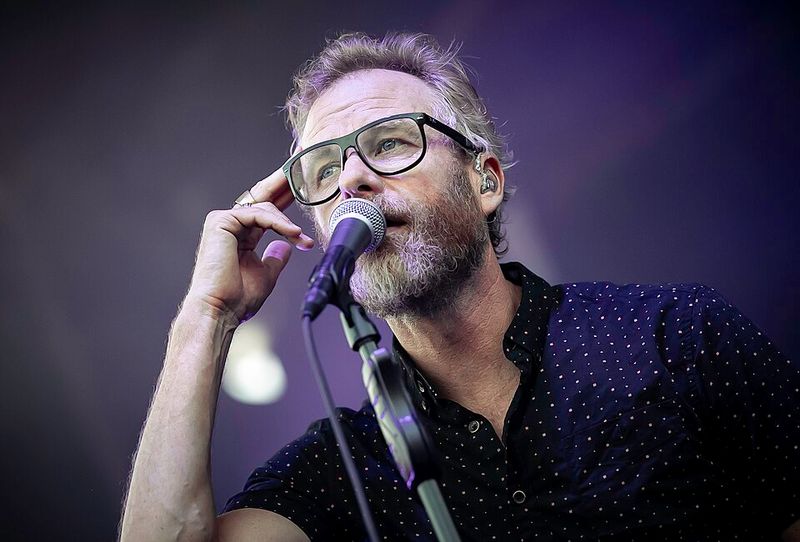
Matt Berninger’s baritone feels like midnight velvet with a city view. He sits low in the staff, speaking melodies into existence until they bloom.
The restraint is intentional, and when he pushes into grain or a half-shout, the payoff feels seismic.
The National’s arrangements leave space, and Berninger paints inside it with narrative detail. He is a master of phrasing that sounds tossed off but lands perfectly on the beat.
The syllables drag, then snap into place, creating tension you can measure in heartbeats.
Tracks like Fake Empire, Bloodbuzz Ohio, and The System Only Dreams in Total Darkness show different gears of the same instrument. He can be wry, wounded, or quietly triumphant, always unmistakable.
In a world obsessed with high notes, he proves low can be limitless. That voice deserves mainstream credit well beyond indie circles.
15. Sharon Van Etten (solo)
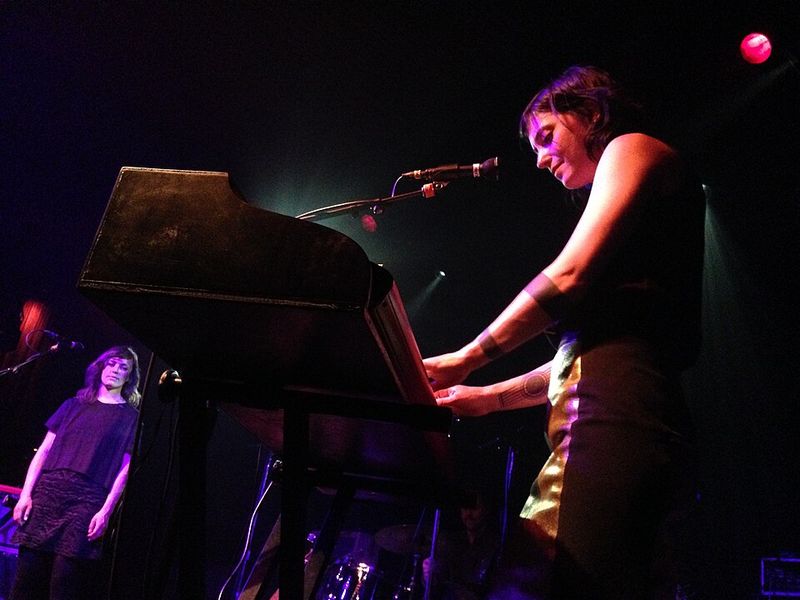
Sharon Van Etten sings like a lighthouse cutting through fog. The timbre is warm, a little smoky, and built for long lines that ache without collapsing.
She can float a gentle verse, then step on the gas and send a chorus roaring with grounded power.
Her catalog maps growth in real time, from hushed early records to widescreen anthems. The technique improved without sanding away the rawness that made those first songs hit.
She leans into chest voice with confidence, keeping pitch steady while emotion crests.
Listen to Seventeen, Your Love Is Killing Me, or Jupiter 4 to hear range, control, and vulnerability in balance. She tells the truth without spectacle, and that honesty cuts deeper than fireworks.
Critics already know. The broader public should catch up.
If you want a singer who sounds like courage, start with Sharon and turn it loud.
Share this story