Coastal cities are starting to feel like they’re living on borrowed time. High-tide flooding is becoming more common, storms are hitting harder, and the line between “rare event” and “new normal” keeps shifting.
It’s not just a future problem, either. Researchers warn that by mid-century, rising seas could push frequent flooding into places where millions live and work, turning routine commutes and weekend plans into constant calculations.
The price tag is just as brutal, with damage that can ripple through housing, insurance, ports, and local economies.
So which cities are most exposed, and why are some places at higher risk than others? Let’s look at the coastal urban centers sitting closest to the edge, and what the next few decades could mean for the people who call them home.
1. Jakarta, Indonesia
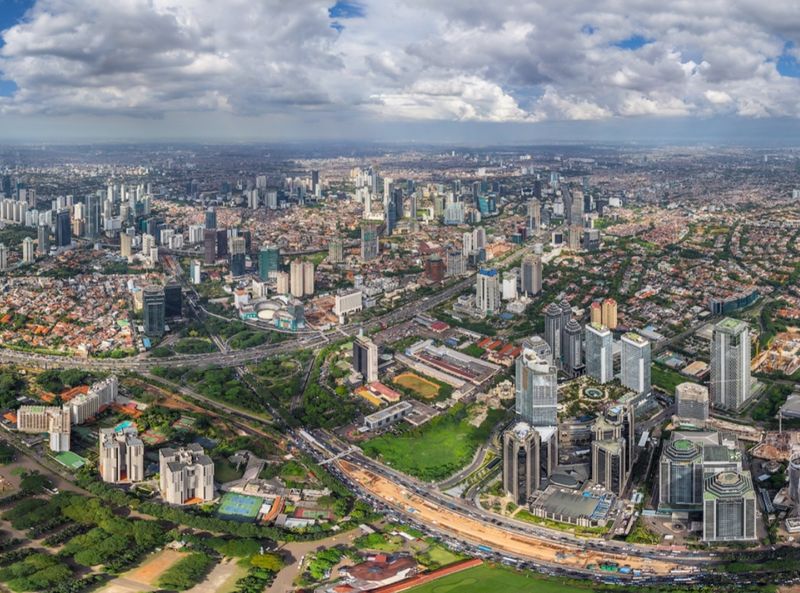
Jakarta sinks faster than almost any other city on Earth. The Indonesian capital drops about 10 inches per year in some areas, a rate that makes your jaw drop when you realize entire neighborhoods could vanish beneath the waves within decades.
Groundwater pumping causes most of this subsidence. When millions of residents extract water from underground aquifers, the land collapses like a deflated balloon.
Combine that with rising seas, and you’ve got a recipe for disaster that keeps urban planners awake at night.
The government plans to relocate the capital to Borneo by 2045. That decision speaks volumes about how serious the threat has become.
Meanwhile, 10 million people still call Jakarta home, many living in areas that flood regularly even now.
Seawalls and pumps work overtime to keep the ocean at bay. But these temporary fixes can’t solve the underlying problem.
By 2050, significant portions of northern Jakarta could be permanently underwater, forcing one of history’s largest urban migrations.
2. Bangkok, Thailand
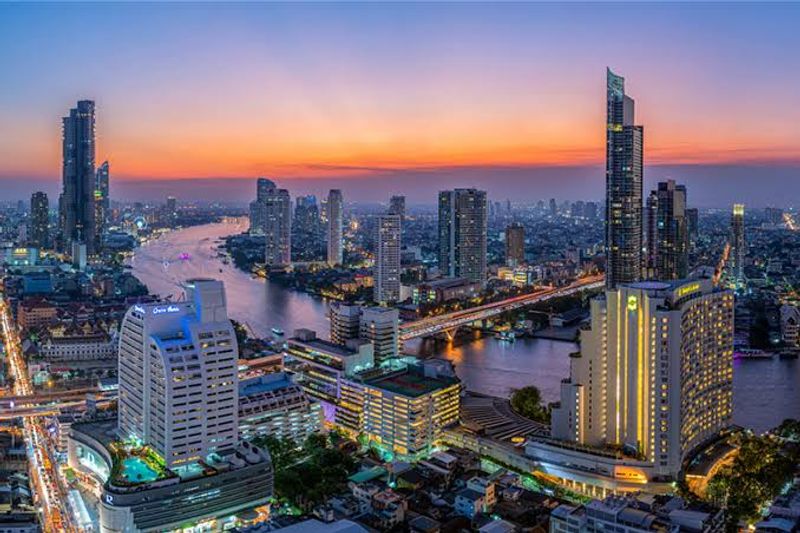
Bangkok sits barely above sea level, making it a sitting duck for coastal flooding. The Thai capital rests on soft clay soil that compounds the problem, causing the city to sink while oceans rise.
Talk about bad timing.
Monsoon season already brings chaos to Bangkok’s streets. I remember seeing photos of residents wading through waist-deep water just to reach the local market.
By 2050, those seasonal floods could become permanent fixtures in low-lying neighborhoods.
The Chao Phraya River runs through the city’s heart. When storm surges push seawater upstream, the river becomes a highway for flooding that spreads throughout metropolitan areas.
Engineers have built flood barriers, but they’re fighting an uphill battle against nature’s relentless advance.
Climate models rank Bangkok among the world’s most vulnerable cities. About 40 percent of the urban area could face annual flooding by mid-century.
That’s not just infrastructure damage we’re talking about—it’s millions of lives disrupted, businesses destroyed, and cultural heritage threatened by saltwater intrusion.
3. Ho Chi Minh City, Vietnam
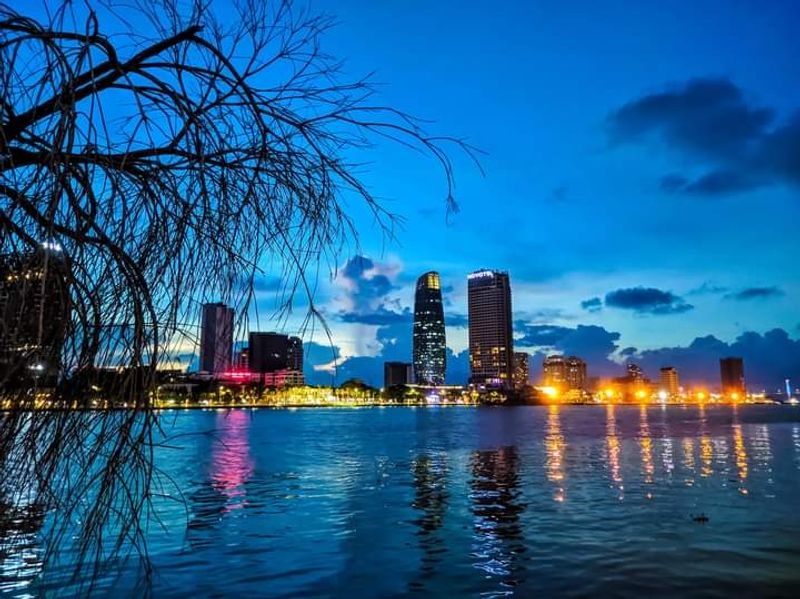
Double trouble defines Ho Chi Minh City’s future. The Vietnamese metropolis faces both rising seas and sinking land, a combination that scientists call particularly dangerous.
When both forces work against you simultaneously, the math gets ugly fast.
The Mekong Delta surrounds this bustling city of 9 million people. Delta regions naturally sit at low elevations, which made them perfect for agriculture but terrible for climate resilience.
As sea levels climb, saltwater pushes inland through rivers and canals, contaminating freshwater supplies and farmland.
Land subsidence here rivals Jakarta’s alarming rates. Groundwater extraction and the weight of new construction cause the ground to compact.
Some districts sink several inches annually, erasing any buffer zone between the city and ocean.
By 2050, researchers predict extensive flooding throughout the metropolitan area. The city’s rapid development left little room for natural drainage systems.
Concrete and asphalt cover areas that once absorbed rainwater, so even moderate storms now cause significant flooding that hints at worse things coming.
4. New Orleans, USA
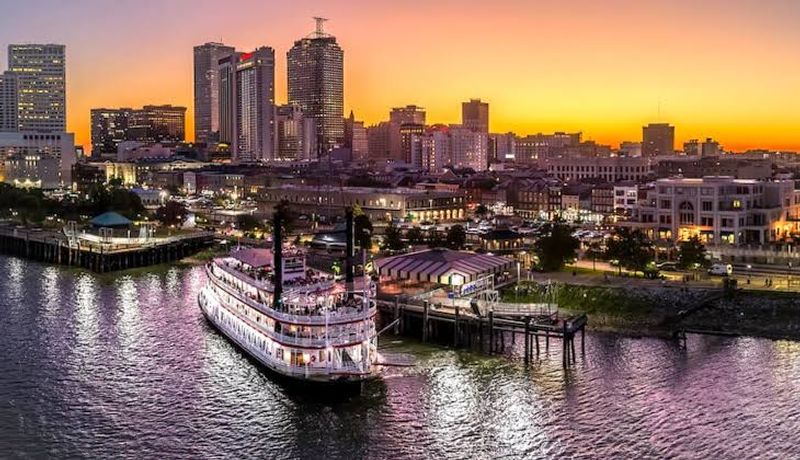
New Orleans knows flooding like few other American cities. Hurricane Katrina’s devastation in 2005 proved how vulnerable this cultural treasure remains.
The city sits in a bowl, with much of it below sea level, surrounded by water on nearly all sides.
Levees protect the city but create a false sense of security. These earthen walls hold back Lake Pontchartrain, the Mississippi River, and various canals.
When storms overwhelm the levees or pumps fail, water rushes in with devastating speed and force.
The city continues sinking as the Mississippi Delta subsides naturally. Centuries of river management prevented sediment from replenishing coastal wetlands that once provided natural storm protection.
Now those wetlands disappear at alarming rates, leaving New Orleans increasingly exposed to Gulf storms.
Climate change brings stronger hurricanes and higher baseline sea levels. By 2050, even the upgraded levee system might not suffice.
Storm surge heights will increase, rainfall will intensify, and the pumps that remove floodwater will struggle against rising water tables that leave nowhere for the water to go.
5. Miami and Miami Beach, USA
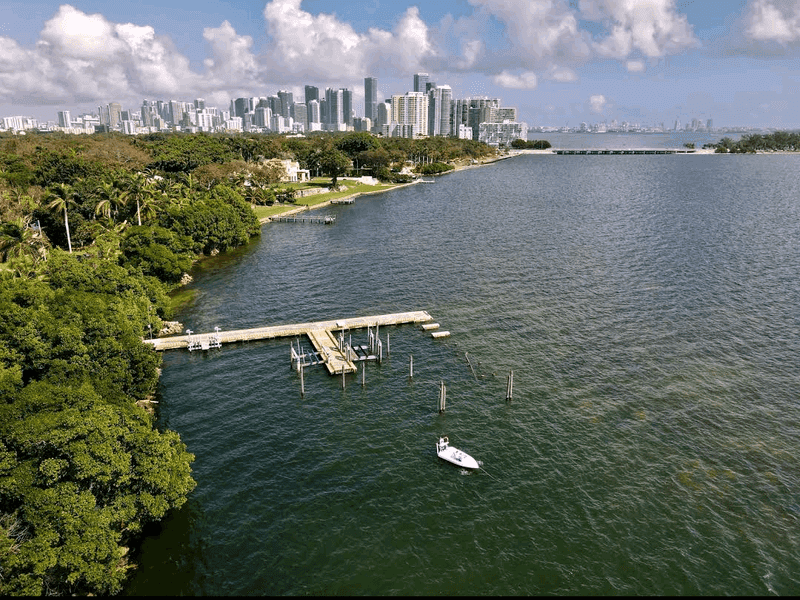
South Florida’s glamorous coastline faces an unglamorous future. Miami and Miami Beach sit on porous limestone that lets seawater seep through from below.
You can’t build a wall against water that comes up through the ground like a zombie in a horror movie.
King tides already flood streets regularly without any storms present. Residents see fish swimming through downtown intersections during high tide events.
These nuisance floods will become daily occurrences as seas continue rising over the next few decades.
Real estate values reflect growing anxiety about the future. Some waterfront properties have actually decreased in value as buyers recognize the long-term risk.
Insurance companies raise rates or refuse coverage entirely for the most vulnerable areas.
Miami invests billions in pumps and raised roads. The city elevates streets, installs massive drainage systems, and builds seawalls.
But these measures buy time rather than provide permanent solutions. By 2050, significant portions of Miami-Dade County could experience chronic flooding that makes normal life impossible in affected neighborhoods.
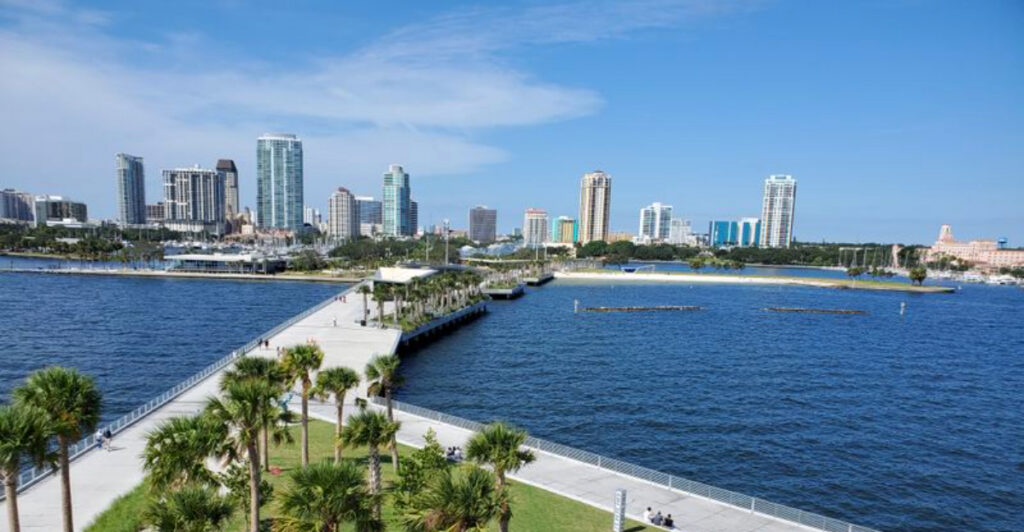
6. Saint Petersburg, USA
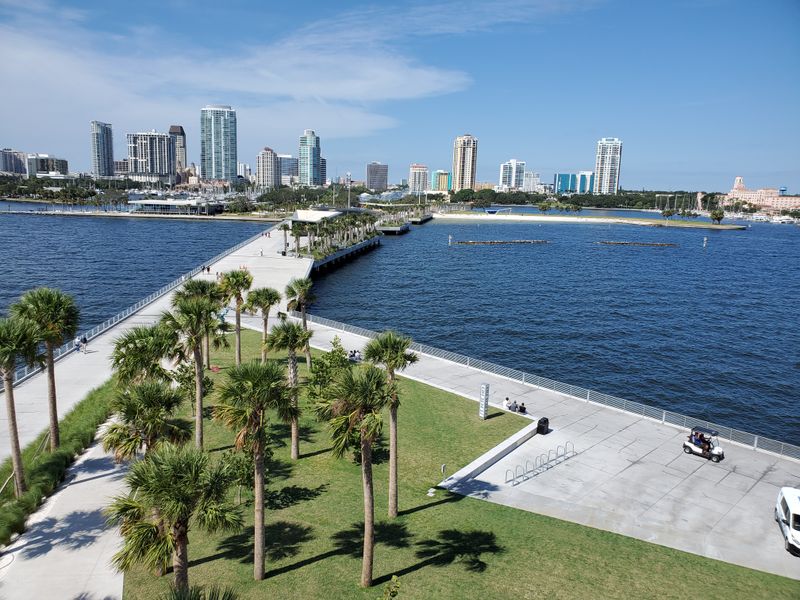
Florida’s other major coastal city faces similar threats to Miami. Saint Petersburg sits on a peninsula surrounded by Tampa Bay, making it vulnerable from multiple directions.
When storm surge comes from the west, there’s nowhere for the water to drain.
The city ranks among the highest in the nation for flood exposure. Thousands of residents live in areas that could face regular flooding by mid-century.
The flat terrain offers no high ground for retreat, and the bay’s shallow waters amplify storm surge during hurricanes.
Hurricane season brings anxiety that grows each year. Residents watch weather forecasts obsessively from June through November.
Even storms that don’t make direct hits can push enough water into the bay to cause significant flooding throughout the metropolitan area.
Saint Petersburg’s economy depends heavily on waterfront tourism and recreation. Beaches, marinas, and waterfront restaurants generate substantial revenue.
But these same assets sit directly in harm’s way. By 2050, the city must choose between massive infrastructure investments or managed retreat from the most vulnerable areas that define its character and economy.
7. Venice, Italy
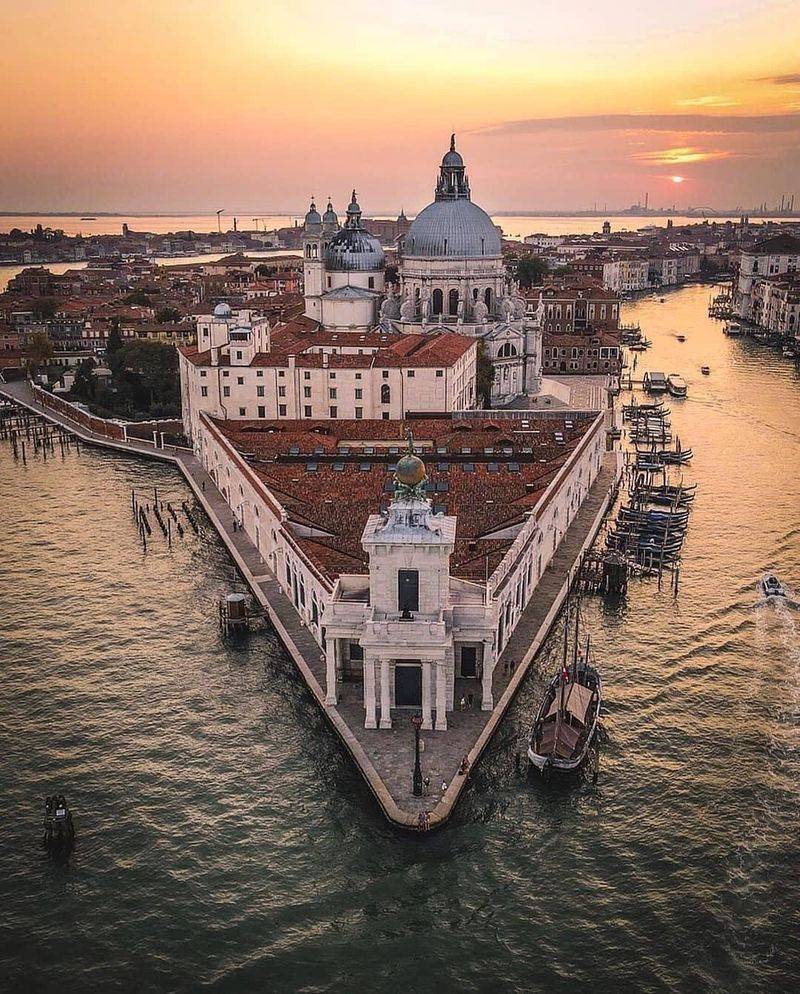
Venice has fought water for centuries, but the battle intensifies. The floating city experiences acqua alta, or high water, with increasing frequency.
What once happened a few times per year now occurs dozens of times, flooding iconic St. Mark’s Square and disrupting daily life.
The MOSE flood barrier system represents an engineering marvel. Massive gates rise from the seafloor to block storm surge from entering the Venetian Lagoon.
But the system costs billions to operate and maintain, and it can’t run continuously without cutting off the lagoon from natural tidal flows.
Subsidence compounds Venice’s problems. The city sinks slowly as the land beneath it compacts.
Historic buildings show water damage at increasingly higher levels. Residents install special barriers on doorways and elevate ground floors, adapting to a reality that grows more challenging.
By 2050, Venice could face permanent flooding in its lowest areas. The city might need to evacuate ground floors entirely or build extensive elevated walkways.
Tourism brings economic lifeblood but also causes problems, as boat traffic creates waves that erode building foundations and accelerate the city’s slow-motion sinking into the lagoon.
8. Amsterdam, Netherlands
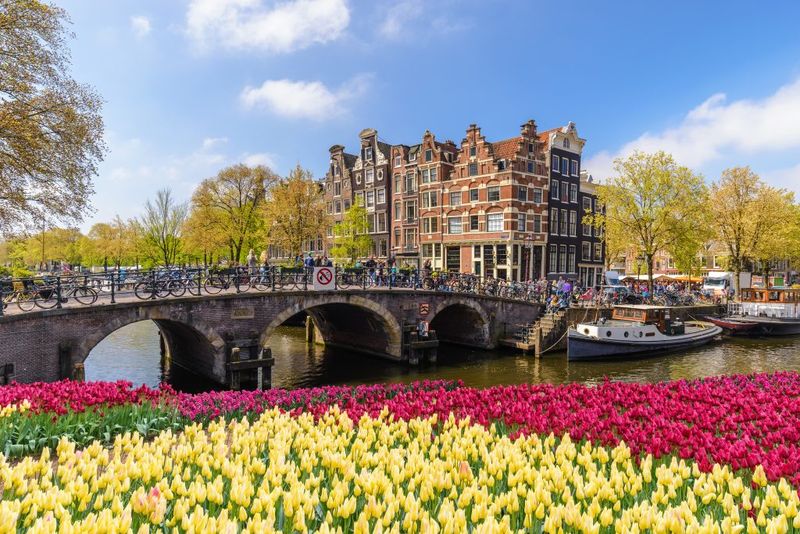
The Dutch have mastered water management for centuries. Amsterdam and much of the Netherlands exist only because of sophisticated dikes, pumps, and canals that hold back the sea.
But even Dutch expertise faces unprecedented challenges from climate change.
About one-third of the Netherlands sits below sea level. Amsterdam itself would be underwater without constant pumping and maintained barriers.
The country’s entire existence depends on infrastructure that must function perfectly, every single day, without fail.
Rising seas mean higher baseline water levels against the dikes. Storm surges reach higher, and the margin for error shrinks.
The Netherlands invests heavily in upgraded flood defenses, but costs escalate while the threats multiply from all directions.
Climate change also brings more intense rainfall. When rivers flood from inland precipitation at the same time that high tides prevent drainage to the sea, the Netherlands gets squeezed.
By 2050, the country will need even more sophisticated systems to manage water that has nowhere to go. Amsterdam’s historic canals could overflow more frequently, threatening centuries-old architecture and modern infrastructure alike.
9. Alexandria, Egypt
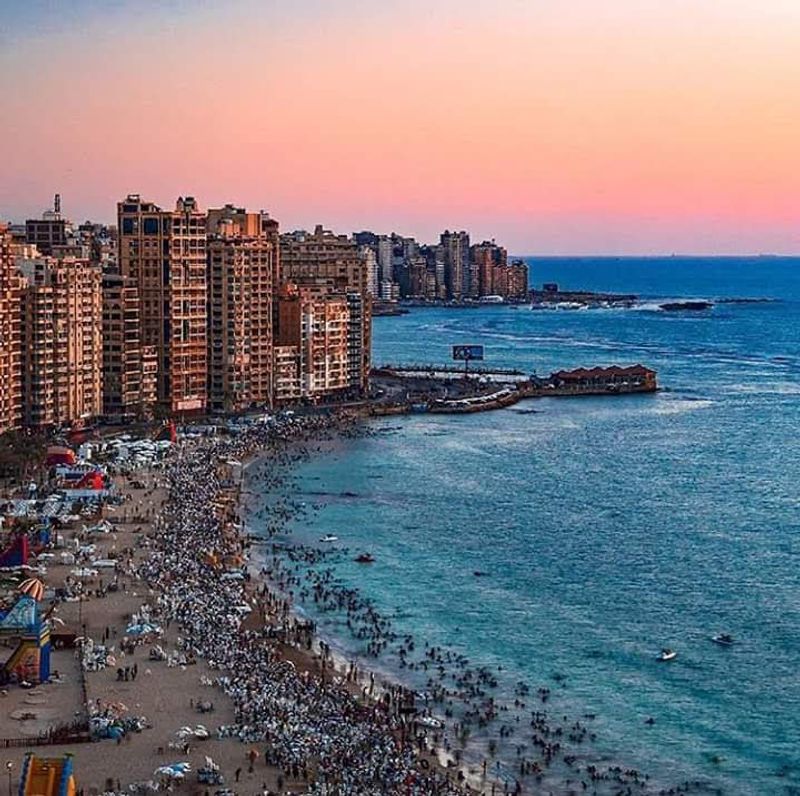
Cleopatra’s ancient city faces modern threats. Alexandria sits on the Nile Delta’s northern edge, where the mighty river meets the Mediterranean.
The delta sinks while seas rise, creating a pincer movement that threatens Egypt’s second-largest city.
Coastal erosion already claims beaches and threatens buildings. The Mediterranean eats away at Alexandria’s shoreline, undermining structures and destroying natural barriers.
Seawalls provide temporary protection but can’t stop the fundamental forces reshaping the coastline.
The Nile Delta supports much of Egypt’s agriculture and population. Saltwater intrusion threatens farmland and freshwater supplies as the sea pushes inland through groundwater and surface channels.
This affects not just Alexandria but the entire delta region that feeds the nation.
Alexandria’s historical significance makes the threat particularly poignant. Ancient ruins and artifacts could be lost forever to rising waters.
By 2050, significant portions of the city could face regular flooding. The Egyptian government considers various adaptation strategies, but the scale of the challenge dwarfs available resources.
Millions of people depend on this region remaining habitable and productive.
10. Guangzhou and Shenzhen, China
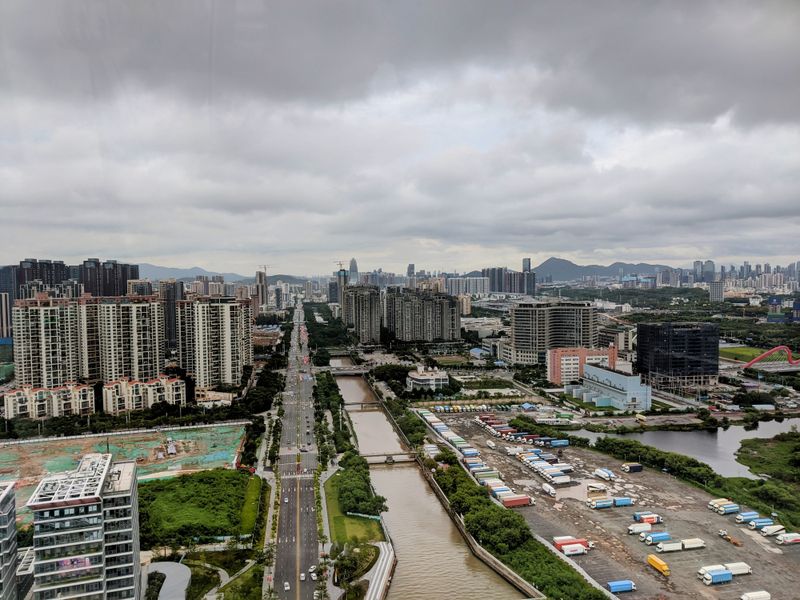
China’s economic powerhouses face watery futures. Guangzhou and Shenzhen anchor the Pearl River Delta, one of the world’s most productive manufacturing regions.
These cities grew explosively over recent decades, but their low-lying locations create enormous flood vulnerability.
Tens of millions of people live in this metropolitan cluster. The concentration of population and economic activity means that flooding here would have global repercussions.
Supply chains for electronics, clothing, and countless other products depend on factories that sit in flood-prone areas.
China invests massively in flood defenses throughout the delta. Seawalls, pumping stations, and elevated infrastructure cost billions of yuan.
But the delta’s geology works against these efforts, as the land subsides from groundwater extraction and the weight of development.
By 2050, these cities could face flooding that disrupts manufacturing and displaces millions. Storm surge from typhoons combines with river flooding and extreme rainfall.
The Pearl River can’t drain properly when sea levels rise, causing backups that inundate low-lying districts. China’s economic growth depends partly on managing this threat to its industrial heartland.
11. Kolkata, India
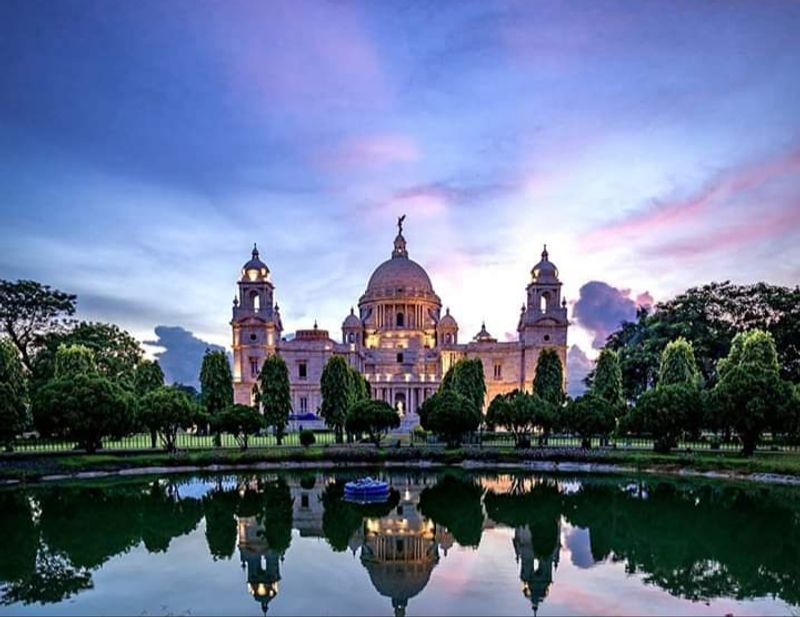
The Bay of Bengal breeds some of Earth’s most destructive cyclones. Kolkata sits near the bay’s northern edge, vulnerable to storm surge that funnels up the narrow coastline.
When cyclones strike, water piles up with nowhere to escape.
Millions of people crowd into Kolkata’s metropolitan area. Many live in informal settlements that lack proper drainage or flood protection.
When waters rise, these communities suffer disproportionately. Poverty and flood risk create a vicious cycle that traps vulnerable populations.
The Sundarbans mangrove forests once provided natural protection. These coastal wetlands absorbed storm energy and reduced flooding.
But development and sea level rise destroy mangroves, removing nature’s buffer zone. What remains faces saltwater intrusion that kills trees and reduces their protective capacity.
Climate change intensifies cyclones while raising baseline sea levels. By 2050, Kolkata could face catastrophic flooding with increasing frequency.
The city’s infrastructure struggles to handle current flood events. Future scenarios suggest that adaptation costs could overwhelm local resources, potentially requiring massive national or international assistance to protect one of India’s major urban centers from climate-driven disaster.
12. Tokyo, Japan
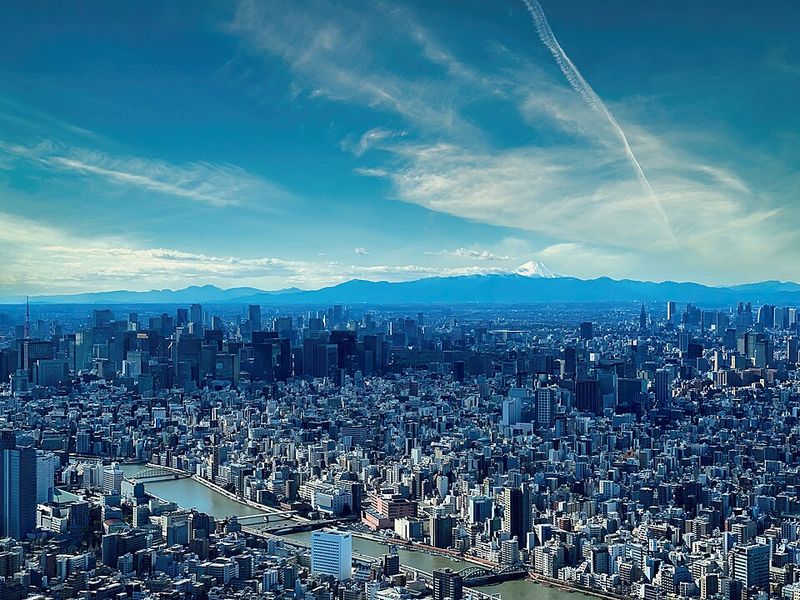
Tokyo’s massive size creates massive vulnerability. Greater Tokyo houses roughly 38 million people, making it the world’s largest metropolitan area.
Significant portions sit on reclaimed land or low-lying coastal plains that face flood risk from multiple sources.
Typhoons regularly threaten the Japanese capital. These powerful storms bring storm surge, heavy rainfall, and strong winds.
Tokyo’s rivers can overflow when typhoons stall over the region, dumping extreme rainfall that overwhelms drainage systems designed for historical weather patterns.
Japan leads the world in disaster preparedness and engineering. Tokyo has extensive flood control infrastructure including massive underground reservoirs that temporarily store excess water.
But these systems have limits, and climate change pushes conditions beyond historical precedents.
By 2050, Tokyo faces increased flood frequency from higher seas and more intense storms. The city’s economic importance means that flooding here would send shockwaves through global markets.
Real estate in the most vulnerable areas already shows price impacts. Japan must balance the enormous costs of enhanced flood protection against the catastrophic costs of inadequate preparation for a wetter, wilder climate future.
13. Shanghai, China
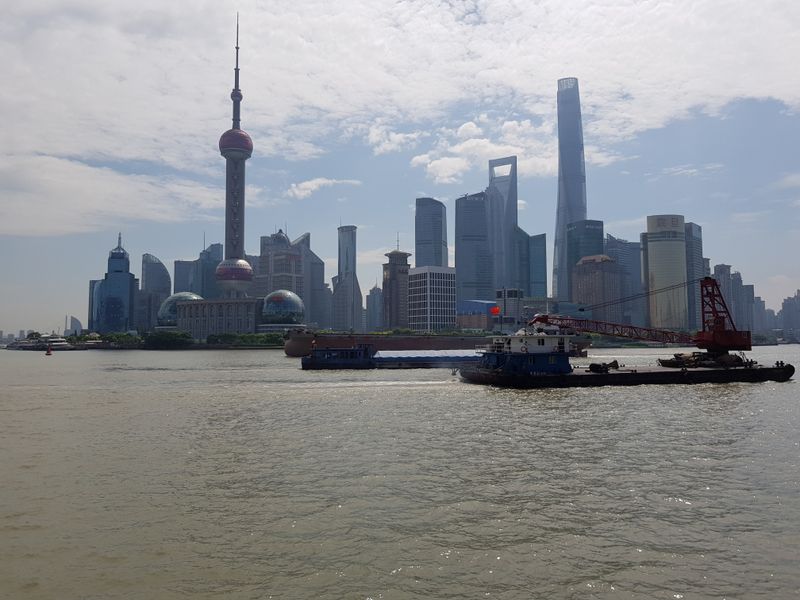
Shanghai’s stunning skyline rises from a sinking delta. The Yangtze River Delta subsides as groundwater extraction and sediment starvation cause the land to compact.
Meanwhile, the East China Sea rises, squeezing Shanghai from below and above simultaneously.
This port city drives much of China’s economy. Shanghai handles enormous cargo volumes and serves as a financial hub.
The concentration of wealth and infrastructure in flood-prone areas creates staggering potential losses. Even temporary flooding could disrupt global trade networks.
Shanghai already experiences occasional flooding during typhoons. The government has built seawalls and other defenses, but the scale of the threat keeps growing.
Some estimates suggest that millions of residents live in areas that could face regular flooding by mid-century.
By 2050, Shanghai must dramatically enhance its flood protection or face devastating consequences. The city considers various mega-projects including massive storm surge barriers.
But the Yangtze River complicates matters, as flood waters come from inland as well as the ocean. Shanghai’s future depends on successfully managing water from all directions while maintaining its role as China’s gateway to the world.
14. Dhaka, Bangladesh
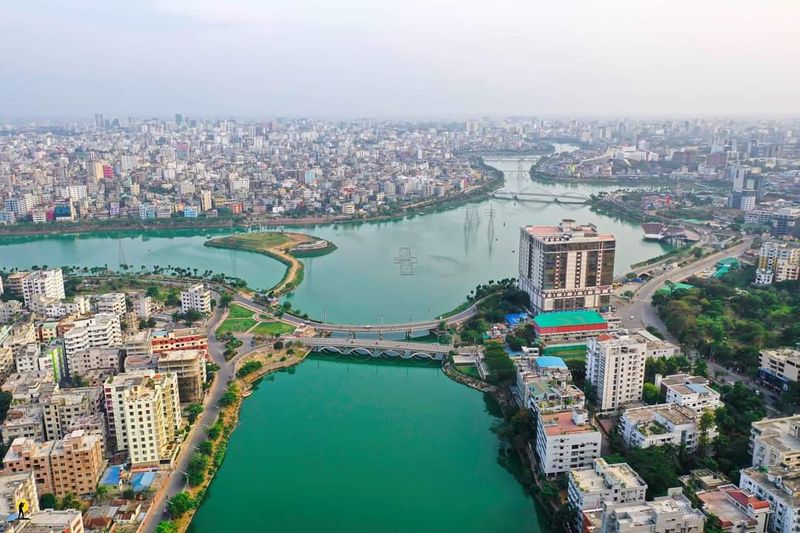
Dhaka sits inland but faces coastal flood threats anyway. Bangladesh’s capital lies on a river delta where multiple waterways converge.
When storm surge pushes up from the Bay of Bengal, it backs up rivers and floods areas far from the coast.
Population density here exceeds imagination. Over 20 million people crowd into the metropolitan area, many living in flood-prone neighborhoods.
When disasters strike, the humanitarian toll reaches catastrophic levels. Poverty limits people’s ability to evacuate or recover from flooding events.
Monsoons bring heavy seasonal rainfall that already causes regular flooding. Add rising sea levels that prevent proper drainage, and you get a recipe for disaster.
The water has nowhere to go when rivers can’t drain to an ocean that’s risen to meet them.
By 2050, Dhaka could face flooding that displaces millions. Bangladesh ranks among the world’s most climate-vulnerable nations.
The country lacks resources to build extensive flood defenses. International climate discussions often cite Bangladesh as an example of climate injustice, where the poorest populations suffer most from problems they did least to create through greenhouse gas emissions.
15. Lagos, Nigeria
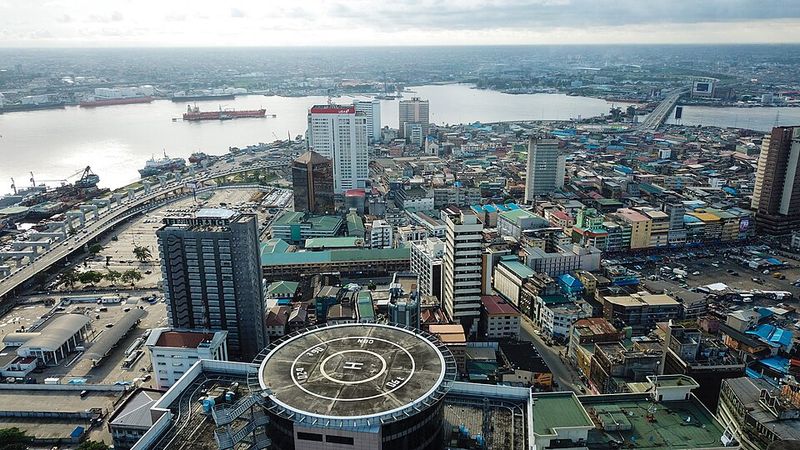
Africa’s largest city sprawls across islands and coastal lowlands. Lagos grew explosively from a small port to a megacity of over 20 million people.
Much of this growth happened in flood-prone areas where land was cheap but risks were high.
The Atlantic Ocean laps at Lagos from the south. Lagoons and creeks penetrate inland, creating complex waterways throughout the metropolitan area.
When storm surge combines with heavy rainfall, flooding spreads rapidly through low-lying neighborhoods that lack proper drainage infrastructure.
Informal settlements house millions of Lagos residents. These communities often occupy the most vulnerable locations, including reclaimed swamps and shorelines.
Residents build homes on stilts or elevated platforms, adapting to regular flooding that already disrupts life.
By 2050, significant portions of Lagos could become uninhabitable without major interventions. Nigeria’s economy depends heavily on this city, but resources for flood protection remain limited.
Climate change adds urgency to challenges that include rapid population growth, inadequate infrastructure, and governance issues. Lagos represents the intersection of urbanization and climate risk in the developing world, where millions face uncertain futures in rising waters.
16. Istanbul, Turkey
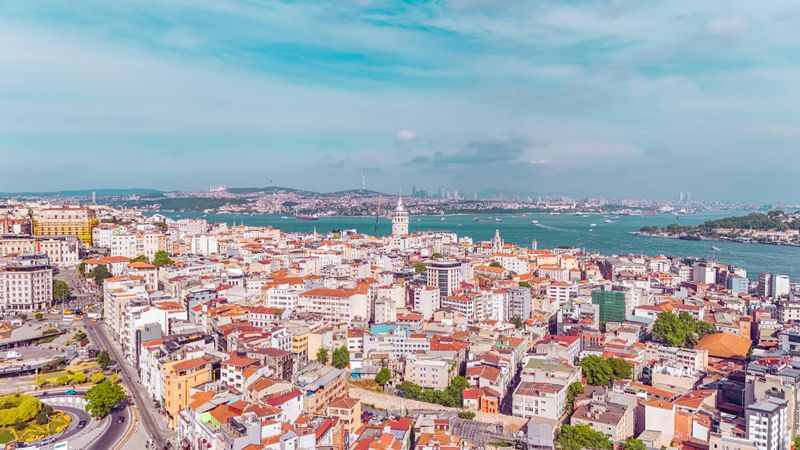
Istanbul straddles two continents and multiple bodies of water. The Bosphorus strait, Golden Horn, and Sea of Marmara surround this historic city.
Its unique geography creates beauty but also vulnerability to flooding from several directions simultaneously.
Climate projections show increasing flood risk for Istanbul. Sea level rise in the Mediterranean and Black Sea systems will affect water levels in the Marmara.
Storm surge during severe weather can push water up the narrow Bosphorus, flooding low-lying neighborhoods.
Istanbul’s rapid growth placed millions in harm’s way. The city expanded without adequate attention to flood risk.
Concrete development covered natural drainage areas, so rainfall now causes flash flooding that hints at future problems when seas rise higher.
By 2050, Istanbul faces challenges balancing heritage preservation with climate adaptation. Historic neighborhoods sit at low elevations near the water.
Protecting these culturally significant areas requires expensive infrastructure. Turkey’s government must prioritize flood defense for a city that serves as the nation’s economic and cultural heart, straddling the literal and figurative bridge between Europe and Asia.
17. Manila, Philippines
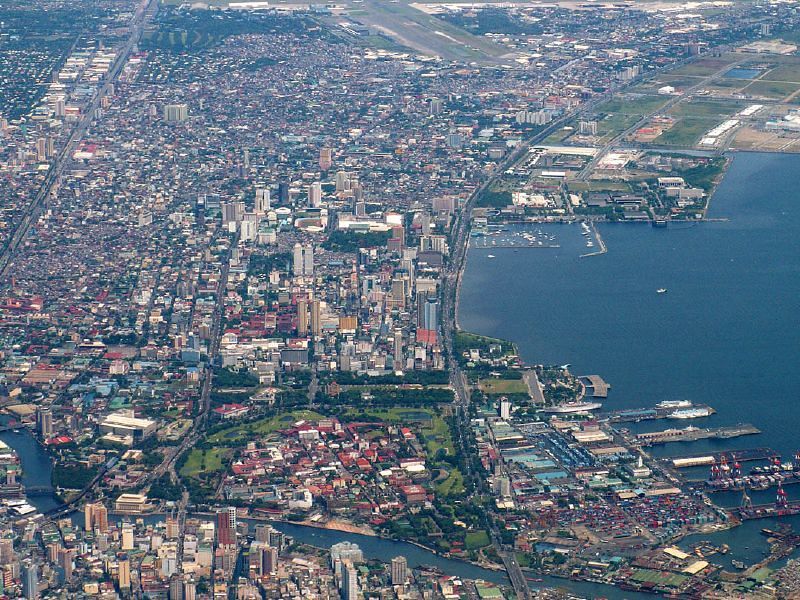
Typhoons hammer Manila regularly, and climate change makes them stronger. The Philippine capital sits on Manila Bay, exposed to storm surge that can reach devastating heights.
When typhoons make landfall, millions of residents face flooding that can persist for days.
Manila’s drainage infrastructure can’t handle current rainfall, let alone future extremes. Clogged canals and inadequate pumping capacity mean that even moderate storms cause widespread flooding.
Garbage and development block natural waterways, creating backup conditions that worsen every year.
Sea level rise compounds Manila’s existing flood problems. The city subsides from groundwater extraction while oceans rise.
This double whammy means that storm surge reaches farther inland and drainage becomes even more difficult. Low-lying barangays flood during high tides even without storms.
By 2050, Manila could face catastrophic flooding with increasing frequency. The Philippines ranks among the most climate-vulnerable nations.
Typhoons will likely intensify, rainfall will increase, and seas will continue rising. Manila’s millions must adapt to a future where flooding becomes a regular part of life, requiring massive infrastructure investments that stretch the nation’s resources while threatening the city’s viability as a major metropolitan center.
Share this story