Not many capitals let you feel the wild so close to the sidewalk. One minute you are walking past bright rooftops and cozy cafés, and the next you are watching steam drift up from the ground like the city is quietly alive.
That contrast is what makes this place hard to forget.
It is small enough to explore without a plan, but every turn seems to lead to something worth stopping for. You can dip into local culture, eat well, and still end the day outside under a wide sky that loves to surprise you.
And when night falls, the best moments often happen away from the crowds.
If you want a trip that mixes comfort with raw nature, this is the kind of destination that delivers without trying too hard. Here are the experiences that make it stand out, and how to enjoy them in the most memorable way.
1. Hallgrímskirkja Church & Observation Tower
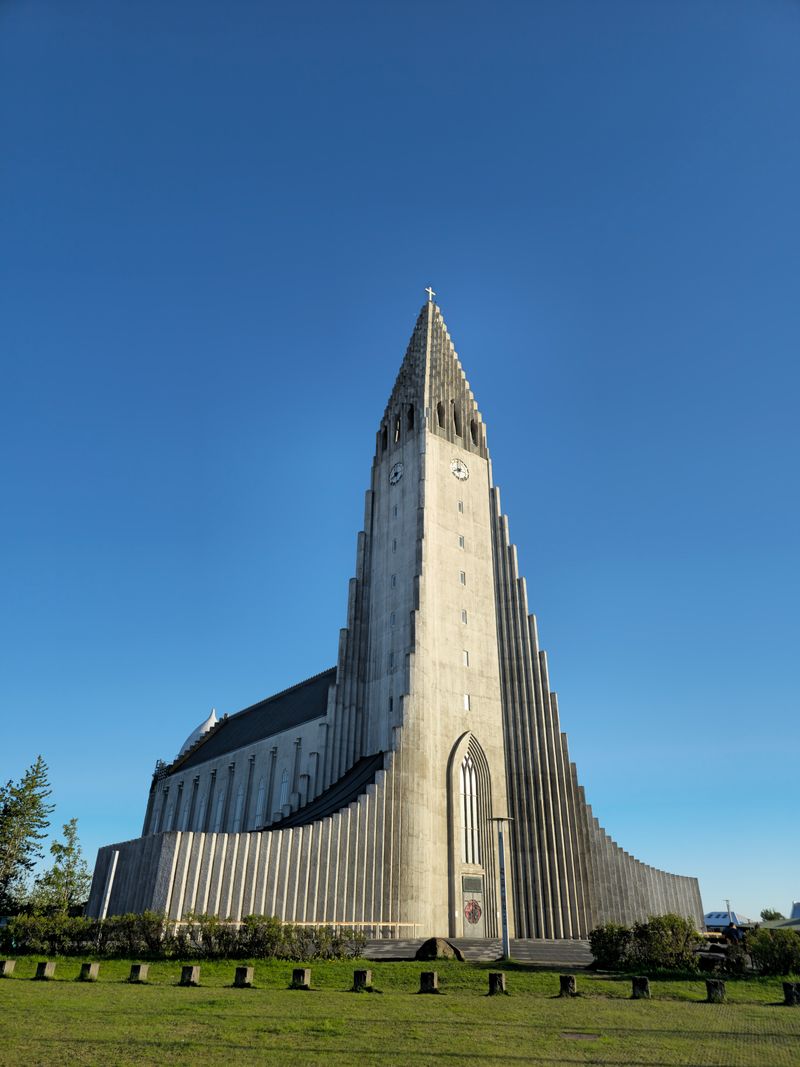
Standing 244 feet tall, this architectural wonder looks like a rocket ship designed by Vikings. The concrete exterior mimics the basalt lava flows found throughout Iceland, creating a visual bridge between human creativity and natural geology.
Sif Leifsdóttir designed it in 1937, though construction didn’t finish until 1986.
I climbed the tower on a windy Tuesday morning, and the elevator ride felt like ascending into the clouds. From the observation deck, Reykjavik spreads out like a colorful patchwork quilt, with the Atlantic Ocean glittering beyond.
You can spot nearly every landmark mentioned in this article from up there.
The church organ contains 5,275 pipes and weighs 25 tons. Free concerts happen regularly, filling the cavernous interior with thunderous music that vibrates through your chest.
Outside, a statue of Leif Erikson stands guard, reminding visitors that Icelanders reached North America 500 years before Columbus.
Visit early morning or late evening to avoid tour groups. The surrounding neighborhood, with its rainbow-painted houses and quirky shops, deserves exploration too.
Admission costs about $10 USD, and it’s worth every penny for those panoramic views alone.
2. Harpa Concert Hall
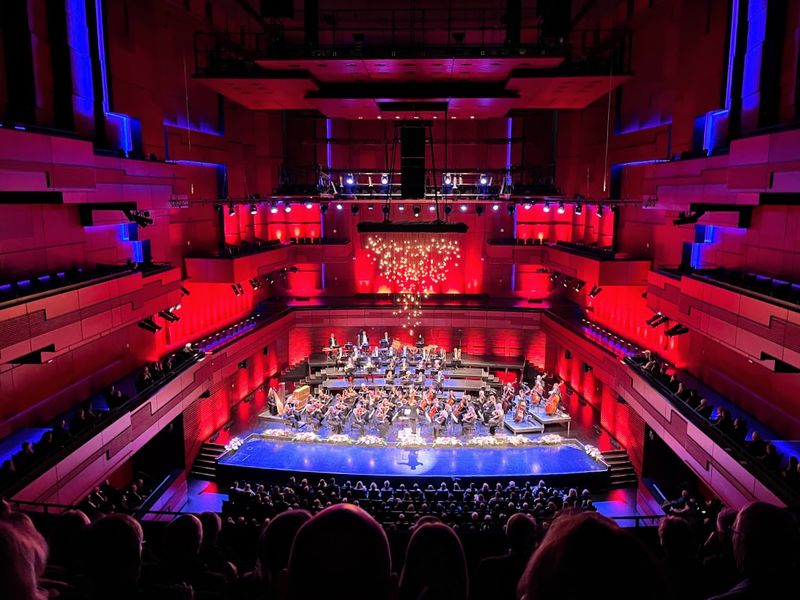
Glass hexagons stack together like a giant crystalline honeycomb along the harbor. Designed by artist Olafur Eliasson, Harpa’s facade changes color depending on the light, weather, and time of day.
Sometimes it glows amber like sunset, other times it shimmers with aurora-like greens and blues.
The building opened in 2011 and instantly became Reykjavik’s architectural showpiece. Four concert halls nestle inside, hosting everything from Icelandic Symphony Orchestra performances to indie rock shows.
The acoustics rival any venue in Europe, with sound engineering that makes every seat feel like the best in the house.
Free exhibitions rotate through the public spaces, showcasing Icelandic artists and designers. The gift shop sells locally made crafts that actually reflect genuine creativity rather than tourist kitsch.
During summer, outdoor concerts happen on the plaza, where locals gather with blankets and wine.
Even if you don’t catch a show, walking through the lobby feels like stepping inside a kaleidoscope. The interplay between natural light and colored glass creates an ever-changing art installation.
Check their website for last-minute ticket deals, which pop up frequently for weekday performances.
3. Reykjavik Art Museum
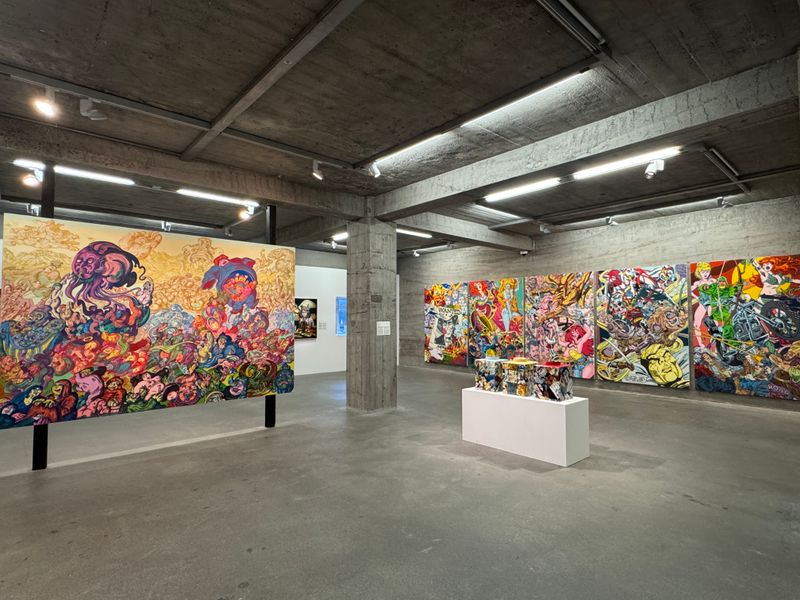
Three separate buildings across the city house Iceland’s largest art collection. Hafnarhús, the main location in the Old Harbour, focuses on contemporary works that challenge and provoke.
Kjarvalsstaðir celebrates landscape painter Jóhannes Kjarval, whose canvases capture Iceland’s otherworldly terrain. Ásmundarsafn showcases sculptor Ásmundur Sveinsson’s bold, abstract pieces.
Icelandic contemporary art doesn’t play by traditional rules. You’ll find installations made from volcanic rock, videos exploring isolation and identity, and paintings that somehow make gray skies look transcendent.
The permanent collection includes works by Erró, whose pop art collages burst with chaotic energy.
One afternoon, I spent two hours in Hafnarhús, losing myself in Ragnar Kjartansson’s video installations. His work combines humor, melancholy, and repetition in ways that stick with you long after leaving.
The museum cafe serves excellent coffee and cake, perfect for processing what you’ve just experienced.
Admission covers all three locations for 48 hours, making it excellent value. Free entry applies if you have the Reykjavik City Card.
The buildings themselves deserve attention too, especially Ásmundarsafn’s dome-shaped architecture that resembles an igloo.
4. Whales of Iceland Museum
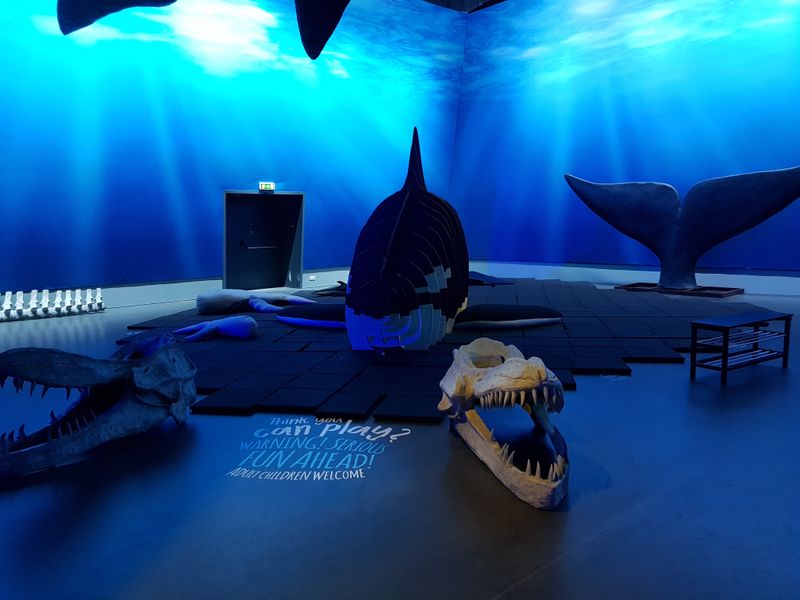
Twenty-three life-size whale models hang suspended in a cavernous warehouse space. Walking beneath a 82-foot blue whale replica puts human existence into humbling perspective.
These aren’t cartoon versions either, each model recreates accurate details down to individual barnacles and scars.
Interactive displays explain whale behavior, migration patterns, and the sounds these giants make underwater. You can listen to actual whale songs through headphones, hearing the haunting calls that travel hundreds of miles through ocean depths.
The exhibition addresses whaling history honestly, not shying away from Iceland’s complicated relationship with these creatures.
Kids absolutely love this place, running between the suspended models with mouths agape. Adults find themselves equally mesmerized, especially when learning about sperm whales that dive over 6,000 feet deep.
The gift shop stocks whale-themed items that actually teach something rather than just gathering dust.
Located in the Old Harbour area, it pairs perfectly with an afternoon whale watching tour. Seeing the models first helps you identify species when you’re out on the water.
The museum takes about 90 minutes to explore thoroughly, though you could easily spend longer reading every display panel.
5. Perlan – Wonders of Iceland
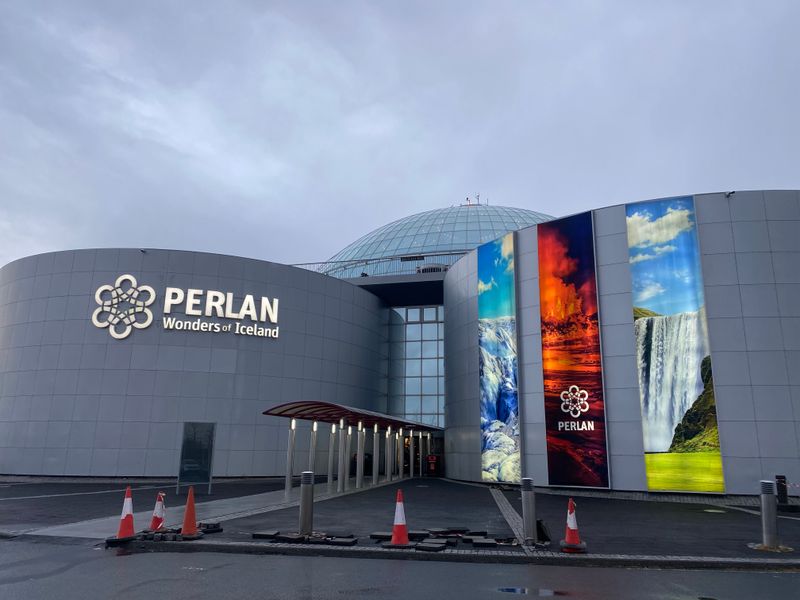
Six massive geothermal water tanks support a gleaming glass dome that looks like a UFO landed on a hill. Inside, exhibitions recreate Iceland’s natural wonders through clever technology and design.
An artificial ice cave lets you experience glacial environments without leaving the city.
The planetarium shows Northern Lights documentaries that make you feel like you’re standing under the aurora. Bird cliff exhibits bring you face-to-face with puffins and other seabirds through immersive video.
Interactive displays explain volcanic eruptions, earthquakes, and the geological forces that continue shaping Iceland.
Perlan’s observation deck provides 360-degree views across Reykjavik and beyond. On clear days, you can see Snæfellsjökull glacier 60 miles away.
The rotating Út í Bláinn restaurant serves upscale Icelandic cuisine while slowly spinning, though it’s pricey even by Reykjavik standards.
The ice cave remains genuinely cold, so bring a jacket even in summer. Guided tours run throughout the day, adding context to the exhibits.
This attraction works wonderfully on rainy days when outdoor activities lose their appeal. Combination tickets with other attractions offer better value than individual admission.
6. Reykjavik Botanical Garden
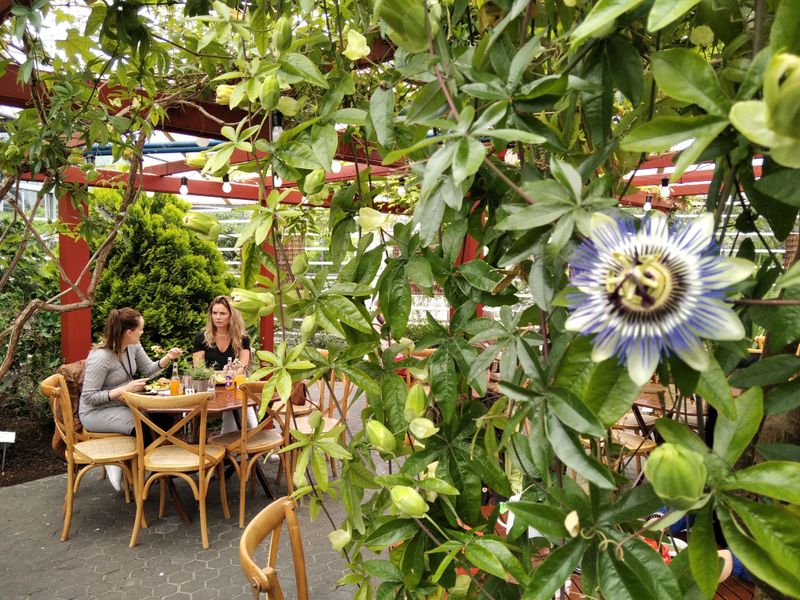
Tranquility exists just minutes from downtown bustle. These gardens showcase plants that somehow thrive in Iceland’s harsh climate, from delicate Arctic poppies to hardy birch trees.
Greenhouses protect more fragile species, creating tropical microclimates that smell of earth and growing things.
Established in 1961, the garden spans 12 acres of thoughtfully designed landscapes. Stone pathways wind between themed sections, each highlighting different Arctic and sub-Arctic flora.
The collection includes over 5,000 plant species, many native to Iceland’s highlands and coastal areas.
Locals treat this place like their backyard, picnicking on the lawns and reading under trees. Ducks paddle across the small pond, completely unbothered by human visitors.
The cafe serves simple sandwiches and coffee, with outdoor seating that catches afternoon sun.
Summer brings explosion of color as everything blooms simultaneously during the brief growing season. Even the weeds look intentional here, part of the garden’s naturalistic approach.
Free admission makes it accessible to everyone, from serious botanists to families seeking quiet space.
The garden connects to a larger park area with walking trails and sculptures. Visit during late afternoon when tour buses have departed and golden light filters through the leaves.
7. Sun Voyager Sculpture
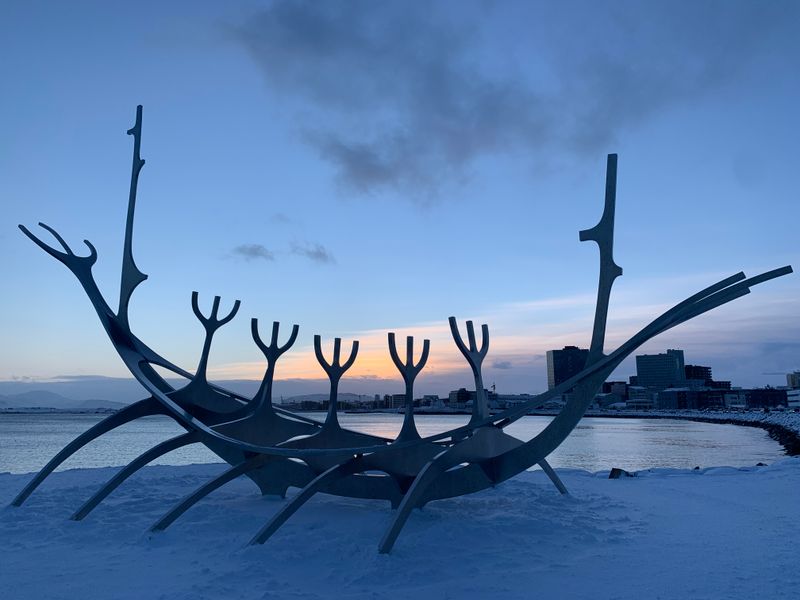
Polished steel curves catch light like frozen music along the waterfront. This dreamboat sculpture resembles a Viking vessel stripped to its essence, all sweeping lines and gleaming surfaces.
Artist Jón Gunnar Árnason designed it as an ode to the sun, though he passed away before seeing it installed in 1990.
Mount Esja rises dramatically across the bay, creating a stunning backdrop for photos. Sunrise and sunset transform the sculpture into something magical, with reflections dancing across the metal.
Tourists flock here constantly, yet somehow it never feels crowded.
The sculpture sits on a paved path popular with joggers and cyclists. Benches nearby offer spots to sit and contemplate the view while seabirds wheel overhead.
On clear days, the light becomes almost painfully beautiful, that crystalline Arctic quality that photographers dream about.
Interpretations of the sculpture’s meaning vary wildly. Some see it as celebrating exploration and discovery.
Others view it as representing the promise of undiscovered territory. The artist left it deliberately open to interpretation, refusing to pin down a single meaning.
Combine this stop with a harbor walk toward Harpa Concert Hall. The entire waterfront path showcases public art and offers continuous ocean views.
8. Imagine Peace Tower (Viðey Island)
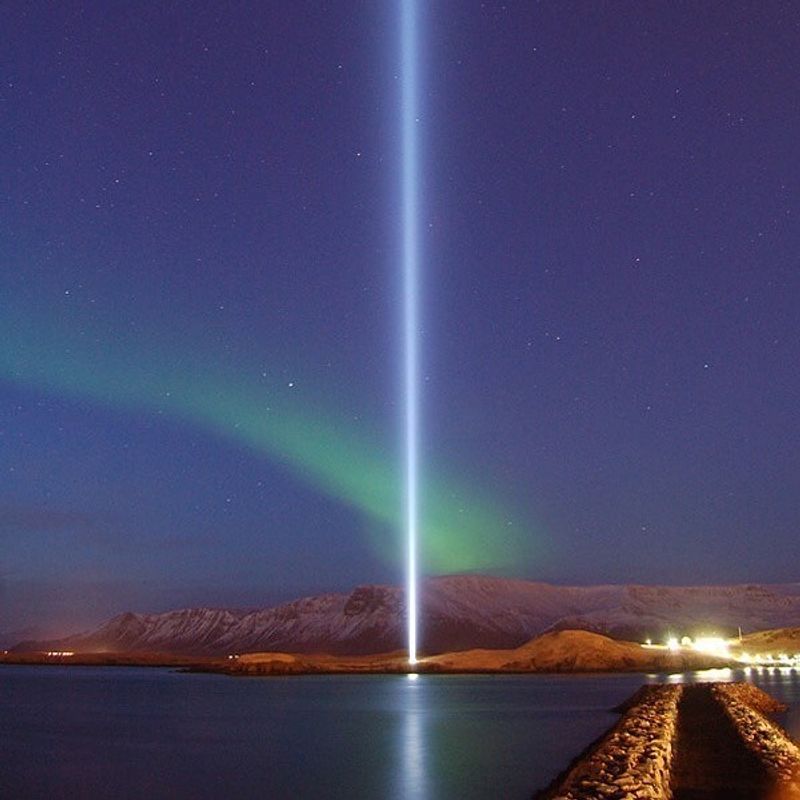
Yoko Ono created this memorial to John Lennon on a small island just offshore. Between October 9th and December 8th each year, a powerful beam of light shoots skyward from a white stone monument.
The dates mark Lennon’s birth and death, transforming grief into something luminous.
The tower uses geothermal energy to power its searchlights, which reach up to 13,000 feet into the sky. On the monument’s base, the phrase “Imagine Peace” appears in 24 languages.
The installation manages to be both deeply personal and universally accessible.
Visiting requires a short ferry ride from Reykjavik’s Old Harbour. Viðey Island itself deserves exploration, with walking trails, historical buildings, and abundant birdlife.
The island feels wonderfully remote despite being only 20 minutes from the city center.
Night visits during the illumination period create an almost spiritual experience. The light beam becomes visible from Reykjavik on clear evenings, a reminder that peace remains possible.
Some visitors report feeling emotional standing beside the monument, connecting with Lennon’s legacy and message.
The island has no services, so bring water and snacks. Ferry schedules vary seasonally, so check times before heading out.
Weather can change rapidly, making warm layers essential.
9. Northern Lights Watching
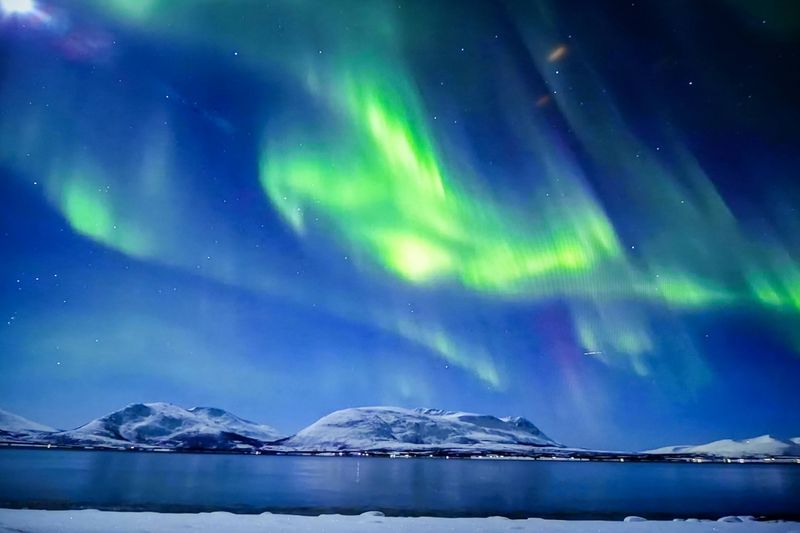
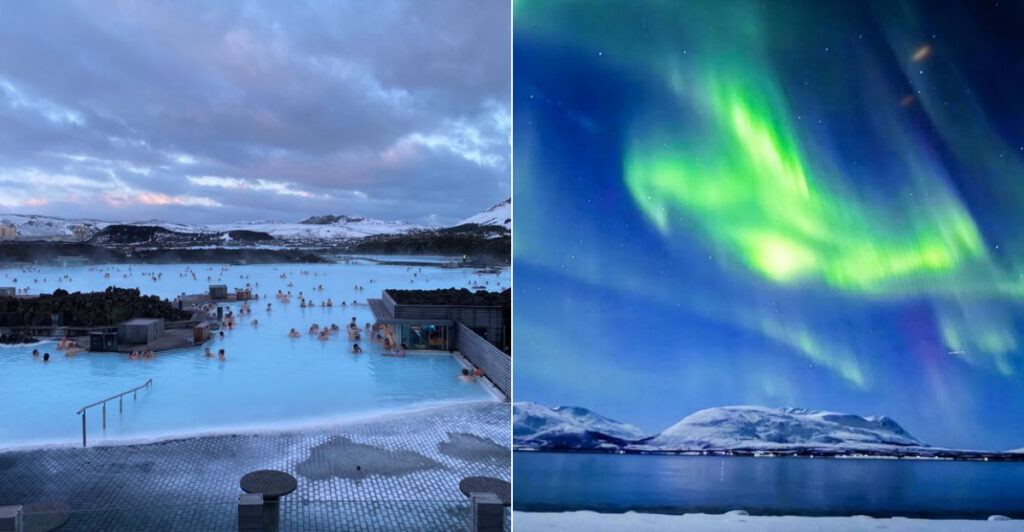
Green curtains ripple across the night sky like celestial fabric caught in cosmic wind. Seeing the Northern Lights ranks among Earth’s most spectacular natural phenomena, and Reykjavik serves as an excellent launching point for aurora hunting.
Tours depart nightly from September through April, chasing clear skies and solar activity.
The lights occur when solar particles collide with atmospheric gases, creating those ethereal glows. Colors range from green to purple, pink to red, depending on altitude and gas composition.
Predicting aurora activity involves monitoring solar wind data and cloud cover, which guides do obsessively.
My first aurora experience left me speechless. The lights moved faster than expected, pulsing and swirling like living things.
Cameras capture the colors more vividly than human eyes, though nothing beats witnessing it directly. The silence of winter nights makes the experience even more profound.
Book tours that offer free rebooking if clouds block the view. Some operators provide aurora forecasting apps that increase your chances.
Dress in extreme winter gear because you’ll be standing outside in sub-freezing temperatures for hours. Bring a thermos of hot chocolate and prepare for magic.
10. Mount Esja Hiking
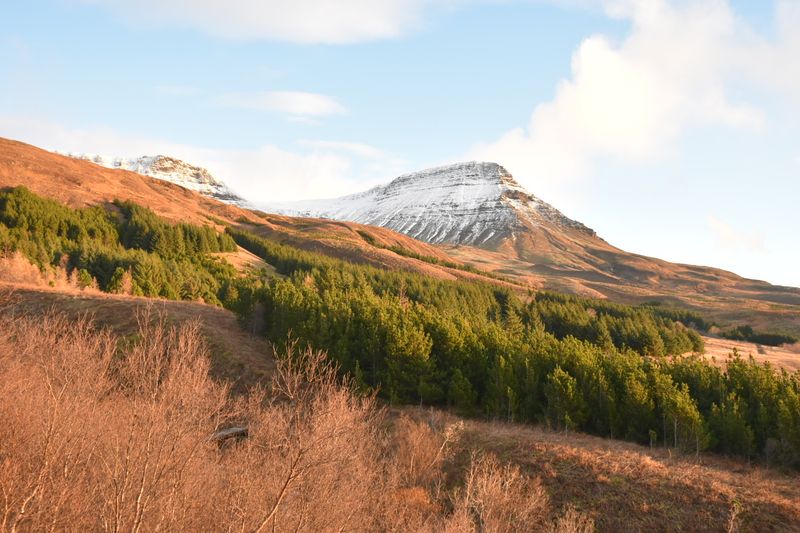
This mountain dominates Reykjavik’s northern skyline, beckoning hikers with its accessible trails. The most popular route takes 2-3 hours to reach the 780-meter summit marker, though you can turn back anytime.
Locals use Esja as their after-work gym, power-hiking up and down in remarkable time.
The trail begins gently through birch scrubland before climbing steeper volcanic slopes. Wooden stairs help with the trickiest sections, though it remains a proper workout.
Views improve with every step, revealing Reykjavik spreading along the coast below.
Weather changes rapidly on Esja, sometimes cycling through rain, sun, and wind within an hour. Proper hiking boots prevent twisted ankles on loose volcanic rock.
The summit often hides in clouds, but hiking through mist creates an atmospheric experience too.
Seasonal variations dramatically alter the hike’s character. Summer brings midnight sun and wildflowers.
Winter transforms it into a serious mountaineering challenge requiring crampons and experience. Spring and fall offer the best conditions, with stable weather and fewer crowds.
Public buses run to the trailhead from Reykjavik, making it accessible without a car. Pack layers, snacks, and water.
The mountain has claimed lives from people underestimating its challenges, so respect the terrain and weather conditions.
11. Tjörnin Pond Stroll
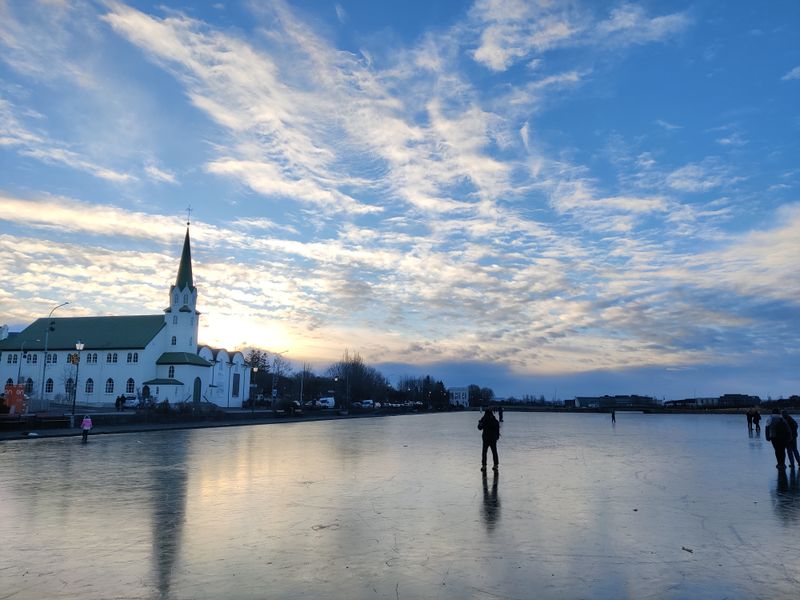
This heart-shaped pond sits right in the city center, surrounded by government buildings, galleries, and colorful houses. Ducks, geese, swans, and Arctic terns gather here in remarkable numbers, completely unafraid of humans.
Locals bring bags of bird-approved food, creating feeding frenzies that delight children and photographers.
The walking path around Tjörnin takes about 20 minutes at a leisurely pace. Benches offer spots to sit and watch city life unfold.
Students sketch, couples hold hands, and elderly residents feed birds they’ve probably known for years. It feels quintessentially Reykjavik, somehow managing to be both urban and peaceful.
Winter freezes the pond solid, transforming it into an impromptu ice rink. Skaters glide across while snow falls, creating scenes straight from a Nordic fairy tale.
The city maintains the ice, making it safe for skating when conditions allow.
Surrounding buildings include the National Gallery and City Hall, both worth visiting. A small park on the south side has playground equipment and grassy areas.
The pond connects to the ocean via a channel, allowing fish and birds to move between environments.
Best visited during golden hour when light turns everything warm and glowy. Combine with coffee at nearby cafes for a perfect afternoon break.
12. Whale Watching Tours
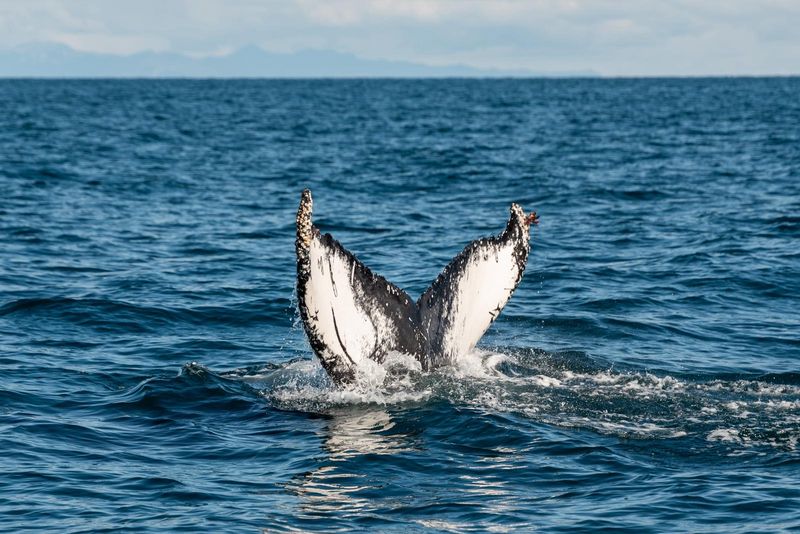
Boats depart from the Old Harbour throughout the day, heading into Faxaflói Bay where whales feed. Humpbacks, minkes, dolphins, and occasionally orcas patrol these nutrient-rich waters.
The success rate hovers around 95%, meaning you’ll almost certainly see something spectacular.
Tours provide warm overalls because ocean winds cut through regular clothing instantly. The vessels range from traditional oak boats to modern RIBs that zip across waves.
Guides share facts about marine life while scanning horizons for blows and fins.
Seeing a humpback breach never gets old. These 40-ton animals launch themselves completely out of the water, crashing back down in explosions of spray.
Dolphins often bow-ride alongside boats, showing off their speed and agility. Puffins bob on the water like bath toys during summer months.
Tours last 2-3 hours, departing multiple times daily. Seasickness affects some passengers, so medication helps if you’re prone to queasiness.
Cameras with zoom lenses capture better photos than phones, though sometimes you’ll just want to watch without screens.
Responsible operators maintain distance from whales, letting the animals approach if curious. Some companies offer free return trips if no whales appear, though this rarely happens.
13. Day Trips to Golden Circle & Waterfalls
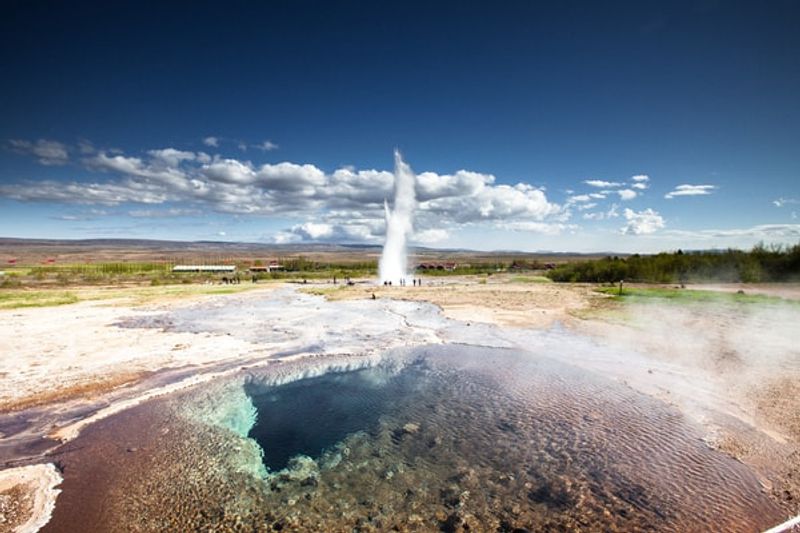
Iceland’s most famous route loops through stunning landscapes just outside Reykjavik. Þingvellir National Park straddles the rift between North American and Eurasian tectonic plates, letting you walk between continents. Geysir geothermal area shoots boiling water skyward every few minutes.
Gullfoss waterfall thunders into a canyon with raw power that makes you feel tiny.
Tours depart daily, cramming these highlights into 6-8 hours. The route covers about 300 kilometers of increasingly dramatic scenery.
Some operators add stops at crater lakes, horse farms, or additional waterfalls depending on the itinerary.
Þingvellir holds special significance as the site of Iceland’s ancient parliament, established in 930 AD. The landscape combines historical importance with geological wonder, making it both educational and beautiful.
Silfra fissure offers crystal-clear snorkeling between tectonic plates for the adventurous.
Geysir’s Strokkur erupts reliably every 5-10 minutes, giving everyone chances for perfect photos. The smell of sulfur hangs in the air while geothermal features bubble and steam.
Gullfoss means “golden falls,” named for the rainbow that often arcs through its spray.
Small group tours provide more flexibility than massive buses. Winter tours offer chances to combine Golden Circle with Northern Lights viewing.
Pack snacks because food options along the route are limited and expensive.
14. Sky Lagoon Geothermal Spa
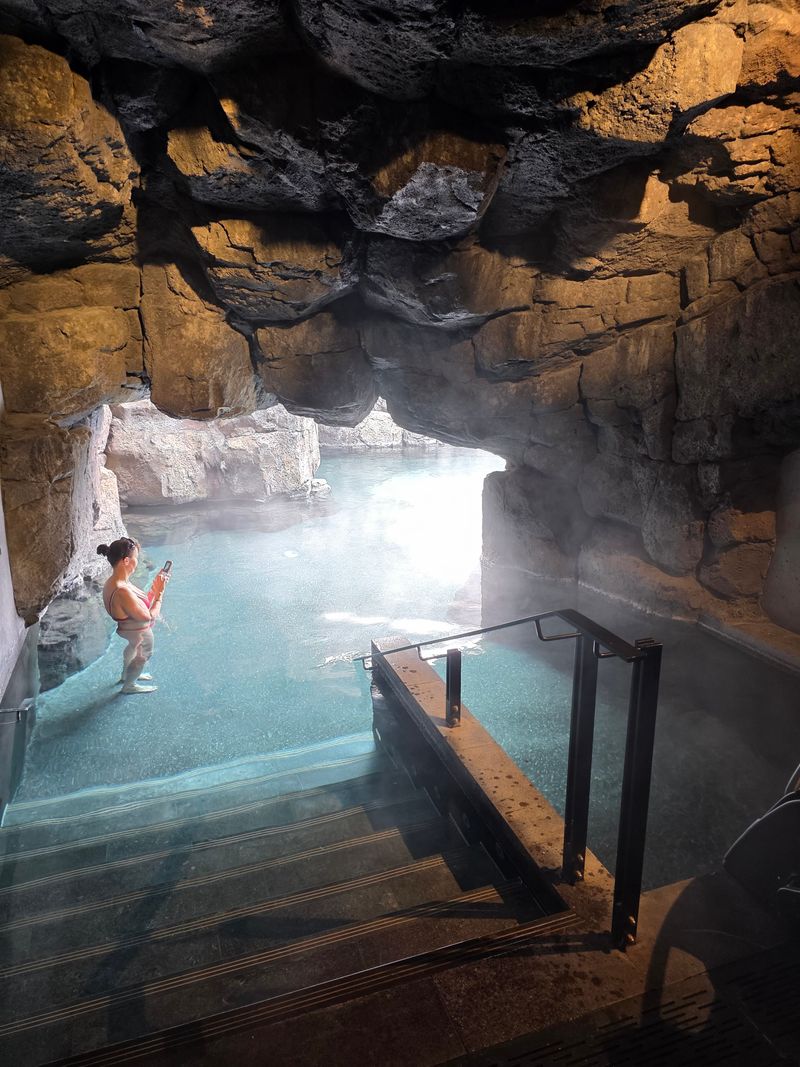
This oceanside spa opened in 2021, instantly becoming Reykjavik’s most luxurious bathing experience. The infinity pool seems to merge with the Atlantic Ocean, creating an illusion of floating in the sea.
Water temperature hovers around 100°F, perfect for extended soaking while waves crash against nearby cliffs.
The seven-step ritual guides visitors through a traditional Icelandic bathing experience. Cold plunge follows hot soak, sauna precedes exfoliation, and the sequence ends with a nourishing body treatment.
Each step prepares you for the next, creating a meditative progression.
Two packages offer different levels of access and privacy. The premium option includes a private changing room and the ritual performed in smaller, more exclusive areas.
Both include the stunning main lagoon with its ocean views and swim-up bar.
Underwater benches and lounging areas let you find your perfect spot. Some areas get deeper for swimming, while shallows allow sitting with water at shoulder height.
The bar serves Icelandic craft beer and simple snacks without requiring you to leave the warmth.
Reservations are essential, especially for sunset slots which book weeks ahead. Located near the city, it’s easily reached by car or taxi.
The facility provides towels, robes, and toiletries, so just bring swimwear and an open mind.
15. Public Geothermal Pools
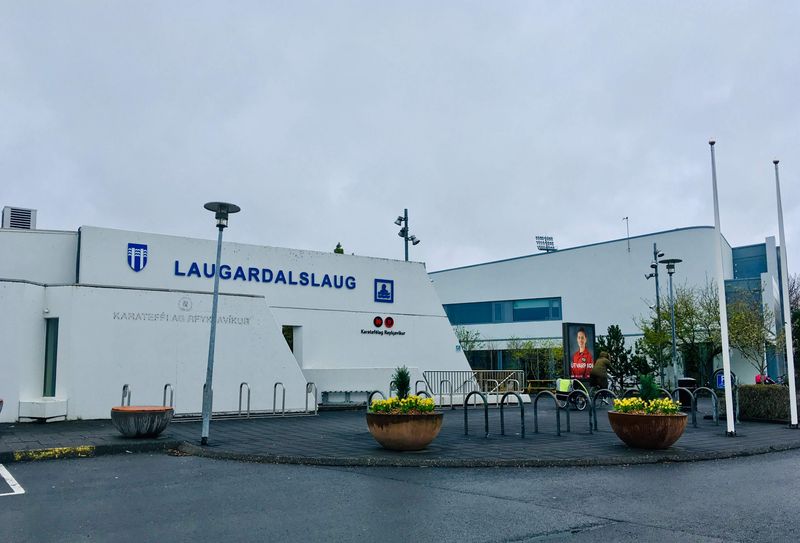
Icelanders treat public pools like social clubs, gathering to soak, gossip, and solve the world’s problems. Laugardalslaug and Sundhöllin represent two of the best options, each offering multiple hot pots at different temperatures plus cold plunges and steam rooms.
Entry costs about $10, making it ridiculously affordable compared to tourist spas.
Strict hygiene rules require showering naked before entering pools. Attendants sometimes patrol to ensure compliance, which startles modest visitors.
Once you adjust to the communal nudity, it becomes completely normal and actually quite liberating.
The pools serve as windows into authentic Icelandic culture. Locals of all ages soak side by side, from toddlers to elderly folks who’ve been coming for decades.
Conversations flow easily, and friendly strangers often share recommendations or strike up discussions about everything from politics to puffins.
Each pool maintains different temperatures, from lukewarm to almost-too-hot. Experiment to find your comfort zone, then settle in for extended soaking.
The cold plunge between hot soaks supposedly boosts circulation and immunity, though mostly it just makes you gasp and laugh.
Visit weekday mornings for the most authentic experience with fewer tourists. Bring your own towel or rent one there.
The facilities also include lap pools for serious swimmers and waterslides for kids.
16. Blue Lagoon (Optional Day Trip)
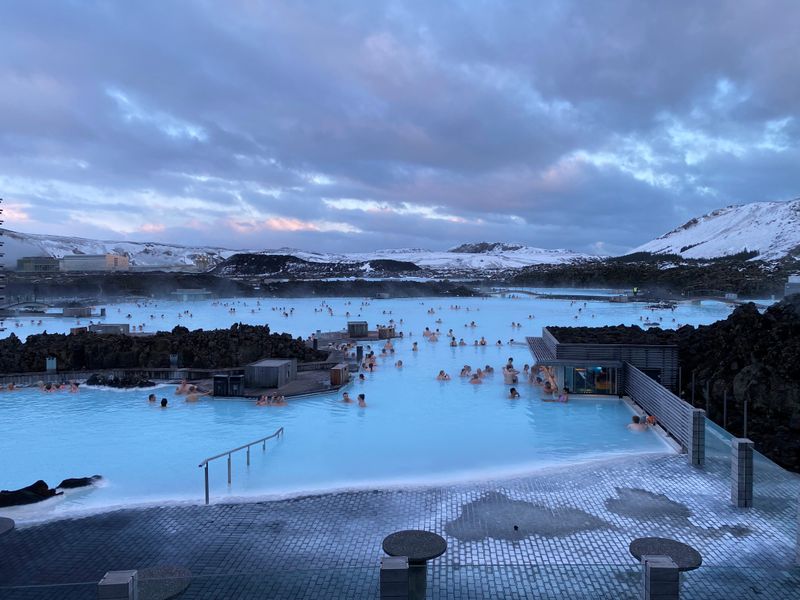
Iceland’s most photographed attraction sits 40 minutes from Reykjavik in a lunar-like lava field. Milky blue water rich in silica, algae, and minerals creates that distinctive color while supposedly providing healing properties.
The lagoon formed accidentally in 1976 when a geothermal power plant discharged water into the lava field.
Recent volcanic activity temporarily closed the lagoon, but it has reopened and welcomes visitors again. The facility handles thousands daily through a sophisticated reservation system that staggers entry times.
Despite crowds, the lagoon’s size means you can always find quieter corners.
Silica mud stations let you slather white paste on your face for the obligatory spa selfie. Swim-up bars serve drinks you can enjoy while soaking.
Steam rises constantly, creating an otherworldly atmosphere enhanced by the black lava formations surrounding the water.
Premium packages include private changing areas, bathrobes, and in-water spa treatments. The on-site restaurant serves upscale Icelandic cuisine with lagoon views.
The gift shop stocks skincare products made from lagoon minerals, though they’re expensive.
Book weeks ahead, especially for summer visits. Transportation packages combine entry with bus transfers from Reykjavik.
The experience leans touristy compared to local pools, but the setting remains genuinely spectacular. Budget 2-3 hours for the full experience.
17. Local Food Walking Tour
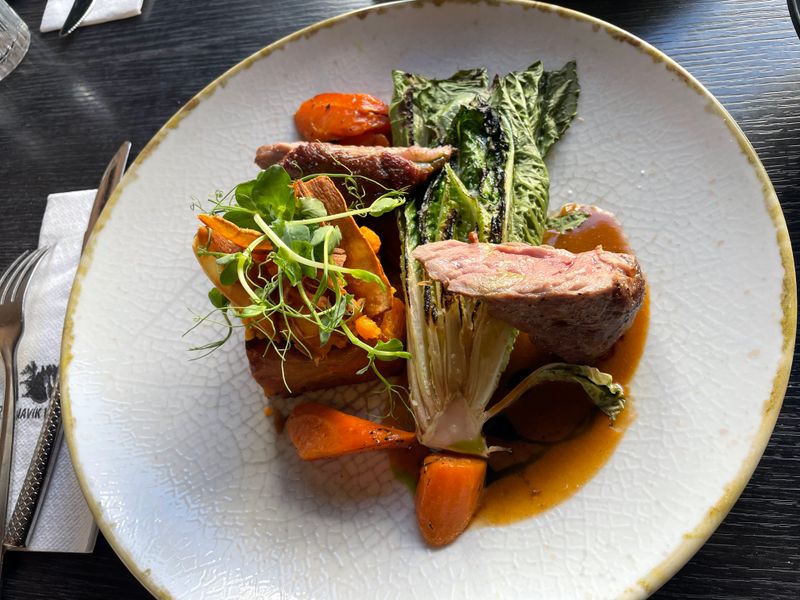
Guided food tours unlock Reykjavik’s culinary scene while providing cultural context you’d miss exploring alone. Tastings typically include fresh seafood, lamb prepared multiple ways, Icelandic dairy products, and traditional treats like kleinur pastries.
Guides share stories about food traditions, local ingredients, and how isolation shaped Iceland’s unique cuisine.
Expect to try hákarl, the notorious fermented shark that smells like ammonia and tastes worse. Most people grimace through one bite before chasing it with brennivín, the local schnapps that supposedly neutralizes the flavor.
Dried fish snacks prove far more palatable, with a jerky-like texture and mild taste.
Fresh seafood shines brightest in Icelandic cooking. Arctic char, cod, and langoustine reach your plate hours after being caught.
Lamb grazes freely on mountain herbs, resulting in meat with distinctive flavor. Skyr, a protein-rich dairy product, appears everywhere from breakfast to dessert.
Tours last 3-4 hours and cover enough food to constitute lunch or dinner. Small groups allow for questions and conversations with guides who genuinely love their food culture.
Some tours include visits to local markets, bakeries, or specialty food shops.
Vegetarians should confirm menu accommodations beforehand since traditional Icelandic food centers heavily on meat and fish. Tours book up quickly during summer, so reserve early.
18. Reykjavik Coffee & Pastry Stops
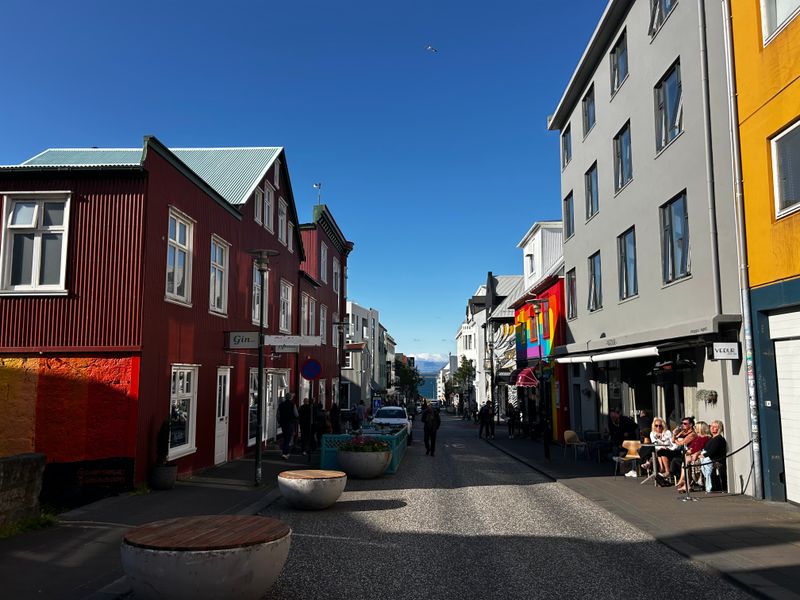
Icelanders consume more coffee per capita than almost anyone on Earth. Cafes function as social hubs, workspaces, and cultural centers all at once.
Reykjavik Roasters serves the city’s best beans, roasted in-house and prepared with obsessive attention to detail. Sandholt Bakery has been crafting pastries since 1920, with a reputation that draws lines out the door.
Laugavegur, the main shopping street, hosts dozens of cafes, each with distinct personality. Some embrace minimalist Nordic design with concrete floors and exposed beams.
Others lean cozy with vintage furniture and walls covered in local art. All take their coffee seriously, offering pour-overs, espresso drinks, and filter coffee that actually tastes good.
Kleina, a twisted doughnut flavored with cardamom, appears in nearly every cafe. Snúður, a cinnamon roll variant, provides another popular option.
Chocolate-covered licorice treats confuse and delight, combining Iceland’s beloved candy with pastry traditions.
Cafe culture encourages lingering. Order once and you can occupy a table for hours without pressure to leave.
Free wifi and abundant power outlets make cafes popular with digital nomads and students. Conversations happen in hushed tones, creating a calm atmosphere even when crowded.
Prices reflect Reykjavik’s high cost of living, with lattes running $6-8. Quality justifies the expense, though it adds up quickly.
Many cafes offer loyalty cards that provide free drinks after several purchases.
19. Old Harbour District
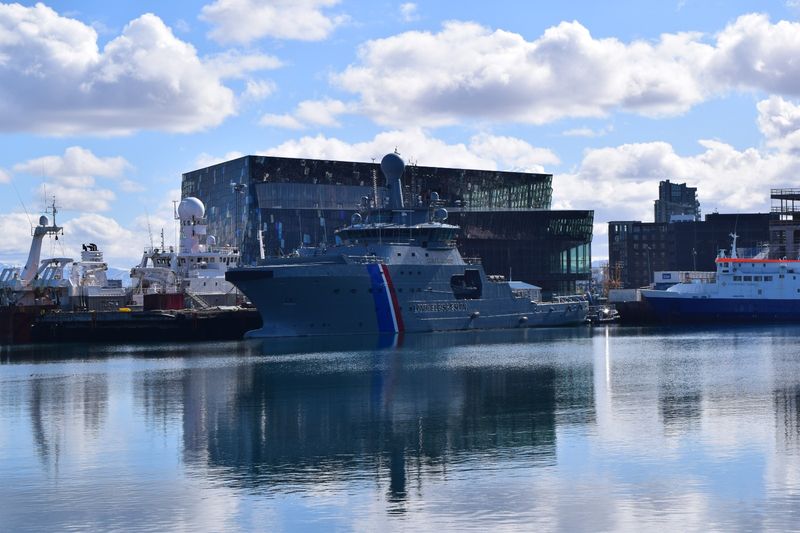
Fishing boats still dock in this revitalized harbor area, though restaurants, galleries, and shops now outnumber working vessels. Colorful corrugated metal buildings house everything from craft breweries to design studios.
The district maintains its maritime character while embracing modern tourism.
Multiple whale watching companies operate from these docks, along with puffin tours and fishing charters. The Maritime Museum explores Iceland’s deep connection to the sea through exhibits on fishing, trade, and naval history.
A retired coast guard vessel sits permanently docked as part of the museum.
Restaurants range from casual fish and chips stands to upscale dining rooms serving innovative Nordic cuisine. Grillmarkaðurinn focuses on local ingredients prepared over open flames.
Messinn specializes in fish pans, generous portions of seafood served sizzling in cast iron.
The Flea Market (Kolaportið) operates weekends in a large warehouse space. Vendors sell everything from vintage clothing to traditional Icelandic foods like fermented shark and dried fish.
It’s touristy but genuinely frequented by locals hunting for bargains.
Street art decorates many buildings, creating a constantly evolving outdoor gallery. Sculptures and installations dot the waterfront path.
The area comes alive during summer evenings when the sun barely sets and crowds linger over drinks at outdoor tables. Winter offers a quieter, more atmospheric experience.
20. Kolaportið Flea Market (Check Weekend Schedule)
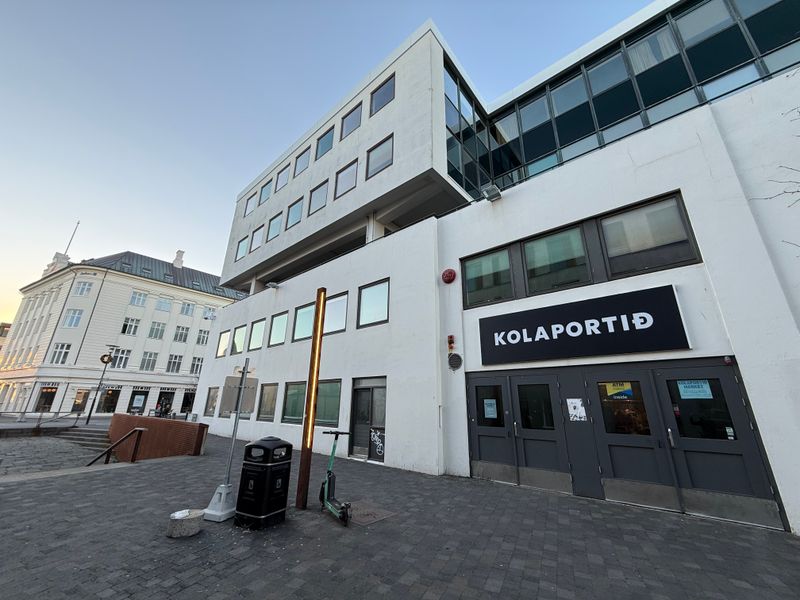
This indoor market operates Saturdays and Sundays in a warehouse near the Old Harbour. Vendors spread their wares across tables and racks, selling everything imaginable.
Vintage Icelandic wool sweaters hang beside used books, power tools, and hand-knitted socks. The eclectic mix reflects genuine local commerce rather than manufactured tourist experiences.
One section specializes in traditional Icelandic foods that challenge adventurous palates. Hákarl, the fermented shark, sits in plastic containers smelling powerfully of ammonia.
Dried fish, smoked lamb, and pickled delicacies offer safer options for culinary exploration. Vendors often provide samples, though with hákarl you might want to skip that courtesy.
Prices require negotiation in some stalls, especially for vintage items and artwork. Locals shop here for practical goods, making it a genuine community gathering spot.
The atmosphere buzzes with conversations in Icelandic, punctuated by the occasional tourist asking questions in broken English.
Used books in English appear surprisingly often, along with vintage postcards and photographs of old Iceland. Handmade crafts from local artisans provide alternatives to mass-produced souvenirs.
Wool products, from sweaters to blankets, offer both quality and authenticity.
Arrive early for the best selection, especially of vintage clothing and unique items. Cash works better than cards at many stalls.
The market gets crowded by midday, so patience helps when navigating the narrow aisles between vendors.
Share this story