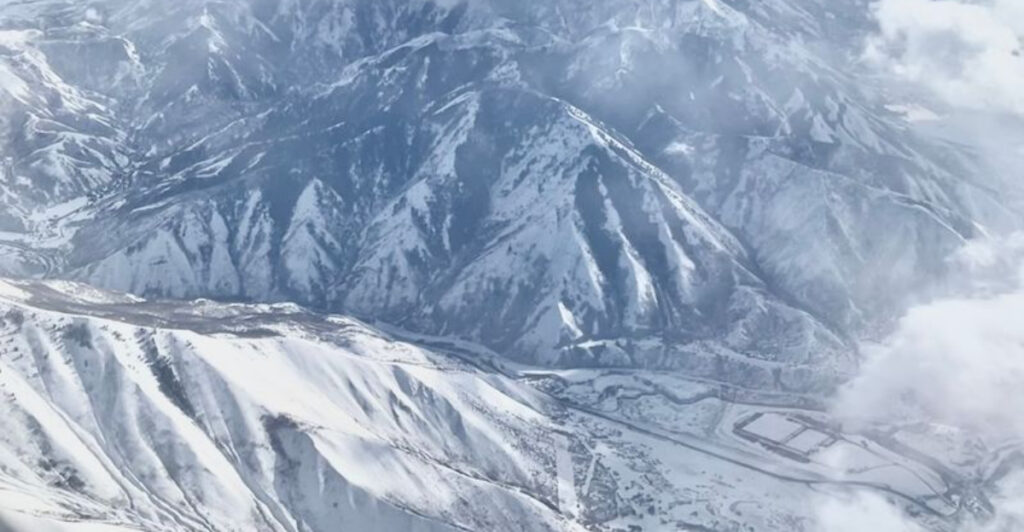
Utah’s most argued-over ribbon of asphalt cuts through Spanish Fork Canyon, where beauty and danger ride shotgun. Locals swap stories about near misses, rockfall, and surprise storms like they’re trading baseball cards.
Yet the views, the river, and the sense of crossing into big country keep calling you back. Here’s how to savor the canyon and stay smart on the 60 miles everyone talks about.
Where and what it is
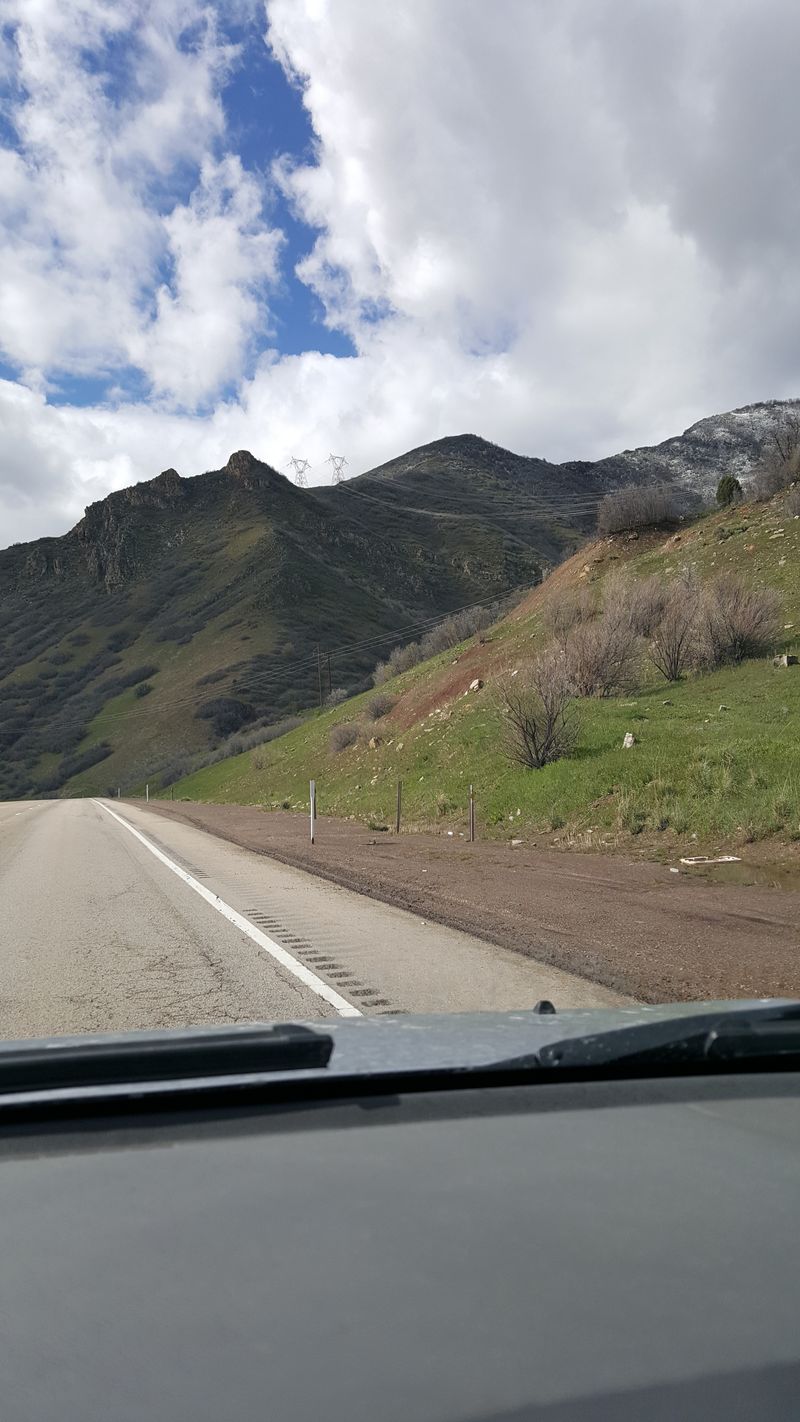
Gravel pings the fenders as US-6 hugs the Spanish Fork River and the canyon narrows into a dramatic corridor. This is Spanish Fork Canyon, the scenic pass just east of town, funneling traffic toward Soldier Summit and beyond to Price.
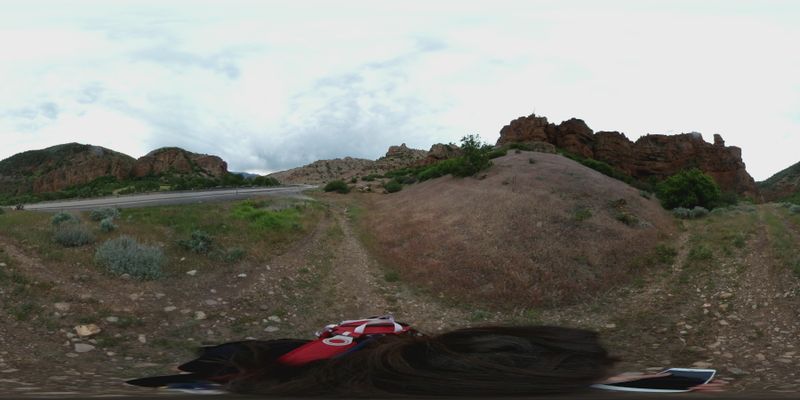
Limestone faces rise in layers, radio towers blink from remote ridges, and you feel the tilt from valley calm to mountain intent.
Locals call it a gateway and a gauntlet, depending on the weather and who is driving the lead rig. Trucks grind, campers drift a little, and day trippers pull over for one more photo of gold cottonwoods.
I stop for a breath, listen to water chatter, then remember this is still a highway where patience beats bravado.
What makes it distinct is the mix: climbing routes tucked in side draws, the river punching through bends, railroad stories echoing off cut banks. You can picnic in a pullout and still hear engine brakes booming like rolling thunder.
The canyon is not just scenery. It is movement, logistics, and a reminder that mountains always set the terms.
Part of a long highway
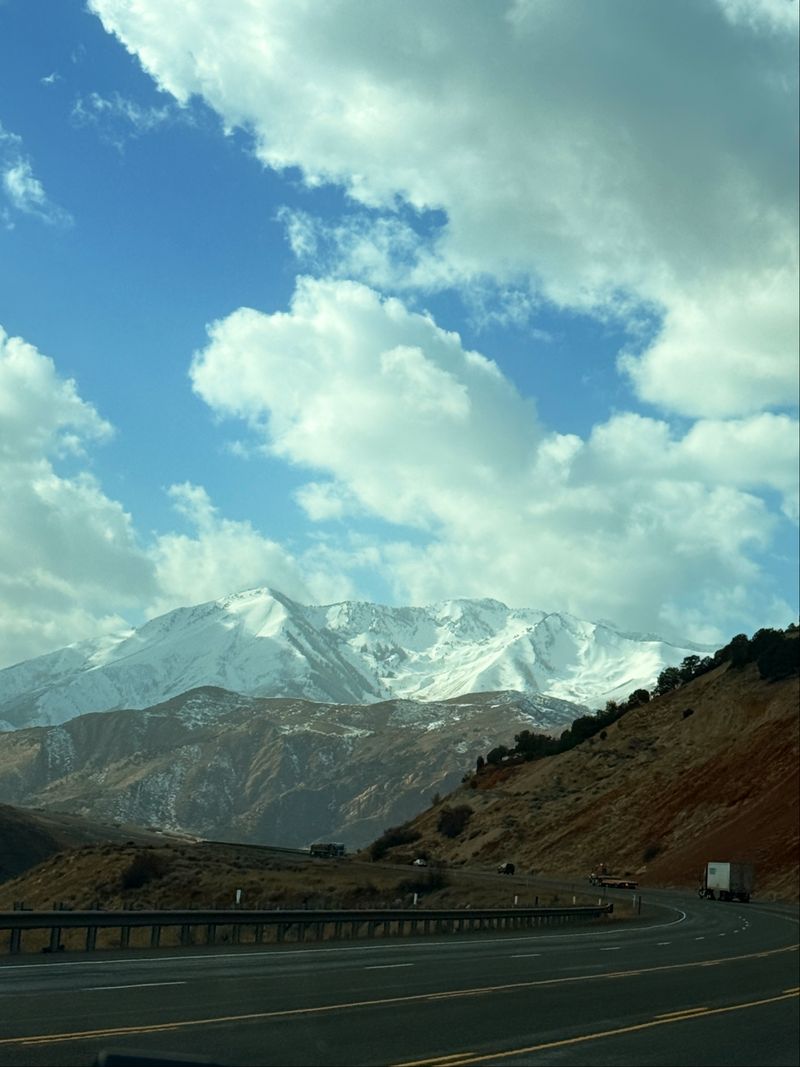
Diesel hum announces US-6 long before you see it snake through the walls. This highway is a coast-to-coast veteran, and the canyon ride is just one lively chapter in its thick travel diary.
Out here, big dreams and bigger loads share the same lane, pushing east toward the high country and desert plateaus beyond.
The scale feels national, even when you are counting ravens on a fence. Signs flash names that sound like progress markers on a road-trip board game: Thistle, Soldier Summit, Colton.
I watch the mileposts tick and think about how this stretch condenses America’s driving personality into a narrow ribbon.
What matters for you is rhythm. Traffic packs, then thins, then clots again behind a crawler grinding a grade.
Plan stops at generous pullouts, snap your photos quick, and rejoin with patience. The cross-country energy never fully sleeps, but you can move with it instead of against it, and the ride immediately gets easier.
Called one of the deadliest 60-mile stretches
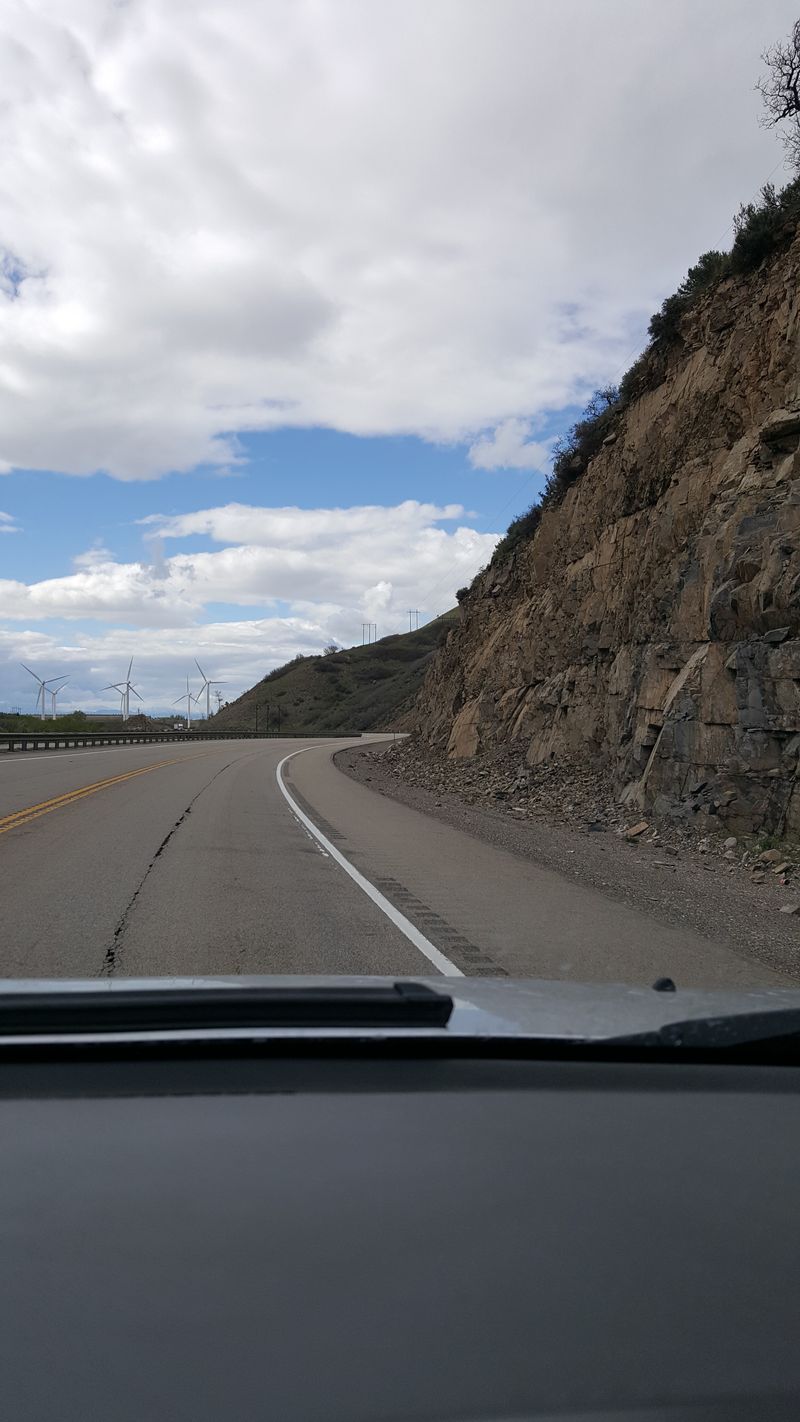
A cold hush settles when locals mention the 60 miles between Spanish Fork and Price. The phrase carries weight here, a reminder that a gorgeous drive has earned a hard reputation.
High fatal crash rates put this corridor on national lists, and the label sticks because the canyon does not forgive impatience.
Numbers are not gossip. They show a pattern where speed, inattention, and misjudged passing meet tight curves and changing grades.
I think about that every time I nudge the cruise down and watch for brake lights flaring ahead like tiny warnings in the rock.
Do not let the view seduce your focus. Grip the wheel lightly, scan far, and give yourself space to react when the unexpected appears around a bluff.
The canyon rewards calm minds. It punishes bravado.
Respect that balance and you will still enjoy the drama without becoming part of the legacy that gave this stretch its ominous nickname.
High crash history
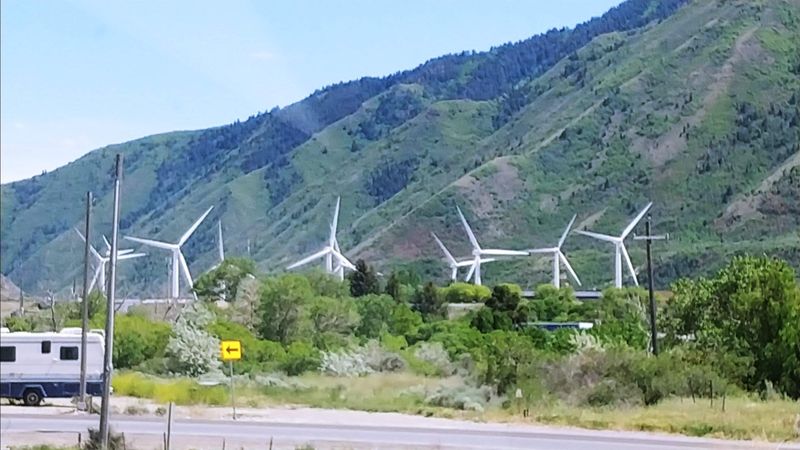
Tires thump over old patches that tell stories you would rather not read. Over decades, crash summaries have stacked up here, hundreds of serious wrecks and far too many fatalities.
Locals know the hot spots by heart and point them out the way anglers name secret pools.
Data feels cold until you pass a roadside memorial, fresh flowers winking from sage. I slowed once to let a nervous driver merge back in, and the wave I got felt thankful in a way that sticks.
These are human miles, and the numbers matter because they mark lives, not just spreadsheets.
The lesson is simple. Treat every bend as new, even if you drove it last week.
Expect speed differentials, gravel on shoulders, and abrupt weather shifts. If your timing allows, travel in daylight and keep an eye on the forecast.
The canyon does not owe anyone predictability, so you bring the margin for error.
Notoriously two-lane in places
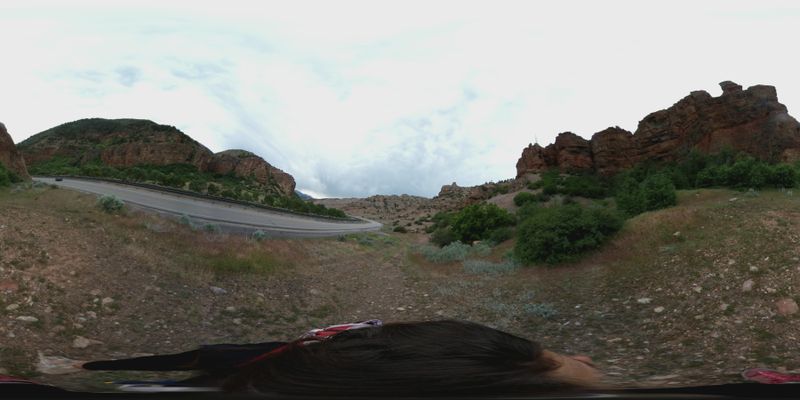
Painted double yellows stretch like a stern lecture along narrow segments. Much of US-6 here stays two lanes, and those shy passing zones tempt drivers into risky choices.
You will meet the canyon’s patience test behind a semi lugging uphill or a caravan of trailers guarding their brakes.
Here is the move most visitors learn too late: settle in, leave room, and wait for the legal lanes. I tuck back, sip water, and let the scenery do the entertaining.
When the passing lane finally opens, you will watch a jailbreak of hurried cars, but smooth and steady usually wins the day.
Those two lanes also keep things intimate. You feel the river flicker to your right and sandstone tilt to your left, every ripple and ledge suddenly personal.
Use turnouts if you are the slow one. Blinkers and courtesy go a long way in a corridor where every decision is amplified by the walls.
Steep grades and curves
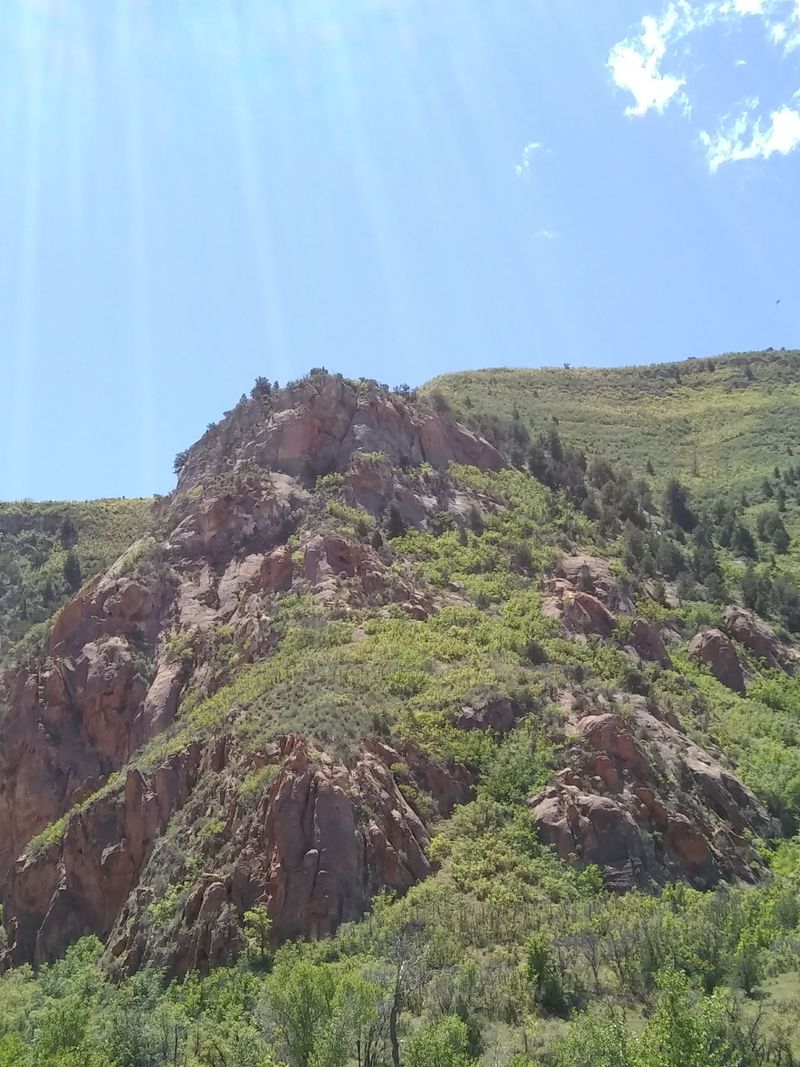
Brake rotors smell like hot pennies on the longest drops. Grades stack up for miles, and curves hide surprises until you are nearly on top of them.
Uphill, slower rigs crawl like patient beetles; downhill, momentum tempts you to float faster than judgment likes.
My trick is simple and boring, which is perfect here: lower gear early, light steady braking, and eyes two turns ahead. Watch the advisory speed plaques as if they were personal notes from the canyon.
If a line of taillights crests a blind rise, you already know the story.
Function meets spectacle at every bend. Pines pinch the sky, limestone peels back in puzzles, and the river scolds boulders with relentless chatter.
Enjoy the show, but drive it like a mountain road, not a freeway pretender. Smooth inputs keep you safe and surprisingly quick.
Jerky ones write apologies you cannot unsend.
Driver behavior is a concern
A sudden burst of horn and a too-close mirror check can spike your pulse here. Speeding, distracted swipes at a phone, and impatient passes are the usual villains called out by troopers and petitions.
The canyon magnifies small mistakes until they become headlines.
I once pulled into a turnout to let two feisty tailgaters burn past, then met them again at the next slow zone. Neither gained anything but risk.
That is the canyon’s quiet lesson: time saved by swagger often vanishes at the next grade or curve.
Bring road manners like they are vital gear. Keep right except to pass, hold a safe gap, and skip the rolling photo shoot.
If someone crowds your bumper, use the next turnout and breathe. You are here to make a memory worth keeping, not a story you will wish you could rewind.
Multiple fatal crashes on record
Quiet corners sometimes hold the heaviest echoes. Recent years have seen multiple fatal crashes reported in this canyon, a grim drumbeat that keeps agencies sharpening their safety playbook.
Multi-vehicle tangles, single-vehicle run-offs, and weather-pushed spins all show up in the logs.
Driving through, I notice skid shadows that fade into sunlit pavement, and I instinctively ease back a notch. It is not fear.
It is a pact with the place. The best trips here end with a meal in town and a relieved grin, not a headline.
Let that record guide your choices. Belt up every seat, set a firm speed ceiling, and keep both hands ready when curves stack tight.
If conditions slide toward ugly, pause and wait them out. The canyon will still be here in an hour, and arriving a little later is the kind of victory no one regrets.
Safety improvements underway
Orange cones march like a bright promise along key stretches. UDOT has been busy investing in fixes the canyon has begged for: new median barriers, smarter lighting, fresh striping, and drainage work where storms dump surprise rivers across lanes.
You can feel the upgrades adding guardrails to human error.
Expect narrowed lanes and brief waits, but also clearer guidance after dusk. I rolled through one newly lit segment and felt my shoulders drop as the road’s edges finally stood up and spoke.
Safer design calms drivers, and calm drivers make better choices.
Keep tracking agency updates if you travel often. Projects shift week to week, but the arc points toward fewer crossovers and cleaner runoff.
When crews wrap for the day, slow down through work zones and thank them with courtesy. Their effort is the quiet scaffolding beneath your next uneventful drive.
Ongoing construction projects
Fresh asphalt smell means progress underfoot. Long-term projects here aim to widen lanes, tame bottlenecks, and reduce crossover collisions with strategic barriers.
Timelines stretch into 2025 and likely beyond, because carving safer space into rock takes patience and money.
Plan for delays and celebrate them as built-in breaks. I grab a snack, check weather radar, and watch magpies run quality control on the cones.
When the flagger flips the sign, I roll forward grateful for every inch of shoulder that did not exist ten years ago.
Construction season also multiplies surprises. Follow posted speeds through work zones, mind fresh chip seal, and double-check gaps before changing lanes around equipment.
The payoff is real: a smoother, clearer corridor that still feels wild but behaves more predictably. Future you will thank present you for tolerating today’s slowdowns with a grin.
Natural hazards add risk
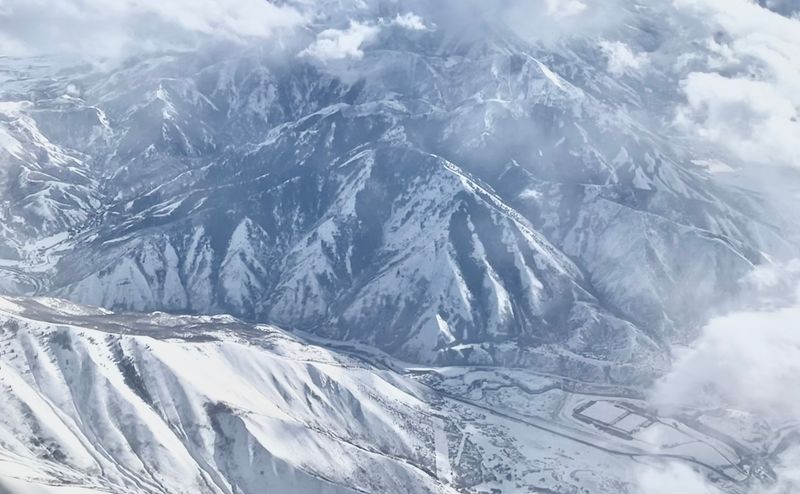
Wind whistles through guardrails before storms muscle in. This canyon collects hazards like a sampler pack: rockfall, surprise mud across lanes, ice in shade, and whiteout snow squalls that flip daylight to grayscale.
The terrain is bossy, and it does not ask permission.
Locals check conditions out of habit, and you should too. I have turned around when pebbles started popping under tires like popcorn, a sign the mountain was waking up.
There is no glory in outstaring gravity or betting against a cell building over the ridge.
Pack the obvious gear. Good tires, real windshield wipers, and a scraper can turn trouble into inconvenience.
If the forecast leans nasty, add time and snacks, then drive with the expectation that any bend could host a surprise. The canyon rewards the scout who prepares and punishes the optimist who wings it.
Historical landslide blocked the canyon
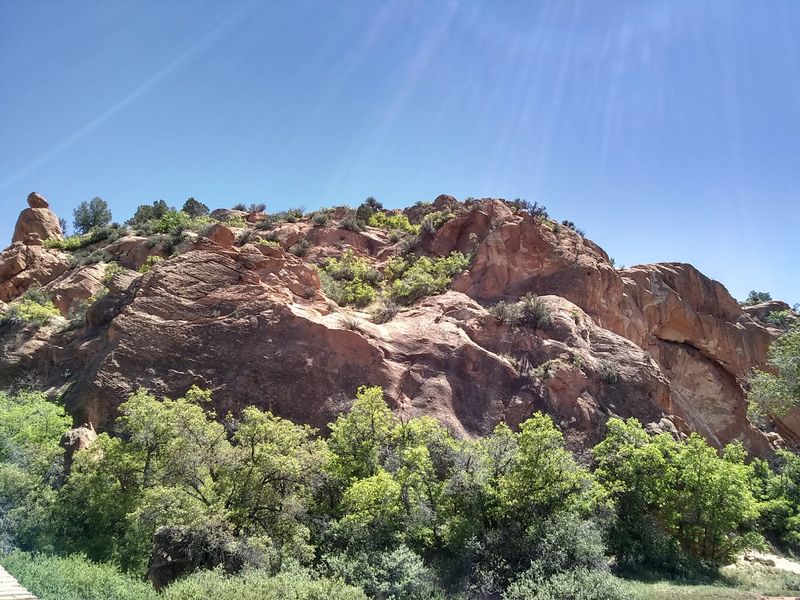
A hush of history lingers near Thistle where the land once moved like a slow ocean. In 1983, a massive landslide dammed the canyon, flooding roads and rail lines and shuffling the region’s deck.
Whole routes vanished underwater, and detours turned everyday life into a maze.
Standing by the slope today, I imagine the patience required to rebuild trust in ground that had slipped. The scars are quieter now, but the story stays loud in Utah lore.
It reminds drivers that geology writes the longer script, and we are just the afternoon guests.
Look for interpretive notes and subtle clues in contour and cut. The rebuilt corridor feels deliberate, shaped by lessons no one wanted to learn twice.
When rain saturates hillsides, remember that history and drive like the seams might tug again. Awareness is not worry.
It is respect with both hands on the wheel.
Ghost town at Thistle
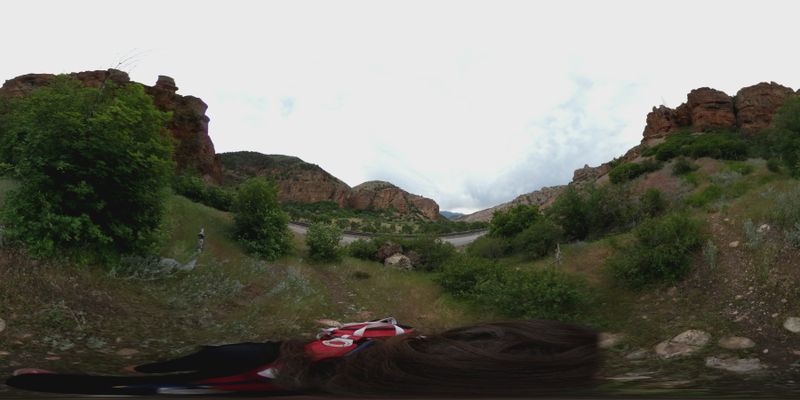
Weathered timbers peek from grass like ribs near Thistle’s old footprint. The landslide erased the town in a season, leaving a ghostly afterimage that hikers and history buffs still seek.
You will not find a tourist circus here, just quiet ground and stories that ride the breeze.
I parked once, walked a short way, and heard nothing but the river and a far-off train. That kind of silence invites you to imagine school bells, kitchen clatter, and neighbors swapping news on porches that no longer stand.
It is moving without asking for attention.
Tread lightly and leave what you find. Snap a photo, share a respectful nod to the past, and step back into the present canyon with fresh perspective.
The road ahead feels different after Thistle, like the landscape just trusted you with a secret. Carry it carefully as the miles unspool.
River and recreation
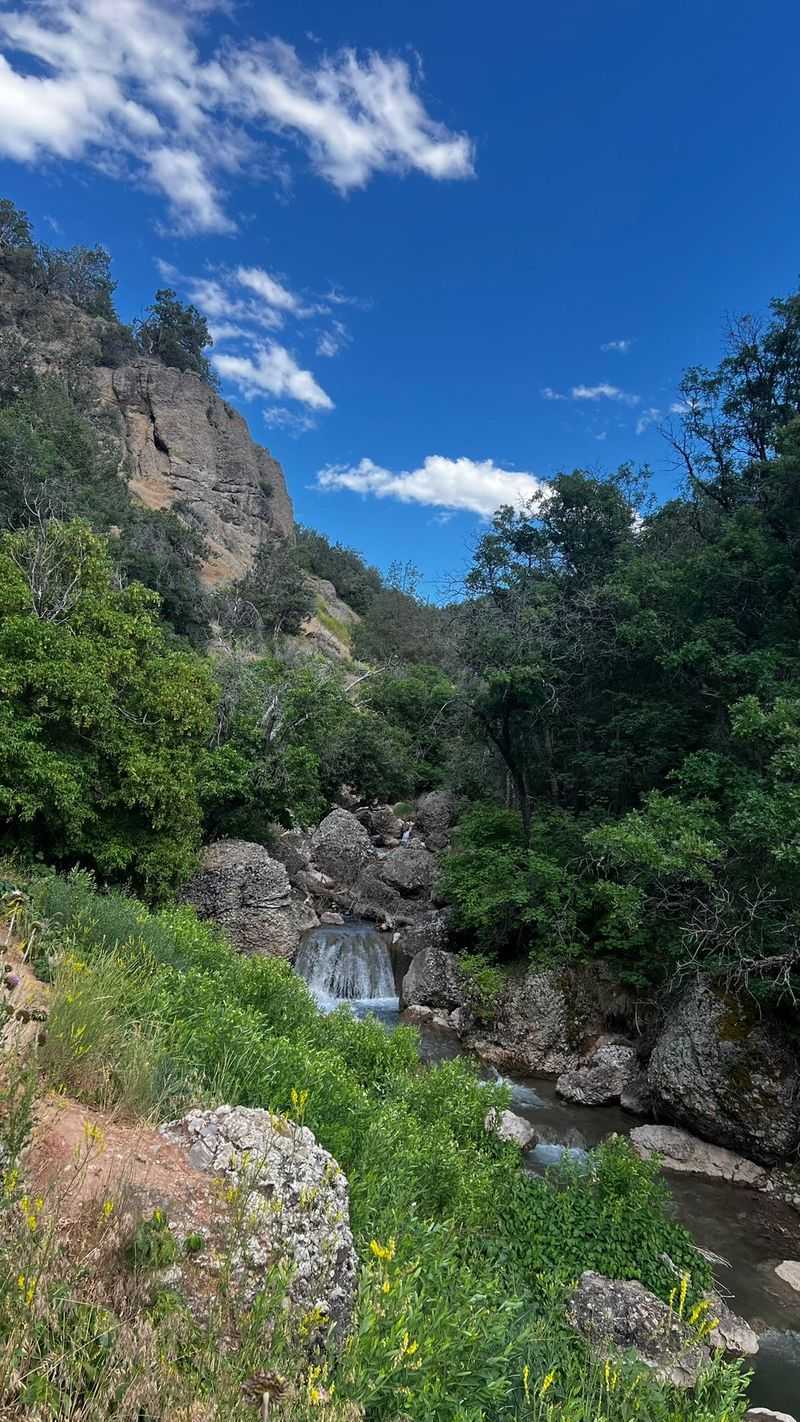
Water chatter keeps pace with your tires most of the way. The Spanish Fork River threads the canyon with cool promise, feeding pockets of green where anglers and picnickers set up for lazy hours.
Between rock faces and cottonwoods, you find trails that slip from shoulder noise into quick, quiet escapes.
Bring a rod if that is your thing, or just stroll a bend and watch dappled light flick across riffles. I once traded road stress for ten minutes of river breathing and stepped back to the car feeling taller.
It is amazing how fast the canyon softens when you listen.
Respect the current and private property signs, and pack out everything you carry in. Early and late light are best for photos, and shoulder season colors make the banks glow.
The road may be the headline, but the river is the subtext that keeps this place alive.
Seasonal color and views
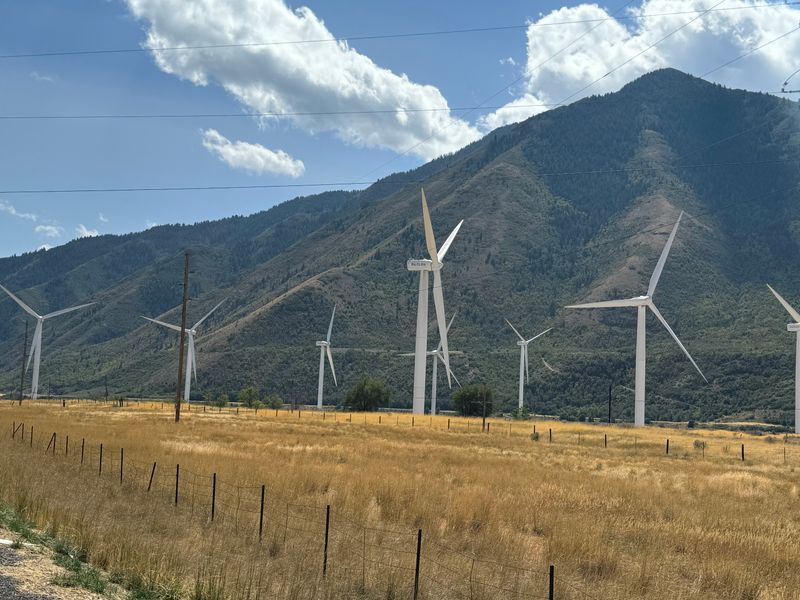
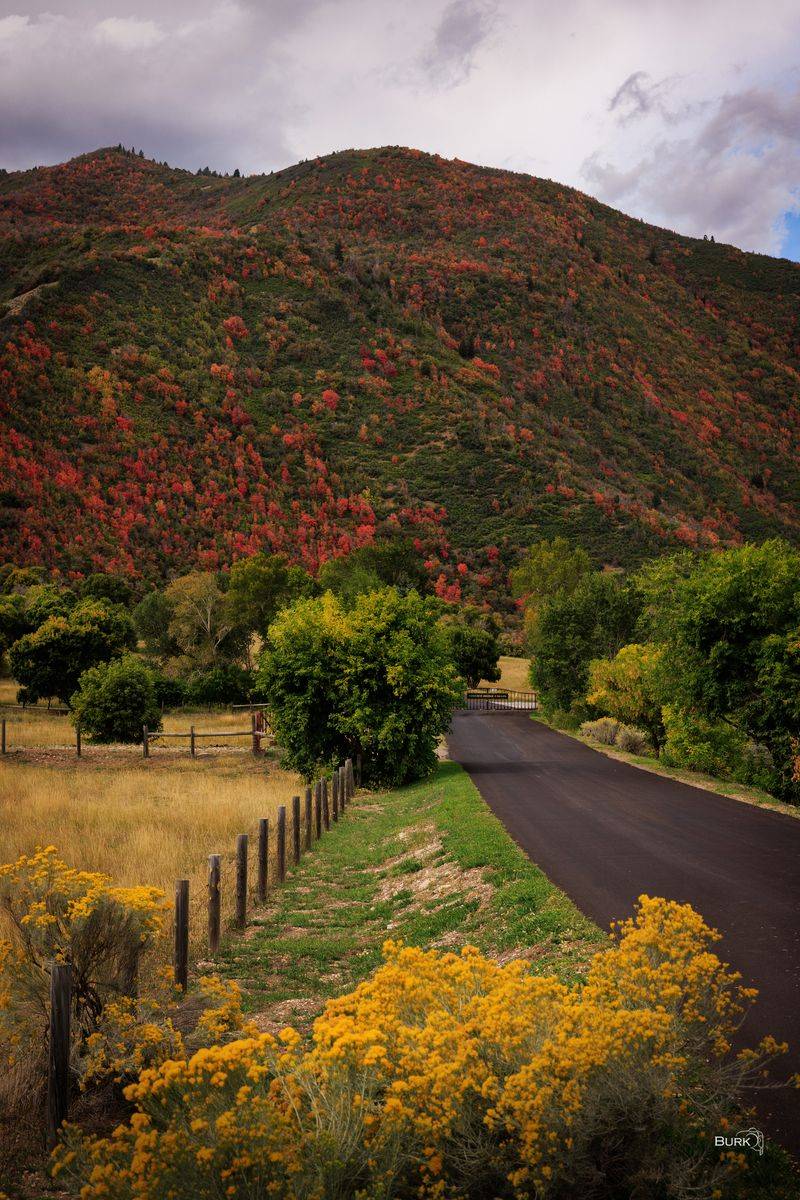
Crisp air snaps like an apple when fall hits the canyon. Hillsides flare with aspen and scrub oak, a color rush that turns every turnout into a short film set.
Even trucks look photogenic drifting through bands of red and gold.
Arrive early on weekends if foliage is peaking because parking pockets fill fast. I bring a thermos and let the sun lift over the ridgeline while I chase angles.
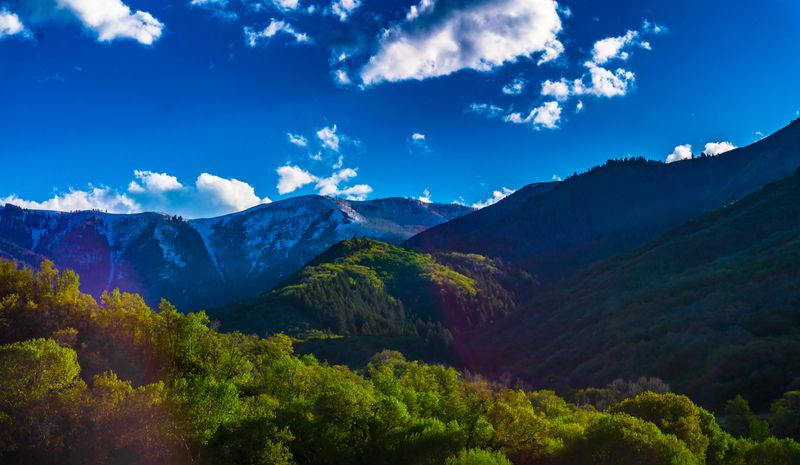
Late September can be outrageous, but winter’s blue shadows and spring’s first wash of green are equally worth the pause.
For the best sweep, climb a safe shoulder where the highway bends and the river shines beside it. Keep distance from traffic and keep kids corralled.
The views are generous, but the margins are thin. Snap your shot, savor the stillness, and rejoin the flow with a grin that lasts for miles.
Local habits and etiquette
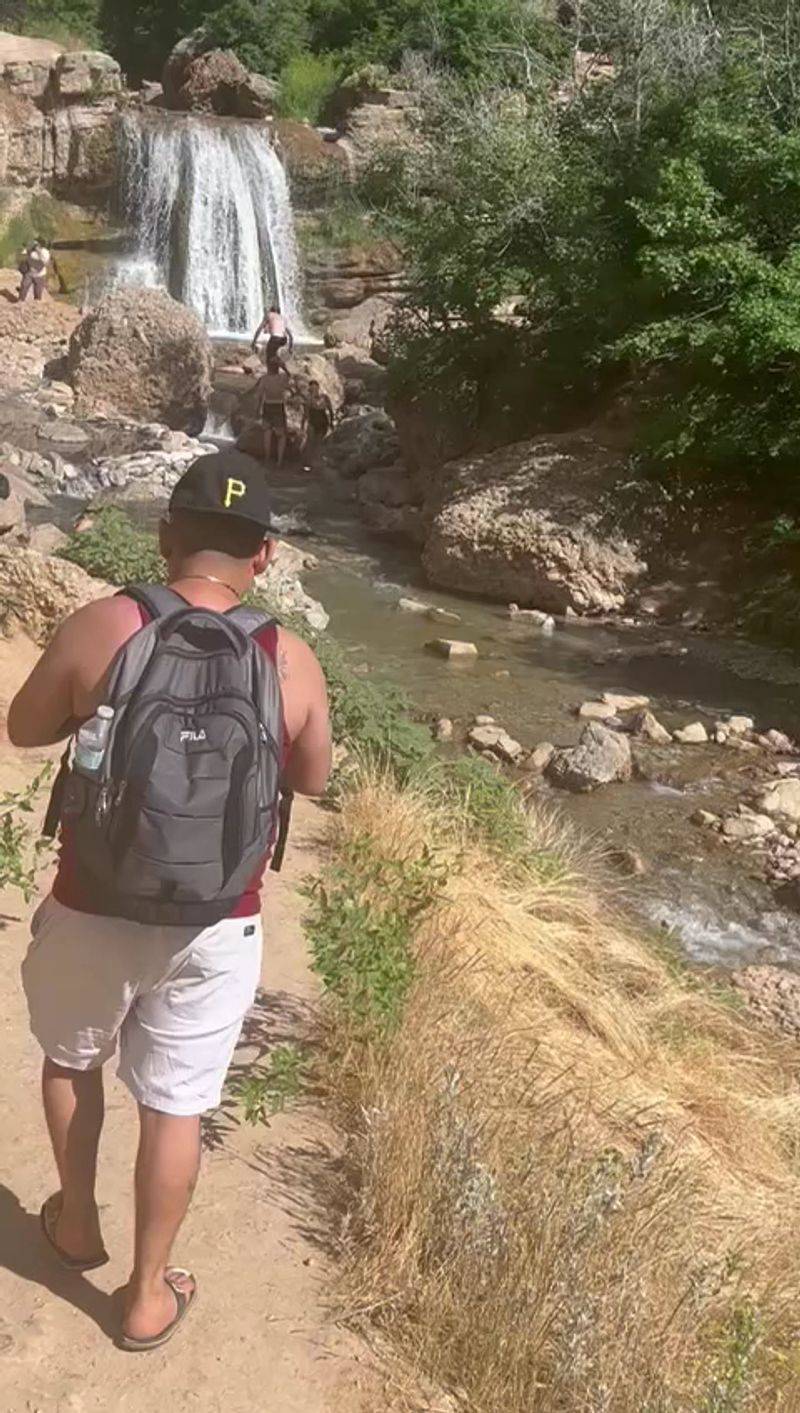
A lifted pickup easing into a turnout is your cue to exhale. Locals use pullouts liberally, wave you by, and expect the same courtesy in return.
Blinkers matter, and so does a soft throttle when merging back into the stream.
People here also keep headlights on in low light, skip the rolling trash problem, and watch for wildlife at dusk. I try to copy the rhythm: steady speeds, no surprise braking, and a quick thank-you wave when someone lets me slide back in.
It smooths everything.
Etiquette extends to recreation nooks too. Give anglers space, mute music near quiet spots, and park tight so more folks can squeeze in.
It is small stuff that adds up to a canyon that feels shared instead of contested. Follow the local script and the drive turns friendlier by the mile.
Driving advice locals give
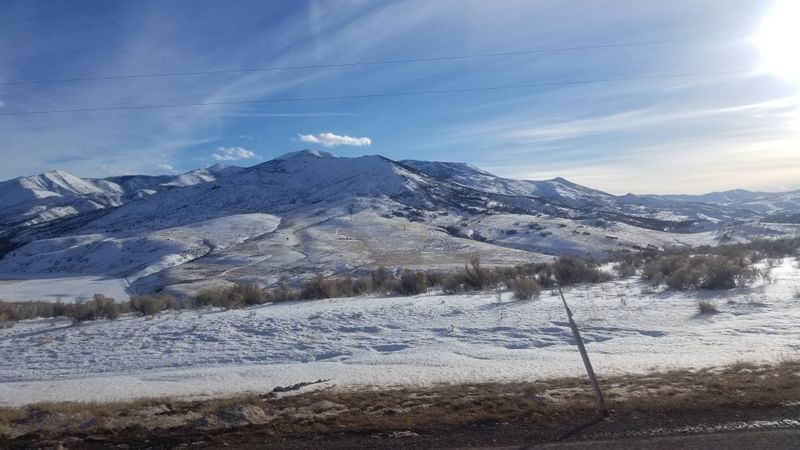
A low rumble of snow on the windshield means it is time for local rules. Slow down earlier than you think, avoid passing on blind hills, and treat winter storms like pop quizzes that count.
The canyon changes mood fast, and overconfidence is the wrong answer.
Seasoned drivers also preach spacing, working lights, and decent tires long before the first flake. I keep a small kit in back: water, snacks, gloves, and a headlamp.
It is not paranoia. It is comfort you can eat if traffic stalls or a slide closes the gap.
Watch weather near Soldier Summit, scan shaded corners for ice, and resist the urge to make up time. The safest trip here looks uneventful in your memory, exactly how you want it.
Reach the other side, grab something warm in town, and call it a win. The canyon respects discipline.
So do the people who love it.
Share this story