Washington, D.C. is always chasing the next big thing. New openings get the hype, the reservations vanish, and a month later there’s something else to talk about.
But a few dining rooms don’t need buzz to stay busy.
They’ve become part of how the city celebrates. People return for birthdays and date nights.
Out-of-towners end up sharing a barstool with regulars. The menus feel familiar in the best way, and the atmosphere carries a little weight.
This isn’t about what’s trending right now. It’s about the places that have outlasted the waves and kept earning loyalty, year after year.
If you’re hungry for comfort classics, timeless service, or a dining room with real history, these legendary spots are the ones worth seeking out.
1. Old Ebbitt Grill
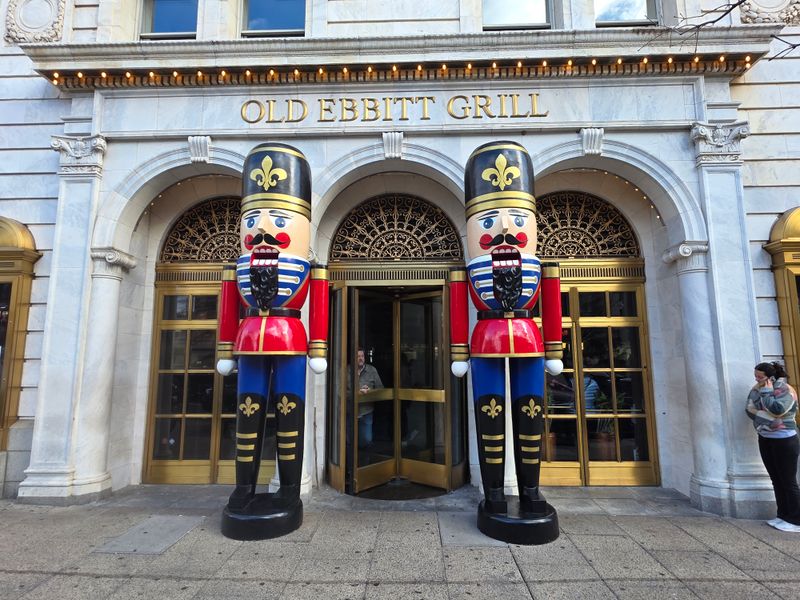
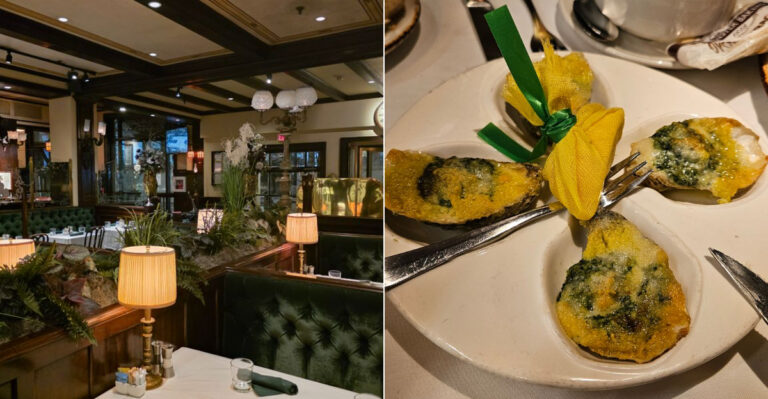
Walk through the doors and you’ll feel like you’ve stepped into a time machine set to 1856. The gas lamps flicker just right, the mahogany gleams, and somewhere nearby a politician is probably cutting a deal over oysters.
Presidents have eaten here. Journalists have broken stories here.
I once sat three booths away from someone who looked suspiciously like they belonged on the evening news, but that’s just a regular Tuesday at Old Ebbitt.
The oyster bar draws crowds like moths to a flame, and for good reason. Fresh bivalves arrive daily, shucked with practiced efficiency by folks who’ve done this thousands of times.
The menu spans hearty American classics that stick to your ribs without pretension.
Sure, tourists flock here, but so do locals who’ve been coming for decades. That’s the real test of staying power.
The Victorian-era ambiance isn’t manufactured nostalgia either. This place has genuinely earned every brass fixture and velvet booth through years of serving excellent food in a setting that refuses to chase trends.
2. Le Diplomate
Sometimes a restaurant doesn’t need a century of history to become essential. Le Diplomate proved that when it opened and immediately claimed a spot on every local’s mental list of places to impress out-of-town guests.
The Parisian brasserie vibes hit you the moment you walk in. Red leather banquettes, zinc-topped bars, waiters in long aprons.
It’s like someone airlifted a corner of the Left Bank and dropped it on 14th Street.
Locals don’t just tolerate this place despite the crowds. They actively love it, which says everything.
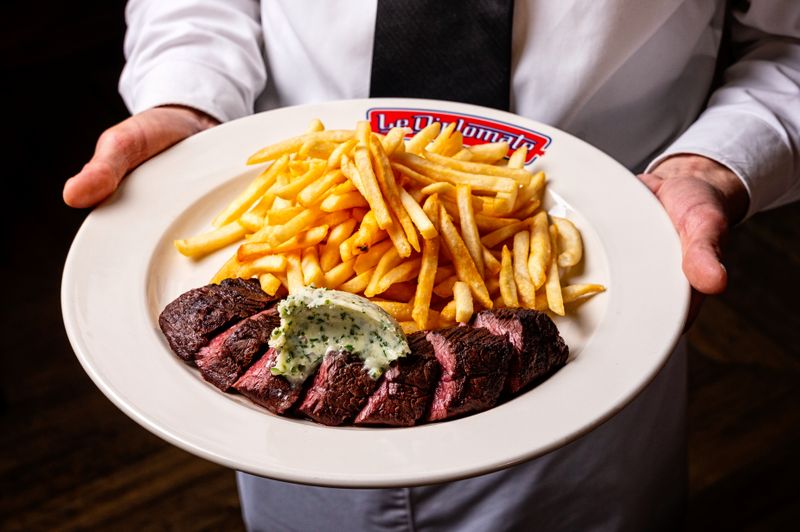
The steak frites arrives perfectly cooked, the croissants could make a French grandmother weep with pride, and the people-watching rivals any sidewalk café in Paris.
What makes it institutional isn’t age but permanence. In a city where restaurants open with fanfare and close with a whimper, Le Diplomate has become the spot where Washingtonians celebrate promotions, anniversaries, and successful grant applications.
That kind of loyalty can’t be bought with good marketing alone.
3. Martin’s Tavern
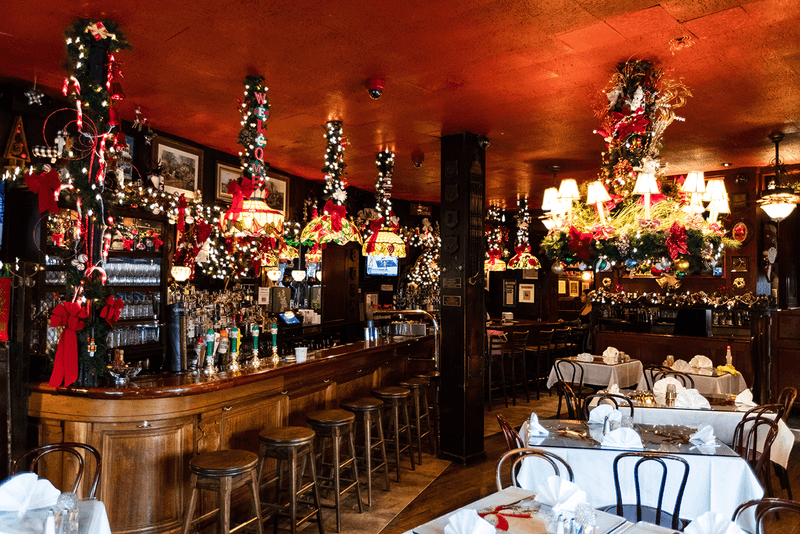
Georgetown’s oldest tavern opened in 1933 and hasn’t changed much since, thank goodness. The wood booths still creak in the same spots, the lighting stays perpetually dim in that perfect tavern way, and regulars still claim their favorite corners like territorial cats.
JFK proposed to Jackie in booth three. At least that’s what the plaque says, and honestly, who cares if it’s slightly embellished?
The story fits the atmosphere too perfectly to question.
This isn’t a museum pretending to be a restaurant. People actually eat here, drink here, argue about politics here.
The menu delivers solid American tavern fare without apology or foam garnishes. Burgers, crab cakes, shepherd’s pie.
What strikes me most is how Martin’s resists every trend that sweeps through Georgetown. No exposed Edison bulbs.
No reclaimed barnwood accent walls. Just a tavern that knows what it is and refuses to become anything else.
The neighborhood loves it for exactly that stubbornness, packing the place on weekends and weeknights alike.
4. Ben’s Chili Bowl
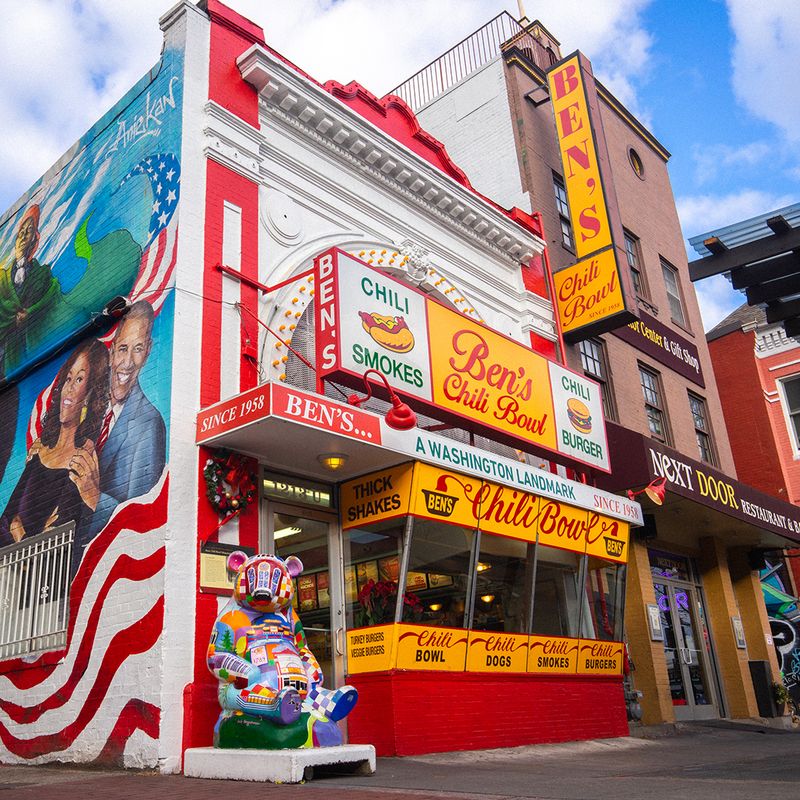
The half-smoke at Ben’s Chili Bowl isn’t just food. It’s a D.C. rite of passage, slathered in chili and topped with enough onions to ward off vampires for weeks.
Since 1958, this U Street institution has served everyone from neighborhood regulars to presidents. Obama ate here.
Prince ate here. Your cousin from Milwaukee will definitely eat here when they visit because you’ll take them there.
The walls practically sag under the weight of celebrity photos, but locals know the real story. Ben’s stayed open during the 1968 riots when other businesses shuttered.
The Ali family kept feeding the neighborhood through thick and thin, earning loyalty that transcends any viral food trend.
Sure, the line stretches down the block most days. Yes, tourists clutch their cameras like weapons.
But peek past the Instagram crowd and you’ll spot genuine regulars who’ve been ordering the same thing for thirty years. That’s the difference between a landmark and an institution.
Ben’s is both.
5. Clyde’s of Georgetown
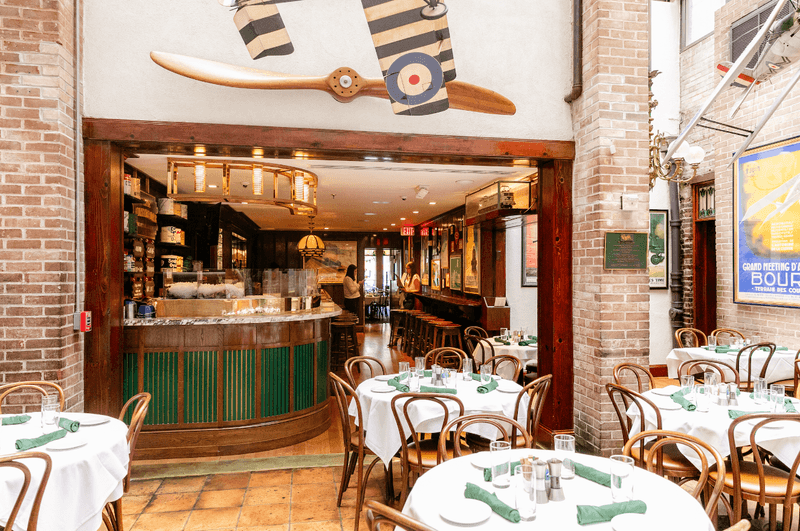
Brunch at Clyde’s feels like a Georgetown tradition older than some of the rowhouses. Families pile into wood-paneled booths, nursing Bloody Marys while waiting for eggs Benedict that never disappoint.
Opening in 1963, Clyde’s became the blueprint for what a neighborhood restaurant should be. Reliable, welcoming, consistent.
The kind of place where you bring your parents when they visit and your kids when they’re old enough to sit still.
The menu hasn’t chased food trends, which is exactly why it works. Burgers, salads, crab cakes, pot roast.
Nothing revolutionary, everything executed properly. Sometimes that’s all you need.
I’ve watched Georgetown transform around this restaurant, watched boutiques come and go, watched the neighborhood get fancier and pricier. Clyde’s just keeps doing its thing, serving the same reliable American classics with the same wood-paneled charm.
The crowds never thin because locals know quality when they taste it, and they’re not about to abandon a good thing for whatever fusion concept just opened down the street.
6. Old Europe
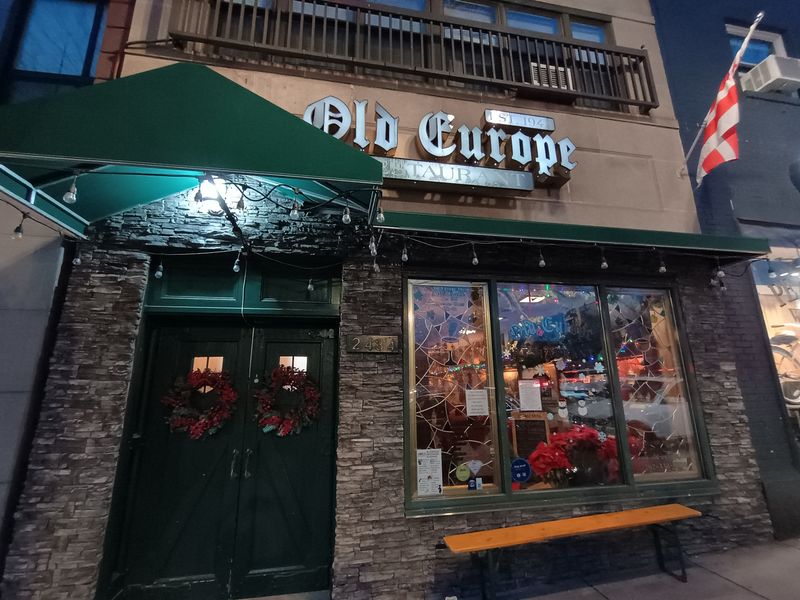
Glover Park’s best-kept secret serves schnitzel that could make your German grandmother nod with approval. Old Europe doesn’t scream for attention, doesn’t need to.
This low-key spot has been feeding the neighborhood classic German dishes for decades. The kind of place where servers remember your usual order and the chef doesn’t mess with recipes that already work perfectly.
Sauerbraten arrives tender and tangy. Spätzle comes properly buttered.
The beer list favors German imports over whatever IPA currently dominates craft beer nerds’ conversations. It’s refreshing in its refusal to be trendy.
What makes Old Europe institutional isn’t size or fame but longevity earned through consistency. Neighbors gather here for birthdays, anniversaries, Tuesday nights when nobody feels like cooking.
The atmosphere stays warm without being precious, the service friendly without hovering. In a city where restaurants often try too hard to be the next big thing, Old Europe simply focuses on being exactly what Glover Park needs it to be.
7. Café Riggs
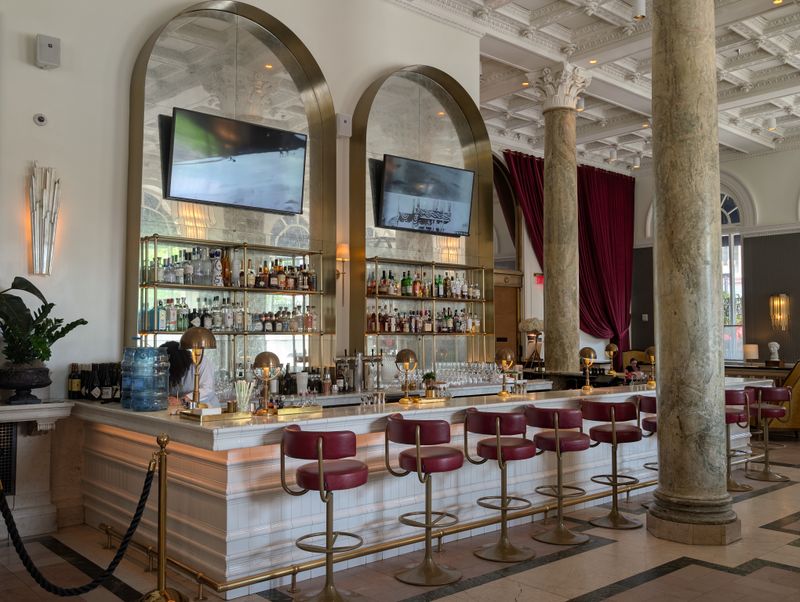
Housed inside the Riggs Hotel, this spot proves new restaurants can feel institutional if they respect D.C.’s dining heritage properly. The seasonal menus change, but the commitment to quality stays rock-solid.
The space itself commands respect. High ceilings, elegant fixtures, the kind of refined atmosphere that makes you sit up straighter without feeling stuffy.
It’s fancy without the pretension that often accompanies white tablecloths.
Chef-driven seasonal plates arrive beautifully composed but still recognizable as food rather than edible architecture. The flavors speak clearly, ingredients shine without unnecessary fussing.
This is New American cooking done right.
Locals have embraced Café Riggs faster than most newcomers because it fills a specific niche. Sometimes you want elevated dining that doesn’t require a second mortgage or three months advance reservation.
Sometimes you want a place that feels special without trying too hard. The restaurant delivers on both counts, earning its place among D.C.’s go-to spots through consistent execution and genuine hospitality rather than hype.
8. Founding Farmers DC
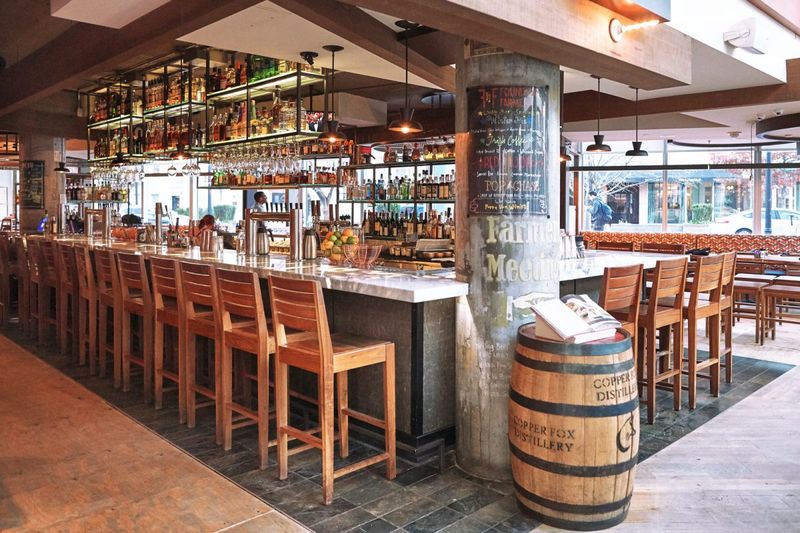
Weekend brunch here requires patience, strategy, and possibly a willingness to put your name on a list and wander the neighborhood for forty minutes. Locals do it anyway because the food justifies the wait.
Founding Farmers nailed the community gathering spot vibe from day one. Long communal tables encourage strangers to become temporary neighbors.
The open kitchen lets you watch your breakfast being assembled with care.
The menu celebrates American classics with farm-fresh ingredients that actually taste like they came from farms rather than warehouses. Pancakes arrive fluffy and generous.
The chicken and waffles could convert vegetarians if they weren’t paying attention.
What’s remarkable is how this place became essential so quickly. In a city full of brunch options, Founding Farmers rose to the top of locals’ recommendation lists and stayed there.
That doesn’t happen by accident. It happens through consistent quality, welcoming atmosphere, and understanding exactly what D.C. diners want when they’re celebrating lazy Sunday mornings with friends and bottomless coffee.
9. The Monocle Restaurant
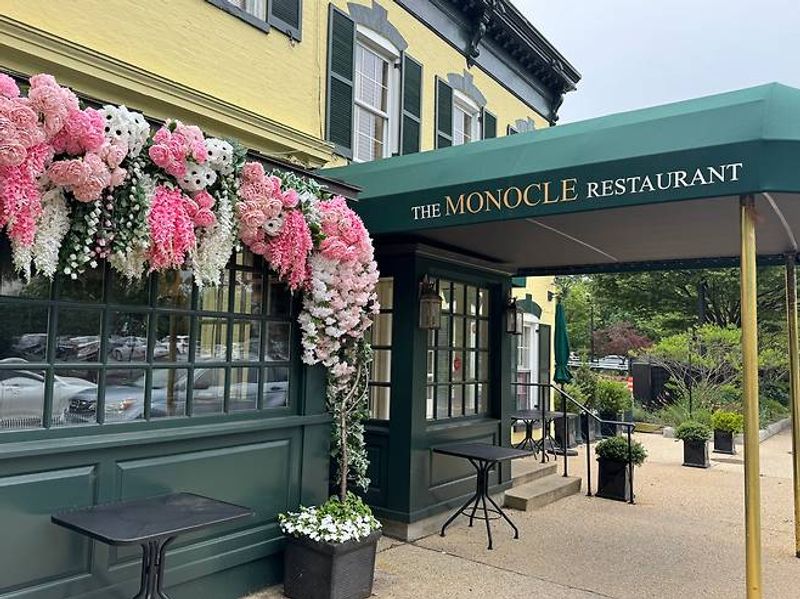
Politicians and power brokers have been making deals over steaks here for decades. The Monocle doesn’t advertise this fact with neon signs, but the knowing glances between certain diners tell the story clearly enough.
Classic American dishes dominate the menu because why fix what isn’t broken? The steaks arrive cooked to order, the crab cakes pack serious lump meat, and the martinis come cold enough to make your teeth hurt.
Old-world charm permeates everything here. White tablecloths, attentive service that’s professional without being obsequious, lighting that flatters everyone equally.
It’s the kind of place your grandfather would approve of, meant as the highest compliment.
Washingtonians who’ve lived here long enough remember when The Monocle was the spot for important conversations over good food. Here’s the secret though: it still is.
The restaurant hasn’t changed its approach because the approach works. Reliable quality, discreet atmosphere, food that satisfies without distracting from conversation.
Sometimes tradition beats innovation by a landslide.
10. The Tombs
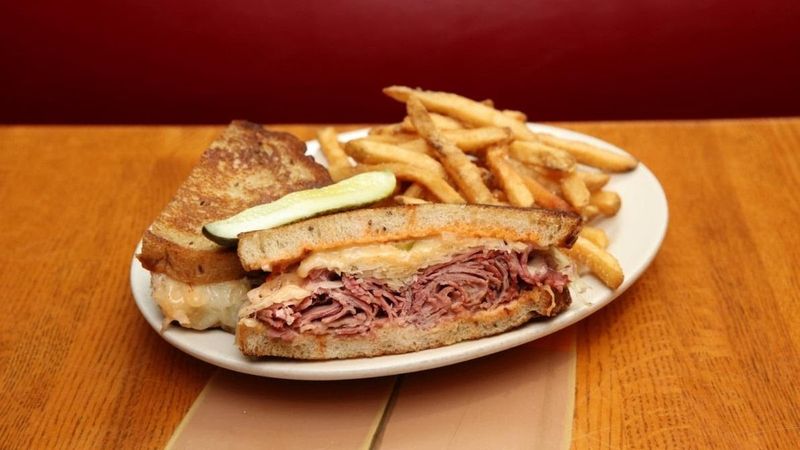
Georgetown students have been ordering cheap pitchers here since 1962, and their kids probably will too. The Tombs occupies that perfect sweet spot between dive bar and actual restaurant.
Brick walls absorb decades of conversation, laughter, and probably a few tears during finals week. The booths show their age in the best way, worn smooth by generations of undergrads celebrating victories and mourning defeats.
The food exceeds typical bar fare without losing accessibility. Burgers satisfy late-night cravings, wings come properly crispy, and the prices won’t destroy a student budget.
Alumni return years later and order the same things they did during college.
What makes The Tombs institutional is continuity. Current students drink where their parents drank, creating a living timeline of Georgetown life.
The weekly traditions continue unbroken. The vibe stays comfortably unpretentious.
In a neighborhood that’s gotten increasingly polished and expensive, The Tombs remains refreshingly unchanged, a reminder that sometimes the best spots are the ones that resist improvement.
11. Ben’s Next Door
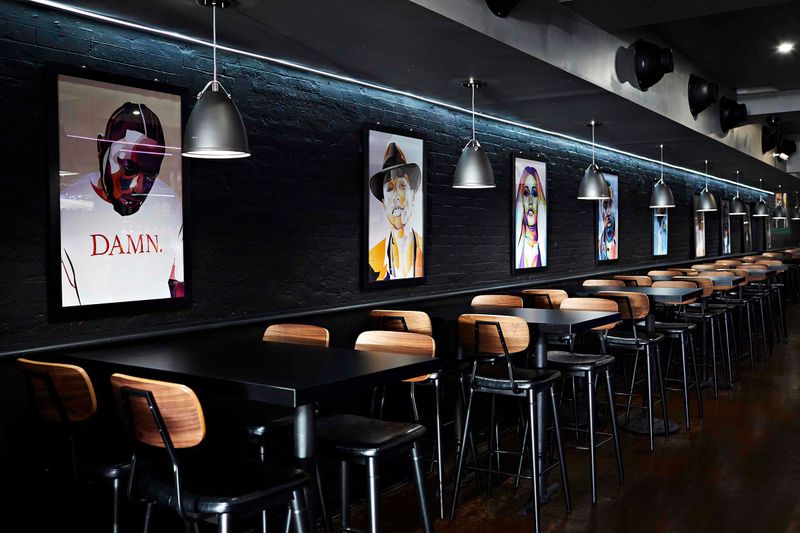
When Ben’s Chili Bowl needed more space but didn’t want to mess with perfection, they opened this adjacent spot. Same beloved half-smokes, more seating, and an actual bar for those who want a beer with their chili.
The slightly elevated format means table service instead of counter ordering, a full drink menu, and room to breathe during peak hours. But the soul remains pure Ben’s, which is exactly what regulars demanded.
You can order all the classics here without battling the crowds next door. The half-smoke tastes identical because the kitchen takes its responsibility seriously.
Adding drinks and more comfortable seating doesn’t dilute the experience, it enhances it.
Locals appreciate having options. Sometimes you want the authentic counter experience at the original location.
Other times you want to sit down properly, order a cocktail, and still get that chili-covered hot dog that’s been a D.C. staple since 1958. Ben’s Next Door delivers the latter without compromising the legacy, proving that expansion doesn’t always mean selling out.
12. Clyde’s Restaurants (Multiple DC Locations)
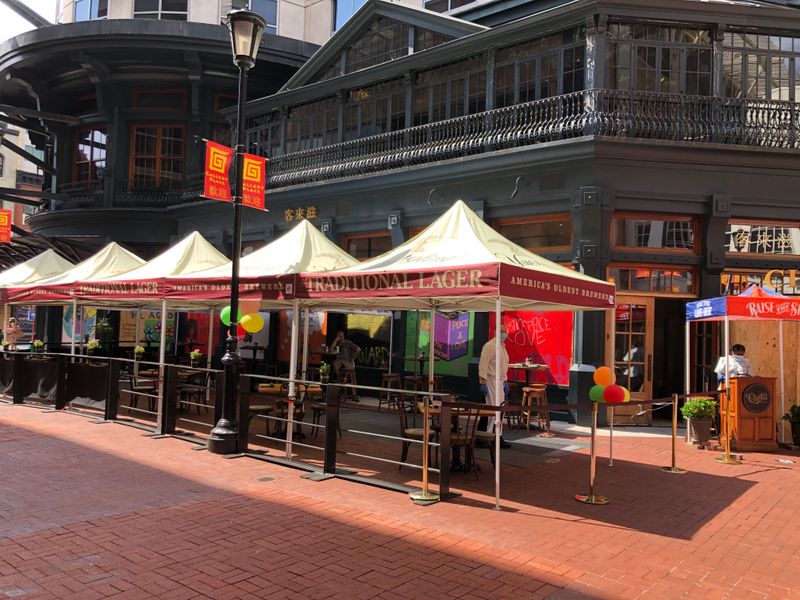
The Clyde’s family has woven itself into D.C.’s dining fabric so thoroughly that locals forget there was ever a time before these restaurants existed. Since 1963, various locations have served as neighborhood anchors across the city.
Each location maintains the Clyde’s DNA while adapting to its specific neighborhood. Wood paneling, reliable American classics, that comfortable tavern feeling that makes you want to settle in for the afternoon.
But Georgetown’s Clyde’s feels different from the one in Chevy Chase, which differs from Clyde’s at the Gallery.
The consistency is what builds institutional status. You know what you’re getting at any Clyde’s location, and that predictability becomes comfort rather than boring.
The brunch will satisfy, the burgers won’t disappoint, the service stays professional and friendly.
Families have been celebrating at Clyde’s for generations now. That’s the ultimate endorsement in a city where restaurants rise and fall with political administrations.
When your grandparents ate at the same restaurant where you’re currently teaching your kids proper table manners, that’s not just dining. That’s tradition.
Share this story