These 12 tracks highlight how women have shaped rock across decades, from classic radio staples to era-defining anthems. You will find chart-toppers, Grammy winners, and songs that still fill arenas and playlists today.
Each entry notes why it matters, what made it stand out, and how it continues to resonate. Whether you are rediscovering favorites or finding a new go-to, this list keeps it clear and credible.
1. Joan Jett & the Blackhearts – I Love Rock ’n Roll

Released in 1981, I Love Rock ’n Roll powered Joan Jett & the Blackhearts to a Billboard Hot 100 number one for seven weeks. Its stomping beat, call-and-response hook, and raw guitar tone made it instantly accessible.
The song’s simple structure invites audience participation, which helped it become one of the most played rock songs ever.
Originally written by the Arrows, Jett’s version sharpened the attitude and brought punk grit into mainstream rock. Radio programmers embraced its anthemic chorus, and MTV amplified its reach with the stark, leather-clad video.
The track helped redefine how a female-fronted band could command arena-size energy without softening the edges.
Beyond sales, its impact shows up in karaoke charts, sports arenas, and countless covers. You hear it in modern rock’s straightforward, riff-first approach and in artists who embrace unfiltered swagger.
If you want a crash course in rock economy and punch, this single delivers it in under three minutes.
The guitar riff remains a model of efficient, memorable writing. The vocal performance is confident without oversinging, keeping the message tight.
Decades later, it still turns a room into a chorus within seconds.
2. Heart – Barracuda

Barracuda showcases Heart at full power, driven by Ann Wilson’s soaring vocal and Nancy Wilson’s biting guitar riff. Released in 1977, it became a Top 10 hit and earned a Grammy nomination, cementing its status as a classic rock staple.
The galloping rhythm and harmonized leads give it a muscular momentum that never lets up.
Its lyrical bite came from industry frustrations, channeled into a pointed, metaphor-rich narrative. Radio embraced the song’s precision and power, and live performances often push it even harder.
The production balances crunch and clarity, letting the band’s interplay shine without losing edge.
Guitarists often study its riff for its palm-muted drive and accents. Vocalists point to Ann Wilson’s control and range, especially in the sustained high notes.
Decades later, the track still opens up sets, playlists, and workout mixes with instant electricity.
As a staple of classic rock radio, Barracuda underscores how technical skill and strong songwriting can coexist. It is both fierce and precise, a rare balance.
When the main riff drops, you know exactly what is coming and why it still hits.
3. Janis Joplin – Piece of My Heart
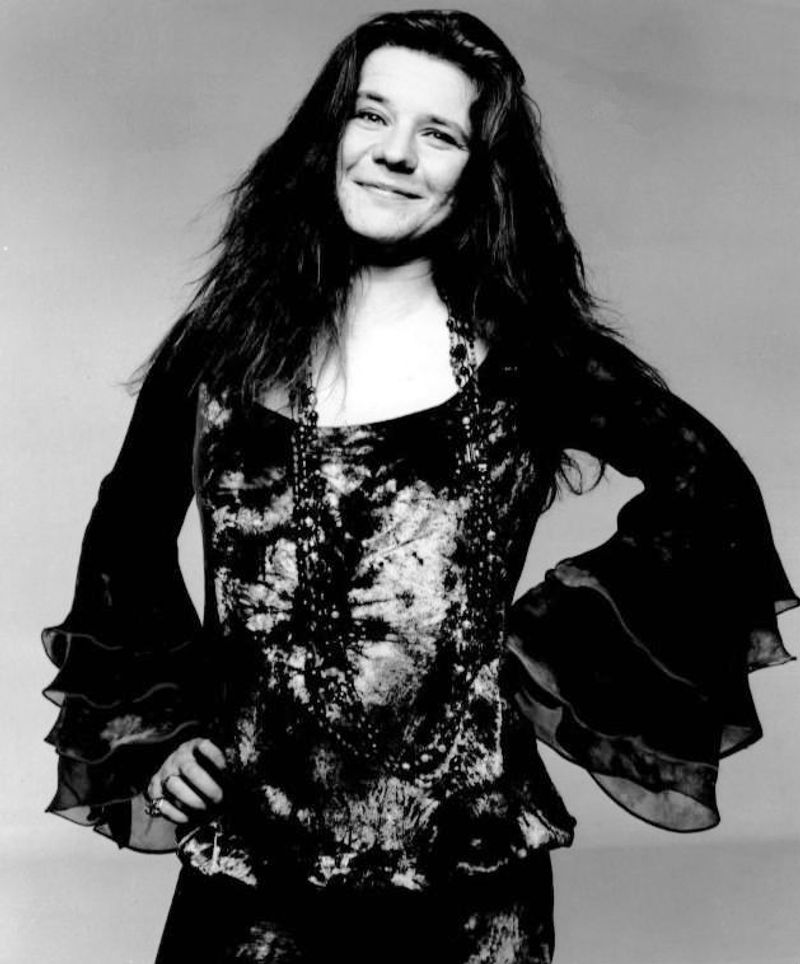
Piece of My Heart is often cited as a defining rock vocal, with Janis Joplin channeling blues and soul through a volcanic delivery. Originally recorded by Erma Franklin, the Big Brother and the Holding Company version became multi-platinum and a Rock Hall canon entry.
The arrangement builds from simmer to eruption, mirroring the lyric’s push-pull heartbreak.
Joplin’s phrasing feels conversational and explosive at once, bending notes and stretching lines. Guitar and horns interplay add grit and uplift, while the rhythm section keeps a rough, live-room feel.
It is a masterclass in turning vulnerability into strength through performance.
The track’s durability lies in its dynamic contrasts and emotional clarity. Singers study how Joplin uses breath and texture to tell the story without overscripting it.
The recording captures imperfections that act like fingerprints, making it uniquely human.
Classic rock radio, film syncs, and tribute performances keep it current. When the chorus hits, it lands as catharsis rather than just a hook.
Few songs demonstrate how raw feeling can shape rock identity quite like this one.
4. Stevie Nicks – Edge of Seventeen

Edge of Seventeen endures as one of the 1980s most recognizable solo rock tracks. The churning 16th-note guitar figure underpins Stevie Nicks’s smoky vocal, creating hypnotic motion.
Its metaphor of the white-winged dove carries themes of loss, transition, and self-possession without heavy-handedness.
Originally released in 1981, the single’s radio longevity is remarkable, appearing across classic rock, adult hits, and soundtrack placements. The drum pattern and percussive guitar give DJs and producers an easy mix point.
Nicks’s phrasing, both mystical and grounded, holds attention line by line.
Musicians often cite the riff for its stamina and pocket, while fans connect with the lyric’s reflective tone. The production resists flash, leaning on arrangement discipline and layered vocals.
It feels intimate and big at once, a rare achievement.
Its influence echoes through pop-rock and alternative acts that blend steady grooves with poetic imagery. You can step into the song at any moment and recognize its pulse.
For many listeners, it is the song that defines Nicks’s solo identity.
5. Pat Benatar – Hit Me With Your Best Shot
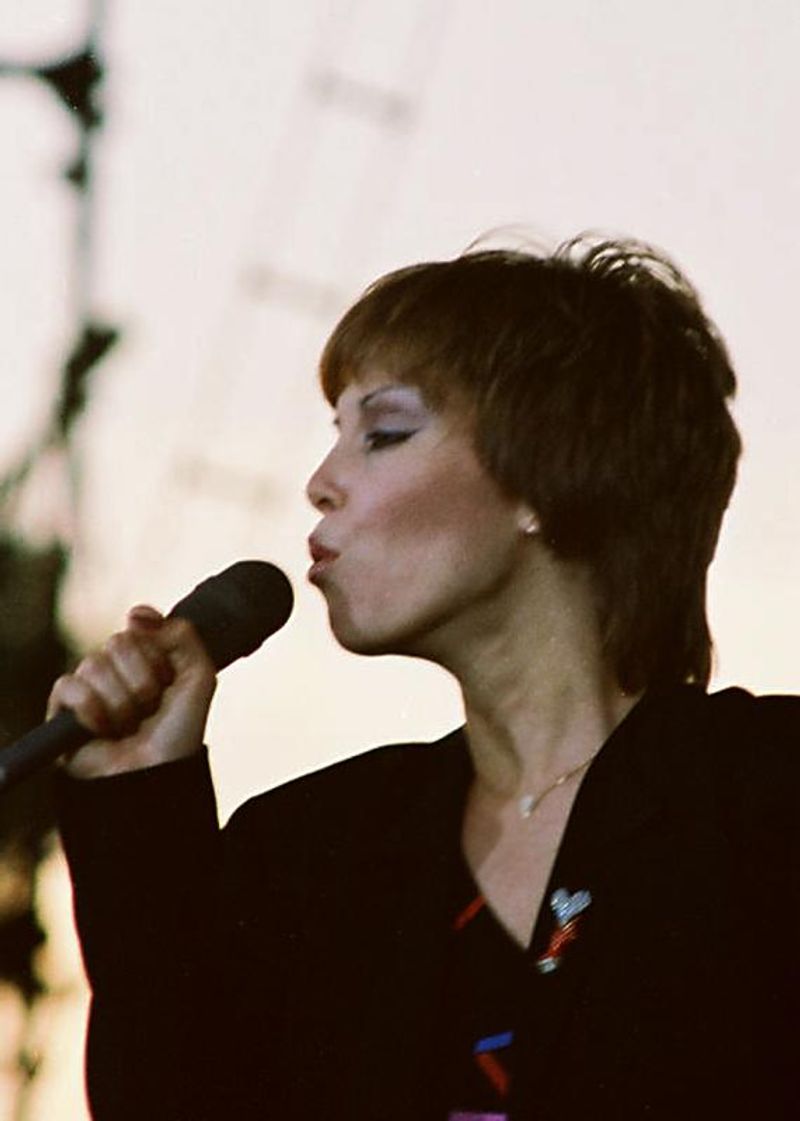
Hit Me With Your Best Shot stands as Pat Benatar’s signature hit, pairing punchy guitars with a confident, concise lyric. Released in 1980, it became platinum-certified and a permanent arena-rock staple.
The song’s crisp structure, with stop-start riffs and a clean solo, makes it a favorite for sports events and singalongs.
Benatar’s vocal mixes precision and grit, delivering lines that double as motivational fuel. The rhythm section keeps everything locked, giving the chorus pop clarity without softening the rock bite.
Production choices prioritize clarity and punch, letting the hook land hard.
Its endurance comes from its universal message of resilience framed as a challenge. Cover bands love it, and radio programmers rely on its tempo to lift sets.
The track also showcases early 80s guitar tones that remain friendly to modern ears.
As her biggest hit, it opened doors for Benatar across MTV and touring circuits. Listeners still find it energizing, direct, and easy to sing.
When the chorus hits, it feels like a clean shot landing right on the beat.
6. Fleetwood Mac – Rhiannon
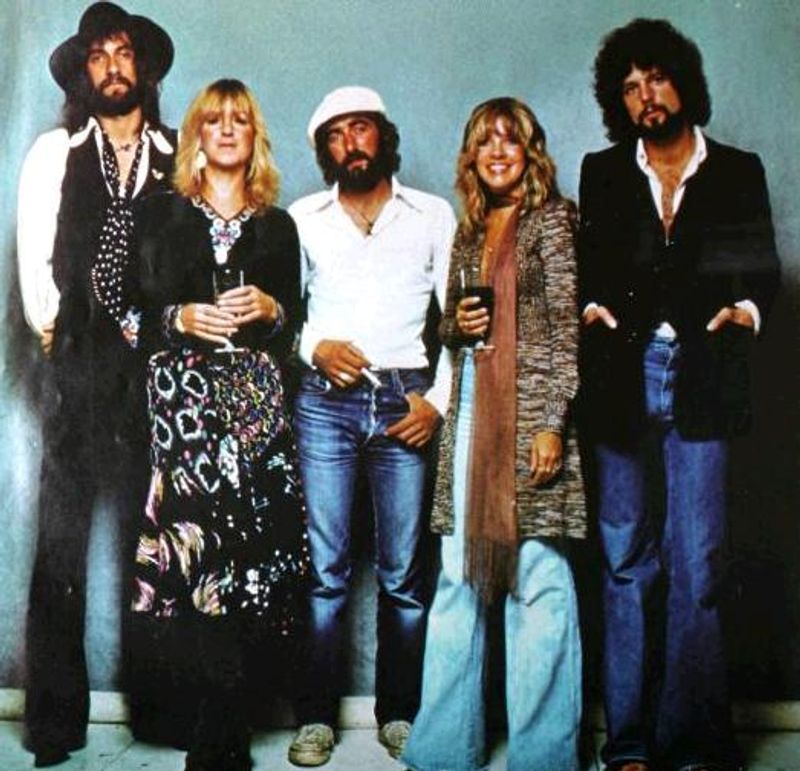
Rhiannon became one of Fleetwood Mac’s signature songs, balancing mystical imagery with tight band interplay. Stevie Nicks’s vocal floats above a clipped guitar rhythm and steady groove, creating a sense of restless motion.
The chorus blooms without bombast, proving restraint can be powerful.
Since its mid-70s release, the song has shown exceptional critical and commercial longevity. Live versions extend the outro, giving Nicks space to elevate the narrative.
On radio, it lands between soft-rock and classic rock without losing identity.
Musicians hear lessons in arrangement economics and dynamic control. The band creates lift using subtle keyboard voicings and backing vocals rather than volume spikes.
That approach helped define Fleetwood Mac’s radio-friendly yet musically sophisticated style.
Listeners connect with the character’s independence and mystery, which Nicks underscores without melodrama. The track sits comfortably on road playlists and evening sets alike.
It is a masterclass in crafting atmosphere while keeping the hook front and center.
7. Blondie – Call Me
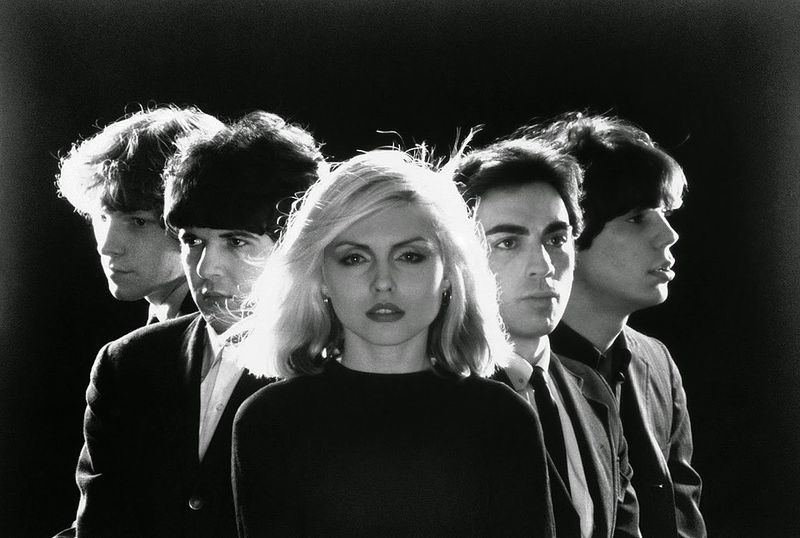
Call Me hit number one on the Billboard Hot 100 and delivered massive crossover reach. Blondie teamed with producer Giorgio Moroder, fusing new wave edge with disco-inflected drive.
The result is a propulsive track that works on rock radio and dance floors alike.
Debbie Harry’s vocal rides a relentless synth-bass and guitar pulse, keeping urgency high. The melody climbs in clean steps, making it instantly memorable.
Moroder’s production packs sheen without diluting the band’s cool detachment.
As a soundtrack single, it benefited from film exposure while holding up on its own. The arrangement balances live-band punch with sequenced precision, a template many artists followed.
It remains a case study in hybrid rock-pop production.
Playlists still lean on Call Me for momentum and color. Its bilingual touches and fashion-forward image broadened appeal without gimmickry.
Few songs explain how Blondie bridged scenes as effectively as this one.
8. Tina Turner – What’s Love Got to Do with It
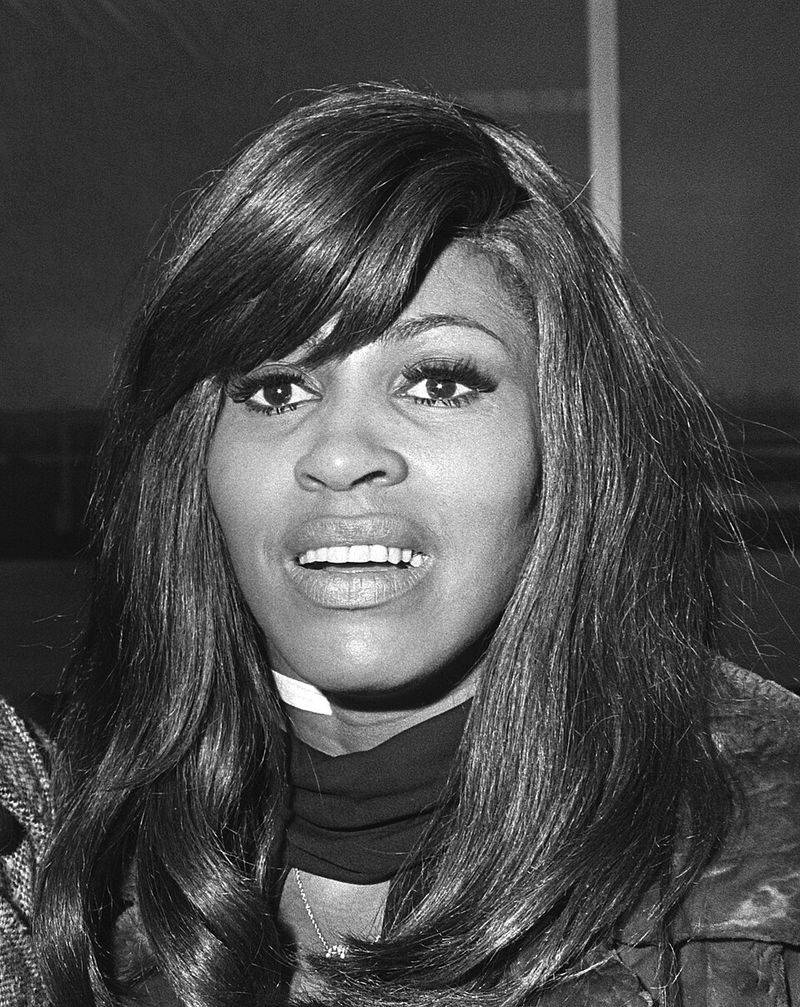
What’s Love Got to Do with It gave Tina Turner a Billboard number one and multiple Grammys, marking a landmark rock crossover. While often tagged as pop, its guitar textures and vocal attack keep a rock backbone.
Turner’s phrasing cuts through the mix with control and grit.
The production favors space, letting bass, guitar, and drums breathe around the vocal. That clarity sharpens the lyric’s cool detachment and hard-earned perspective.
It is the sound of confidence rebuilt, delivered with unshakable timing.
Beyond charts, the single reframed Turner’s career trajectory and influenced countless performers. It showed how a rock sensibility could thrive in sleek 80s production.
The chorus lingers without oversinging, relying on tone and restraint.
Radio still rotates it across formats, from classic hits to adult contemporary. Live renditions push the groove harder, underlining the song’s durability.
It remains one of the clearest examples of crossover done right, grounded in craft.
9. Alanis Morissette – You Oughta Know

You Oughta Know defined 90s alternative rock with a confessional lyric and a taut, live-wire arrangement. Flea and Dave Navarro contributed to the low-end snap and guitar edge, giving it unmistakable bite.
The vocal performance toggles between quiet tension and cathartic release with surgical precision.
The track won Grammys and anchored the era’s shift toward frank, personal storytelling. Radio embraced its crisp edits while album listeners dug into the full dynamic range.
It made vulnerability sound strong without sanding off the corners.
Production choices keep the drums and bass forward, creating a springboard for the vocal. Each verse tightens the coil before the chorus lands.
The hook is memorable because the phrasing feels natural, not forced.
Its influence touches alternative, pop-rock, and singer-songwriter lanes. You can hear echoes in artists who balance diaristic writing with muscular arrangements.
Decades later, it still feels immediate, a marker of honest rock expression.
10. The Runaways – Cherry Bomb
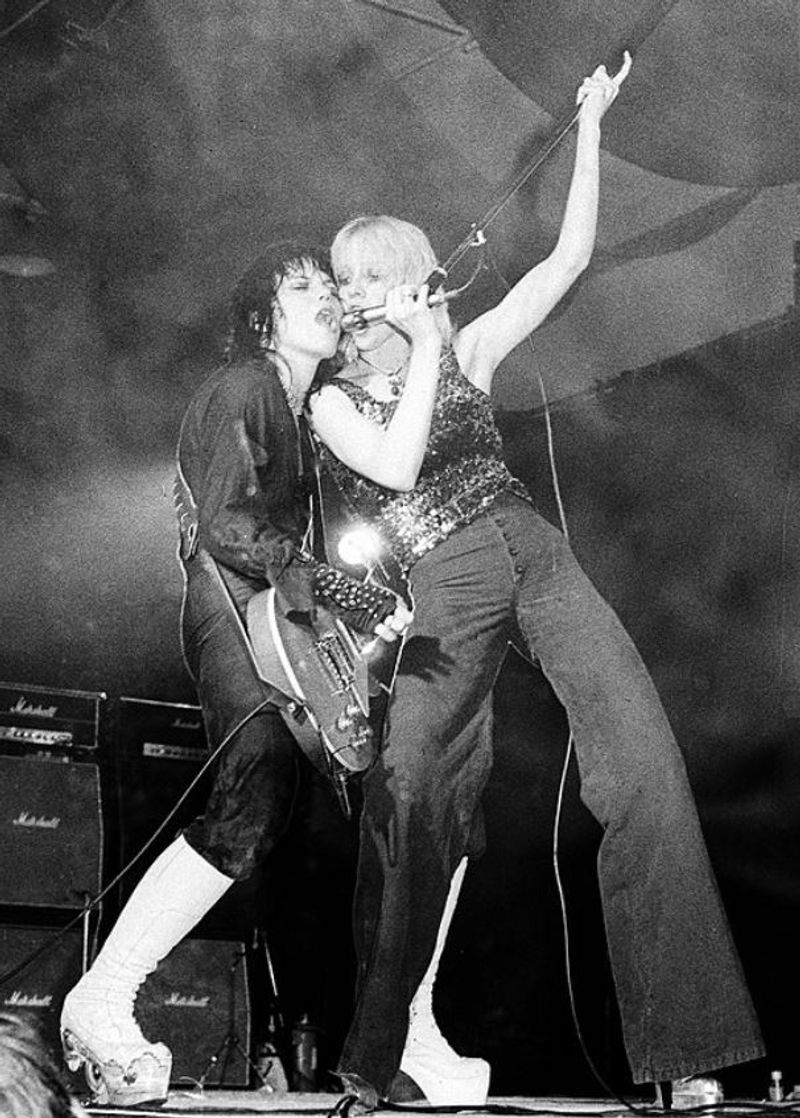
Cherry Bomb is a foundational track for female punk rock, recorded by The Runaways when the members were teenagers. Its shouted chorus and simple, distorted riff make it immediately repeatable.
The song’s cultural footprint includes film syncs, commercials, and endless references.
Released in 1976, it was not a massive chart hit but became historically important. The track’s lean structure and confrontational stance influenced punk and power-pop scenes.
It is a case of presence over polish, turning limitations into signature style.
The recording feels like a live room captured at ignition point. Drums push ahead, guitars smear slightly, and the vocal sneers without apology.
That immediacy gives it replay power decades later.
For many listeners, Cherry Bomb represents the permission slip to start a band. You can learn it quickly, perform it loudly, and make it your own.
Its license-heavy afterlife shows how raw ideas can outlast pristine ones.
11. Evanescence – Bring Me to Life

Bring Me to Life delivered Evanescence a global breakthrough, reaching the Billboard Top 10 and winning a Grammy. The song blends piano-led melodies with alt-metal guitars and a rap-rock cameo.
Amy Lee’s clear, classically informed vocal slices through the heavy arrangement.
The dynamic build is architectural, moving from hushed verses to soaring choruses. Layered strings and choir textures add lift without clutter.
The contrast between delicacy and weight became a blueprint for 2000s rock radio.
Its production highlights punchy drums, tight palm-muted guitars, and a spacious reverb field. The lyric frames awakening as both personal and cinematic.
That clarity helped it cross from rock to mainstream pop stations.
Live, the band often strips parts back to spotlight the vocal and piano. The track remains a staple for playlists that bridge rock and symphonic elements.
It is one of the 2000s defining rock singles by a female-led group.
12. Patti Smith – Because the Night

Because the Night stands as Patti Smith’s most successful and enduring song, co-written with Bruce Springsteen. It pairs her poet’s delivery with a stadium-ready melody, bridging art-punk and heartland rock.
The chorus unfurls with open-chord guitars and a ringing, romantic urgency.
Released in 1978, it expanded Smith’s audience without blunting her identity. The production keeps vocals forward and guitars chiming, allowing the lyric to lead.
Radio programmers found it both immediate and substantive, unusual for the time.
Its DNA shows up in covers from rock and pop artists alike. The structure is classic verse-chorus, but the performance adds an incantatory glow.
It proves that direct language can still feel elevated in the right hands.
In concert, the song often stretches, inviting crowd harmonies on the refrain. The track’s emotional center stays steady rather than theatrical.
That balance is why it still reads as genuine, resolute, and timeless.
Share this story