Some actors do not just play a character, they become them across decades of storylines, revivals, and cultural shifts. These marathon performances shape fan loyalty, steer franchise decisions, and quietly rewrite how we measure success in TV and film.
With streaming reshaping back catalogs and syndication economics, the value of a consistent character has only grown. Let’s look at the legends who turned one role into a lifelong calling card.
1. William Roache – Ken Barlow (Coronation Street)
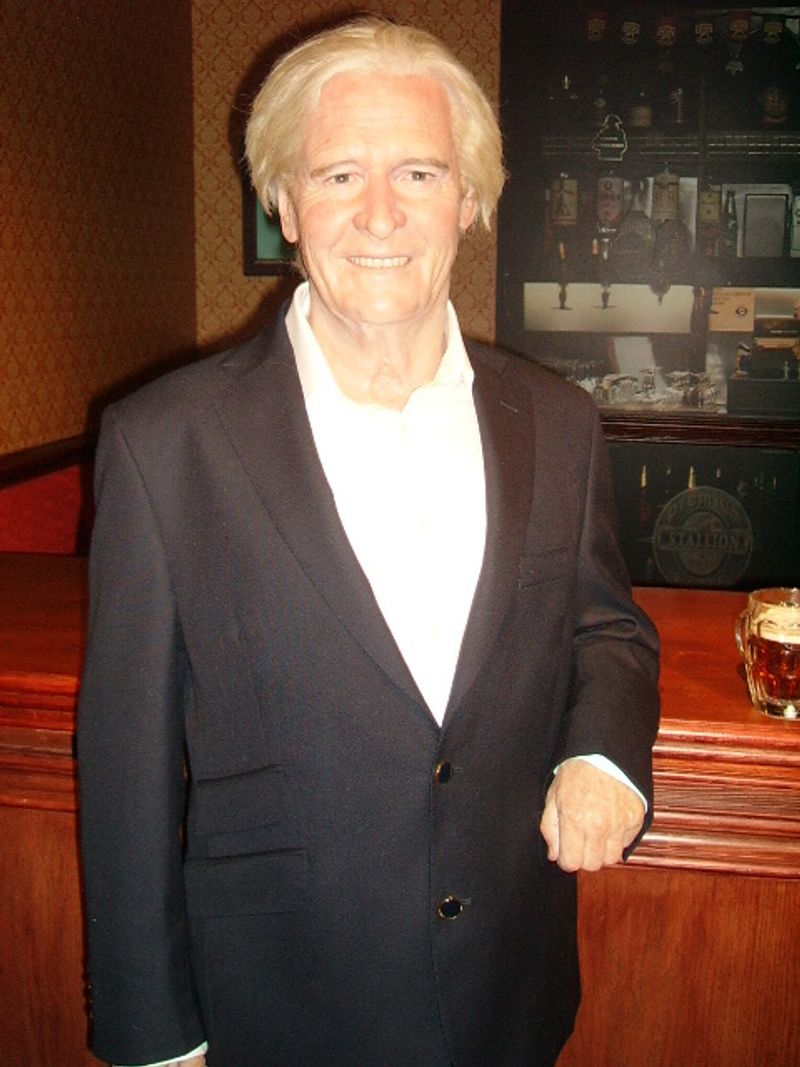
William Roache’s Ken Barlow is television’s marathoner, anchoring Coronation Street since 1960. Across eras of British culture, Ken evolved from idealistic student to weary intellectual, wrestling with marriages, affairs, and generational rifts.
You see Britain change through him, from postwar austerity to streaming age chatter, all while he pours tea in the same terraced neighborhood.
The Guinness World Record he holds is more than trivia. It signals production discipline and audience trust, the rare alignment that keeps a character indispensable.
In 2023, Ofcom reported broadcast TV still commanded 79 percent of total video viewing among UK over-65s, a loyal base soaps serve well.
Ken’s longevity offers a lesson: routine builds myth. Producers leveraged his history for story payoffs that newer shows cannot match.
If you want staying power, thread character memory into every plot turn. The street remembers, and so do viewers.
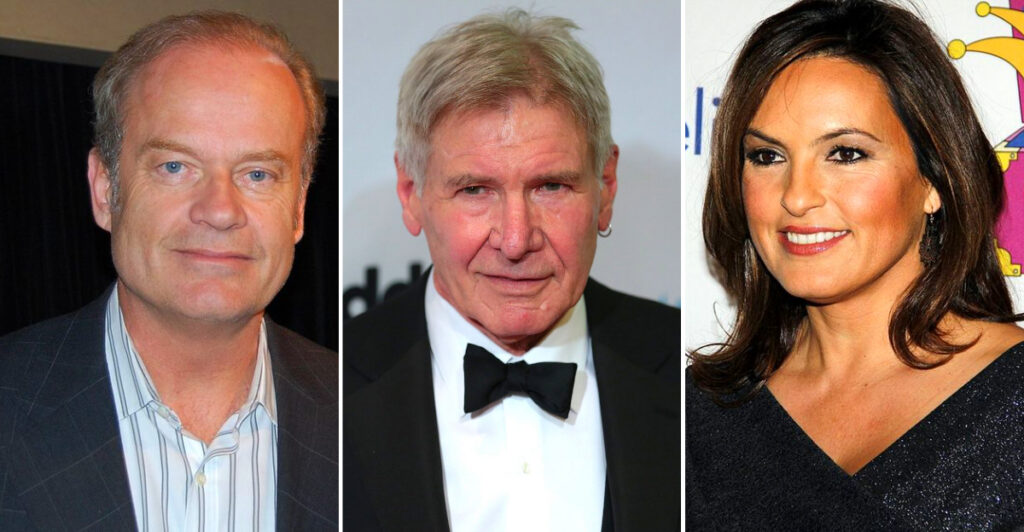
2. Kelsey Grammer – Frasier Crane (Cheers, Frasier, Frasier revival)
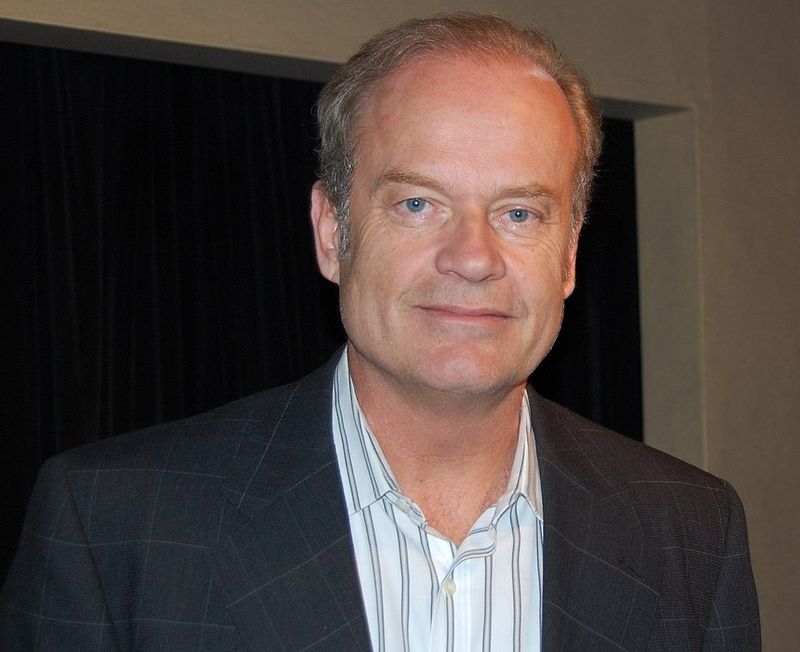
Frasier Crane survived barroom barbs on Cheers, then headlined a sophisticated farce that redefined sitcom wit. Kelsey Grammer maintained character continuity over decades by leaning into neuroses without flattening growth.
You watch him mature from pompous punchline to layered son, brother, father, and friend.
The record he holds for longest-running primetime character reflects rare cross-series coherence. Continuity bible work mattered: consistent speech rhythms, literary references, and tastes.
When the revival landed, it tapped nostalgia while exploring legacy and reinvention, proving longevity thrives on elegant repetition plus risk.
Business-wise, Frasier exemplifies syndication’s compounding value. Nielsen has shown classic sitcoms can surge on streaming, where evergreen humor finds new audiences.
If you create a high-status character with human flaws, you can replay episodes endlessly and still find fresh laughs. Frasier’s secret is craftsmanship, not just catchphrases.
3. Mariska Hargitay – Olivia Benson (Law & Order: SVU)
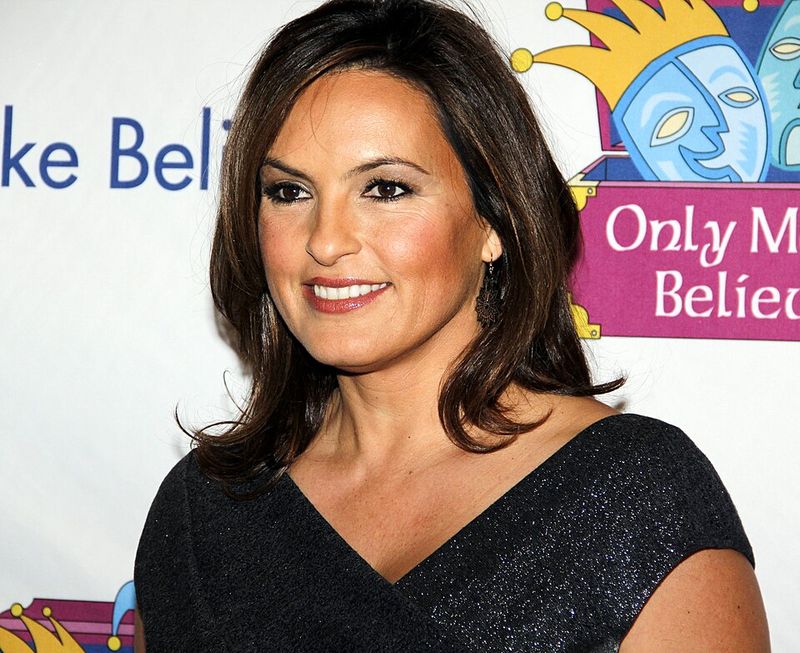
Olivia Benson began as a determined detective and grew into a compassionate leader, reshaping how prime time depicts survivors. Mariska Hargitay’s performance turned a procedural into a cultural conversation.
You can sense the research and empathy behind Benson’s choices, which helped SVU stick for more than two decades.
The character’s durability tracks with real-world relevance. According to FBI data, reported violent crime trends fluctuate, but public interest in justice stories remains high, keeping SVU’s subject matter urgent.
Hargitay’s Joyful Heart Foundation bridged fiction and advocacy, giving audiences a path to act.
From a craft view, Benson’s arc demonstrates sustainable growth: promotions, mentorship, and moral complexity that does not betray core values. When writers protect a character’s spine while letting them adapt, viewers stay invested.
That is why you still tune in, and why SVU keeps finding new angles without discarding its heart.
4. James Arness – Matt Dillon (Gunsmoke)
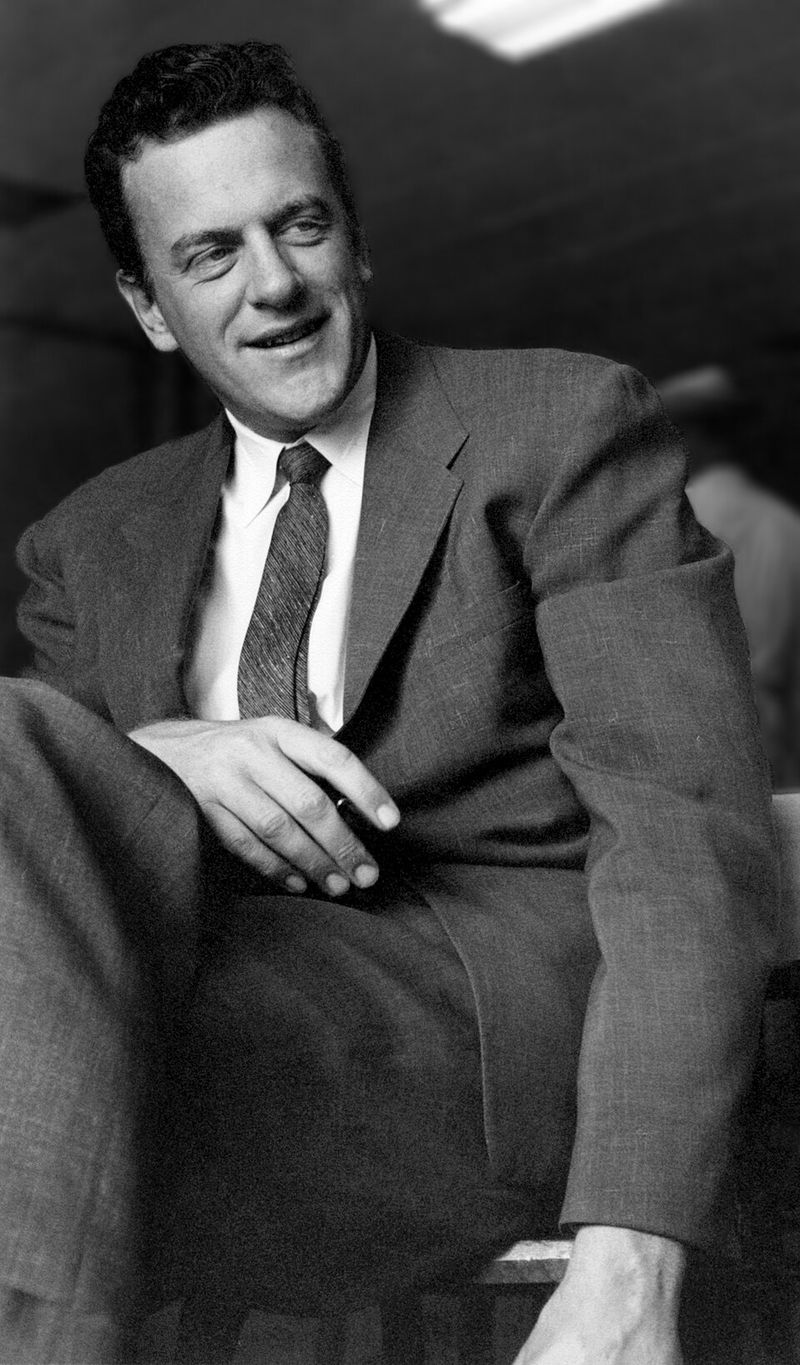
James Arness carried Gunsmoke for 20 seasons as Marshal Matt Dillon, translating frontier myth into weekly morality tales. The role demanded physical presence and quiet authority, letting silence do what dialogue could not.
You feel the weight of law and consequence each time Dillon steps onto the street.
Arness’s run coincided with the Western’s broadcast dominance. At its peak, Westerns filled prime-time schedules because they offered clear stakes and rugged production value on modest budgets.
Gunsmoke refined that formula by investing in character continuity, not just shootouts.
Longevity came from themes that never expire: justice, mercy, and restraint. Writers gave Dillon limits and losses, which grounded the heroism.
If you want a role to outlast trends, build a code your character will defend at a cost. That is why reruns still hold, and why Dillon remains a template for modern TV lawmen.
5. Don Knotts – Barney Fife (The Andy Griffith Show and TV movies)
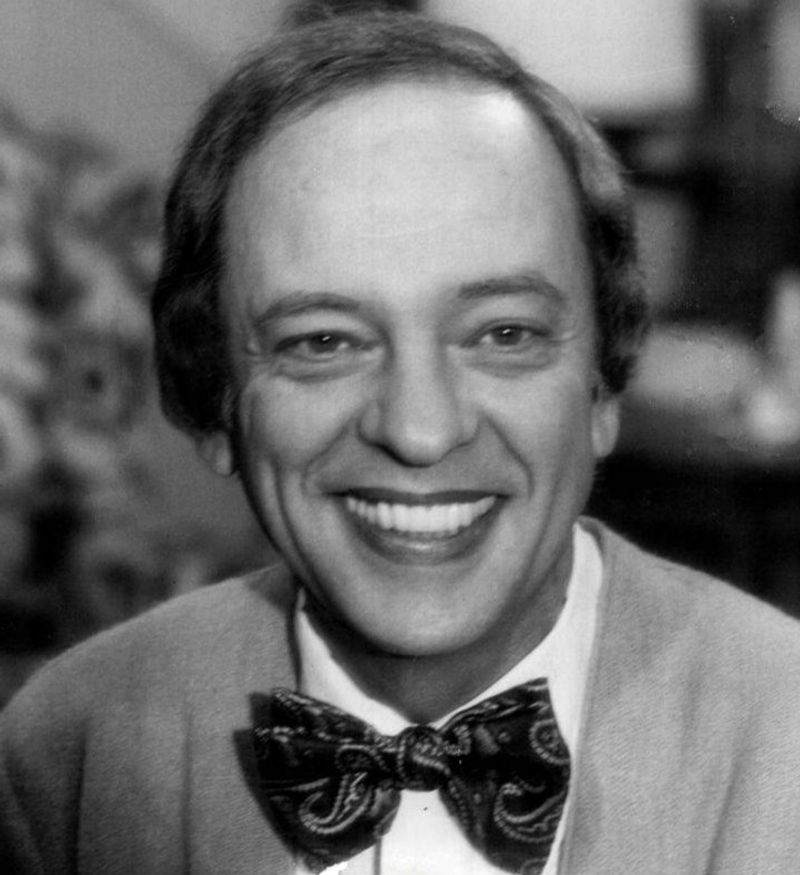
Don Knotts turned anxiety into art with Barney Fife, a deputy whose puffed-up pride masked shaky nerves. The character’s longevity came from precision: physical comedy beats, buttoned-up posture, and a voice that cracked at perfect moments.
You laugh at Barney, then you root for him.
Knotts extended the role through reunion specials and TV movies, preserving Mayberry’s gentle tone. That continuity made nostalgia a living asset rather than a museum piece.
Family-friendly reruns also gave the character a second life across decades of syndication, where multi-generational viewing thrives.
The takeaway is calibration. Fife’s incompetence never turned cruel because the town held him with affection.
Modern comedies can steal that trick: surround a flawed character with a supportive ecosystem. It keeps the joke sustainable for years, and for Barney Fife, it stretched a persona across a quarter century without staleness.
6. Seth MacFarlane – Peter Griffin (Family Guy)
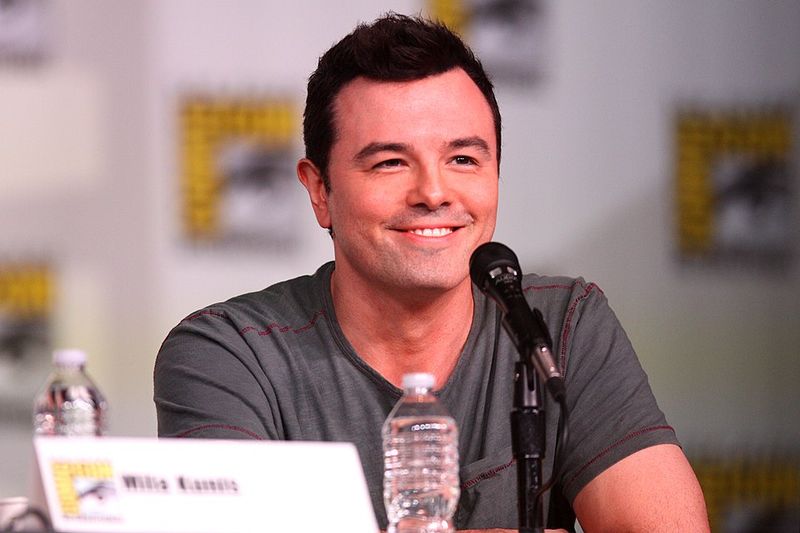
Seth MacFarlane’s Peter Griffin is equal parts id and cultural commentary. The voice performance is the anchor, layering timing, breath control, and musicality so cutaway absurdity lands.
Over two decades, the show’s formula remained elastic because Peter can be both instigator and confused observer.
Animation enables continuity that live-action cannot. Characters do not age, and production can pivot culturally week to week.
In 2022, animation accounted for billions in streaming minutes in the US, with adult animation seeing notable gains as viewers binge comfort shows.
Longevity here depends on writers who weaponize familiarity. You know Peter’s rhythms, so subverting them creates fresh laughs.
For creators, the lesson is to build a voice-first character bible. When the voice is unmistakable, new plots snap into place effortlessly, and your lead stays viable longer than any trend cycle.
7. Mike Judge – Hank Hill (King of the Hill)
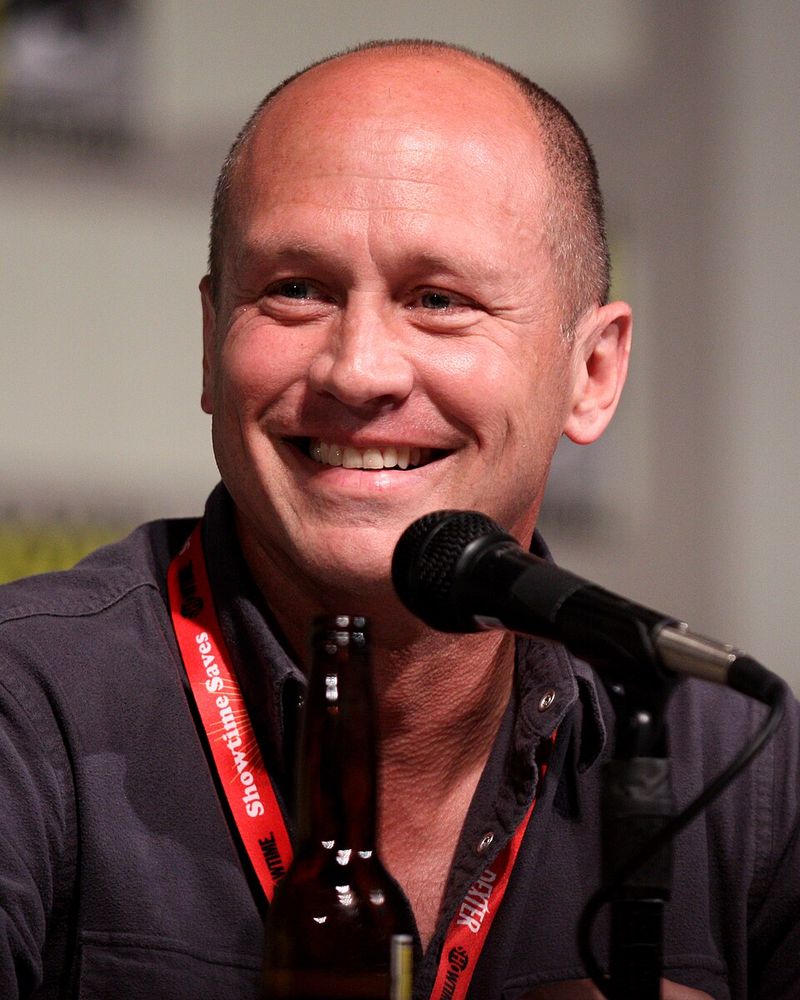
Hank Hill is a miracle of restraint. Mike Judge voiced him as a man of principle about propane, lawns, and quiet dignity, turning the mundane into deeply funny Americana.
You feel the show’s respect for working-class craft in every stoic sigh and perfectly measured “yup.”
The series’ revival underscores how grounded characters age well. While trends shifted from edgy to cozy, Hank never needed reinvention.
The neighborhood ensemble gives him friction and ballast, keeping stories hyper-local yet relatable. That intimacy travels across platforms, from late-night reruns to streaming revivals.
For long-haul success, define a character’s tolerances. Hank’s boundaries are clear, so every breach generates story and heart.
Your takeaway: stability sells when paired with incremental change. That is why King of the Hill keeps returning, and why Hank’s voice still feels like a neighbor you know by the sound of his boots.
8. Johnny Galecki – David Healy (Roseanne, The Conners)
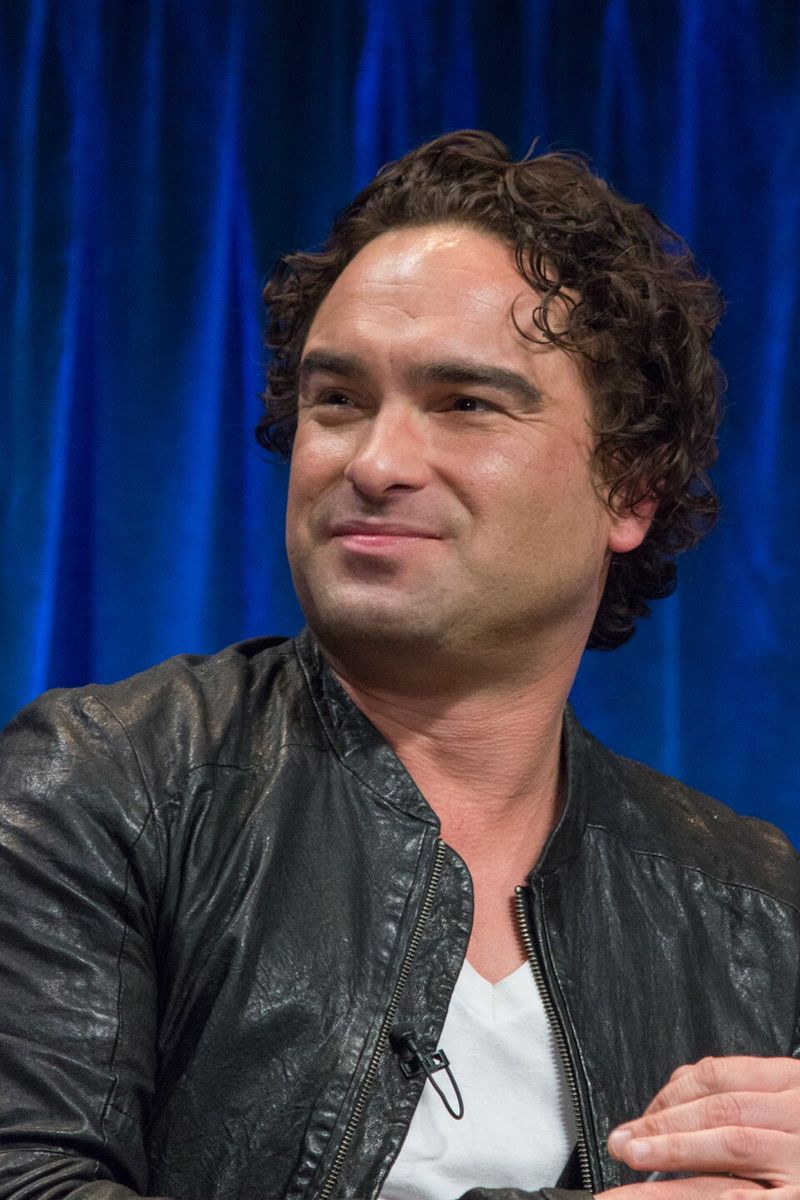
Johnny Galecki’s David Healy matured from shy teen to complicated adult across Roseanne and The Conners. You can track a generational arc: economic precarity, creative ambition, and messy relationships.
The role’s longevity is quieter than headline-grabbing records, but it demonstrates how revivals can deepen character history without mythologizing it.
David’s persistence reflects the multi-cam sitcom’s durability. These shows deliver comfort through rhythm: entrance beats, couch talk, tag scenes.
When a revival lands, audiences want continuity first, twists second. Galecki’s intermittent returns honor that, making every appearance feel consequential.
The strategy lesson is selective presence. Not every episode, but the right ones, letting distance add narrative weight.
If you manage expectations and protect a character’s core vulnerability, you can extend a role across decades and life stages. It is a playbook many reboot hopefuls should study before chasing nostalgia.
9. Ian McDiarmid – Emperor Palpatine (Star Wars)
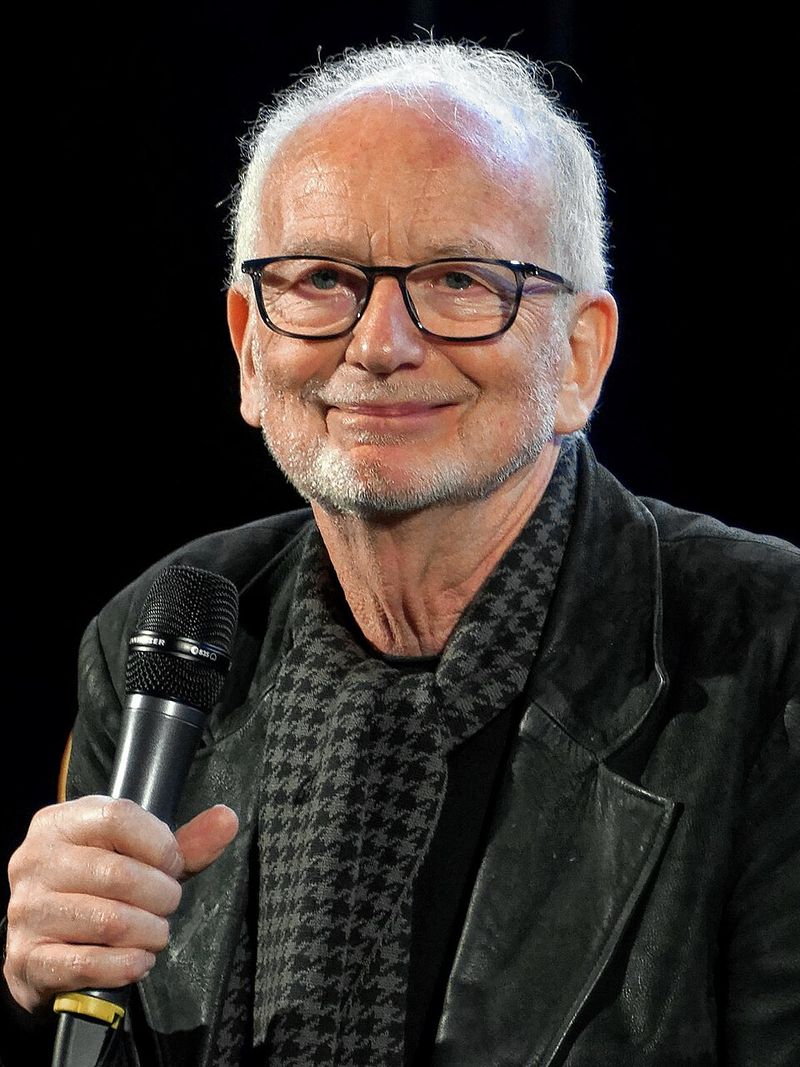
Ian McDiarmid’s Palpatine is villainy engineered for endurance. He plays polite bureaucrat and cackling sorcerer with equal relish, stitching prequel politics to original trilogy menace.
You feel history in every smile, a reminder that evil often arrives with rules and paperwork before lightning.
The role’s longevity spans theatrical runs and expanded media. Franchise data shows recurring antagonists boost recognition metrics, giving marketing long half-lives.
Palpatine’s return in later films proved risky but bankable because audiences knew the shiver his presence brings.
His performance offers a durability tip: define a clear philosophy of power. Palpatine believes in control achieved through manufactured chaos, so writers can place him anywhere hierarchy exists.
If your villain’s worldview is coherent, you can thread them through decades without plot glue showing. The result is a shadow that never quite lifts.
10. Christopher Lee – Count Dracula (Hammer Films and beyond)
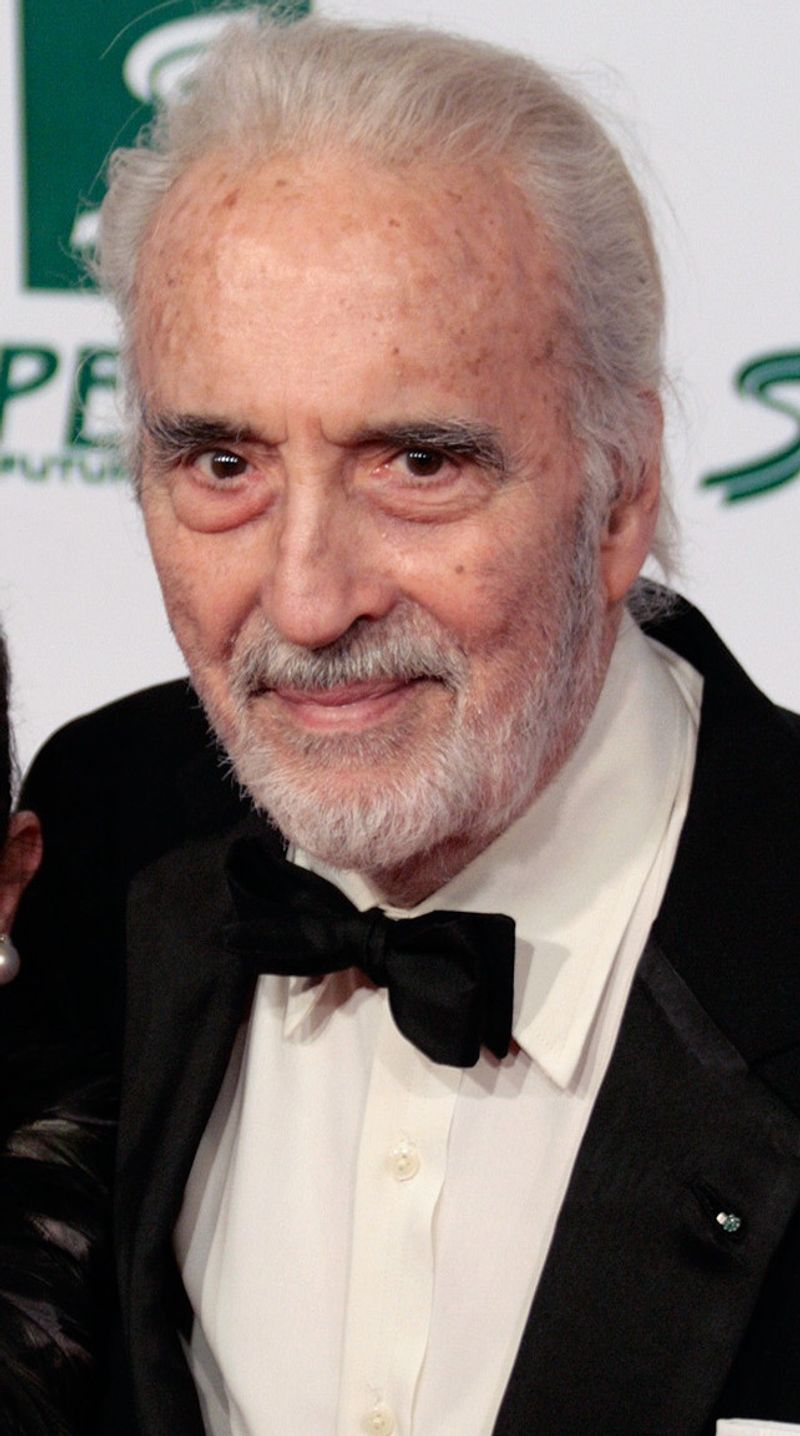
Christopher Lee’s Dracula redefined screen horror with height, command, and a glint that suggested tragic appetite. Across Hammer sequels and later appearances, he balanced sensual menace with aristocratic poise.
You can trace modern vampire tropes back to his silhouette, cape swirling like punctuation.
The films’ efficiency taught a franchise lesson. Modest budgets, strong iconography, and consistent tone created durable returns.
Horror’s economics still mirror that logic today, where recognizable monsters outperform marketing spend. Lee’s performance proved you can vary settings and still deliver the same dread.
Longevity here is about myth stewardship. Lee protected the character from camp by playing truthfully, even when scripts leaned lurid.
If you respect the monster’s inner life, audiences will respect the franchise. That is why his Dracula endures in Halloween marathons and academic essays alike, a brand of terror that never fully dies.
11. Dan Castellaneta – Homer Simpson (The Simpsons)
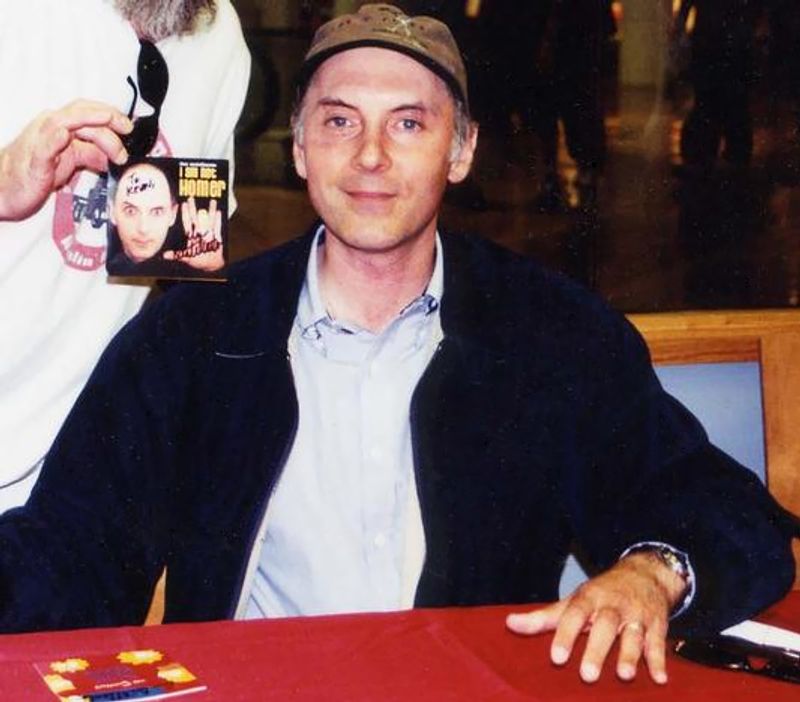
Dan Castellaneta’s Homer Simpson is a global language of comedy. The performance hinges on elasticity: sweetness, stupidity, frustration, and sudden wisdom, all at a pitch you can quote.
Over decades, Homer became a barometer for American life, adapting to gadgets and gags without losing his doughy soul.
The Simpsons’ staying power is unprecedented. In 2023, it remained among the most streamed legacy animations, proving long-tail devotion and meme-fueled discovery.
Animation’s agelessness lets Homer stay perpetually middle-aged, a cheat code for continuity.
To sustain a role like this, build a virtuous loop between character and world. Springfield reflects Homer’s flaws back as jokes and empathy.
That feedback keeps the voice fresh, even in season thirty-something. Your takeaway: engineer a flexible persona, then surround him with a town that never runs out of angles.
12. Harrison Ford – Indiana Jones
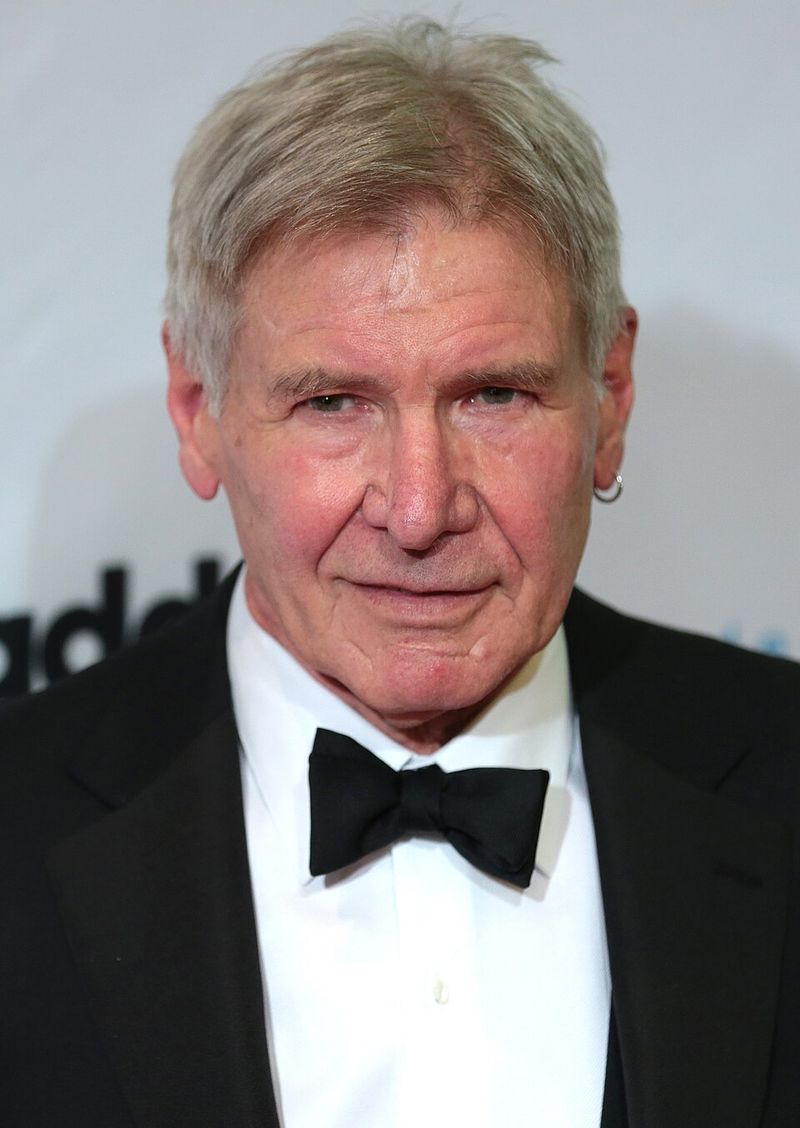
Harrison Ford’s Indiana Jones is adventure personified, a scholar who bleeds. From 1981 to 2023, he aged on screen without surrendering wit or velocity.
You watch a body carry history, bruises included, as the series grapples with legacy and time.
The span is extraordinary for film. Franchises crave continuity, and Ford delivered it across decades of changing box office math.
Even as theatrical attendance fluctuated post-2020, event pictures with recognizable heroes remained outsized revenue anchors for studios seeking global reach.
Longevity here relies on silhouette and moral compass. The hat, whip, and stubborn decency are modular, workable in any set piece or geopolitical backdrop.
If you want a role to endure, design instantly legible iconography and values. Audiences will follow your hero into new eras because they already know exactly who is stepping into the frame.
13. Anthony Daniels – C-3PO (Star Wars)
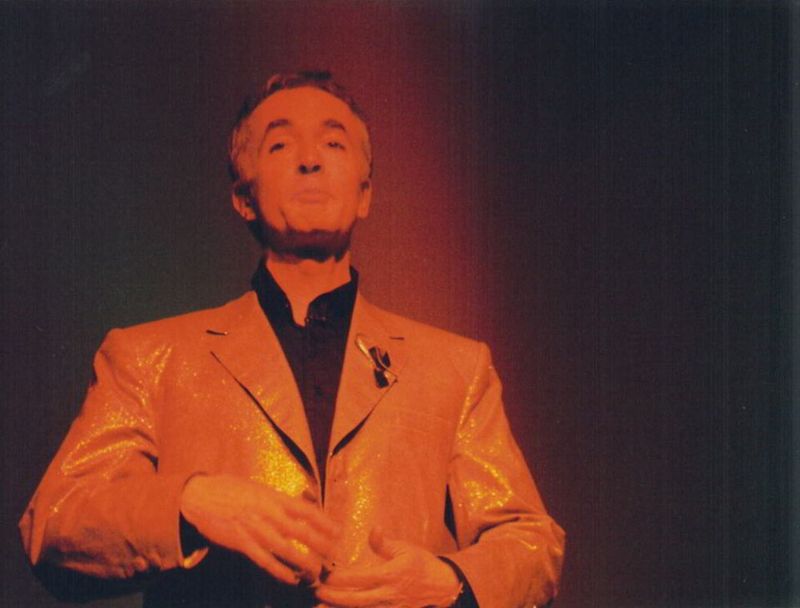
Anthony Daniels has been the golden thread through Star Wars since 1977, giving C-3PO fussy charm and impeccable timing. Beneath armor and modulation sits precise physicality, the mime work that sells etiquette under duress.
You hear a thousand anxious apologies, and somehow love him for it.
His tenure spans films, animation, and theme park experiences, a transmedia feat rare in franchise history. The consistency matters.
Brand studies show familiar voices drive recognition and customer satisfaction, critical when stories jump platforms. Daniels made continuity feel human, even when surrounded by hyperspace.
To keep a character alive for decades, protect the cadence. Threepio’s rhythm is a contract with the audience, so writers can swap settings without breaking trust.
That is why a single line reading can transport you back to 1977, a living archive stored in tone, posture, and perfectly timed worry.
Share this story