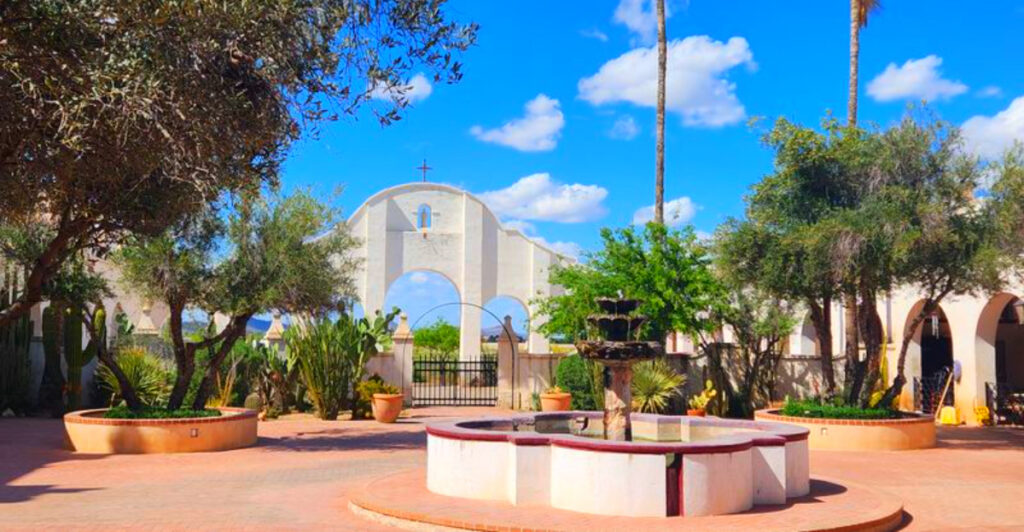
Tucson sneaks up on you. One moment it is all pale mountains and quiet streets, the next you are inhaling mesquite smoke, hearing cumbia from a patio, and watching monsoon clouds muscle across the sky.
The city’s heat has a conscience here, balanced by elevation, shade, and a culture that knows how to keep cool without hiding indoors. If you think desert cities are only about weather, Tucson will change your mind fast.
Dawn On The Loop: Tucson’s River-That-Isn’t
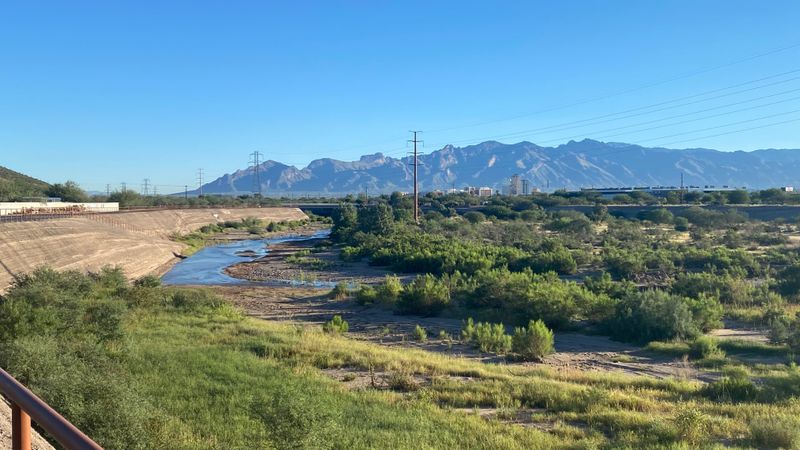
Set an alarm and meet Tucson at first light on The Loop, the 131-mile path that laces around washes and riverbeds. It is not a river most days, just soft sand and memory, but the air tastes clean and cool enough to surprise you.
Cyclists whisper by, tires purring, while quail scuttle like rushed commuters.
Under the bridges, the shade smells faintly of damp concrete and creosote. You pass murals of jaguars and desert blossoms, tiny altars to color before the sun gets loud.
I like the Rillito stretch, where cottonwoods lean in and horses sometimes appear, patient as old neighbors.
Pause for a thermos coffee and hear the city wake: dogs, bells, sprinklers. In monsoon season, storm scent rolls up the channel and you feel the temperature drop.
It is Tucson’s version of a waterfront, improvised and honest, built for moving bodies and unhurried mornings.
Arizona-Sonora Desert Museum: A Living Field Guide
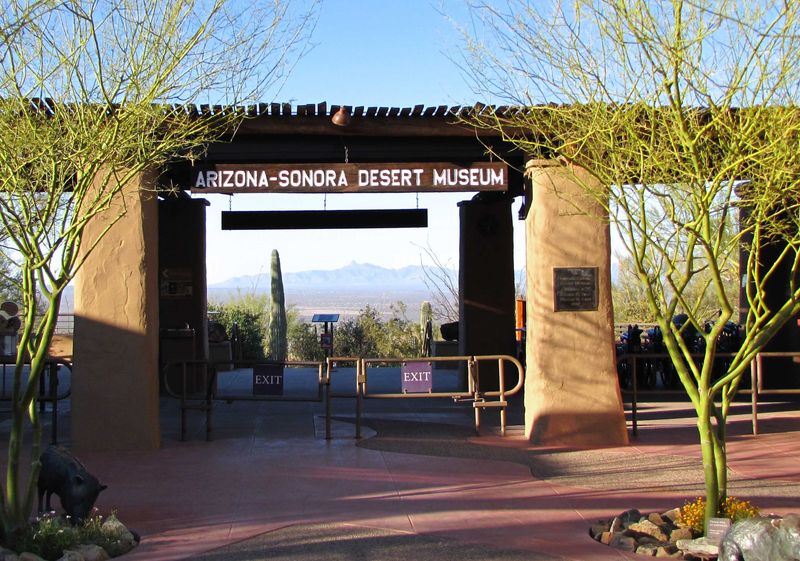
This place teaches you desert like a neighbor, not a textbook. Part zoo, part botanical garden, part museum, it sets animals and plants in honest light where heat, shadow, and thorns make sense.
More than 230 animal species and over 1,200 plant varieties tell the Sonoran story without drama, just presence.
Stand in the Hummingbird Aviary and hear wings buzz like tiny engines near your ear. Bobcats blink from cholla shade.
The Desert Grasslands exhibit stretches pale gold, a quiet explanation of why the horizon feels so wide here.
Docents speak with the authority of people who watch seasons, not calendars. Trail dust clings to your shoes and you realize the desert is crowded, only small.
Kids track javelina prints, adults compare saguaros like old trees in a family album. You leave with sun on your arms and new eyes for everything prickly.
Barrio Viejo’s Painted Quiet
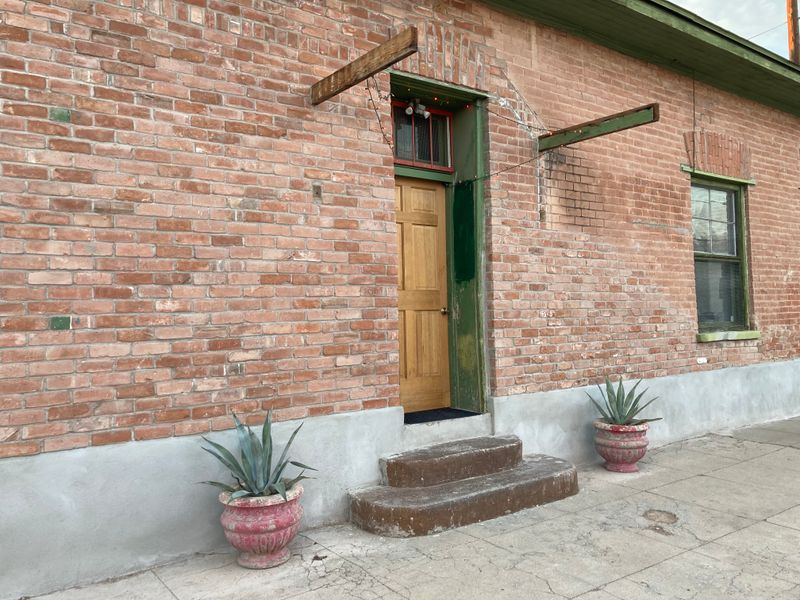
Walk slow here. Barrio Viejo holds heat in its adobe ribs and releases it like a long story, one sentence per block.
Doors are turquoise and lime, windows small, sidewalks stitched with shadows from mesquite canopies.
You hear the scrape of a rake, Spanish from a porch, a radio playing boleros. The history is not sealed in a plaque.
It sits in the adobe, in family photos by the door, in the way neighbors greet you even if you are obviously visiting.
Murals bloom on stucco, saints and dancers, sometimes just a fierce eye. Bring water and patience.
The reward is learning how color can cool a street and how scale can make a city feel like a conversation. Finish at a corner cafe where the iced café de olla tastes of cinnamon and a little smoke.
Tucson’s UNESCO City of Gastronomy On A Plate
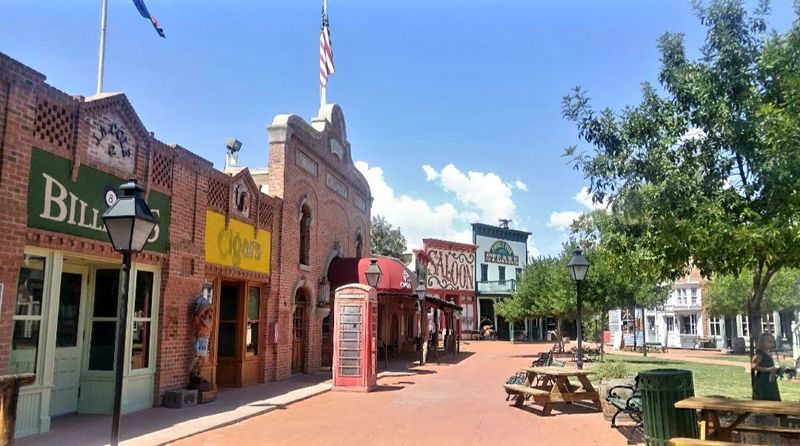
Order a flour tortilla and watch skepticism melt. Tucson’s UNESCO City of Gastronomy title is not a sticker, it is a lineage.
Sonoran wheat, tepary beans, chiltepin, mesquite smoke, and border kitchens that bend lines without breaking roots.
At a carne asada spot, you taste beef kissed by mesquite, not drenched in it. Tortillas puff, sigh, and collapse into soft moons that carry salsa without falling apart.
A baker talks about White Sonora wheat like a beloved cousin, explaining gluten and flavor in the same breath.
Breakfast migas crunch; chiltepin adds bright heat that lifts, not scorches. Ask for beans and get a history lesson about water, drought, and why tepary survived.
The cool part is how casual it feels. Excellence hides in tortillas folded by muscle memory and in salsa ground to an honest, seedy sting.
Monsoon Season: When The Sky Performs
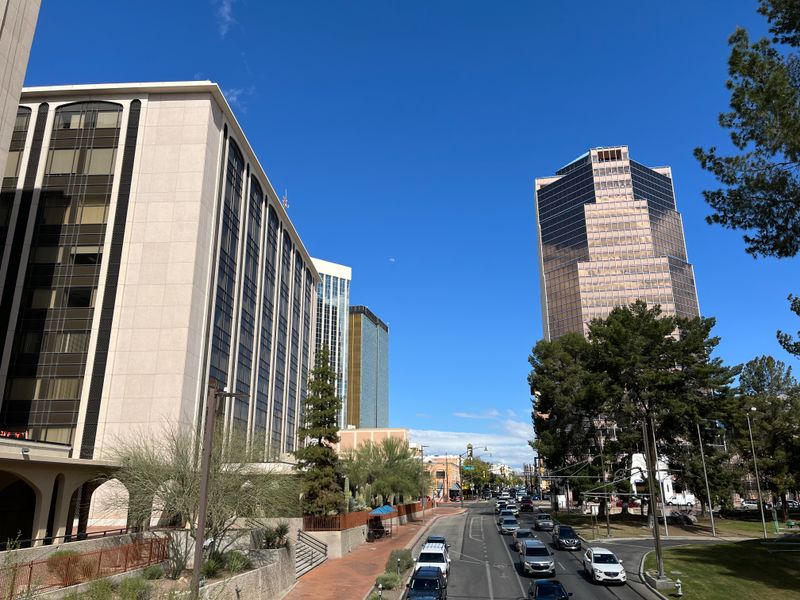
By late afternoon in July, the sky stacks itself into tall castles. You feel wind comb the mesquite and the temperature tip downward.
Then the curtain falls. Rain hits hot ground and the air blasts open with petrichor, that creosote perfume Tucson knows better than cologne.
Lightning maps the mountains in ragged white lines. Neighbors step outside to watch, phones forgotten.
Kids slide bikes through puddles while toads wake and start bragging.
The city’s infrastructure reads this season too, with washes that suddenly mean business. You learn respect quick.
Pull over, let it pass, or detour around flooded dips. Storms usually burn hard and brief, leaving steam and a pink-edged sunset you can almost taste.
Nights after a good cell feel ten degrees kinder, and sleep comes like rain on a metal roof.
Sunset At Gates Pass
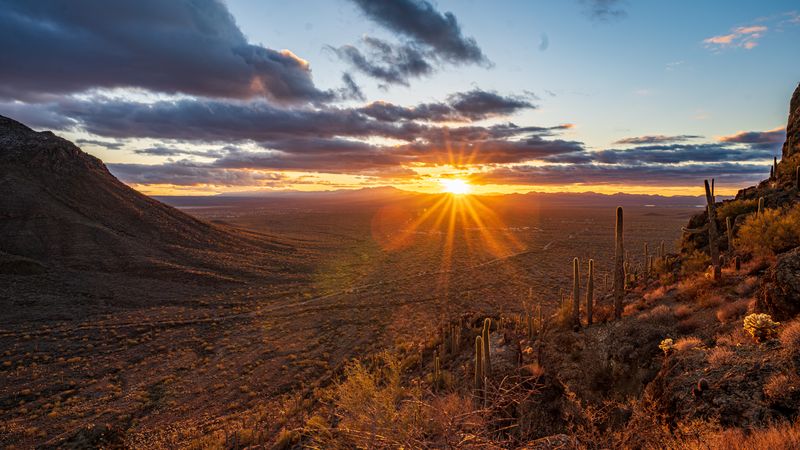
Gates Pass draws people the way a porch draws evening talk. The road winds tight, then the view opens and the city falls away.
Saguaros stand like careful punctuation marks against a sky that forgets how to be dull.
Photographers set up early. Cyclists roll in breathing like steam engines, pleased by the climb.
On the overlook, strangers trade sunscreen, binoculars, and rumors about the next meteor shower.
As the sun drops, ridges stack in lavender bands and wind slips cool down your sleeves. You can pick out planes angling to land, their lights winking.
The hum below becomes a soft chorus. When the last orange goes, coyotes sometimes tune up and the desert shifts into night work.
Drive back slow, windows down. There is no rush to leave when a place closes you out so gently.
Fourth Avenue: Shade, Zines, And Thrift Gold
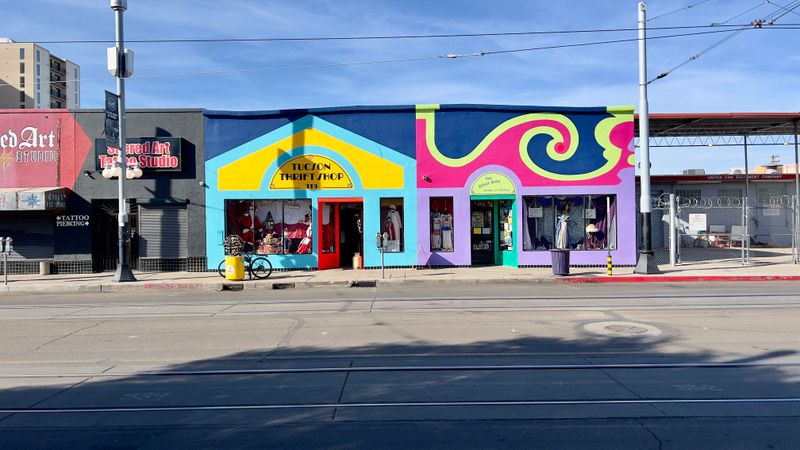
Fourth Avenue does not posture. It just opens its doors and lets the day stumble through.
Misters hiss over cafe patios, turning dry air into a gentle veil. You browse racks of denim softened by other lives and flip through zines stapled with opinions that still have wet ink.
The streetcar hums past like a polite neighbor. Somewhere a band is always sound-checking.
You catch whiffs of patchouli and espresso, then fryer oil from a place that swears its curly fries cure heartbreak.
Thrift clerks know their stock and their clientele. Ask for boots and get a nod toward a shelf that looks like a desert road crew quit mid-shift.
Shade puddles under awnings. By afternoon the crowd is a braid of students, artists, and visitors all moving at a humane speed, exactly the right one for browsing and small talk.
Sabino Canyon: Cool By Design
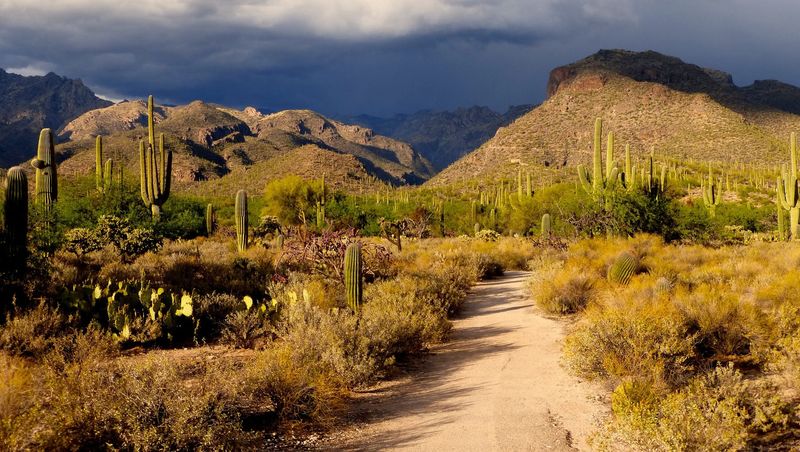
Sabino Canyon feels engineered for relief. A creek stitches green through stone, and sycamores toss lacey shadows across water the temperature of common sense.
Early mornings are best. You hear footfalls, the soft clink of hiking poles, and the creek speaking in small, convincing syllables.
Take the tram up, then walk down at your pace. Step off to wade where the current slows.
Dragonflies pivot like blue punctuation in the bright air. On cooler days, climb into the side canyons and collect silence.
The geology makes its own arguments: polished granite, stacked layers, time measured in patient floods. Keep an eye for coatimundi and Gila monsters if luck leans your way.
Pack salt, water, and humility. The desert forgives careful people and embarrasses the cocky.
By noon, go for shade and a lemonade, legs humming and skin grateful.
Mission San Xavier del Bac: White Dove In The Desert
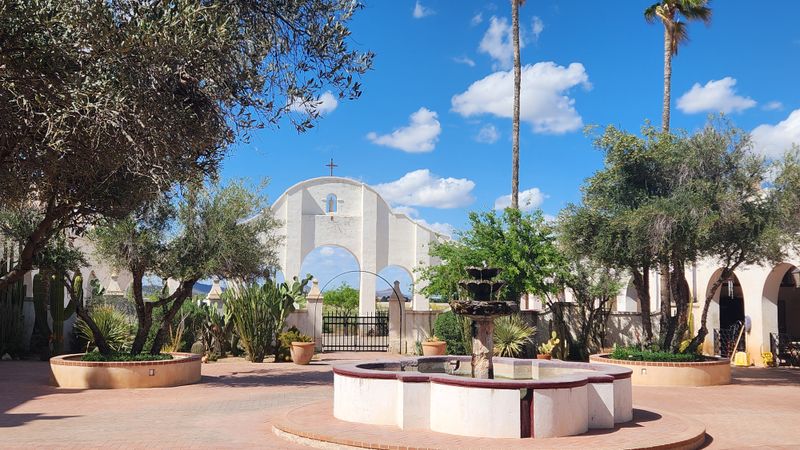
The first glimpse is a shock of white against blue. Mission San Xavier del Bac lifts baroque curves from the desert like an apparition that decided to stay.
Step inside and the temperature drops with the light. Candles breathe calmly.
Walls hold centuries of paint, hand-mixed pigments that read warmer than modern colors.
Outside, vendors sell fry bread blistered and sweet. The Tohono O’odham community anchors the site’s living present, not just its past.
Conversations drift between English and O’odham. It feels like a church and a neighborhood at once.
Swallows trace the facade in looping signatures, and the courtyard smells of dust and flowers. Tour lightly and leave time to sit.
The mission reminds you that cool can mean shade, silence, and continuity, not just air conditioning. When you drive away, the white lingers in your rearview like a small, benevolent moon.
Nightlife Under The Stars: Open-Air Tucson
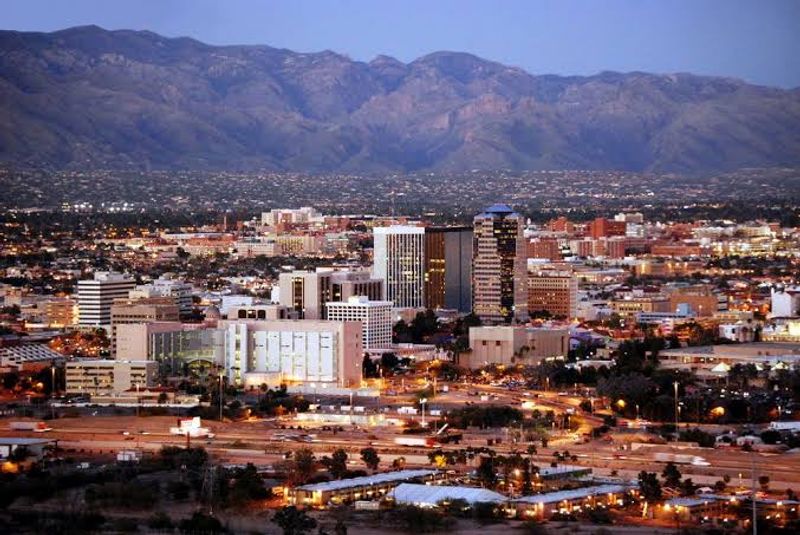
When the sun backs off, Tucson sets the table outside. Patios bloom with string lights and the clink of glass on tile.
A trio might be threading cumbia through the air while a bartender rims a glass with chiltepin salt. You taste smoke in the mezcal and citrus that remembers daylight.
Conversations run easier outdoors. Heat becomes background music.
The city’s elevation lends nights that feel earned, not artificial. You settle into a chair that has cooled just enough and the band tucks a trumpet line under your skin.
Food carts show up with elote, Sonoran dogs, and late tacos. People drift between venues without hurry.
Overhead, constellations elbow past light haze. You do not need a plan.
Tucson nights invite you to trust the next corner for a good surprise and a better breeze.
Share this story