Some places feel like they were built for crowds. You arrive and it is all lines, photo ops, and the same checklist everyone follows.
If you still want great food, art, nightlife, and history, there is an easier way to travel.
Look past the main headline city and aim for the country’s second city instead. The pace is calmer.
The streets feel more lived in. You can actually get a table, hear the language around you, and stumble into moments that do not feel staged.
These spots often carry the same cultural weight, but without the tourist pressure that drains the fun out of a trip.
1. Porto, Portugal
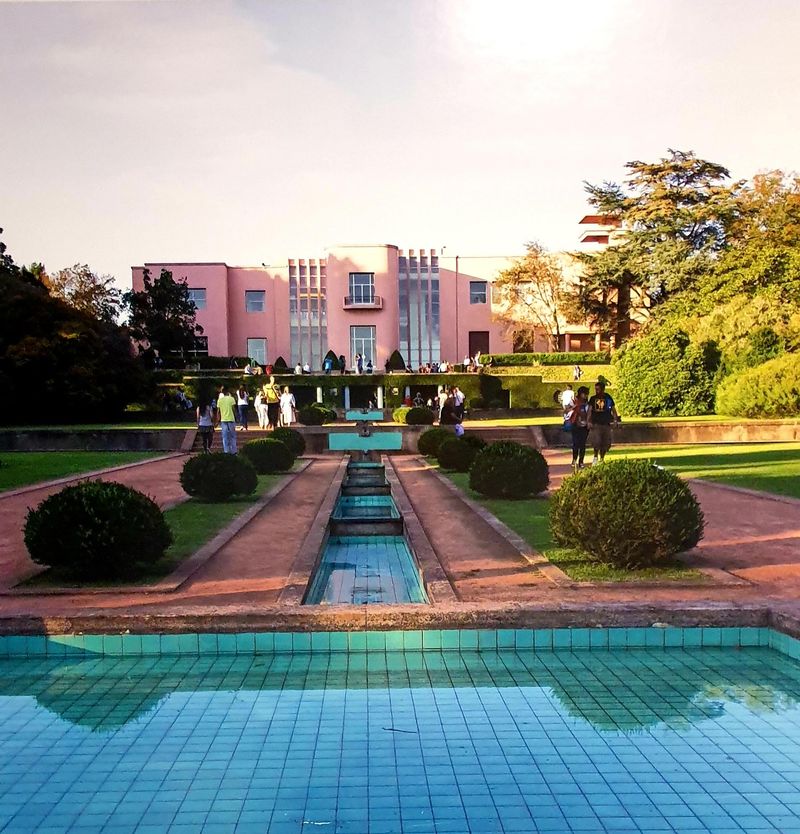
Porto sits along the Douro River like it owns the place, and honestly, it kind of does. The city rolls out riverside beauty, tiled churches that look hand-painted by someone who really cared, and a food and wine culture so serious that locals will correct your port-tasting technique.
Everything feels walkable, compact, and refreshingly free of the Lisbon crowds.
The UNESCO-listed Historic Centre of Oporto wraps around cobbled streets and centuries-old buildings. The Dom Luís I Bridge area delivers those classic Douro views without making you work too hard for them.
You can cross the bridge on foot, snap a photo, and feel like you accomplished something before lunch.
Wander the Ribeira riverfront early morning when the light is soft and the crowds are still asleep. The pastel buildings reflect in the water, the cafes are just opening, and the whole scene feels like it was staged just for you.
Porto does not try too hard, which is exactly why it works so well.
2. Lyon, France
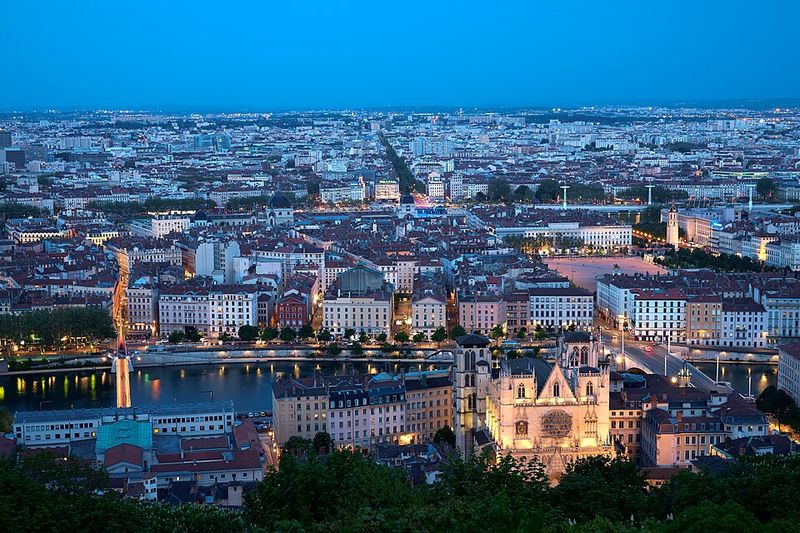
Lyon is where French food got serious, and the city has the Michelin stars and bouchons to prove it. It is a heavyweight for architecture, history, and eating your way through a menu you cannot fully pronounce.
But unlike Paris, Lyon still feels like a real city where people live, work, and argue about the best way to make quenelles.
The UNESCO-listed Historic Site of Lyon includes Vieux Lyon, Fourvière, Croix-Rousse slopes, and the Presqu’île. That is a lot of ground, and trying to see it all in one day will leave you exhausted and confused.
Pick one neighborhood per half-day and explore slowly on foot, letting yourself get a little lost in the traboules, those covered passageways that were once used by silk workers.
Vieux Lyon gives you Renaissance vibes, Croix-Rousse has the artsy, uphill energy, and Presqu’île is where the shopping and cafe culture live. Each one has its own personality, and rushing through them is like speed-dating French neighborhoods.
Take your time, eat something rich, and let Lyon unfold at its own pace.
3. Valencia, Spain
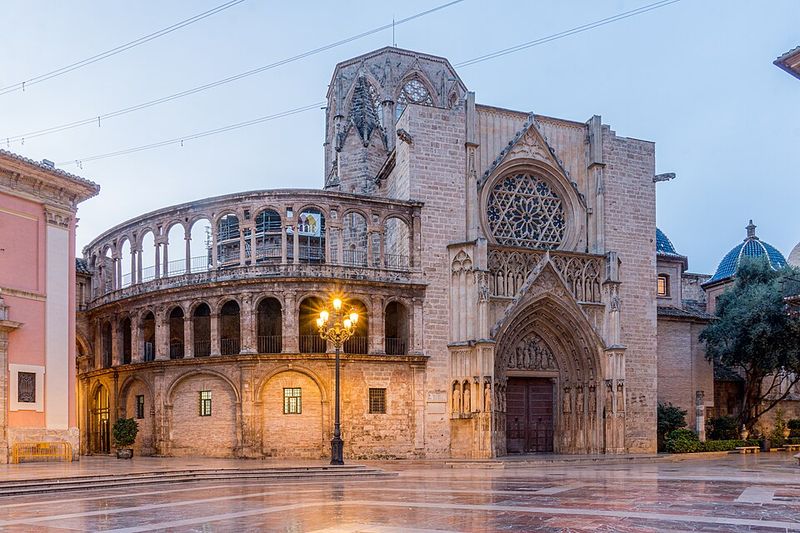
Valencia mixes old streets and beachy energy with one of Europe’s most striking modern cultural complexes, and somehow it all works. You can wander medieval lanes in the morning, hit the beach by afternoon, and end your day inside a building that looks like it landed from the future.
The city does not make you choose between history and innovation, it just serves up both.
The City of Arts and Sciences, designed by Santiago Calatrava and Félix Candela, is a showstopper. L’Hemisfèric looks like a giant eye, L’Oceanogràfic is one of the largest aquariums in Europe, and the whole complex feels like a sci-fi movie set.
It is Instagram bait, sure, but it is also genuinely impressive in person.
Walk or bike the Turia Gardens corridor that threads through the city. The vibe shift from historic to futuristic is the point, and watching the cityscape change as you move is part of the fun.
Valencia does not scream for attention like Barcelona, but it delivers just as much without the crowds or the hustle.
4. Bologna, Italy
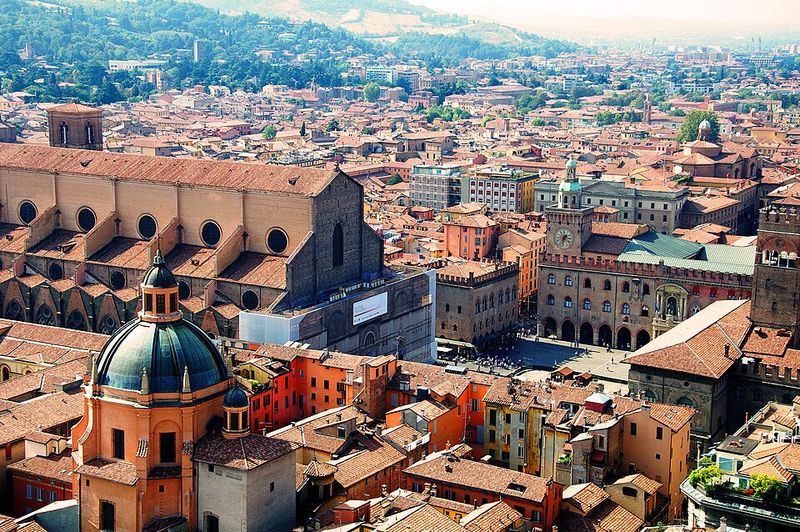
Bologna is what happens when you combine medieval charm, student energy, and a food culture so intense that locals will argue about the correct width of tagliatelle. It is an all-in-one Italy trip without the Venice crowds or the Rome chaos.
You get real Italian life here, the kind where people actually live and work and care deeply about their pasta.
The Porticoes of Bologna are officially a UNESCO World Heritage property, and for good reason. These covered walkways stretch for miles, turning the entire city into a weather-proof walking paradise.
Rain? No problem.
Blazing sun? You are covered.
Use the porticoes for a long, unhurried walking day even if the weather is bad. That is what they are for.
The student population keeps Bologna lively and affordable, with bars and trattorias that do not feel like tourist traps. You can eat incredibly well here without spending a fortune, and the vibe is more
5. Busan, South Korea
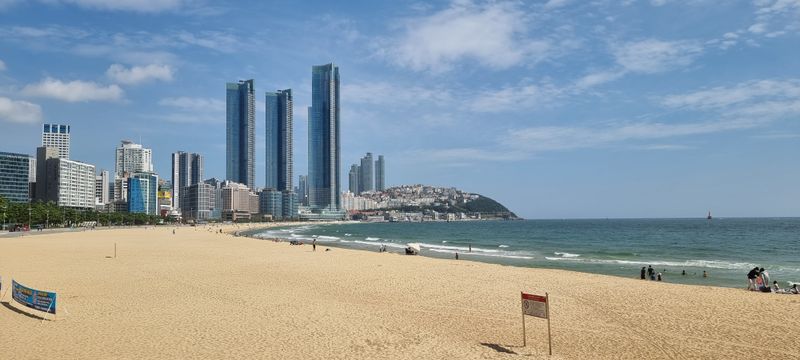
Busan has beaches, markets, and coastal scenery, plus temples and neighborhoods with real personality. It is Korea’s second city, but it feels like the cooler, more laid-back sibling who does not need to prove anything.
Seoul has the energy, but Busan has the ocean and a vibe that actually lets you relax.
Haedong Yonggungsa is a rare seaside temple, first built in 1376, and most Korean temples hide in the mountains. This one sits right on the coast, waves crashing below, and the setting is as dramatic as it sounds.
The walk down to the temple takes you past vendors and statues, and the whole experience feels special without feeling overly touristy.
Build your day around one beach area plus one market area so it feels relaxed instead of rushed. Haeundae Beach is the famous one, Gwangalli has the bridge views, and Jagalchi Fish Market is where you can eat seafood so fresh it is still moving.
Busan does not try to compete with Seoul, it just does its own thing better.
6. Gdańsk, Poland
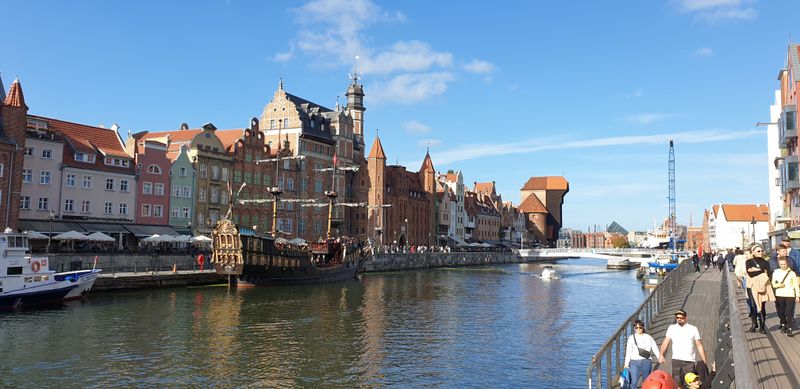
Gdańsk delivers beautiful Baltic architecture and modern history that literally changed Europe. This is where the Solidarity movement started, where shipyard workers stood up to a regime and set off a chain reaction that helped end the Cold War.
The city wears its history proudly, and walking through it feels like flipping through a textbook that suddenly makes sense.
The European Solidarity Centre opened on August 31, 2014, and it is a museum and library devoted to the Solidarity movement. The building itself is striking, designed to look like a ship’s hull, and the exhibits inside are powerful without being preachy.
Pair the museum with a slow stroll through the shipyard-area landmarks, then head back into the Old Town later when the light is softer.
The Old Town was rebuilt after World War II, and the colorful facades along the waterfront look like something out of a fairy tale. Gdańsk does not get the tourist love that Krakow does, which means you can actually enjoy it without fighting through crowds.
It is beautiful, meaningful, and refreshingly uncrowded.
7. Bergen, Norway
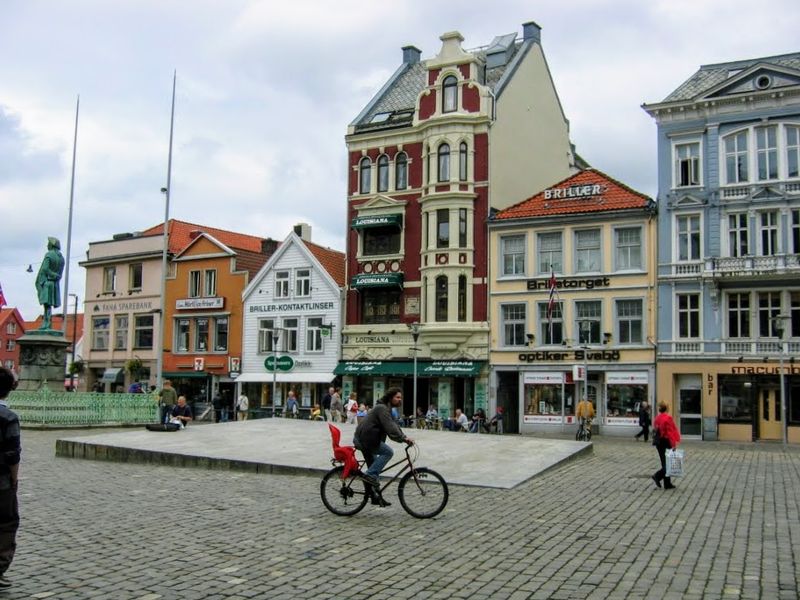
Bergen gives you dramatic nature access with a historic harbor core, and it works even if you are not doing a big fjord itinerary. The city sits surrounded by mountains and water, and the setting alone is worth the trip.
Rain? Yes, lots of it.
But Bergen wears its weather like a badge of honor, and honestly, the moody skies make everything look better.
Bryggen is the old wharf and UNESCO World Heritage site tied to the Hanseatic League’s trading history. The colorful wooden buildings lean into each other like old friends, and wandering through the narrow alleyways feels like stepping back in time.
Go early when the cruise ship crowds are still asleep, then save viewpoints and nature for later when the light is better.
The Fløibanen funicular takes you up Mount Fløyen for views that make every travel photo look like a postcard. Bergen does not try to be Oslo, and that is exactly its charm.
It is smaller, wetter, and way more scenic, with a personality shaped by the sea and the mountains that surround it.
8. Guadalajara, Mexico
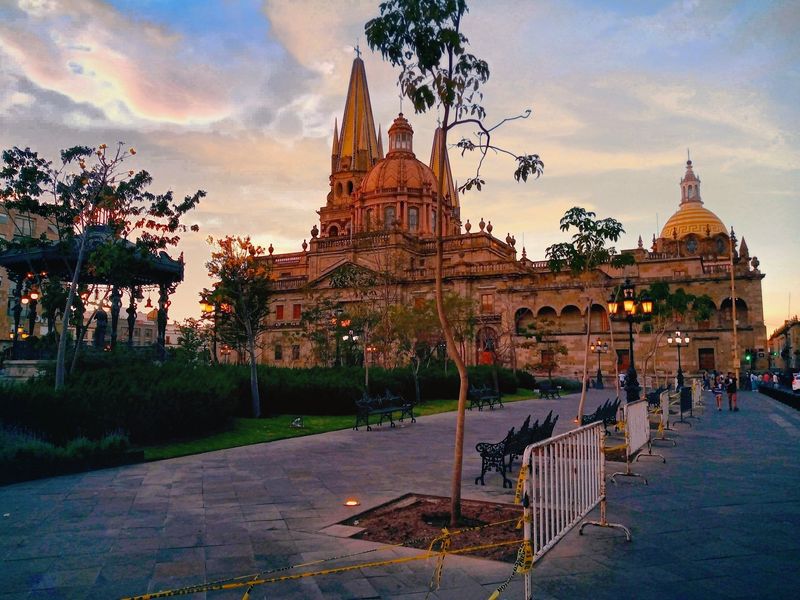
Guadalajara is a cultural capital in its own right, known for traditions that travelers associate with Mexico as a whole. Mariachi music?
Born here. Tequila?
Made just outside the city. Charreada, Mexican rodeo?
Also Guadalajara. This is where Mexican culture gets concentrated, and the city wears its identity with pride.
A day trip into the Agave Landscape and Ancient Industrial Facilities of Tequila is a UNESCO-listed cultural landscape in Jalisco. You will see endless blue agave fields, old distilleries, and the town of Tequila itself, which is exactly as charming as it sounds.
The whole experience feels authentic, not staged, and you will learn more about tequila than you ever thought possible.
Split time between the historic center and neighborhoods like Zapopan or Tlaquepaque to see different sides of the metro area. The historic center has the big plazas and cathedrals, Zapopan has the basilica and a quieter vibe, and Tlaquepaque is where the artisan shops and galleries are.
Guadalajara is big enough to have variety but still feels manageable and genuinely Mexican.
9. Puebla, Mexico
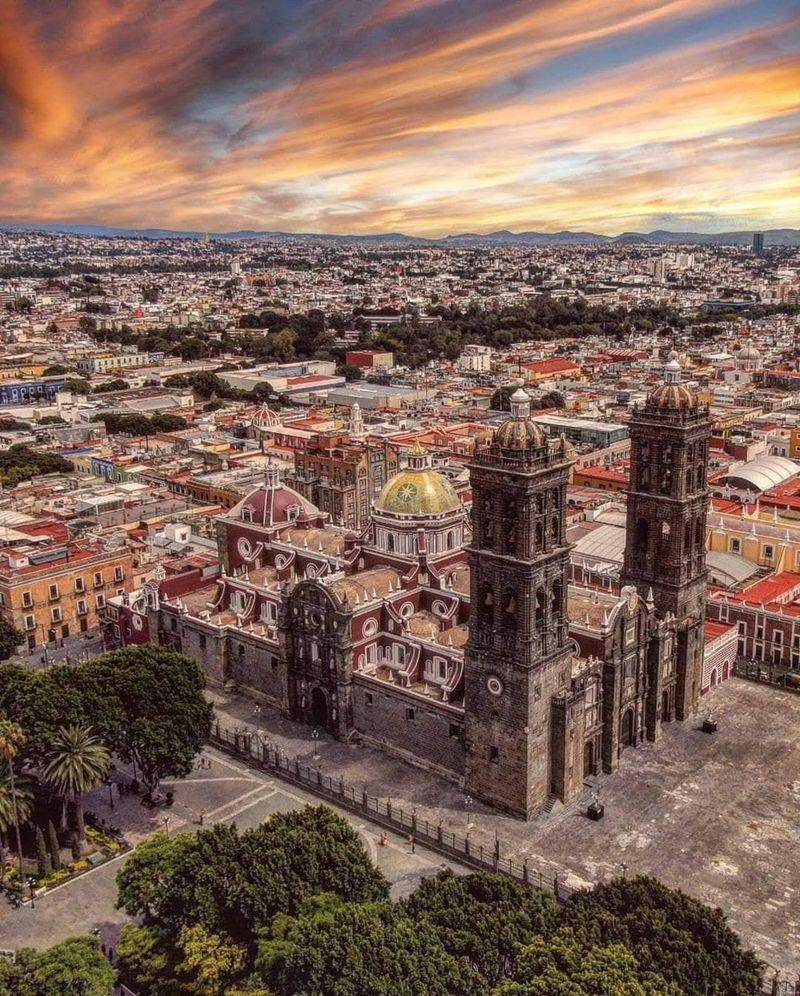
Puebla is an architecture city with strong culinary identity and a historic core that rewards wandering. The buildings are covered in Talavera tiles, hand-painted ceramic work that turns every street corner into an art gallery.
The city invented mole poblano, and locals will happily tell you why their version is the only real one.
The Historic Centre of Puebla was founded in 1531 and recognized by UNESCO. The grid layout makes it easy to navigate, and the density of beautiful buildings means you can just wander without a plan and still see something amazing every block.
Give yourself a full day just for the centro histórico on foot and treat it like an open-air museum.
The food scene here is serious. Puebla takes its culinary traditions personally, and you will find mole, cemitas, and chalupas that taste nothing like what you get anywhere else.
The city is close enough to Mexico City for a day trip, but it deserves more time. Puebla does not shout for attention, but once you are here, it is hard to leave.
10. Medellín, Colombia
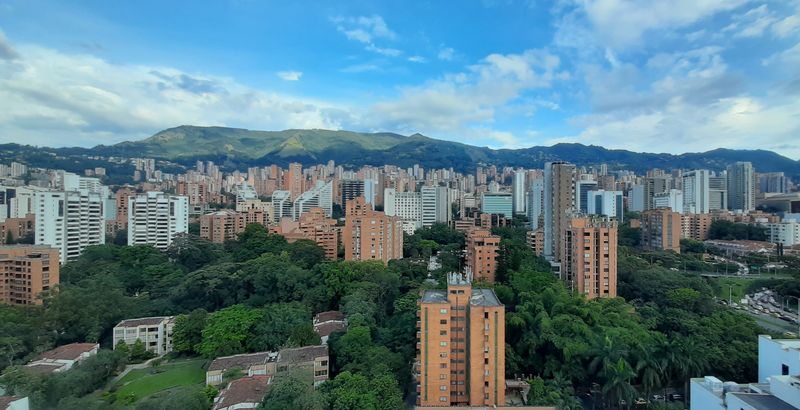
Medellín is one of the most compelling urban comeback stories in the Americas, and the city wears its transformation proudly. Once synonymous with violence, it is now known for design, parks, and public transit that actually works.
The turnaround is real, and walking through the city today feels like witnessing what good urban planning can do.
Metrocable is the city’s gondola lift transit network that complements the Medellín Metro, in service since 2004. It was built to connect hillside neighborhoods to the rest of the city, and riding it gives you sweeping views of the valley and the barrios below.
Ride a cable line for the city views, then plan a nearby walk rather than hopping straight back down.
The city takes its public spaces seriously. Parque Arví, Plaza Botero, and the Botanical Garden are all free or cheap, and they are packed with locals on weekends.
Medellín does not feel like a tourist city, it feels like a real place that happens to welcome visitors. The weather is perfect year-round, the people are warm, and the vibe is optimistic in a way that feels earned.
11. Hobart, Australia
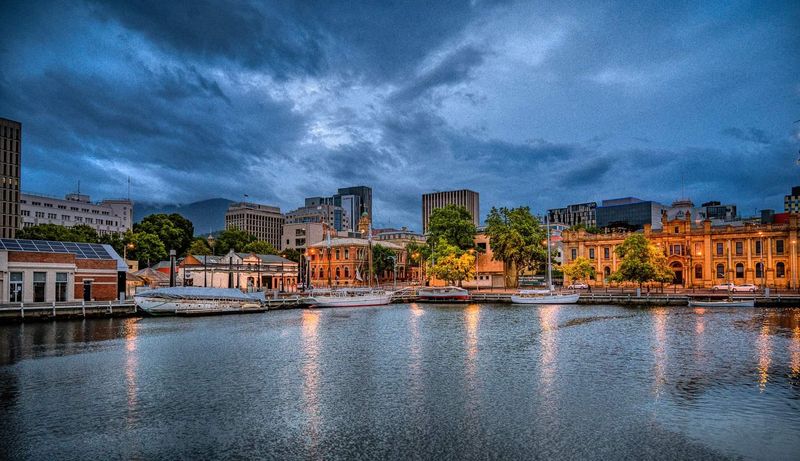
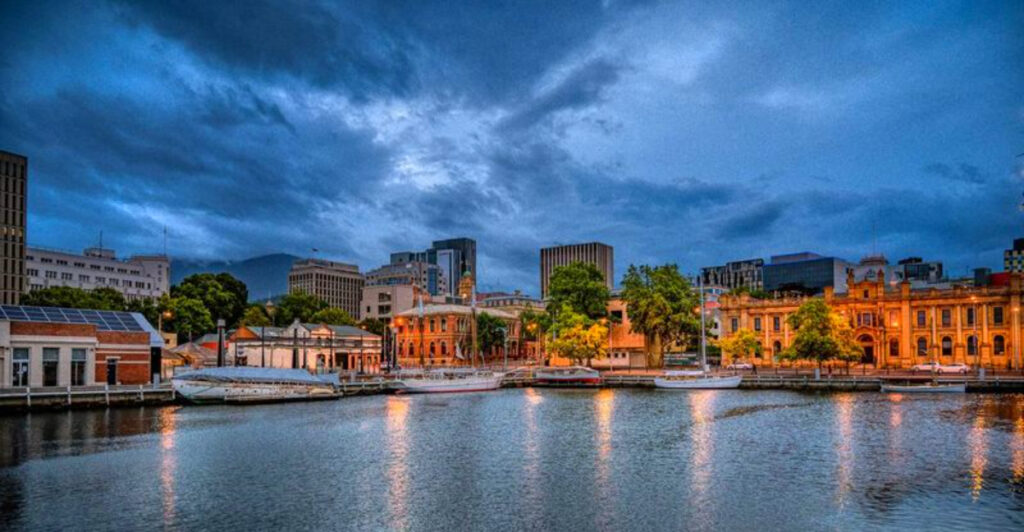
Hobart is compact, creative, and close to wild landscapes, with a cultural scene that punches way above its size. Tasmania’s capital sits on the Derwent River with Mount Wellington looming overhead, and the combination of water, mountains, and Georgian architecture makes the city feel both rugged and refined.
MONA, the Museum of Old and New Art, is unlike any museum you have visited. It is dark, provocative, and deliberately weird, with exhibits that range from ancient artifacts to contemporary installations that will make you uncomfortable.
The building itself is carved into a cliff, and getting there by ferry is part of the experience. Pair MONA with a slower waterfront afternoon so the day stays balanced, not overstimulating.
Hobart’s food scene is thriving, with the Salamanca Market every Saturday and restaurants that take Tasmanian produce seriously. The city is small enough to walk, but it has the energy and creativity of a place much larger.
Hobart does not compete with Sydney or Melbourne, it just does its own thing with confidence and style.
12. Adelaide, Australia
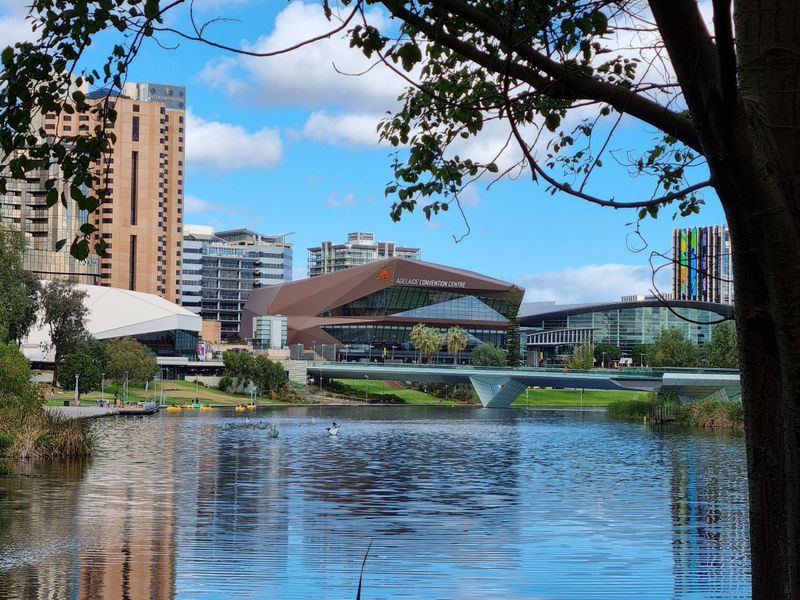
Adelaide is easy to navigate, food-forward, and often used as a gateway to South Australia’s wine and coast, but the city itself is worth real time. It is laid out on a grid with parklands ringing the center, which makes it feel open and breathable in a way most cities are not.
The pace is slower here, and that is the point.
Adelaide Central Market began trading in January 1869 on a city-owned market site near Victoria Square. It is still going strong, packed with fresh produce, cheese, bread, and vendors who actually know their products.
Visit when locals shop for ingredients, then build your day around parks, galleries, and nearby neighborhoods. The market is the heart of the city’s food culture, and it shows.
Adelaide does not try to be flashy. It has great museums, a strong coffee culture, and proximity to the Barossa Valley and McLaren Vale wine regions.
The city feels confident without being showy, and it rewards visitors who take the time to explore beyond the obvious. Adelaide is Australia’s most underrated city, and locals are fine keeping it that way.
Share this story