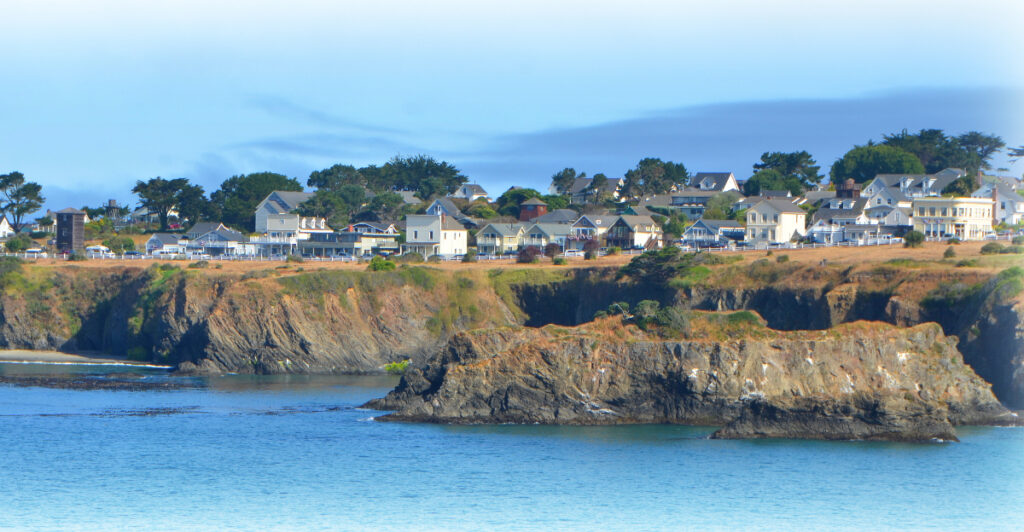
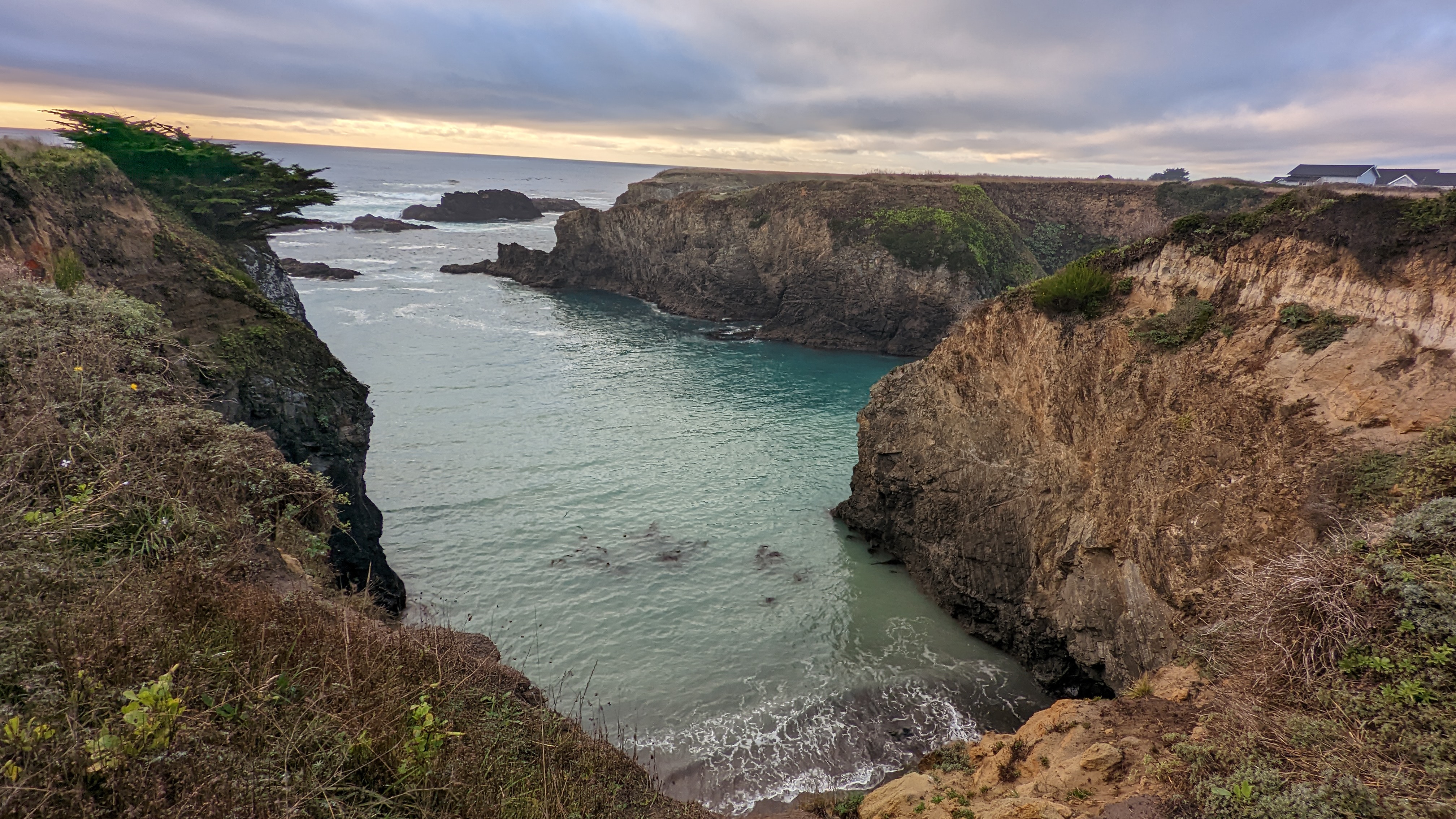
Tucked along the rugged northern California coastline, Mendocino feels like stepping into a living postcard where waves crash against dramatic cliffs and Victorian homes line the streets. This tiny village has preserved its 19th-century charm while offering visitors breathtaking ocean views, artist galleries, and trails that wind along the wild Pacific.
Whether you’re exploring historic buildings, wandering through art studios, or simply soaking in the coastal beauty, Mendocino delivers an unforgettable escape from everyday life.
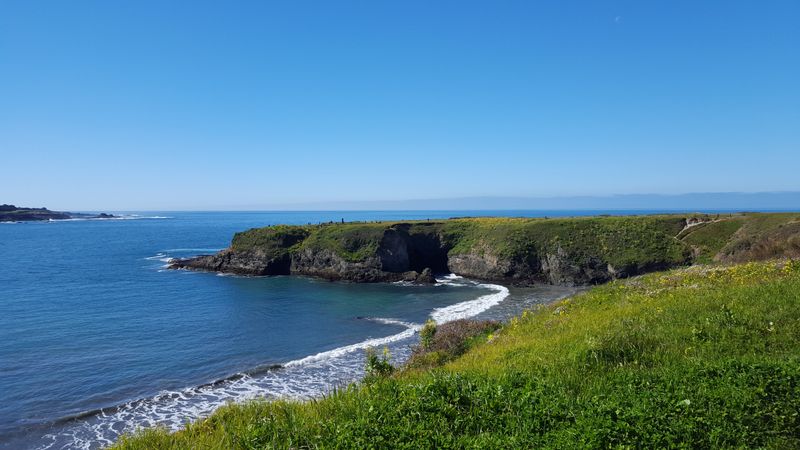
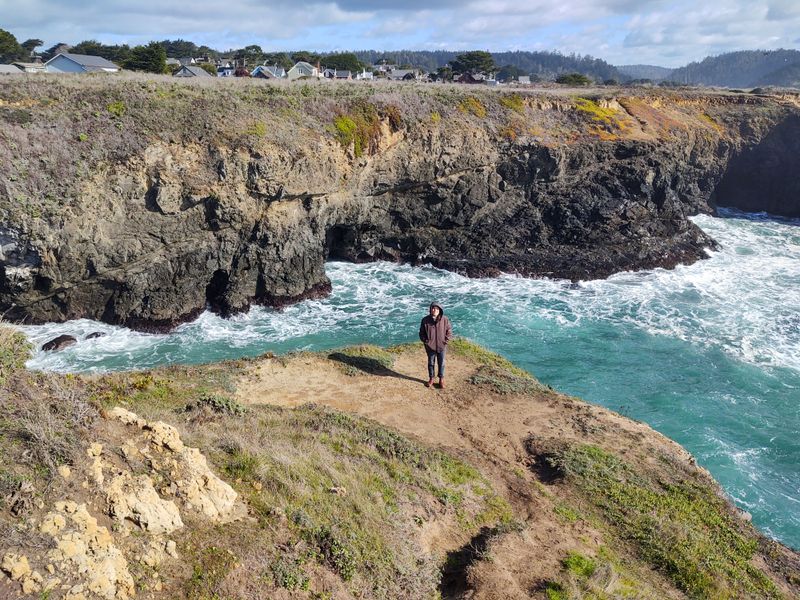
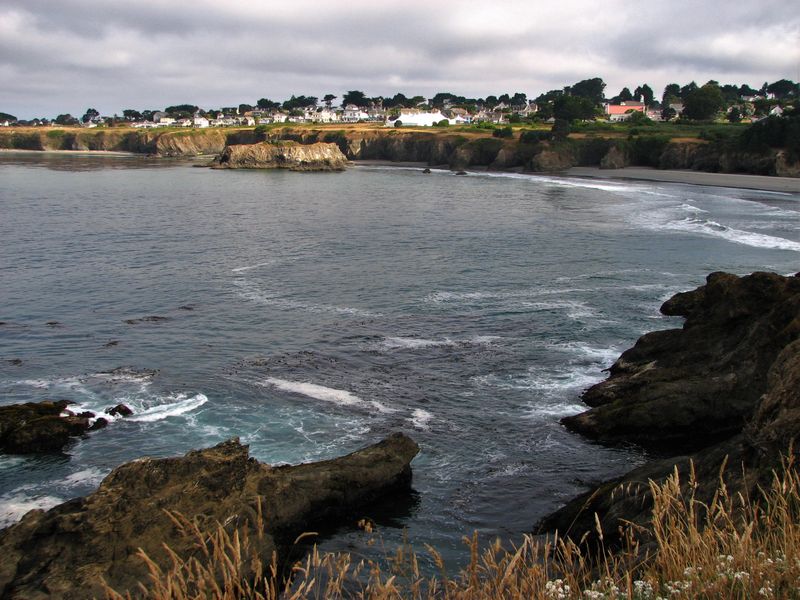
Walking along the edge of the continent has never felt more exhilarating than at this spectacular coastal preserve. The park wraps around the village on three sides, offering miles of trails that hug the bluffs high above the crashing Pacific.
Wildflowers blanket the headlands in spring, painting the landscape with bursts of yellow, purple, and orange. Sea stacks rise from the water like ancient sentinels, and if you visit during migration season, you might spot gray whales making their epic journey along the coast.
The trails are mostly flat and accessible, making them perfect for families or anyone who wants stunning views without a strenuous hike.
Bring a camera because every turn reveals another postcard-worthy scene. The wind can whip across these open bluffs, so layering your clothing is smart even on sunny days.
Benches scattered along the paths invite you to pause and simply watch the waves roll in.
Sunset here transforms the ocean into liquid gold, and the sound of waves provides a natural soundtrack that somehow makes all your worries feel smaller. This park isn’t just a place to visit—it’s a place to breathe deeply and remember why coastal California captures so many hearts.
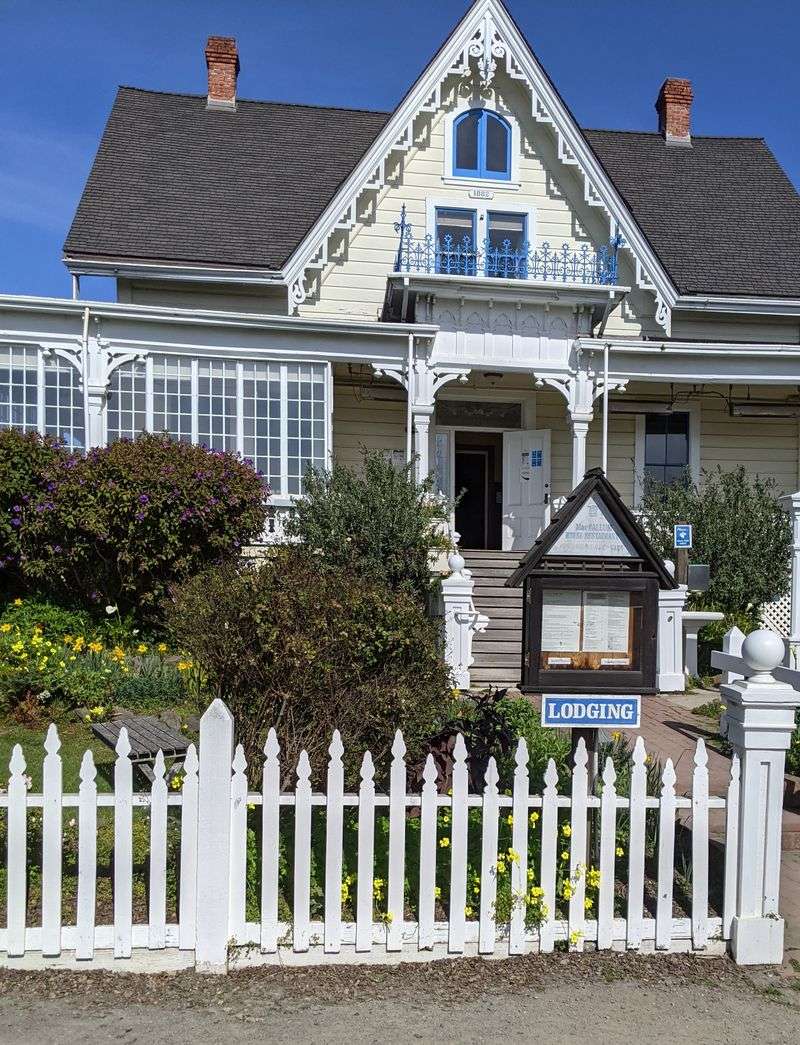
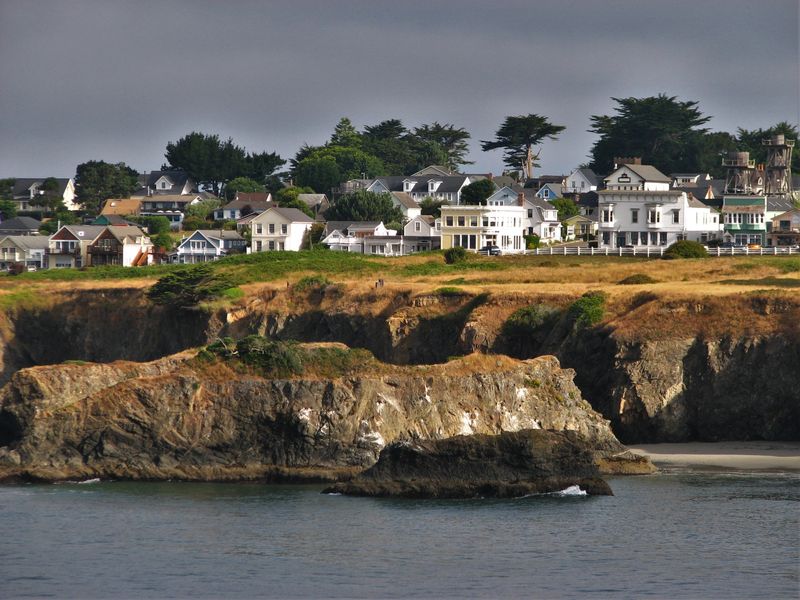
Strolling through Mendocino feels like wandering onto a movie set designed to showcase 19th-century elegance. The village boasts one of the best-preserved collections of Victorian homes on the West Coast, with structures dating back to the 1850s lumber boom.
These aren’t just pretty buildings—they tell the story of a thriving logging town that shipped redwood timber around the world. You’ll notice intricate gingerbread trim, colorful paint schemes, and architectural details that modern construction rarely bothers with anymore.
Many of these historic homes now serve as bed-and-breakfasts, galleries, or shops, giving visitors a chance to step inside and experience their charm firsthand.
The New England-style architecture came from the Maine loggers who settled here, bringing their building traditions across the continent. White picket fences, bay windows, and steep-pitched roofs create a cohesive aesthetic that makes the entire village feel like a step back in time.
Photography enthusiasts will find endless subjects, especially when morning fog softens the colors and adds atmospheric mystery. Walking these streets costs nothing but rewards you with beauty at every turn, making it one of the simplest yet most satisfying activities in Mendocino.
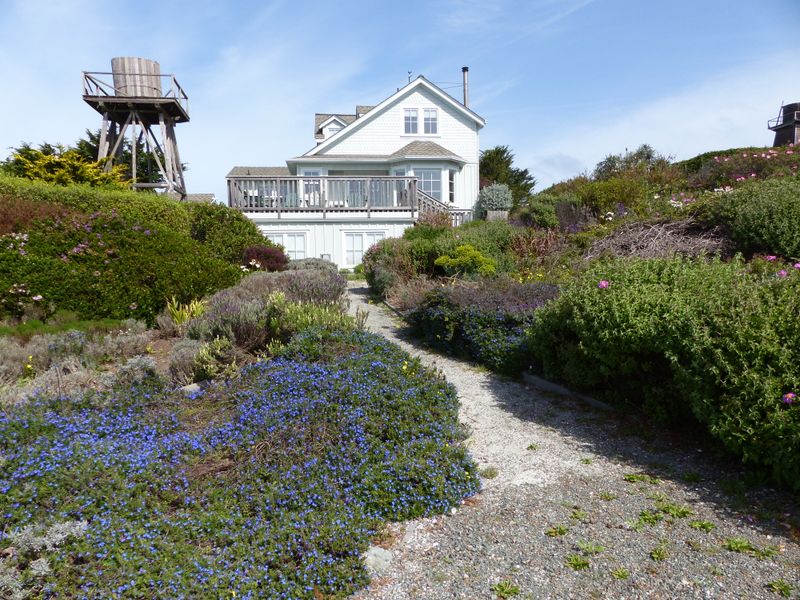
Built in 1854, this handsome structure serves double duty as both the gateway to understanding Mendocino’s past and the starting point for exploring its natural wonders. The house itself represents classic New England architecture transplanted to the California coast.
Inside, exhibits chronicle the area’s transformation from Pomo Native American territory through the logging era and into the artist colony it became. Scale models show how the town looked during its lumber heyday, complete with miniature mills and schooners that hauled redwood to San Francisco.
The knowledgeable staff can answer questions about everything from tide pools to the best restaurants in town.
Admission is free, though donations help maintain this valuable community resource. Kids particularly enjoy the hands-on displays and the chance to imagine life in a 19th-century coastal village.
The building sits right on the headlands, so after touring the museum, you can step outside and walk the very cliffs the exhibits describe.
Special programs throughout the year include guided nature walks, historical talks, and whale-watching events during migration seasons. Spending thirty minutes here before exploring the rest of Mendocino gives context that makes everything else you see more meaningful and interesting.
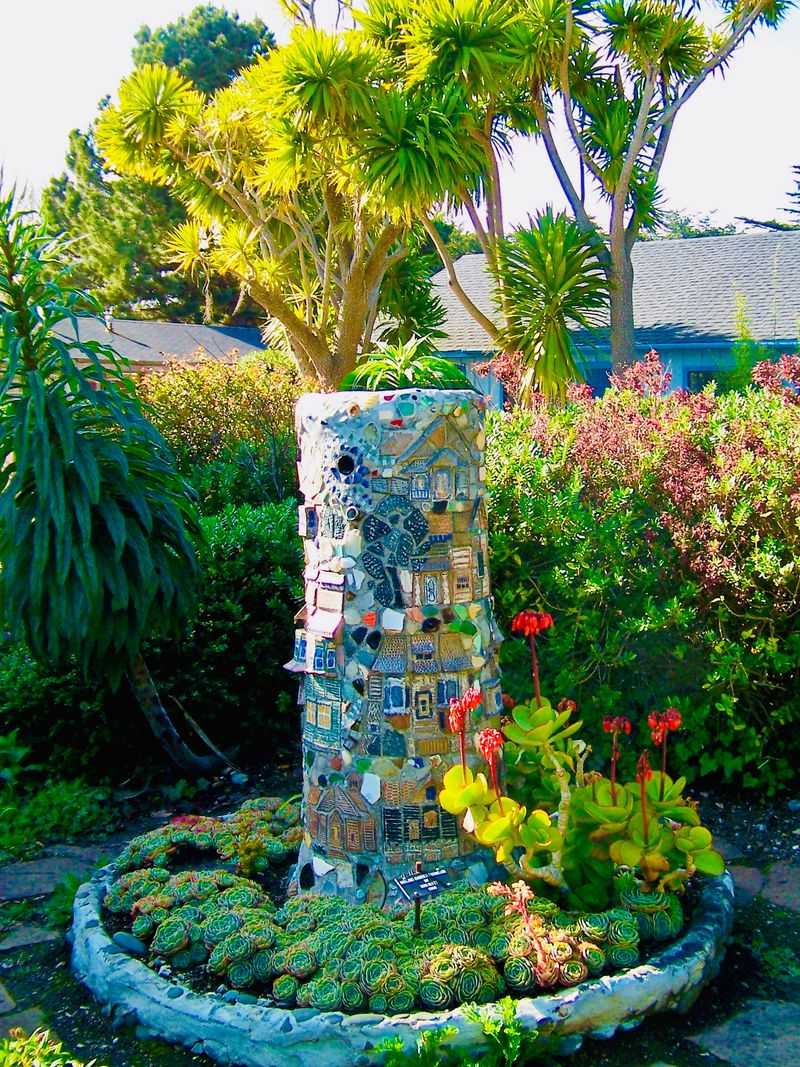
Creativity flows through this community hub like the ocean currents offshore. Founded in 1959, the center has nurtured generations of artists while welcoming visitors to appreciate and participate in the creative process.
Multiple galleries showcase rotating exhibitions featuring everything from traditional landscapes to contemporary installations. The sculpture garden offers whimsical surprises among the coastal vegetation, and you might encounter artists at work in the studios scattered across the campus.
Classes and workshops let visitors try their hand at pottery, painting, jewelry-making, and dozens of other crafts, regardless of skill level.
The center’s commitment to accessibility means art isn’t just something to observe here—it’s something you can touch, create, and take home. Summer brings additional programming including concerts, theatrical performances, and special exhibitions that draw art lovers from across the region.
Even if you don’t consider yourself artistic, wandering through the galleries and gardens provides a peaceful interlude from coastal hiking. The gift shop sells work by local artists, offering unique souvenirs that support the creative community.
Many visitors discover talents they didn’t know they had during impromptu workshops, and the instructors’ enthusiasm proves contagious regardless of your artistic background.
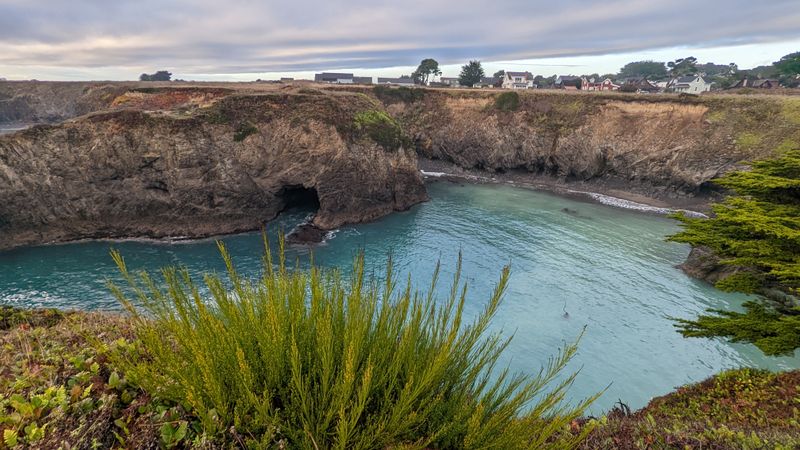
Just north of the village, this 1,300-acre park packs remarkable diversity into a relatively compact area. A scenic cove provides the centerpiece, where a picturesque bridge arches over the gulch that gives the park its name.
The beach below offers tidepooling opportunities when the ocean retreats, revealing starfish, anemones, and crabs in the rocky pools. Inland, trails wind through second-growth redwood forests where the temperature drops noticeably and the light filters green through the canopy.
The main trail leads three miles to a 36-foot waterfall that cascades into a fern-lined grotto—worth every step of the moderate hike.
Cyclists appreciate the paved path that parallels the highway, offering safer travel between Mendocino and Fort Bragg. The park’s campground provides overnight accommodations for those wanting to extend their coastal stay beyond the village’s pricier lodging options.
Devil’s Punchbowl, a collapsed sea cave, demonstrates the ocean’s relentless power to reshape the coastline. During high tide and rough seas, waves surge through the opening with impressive force and spray.
Picnic tables scattered throughout the park make this an ideal lunch stop, combining ocean views with forest tranquility in a setting that showcases northern California’s natural variety.
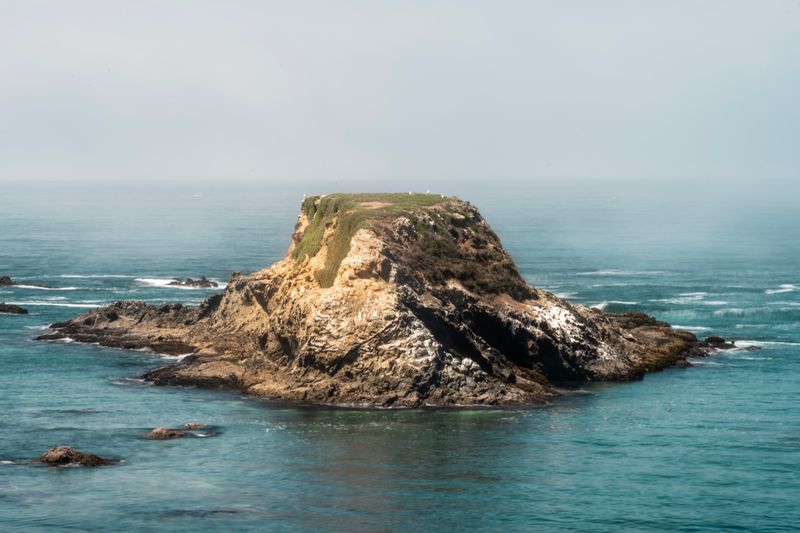
Since 1909, this beacon has guided mariners past the treacherous rocks that line this section of coast. The lighthouse remains one of the most complete light stations in California, with original outbuildings still standing and carefully restored.
A half-mile trail from the parking area leads through coastal scrub to the light station complex, offering ocean views that improve with every step. The lighthouse itself sits on a dramatic point where waves crash against rocks far below, creating foam and spray that sometimes reaches impressive heights.
On clear days, you can see for miles up and down the coastline.
The Fresnel lens still rotates inside the tower, though modern navigation technology has reduced its practical importance. Guided tours on weekends provide fascinating details about lighthouse keeper life and maritime history, while the small museum displays artifacts and photographs from the station’s working years.
Three restored keeper’s houses now serve as vacation rentals, offering visitors a unique chance to sleep where lighthouse keepers once lived. The surrounding preserve protects 300 acres of coastal habitat where you might spot seals, sea lions, or migrating whales depending on the season.
Admission is free, making this historical gem accessible to everyone who ventures slightly north of the village proper.
Art isn’t confined to museums in Mendocino—it spills onto the streets through dozens of galleries tucked into Victorian storefronts. The village has attracted artists since the 1950s, when cheap rent and inspiring scenery drew creative types seeking alternatives to city life.
Today, that artistic legacy continues in galleries showcasing everything from realistic coastal landscapes to abstract sculptures. You’ll find photography capturing the drama of northern California’s coast, handcrafted jewelry incorporating local materials, and paintings that attempt to bottle the unique quality of light that filters through coastal fog.
Many galleries represent multiple artists, while others focus on a single creator’s vision.
Unlike stuffy urban galleries, Mendocino’s art spaces welcome browsers without pressure to buy. Gallery owners often love discussing their work or the pieces they represent, providing insights that deepen your appreciation.
First Saturday evening art walks create festive atmospheres with wine, music, and chances to meet artists in person.
Even window shopping provides visual pleasure as you wander from gallery to gallery. Prices range from affordable small prints to serious investment pieces, ensuring options for various budgets.
Taking home artwork from Mendocino means your walls will forever remind you of this special coastal village and the creative spirit that thrives here.
Food tastes better when accompanied by crashing waves and sunset colors painting the sky. Mendocino’s restaurants understand this principle, with many establishments offering ocean views alongside their menus.
Fresh seafood dominates many menus, hardly surprising given the Pacific’s proximity. Locally caught rockfish, Dungeness crab, and abalone appear in preparations ranging from simple and classic to creatively contemporary.
Several restaurants emphasize farm-to-table approaches, sourcing produce from the Anderson Valley and other nearby agricultural regions.
Casual cafes serve hearty breakfasts and lunches perfect for fueling hiking adventures, while upscale dining rooms provide romantic settings for special occasions. Bakeries tempt with pastries, breads, and sweets that make excellent picnic additions for headlands walks.
Wine lists naturally feature Mendocino County vintages, giving you chances to sample local pinot noir, chardonnay, and other varietals.
Reservations are wise for dinner, especially on weekends when visitors fill the village. Some of the most memorable meals happen at outdoor tables where you can watch the sun sink into the Pacific while savoring your food.
Prices reflect Mendocino’s destination status, but the combination of quality ingredients, skilled preparation, and unbeatable atmosphere justifies the splurge for most visitors seeking the complete coastal experience.
Where Big River meets the Pacific, a unique ecosystem creates opportunities for adventures quite different from cliff walking. The estuary provides relatively calm waters ideal for kayaking and canoeing, especially appealing for families with younger children.
Paddling upstream takes you through increasingly narrow channels bordered by lush vegetation and towering trees. The further you venture from the ocean, the quieter it becomes, with only bird calls and paddle dips breaking the silence.
Wildlife sightings might include herons, egrets, harbor seals, and river otters going about their daily business.
The beach at the river mouth offers easier access than many of Mendocino’s clifftop viewpoints. When the tide is right, you can walk along the sand, explore tide pools, or simply sit and watch waves roll in.
Several outfitters rent kayaks and provide maps showing how far upstream you can safely paddle based on tides and conditions.
No previous paddling experience is necessary for the lower river sections, though checking tide tables prevents getting stranded when water levels drop. This represents one of Mendocino’s most accessible water activities, letting you experience the coast from a different perspective.
Pack snacks and water for longer paddles, and don’t forget sun protection since reflection off the water intensifies exposure.
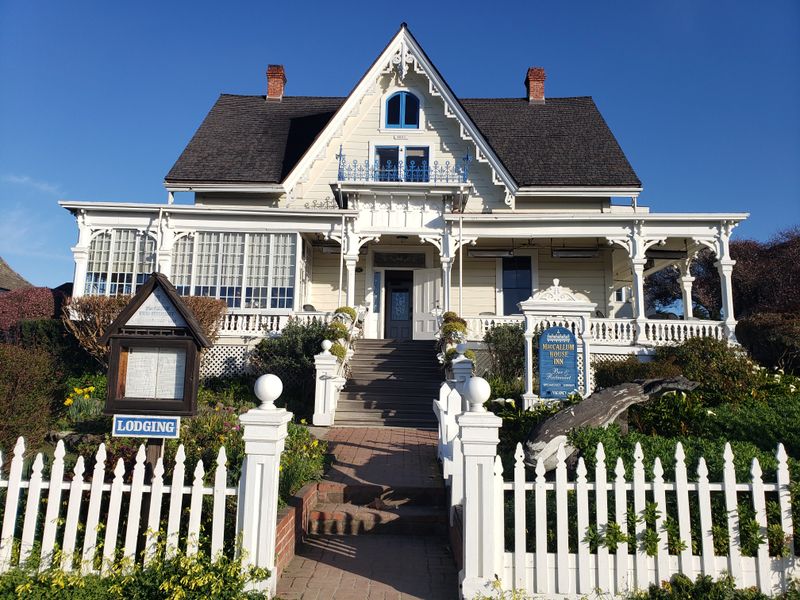
Sleeping in a restored Victorian home adds immeasurably to the Mendocino experience. Numerous bed-and-breakfasts occupy historic buildings throughout the village, each offering unique character and personalized hospitality that chain hotels can’t match.
Rooms often feature period furnishings, fireplaces, and views of either the ocean or the village’s charming streets. Many innkeepers go beyond simply providing lodging, offering local recommendations, arranging special touches for anniversaries or birthdays, and serving breakfasts that become highlights of the stay.
Expect fresh-baked goods, local ingredients, and presentations that demonstrate genuine care.
Some properties cater to romance-seeking couples with features like soaking tubs, private decks, and in-room champagne. Others welcome families, providing connecting rooms and kid-friendly amenities.
Prices vary considerably based on room size, views, and amenities, but even budget-conscious travelers can find options more affordable than you might expect.
Booking well ahead is essential for summer weekends and holidays when Mendocino’s limited accommodations fill quickly. Many B&Bs have minimum stay requirements during peak periods.
The intimate scale means you’ll likely interact with other guests over breakfast, often leading to interesting conversations and travel tips. Staying in the village itself lets you walk everywhere, avoiding parking hassles and letting you enjoy evening strolls through gas-lit streets.
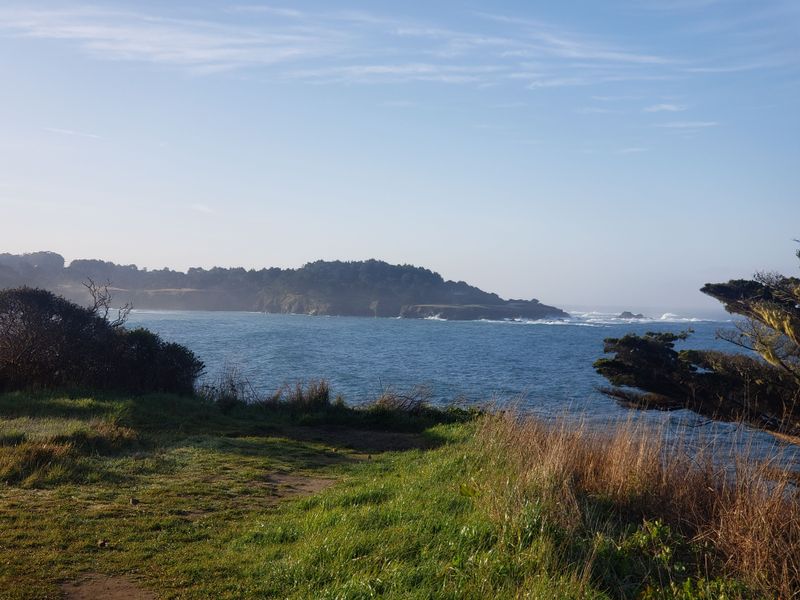
Twice yearly, gray whales pass Mendocino on their epic migrations between Alaska and Mexico. These massive marine mammals travel close enough to shore that you don’t need a boat to spot them—the headlands provide front-row seats to one of nature’s grandest spectacles.
Southbound migration happens December through February as whales head toward Baja California breeding grounds. Northbound migration runs March through May, when whales return to Alaskan feeding waters, often with calves in tow.
Patient observers scanning the horizon will be rewarded with spouts, flukes, and occasionally full breaches when whales launch their multi-ton bodies clear of the water.
Binoculars help but aren’t essential for spotting whales, especially on clear days. The Ford House visitor center often has spotting scopes set up during peak migration, and staff can point you toward recent sightings.
Look for the telltale spouts—the misty exhalations that can be visible from remarkable distances.
Dress warmly since standing still while watching makes you feel the coastal chill more than hiking does. Some visitors spend hours mesmerized by these gentle giants, while others prefer shorter viewing sessions.
Either way, witnessing wild whales from the clifftops creates memories that last far longer than the moment itself.
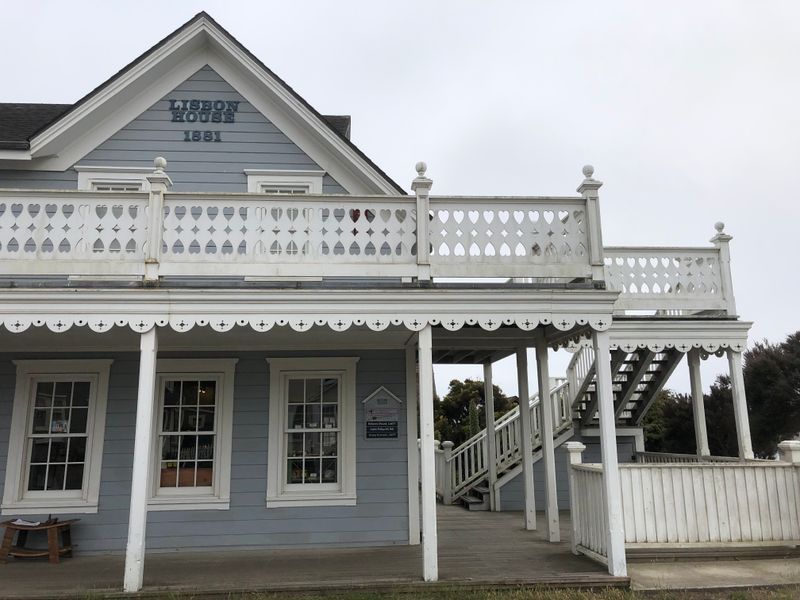
This 1861 home belonged to William Kelley, a prominent early settler whose story intertwines with Mendocino’s lumber boom years. The house now serves as the headquarters for Mendocino Historical Research, preserving and sharing the region’s fascinating past.
Exhibits inside cover everything from Pomo Native American life before European contact through the logging era and into Mendocino’s transformation into an artist colony. Photographs show the village when mills dominated the landscape and schooners crowded the cove below.
Artifacts include tools, household items, and documents that bring history to life in tangible ways.
The research library attracts genealogists and historians seeking information about the area’s development and early families. Knowledgeable volunteers lead walking tours during summer months, pointing out historical details you’d otherwise miss while wandering independently.
These tours provide context that transforms simple buildings into storytelling vessels.
A small gift shop sells local history books and reproduction historical items. Admission fees are modest, and the money supports ongoing preservation efforts.
Unlike larger museums with overwhelming collections, the Kelley House offers a manageable dose of history that enhances rather than exhausts. Plan to spend thirty to forty-five minutes here, longer if you’re a serious history buff or have family connections to the area’s early settlement period.
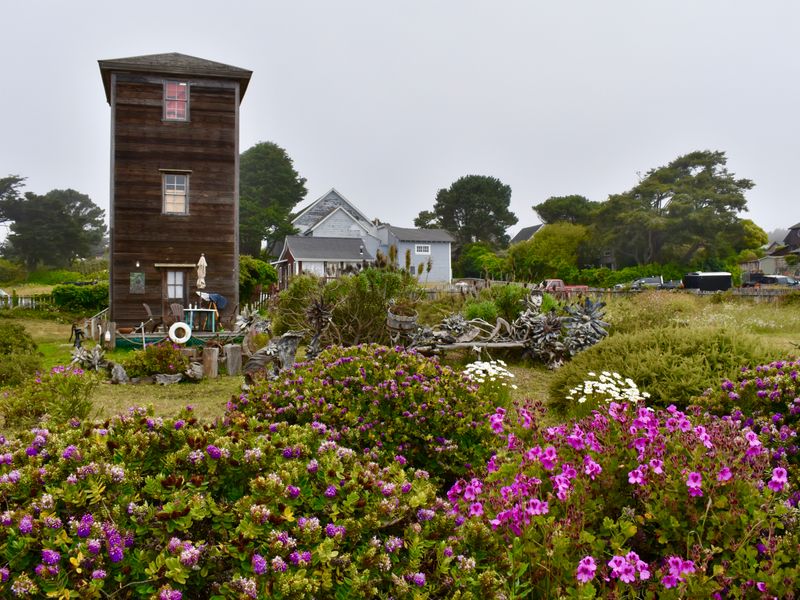
Spring transforms Mendocino’s headlands into living tapestries woven from thousands of blooming wildflowers. What appears as simple grassland most of the year explodes with color from March through June as native plants take advantage of winter rains and lengthening days.
Purple Douglas iris, yellow coastal goldfields, orange California poppies, and pink sea thrift create natural bouquets that no florist could improve upon. The flowers aren’t just beautiful—they’re specifically adapted to survive harsh coastal conditions including salt spray, strong winds, and poor soil.
Walking the headlands trails during peak bloom feels like wandering through a living kaleidoscope.
Photographers arrive early for the soft morning light that makes colors glow without harsh shadows. The combination of wildflowers in the foreground and ocean views beyond creates compositions that practically arrange themselves.
Remember to stay on established trails to avoid damaging fragile plants and disturbing the ecosystem.
Peak bloom timing varies by rainfall and temperature, so checking with local sources helps plan visits for maximum floral display. Even non-gardeners find themselves captivated by the abundance and variety of blooms.
Bring a wildflower identification guide to learn species names, or simply enjoy the beauty without worrying about botanical details. Nature’s free show here rivals any cultivated garden.
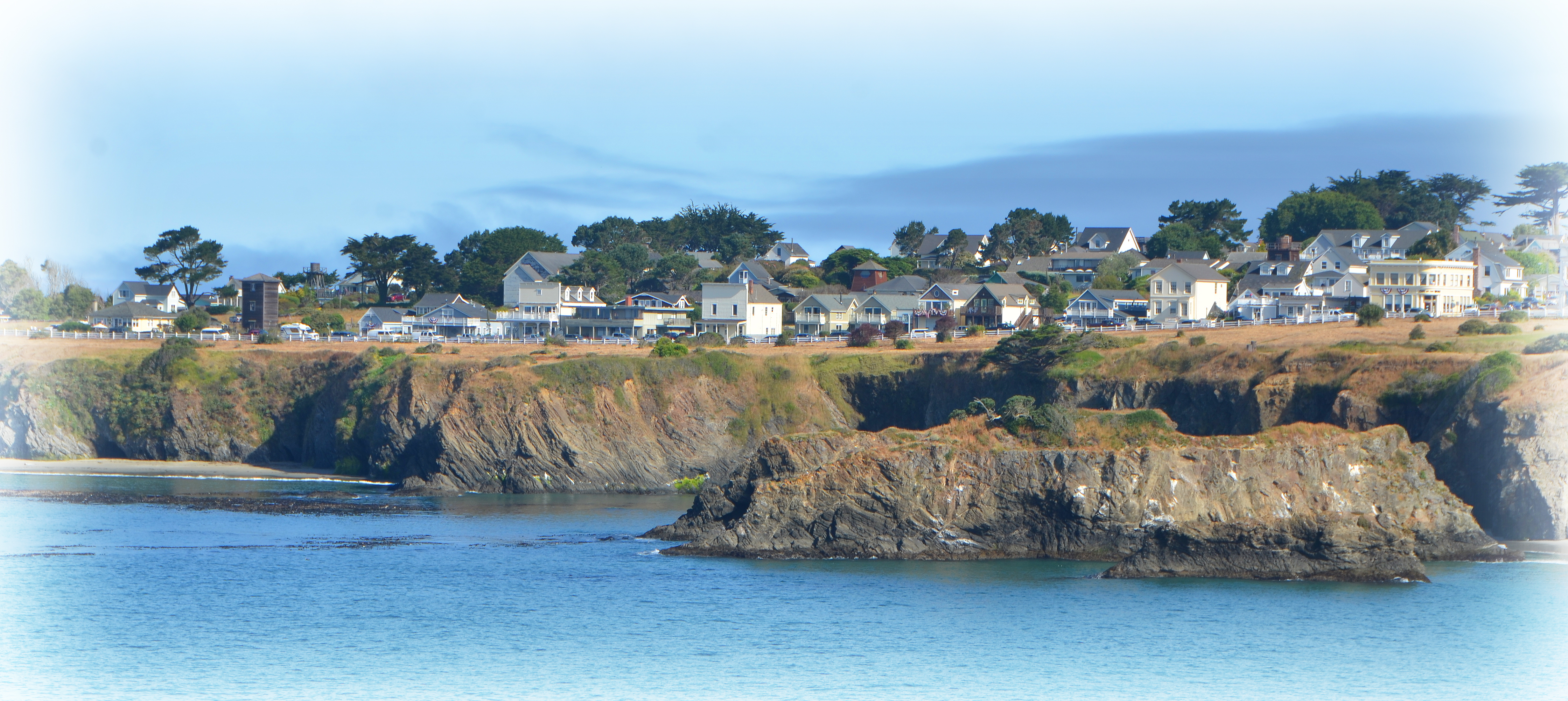
Beyond fine art galleries, Mendocino offers shops featuring handcrafted items that blend functionality with artistic sensibility. Local artisans create everything from hand-thrown pottery to carved wooden bowls, textile goods to metalwork.
These aren’t mass-produced souvenirs but rather one-of-a-kind or limited-production items made by skilled craftspeople. You might find a hand-knitted sweater perfect for foggy coastal mornings, a cutting board shaped from salvaged redwood, or ceramic mugs that make morning coffee taste better somehow.
Many shops represent multiple local makers, creating curated collections that showcase the region’s creative talents.
Prices reflect the time and skill involved in handcrafting, though you’ll find options at various price points. Shopkeepers often know the artists personally and can share stories about techniques and inspirations.
Purchasing here means supporting the creative economy that gives Mendocino much of its character.
Several shops specialize in specific crafts—one might focus on fiber arts while another emphasizes woodworking or jewelry. Taking home something made in Mendocino provides a tangible connection to your visit that outlasts photographs.
Unlike generic tourist trinkets, these items typically improve with use, developing patinas and character that remind you of this special coastal village every time you encounter them in your daily life.
Fog isn’t just weather in Mendocino—it’s a defining characteristic that shapes the landscape, ecology, and mood. Summer mornings often arrive wrapped in thick marine layers that transform the village into something from a Gothic novel.
The fog results from cold ocean currents meeting warmer air, creating condensation that rolls inland like slow-motion waves. Victorian buildings emerge from the mist as you walk toward them, their details gradually sharpening.
The lighthouse horn sounds its mournful warning, and everything takes on a mysterious, slightly melancholy quality that many visitors find enchanting.
This moisture sustains the lush coastal vegetation including ferns, mosses, and the towering redwoods that grow inland. Photographers prize the soft, diffused light that fog creates, eliminating harsh shadows and giving colors a muted, painterly quality.
By afternoon, the fog typically burns off, revealing brilliant blue skies and sparkling ocean views.
Dressing in layers becomes essential since temperatures can swing twenty degrees between foggy morning and sunny afternoon. Some visitors prefer the dramatic fog-shrouded atmosphere to endless sunshine, finding it more evocative and memorable.
The fog also keeps summer temperatures remarkably cool—you’ll rarely need air conditioning here. This natural air conditioning system represents one of the coast’s greatest assets during California’s hot summer months.
Share this story