Tucked away in Humboldt County, surrounded by towering redwood forests, lies a town that looks like it jumped straight out of a fairy tale. Ferndale, California, is home to just under 1,400 residents, but its collection of beautifully preserved Victorian buildings makes it feel like a living museum.
Walking down Main Street feels like stepping back in time to the 1800s, when dairy farmers built grand homes and storefronts with their newfound wealth. This charming village offers visitors a rare glimpse into California’s past while providing a peaceful escape from modern life.
The Butterfat Palaces That Built a Town
Dairy money created something magical in Ferndale during the late 1800s. Farmers who struck it rich selling cream and butter to San Francisco didn’t hold back when building their dream homes.
They constructed elaborate Victorian mansions with intricate woodwork, towers, and wrap-around porches that earned the nickname “Butterfat Palaces.”
These weren’t just fancy houses—they were statements of success. Each home tried to outdo the next with more ornate details, brighter paint colors, and grander designs.
Walking through residential neighborhoods today feels like flipping through an architecture magazine from 1885.
The Gum family mansion stands as one of the most impressive examples, with its distinctive tower and detailed exterior trim. Many of these homes have been carefully maintained by families who understand their historical importance.
Some operate as bed-and-breakfasts, giving visitors a chance to sleep in actual Victorian luxury.
The town’s dedication to preservation means these buildings look remarkably similar to old photographs from over a century ago. Paint colors stay true to period-appropriate palettes, and repairs follow historical guidelines.
Main Street’s Time Capsule Storefronts
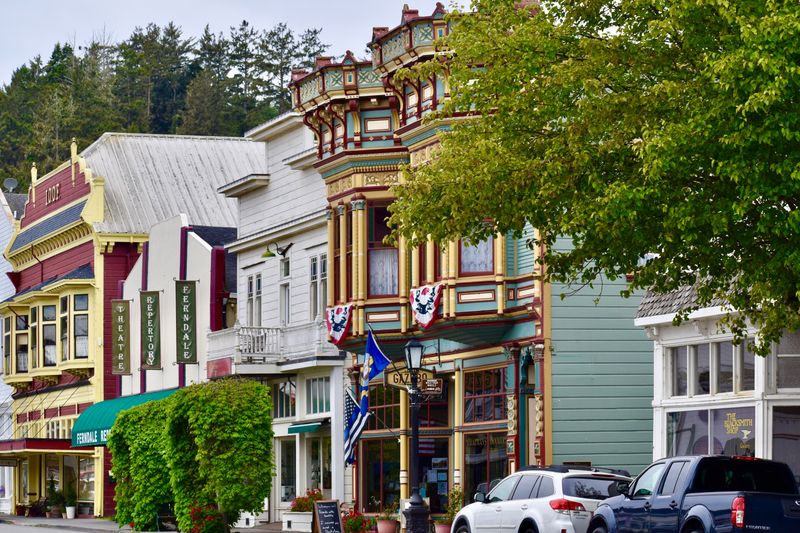
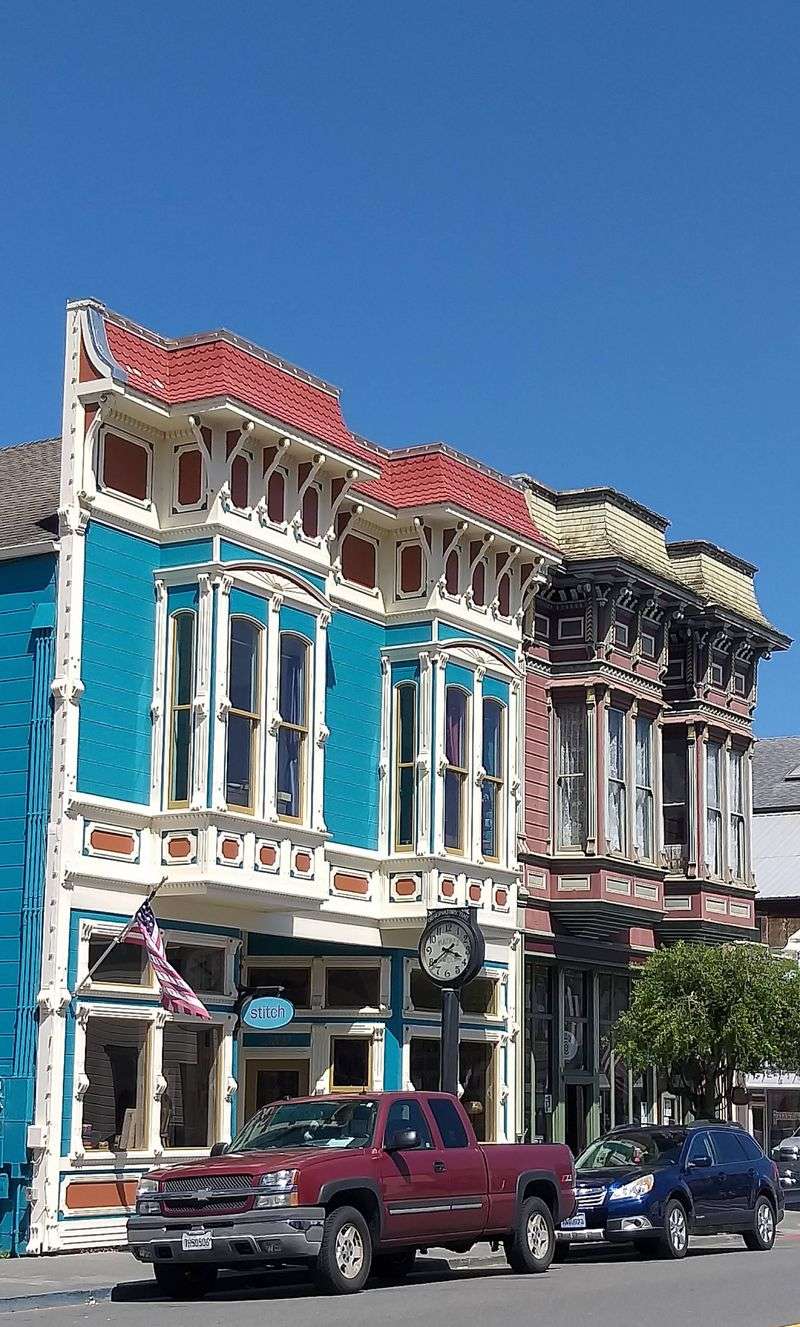
Step onto Main Street and your phone suddenly feels out of place. The commercial buildings lining this thoroughfare have maintained their 19th-century character so completely that film crews regularly use Ferndale as a filming location.
False-front buildings painted in cheerful colors house modern businesses operating behind vintage facades.
Original wooden sidewalks still exist in some sections, creaking pleasantly underfoot. Cast-iron lampposts line the street, and many storefronts feature hand-painted signs that harken back to a time before digital printing.
The architectural details—decorative cornices, tall windows, and ornamental brackets—remain intact.
Local shop owners take pride in maintaining historical accuracy while running contemporary businesses. You might buy artisan chocolates in a building that once sold mining equipment, or browse art galleries in former general stores.
The mix of old and new works surprisingly well.
No chain stores interrupt the visual harmony here. Every business fits the town’s aesthetic, whether intentionally or through strict design guidelines.
Evening strolls become particularly enchanting when warm light spills from shop windows onto the wooden sidewalks below.
The Earthquake That Couldn’t Break Ferndale
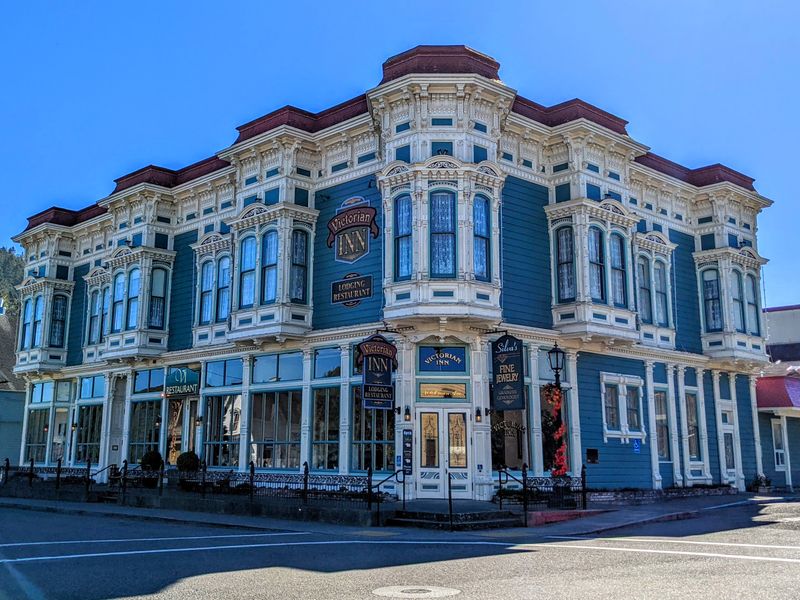
When powerful earthquakes rocked Humboldt County in 1992 and again in 2010, Ferndale’s Victorian buildings proved tougher than anyone expected. The old-growth redwood lumber used in their construction flexed and swayed rather than crumbling.
Modern engineers studied these structures afterward, amazed at how well 19th-century craftsmanship held up.
The 1992 quakes measured 7.2 and caused significant damage throughout the region. Yet Ferndale’s historic core survived with relatively minor issues—some cracked plaster, shifted chimneys, and broken windows.
The quality of original materials and construction techniques saved the day.
Building codes from the Victorian era accidentally created earthquake-resistant structures. Heavy timber framing, mortise-and-tenon joints, and diagonal bracing all contributed to structural flexibility.
The buildings could move with seismic waves rather than fighting against them.
Restoration efforts after each earthquake focused on maintaining historical integrity while adding subtle reinforcements. Town residents rallied to repair damage quickly, understanding that their architectural heritage defined Ferndale’s identity.
Today, these buildings stand as testaments to both quality craftsmanship and community determination.
Cream City’s Dairy Legacy
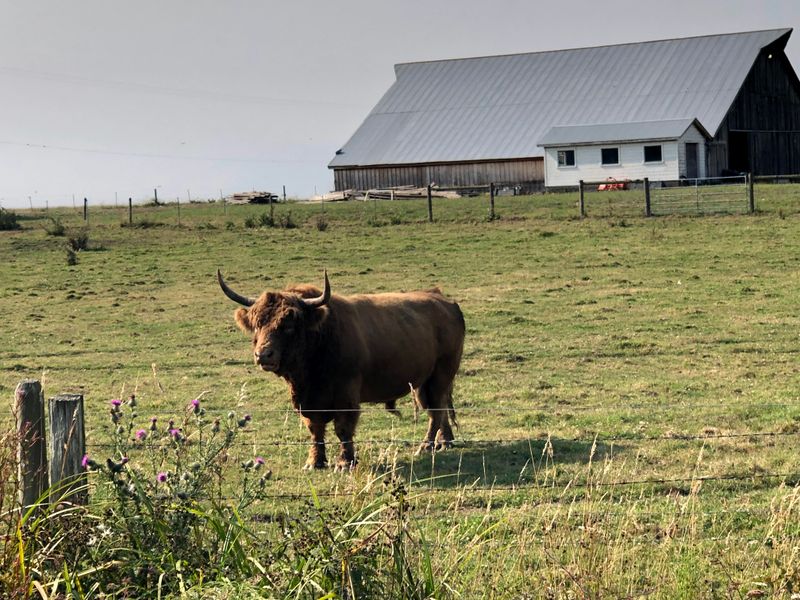
Rich pastureland surrounding Ferndale produced some of California’s finest dairy products in the late 1800s. The area’s mild climate and abundant rainfall created perfect conditions for raising dairy cattle.
Farmers shipped cream to San Francisco, where it commanded premium prices and earned Ferndale the nickname “Cream City.”
Portuguese and Swiss-Italian immigrants brought dairy expertise to the region. They recognized the land’s potential and established family farms that some descendants still operate today.
The rolling hills dotted with black-and-white cows became an iconic part of Ferndale’s landscape.
Cooperative creameries processed milk from multiple farms, creating an economic system that benefited the entire community. This collaborative approach built prosperity that funded those elaborate Victorian homes.
Dairy money literally constructed the town visitors admire today.
While dairy farming has declined from its peak, several operations continue the tradition. You can still see cattle grazing on hillsides as you approach town.
The Humboldt County Fair in Ferndale celebrates this agricultural heritage every August with livestock exhibitions and dairy competitions that connect past to present.
The Kinetic Sculpture Race Phenomenon
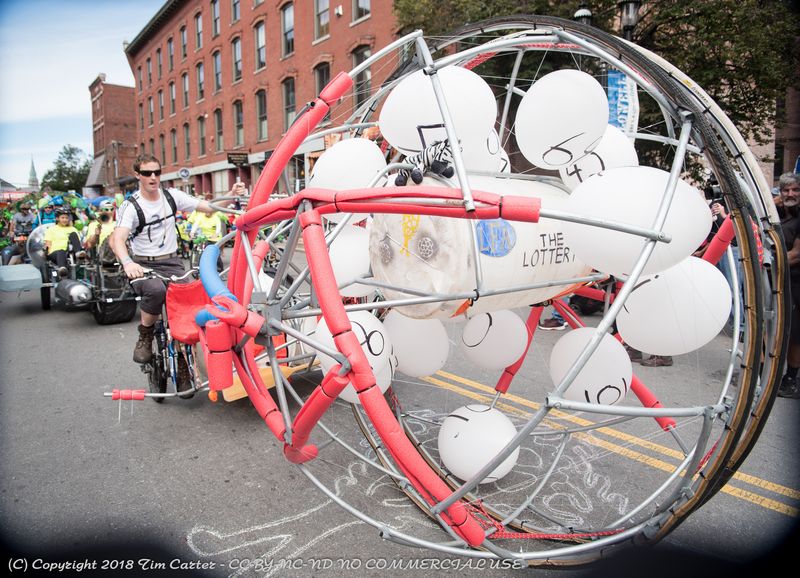
Every Memorial Day weekend, Ferndale transforms into the starting line for one of the world’s strangest races. Human-powered art vehicles—part sculpture, part engineering marvel—launch on a three-day journey to Arcata.
These contraptions must travel over sand, through water, and across roads while looking absolutely ridiculous.
Artist Hobart Brown created the first kinetic sculpture race in 1969 as a friendly challenge. What started as a bet between friends evolved into an internationally recognized event.
Teams spend months designing and building their entries, which range from giant fish to flying saucers.
The race embodies Ferndale’s quirky spirit perfectly. Serious engineering meets pure whimsy as sculptures inevitably break down, get stuck, or perform in hilariously unexpected ways.
Awards include prizes for the first-place finisher, last-place finisher, and best breakdown.
Downtown Ferndale becomes festival central during race weekend. Thousands of spectators gather to watch the colorful parade of kinetic sculptures wobble, roll, and occasionally collapse.
Local businesses embrace the chaos, and the town’s Victorian backdrop makes the whole scene even more surreal. This celebration of creativity and humor defines Ferndale’s community character.
The Ferndale Repertory Theatre’s Curtain Call
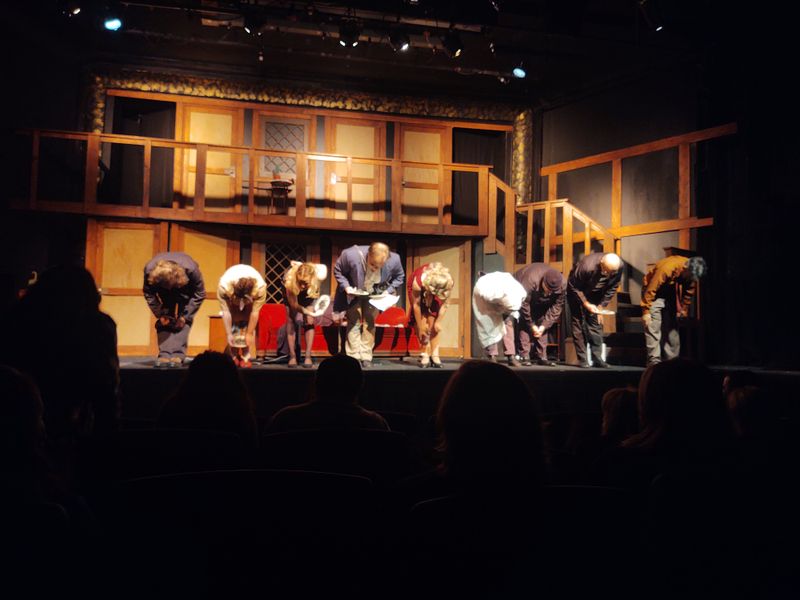
California’s oldest continuously operating community theater makes its home in a converted movie house on Main Street. The Ferndale Repertory Theatre has staged productions since 1972, bringing live performances to this small town with remarkable consistency.
Volunteers build sets, sew costumes, and act in shows that range from classic dramas to contemporary comedies.
The intimate 263-seat venue creates an up-close theater experience you won’t find in big-city performing arts centers. Actors perform just feet from front-row audiences, and the historic building’s charm adds atmosphere to every production.
Creaky floors and vintage architectural details remind patrons they’re watching theater in a genuinely special place.
Community involvement keeps the theater thriving. Local residents of all ages participate in productions, creating a true community arts tradition.
The quality of performances often surprises visitors who don’t expect such professional work in a town of fewer than 1,400 people.
The theater season runs year-round with multiple productions. Holiday shows have become beloved traditions, and summer performances attract tourists exploring the area.
Supporting live theater in Ferndale means supporting a vital piece of the town’s cultural identity.
Victorian Architecture Walking Tour
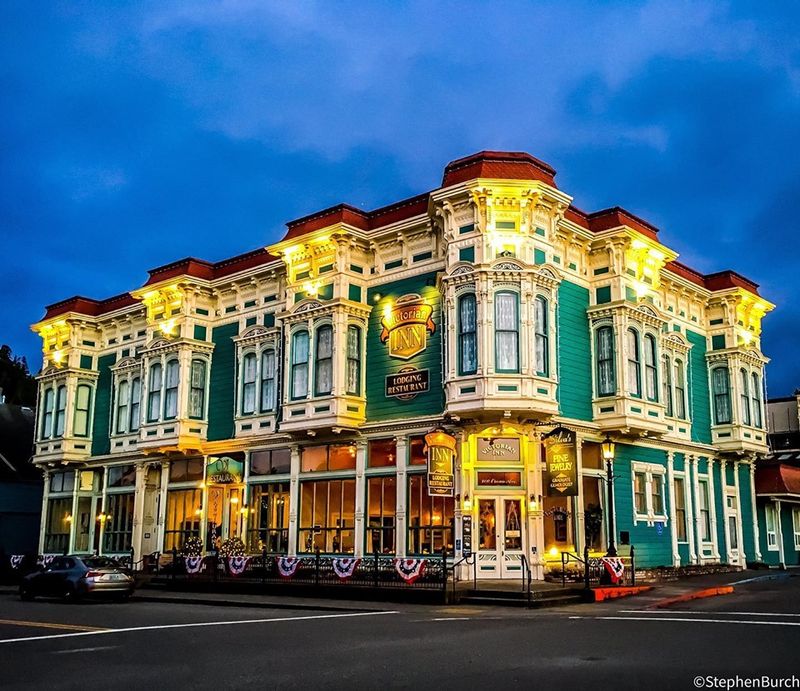
Self-guided walking tours reveal Ferndale’s architectural treasures at your own pace. The Ferndale Museum provides maps highlighting significant buildings, complete with historical information about original owners and construction dates.
Comfortable shoes are essential because you’ll want to explore every street.
Each Victorian home tells a different story through its architectural style. You’ll spot Eastlake, Queen Anne, and Stick-style influences as you wander residential neighborhoods.
Details like fish-scale shingles, decorative brackets, and stained-glass windows reward careful observation.
Photography enthusiasts find endless subjects here. Morning light illuminates facades beautifully, while golden-hour glow makes the colorful paint schemes pop.
Respectful distance from private homes is important—many are still family residences, not museums.
Spring and summer bring flower gardens that complement the Victorian aesthetics perfectly. Roses climbing porch columns and carefully tended beds show how current residents honor their homes’ heritage.
Fall foliage adds another layer of color to already vibrant streetscapes.
The compact downtown area means you can see major highlights in a few hours, but architecture lovers often spend entire days discovering details. Every ornamental flourish represents a craftsman’s skill and a dairy farmer’s pride from over a century ago.
The Gingerbread Mansion Inn Experience
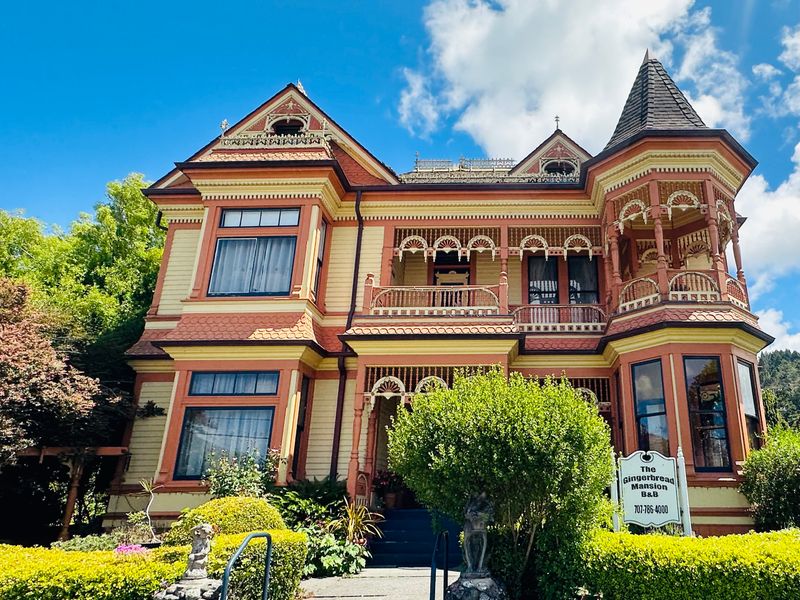
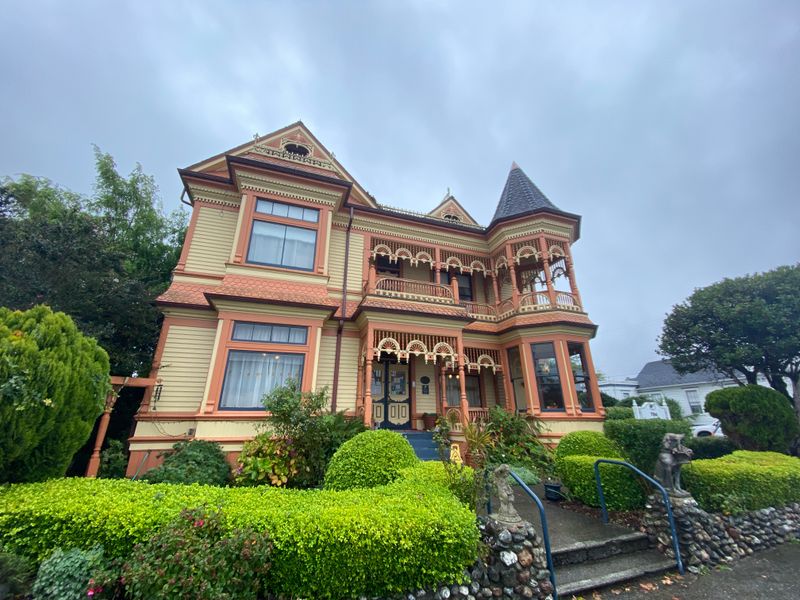
Among Ferndale’s most photographed buildings stands the Gingerbread Mansion Inn, a Queen Anne and Eastlake Victorian masterpiece. Its peach and yellow exterior, elaborate trim work, and distinctive turrets make it look like something from a storybook.
Built in 1899, it now operates as a luxury bed-and-breakfast.
The level of decorative detail seems almost impossible. Carved wooden elements, multiple roof lines, and intricate gingerbread trim cover every surface.
The building earned its nickname honestly—it looks good enough to eat.
Inside, period furnishings and modern amenities blend surprisingly well. Guest rooms feature antique beds, claw-foot tubs, and fireplaces while providing contemporary comforts.
Staying here means sleeping in a genuine piece of California history.
Gardens surrounding the mansion receive as much attention as the building itself. English-style plantings, manicured lawns, and period-appropriate landscaping complete the Victorian fantasy.
The property appears in countless travel magazines and Instagram feeds.
Even if you don’t stay overnight, viewing the exterior is worthwhile. The mansion sits prominently along a residential street, easily visible to pedestrians.
It represents Victorian excess at its most charming, embodying everything that makes Ferndale architecturally special.
The Ferndale Museum’s Treasure Trove
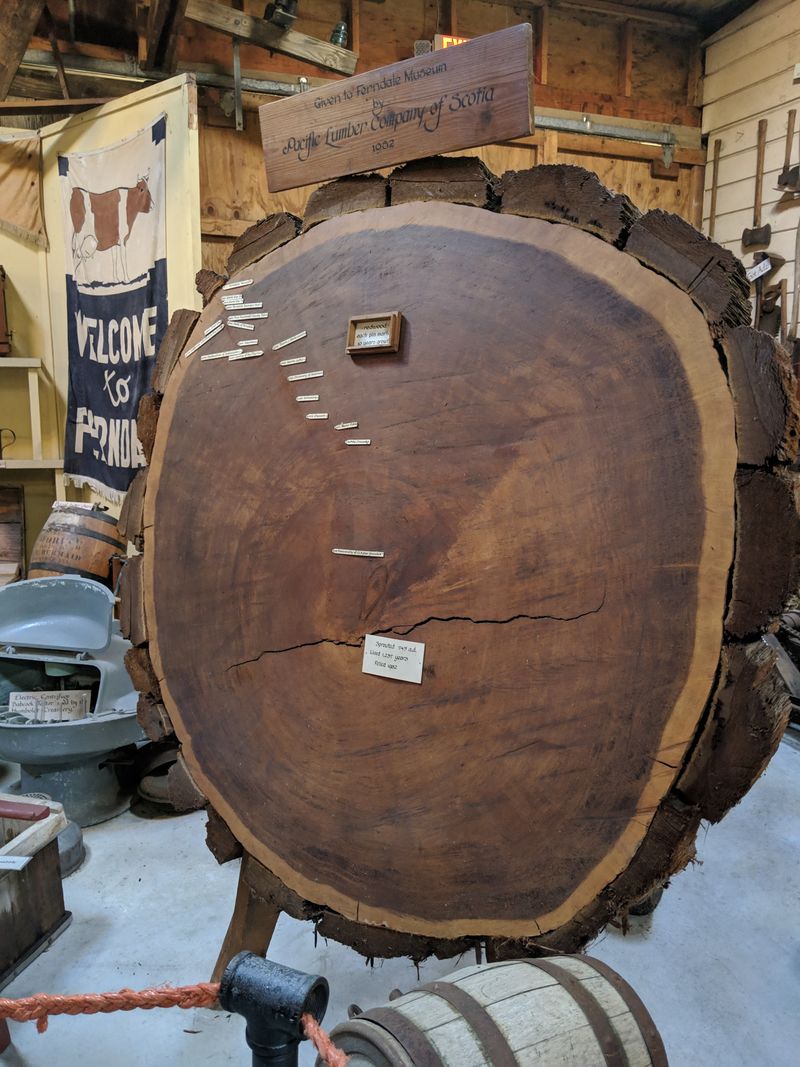
A former bank building houses collections that bring Ferndale’s past to life. The Ferndale Museum displays everything from Victorian clothing to farming equipment, Native American artifacts to earthquake documentation.
Volunteers curate exhibits that tell the story of how this community evolved from wilderness to prosperous dairy country.
Period rooms recreate Victorian home life with authentic furnishings. You can see how wealthy dairy farmers lived, complete with elaborate furniture, decorative objects, and household tools.
These displays provide context for the grand homes you’ll see around town.
Blacksmithing tools, cream separators, and other dairy equipment show the industry that funded Ferndale’s golden age. Photographs document the town’s development, showing Main Street’s transformation over decades.
Personal items from prominent families add human interest to historical facts.
The museum building itself deserves attention. Constructed in 1911, it features pressed-tin ceilings and period architectural details.
Visiting combines learning about local history with appreciating another example of early 20th-century craftsmanship.
Admission fees support ongoing preservation efforts. Staff members share stories about exhibits, adding personal touches to the historical record.
Spending an hour here before exploring town enhances appreciation for what you’ll see outside.
Redwood Forest Gateway Adventures
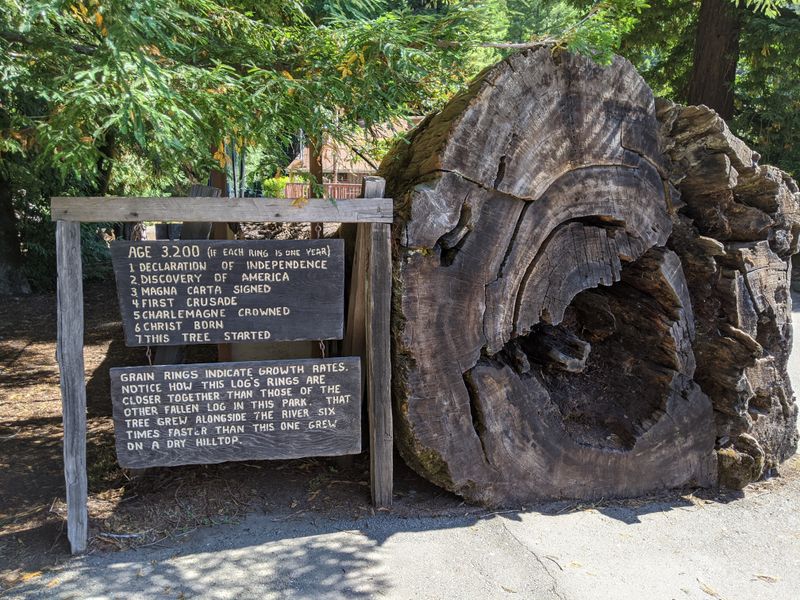
Ferndale’s location provides easy access to some of California’s most impressive redwood groves. Within minutes of leaving town, you can stand beneath trees that were already ancient when those Victorian homes were built.
The contrast between delicate human architecture and massive natural monuments creates a unique regional experience.
Humboldt Redwoods State Park lies just a short drive away. The Avenue of the Giants scenic highway winds through old-growth forests where sunlight filters through canopies hundreds of feet overhead.
Pull-offs and trailheads invite exploration at every turn.
Shorter nature walks suit families with young children, while serious hikers can tackle longer trails into backcountry areas. The forest ecosystem includes more than just redwoods—ferns, sorrel, and seasonal wildflowers carpet the forest floor.
Banana slugs, often bright yellow, amuse kids and adults alike.
Photography in redwood forests presents unique challenges and rewards. The scale of these trees defies easy capture, but dramatic light effects create memorable images.
Early morning fog adds mystical atmosphere to forest scenes.
Combining Victorian architecture exploration with redwood forest hiking makes Ferndale an ideal base camp. You can experience two of Northern California’s greatest treasures from one charming small town.
The Lost Coast’s Wild Neighbor
Ferndale sits inland from one of California’s most remote and beautiful coastlines. The Lost Coast earned its name because no major highways run along this stretch—the terrain proved too challenging for road builders.
Accessing these wild beaches requires driving winding roads through mountains and forests.
Black sand beaches, tide pools, and dramatic rock formations reward those who make the journey. Cape Mendocino marks the westernmost point in California, where the Pacific crashes against ancient rocks.
Wildlife viewing opportunities include seals, sea lions, and migrating whales.
Hiking the Lost Coast Trail ranks among California’s premier backpacking experiences. The multi-day route follows the coastline through roadless wilderness, requiring careful planning for tides and weather.
Day hikers can access shorter sections for taste of this rugged environment.
Ferndale serves as a comfortable staging point for Lost Coast adventures. Stock up on supplies, enjoy a good meal, and sleep in a real bed before or after exploring the wild coast.
The contrast between Victorian civilization and untamed nature defines this region’s appeal.
Weather along the Lost Coast changes rapidly. Fog, wind, and rain occur even in summer months, so proper preparation is essential for any coastal exploration.
Antique Shopping in Every Storefront
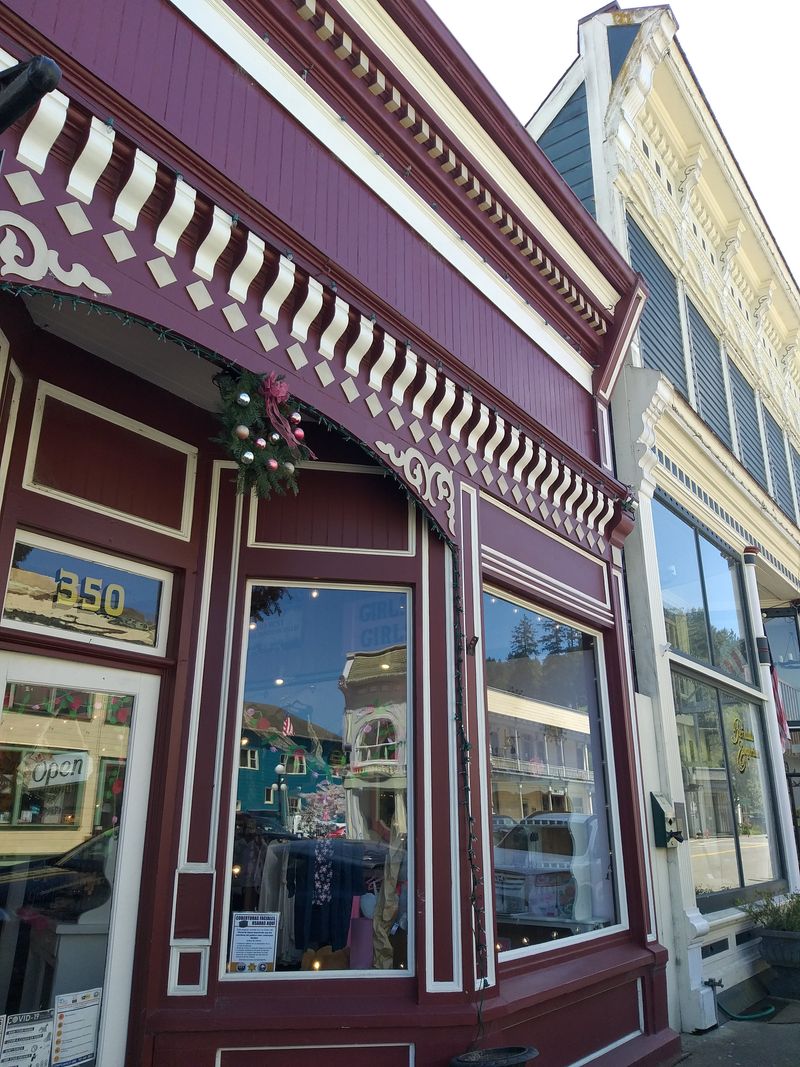
Victorian buildings naturally attract Victorian-era merchandise. Ferndale’s Main Street hosts several antique shops where treasure hunters can spend hours browsing.
Collections range from fine furniture to quirky collectibles, with price points for serious collectors and casual shoppers alike.
Quality varies as it does in any antique market, but knowledgeable dealers curate their inventory carefully. You’ll find genuine Victorian pieces that could have originated from local homes alongside items from other eras and regions.
Depression glass, vintage jewelry, old photographs, and decorative objects fill display cases and shelves.
The shopping experience itself feels authentic rather than touristy. These aren’t gift shops selling mass-produced nostalgia—they’re real antique businesses serving collectors.
Dealers often know the provenance of their better pieces and share historical information freely.
Architectural salvage occasionally appears, including items removed from local buildings during renovations. Original hardware, light fixtures, and decorative elements attract restoration enthusiasts working on period homes elsewhere.
Finding a piece of Ferndale to take home creates a tangible connection to the town.
Prices generally run lower than in big-city antique districts. The rural location means less competition and more reasonable asking prices, though truly exceptional pieces still command appropriate values.
Farm-to-Table Dining Victorian Style
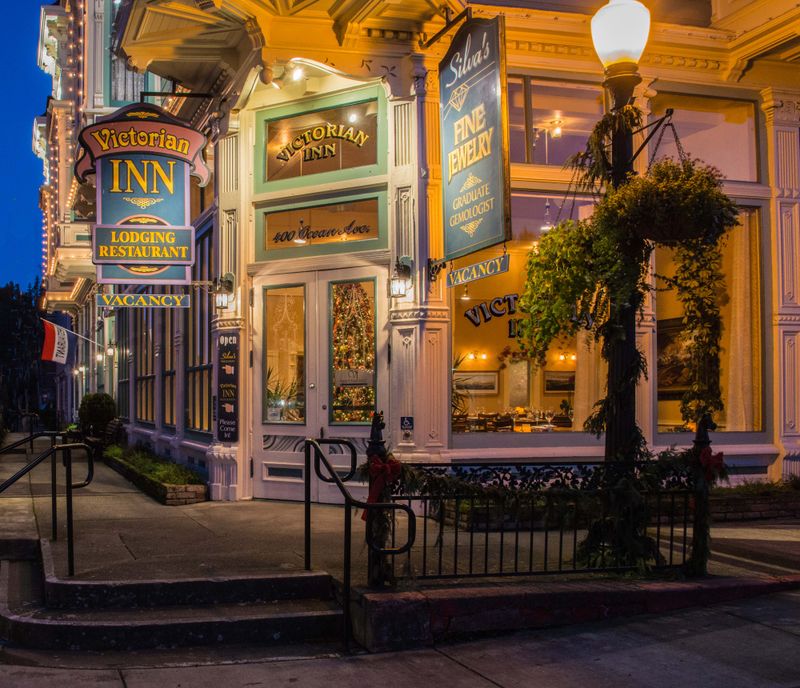
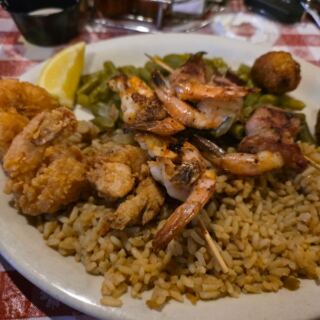
Restaurants operating in century-old buildings serve food sourced from the same rich agricultural land that built Ferndale. Local beef, fresh produce, and artisan products appear on menus that blend California cuisine with small-town hospitality.
Dining rooms with original architectural details provide atmosphere that chain restaurants can never replicate.
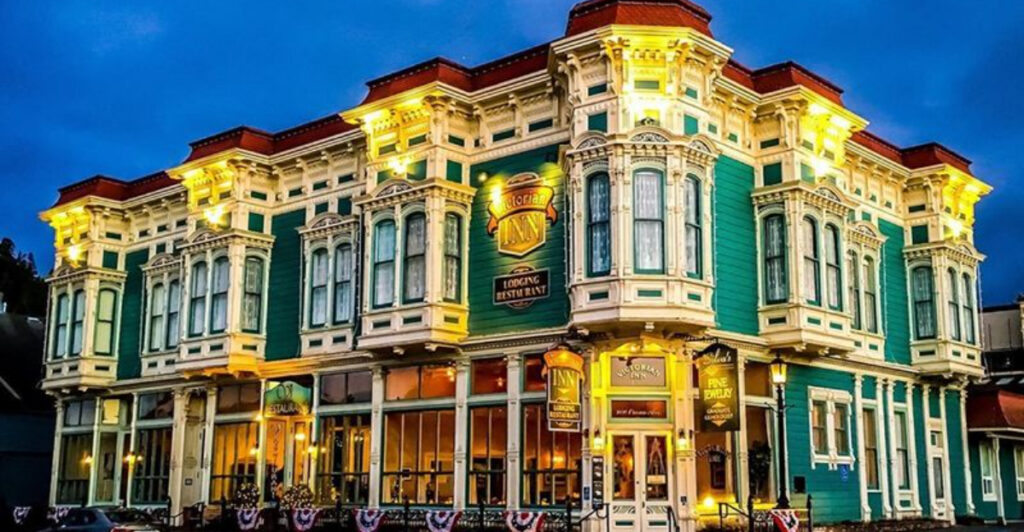
The Victorian Inn’s restaurant occupes an elegantly restored space where high ceilings and period details enhance the dining experience. Other eateries range from casual cafes to upscale options, all emphasizing quality ingredients prepared with care.
Even pizza places and ice cream shops operate from historic storefronts.
Humboldt County’s agricultural diversity supplies restaurants with excellent raw materials. Grass-fed beef, organic vegetables, fresh seafood from nearby waters, and local cheeses all make appearances.
Chefs who choose to work in a town this small typically do so because they value quality over volume.
Breakfast spots serve hearty meals that fuel days of exploration. Coffee roasted locally pairs with pastries baked in-house.
Dinner reservations are wise on summer weekends when tourists fill the town.
Eating in Ferndale connects you to the agricultural heritage that still defines the region. Your meal likely contains ingredients grown within a few miles of your table.
The Annual Humboldt County Fair Tradition
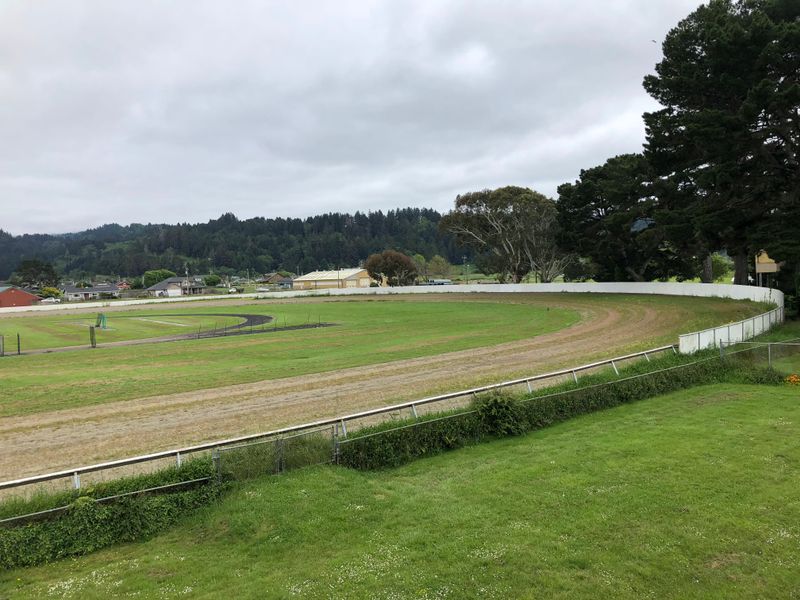
Since 1896, Ferndale has hosted the Humboldt County Fair every August. This old-fashioned agricultural fair celebrates the region’s farming heritage with livestock competitions, carnival rides, live music, and enough fried food to require stretchy pants.
Fairgrounds at the edge of town transform into festival central for nearly two weeks.
4-H and FFA kids show cattle, sheep, pigs, and other animals they’ve raised throughout the year. These competitions represent serious business for young farmers learning their trade.
Watching a teenager expertly handle a massive steer demonstrates skills city kids rarely develop.
Rodeo events bring professional cowboys and cowgirls to compete in traditional western sports. Bull riding, barrel racing, and roping competitions thrill audiences in the grandstands.
The rodeo atmosphere feels authentically rural rather than manufactured for tourists.
Carnival midway rides, games, and food vendors provide classic fair entertainment. Local organizations run food booths as fundraisers, serving everything from barbecue to berry pie.
Live bands perform on multiple stages throughout the fair’s run.
Attending the fair immerses you in genuine agricultural community life. This isn’t a tourist attraction—it’s a real county fair where locals celebrate their heritage and way of life.
Small-Town Charm Without Tourist Traps
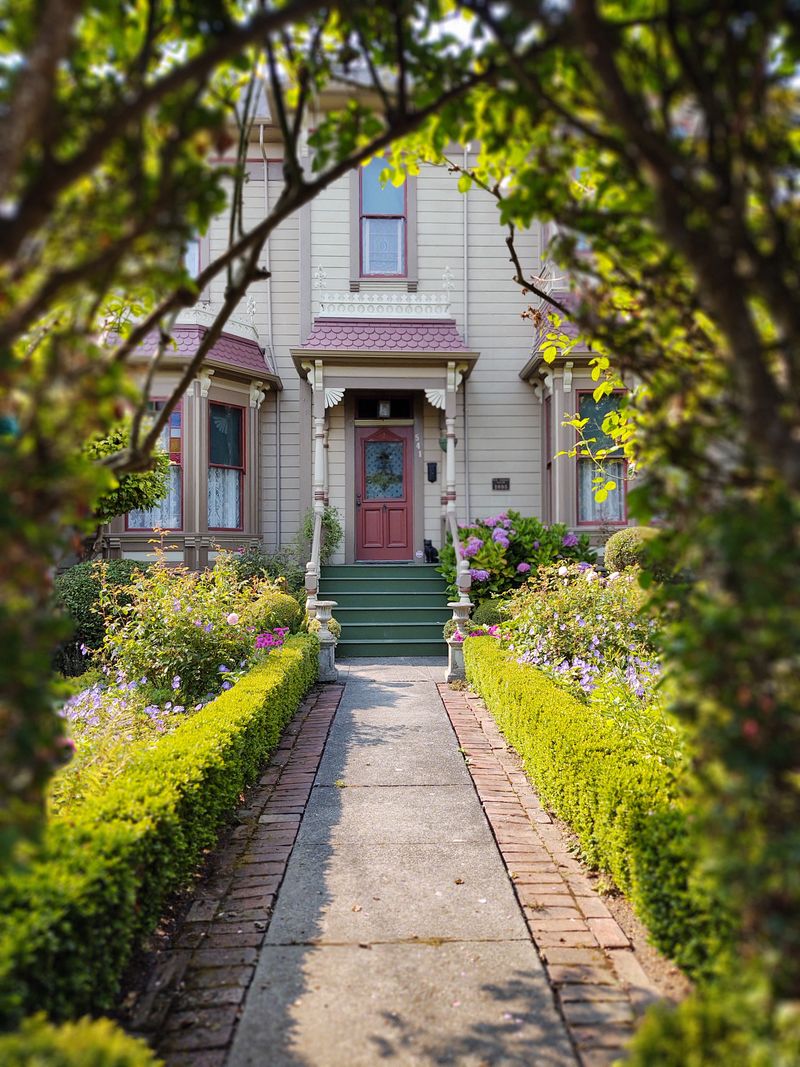
Ferndale somehow maintains authenticity despite its obvious tourist appeal. You won’t find tacky souvenir shops selling plastic junk or restaurants with inflated prices for out-of-towners.
The town functions as a real community where actual people live and work, not a theme park pretending to be a village.
Local businesses serve residents first and visitors second. The grocery store, hardware store, and pharmacy operate for community needs rather than tourist demands.
This practical foundation keeps Ferndale grounded even as visitors arrive to photograph its Victorian splendor.
Residents take justifiable pride in their town without becoming precious about it. They’ll chat with visitors, offer directions, and share local knowledge freely.
The friendly atmosphere feels genuine because it is—people here generally enjoy living in a special place and don’t mind others appreciating it too.
Preservation efforts focus on maintaining character rather than creating a frozen-in-time museum. Buildings serve modern purposes while respecting historical integrity.
This balance between past and present keeps Ferndale alive rather than embalmed.
Visiting during weekdays reveals the town’s authentic rhythms. School buses run, people go to work, and daily life unfolds normally.
The Victorian setting simply provides an unusually beautiful backdrop for ordinary small-town existence.
Share this story