Some songs slip into your life so completely that you forget where they came from. You hear three notes, and suddenly the lyrics tumble out like muscle memory.
But ask who recorded it, and the name hovers just out of reach. Let’s revisit those sing-along staples and finally give the artists their due.
1. Hooked on a Feeling – Blue Swede
The chant lands first, ridiculous and perfect. Before logic can argue, the rhythm snatches you, and resistance melts into a grin.
You sing along like it is a reflex learned in childhood.
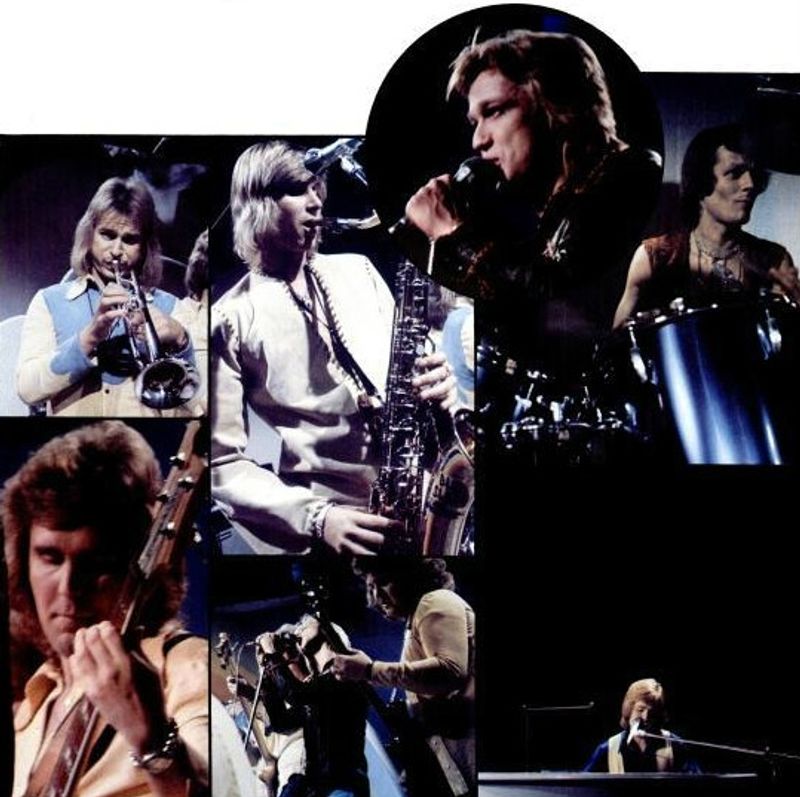
Blue Swede’s 1974 cover is the version most people know, though the band name blurs in the rush. The chant became the star, racing past the credit line in neon sneakers.
It is sugar-shot pop with surprising precision, every handclap locked like a puzzle piece.
Let yourself lean into the nonsense. That is the secret: total commitment turns silliness into triumph.
Ask around at a party, and half the room knows every word while the artist’s name stays just out of reach.
2. Magic Carpet Ride – Steppenwolf
This riff smells like gasoline and escape. It rumbles open, wide and untamed, and everything in front of you turns into a horizon.
Your foot taps harder than you planned, chasing the engine’s hum.
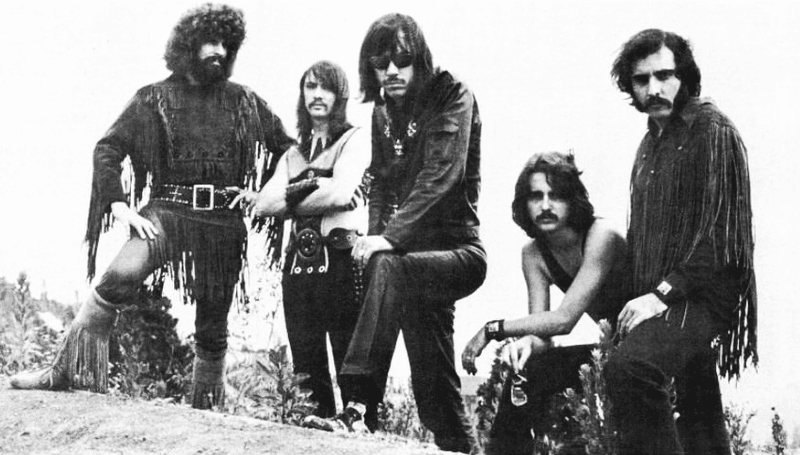
Steppenwolf gets remembered for another anthem, but this 1968 burner carved its own freeway in culture. It is cinematic shorthand for go now, ask later.
Movies love it because the first bars feel like a green light.
When it kicks on, stopping seems rude. The groove knows exactly how fast you want to be going.
If the artist’s name blurs at the edge of memory, the feeling never does.
3. Afternoon Delight – Starland Vocal Band
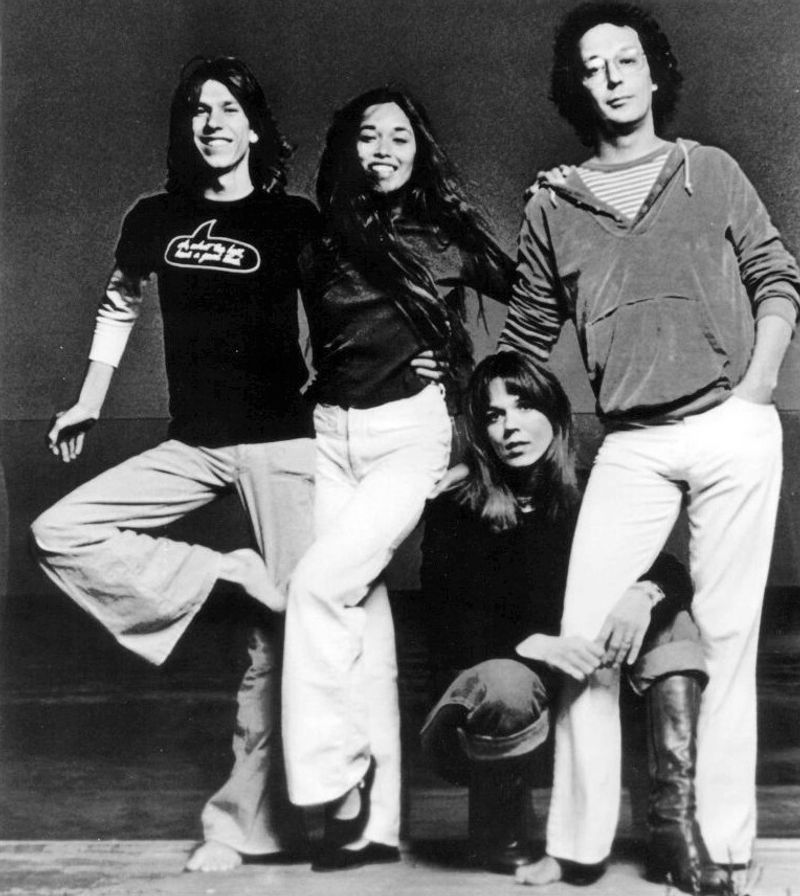
The harmonies arrive like a church picnic. Everything sounds tidy and bright, the kind of clean-tone singing that suggests lemon bars and polite conversation.
Then the lyrics smuggle in a private grin, and you realize the joke is hiding in daylight.
Starland Vocal Band shocked radio in 1976 by turning innuendo into sunshine. It climbed straight to number one, a feather-light rocket powered by perfectly stacked voices.
The group name rarely sticks, but the chorus refuses to leave.
You laugh, you hum, you maybe blush a little. The charm is how gently it misbehaves.
By the last refrain, you are fully in on it, even if you could not name the band without help.
4. Bad Moon Rising – Creedence Clearwater Revival
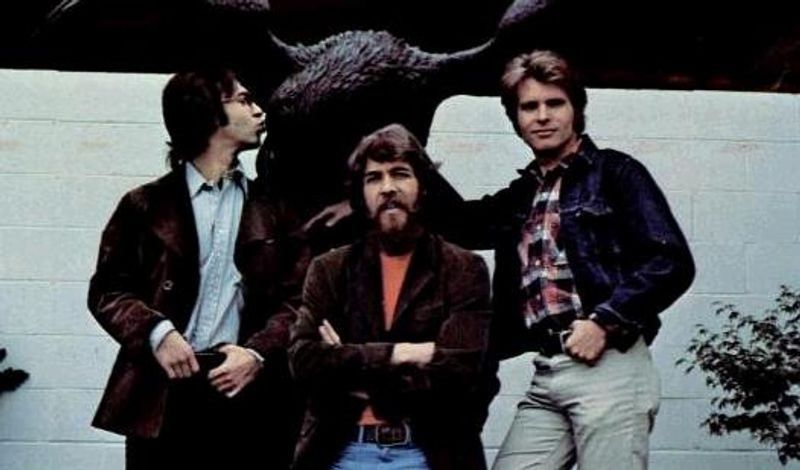
Bright and bouncy, but carrying weather in its pocket. You beam while singing about trouble, a cheerful apocalypse set to front-porch strumming.
It is the friendliest warning you will ever shout along with.
Creedence Clearwater Revival released it in 1969, and misheard lines helped its legend grow. Road trips claim it, bars crown it, and baseball stadiums love its stomp.
The melody works like a lighthouse, cutting fog regardless of mood.
Names blur, but this chorus never misses. You might laugh at the mistaken lyrics, yet the rhythm still hustles you forward.
By the final chord, you are convinced doom can be danced through.
5. The Lion Sleeps Tonight – The Tokens
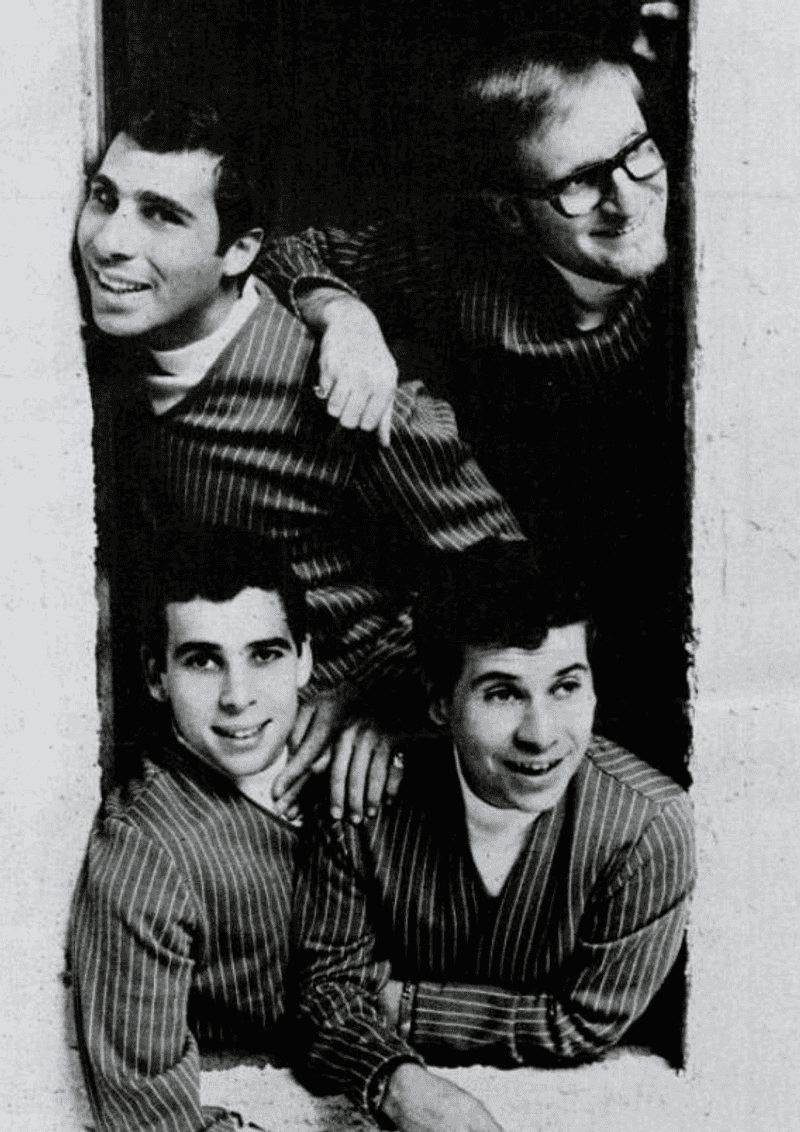
Falsetto reaches for the ceiling while everyone else stacks harmonies beneath. The nonsense syllables arrive like childhood itself, easy to learn and impossible to forget.
It turns any room into a campfire circle.
The Tokens took this to number one in 1961, even as the song’s deeper roots stretched far beyond. Pop culture polished it into a universal lullaby.
Kids know it before they know multiplication, and grownups never quite outgrow the grin.
Ask who sang it and watch the pause. Then the chorus returns, and names stop mattering again.
Some songs are bigger than the spine on the record sleeve.
6. Don’t Fear the Reaper – Blue Öyster Cult
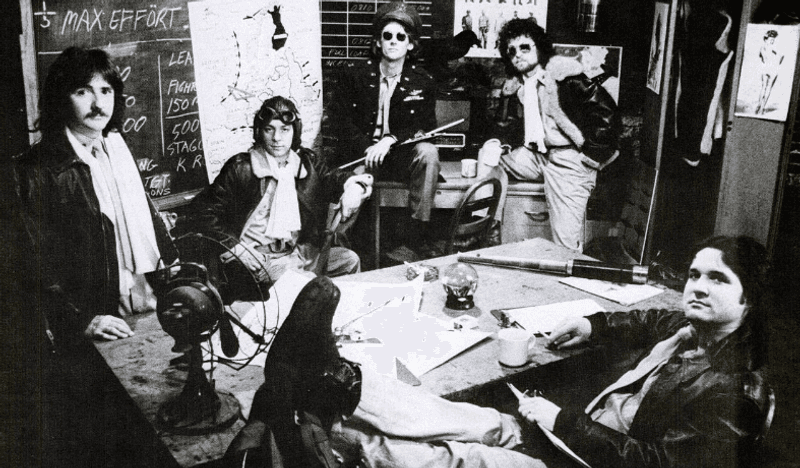
The riff slides instead of punches. It feels serene, almost tender, even while chasing mortality around the room.
You nod along, realizing the calm is the point.
Released in 1976, it later earned comedic immortality thanks to a certain sketch. The joke never erased the craft: layered guitars, soft urgency, and a chorus built for midnight drives.
The band name still trips people, umlauts and all.
Let the groove carry the fear away. It is not doom so much as acceptance, set to a gentle gallop.
When the final notes fade, you feel strangely lighter.
7. Brandy (You’re a Fine Girl) – Looking Glass
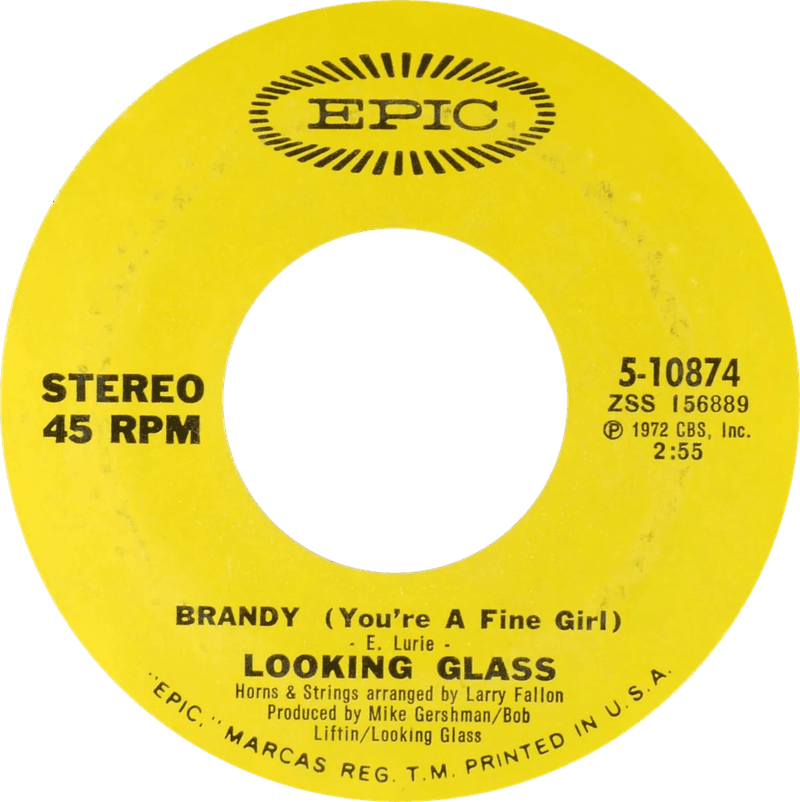
This one feels like a movie you have already seen. The story unfolds in a harbor town, where a smiling barmaid waits for someone who always sails away.
You know the chorus by heart, shouted across cookouts and road trips, yet the band’s name slips by unnoticed.
Looking Glass took it to number one in 1972, a clean narrative floating over chiming guitars. The details are so vivid you can picture the bracelets and the harbor wind.
It is soft rock with a backbone, sentimental without going sticky.
When it finds you, late afternoon sunlight seems to warm the room. You hum along before the first verse finishes, tasting salt and summer.
Next time someone asks who sang it, you will finally have the answer ready.
8. Sweet Caroline – Neil Diamond
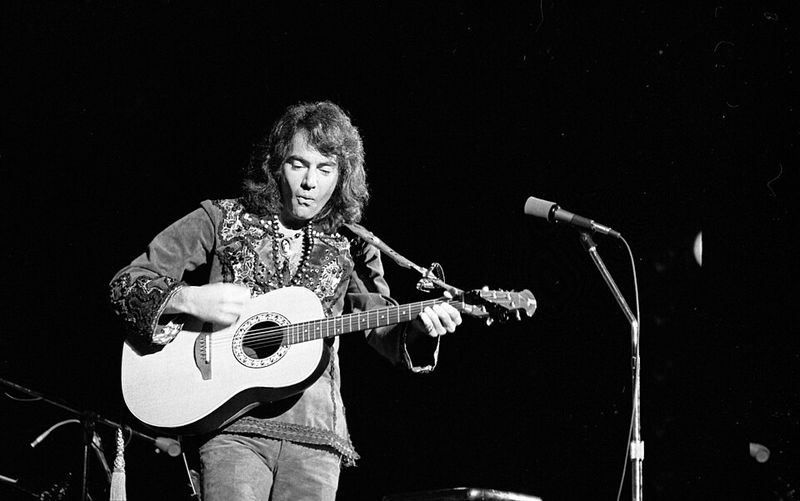
Three notes and strangers become a choir. You do not plan it, you just join, like muscle memory learned at countless games and weddings.
It is ritual wearing pop clothing.
Neil Diamond dropped it in 1969, and the hook burrowed into every communal space. People hesitate on his name more than the chorus, which practically sings itself.
The bounce is engineered for big rooms and bigger smiles.
You can almost hear clinks of glasses as the refrain rolls in. Traditions need anchors, and this one never slips.
By the last call-and-response, you are family with the whole crowd.
9. A Horse with No Name – America
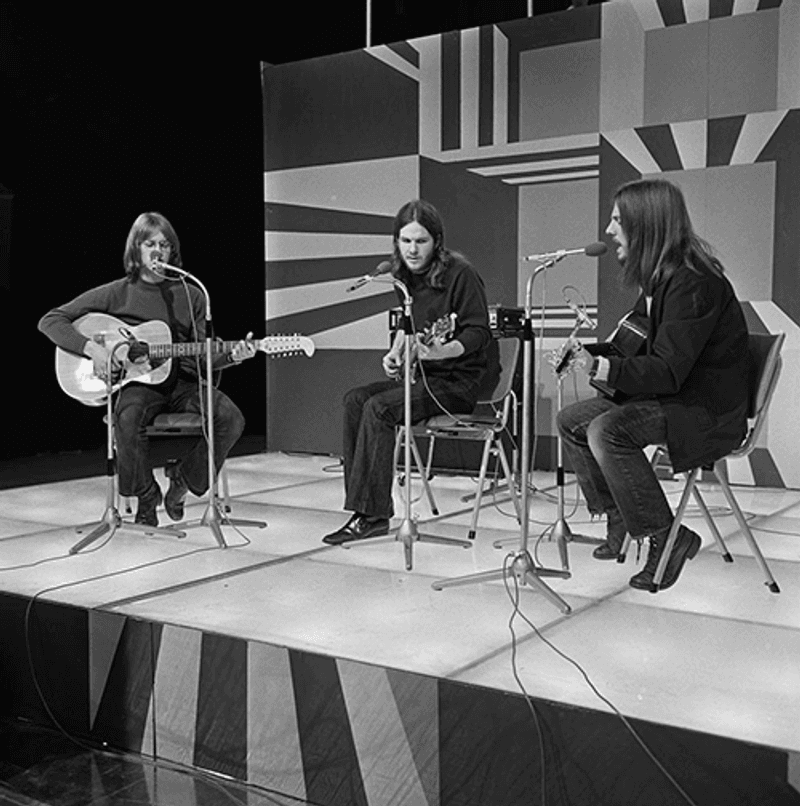
The rhythm barely moves, like a mirage refusing to hurry. Sparse words stack into a dusty horizon, and you feel the sun even indoors.
It is drifting made musical.
America took it to number one in 1971, and confusion followed. Some listeners swore it was Neil Young.
The illusion stuck because the vibe is that convincing: understated, dry, stubbornly calm.
Let the sand shift under your feet. The chorus is more of a landscape than a line.
By the end, you feel oddly refreshed, as if the quiet itself gave you shade.
10. We’re an American Band – Grand Funk Railroad
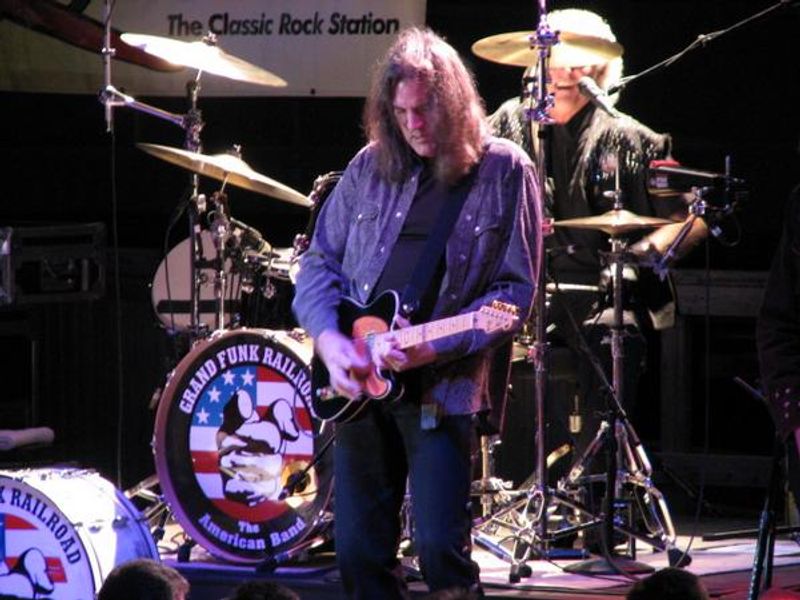
The drums announce the party before the lyrics unlock the door. Everything hits hard, like the first cold sip on a too-hot afternoon.
It is road-dusted and loud, unapologetically so.
Grand Funk Railroad snagged their first number one in 1973 with this declaration. The song became bigger than the band’s already hefty reputation, a calling card for weekends that start early.
You recognize it by the thump alone.
It is not subtle, and that is fine. Sometimes you want a chorus that kicks in the door and high-fives the room.
Try naming the artists mid-shout and you might miss the downbeat.
11. Crimson and Clover – Tommy James and the Shondells
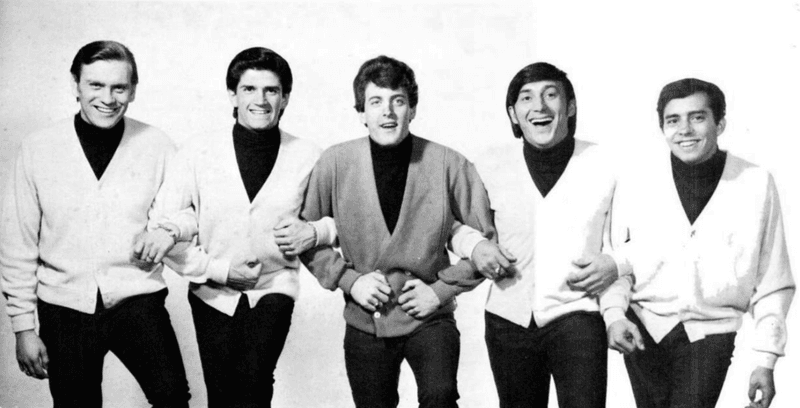
The tremolo makes the room shimmer. It is like the song is breathing in color, suspended between beats.
You sway without deciding to, leaning into a dream that never quite resolves.
Tommy James and the Shondells topped charts in 1968 with this hazy experiment. The sound overshadowed the name, as if the effect itself signed the label.
It remains a masterclass in letting texture lead.
Close your eyes and your heartbeat might sync to the pulse. The chorus lands like velvet electricity, gentle but undeniable.
Try to pin down the artist, and the shimmer slides away again.
12. Ventura Highway – America
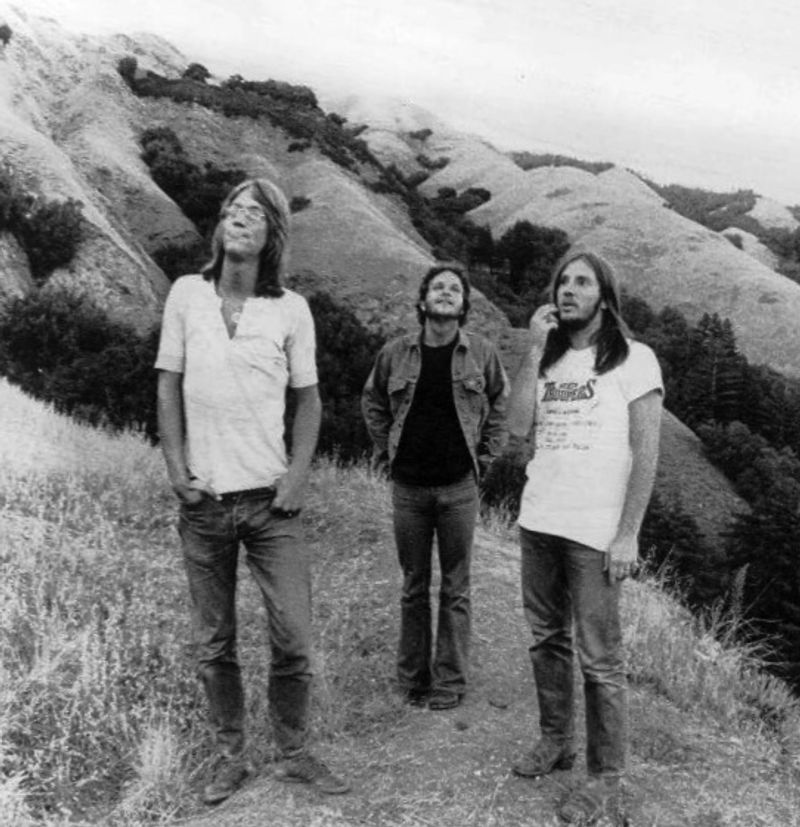
Harmonies slide like sunlight across polished chrome. Everything feels weightless, as if the tires barely touch the road.
You do not chase the chorus so much as float into it.
America released it in 1972, and it quietly became permanent. Radio loves it, road trips claim it, and memories braid themselves around its easy glide.
The tune stayed while credit blurred.
Roll the windows down and let it do what it was built to do. You arrive calmer than you left, even if the miles barely happened.
The name might hide, but the breeze is unforgettable.
13. The Spirit of Radio – Rush
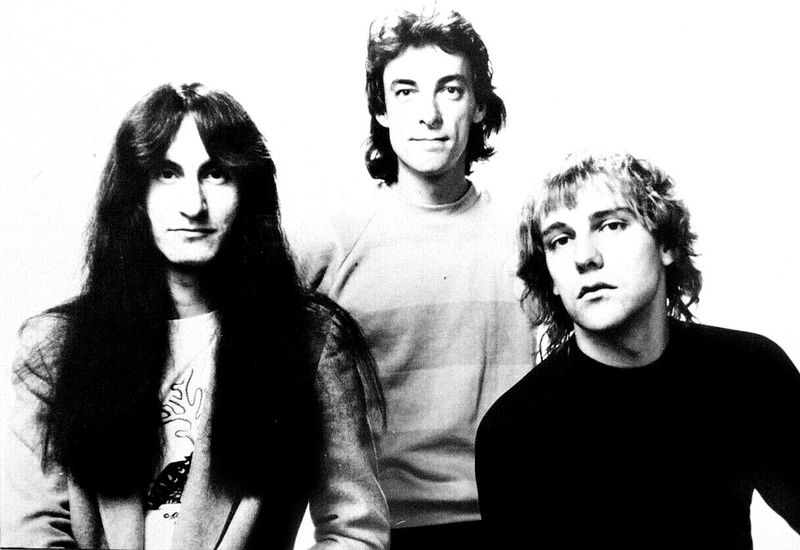
The opening riff crackles like a live wire. Drums dance, bass coils, and suddenly the world is brighter than a coffee can manage.
It is a love letter to the thing that beams songs into your day.
Rush celebrated radio itself in 1980, stitching complexity to joy. Some remember the chorus without nailing the artist, but the musicianship leaves fingerprints on your pulse.
It is precision that still smiles.
Turn it up and feel gears lock into place. The chorus lifts, the verses sprint, and you are carried along happily.
When silence returns, the room feels larger.
14. Take Me Home, Country Roads – John Denver
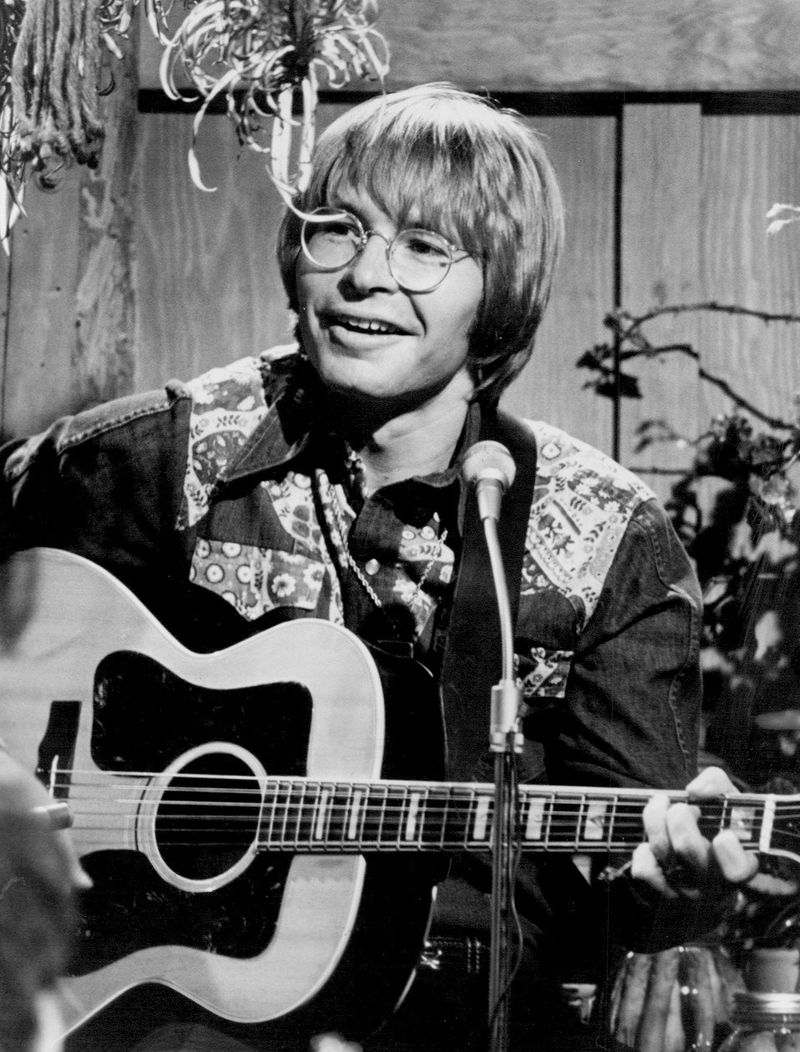
The opening line lands like a handshake. Before the chorus, you are halfway home, wherever that is for you.
It is communal property now, sung by strangers who suddenly feel related.
John Denver released it in 1971, and the melody never left public life. Names sometimes slip, but the song is stitched into weddings, campfires, and long drives.
It feels like a shared photograph everyone carries in the same pocket.
By the final chorus, your throat tightens with a gratitude you did not expect. Home is an echo, and this track knows how to find it.
Say the artist out loud, then let the road sing back.
15. Brown Eyed Girl – Van Morrison

The first guitar lick opens a scrapbook. You smell summer grass, hear laughter by a creek, and remember names you have not said in years.
It is instant nostalgia, perfectly tuned.
Van Morrison released it in 1967, and it feels casually immortal. The chorus arrives like a childhood address, easy to recall even after decades.
People hum it without thinking, which is the point.
Every party has a moment when this would fix everything. The words return on cue, and the room relaxes.
If the artist’s name hesitates on your tongue, the smile does not.
16. American Pie – Don McLean

An eight-minute folk odyssey that somehow never feels long. You ride verse after verse like pages in a national diary, humming even when the exact words slip.
The chorus is a campfire you can spot from the highway.
Don McLean released it in 1971, reflecting on a tragedy and everything it set in motion. The storytelling turned private grief into public memory.
People remember the lines but often fumble the credit, which makes sense for a song this communal.
By the final refrain, you feel spent in a good way. It is farewell and celebration braided together.
Next time, give the artist his name before you sing it loud.
17. Spirit in the Sky – Norman Greenbaum
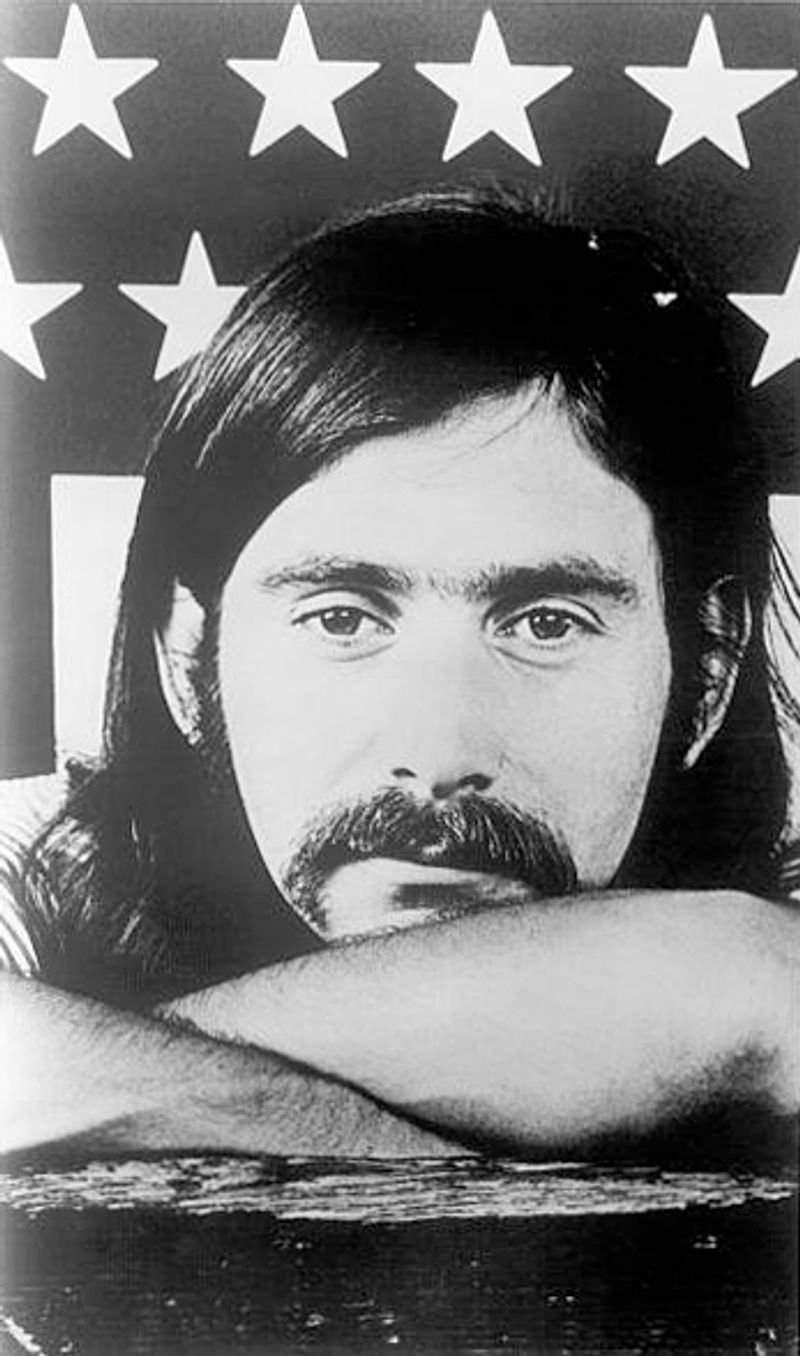
A fuzzed-out guitar points upward while the beat stomps in dusty boots. It is rock stitched to gospel, catchy enough to feel like a handshake at the gate.
You know the riff before you know why.
Norman Greenbaum cut this in 1970, and it keeps resurfacing in movies and commercials. The hook is indestructible, chunked into memory with joyful insistence.
Names fade, riffs do not.
Turn it up and feel the room brighten. The chorus is a promise sung with a grin.
When someone asks who did it, you will finally have the answer ready.
18. 99 Luftballons – Nena

Synths sparkle while a skyful of balloons drifts into trouble. The melody is bright on purpose, disguising a story that darkens as it floats.
You can sing it in German or English and still feel the sting.
Nena’s 1983 hit became a global earworm, a pop postcard from the Cold War. People remember the balloons but not always the band name, especially across translations.
The beat is candy, the message barbed wire.
It is proof that a catchy chorus can carry a warning without losing its shine. By the final lines, you are humming and thinking, both.
That balance is why it never quite leaves.
Share this story