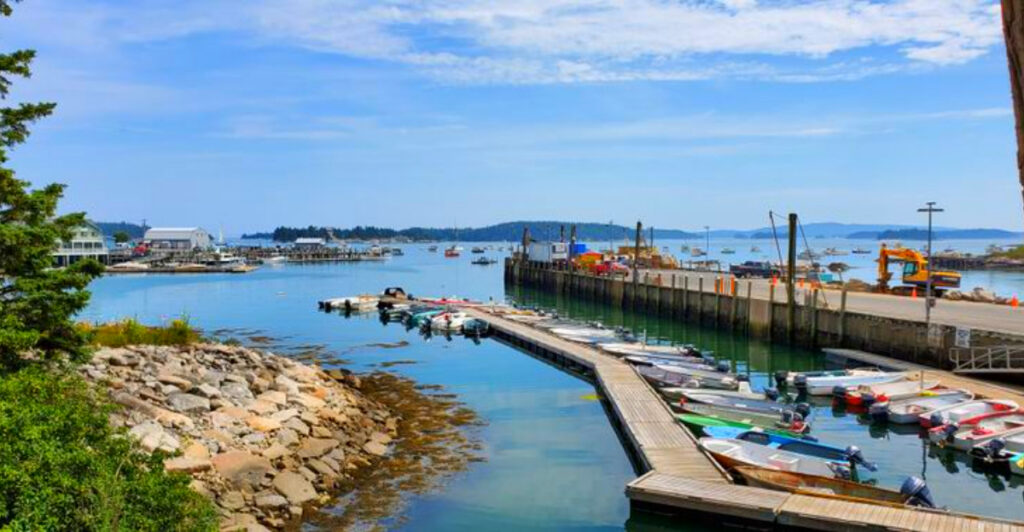
You arrive at the end of the road and the ocean greets you with the quiet clink of lines against masts. Stonington does not perform for visitors, it gets on with the tide, and you get to watch.
The air smells like spruce and bait, and there is always a gull arguing with the wind above the granite. If you want a place that feels real, this working harbor on Deer Isle will meet you exactly where you stand.
First Light On The Working Harbor
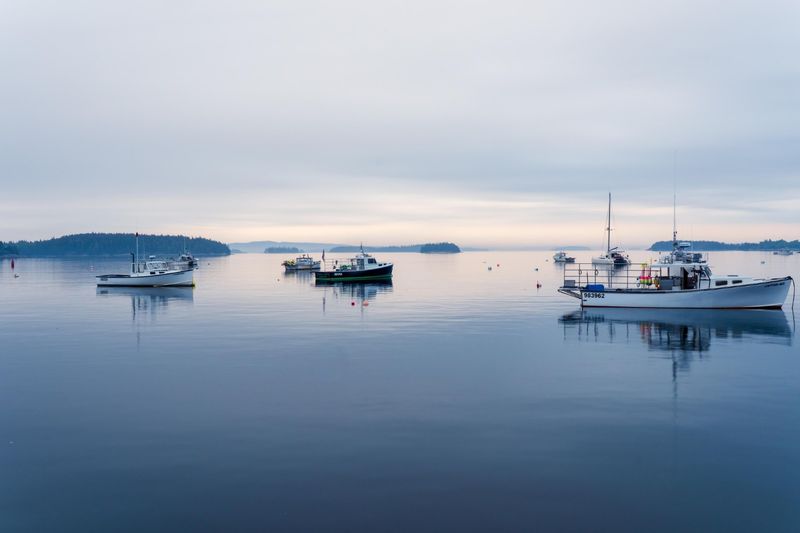
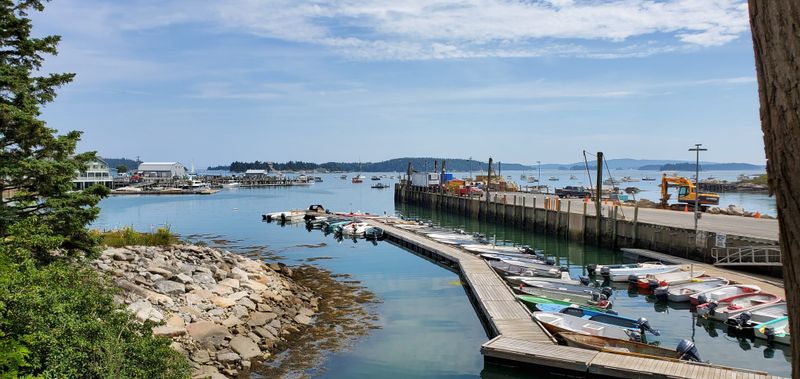
At dawn, the harbor wakes in a soft rattle of chains and a cough from a diesel engine. Lobster boats sit low, their decks squared with wire traps, buoys braided like candy strings.
The day moves in steps here, first a gull’s cry, then the slow churn of a hull pushing through the tide, then coffee steam ghosting out of a wheelhouse window.
You can feel the cool granite through your soles if you stand on the landing long enough. The bait smell is sharp but not rude, a promise of work more than a warning.
By seven, the boats are arrowing past the breakwater, rigger poles like pencil marks against a pale sky.
I love watching the skippers wave without ceremony, a flick of glove and attention back to the chartplotter. Stonington lands the largest lobster haul in Maine by value, a fact locals mention only when asked.
It explains the hum, the steady rhythm that writes itself across the water. You sense time here is pegged to tides, not clocks.
Granite Bones And Island Streets
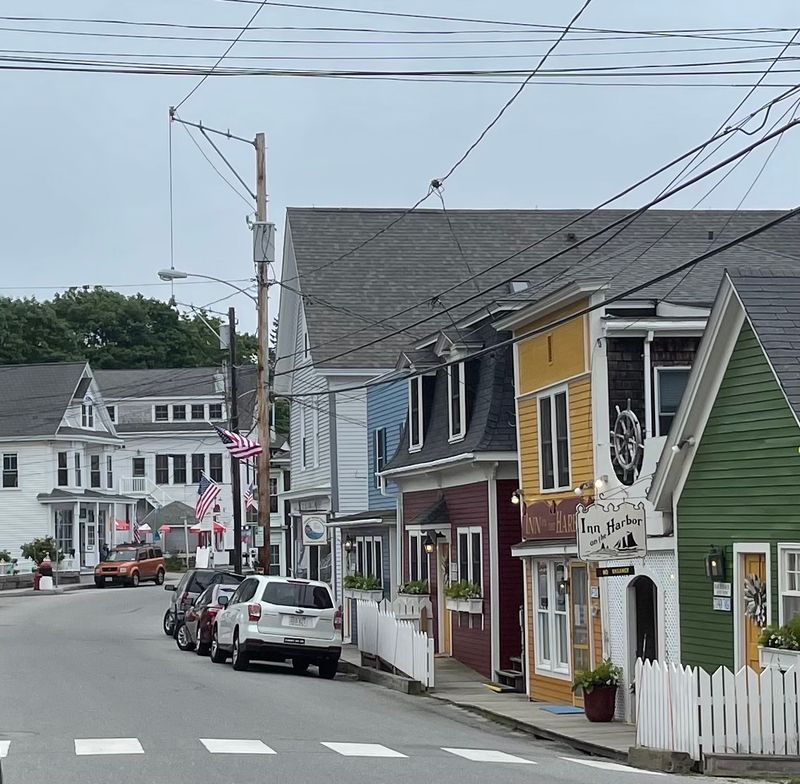
The town sits on granite, and you feel it in the way the streets tilt, kink, and settle into the island’s ribs. Old quarries carved Stonington’s bones, and granite blocks still hold up stoops and seawalls with stubborn grace.
Shingled houses wear salt like freckles, window boxes push out geraniums that survive on fog and grit.
Walk Main Street and notice the hand-painted signs: a gallery in a former bait shed, a cafe that closes early on boat launch days. There is no pretense, just rooms adapted to fit the work of the week.
The post office line is neighbors swapping tide notes and parts requests.
Stone once left here for cities like New York and Boston, an export that shaped skylines far from this cove. Now the granite is mostly memory underfoot, but it anchors how people move.
When fog slides in, the road shines, and you can hear boots on steps before you see anyone. The town’s scale keeps you honest.
Lobster Truth: From Trap To Table
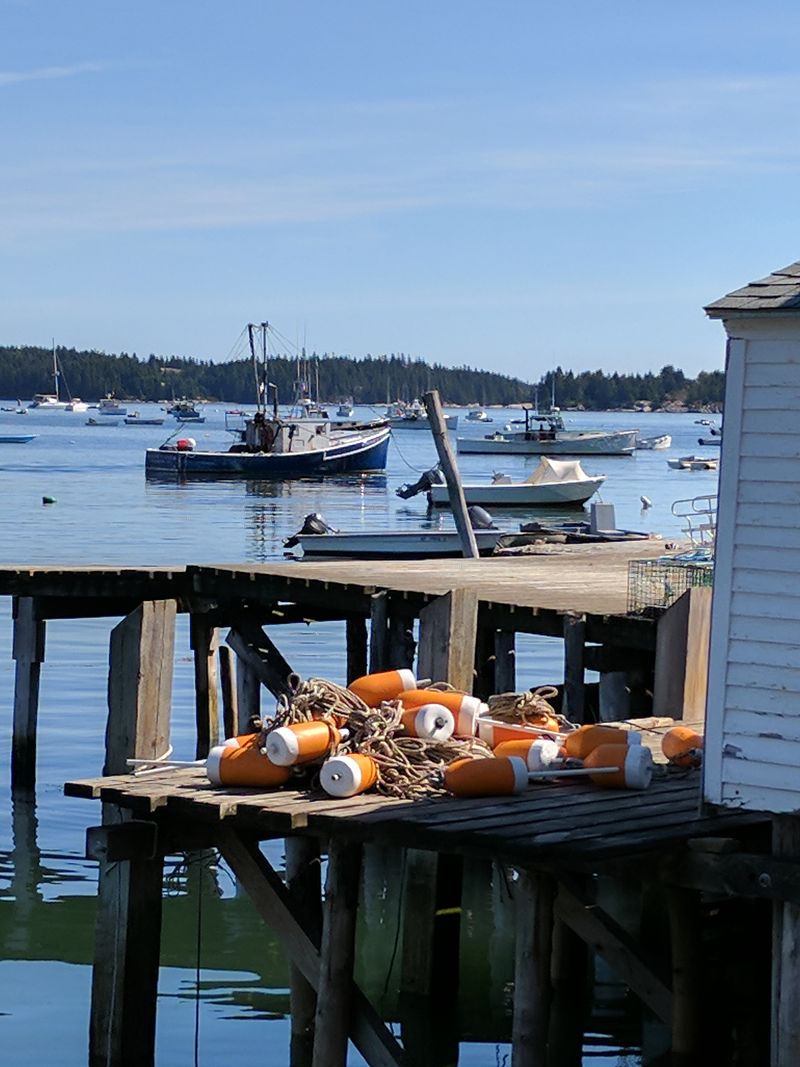
Watch a sternman haul and you understand dinner differently. The trap comes up draped in seaweed, a thunk on the rail, then quick hands measure shell and notch v-notched breeders before the keepers slide into a crate.
Buoys knock together like wooden bells while gulls yell their impatience.
Onshore, a co-op scale ticks up with wet-shelled weight. Prices move with weather, fuel, and supply, but the quality is almost unfair.
According to the Maine Department of Marine Resources, statewide lobster landings topped 100 million pounds in 2023, with Stonington among the highest value ports.
Order a steamed lobster at a dockside shack and you will taste cold water and patience. Butter is optional if you crack into a knuckle still steaming, sweet as sugar kelp.
You learn to twist, pull, press, and sip, a small choreography passed along at picnic tables. The shells pile, the paper tray shines with brine, and the conversation slows to satisfied grins.
Isle Au Haut: The Wild Neighbor
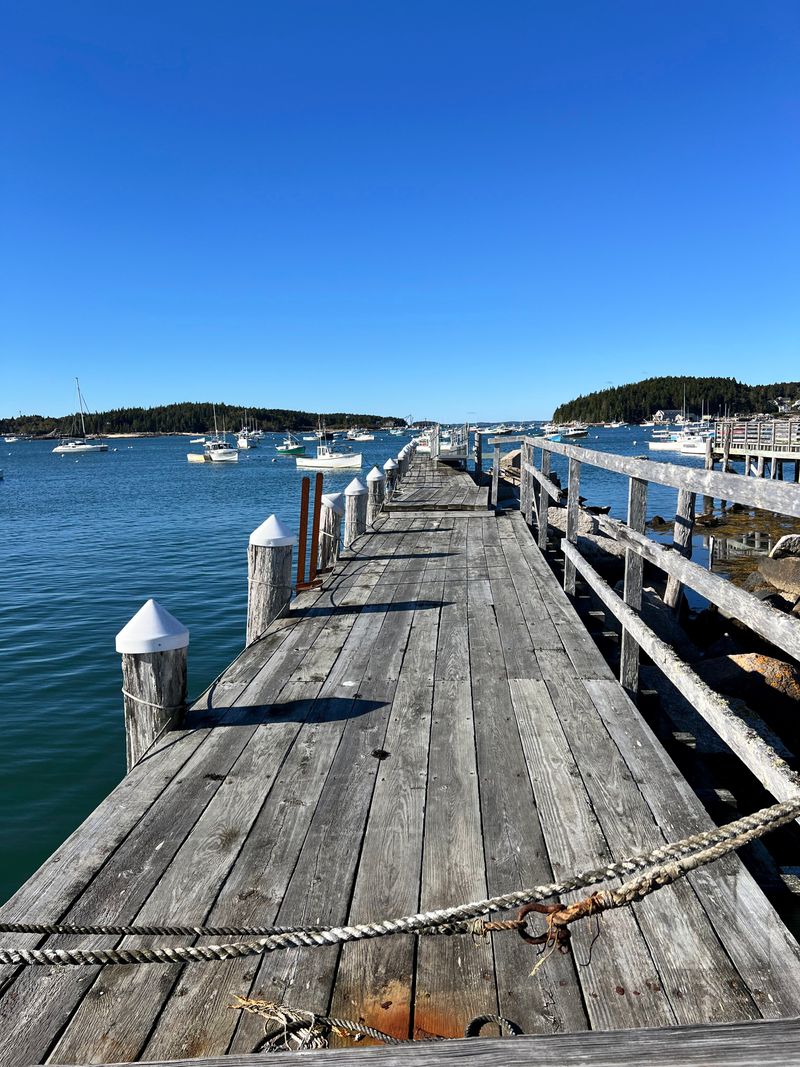
From the town float, the mail boat noses toward Isle au Haut, carrying groceries, drywall, and a few hikers who checked the schedule twice. The ride is short but feels like a hinge, mainland habits swinging off behind you.
Spruce crowd the shoreline there, and trails smell like resin and wet stone.
This corner of Acadia is quieter than Mount Desert, a place where ravens puzzle and your boots do the loudest talking. You can trace a ledgy loop and not see another person for an hour.
Fog can slide in quick, so bring a map and a respect for edges.
Back in Stonington, the harbor looks busier after the stillness. The connection matters, a working line between town and park that keeps both honest.
Reservations and ferry timings change with season, so check them before setting out. If you crave wilderness without fanfare, this is your door.
Tide Charts And Quiet Skills
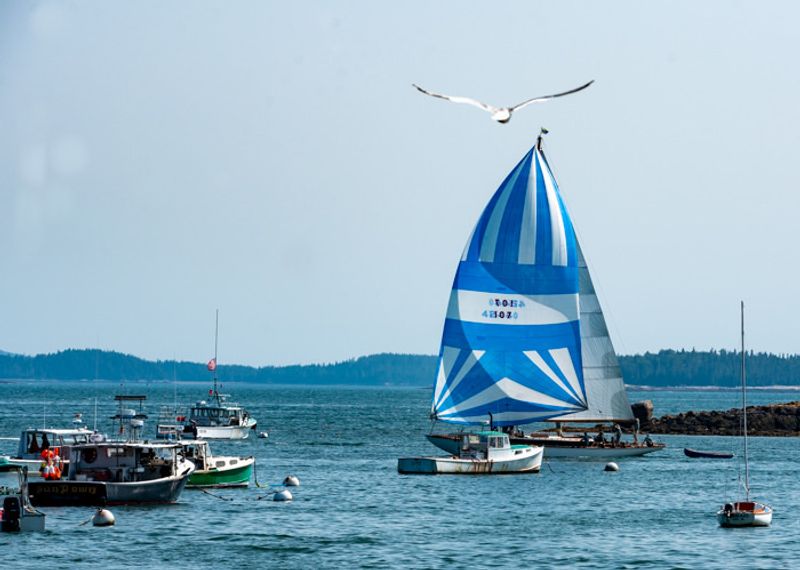
In Stonington, you learn to read by water. A paper tide chart lives folded in glove compartments and galley drawers, edges soft from use.
Locals talk in windows: two hours after high, slack near the ledges, watch the set through the Thorofare.
The Deer Isle Thorofare funnels wind with a trickster’s grin. Kayakers wait for kinder flows, and skippers trim throttle to match the push.
It is not dangerous if you pay attention, absolutely rude if you do not.
These small skills add up to comfort. You time a shoreline walk to catch the bar exposed, cross in boots, and return dry.
You land a picnic on a pocket beach that disappears by dinner. Even your grocery run turns strategic, parked to dodge the noon backup at the co-op.
The town rewards awareness with ease.
Galleries In Former Bait Sheds
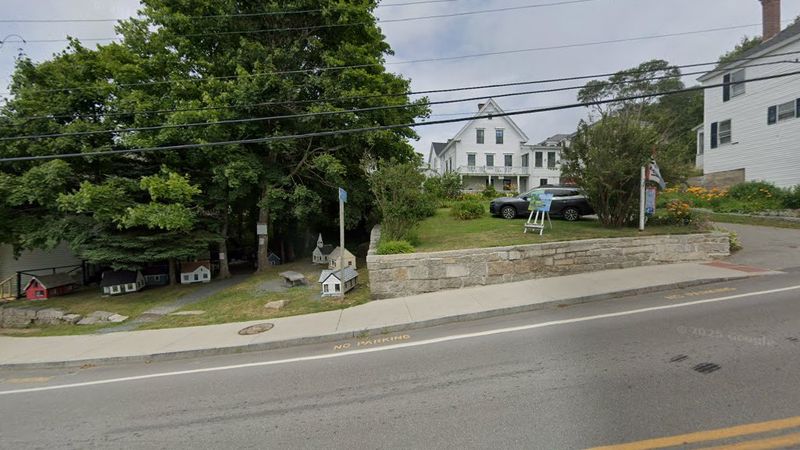
Art in Stonington smells faintly of salt and primer. Galleries slip into old sheds, whitewashed and spare, the floors still scuffed from years of boots.
You find watercolors that actually understand fog, granite studies that catch the iron tint before rain.
Conversations run easy, half about paint and half about weather. Someone will point with a chin at the harbor view that inspired a piece, then tell you where to stand at 4 p.m. when the light turns brass.
Prices include stories, which seems fair.
The summer theater seasons add a little voltage, yet the tone stays neighborly. You can buy a postcard or a large work and nobody performs a hard sell.
What lingers is the sense that creativity grew here for practical reasons: long winters, exacting light, and honest critique from friends who fish at dawn. The result feels grounded and bright.
Quarry Trails And Glassy Ponds
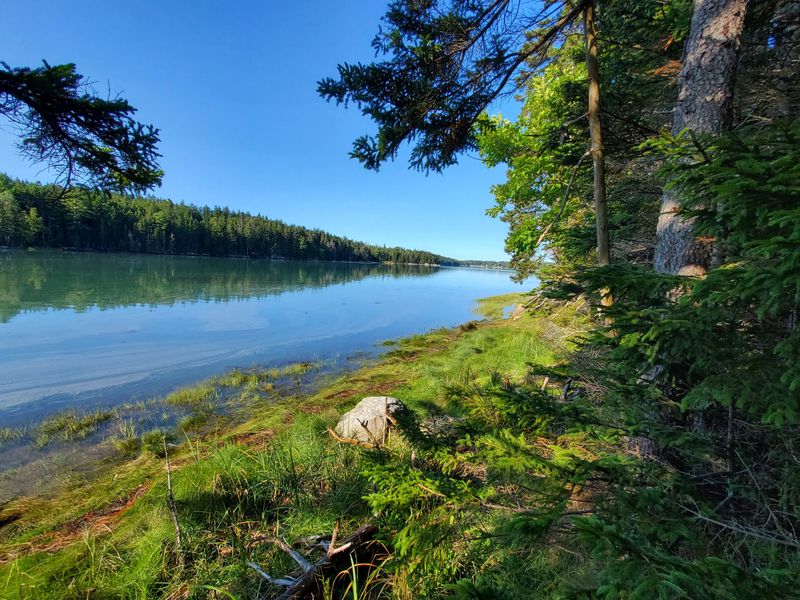
Step inland and the island changes voice. Old granite quarries hold green water that mirrors pine boughs and the thin scratch of swallows.
Trails thread through blueberry barrens, the shrubs low and sweet under October’s sharp light.
Walk the Island Heritage Trust paths and you will meet boardwalks made by patient hands. Granite shards glitter in the dust like old coins.
A breeze pulls resin from the spruce and the pond surface ruffles in rings.
I like how the quarry walls keep sound close. A footfall pops, then softens, and your breath folds back toward you.
The islands seen from the harbor are dramatic, but these tucked places tell the backstory of the stone that built them. Bring water, long sleeves for ticks, and a pocket for a legal handful of windfallen blueberries.
You will not notice the miles until you stop.
Dock Coffee And Boat Talk

Morning coffee here comes with tide updates. A window opens toward the dock, and the line is a mix of oilskins, hikers, and a dog that knows everyone.
The beans taste darker with sea air, and the lids never quite snap because the cups warm your hands too fast.
Conversations move in short waves. Wind from the southwest by noon, diesel prices up a hair, traps needing a patch after yesterday’s snag.
You listen, learn, and pocket a fresh sense of what matters today.
Food is not fancy but it is precise: a breakfast sandwich that drips just enough, a cinnamon roll with the right crunch before the soft. If you stand under the eave, you can watch boats back off their moorings between sips.
By the second morning, the barista remembers your order and where you parked. That sort of small memory feels like welcome.
Weather As Entertainment
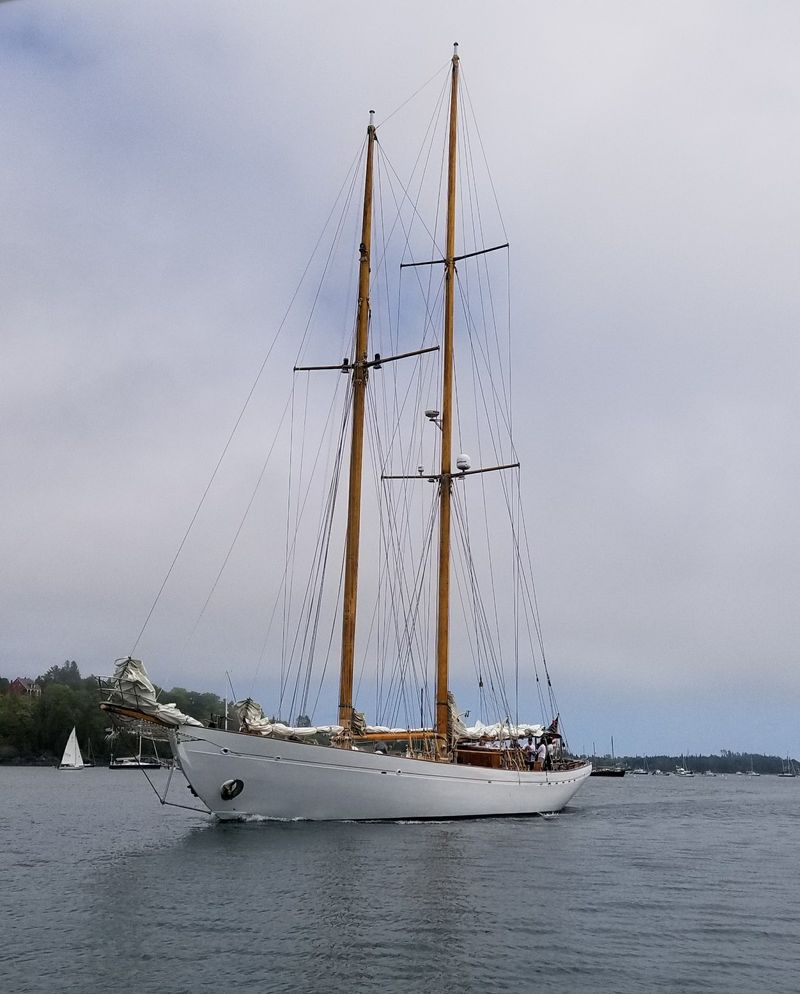
In Stonington, weather is the day’s best show and sometimes the main character. A fog bank can roll in like a curtain, swallowing Mark Island Light and leaving only bell notes.
Ten minutes later, a sun shaft cuts the gray and paints a single wheelhouse white as bone.
Locals track more than temperature. They read cloud height over Isle au Haut, count whitecaps in the Thorofare, and feel southeasterlies in their wrists.
The NOAA marine forecast becomes bedtime reading for anyone with plans on the water.
It is not drama for its own sake. Weather wrote the town’s schedule long before apps, and it still decides launch times, laundry days, and when to fire up a boil.
When the barometer drops, windows latch and conversations shorten. When it rises, porches collect chairs and extra mugs.
You start to plan like that too, and vacations feel smarter for it.
Practical Notes For Savvy Visitors
Reaching Stonington means committing to the last miles. Cell coverage can sputter on island curves, so download maps and ferry details in advance.
Lodging books early for July and August, but shoulder seasons bring quieter docks and lower rates without losing the harbor’s pulse.
Bring layers and a rain shell even in July. Boots beat sneakers on granite and docks.
Cash helps at small stands, and patience helps everywhere. Respect working zones and keep clear of coils and forklifts on the pier.
For data minded travelers, Hancock County’s 2020 census pegged Stonington’s population near 1,056, a scale you will feel on every errand. That smallness is the gift.
Spend on local goods, tip like your return depends on it, and wave when a truck pauses on a narrow bend. You are part of the traffic plan now, and it works.
Share this story