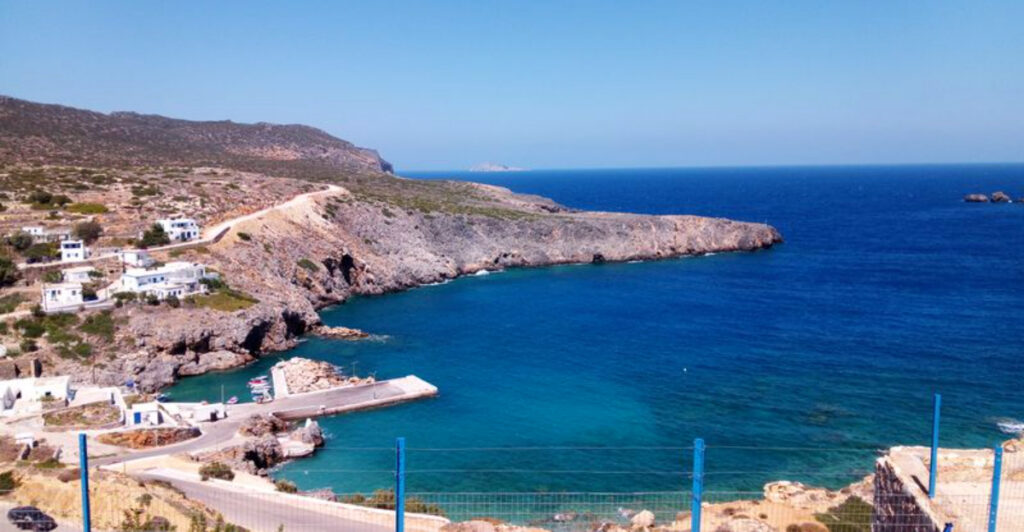
A remote Greek island with barely two dozen year-round residents is making an unusual offer to keep its community alive. The goal is not more tourists or viral attention.
The place is Antikythera, a small island between Crete and the Peloponnese. Local leaders want a handful of families to settle in, put down roots, and help the island function year-round.
In return, newcomers can receive housing support and financial help as they get established.
1. Antikythera is tiny and that’s the whole point
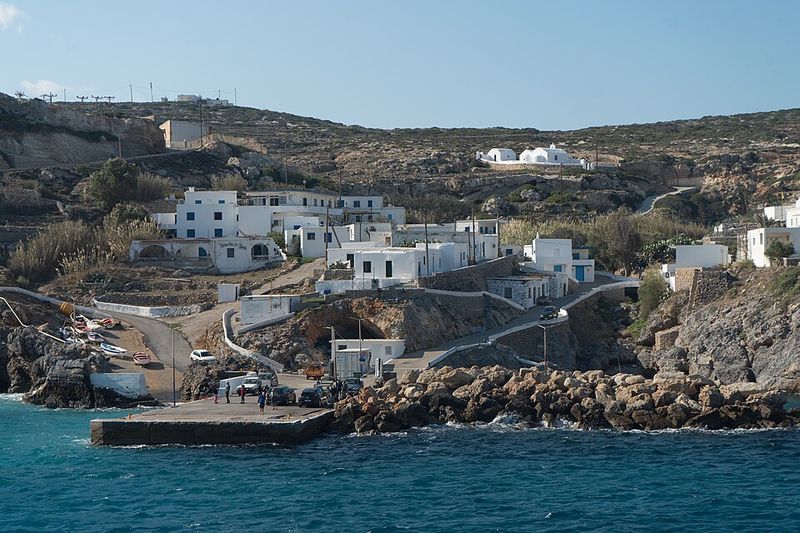
Small doesn’t begin to cover it. Antikythera hosts roughly 24 permanent souls during winter, swelling to maybe 40 when summer brings a few more brave hearts back to ancestral homes.
This isn’t a place where you blend into crowds or disappear into anonymity.
The isolation is deliberate, not accidental. Officials aren’t trying to transform Antikythera into Santorini 2.0 with sunset selfie spots and infinity pools.
They want people who understand that smallness creates intimacy, responsibility, and a different rhythm of life entirely.
Every face becomes familiar within days. Your neighbor isn’t just someone who lives nearby but someone whose skills, quirks, and presence matter to the island’s survival.
When the baker takes a day off, everyone notices.
This scale means your family won’t just occupy space. You’ll reshape the demographic makeup instantly, especially if you arrive with four kids who suddenly triple the school-age population.
That’s not pressure, that’s purpose built into the landscape itself.
2. It sits between major destinations but lives a completely different life
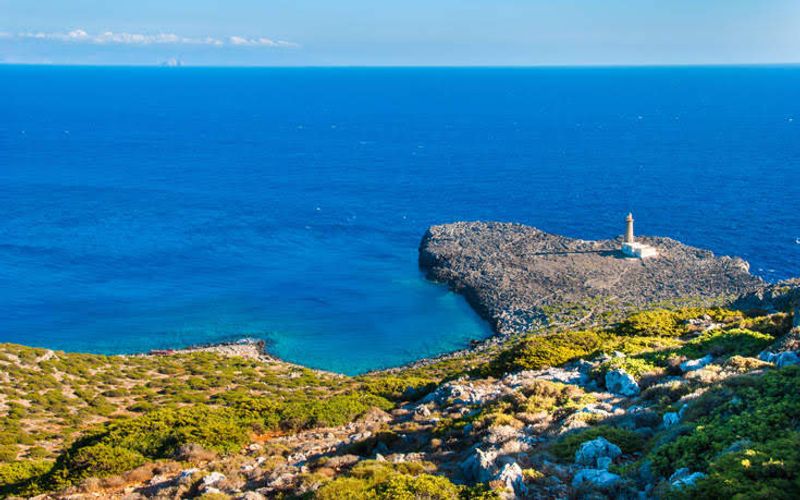
Geography plays a cruel joke on Antikythera. Sandwiched between Crete’s tourist swarms and the Peloponnese’s historical grandeur, this island somehow escaped the development frenzy that transformed its neighbors into vacation factories.
No cruise ships anchor offshore. No all-inclusive resorts sprawl across cliffsides.
No beach clubs blast music until dawn while serving overpriced cocktails to sunburned visitors.
Instead, Antikythera operates on a frequency most travelers never tune into. Locals live by weather patterns, seasonal fishing runs, and the irregular pulse of ferry schedules rather than airport arrivals and tour group itineraries.
This proximity to famous destinations makes the contrast sharper. You could theoretically see Crete on a clear day, yet your daily experience bears zero resemblance to life in Heraklion or Chania.
One world thrives on constant novelty and visitor dollars, while Antikythera survives on continuity, tradition, and the stubborn determination of people who refuse to abandon their home despite easier options elsewhere.
3. The goal isn’t tourism – it’s repopulation
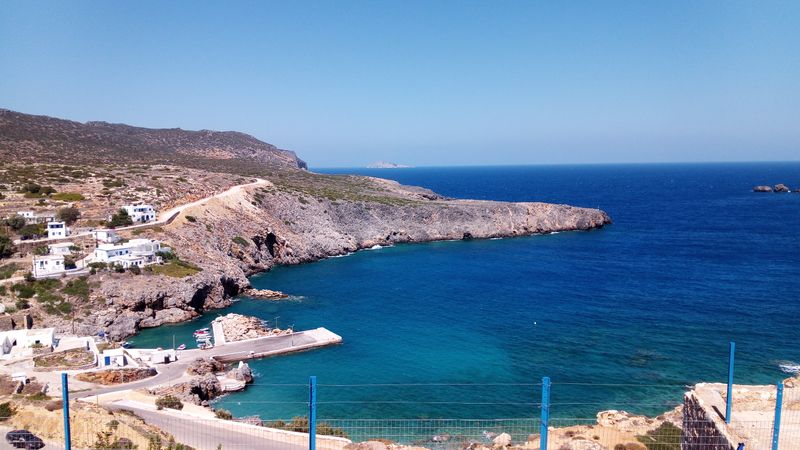
Forget everything you know about Greek island marketing. This initiative doesn’t want your vacation dollars or your Instagram engagement.
It wants your permanent address and your commitment to stick around when winter storms make the Aegean angry.
Depopulation has been gnawing at Antikythera for decades. Younger generations left for education, jobs, and opportunities that tiny islands simply cannot provide.
The remaining population skews older, and with each passing year, the community loses people it cannot easily replace.
Birth rates on islands this small can drop to zero some years. Schools close when student numbers dwindle.
Essential services disappear when there aren’t enough residents to justify maintaining them.
This program addresses demographic collapse head-on. Officials aren’t pretending the problem will solve itself through organic growth or hoping tourism revenue will somehow reverse population trends.
They’re actively recruiting families who can inject youth, energy, and long-term stability into a community that desperately needs all three to survive the next generation.
4. The offer is tied to a very specific program (not a general ‘move here’ deal)
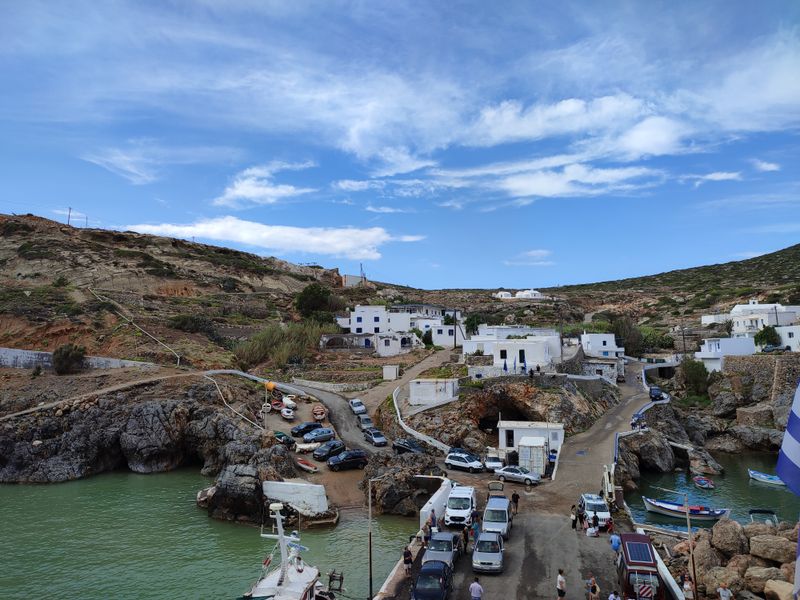
Random adventurers need not apply. This isn’t some vague invitation for anyone with wanderlust and a dream of Mediterranean sunsets to show up and claim free housing.
The initiative operates as a structured, selective program with clear parameters, specific requirements, and deliberate limitations. Think job application meets immigration process meets community matchmaking.
Officials designed this with intention. They studied what the island needs, who could realistically thrive there, and how to avoid attracting people who’ll bail after three months when island life loses its romantic sheen.
Documentation matters. Commitment statements matter.
Demonstrating relevant skills matters. This isn’t about filling empty houses with warm bodies but about carefully selecting families whose presence creates lasting positive change.
The structured approach protects both sides. Families know exactly what they’re signing up for, and the island avoids wasting resources on people who weren’t serious from the start.
Everyone enters with eyes open, expectations aligned, and a shared understanding that this represents a genuine life change, not an extended vacation experiment.
5. The ‘one condition’ is the real headline: you must have a large family
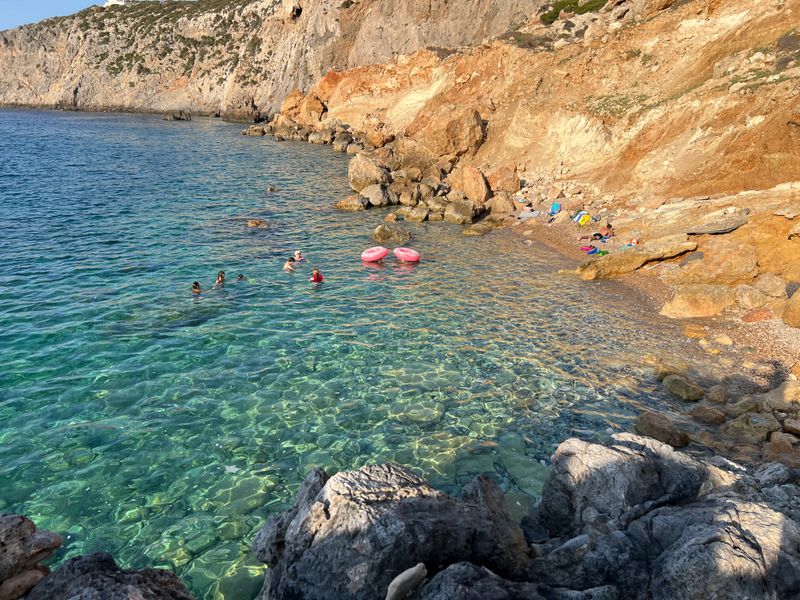
Here’s where casual interest crashes into hard reality. According to reports, each selected family must have at least four children.
Not one or two, not three, but four or more.
This requirement isn’t arbitrary pickiness. It’s demographic math.
Islands facing population collapse need children to justify maintaining schools, playgrounds, and youth services that make communities viable long-term.
Four kids per family means if all five families move in, the island gains twenty children minimum. That’s not just a ripple, that’s a wave that transforms school enrollment, social dynamics, and the island’s entire age distribution practically overnight.
Large families also signal commitment. People with four kids aren’t usually looking for temporary adventures or trial runs.
They need stability, community, and long-term planning, which aligns perfectly with what Antikythera requires from new residents.
This criterion immediately filters out most applicants. Single people, couples without kids, and small families simply don’t qualify regardless of skills, resources, or enthusiasm.
The program prioritizes demographic impact over individual interest, which might seem harsh but reflects genuine survival priorities.
6. It’s not unlimited: only five families
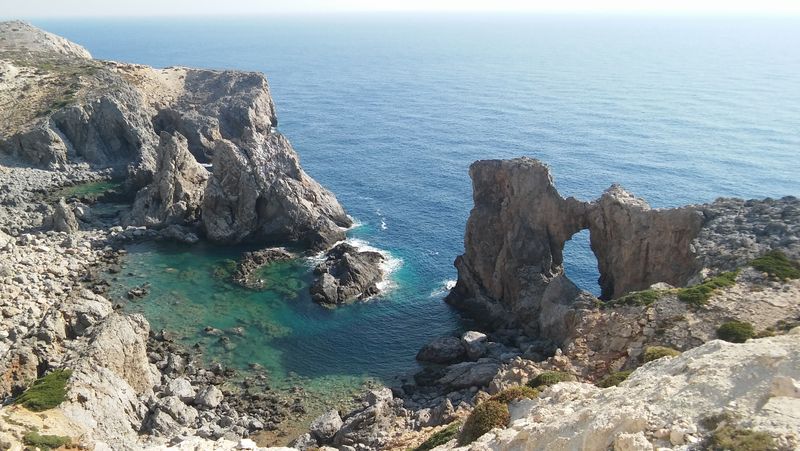
Competition will be fierce. Only five families total will receive acceptance, making this one of the most selective relocation programs you’ll encounter anywhere.
The limited number serves multiple purposes. First, it ensures the island can actually support the newcomers without overwhelming existing infrastructure.
Second, it maintains the careful balance officials want between new energy and established community culture.
Five families with four kids each means twenty children plus ten adults at minimum. That’s thirty people joining a community of twenty-four, more than doubling the winter population instantly.
Any more would fundamentally alter the island’s character too rapidly.
This scarcity also raises stakes for applicants. You’re not competing against abstract criteria but against other real families who want the same opportunity.
Your application needs to demonstrate why your family deserves selection over others equally eager to relocate.
The small number creates urgency too. This isn’t a program that runs indefinitely with rolling admissions.
Once five families accept and move in, the opportunity closes, possibly for years until officials assess results and decide whether to recruit again.
7. A key player is the Greek Orthodox Church (Kythira)
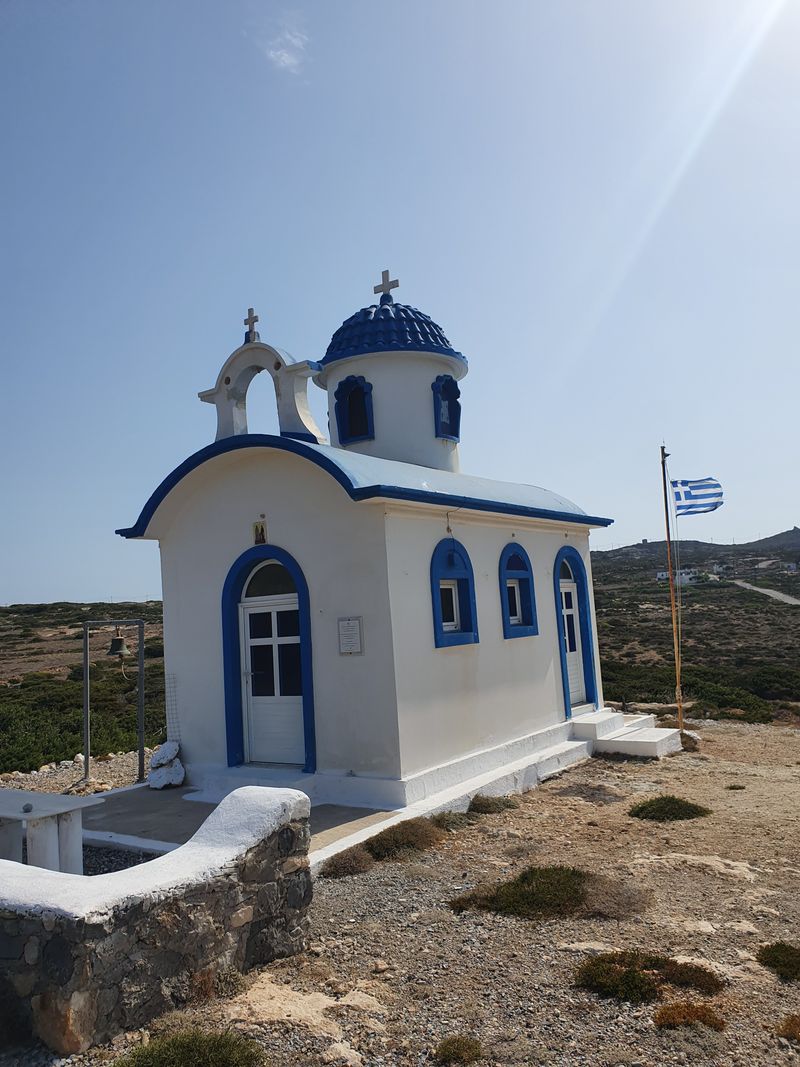
Surprised? The Greek Orthodox Church in Kythira drives this initiative, not some government tourism bureau or tech startup with remote work fantasies.
The Church’s involvement makes sense given its historical role in Greek island communities. For centuries, Orthodox institutions have anchored social services, education, and community cohesion in places where government reach proves limited.
Kythira administratively connects to Antikythera, giving the Church there direct interest in the smaller island’s survival. When communities dwindle, churches lose congregations, schools close, and the entire religious-social ecosystem that defines Greek island life begins collapsing.
The Church brings resources, organizational capacity, and cultural legitimacy that secular programs might lack. Families considering relocation might trust an institution with centuries of community stewardship more than a new government initiative that could evaporate with the next budget cycle.
This religious connection also signals something about the community culture you’d be joining. Antikythera isn’t trying to become some secular utopia or digital nomad paradise.
It’s preserving traditional Greek island life, which includes Orthodox faith as a central organizing principle whether you’re devout or simply respectful.
8. Skills matter: they want people the island needs
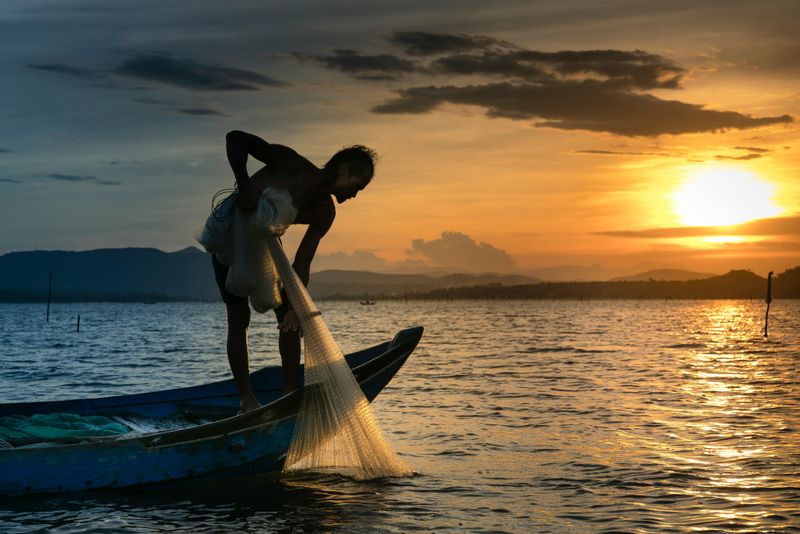
Bringing four kids isn’t enough. Officials want families whose skills fill actual community gaps, not random talents that sound impressive but offer zero practical value on a remote island.
Baking and fishing appear specifically in reports as examples of valued trades. These aren’t glamorous careers, but they’re essential.
A baker means fresh bread without relying on irregular ferry deliveries. A fisherman means local protein and economic activity tied directly to island resources.
Other practical skills likely score points too: carpentry, plumbing, electrical work, teaching, nursing, mechanical repair. Basically anything that helps a small community function more independently and reduces dependence on outside specialists who charge premium rates to visit remote locations.
Your marketing degree or social media expertise probably won’t impress evaluators much. Neither will abstract skills that require internet connectivity, urban infrastructure, or customer bases that don’t exist on islands with twenty-four residents.
This skills focus protects everyone involved. The island gets residents who contribute immediately to community needs, and families arrive knowing their work has purpose and value rather than struggling to find relevance in a place that doesn’t need what they offer.
9. The ‘free house’ part is real but it comes with a lifestyle trade-off
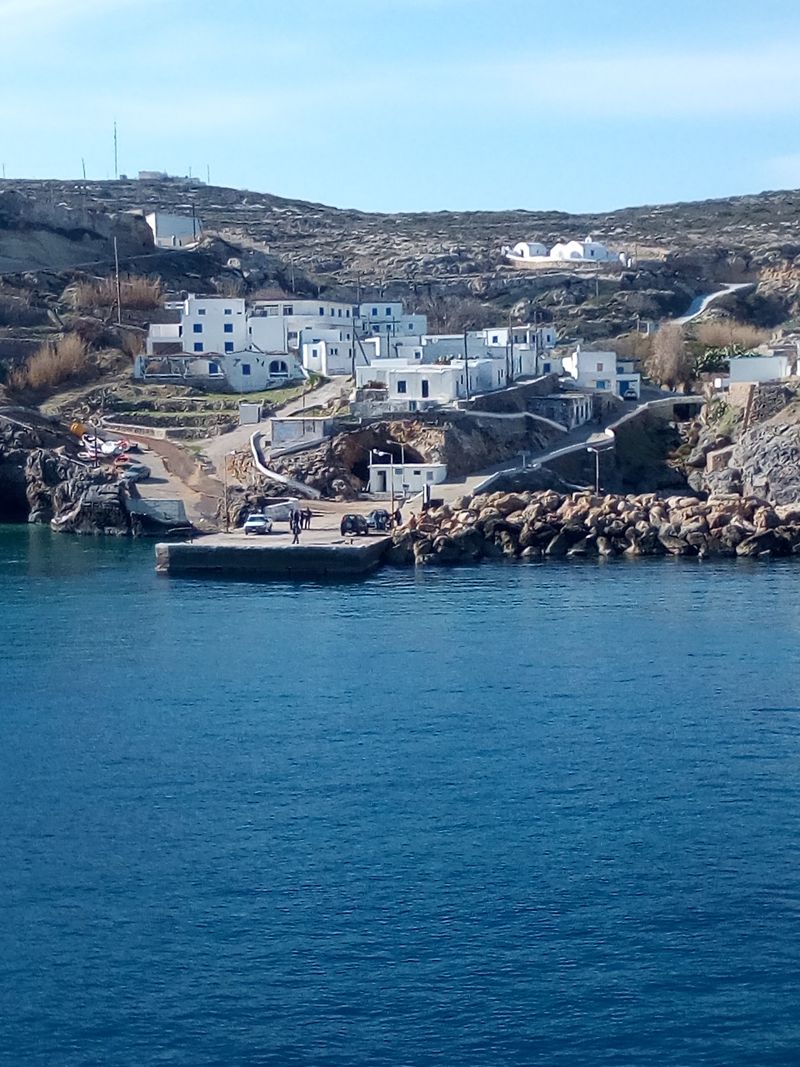
Housing support removes the biggest financial barrier most families face when considering radical relocation. Rent and mortgages keep people trapped in cities they’d gladly leave if housing costs weren’t prohibitive elsewhere.
Free housing on Antikythera means you can actually afford to live on an island where traditional employment opportunities barely exist. Your family’s monthly budget looks completely different when housing costs drop to zero.
But here’s the trade-off nobody mentions in headlines. These houses aren’t luxury villas with infinity pools and smart home technology.
They’re functional island dwellings, probably older, possibly requiring maintenance, definitely lacking amenities you take for granted in cities.
You might deal with inconsistent water pressure, solar power limitations, heating challenges in winter, and the reality that calling a repair person means waiting for the next ferry if parts or specialists aren’t already on the island.
The lifestyle adjustment extends beyond the house itself. Free housing comes with isolation, limited shopping, reduced entertainment options, and the understanding that convenience dies the moment you step off that ferry for the first time as a resident rather than a tourist.
10. There’s also financial support but don’t assume every article has the same number

Money matters, obviously, but exact amounts get fuzzy depending on which source you consult. Reports mention financial incentives beyond housing, though specific figures vary across different coverage of the program.
Some local inquiries describe support around €500 monthly for two years alongside housing. That’s roughly $550 USD, enough to cover basics but not luxury living by any stretch.
Two years makes sense as a timeline. It’s long enough for families to establish themselves, find local income sources, and integrate into community life.
It’s also short enough that officials avoid creating permanent dependence on outside support.
However, implementation details might shift. Programs like this evolve based on budget availability, political priorities, and practical experience with early participants.
What one family receives might differ slightly from what another gets depending on timing and circumstances.
Smart applicants won’t fixate on a single number they read online. Instead, they’ll ask direct questions during the application process about exact financial terms, payment schedules, conditions attached to support, and what happens if circumstances change before the two-year period ends.
Get everything in writing before committing your family’s future to assumptions.
11. Transportation exists but it’s not ‘hop on a ferry anytime’
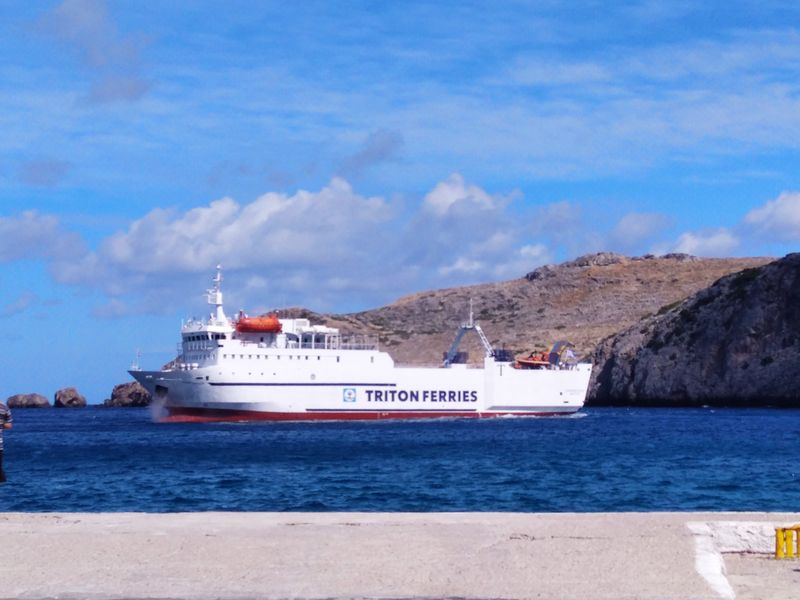
Daily ferry service sounds reassuring until you experience what “daily” actually means on a remote island. Weather cancels boats.
Seas get too rough for safe passage. Winter schedules differ dramatically from summer ones.
Antikythera also has a small airport with limited flight options, though “limited” might be generous. We’re talking tiny planes, weather-dependent schedules, and the kind of aviation that makes nervous flyers reconsider their life choices.
Transportation limitations affect everything. Medical emergencies become more complicated when the nearest hospital requires a ferry ride that might not run today.
Shopping for anything beyond basics means planning trips around boat schedules, not your convenience.
Forget spontaneous weekend getaways or quick trips to the mainland for events. Every departure requires coordination, planning, and acceptance that you might get stuck somewhere longer than intended if weather turns nasty.
This reality separates tourists from residents. Visitors find transportation quirks charming and adventurous.
Residents live with the stress of knowing that leaving the island for any reason requires more logistical planning than most people put into international vacations, and that returning home depends on factors completely beyond your control.
12. Healthcare and services are limited (plan for that up front)
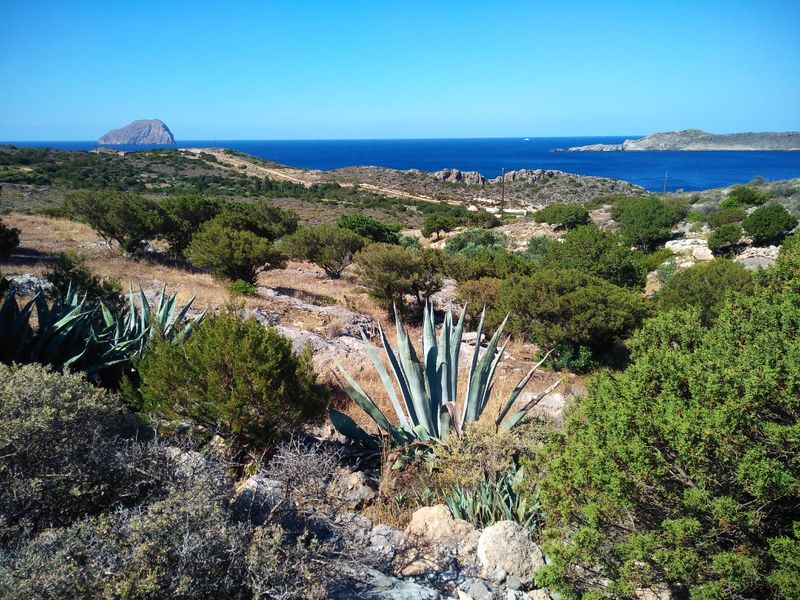
Medical services on Antikythera won’t match what you’re accustomed to in cities or even larger islands. Specialists don’t exist.
Advanced diagnostics require leaving the island. Emergency response depends on weather and available transportation.
Schools face similar constraints. With so few students historically, educational resources remain basic.
Your kids won’t have access to extensive extracurricular programs, specialized teachers, or the variety of courses larger schools provide.
Shopping means making do with whatever the small local store stocks, supplemented by what you can order online and wait for ferry delivery. Fresh produce arrives irregularly.
Selection is limited. Prices run higher than mainland equivalents.
Quick fixes don’t exist for anything. Broken appliances might wait weeks for parts.
Dental emergencies could require mainland trips. Even simple conveniences like fast internet or reliable phone service might prove frustratingly inconsistent.
Families with specific medical needs should think especially hard about this move. Chronic conditions requiring regular specialist care, kids with learning differences needing particular educational support, or anyone dependent on services that small communities simply cannot provide might find Antikythera beautiful but ultimately unsuitable regardless of financial incentives offered.
13. This is a ‘join the community’ move, not a solo-adventure fantasy
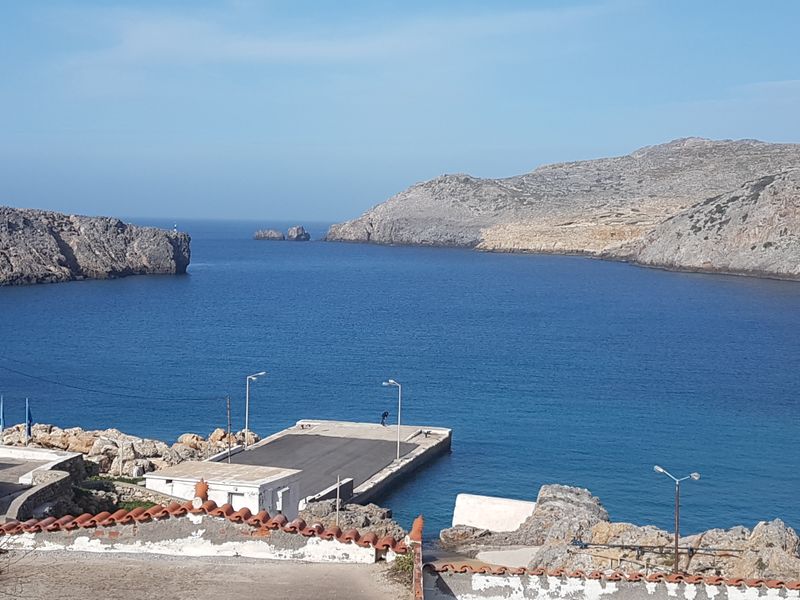
Your presence changes everything. On an island with twenty-four people, five new families don’t just arrive, they fundamentally reshape social dynamics, daily interactions, and community culture.
You’re not moving somewhere to enjoy splendid isolation and picturesque sunsets in peaceful solitude. You’re joining a tiny ecosystem where everyone knows everyone, where your kids play with everyone else’s kids, and where community obligations come with the territory.
That means participating in local events, respecting established traditions, learning Greek if you don’t already speak it, and understanding that island survival depends on cooperation and mutual support rather than individualistic independence.
Your family becomes visible immediately. There’s no anonymity, no blending into crowds, no option to avoid people you’d rather not deal with.
Island life requires social skills, patience, and genuine interest in building relationships with people you didn’t choose but must live alongside.
This community integration is exactly why the program focuses on families rather than individuals. Families create social connections naturally through kids, shared parenting concerns, and household activities.
They’re also more likely to stay long-term because leaving means uprooting everyone, not just yourself.
14. If you’re serious, treat it like an application – not a dream board
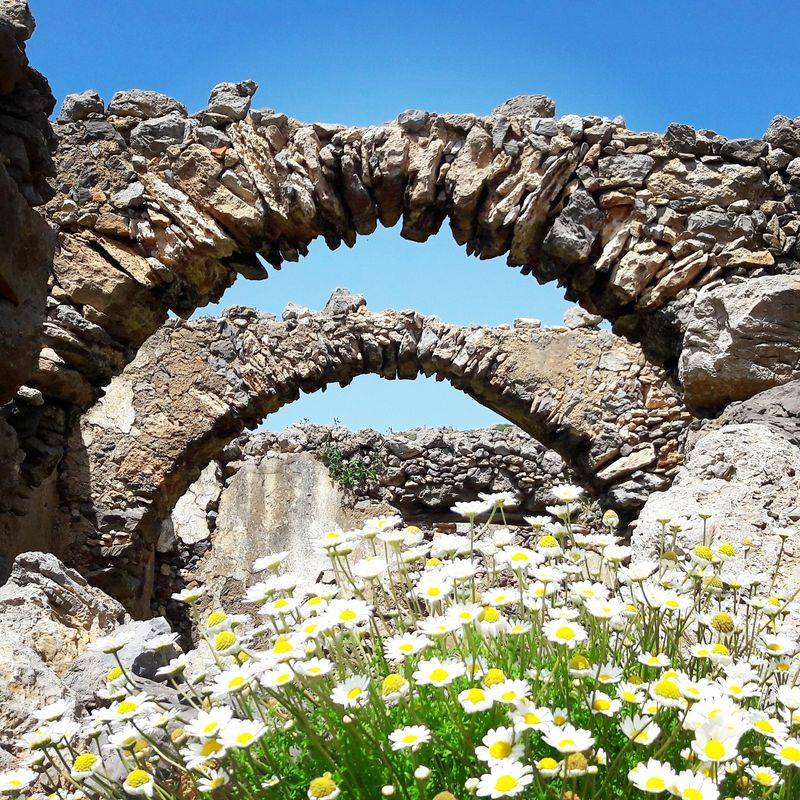
Pinterest boards and daydreams won’t cut it. This program requires actual preparation, documentation, and strategic presentation of why your family deserves selection over others equally eager to relocate.
Start by honestly assessing your skills against island needs. Can you demonstrate practical abilities that help small communities function?
Do you have trade certifications, professional experience, or proven competencies in areas like food production, construction, education, or healthcare?
Prepare to answer hard questions about long-term commitment. What happens when novelty wears off?
How will your family handle isolation, limited services, and the reality that island life is harder than vacation life? What’s your plan if kids struggle socially or educationally?
Document everything. Gather proof of family size, skill certifications, financial stability, and anything else that strengthens your application.
Research Antikythera thoroughly so you can speak knowledgeably about the community you want to join.
Ask direct questions about schooling quality, exact housing terms, healthcare access details, and the complete financial package including any conditions or requirements attached. Treat this like you would a major job offer combined with international relocation, because that’s essentially what it is, just with higher stakes and fewer safety nets.
Share this story