You remember the platters that once defined family dinners, the ones that showed up without being invited. Some were marvels of thrift and creativity, others pure theater meant to impress the neighbors.
Today, they are whispers on recipe cards and faded notes in the margins of community cookbooks. Let’s revisit the dishes that ruled the table and see why they deserve a respectful second look.
1. Jell-O Salad
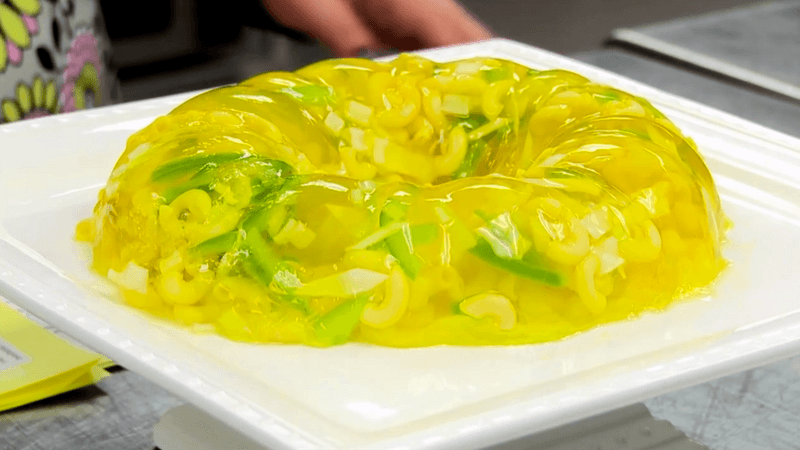
Jell-O Salad was confidence cast in a mold, a ring of wobbling color that announced itself before a roast ever hit the table. You saw maraschino cherries and canned pineapple hovering like ornaments, sometimes even celery or shredded carrots for crunch.
It looked like architecture, sliced into translucent wedges that reflected every chandelier bulb.
It thrived when refrigeration felt modern and convenience sang from magazine ads. Community cookbooks brimmed with variations using cottage cheese or Dream Whip, promising party magic in minutes.
By the 1990s, its glamour dimmed as palates leaned savory and less artificial.
Still, the charm is undeniable. Set one beside ham and watch faces shift from skepticism to nostalgia.
Nielsen once reported gelatin dessert sales topping hundreds of millions annually, proof of deep pantry loyalty. Serve it chilled, unmolded with a hot-water trick, and garnish with a whisper of whipped cream.
2. Creamed Chipped Beef
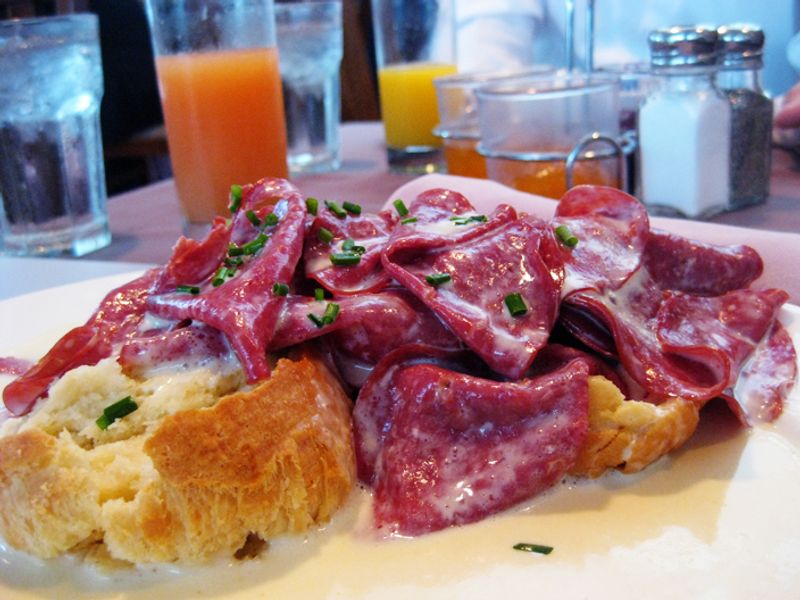
Creamed Chipped Beef rode into kitchens on the promise of thrift and satisfaction. Paper-thin dried beef, salty and lean, met a quick roux, milk, and pepper until the gravy glossed like ivory satin.
Ladled over toast, it fed a crowd, no ceremony required.
Veterans knew it by a saltier nickname from mess halls, where it kept bellies full on early shifts. Home cooks prized it for speed on Sundays after church, when biscuits were scarce but milk was not.
Cooks learned to bloom pepper and nutmeg for warmth, then fold in beef just before serving.
Some add peas or paprika, though purists insist on minimalism. USDA data shows dried beef remains a niche product, reflecting changing tastes and sodium caution.
Yet the comfort lingers. Serve it with black coffee, a fried egg, and sturdy toast, and you remember why it never needed bragging rights.
3. Ambrosia
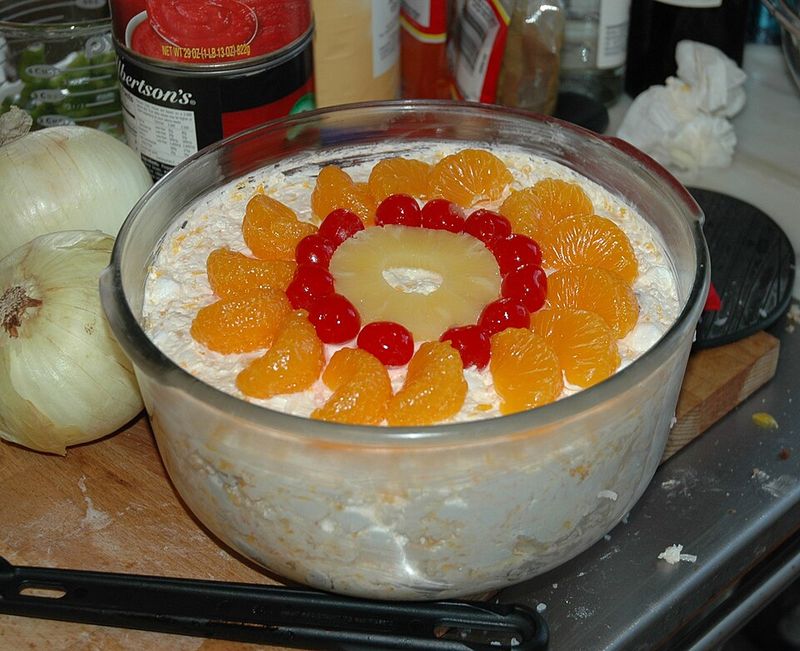
Ambrosia wore the glitz of canned fruit like costume jewelry. Pineapple chunks, mandarins, and maraschinos dove into a cloud of whipped cream or sour cream, sometimes tangy with yogurt.
Mini marshmallows softened overnight, blurring the line between dessert and side.
It felt celebratory, a chill against the heat of baked ham or turkey. In the early 1900s, citrus was precious outside the South, so ambrosia felt extravagant even from a can.
Fox29 notes its roots as a festive luxury, and you can taste that confidence in every spoonful.
Today, swap in toasted coconut, fresh citrus, or Greek yogurt to cut sweetness without losing the party vibe. Fold gently to keep fruit bright and intact.
Serve in a glass bowl so colors shine, sprinkle with coconut for snow. Call it salad with a wink, then watch plates come back clean.
4. Scalloped Corn
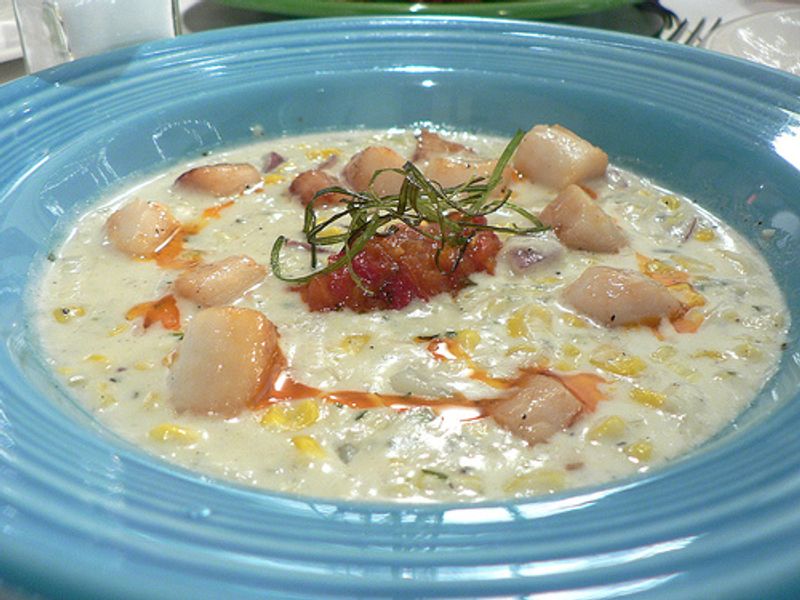
Scalloped Corn is the dish that slips in quietly and steals your fork. Sweet kernels fold into a custard of milk, eggs, and butter, sometimes dotted with minced onion.
A blanket of crushed crackers or cornflakes turns crisp and golden, breaking like thin ice under the spoon.
It is holiday shorthand in the Midwest, a dependable square beside turkey and green beans. Church potlucks ran on pans like this, carried in quilted covers and returned empty.
The balance works because it respects corn’s natural sugar instead of burying it.
Use fresh corn in summer, canned in winter, and a pinch of paprika for warmth. Bake until just set at the center so it gently quivers.
Leftovers reheat like a dream. Pair with ham, roast chicken, or chili, and you will remember why every aunt guarded her crumb-to-custard ratio like gold.
5. Buttered Noodles
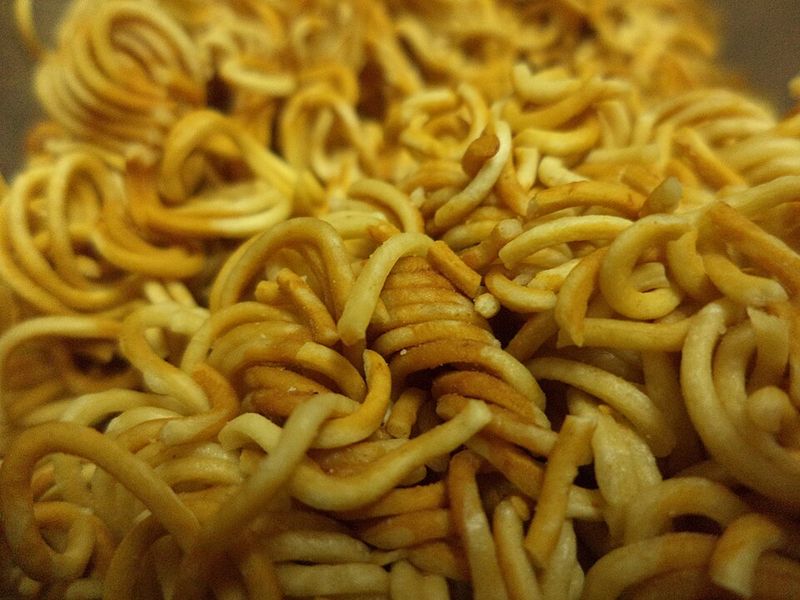
Buttered Noodles are the hush in a noisy meal. Wide egg noodles tossed with hot butter and just enough salt coat the tongue with quiet richness.
Black pepper sings if invited, but this dish survives fine without applause.
It stood by meatloaf, schnitzel, and pot roast, absorbing gravies and soothing picky appetites. Budget friendly and pantry ready, it was the weeknight peacekeeper.
The trick is cooking noodles just shy of tender, then finishing with a splash of starchy water so butter clings.
Additions are optional: grated Parmesan, a squeeze of lemon, maybe parsley if you are feeling showy. But restraint is the charm.
Serve in warm bowls so butter does not seize. For families juggling schedules, it still works like magic, a five-ingredient answer that never lectures and always listens.
6. Candied Yams
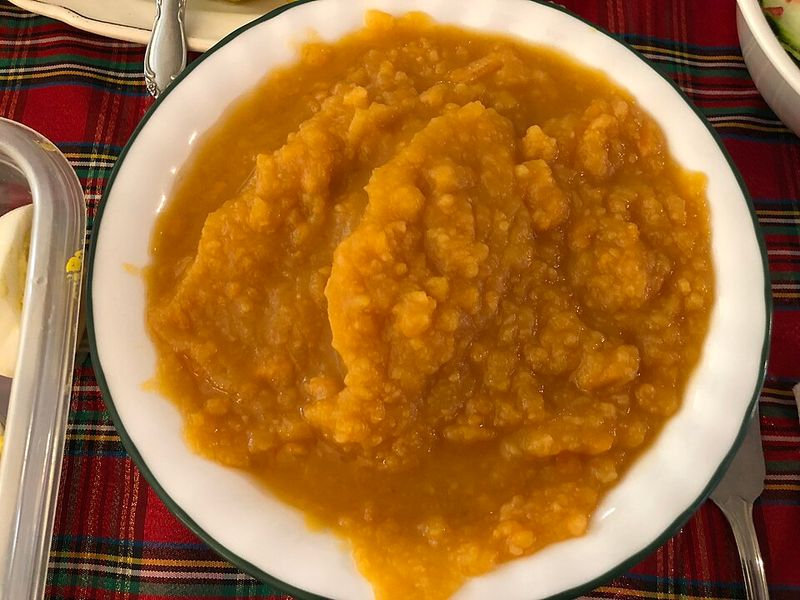
Candied Yams sparkle like stained glass under a caramel glaze. Slices or chunks of sweet potatoes bask in brown sugar, butter, and cinnamon, sometimes crowned with marshmallows that blister to toasty peaks.
The aroma alone feels like a parade down the hallway.
Born at the intersection of abundance and celebration, they offered big flavor for modest cost. Old cookbooks coached careful basting so syrup thickened without burning.
Nutritionists remind us sweet potatoes deliver vitamin A in generous supply, more than 300 percent of daily needs per cup, which politely justifies seconds.
Use real yams if you find them, but American kitchens mostly mean sweet potatoes. Parboil, then bake, and finish under the broiler for color.
A splash of orange juice or bourbon lifts the sweetness into balance. Serve beside turkey, pork roast, or fried chicken, and watch dessert envy bloom at dinnertime.
7. Rice Pilaf (Boxed)
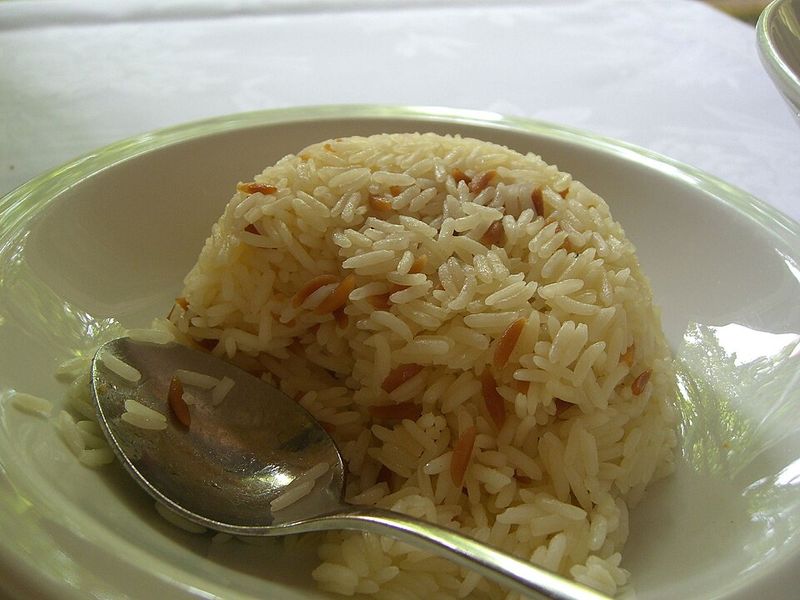
Boxed Rice Pilaf felt like weeknight luxury when a foil packet promised toasted depth. The sizzle as rice and orzo browned in butter perfumed the kitchen before water even hit the pan.
Ten minutes later, you had grains that clinked rather than clumped.
It rode the crest of convenience foods that redefined the 1980s pantry. Marketing sold consistency, and it delivered, salt and all.
Today, premium rice trends and low-sodium goals nudge it aside, yet the flavor memory remains sharp as thyme.
Toast your own with broth, onion, and a cinnamon stick for a fresher echo, or stick with the box when time rebels. Fold in peas, almonds, or chopped rotisserie chicken and call it done.
It is the taste of permission to relax after traffic, when dinner needs to cooperate, not compete.
8. Waldorf Salad
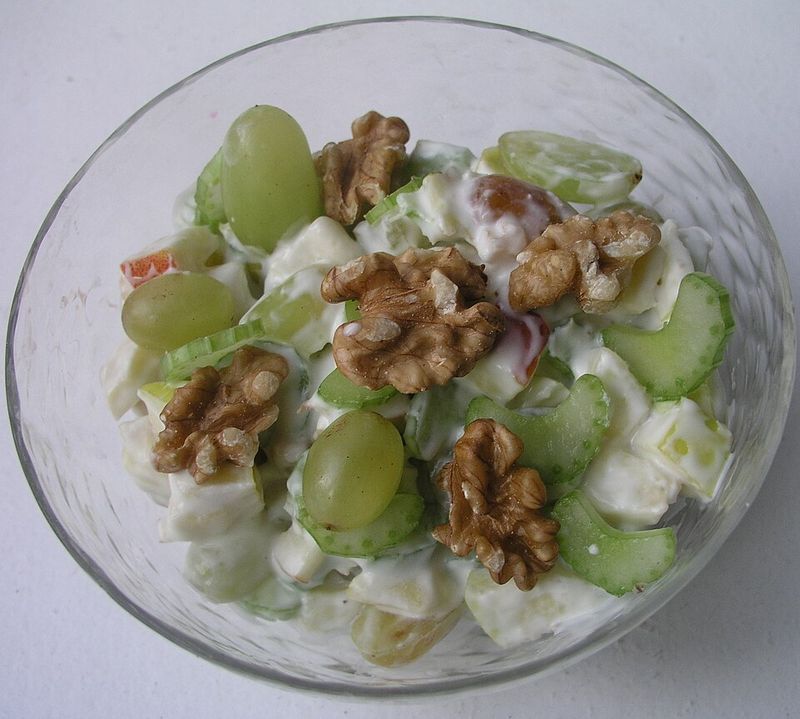
Waldorf Salad was born in a New York hotel dining room with starched collars and spotless silver. Crisp apples, celery, and walnuts met a glossy mayonnaise dressing, sometimes sweetened, sometimes thinned with cream.
Served in lettuce cups, it crunched like good conversation.
Oscar Tschirky popularized it at the Waldorf in the 1890s, and it quickly traveled to home kitchens. Variations added grapes, yogurt, or chicken, but the core remained about texture and restraint.
A chilled bowl mattered as much as the ingredients.
Today, lighten the dressing with Greek yogurt and lemon. Toast walnuts to coax out warmth and edge.
It is the rare salad that behaves well on a buffet, staying crisp without sulking. Place it alongside roast beef or baked salmon and you hear the past politely clearing its throat.
9. Green Beans Almondine
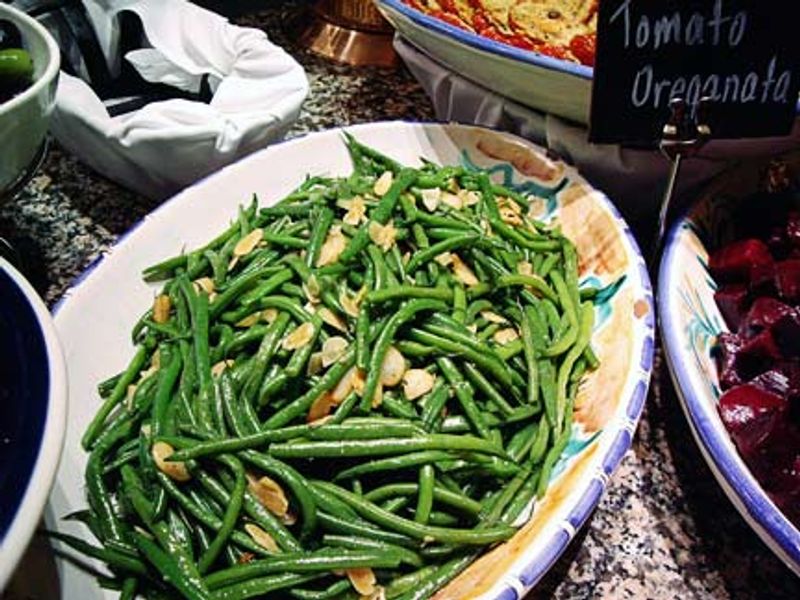
Green Beans Almondine borrowed French polish and brought it home for dinner. Beans blanched to snap, then kissed with butter, toasted almonds, and lemon.
The pan crackled, the almonds shone, and weeknights felt like a bistro special without the white tablecloth.
It migrated from restaurant menus into Junior League books, where timing was queen. Shock in ice water, dry thoroughly, and finish fast to keep emerald color.
A squeeze of lemon wakes the butter, while a pinch of flaky salt lands the plane.
In an era chasing char and spice, its restraint reads refreshing. USDA notes beans offer fiber and vitamin K, quiet strengths that support the shine.
Serve beside trout, schnitzel, or roast chicken and the plate looks dressed for company. Simple, yes.
Forgettable, never.
10. Stuffed Celery
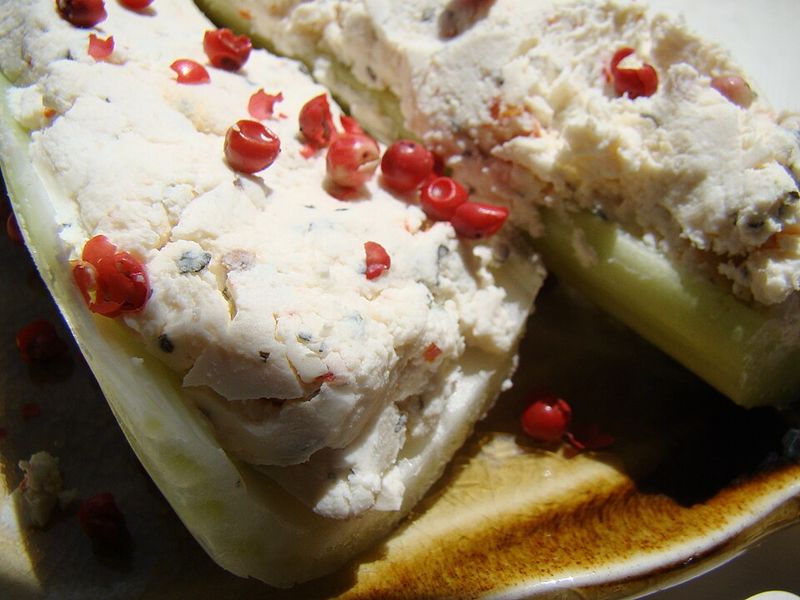
Stuffed Celery was the snack that skipped plates entirely. Ribs chilled crisp became channels for pimento cheese, chive-flecked cream cheese, or peanut butter and raisins.
You could walk, talk, and crunch without losing pace at a holiday party.
Lunchboxes loved it, but so did cocktail hours where napkins did more work than forks. The appeal sits in temperature and texture: cold celery, soft filling, loud snap.
It is the opposite of fussy and the friend of every leftover smear in the fridge.
Revive it with herbed goat cheese, smoked almonds, or whipped feta and lemon zest. Trim strings, cut into short lengths, and line them in rows like edible building blocks.
No one asks for a recipe, yet the platter empties. That is the kind of confidence old snacks carry lightly.
11. Spoonbread
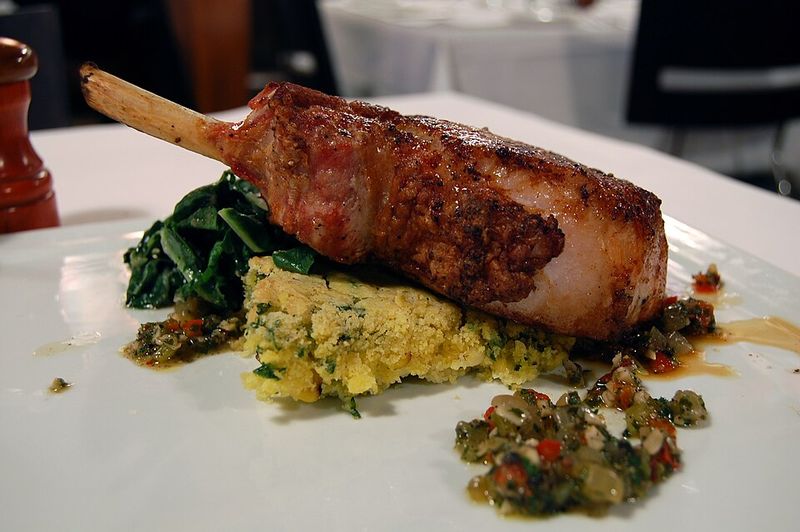
Spoonbread whispers when cut, a soft custard lifting in tender scoops. Cornmeal, milk, eggs, and butter puff into something between soufflé and cornbread, Southern but with Sunday-best manners.
It does not crumble; it yields.
Monticello tales tie it loosely to early American kitchens where hearths doubled as laboratories. Church suppers prized it for pairing with greens and country ham.
The texture is the selling point, especially for guests who think cornbread runs too dry.
Scald milk over cornmeal for body, fold in whipped whites if you like height, and bake until barely set. Serve immediately with honey or gravy.
Cold leftovers pan-fry into delicate cakes, a breakfast secret worth keeping. Next to chili or beans, it makes the table feel anchored, like the room took a deeper breath.
12. Creamed Spinach
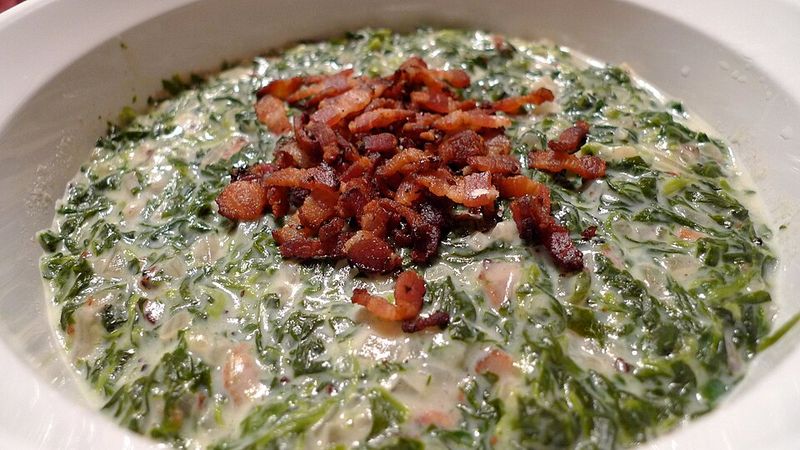
Creamed Spinach arrived at the table with steakhouse gravitas. Blanched greens squeezed dry swim in a béchamel shaded with nutmeg and sometimes Parmesan.
It coats the tongue like velvet and tells you vegetables can be serious.
Old-school dining rooms made it a ritual, ladled from warmers beside prime rib. Home cooks followed, reaching for frozen spinach on weeknights, fresh for company.
The trick is restraint: enough sauce to gloss, not drown, and heat gentle to keep color bright.
Nutrition still smiles here. A cup of cooked spinach delivers iron, lutein, and vitamins A and K in abundance, according to USDA data.
Finish with lemon to lift and cracked pepper for bite. Serve near mashed potatoes and you have comfort with posture, the kind that earns silence mid-bite.
13. Pickled Beets
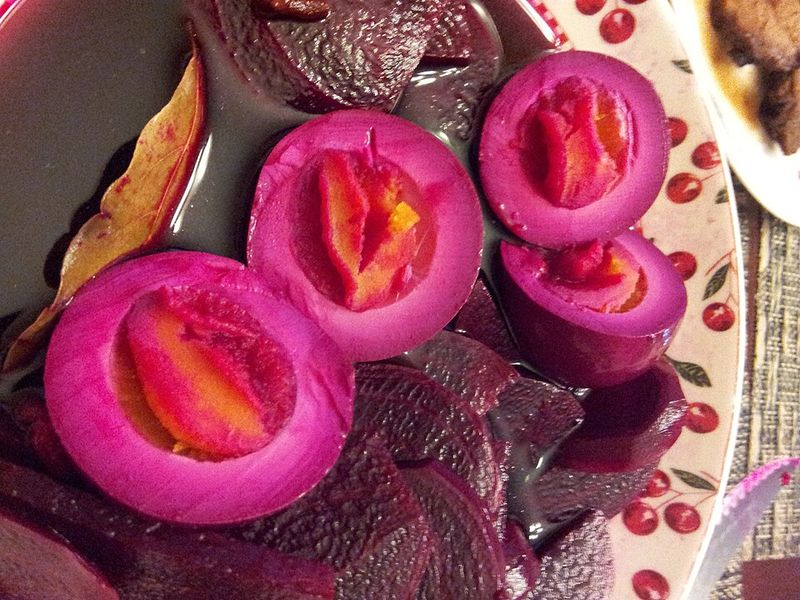
Pickled Beets stain everything they love, including memories. Sliced rounds swim in a vinegar-sugar brine laced with clove, cinnamon, or mustard seed.
They glow like rubies on a plate beside pot roast or herring.
Farm kitchens counted on them, lining shelves with jars that caught winter light. Their bite cuts through gravy, turning heavy dinners nimble.
You can buy them pre-sliced, but the home version keeps the spice gentle and the texture firm, not mushy.
Roast beets first for deeper sweetness, then cool before brining to preserve snap. Chill at least a day for flavor to settle.
Toss with goat cheese and oranges for a modern turn. If your cutting board turns purple, accept the badge.
Some dishes ask for applause; this one just keeps showing up.
14. Succotash
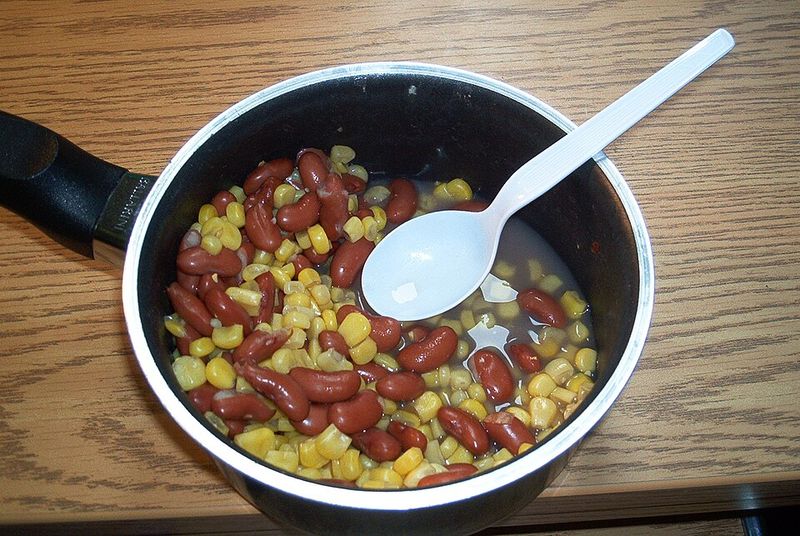
Succotash balances sweet corn with creamy lima beans, a duet that tastes like July even in January. Indigenous roots run deep, with Narragansett influences meeting colonial pots.
Butter slicks the mix while peppers or onions add color and lift.
It fed wartime kitchens and Depression tables, offering protein from beans when meat ran scarce. USDA notes legumes remain nutrient-dense, budget-friendly staples that stretch meals wisely.
Fresh corn pops; frozen does fine. The goal is tenderness, not stew.
Finish with smoked paprika, basil, or a splash of cream, depending on the main course. Serve with seared fish, pork chops, or fried green tomatoes.
Leftovers turn into a quick chowder with broth and a potato or two. It is simple food that remembers what it is doing.
15. Macaroni Salad (Deli Style)
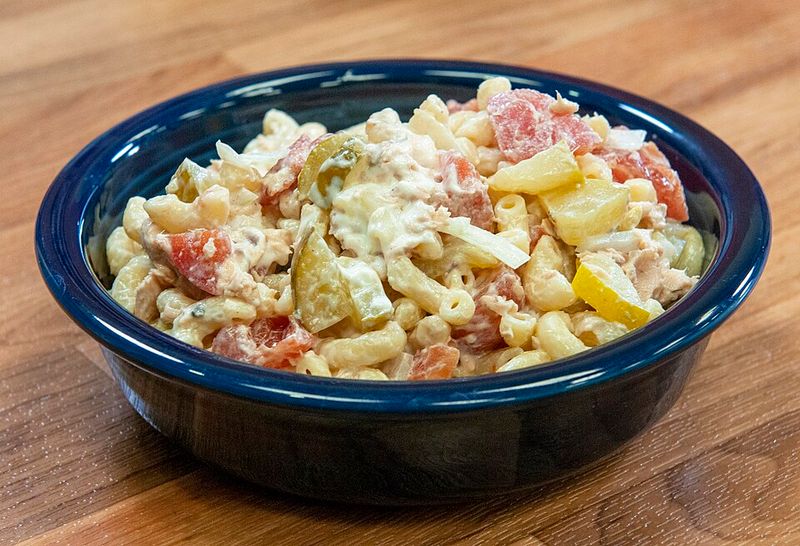
Deli-style Macaroni Salad slides onto plates cold and sure of itself. Elbows cushioned in mayonnaise, vinegar, and a hit of sugar meet celery crunch and red pepper sweetness.
Paprika dusts the top like a signature.
Picnics, union halls, and funeral spreads knew its reliability. It travels well, costs little, and welcomes hot dogs, fried chicken, or ribs without fuss.
The secret lies in overcooking pasta slightly so it absorbs dressing instead of rejecting it.
Chill overnight and adjust seasoning before serving. A spoon of Dijon adds backbone; dill perks it up.
For the data-minded, the National Hot Dog and Sausage Council reports peak summer sales every July, and this salad stands ready. Scoop generously, then pass the pickles.
Somebody will ask for the recipe, and you will smile.
16. Dinner Rolls with Whipped Butter
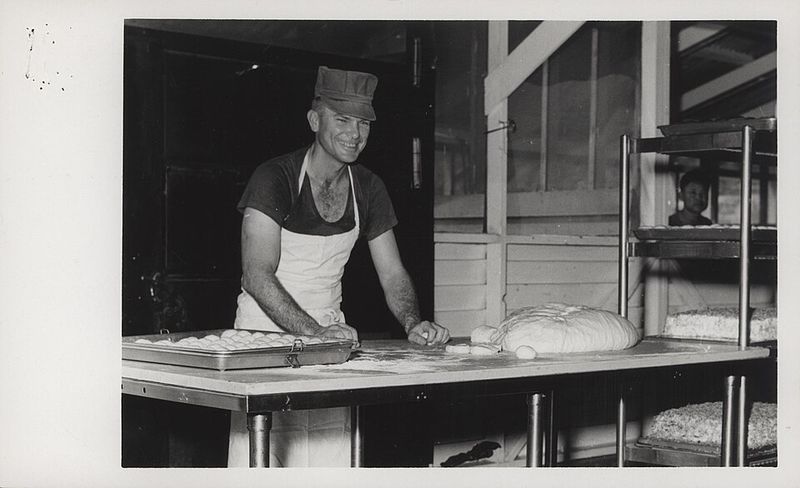
Dinner Rolls arrive quietly and finish loudly, disappearing before grace is over. Steam escapes as you tear one open, and whipped butter melts in soft spirals.
No garnish, no speeches, just warmth and promise.
They anchored Sunday roasts and weeknight soups alike. Home bakers leaned on potato dough or milk-enriched Parker House folds, brushing with butter until glossy.
Whipped butter stretches flavor and spreads like a dream, a small luxury with big return.
Proof dough patiently, bake until tops bronze, and salt the butter until it tastes like itself. A sprinkle of flaky crystals at the table wins applause.
You might plan two per person, but plan wrong. These vanish first because they make everything else taste better, including the stories.
17. Duchess Potatoes
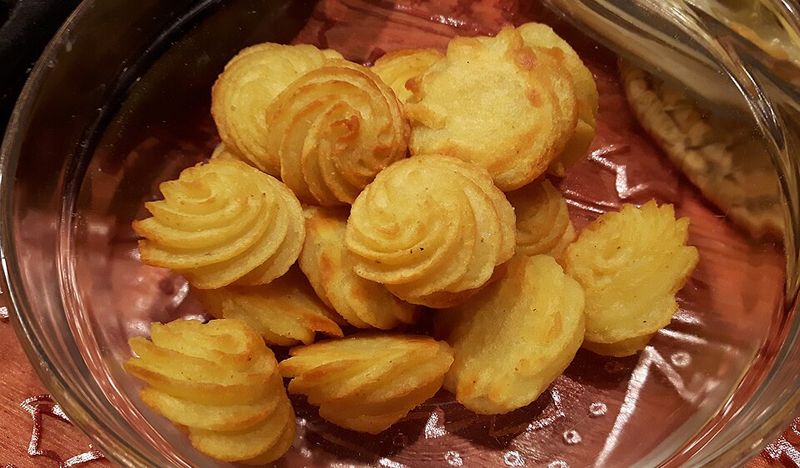
Duchess Potatoes are theater you can eat. Mashed potatoes enriched with butter and egg yolks get piped into rosettes, then baked until their ridges brown.
The center stays cloud-soft while edges crackle like pastry.
They swept from 19th-century France to Christmas tables that wanted a little glitter. Fox News noted their disappearance as tastes simplified, but the technique still dazzles.
Choose starchy potatoes, rice them smooth, and season with white pepper and nutmeg.
Pipe onto parchment and chill before baking so shapes hold. Brush with egg wash for shine.
Serve beside beef tenderloin or salmon and watch plates sit taller. Fancy without being fussy, they prove potatoes can dress up without losing their sense of humor.
18. Braised Red Cabbage
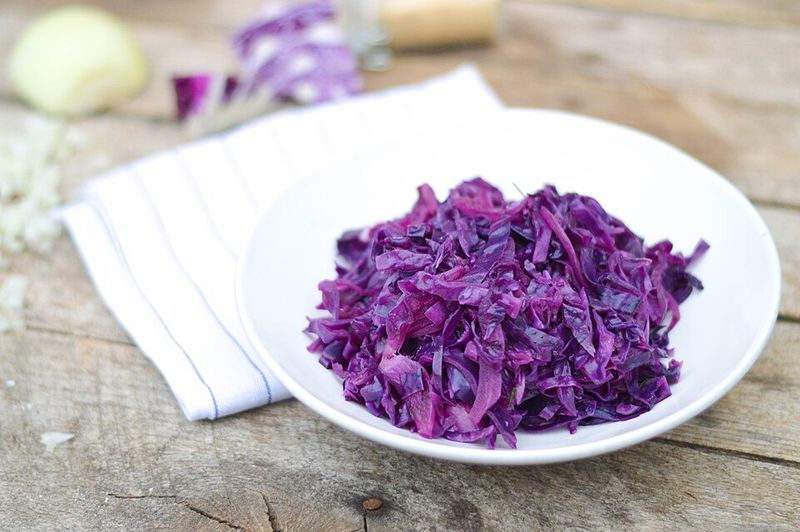
Braised Red Cabbage paints the table in deep magenta. Shredded cabbage softens slowly with apples, onions, vinegar, and a hint of caraway or clove.
It lands sweet-sour, bright enough to sharpen rich meats.
German and Scandinavian immigrants packed the recipe in their trunks, and winters in the Midwest made it essential. Fox News traced its holiday popularity and gentle decline as palates moved elsewhere.
Affordable, durable, and striking, it was the frugal cook’s color therapy.
Sweat onions first, then add cabbage and salt to draw moisture. Splash with cider vinegar and cover, letting steam do quiet work.
Finish uncovered for gloss. Serve with sausages, pork roast, or duck, and let the juices mingle.
Leftovers shine in grilled cheese, surprising and perfect.
Share this story