Greece’s islands are scattered across the Aegean and Ionian seas like jewels waiting to be discovered. Each one offers its own mix of beaches, history, food, and culture that makes island-hopping one of the world’s most exciting adventures.
Whether you’re drawn to famous sunsets, ancient ruins, or hidden coves, 2026 is the perfect year to explore these Mediterranean treasures.
Santorini — Classic Cycladic Beauty & Volcano Views
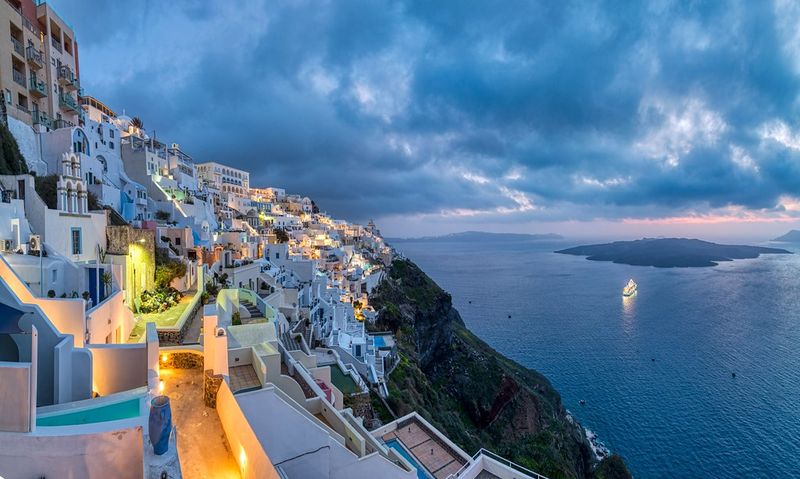
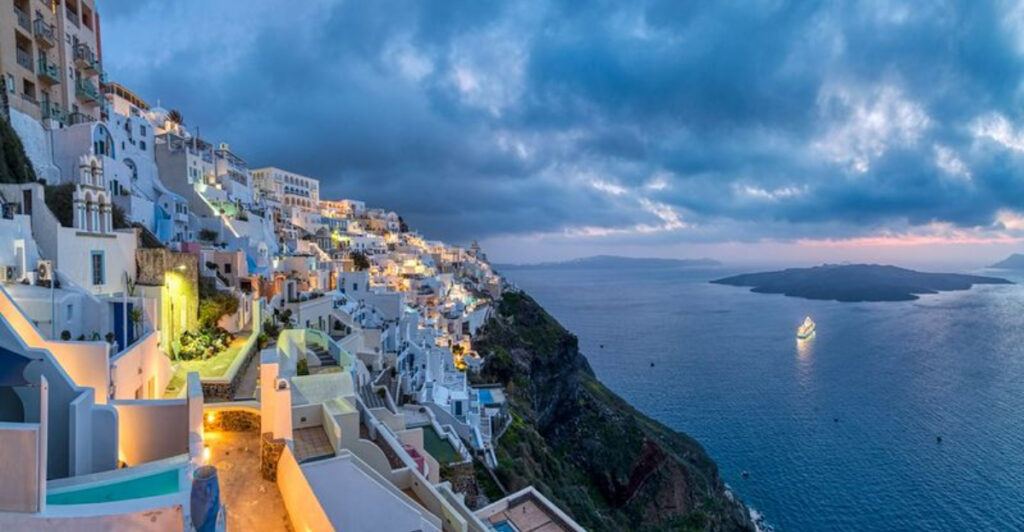
Built on the edge of a collapsed volcano, Santorini delivers drama at every turn. The whitewashed villages of Oia and Fira cling to cliffsides above deep blue waters, creating postcard-perfect scenes that have made this island world-famous.
Sunset-watching here isn’t just a pastime—it’s practically a sport, with crowds gathering nightly to witness the sky turn shades of orange and pink.
Wine lovers should head to Pyrgos to taste volcanic wines grown in ash-rich soil that gives them a distinct mineral flavor. The beaches here break the mold too—forget golden sand and hello to dramatic black and red shores near Perissa and Kamari.
For a dose of history, the ancient site of Akrotiri offers a glimpse of a Bronze Age settlement frozen in time by volcanic ash.
Restaurants across the island serve Mediterranean dishes that blend local tradition with modern twists, often featuring fresh tomatoes, fava beans, and seafood caught that morning. Santorini may be popular, but it earns every bit of its reputation with stunning views and unforgettable experiences at every corner.
Crete — Island of Legends, Food & History
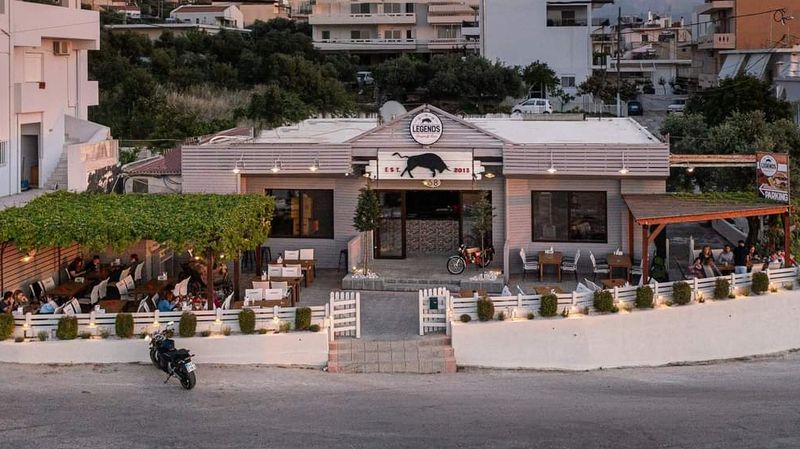
Crete stretches across the southern Aegean like a mini-continent, offering everything from mountain peaks to sandy coastlines. As Greece’s largest island, it packs in more variety than most travelers expect—rugged gorges, Venetian harbors, and villages where old traditions still guide daily life.
History runs deep here, with the legendary Palace of Knossos standing as a monument to the Minoan civilization and the myth of the Minotaur.
Foodies find paradise in Cretan kitchens, where olive oil flows freely and dishes feature mountain herbs, fresh cheeses, and seafood pulled straight from the sea. Local tavernas serve dakos, slow-cooked lamb, and honey-drizzled pastries that taste like sunshine.
Adventurers can tackle the famous Samaria Gorge hike, a challenging trek through dramatic canyon walls, or relax on Elafonissi Beach where pink-tinged sand meets turquoise water.
Traditional villages in the interior reveal a slower pace, with locals crafting pottery, weaving textiles, and welcoming visitors with warm smiles. Crete rewards those who take their time exploring—its size and diversity make it perfect for a week-long adventure filled with culture, nature, and culinary discovery.
Mykonos — Stylish Beaches & Vibrant Nights
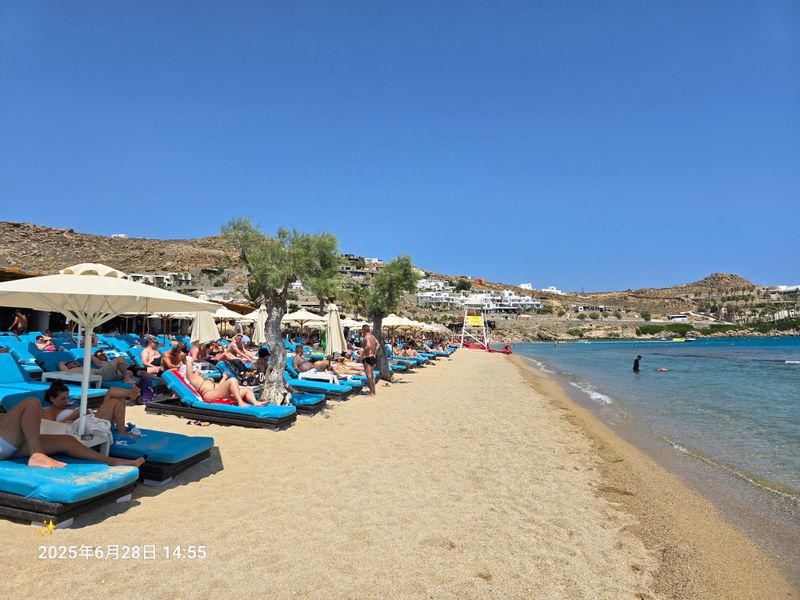
Mykonos knows how to party, and it doesn’t apologize for it. This Cycladic hotspot draws visitors who want golden beaches by day and pulsing nightlife after dark, with beach clubs like those at Psarou and Elia turning up the volume as the sun climbs higher.
Little Venice’s waterfront bars offer front-row seats to sunset, with waves splashing against colorful balconies while DJs spin smooth beats.
Beyond the glitz, Mykonos preserves its traditional charm through narrow cobblestone streets, whitewashed buildings, and iconic windmills that have stood watch over the harbor for centuries. A short boat ride brings you to Delos, one of ancient Greece’s most sacred sites and the mythological birthplace of Apollo.
Walking among the ruins and mosaics transports you back thousands of years, offering a quieter contrast to the island’s modern energy.
Watersports enthusiasts find plenty to do, from jet skiing to paddleboarding, while shoppers browse boutiques selling everything from handmade sandals to designer clothing. Mykonos blends cosmopolitan flair with classic Greek island beauty, making it a magnet for travelers seeking both relaxation and excitement in equal measure.
Naxos — Beaches, Ruins & Wind Sports
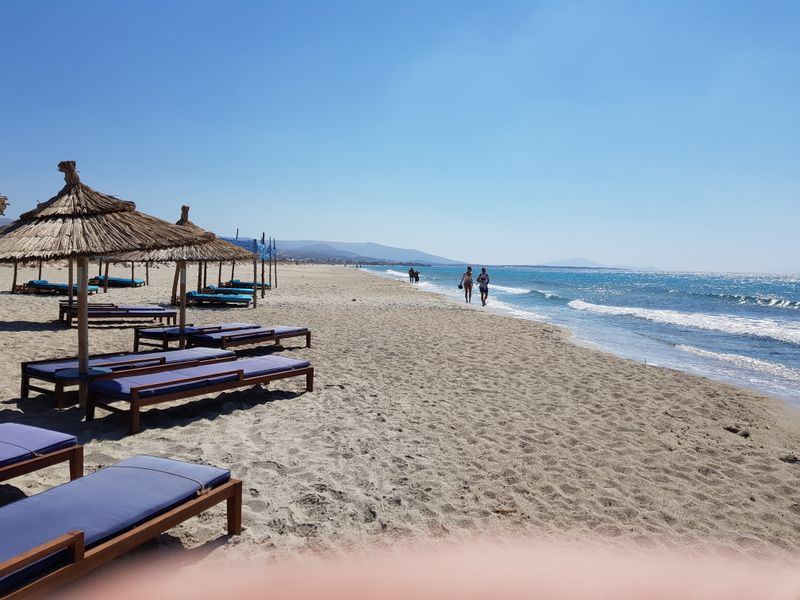
Naxos offers a refreshing change from its flashier Cycladic neighbors, trading crowded hotspots for long stretches of sandy coastline and authentic island rhythms. Beaches like Agios Prokopios and Plaka roll out for miles, offering plenty of space for sunbathing, swimming, and windsurfing when the afternoon breeze picks up.
The iconic Portara—a massive marble doorway standing alone near Chora—frames sunsets beautifully and hints at the island’s ancient Temple of Apollo.
Inland, Naxos reveals a greener landscape than most Cycladic islands, with fertile valleys producing potatoes, olives, and the famous Naxian cheeses like graviera. Family-run tavernas serve these local ingredients in hearty dishes that taste like home cooking at its finest.
Villages tucked into the hills preserve centuries-old traditions, with stone houses and quiet squares where locals gather for coffee and conversation.
Outdoor lovers can hike mountain trails, explore Byzantine churches hidden in valleys, or try kitesurfing along the western coast where wind conditions create perfect conditions. Naxos balances beach relaxation with cultural depth, making it ideal for travelers who want a well-rounded Greek island experience without the tourist crowds.
Milos — Volcanic Coastlines & Hidden Coves
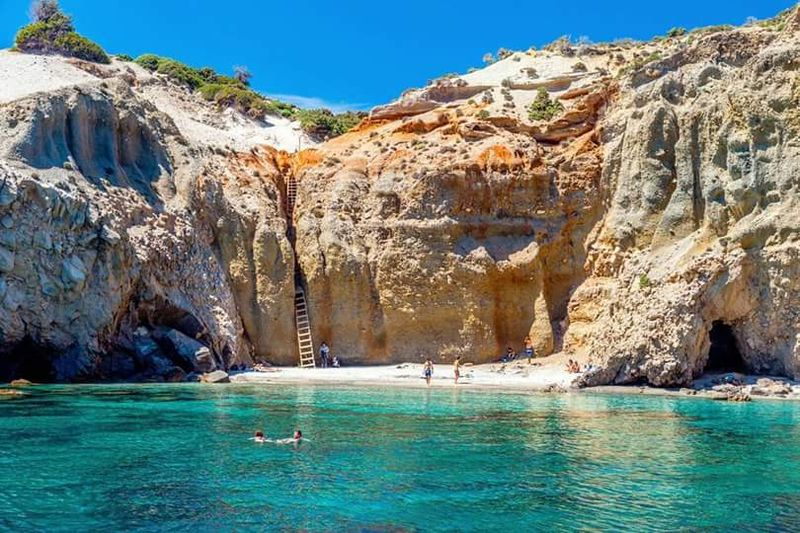
Volcanic forces sculpted Milos into one of Greece’s most visually stunning islands, creating coastlines that look like they belong on another planet. Sarakiniko Beach stands out with its brilliant white rock formations resembling a moonscape, while Kleftiko’s towering limestone cliffs and sea caves can only be reached by boat.
The island’s geology creates a rainbow of beaches—red, pink, white, and black—each offering its own unique swimming experience.
Beach hopping by boat becomes the favorite activity here, with tours stopping at hidden coves like Sykia Cave where sunlight filters through a collapsed roof onto crystal-clear water below. Snorkeling reveals underwater volcanic formations and marine life thriving in the mineral-rich environment.
The colorful fishing village of Klima charms visitors with its traditional boat garages painted in bright hues, creating Instagram-worthy reflections in the calm harbor.
Milos maintains a laid-back vibe despite its growing popularity, with local tavernas serving fresh seafood and the main town of Plaka offering narrow streets perfect for evening strolls. This island rewards explorers willing to seek out its hidden corners and natural wonders around every coastal bend.
Paros — Cycladic Charms & Watersports
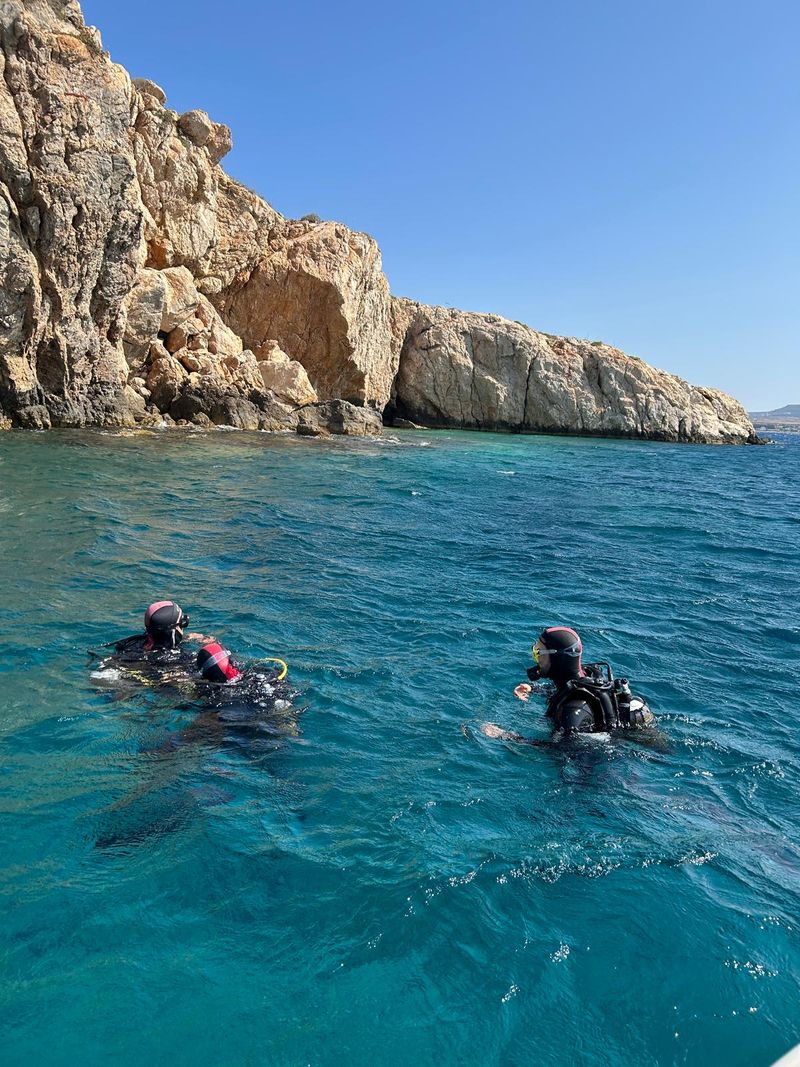
Paros sits at the heart of the Cyclades, making it a natural hub for island-hoppers and a destination worth exploring on its own. Naoussa steals the show with its picture-perfect harbor where fishing boats bob alongside waterfront tavernas serving the day’s catch.
The village’s maze of whitewashed lanes opens onto lively plazas where locals and visitors mingle over coffee and conversation.
Wind conditions make Paros a magnet for kitesurfers and windsurfers, especially at beaches like Golden Beach and New Golden Beach where equipment rentals and lessons are easy to find. Cycling and hiking trails connect coastal areas with inland villages, offering routes through olive groves and past Byzantine churches.
The island’s compact size means you can explore different beaches and towns without spending hours in transit.
Ferry connections run frequently to nearby islands like Naxos and tiny Antiparos, where even quieter beaches and the famous cave system await. Paros blends traditional Greek island atmosphere with active outdoor opportunities, creating a balanced experience for culture seekers and adventure enthusiasts.
Local products like wine and honey make great souvenirs, while sunset views from Parikia never get old no matter how many times you watch.
Zakynthos — Emerald Waters & Iconic Navagio Beach
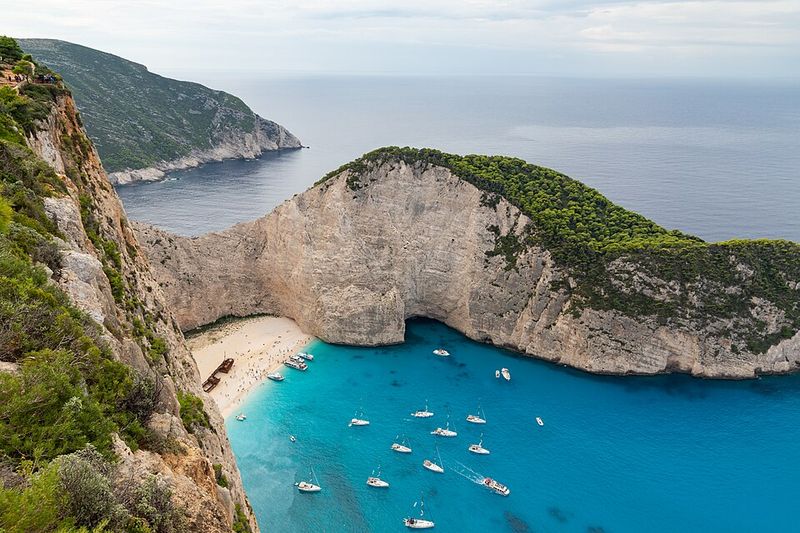
Zakynthos delivers some of the most jaw-dropping coastal scenery in all of Greece, with Navagio Beach leading the charge as the island’s star attraction. This secluded cove cradles a rusted shipwreck on brilliant white sand, surrounded by sheer cliffs that plunge into water so blue it almost looks artificial.
Boat tours depart daily from various ports, offering the only way to reach this famous beach and explore the nearby Blue Caves where sunlight creates magical reflections.
Beyond the postcard scenes, Zakynthos reveals a greener, lusher landscape than the Cycladic islands, with olive groves and pine forests covering inland hills. Traditional villages maintain authentic character, with locals producing olive oil and wine using methods passed down through generations.
The island’s eastern coast offers calmer beaches perfect for families, while the dramatic western cliffs attract photographers and adventurers.
Loggerhead sea turtles nest on several beaches here, and conservation efforts help protect these endangered creatures while allowing visitors to learn about marine life. Zakynthos combines natural splendor with cultural heritage, making it ideal for travelers who want stunning photos, swimming in emerald waters, and glimpses of traditional Greek island life all in one place.
Corfu — Ionian History & Venetian Heritage
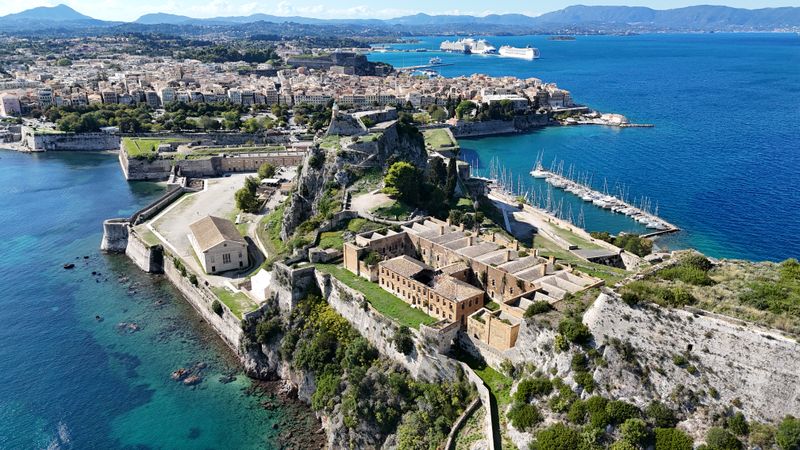
Corfu wears its history proudly, with layers of Venetian, French, and British influence visible in the architecture and culture of its UNESCO-listed Old Town. Walking through the Liston arcade feels like stepping into a European capital, with elegant buildings housing cafes where locals sip coffee while watching the world pass by.
The Old Fortress stands guard over the harbor, offering panoramic views and a tangible connection to the island’s strategic importance through the centuries.
Beyond the historic center, Corfu reveals lush landscapes quite different from the drier Cycladic islands—olive groves blanket hillsides, cypress trees line country roads, and beaches range from pebbly coves to sandy stretches. Villages like Paleokastritsa charm visitors with monastery views and crystal-clear water perfect for snorkeling.
The island’s culinary scene reflects its diverse heritage, with dishes incorporating Italian influences alongside traditional Greek flavors.
Wine tasting at local estates introduces visitors to regional varieties, while seafood tavernas serve catches prepared with herbs grown in nearby gardens. Corfu balances cultural depth with natural beauty, appealing to travelers who appreciate history, architecture, and the kind of relaxed island atmosphere that makes you want to extend your stay just a little bit longer.
Tinos — Authentic Villages & Quiet Beauty
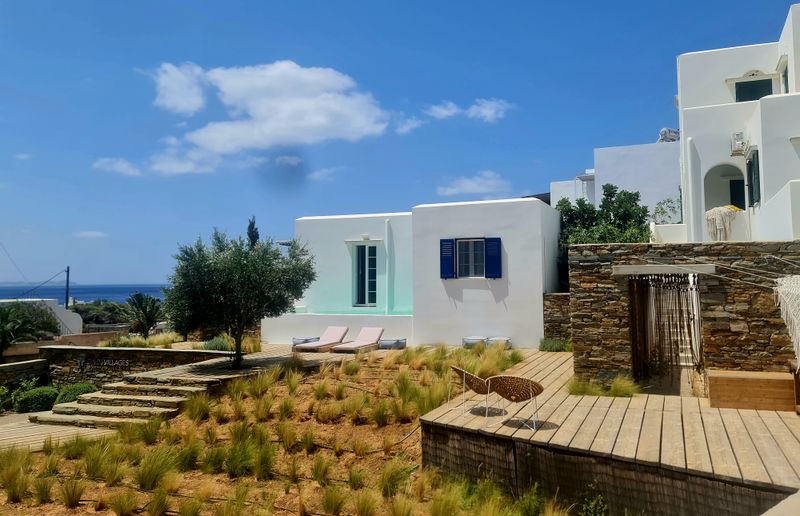
Just a short ferry ride from party-central Mykonos, Tinos offers a completely different island experience focused on tradition, craftsmanship, and quiet beauty. The marble village of Pyrgos showcases the island’s stone-carving heritage, with workshops where artisans still create sculptures and architectural details using techniques perfected over generations.
Wandering the narrow streets reveals elaborate doorways, fountains, and decorative elements that turn the village into an open-air gallery.
Tinos’s landscape features unique dovecotes—ornate stone structures built to house pigeons—scattered across hillsides like miniature castles. These architectural gems reflect agricultural traditions still practiced in rural areas.
The island’s culinary specialties include artichokes prepared in various ways and kopanisti, a spicy cheese that packs a flavorful punch. Local tavernas serve these ingredients in simple dishes that let quality shine through.
Hiking to Exomvourgo, the rocky peak crowned with Venetian fortress ruins, rewards climbers with 360-degree views stretching across the Cyclades. Tinos attracts travelers seeking authentic Greek island life away from crowds, where religious festivals still draw pilgrims and village rhythms follow seasons rather than tourist calendars.
This island proves that sometimes the best experiences come from slowing down and embracing simplicity.
Thasos — Northern Aegean Escape
Thasos floats in the northern Aegean closer to mainland Macedonia than to the famous Cycladic islands, offering a greener, quieter alternative that feels authentically Greek. Frequent ferries from Kavala make access easy, yet the island stays off most tourist radars, preserving a peaceful atmosphere where fishing villages operate according to centuries-old patterns.
Olive groves and pine forests cover much of the interior, creating landscapes more reminiscent of the mainland than typical island scenery.
Sandy beaches line much of the coast, with spots like Golden Beach offering long stretches perfect for families and swimmers who prefer calm, shallow water. Local production of honey, olives, and wine gives visitors a taste of agricultural traditions that sustain island communities.
Tavernas serve these ingredients in hearty meals that feel like eating at a Greek friend’s house rather than a tourist restaurant.
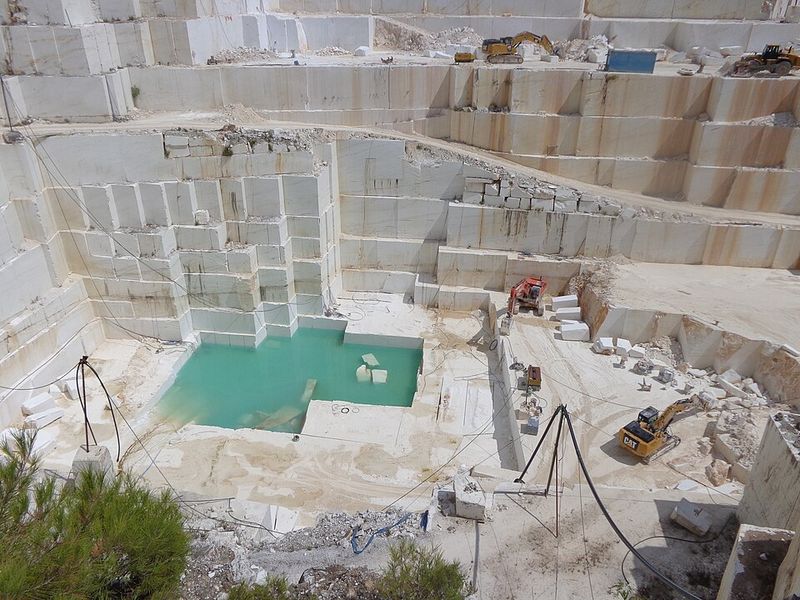
Ancient marble quarries and archaeological sites dot the island, revealing its importance in classical times when Thasian marble was prized across the Mediterranean. Mountain villages maintain traditional architecture and slower rhythms, where coffee shops serve as community centers and locals greet visitors with genuine warmth.
Thasos rewards travelers seeking longer stays focused on relaxation, nature, and authentic cultural immersion.
Folegandros — Dramatic Cliffs & Timeless Villages
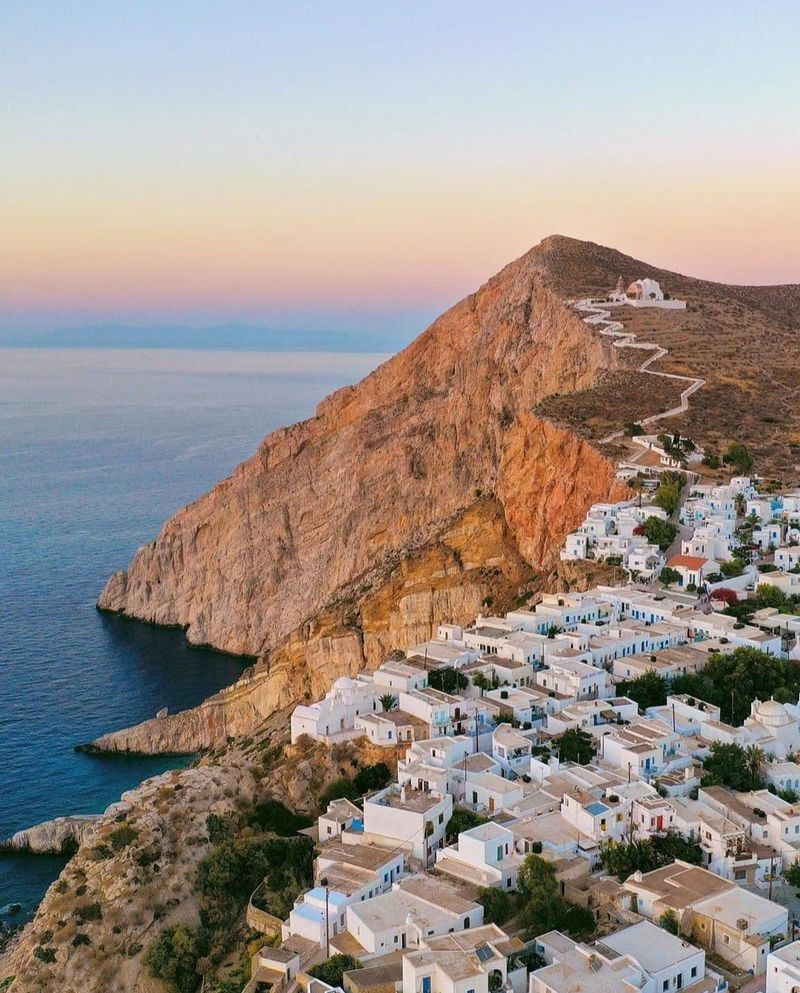
Small, rugged Folegandros rises dramatically from the Aegean with cliffs that drop straight into deep blue water. The main town of Chora perches on the edge of these precipices, creating views that make your heart skip a beat when you peer over the edge.
Narrow pedestrian lanes wind through the village, where bougainvillea spills over whitewashed walls and the baroque Church of Panagia watches over everything from its hilltop position.
This island operates on a different timeline than its busier neighbors, with a quiet, almost meditative atmosphere that attracts travelers seeking escape from modern rush. Beaches here require a bit of effort to reach—steep paths or boat rides—but the reward is often having a cove mostly to yourself.
Ano Meria, the island’s other main settlement, preserves traditional farming life with stone terraces and simple tavernas serving home-style cooking.
Sunset viewpoints abound, with the walk from Chora to the church becoming a nightly pilgrimage for those seeking spectacular evening light. Folegandros appeals to romantic souls and anyone tired of crowds, offering intimate island experiences where you can hear waves crashing below and see stars unobscured by light pollution after dark.
Amorgos — Rugged Nature & Hiking Trails
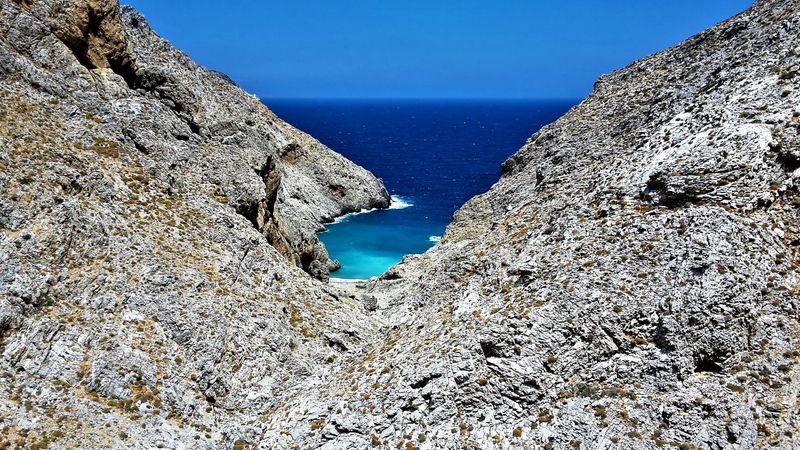
Amorgos calls to hikers and nature lovers with its wild, unspoiled terrain that feels like stepping back to ancient Greece. The Hozoviotissa Monastery clings impossibly to a cliff face 300 meters above the sea, looking more like a white ribbon against rock than a building.
Reaching it involves climbing steps carved into the mountainside, but the views and the monks’ warm welcome make every step worthwhile.
Two main settlements offer different flavors of island life—Aegiali on the north coast brings relaxed beach vibes and waterfront tavernas, while Katapola in the south serves as the main port with more traditional village character. Between them, hiking trails cross valleys, connect hilltop churches, and reveal panoramic views that stretch across the Cyclades.
Crystal-clear coves hide along the coastline, accessible to those willing to scramble down rocky paths.
Authentic tavernas serve simple meals heavy on local ingredients, where the owner might be the cook, server, and fisherman all in one. Amorgos gained fame as a filming location but remains refreshingly uncommercial, attracting independent travelers who value natural beauty over tourist infrastructure.
This island rewards those seeking adventure and solitude in equal measure.
Lefkada — Ionian Caribbean & Natural Wonders
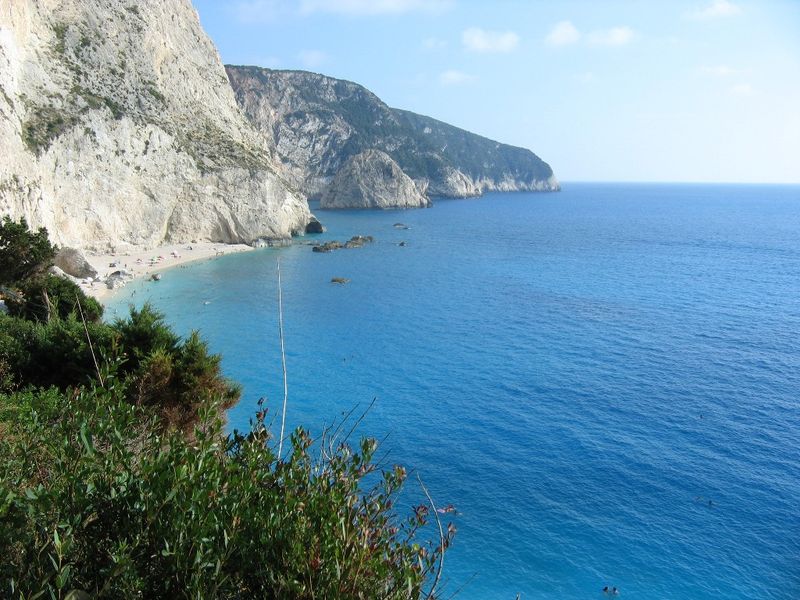
Connected to mainland Greece by a causeway and bridge, Lefkada offers island beauty without the ferry ride, making it uniquely accessible. Porto Katsiki Beach stops visitors in their tracks with towering white cliffs framing water so blue and clear it rivals any Caribbean destination.
Egremni Beach, before the 2015 earthquake changed access, was equally stunning, and nearby alternatives continue to deliver that signature Ionian beauty.
Natural attractions extend beyond beaches to include Dimosari Waterfalls, where hiking through olive groves leads to pools perfect for a refreshing swim. The marina at Nydri has expanded recently, bringing more sailing visitors who use Lefkada as a base for exploring surrounding islands.
Seaside tavernas line various coastal villages, serving grilled fish and local wine while waves lap at the shore just meters away.
Windsurfing and kitesurfing conditions attract watersports enthusiasts, particularly at beaches on the western coast where afternoon winds create ideal conditions. Lefkada combines the best Ionian elements—lush landscapes, dramatic coastlines, and crystal-clear seas—with the convenience of car access, making it perfect for travelers who want flexibility in their island exploration without sacrificing natural beauty or authentic Greek atmosphere.
Kythira — Hidden Gem Between Peloponnese & Crete
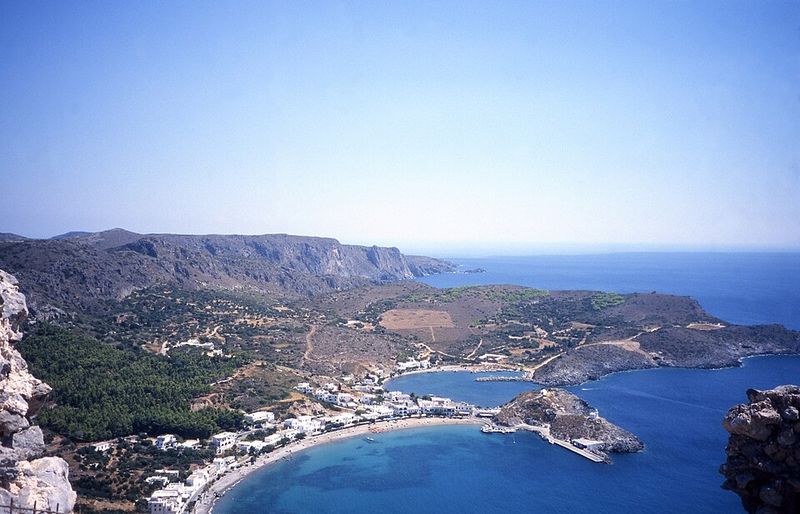
Kythira occupies a unique position between the Peloponnese and Crete, remaining blissfully under-touristed despite its considerable charms. Wildflowers carpet hillsides in spring, creating colorful displays that contrast beautifully with the deep blue sea visible from higher elevations.
The Venetian Castle in Chora stands as a reminder of the island’s strategic importance through history, with thick walls and narrow passages leading to viewpoints over rooftops and coastline.
Beaches like Kaladi reward those who make the descent with pebbles and crystal-clear water ideal for snorkeling among rocks where fish dart in and out of crevices. Inland, waterfalls and gorges provide nature adventures that feel genuinely Greek but refreshingly untouched by mass tourism.
Villages preserve traditional architecture and ways of life, with locals maintaining agricultural practices and crafts passed through generations.
The island’s relatively small visitor numbers mean authentic interactions come easily—taverna owners have time to chat, and you might find yourself invited to local celebrations if your timing is right. Kythira appeals to independent travelers seeking discovery, offering the satisfaction of finding beautiful places that haven’t yet made it onto every travel blogger’s must-see list.
Santorini & Crete Pairing — Best of Both Worlds
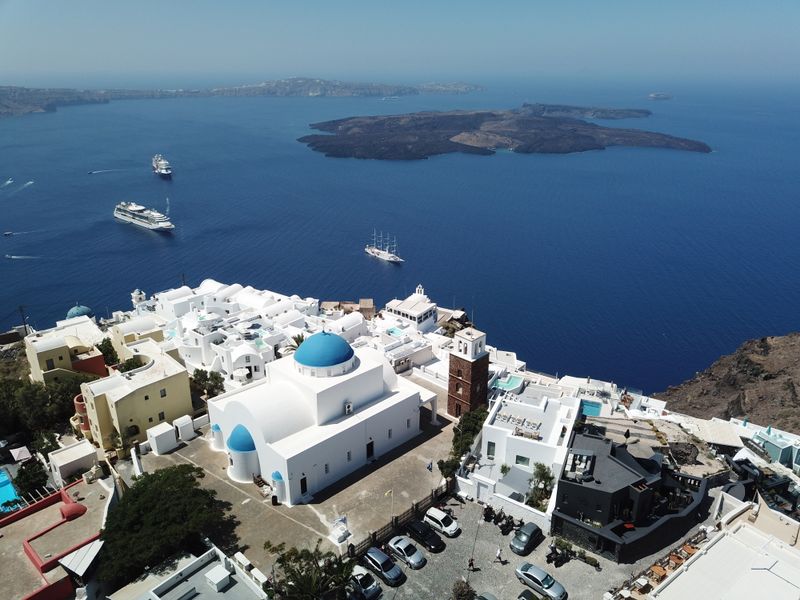
Why choose between iconic romance and deep cultural exploration when you can experience both? Pairing Santorini and Crete in a single trip creates the ultimate Greek island adventure, combining caldera sunsets and Cycladic charm with ancient history and culinary richness.
Ferries and short flights connect the two islands easily, making logistics simple enough for even first-time visitors to Greece.
Start with Santorini’s dramatic volcanic landscapes, wine tasting in cave cellars, and those legendary sunsets that paint the sky in impossible colors. After soaking in the romance and taking a thousand photos, hop over to Crete where the adventure expands into mountain gorges, Minoan palaces, and villages where traditional life continues largely unchanged.
The contrast between the two islands creates a richer understanding of Greek island diversity.
Crete’s size allows for deeper exploration—you could spend days just discovering different regions, from the pink sands of Elafonissi to the Samaria Gorge hike to tavernas serving dakos and fresh seafood. Together, these islands deliver a full spectrum of experiences that satisfy history buffs, food lovers, beach seekers, and photographers in one memorable journey.
This pairing proves that sometimes the best travel strategy is refusing to choose.
Share this story