Tucked away on Florida’s Forgotten Coast, Apalachicola is a hidden gem that most travelers miss on their way to more crowded beach destinations. This charming coastal town offers something truly special: breathtaking sunsets that paint the sky in shades of orange and pink, paired with refreshing Gulf breezes that make even the hottest summer days feel comfortable.
With a population of just over 2,300 people, Apalachicola delivers an authentic Florida experience without the tourist traps and traffic jams that plague bigger cities.
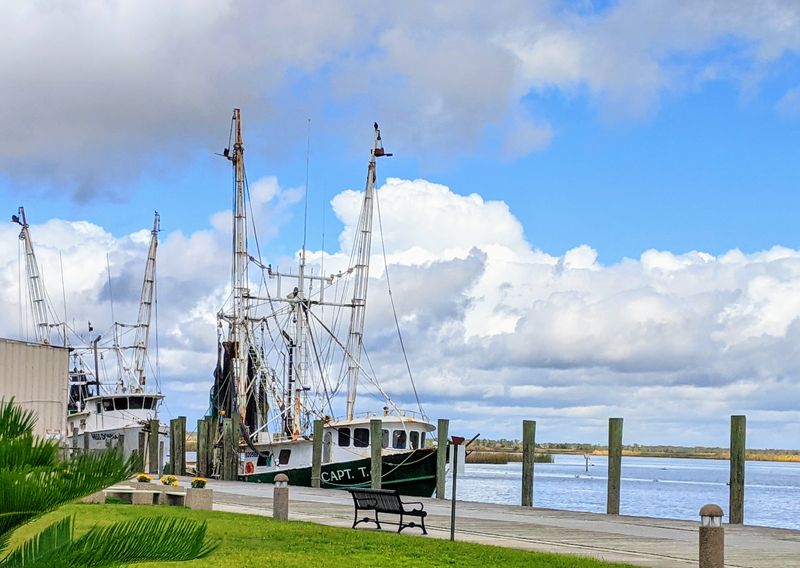
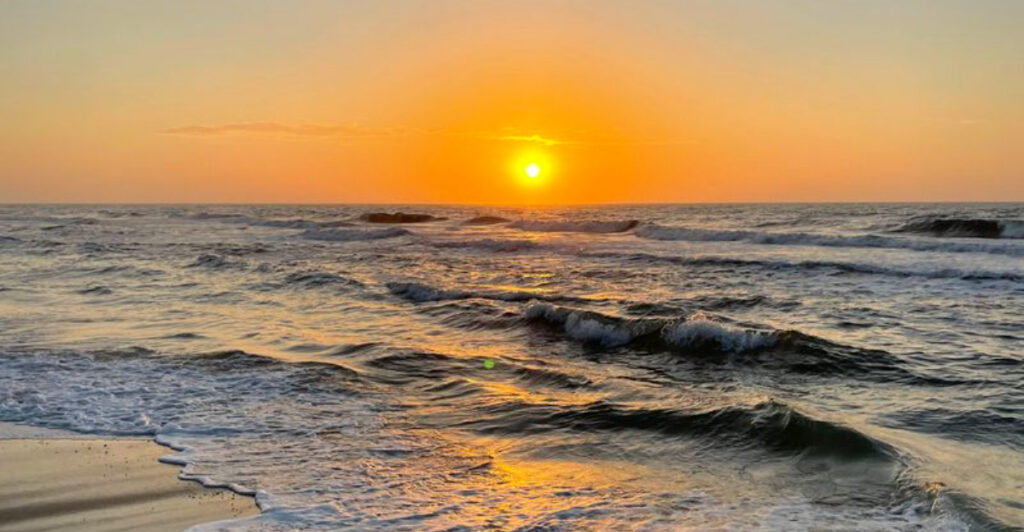
Battery Park sits right on the waterfront and serves up sunset views that rival anything you’ll find in the Florida Keys. The park’s location along Apalachicola Bay creates the perfect vantage point to watch the sun melt into the horizon while shrimp boats glide across the water.
Local families gather here with picnic blankets and folding chairs as the evening light transforms the bay into a canvas of fiery colors. The gentle Gulf breeze keeps mosquitoes at bay and provides natural air conditioning as you watch pelicans dive for their last meal of the day.
Kids love running along the waterfront while parents snap photos that never quite capture the full magic of the moment.
The park includes benches, walking paths, and plenty of open space for spreading out. You won’t fight crowds for the best viewing spot like you would at more famous Florida beaches.
Most evenings, you’ll share this spectacular show with just a handful of other sunset enthusiasts who know what a treasure they’ve found.
Bring a camera, but don’t forget to put it down sometimes and just soak in the experience with your own eyes.
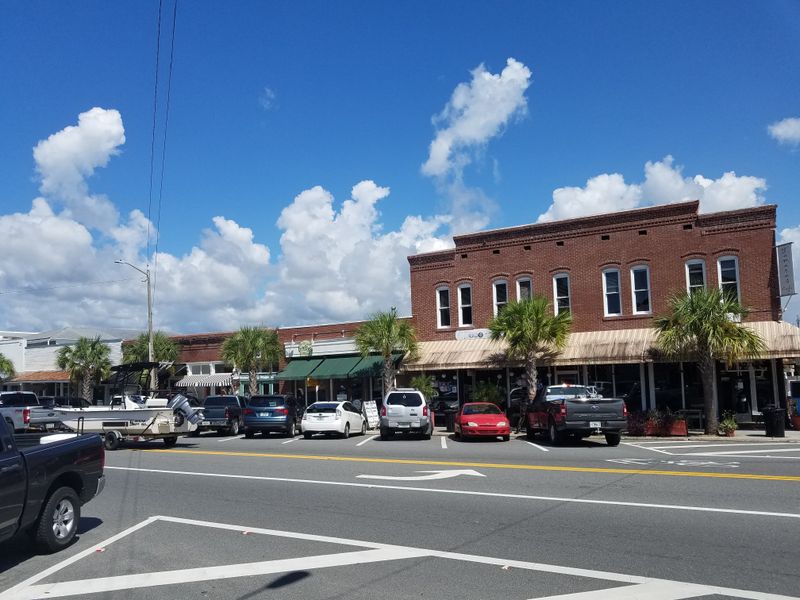
Walking along Apalachicola’s riverfront feels like stepping back in time to old Florida before theme parks and high-rise condos took over. The historic district stretches along the Apalachicola River with buildings dating back to the 1800s, many still sporting their original architectural details and charm.
Water Street serves as the main artery through this area, lined with brick buildings housing art galleries, antique shops, and local restaurants. The constant Gulf breeze flowing through town makes these walks comfortable even during summer months when inland Florida feels like a sauna.
Spanish moss drapes from ancient oak trees, creating natural shade tunnels perfect for leisurely exploration.
Street musicians sometimes set up on corners, adding a soundtrack to your journey through history. You’ll pass the old cotton warehouse, the Sponge Exchange, and other landmarks that tell the story of Apalachicola’s trading past.
The whole downtown area spans just a few blocks, making it easy to explore everything on foot without getting exhausted.
Stop into local shops where owners actually remember your face and chat about the town’s history. This isn’t some recreated tourist village—it’s a real working waterfront that happens to be incredibly beautiful.
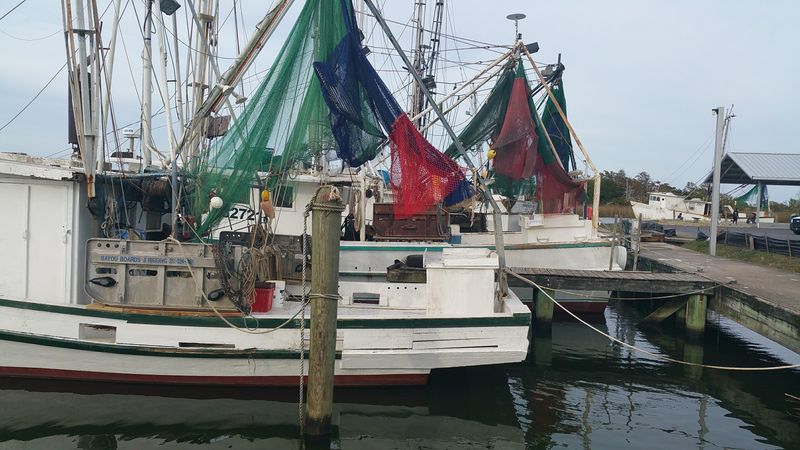
Apalachicola Bay produces about 90 percent of Florida’s oysters and 10 percent of all oysters consumed nationwide. These aren’t just any oysters—they’re famously sweet and plump thanks to the unique mix of fresh river water and salty Gulf water in the bay.
You can watch oystermen work the bay from dawn until early afternoon, using traditional tonging methods passed down through generations. Their boats dot the water like a floating neighborhood, each crew working their favorite spots.
The whole town revolves around this industry, with processing houses and seafood markets selling oysters so fresh they were underwater just hours earlier.
Boss Oyster restaurant sits right on the water and lets you slurp down these local treasures while watching the very bay they came from. Caroline’s River Dining and Up the Creek Raw Bar also serve outstanding oyster dishes prepared every way imaginable.
Even if you’ve never liked oysters before, the Apalachicola variety might change your mind with their mild, sweet flavor.
The annual Florida Seafood Festival in November celebrates this heritage with oyster shucking contests and cooking competitions. Visiting during festival time means experiencing the town at its liveliest, though any time of year brings fresh oyster goodness.
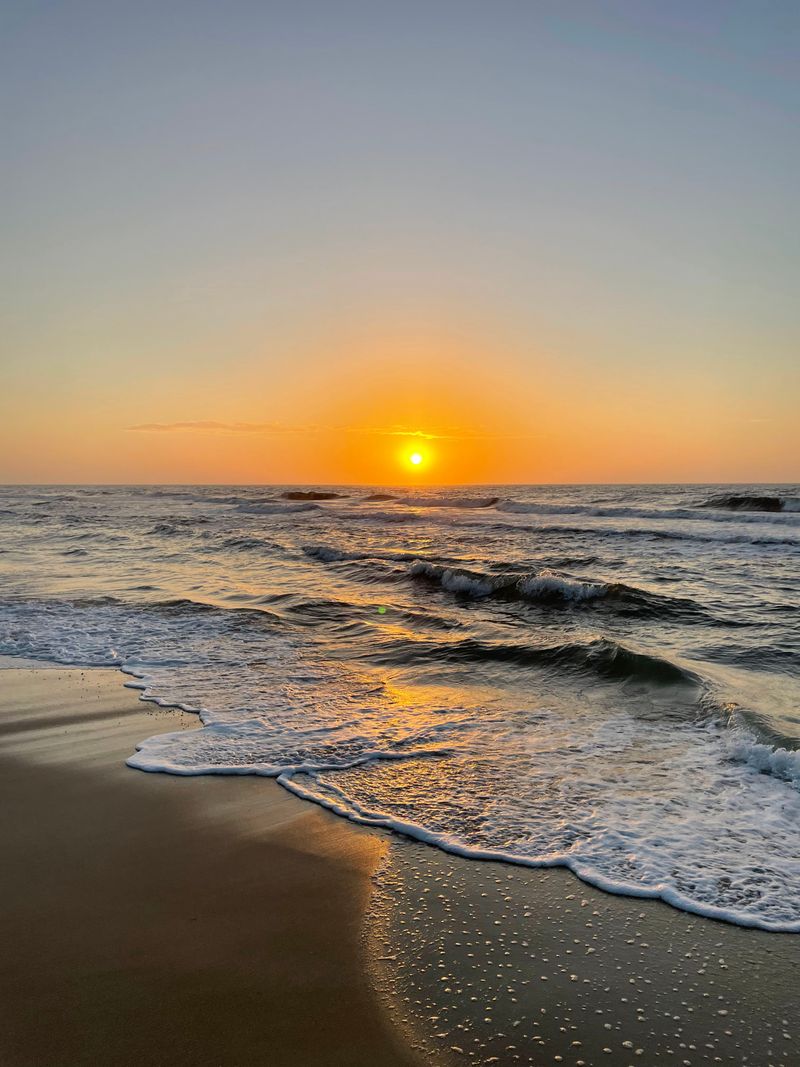
Just a quick drive from downtown Apalachicola, St. George Island offers 22 miles of undeveloped beach that feels worlds away from the condo canyons of Panama City or Destin. The island’s sugar-white sand and emerald waters look like something from a Caribbean postcard, yet you’ll often have whole stretches of beach practically to yourself.
The causeway connecting the island to the mainland provides stunning views as you cross over the bay. Dolphins frequently swim alongside the bridge, and if you’re lucky, you might spot a manatee cruising through the shallow waters.
Once on the island, you can choose between the developed east end with beach houses and restaurants or the pristine state park on the west end.
St. George Island State Park protects nine miles of coastline where sea turtles nest and shorebirds hunt for dinner. Hiking trails wind through coastal forests and dunes, offering different perspectives beyond just the beach.
The Gulf breeze here feels even stronger than in town, creating perfect conditions for flying kites or just cooling off after a swim.
Many visitors base themselves in Apalachicola and make day trips to the island, enjoying the best of both worlds—historic small-town charm and pristine beach access.
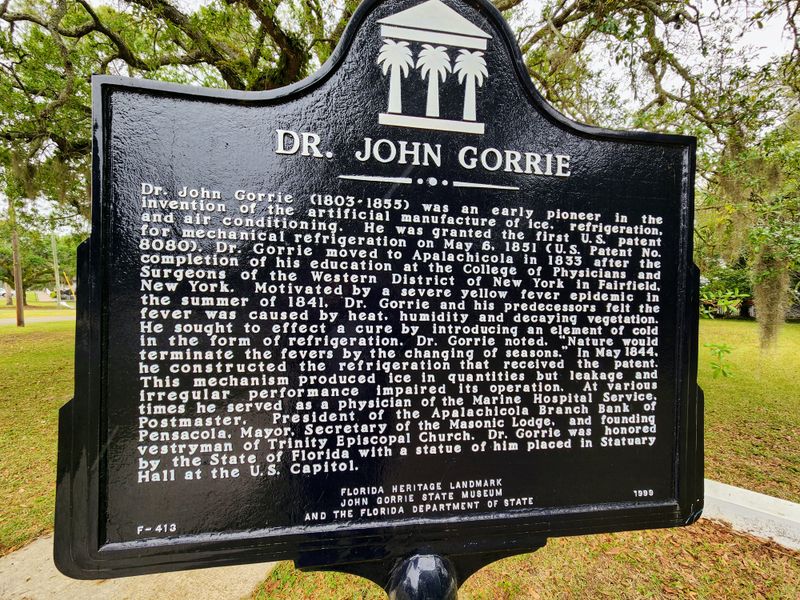
Air conditioning might seem like an odd thing to celebrate at a museum, but without Dr. John Gorrie’s ice-making invention, Florida summers would be unbearable for most people. This small museum honors the physician who created the first mechanical refrigeration system back in the 1840s while trying to cool down yellow fever patients.
The museum sits in a charming building near the center of town and takes less than an hour to explore completely. Inside, you’ll find a replica of Gorrie’s original ice machine along with exhibits explaining how his invention revolutionized not just medicine but food preservation and comfort worldwide.
Kids find it fascinating to learn that something we take for granted today was once considered impossible.
Gorrie’s story shows the innovative spirit that characterized early Apalachicola when it served as a major cotton shipping port. The town attracted smart, ambitious people who weren’t afraid to tackle big problems with creative solutions.
Standing in the air-conditioned museum while learning about life before cooling systems gives you a real appreciation for this breakthrough.
Admission costs just a few dollars, making this an affordable activity for families. The staff shares stories about Gorrie’s life and the town’s history that you won’t find in the exhibits alone.
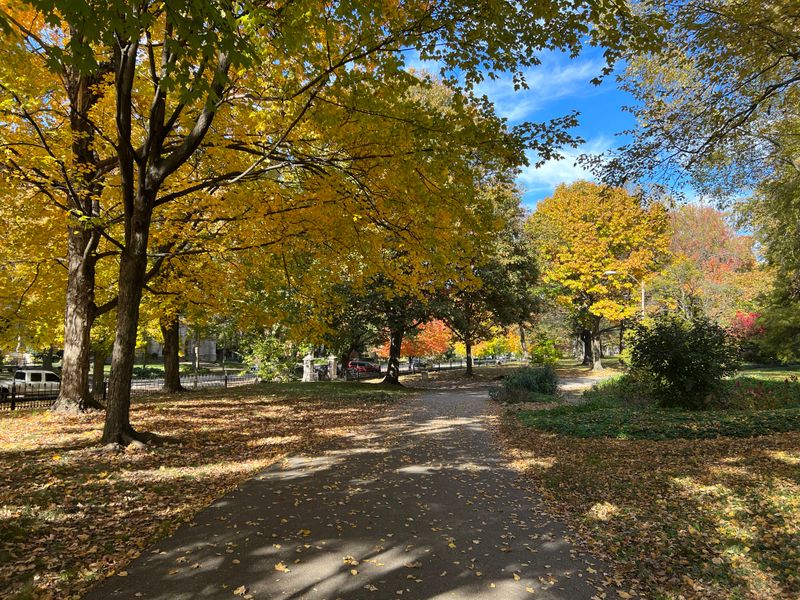
Massive live oak trees create a natural cathedral in Lafayette Park, their branches spreading so wide they form a canopy over the entire square. Spanish moss hangs in silvery curtains, swaying with every Gulf breeze that sweeps through the downtown area.
This park serves as Apalachicola’s town square and has witnessed nearly 200 years of local history. A Confederate monument stands near the center, though the park’s real appeal comes from its peaceful atmosphere and perfect shade.
Benches scattered throughout invite visitors to sit and watch small-town life unfold at its unhurried pace.
Locals walk their dogs here in the morning and evening, stopping to chat with neighbors they’ve known for decades. The park hosts community events like concerts and art shows, transforming into a gathering place that strengthens the town’s tight-knit feel.
Even on the hottest days, the combination of shade and Gulf breeze makes the park comfortable for reading a book or just people-watching.
The park sits right in the middle of the historic district, making it an ideal resting spot between exploring shops and restaurants. No playground equipment or fancy features—just trees, grass, and the kind of simple beauty that modern city parks often lack despite their million-dollar budgets.
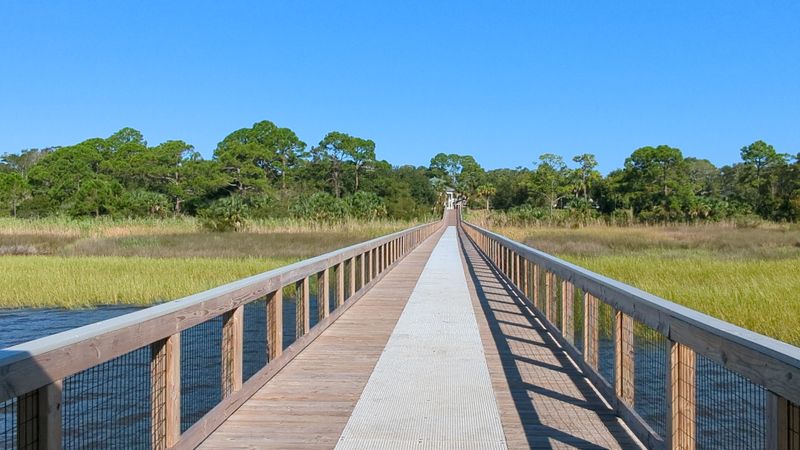
Covering 246,766 acres of rivers, marshes, and bay waters, this reserve protects one of the most productive estuaries in North America. The mixing of fresh water from the Apalachicola River with salt water from the Gulf creates a unique ecosystem that supports an incredible variety of fish, birds, and other wildlife.
Nature lovers can explore several trails and boardwalks that wind through different habitats within the reserve. The observation platforms offer chances to spot roseate spoonbills, wood storks, and dozens of other bird species that call this area home.
Bring binoculars and a camera because wildlife sightings happen almost constantly throughout the day.
The reserve’s Nature Center provides educational exhibits about the estuary’s importance and the creatures living within it. Rangers lead guided walks and programs that help visitors understand what makes this ecosystem so special.
You’ll learn how the estuary acts as a nursery for countless marine species, including the shrimp and fish that support the local fishing industry.
Kayaking through the reserve’s waterways gives you an even closer look at this environment. The calm waters and abundant wildlife make it suitable for beginners, though experienced paddlers will appreciate the expansive areas to explore.
Every Gulf breeze carries the scent of salt marsh and maritime forest.
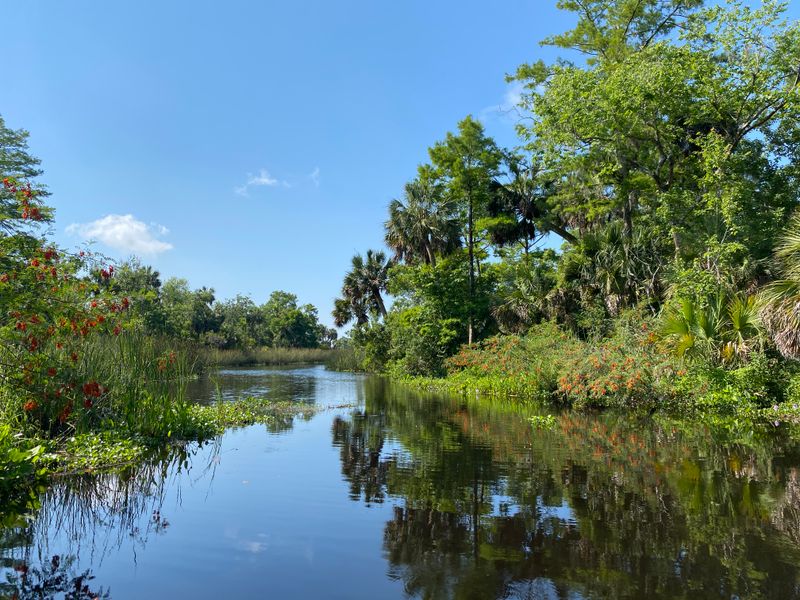
Named after botanist Alvan Wentworth Chapman who documented Florida’s native plants in the 1800s, this garden showcases the natural beauty of the region’s vegetation. Unlike formal gardens with exotic imports, Chapman Botanical Garden focuses on plants that naturally thrive in this coastal environment.
Winding paths lead you through different zones representing various local habitats—wetlands, coastal forests, and dune areas. Interpretive signs identify plants and explain their role in the ecosystem, teaching visitors about species they might otherwise overlook.
The garden proves that native plants can be just as beautiful as tropical imports while requiring far less maintenance and water.
Gulf breezes flow freely through the open garden design, keeping you cool while you explore. Butterflies and hummingbirds visit constantly, drawn to the native flowers that evolved specifically to attract them.
The peaceful atmosphere makes this spot perfect for quiet reflection or photography.
The garden’s small size means you can see everything in about 30 minutes, though many visitors linger longer on the benches enjoying the natural surroundings. No admission fee makes this an accessible attraction for everyone.
Local volunteers maintain the garden with obvious love and dedication, often working in the early morning hours before the day gets too warm.
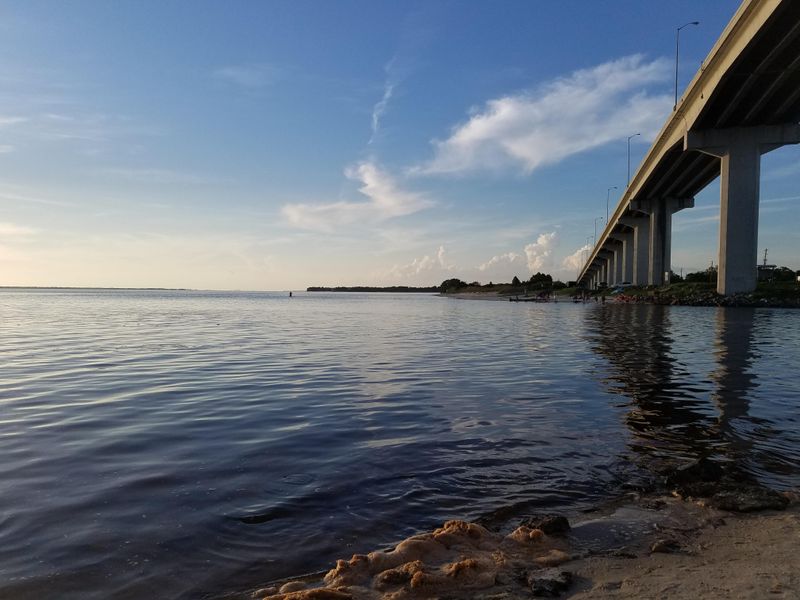
Eating fresh seafood while watching the sun set over Apalachicola Bay ranks among life’s simple pleasures. Several waterfront restaurants let you combine excellent food with million-dollar views that don’t cost anything extra.
The Owl Cafe occupies a historic building on Avenue D and serves creative dishes using local seafood and produce. Their outdoor seating area catches the Gulf breeze perfectly, making dinner comfortable even during summer.
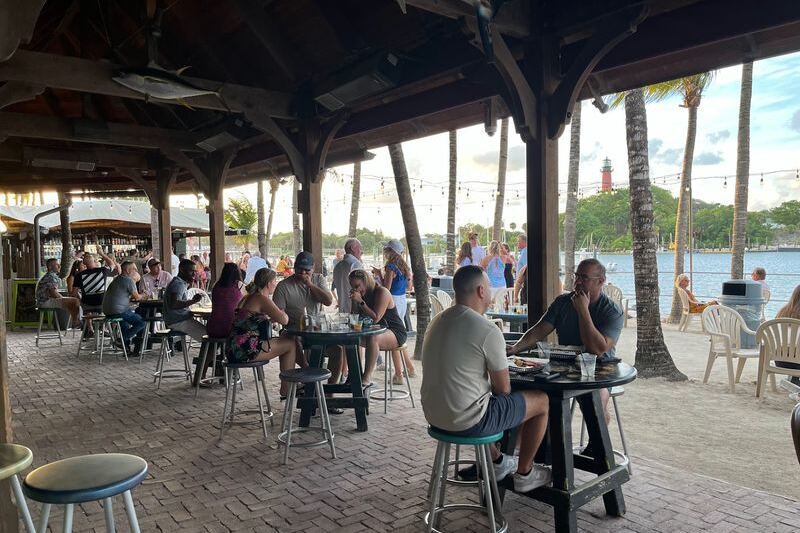
Boss Oyster keeps things casual with picnic table seating right on the water where you can crack your own crab legs while boats drift past.
Up the Creek Raw Bar lives up to its name with a laid-back atmosphere that matches the town’s unhurried vibe. Their raw oysters taste like the ocean itself, and the steamed shrimp comes seasoned just right.
Tamara’s Cafe downtown offers a different approach with Latin-inspired dishes that put a fresh spin on local ingredients.
Most restaurants source their seafood from local fishermen who deliver their catch daily. This means menus change based on what’s running, ensuring maximum freshness.
The portions tend to be generous and prices reasonable compared to tourist-heavy coastal towns. Reservations rarely prove necessary except during the busy seafood festival weekend, though calling ahead never hurts.

Built in 1838, the Orman House stands as a beautiful example of antebellum architecture adapted for Florida’s coastal climate. The two-story home features wide porches designed to catch Gulf breezes and keep the interior cool long before air conditioning existed.
Thomas Orman made his fortune in the cotton trade when Apalachicola served as one of the South’s busiest ports. His home reflects that prosperity with fine furnishings, detailed woodwork, and thoughtful design that balanced elegance with practicality.
Tall ceilings and strategically placed windows create natural air flow that still impresses visitors today.
Guided tours reveal how wealthy families lived during Apalachicola’s boom years as the third-busiest cotton port on the Gulf Coast. The guides share stories about the Orman family and daily life in the 1800s, bringing history alive in ways textbooks never manage.
Period furnishings fill the rooms, helping visitors visualize how the spaces were actually used.
The house sits in a quiet residential area where you can easily imagine yourself transported back in time. Ancient trees shade the property, and the Gulf breeze rustles through the leaves just as it did when Thomas Orman first built his home.
Admission costs just a few dollars, and tours run throughout the day except Tuesdays and Wednesdays when the site closes.
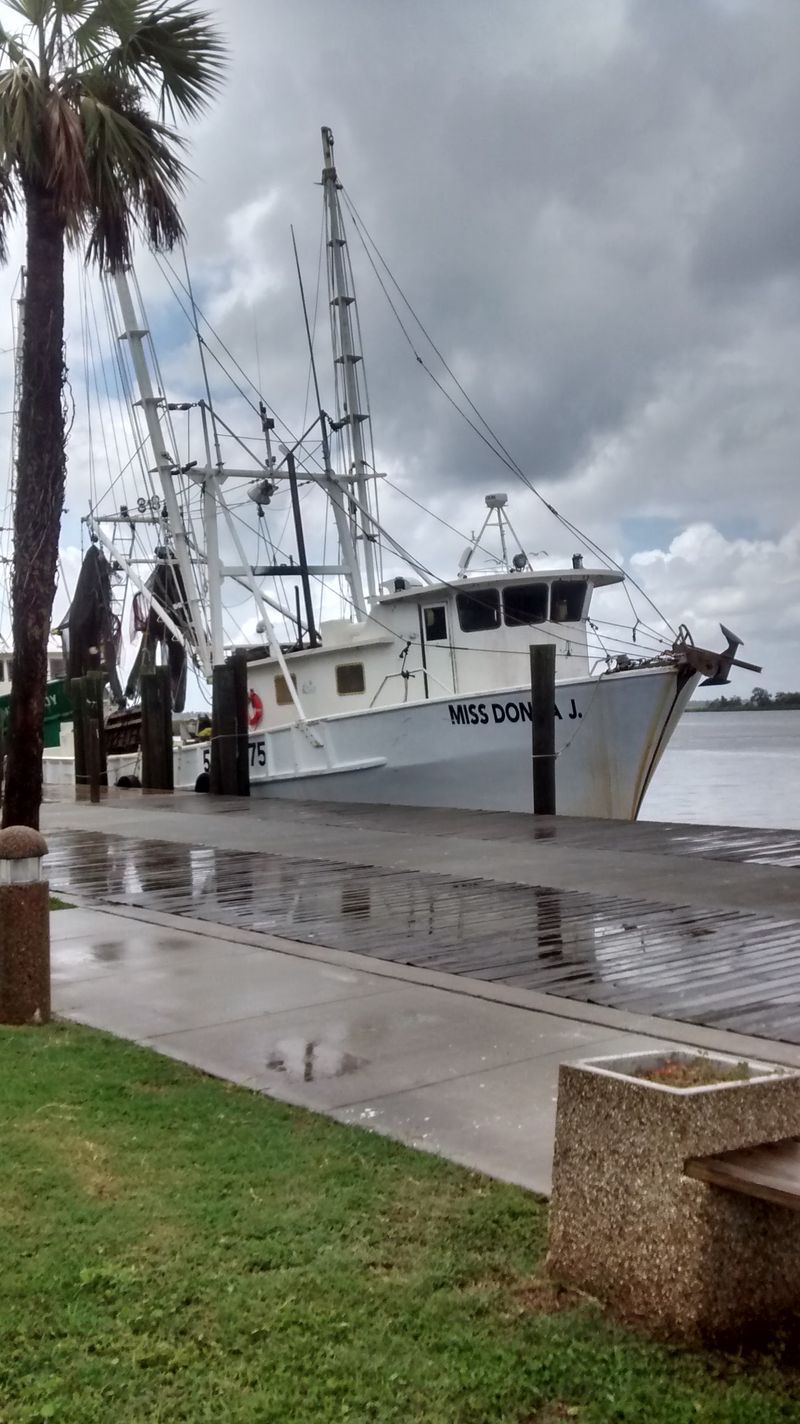
Scipio Creek cuts through the heart of Apalachicola, creating a natural harbor where commercial fishing boats and pleasure craft share the water. Walking along the creek gives you a front-row seat to the working waterfront that still defines this town’s character.
Shrimp boats tied to weathered docks tell stories through their nets, rigging, and sun-faded paint. Early morning brings the most activity as crews prepare for the day’s work, loading ice and checking equipment while pelicans wait hopefully for scraps.
The air smells like salt water, diesel fuel, and fish—not unpleasant but distinctly maritime.
Several marinas along the creek offer boat rentals and fishing charters for visitors wanting to experience the bay firsthand. Local captains know every sandbar and oyster bed, taking you to spots where redfish and speckled trout practically jump into the boat.
Even if you don’t fish, a sunset cruise around the bay provides unforgettable views and wildlife sightings.
The creek stays active throughout the day with boats coming and going, creating a constantly changing scene. Bring a chair and just watch the maritime ballet unfold while Gulf breezes keep you comfortable.
This authentic working waterfront beats any sanitized marina development you’ll find in bigger resort towns.
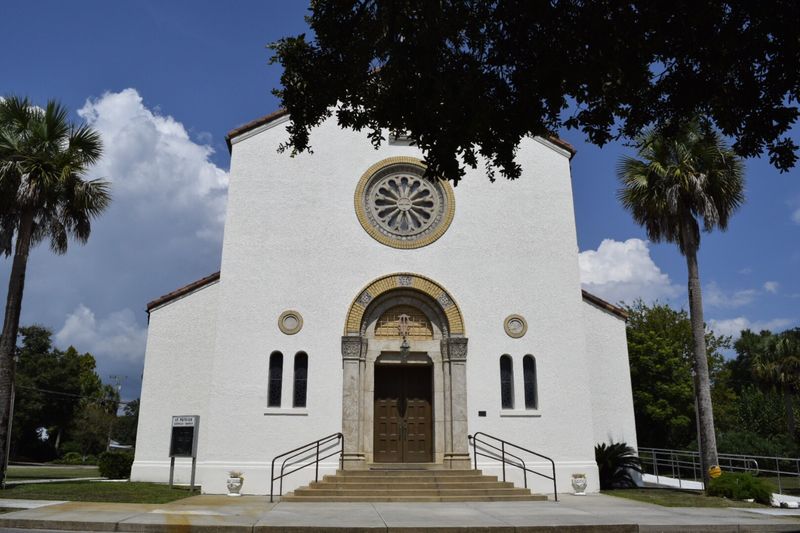
Trinity Episcopal Church has stood at the corner of Sixth Street and Avenue E since 1838, making it one of Florida’s oldest churches still holding regular services. The simple white wooden structure embodies the classic Southern church design with its tall steeple pointing toward heaven.
What makes this church particularly special is that it was shipped to Apalachicola in pieces from New York aboard a sailing vessel. Workers assembled it on site using wooden pegs instead of nails, a construction method that has held strong for nearly 200 years.
The craftsmanship shows in every detail, from the hand-hewn beams to the original wooden pews that still serve the congregation.
Inside, sunlight streams through tall windows, illuminating the simple but beautiful interior. The church stays cool even on hot days thanks to high ceilings and those ever-present Gulf breezes flowing through open windows.
Stained glass windows added later bring splashes of color without overwhelming the building’s understated elegance.
Visitors are welcome to tour the church outside of service times, and the congregation maintains an open-door policy that reflects small-town hospitality. The peaceful atmosphere invites quiet reflection regardless of your religious beliefs.
The church cemetery holds graves of early settlers whose names still appear on downtown streets and buildings.
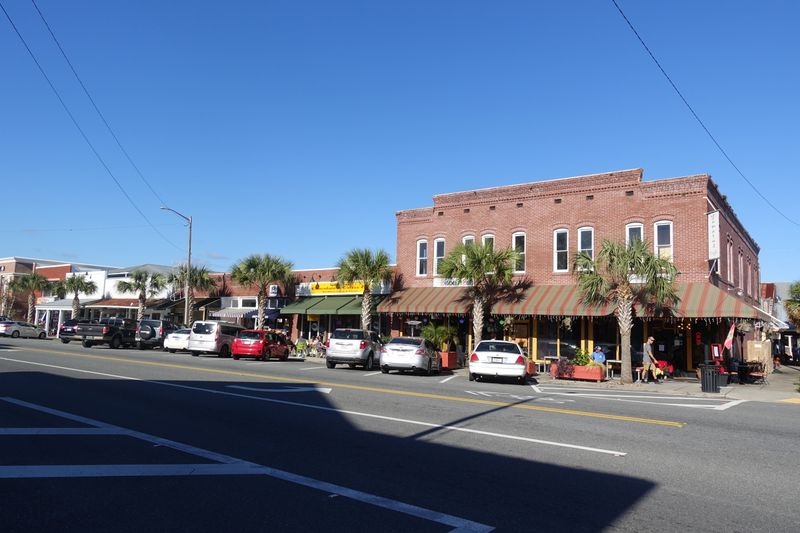
Avenue E serves as Apalachicola’s main shopping corridor, lined with locally-owned boutiques, art galleries, and specialty shops housed in historic buildings. Forget chain stores and predictable mall shopping—these shops offer unique items you won’t find anywhere else.
The Tin Shed features coastal-inspired home decor and gifts created by local artisans and craftspeople. Grady Market combines a gourmet food shop with a cafe serving excellent coffee and light meals.
River Lily showcases women’s clothing and accessories with a bohemian flair that matches the town’s artistic vibe.
Art galleries display works by local and regional artists, many inspired by the area’s natural beauty and maritime heritage. You’ll find paintings of oyster boats at sunset, sculptures made from driftwood, and photography capturing the Forgotten Coast’s unspoiled landscapes.
Prices range from affordable prints to investment-quality pieces, with gallery owners happy to discuss the artists and their techniques.
Antique shops treasure hunters will love exploring hold everything from Victorian furniture to vintage fishing gear and maritime artifacts. Shop owners know the history behind their inventory and love sharing stories about interesting pieces.
The whole shopping district spans just a few blocks, making it easy to browse everything without rushing. Gulf breezes flowing down the street make window shopping comfortable even during warmer months.
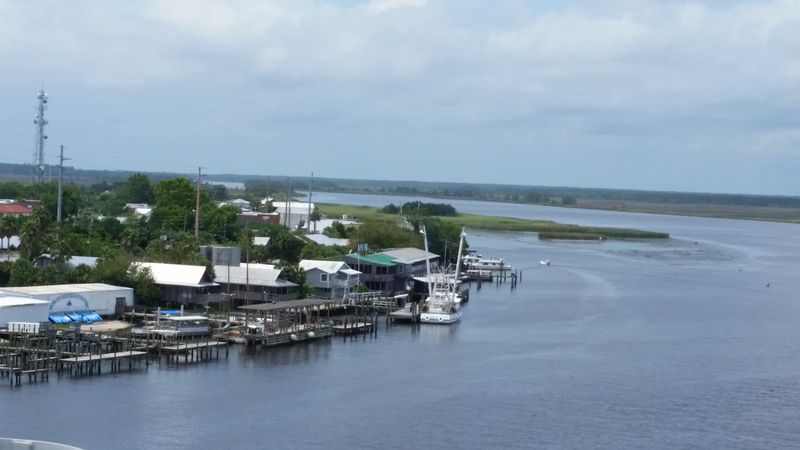
The Apalachicola River flows 106 miles from the Georgia border to the bay, creating endless opportunities for kayaking and canoeing adventures. The river’s current does most of the work, letting you relax and enjoy the scenery while drifting through one of Florida’s wildest remaining waterways.
Cypress trees draped with Spanish moss line the banks, their knobby knees rising from the dark water like wooden sculptures. Alligators sun themselves on logs, usually sliding into the water long before you get close enough to worry.
Turtles stack themselves on every available surface, and wading birds stalk fish in the shallows.
Several outfitters in town rent kayaks and canoes, offering everything from two-hour paddles to multi-day camping trips. The calm water makes this suitable for beginners, though the river’s wild character means you should take basic safety precautions seriously.
Bring plenty of water, sunscreen, and a dry bag for anything you don’t want getting wet.
Paddling different sections reveals changing landscapes from hardwood forests to wetlands teeming with wildlife. The river stays surprisingly uncrowded even during peak season, giving you a genuine wilderness experience just minutes from town.
Gulf breezes sometimes reach this far inland, providing relief when you take breaks along sandy banks.
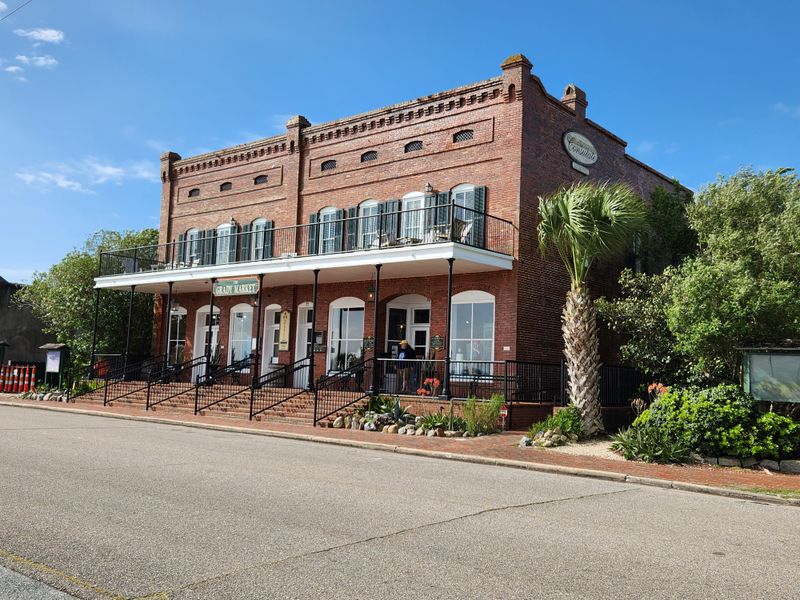
Artists have discovered Apalachicola in recent years, drawn by the natural beauty, affordable studio space, and supportive community. The result is a thriving art scene that punches well above its weight for a town this size.
Galleries scattered throughout downtown showcase paintings, pottery, photography, jewelry, and sculptures created by local and regional artists. The Apalachicola Center for History, Culture and Art hosts rotating exhibitions alongside its historical displays, providing a platform for emerging artists.
First Friday gallery walks happen monthly, with shops staying open late and offering refreshments while visitors browse new collections.
Many artists maintain studios where you can watch them work and discuss their creative process. This direct connection between artist and collector creates a more meaningful buying experience than purchasing from a generic gallery.
Prices remain reasonable because artists don’t have to account for big-city gallery commissions and overhead costs.
The coastal environment heavily influences local art, with countless paintings depicting oyster boats, marshes at sunset, and historic buildings bathed in golden light. Some artists take a more abstract approach, capturing the essence of Gulf breezes and changing tides through color and texture.
Photography galleries feature stunning images of the area’s wildlife and landscapes that make you appreciate details you might otherwise miss.
Share this story