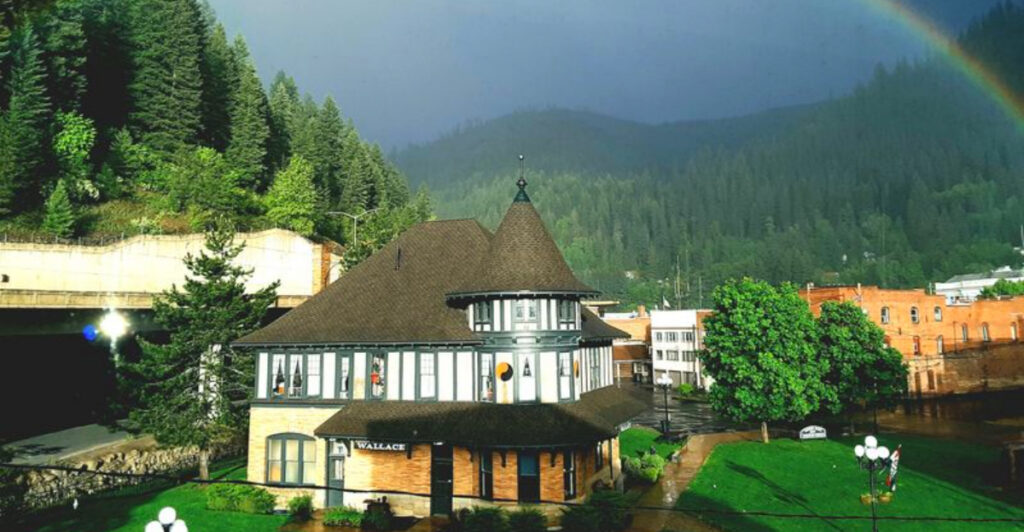
Tucked away in the Idaho Panhandle, Wallace is a silver-mining town that looks like it was frozen in time. This tiny city of fewer than 800 residents sits in the heart of the Silver Valley, surrounded by mountains and mining history that dates back to the 1880s.
History buffs who visit Wallace discover a place where the Old West still feels alive, with historic buildings, fascinating museums, and stories of miners who struck it rich. It’s a hidden gem that offers a unique peek into Idaho’s past while providing plenty of reasons to explore its charming streets today.
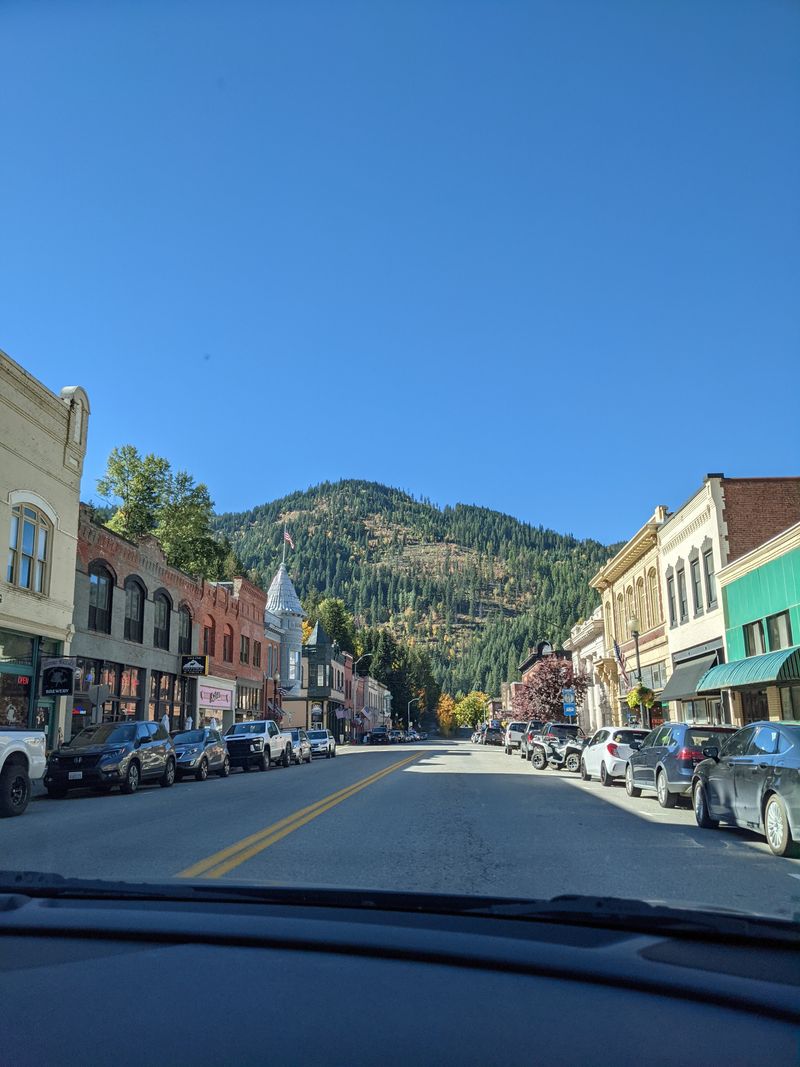
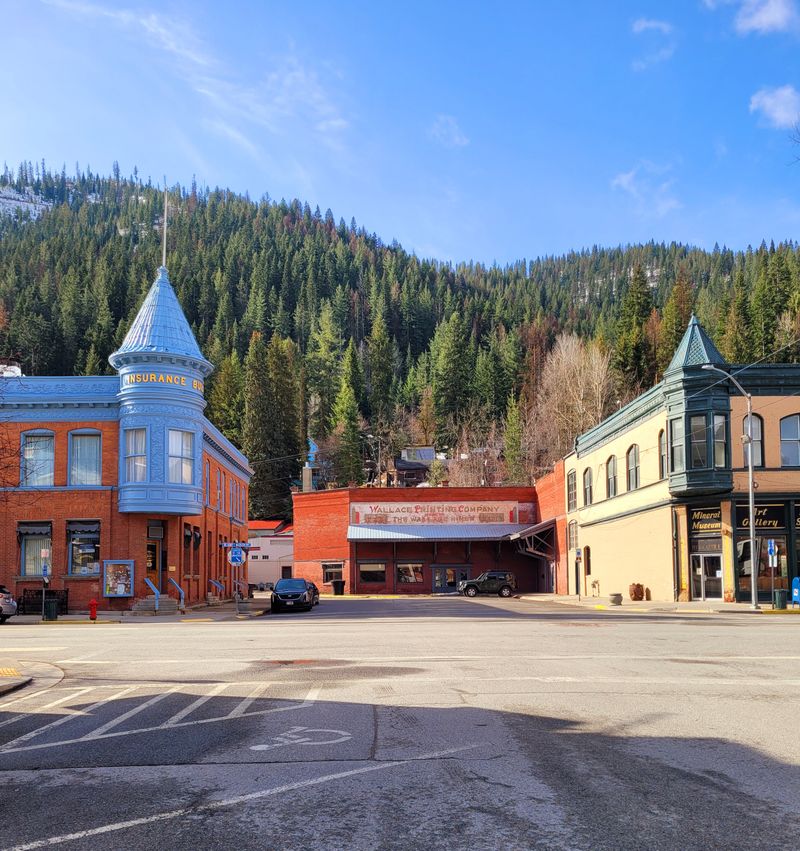
Walking through downtown Wallace feels like stepping onto a movie set, except everything is real. The entire commercial district earned National Historic District status, making it one of the few towns in America where virtually every building tells a story from the past.
Brick facades from the 1890s line the streets, many still featuring their original architecture and charm.
Most buildings survived the great fire of 1910 that devastated many western towns. The town rebuilt quickly, and those structures still stand today.
Visitors can stroll along Bank Street and Cedar Street, admiring buildings that once housed saloons, hotels, and mining offices during the silver boom.
What makes Wallace special is how these buildings remain functional. They’re not empty museums gathering dust.
Local businesses, restaurants, and shops operate inside these historic structures, keeping the town alive and vibrant. You can grab lunch in a building where miners once celebrated their fortunes or browse antiques in a former hotel.
Photography enthusiasts love capturing the authentic western atmosphere. The surrounding mountains create a dramatic backdrop that makes every photo look like a postcard from another era.
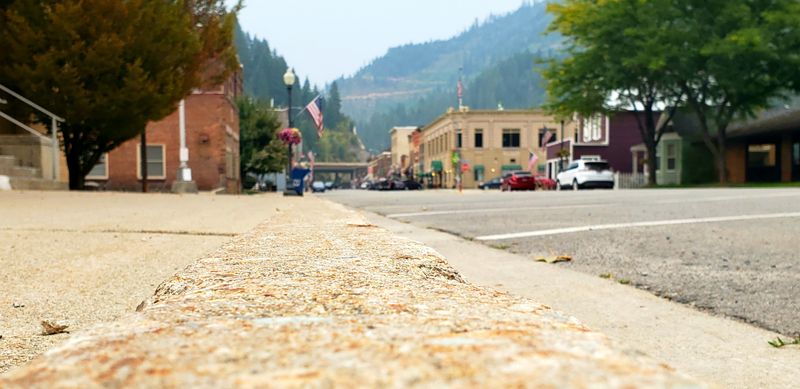
Descending into an actual silver mine ranks among the most thrilling experiences Wallace offers. The Sierra Silver Mine Tour lets visitors journey 1,000 feet into the mountainside, riding in the same type of trolley that miners used decades ago.
Hard hats are required, adding to the authentic adventure.
Former miners lead the tours, sharing firsthand stories about what life was like working underground. They explain how silver ore was extracted, the dangers miners faced daily, and the techniques that made the Silver Valley famous.
Their personal anecdotes bring history to life in ways textbooks never could.
The temperature inside stays cool year-round, making it a refreshing escape during summer visits. You’ll see original mining equipment, learn about different rock formations, and understand why this region produced so much wealth.
The guides demonstrate actual mining tools and explain how technology evolved over the decades.
Tours last about an hour and are suitable for most ages. Kids find it especially exciting to explore a real mine rather than just reading about them.
The experience provides a genuine appreciation for the hard work and determination of early miners who built this community.
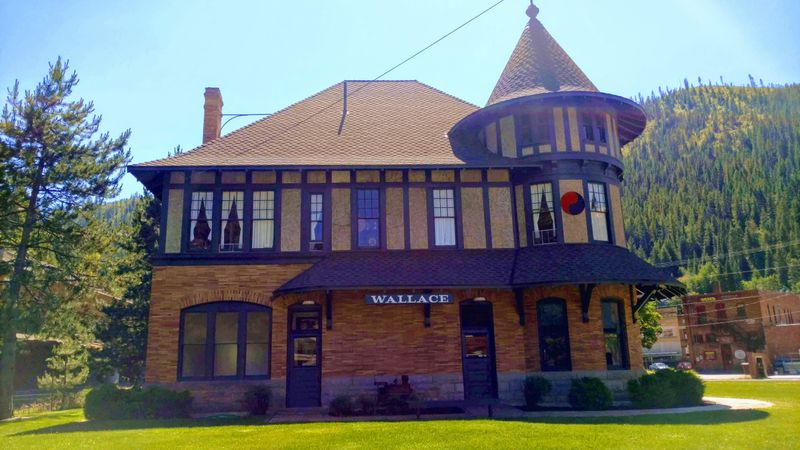
Trains played a crucial role in Wallace’s development, and the Northern Pacific Depot stands as a beautiful reminder of that connection. Built in 1901, this restored railroad station now houses a museum dedicated to the region’s transportation heritage.
The building itself showcases classic railroad architecture with its distinctive design and period details.
Inside, exhibits feature photographs, artifacts, and stories about how railroads transformed the Silver Valley. Visitors learn about the challenges of building rail lines through mountainous terrain and how trains carried silver ore to markets across the country.
The depot also highlights the role railroads played in bringing supplies and new residents to this remote area.
Railroad enthusiasts appreciate the collection of vintage equipment and memorabilia. Old timetables, uniforms, lanterns, and other artifacts help visitors imagine what train travel was like during Wallace’s heyday.
Some exhibits focus on famous train routes that passed through the area, including luxury passenger services.
The museum staff are knowledgeable and passionate about railroad history. They’re happy to answer questions and share additional stories not covered in the displays.
Admission is affordable, making it an excellent stop for families exploring Wallace’s historic sites.
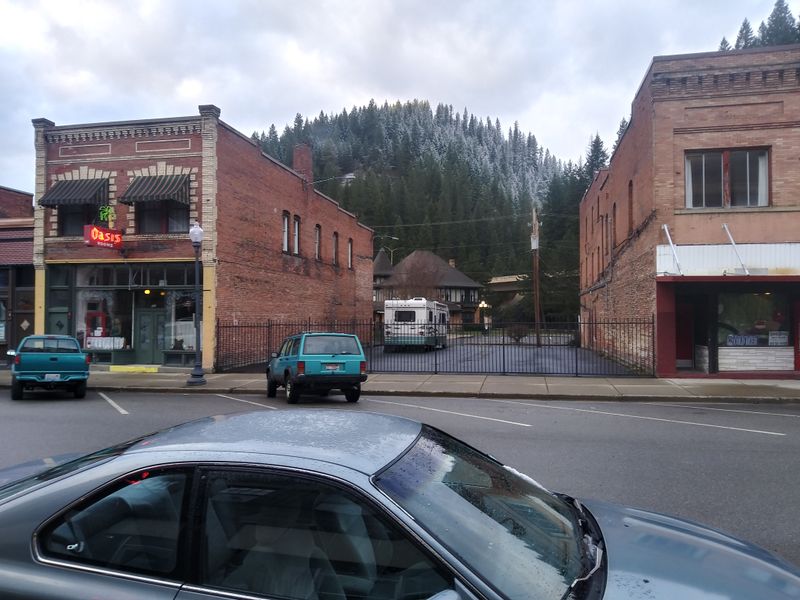
Few museums offer such an uncensored look at frontier life as the Oasis Bordello Museum. This building operated as an actual bordello from 1895 until 1988, making it one of the last in the United States.
When authorities finally shut it down, everything inside was left exactly as it was, creating an unintentional time capsule.
Tours reveal rooms frozen in time, complete with original furnishings, decorations, and personal items. Guides share the fascinating and sometimes shocking history of the establishment and the women who worked there.
The stories provide insight into a part of western history that often gets overlooked or sanitized.
Visitors see how the business operated over nearly a century. From Victorian-era beginnings through the disco era, the bordello adapted to changing times while maintaining its core purpose.
The museum doesn’t glamorize or condemn, instead presenting history honestly and allowing visitors to draw their own conclusions.
This attraction is definitely for mature audiences. Parents should leave young children elsewhere, as the subject matter and some displays are not appropriate for kids.
However, adults interested in the full story of western towns will find it absolutely fascinating and unlike any other museum they’ve visited.
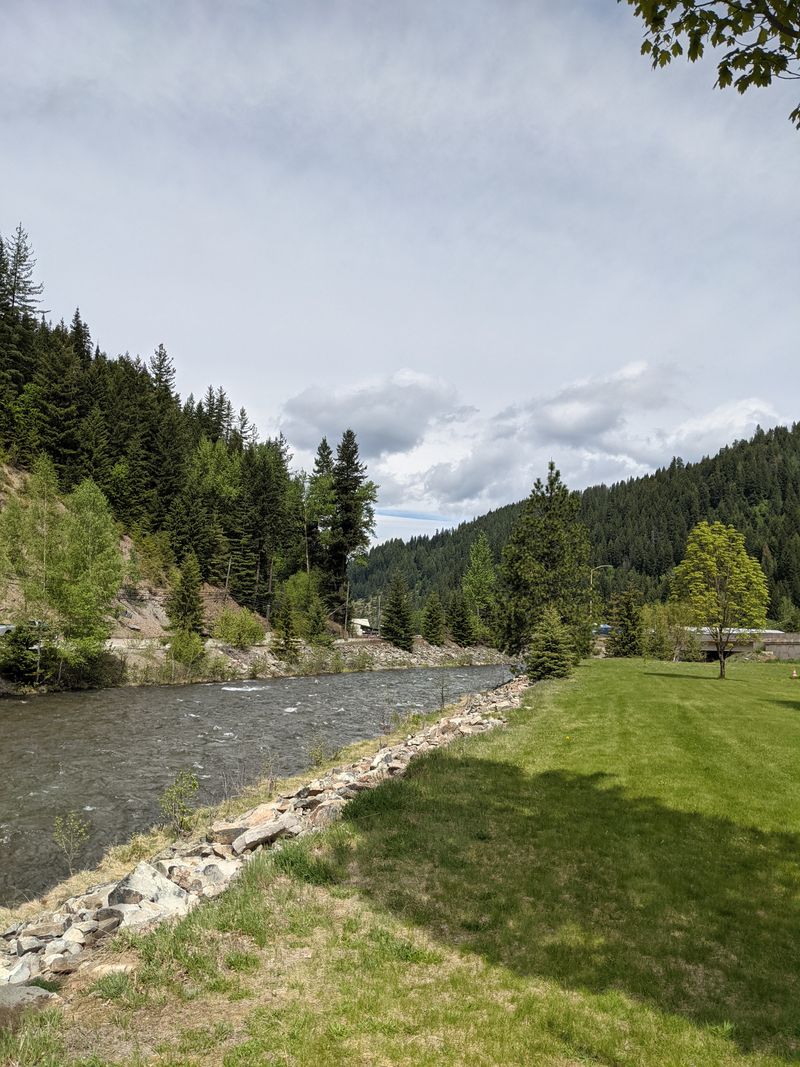
Just outside Wallace, one of America’s most scenic bike trails awaits adventure seekers. The Route of the Hiawatha follows an old railroad corridor through the Bitterroot Mountains, featuring ten tunnels and seven sky-high trestles.
The trail spans 15 miles of mostly downhill riding, making it accessible even for casual cyclists.
The longest tunnel stretches nearly two miles through the mountain. Riders need lights to navigate the darkness, adding an element of excitement to the journey.
Emerging from the tunnels into bright daylight with mountain vistas spread before you creates unforgettable moments.
Trestles soar above deep valleys and rushing creeks below. The engineering required to build this railroad through such challenging terrain was remarkable.
Today, those same structures provide thrilling views and photo opportunities that cyclists cherish.
Bike rentals are available near the trailhead, including shuttle services back to the starting point. The season runs from late spring through early fall, depending on snow conditions.
Reservations are recommended during peak summer weekends when the trail gets busy. Families with older children especially enjoy this outdoor adventure that combines history, nature, and physical activity in one spectacular package.
Understanding Wallace requires understanding silver mining, and this museum provides the perfect education. The Wallace District Mining Museum showcases the industry that built this town and sustained it for generations.
Exhibits cover everything from early prospecting days through modern mining operations.
Authentic mining equipment fills the displays, showing how technology evolved over time. Hand tools used by early prospectors contrast sharply with later industrial machinery.
Visitors gain appreciation for how dangerous and difficult mining work was, especially in the early years when safety standards barely existed.
Photographs and documents tell personal stories of miners and their families. The museum doesn’t just focus on successful mine owners but also honors the workers who labored underground in difficult conditions.
These human stories make the history more relatable and moving.
Special exhibits explore specific aspects of mining culture. Topics include labor disputes, environmental impacts, mining disasters, and the communities that formed around mines.
The museum presents a balanced view that acknowledges both the wealth created and the costs paid.
Knowledgeable staff members often have family connections to the mining industry. Their personal insights add depth to the exhibits.
The museum is centrally located downtown, making it easy to visit while exploring Wallace’s other historic attractions.
August 1910 brought catastrophe to the Idaho Panhandle when massive wildfires consumed three million acres. Known as the Big Burn, this disaster killed 85 people and destroyed entire towns across the region.
Wallace survived, but the fire left permanent marks on the landscape and the community’s memory.
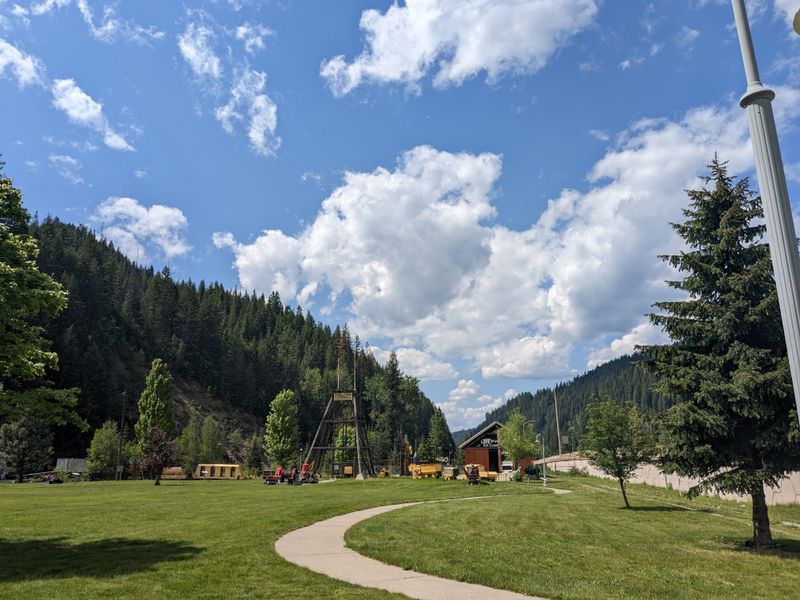
A lookout point near Wallace commemorates this historic event. Interpretive signs explain how the fire started, spread, and was eventually controlled.
Visitors learn about the brave firefighters who battled the inferno, many losing their lives in the attempt. The fire led to major changes in how America manages forests and fights wildfires.
From the lookout, you can see the surrounding forests that burned and later regrew. The landscape tells a story of destruction and renewal.
Understanding this event helps visitors appreciate the resilience of both nature and the communities that endured.
The memorial is accessible by a short drive from downtown Wallace. It’s a quiet spot for reflection and offers excellent views of the Silver Valley.
History buffs particularly appreciate this site because it connects Wallace to a larger story that shaped American forest policy for generations.
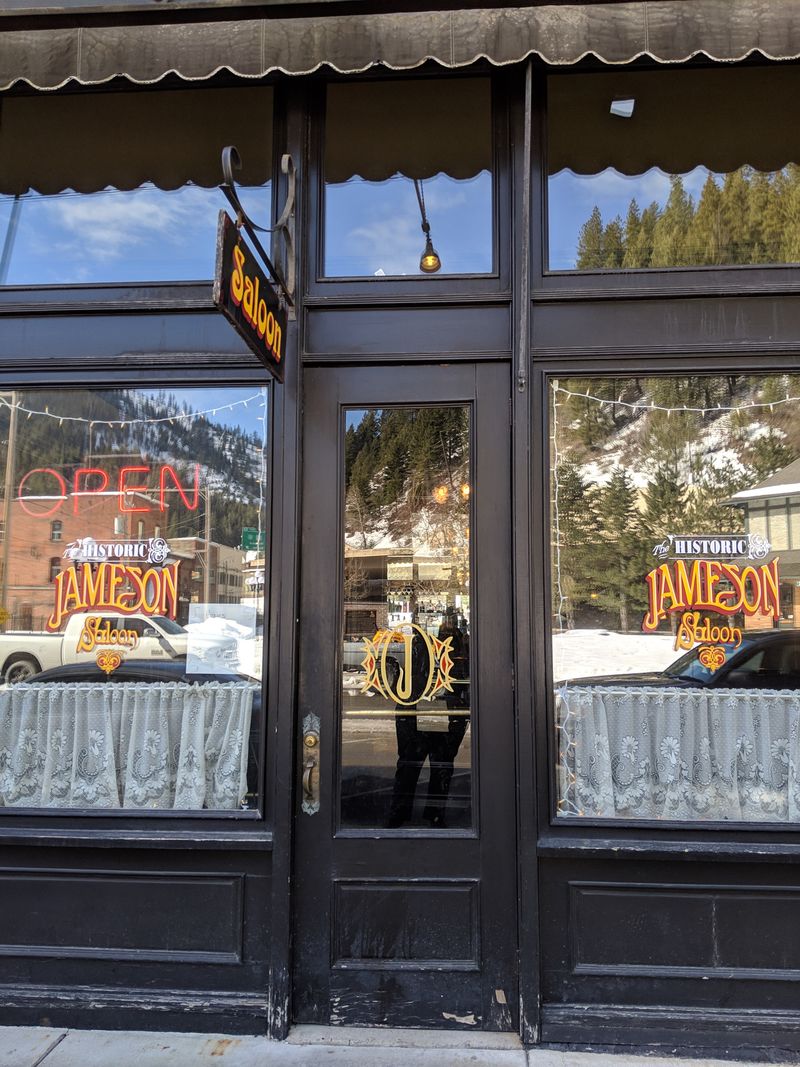
Sleeping in a building from 1900 adds another layer to the Wallace experience. The Jameson Hotel has welcomed guests for over a century, maintaining much of its original character while providing modern comforts.
The lobby features period furnishings and vintage photographs that transport visitors back in time.
Rooms vary in size and amenities, but all reflect the hotel’s historic nature. Some guests specifically request rooms with the most vintage features, while others prefer updated accommodations.
Either way, staying here means sleeping where miners, railroad workers, and travelers rested generations ago.
The hotel’s restaurant serves meals in a dining room that has fed hungry visitors for decades. Local residents also frequent the establishment, creating an authentic community atmosphere.
The menu features hearty fare suitable for people who’ve spent the day exploring Wallace’s attractions.
Staff members share stories about the hotel’s colorful history. They know which famous visitors stayed here, which rooms are supposedly haunted, and how the building survived various disasters.
These tales enrich the experience beyond just having a place to sleep.
Location is another advantage, as the Jameson sits right in the heart of downtown. Guests can walk to restaurants, museums, and shops without needing their car.
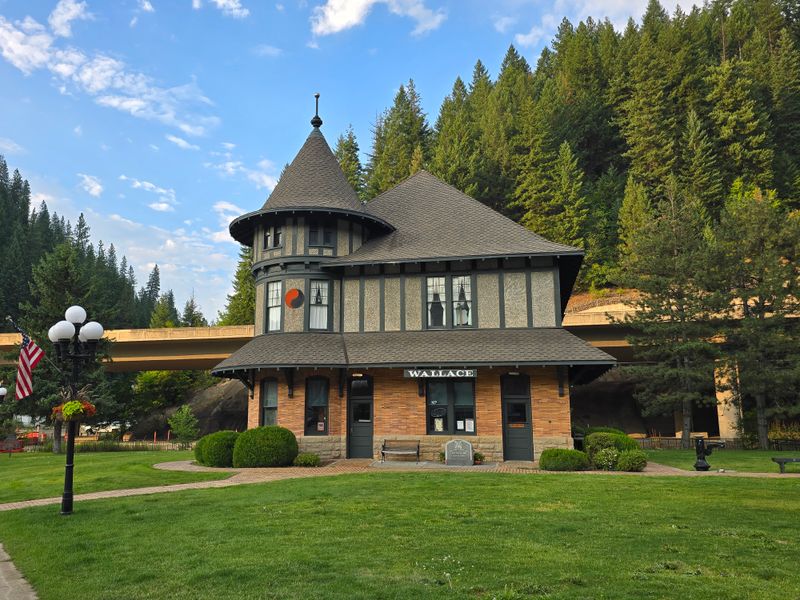
Live theater thrives in Wallace thanks to the Sixth Street Melodrama. This entertainment venue presents old-fashioned melodramas where audiences are encouraged to cheer the heroes and boo the villains.
The interactive format creates a fun, family-friendly experience that’s become a Wallace tradition.
Performances take place in a historic building that adds to the authentic atmosphere. The small theater creates an intimate setting where every seat offers a good view.
Local actors bring enthusiasm and humor to their roles, often breaking the fourth wall to engage directly with the audience.
Shows typically run during summer months when tourism peaks. The melodramas feature exaggerated characters, predictable plots, and plenty of comedy.
It’s pure entertainment without pretension, perfect for relaxing after a day of sightseeing. Even people who don’t usually enjoy theater find themselves laughing and participating.
Ticket prices are reasonable, making this an affordable evening activity. Many visitors report that attending a show became an unexpected highlight of their Wallace visit.
The theater also serves refreshments, including popcorn and drinks.
Reservations are recommended, especially on weekends. The theater’s popularity means shows sometimes sell out.
Arriving early allows time to explore the building and chat with other audience members before the performance begins.
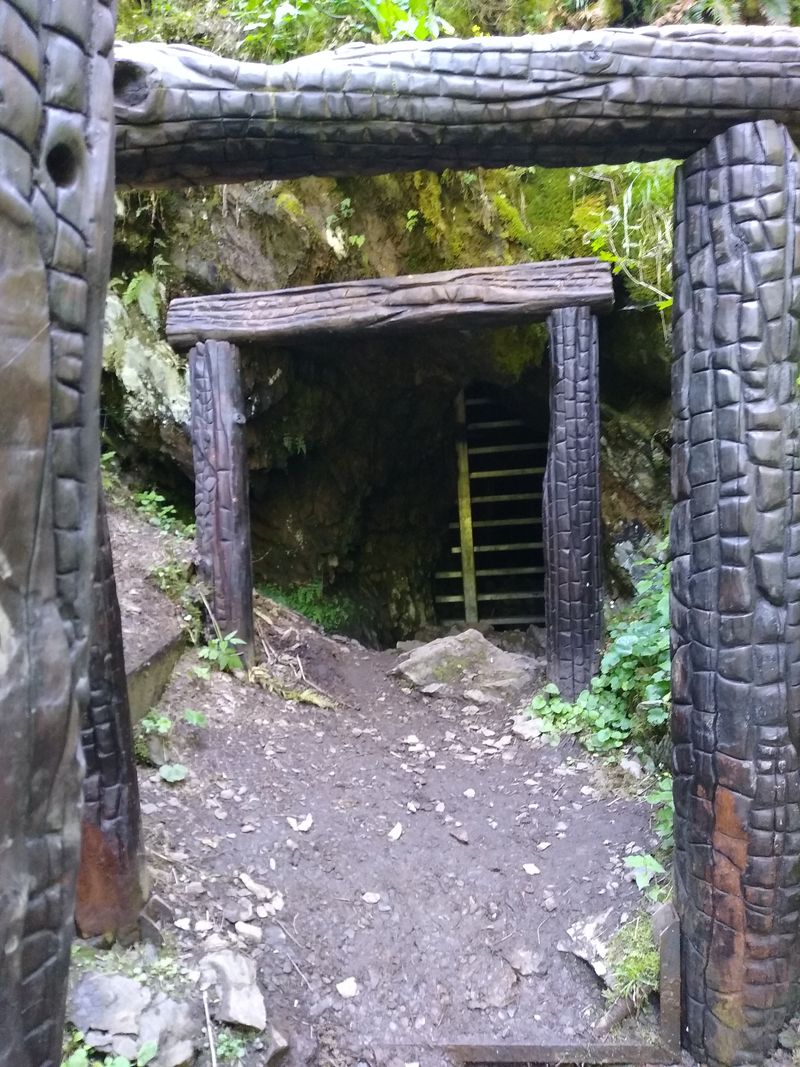
Ed Pulaski became a legend during the 1910 Big Burn when he saved 40 firefighters by leading them into an abandoned mine tunnel. As flames roared outside, he held his crew inside at gunpoint when some panicked and wanted to flee.
His desperate action saved most of the men, though several died from smoke inhalation.
The Pulaski Tunnel Trail leads hikers to the actual tunnel where this dramatic event occurred. Interpretive signs along the path tell Pulaski’s story and explain the circumstances of that terrifying night.
Standing at the tunnel entrance, visitors can imagine the terror those men experienced.
Pulaski later invented a combination axe and hoe tool that revolutionized firefighting. The Pulaski tool remains standard equipment for wildland firefighters today.
His legacy lives on both in the tool and in the brave decisions he made during the fire.
The trail is relatively short and manageable for most fitness levels. It winds through forest that burned in 1910 and has since regrown.
The hike offers both historical significance and natural beauty, making it worthwhile for different types of visitors.
Informational displays at the trailhead provide context before you begin hiking. Rangers occasionally lead guided walks that offer additional details about Pulaski and the Big Burn.
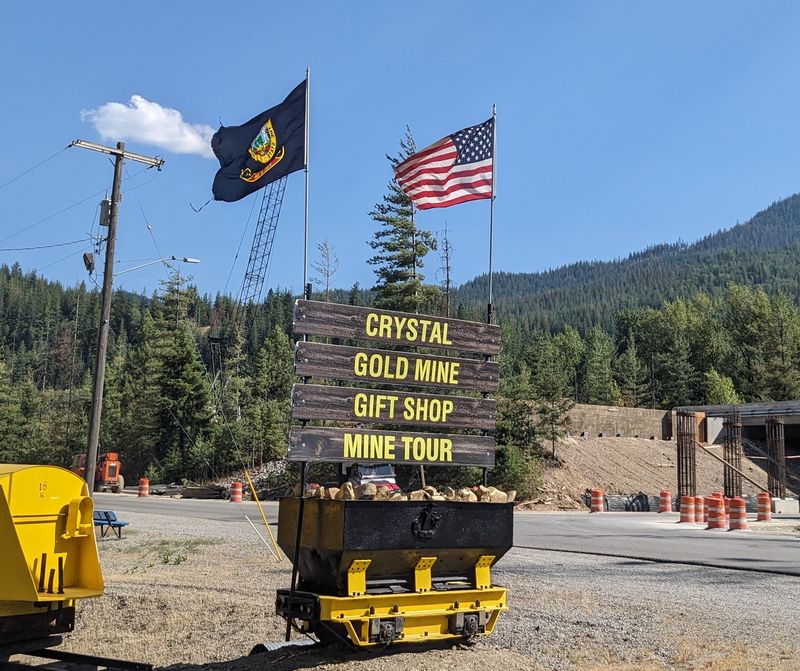
While the Sierra Silver Mine focuses on history, the Crystal Gold Mine demonstrates how mining continues today. This working mine offers tours that show modern extraction techniques alongside historical methods.
Visitors see the evolution of mining technology and understand why the industry remains important to the region.
Tours include both surface and underground components. Above ground, guides explain current operations, environmental protections, and safety measures.
Underground, you’ll see active mining areas and learn how gold and silver are still extracted from these mountains.
The mine’s history stretches back to the 1880s, connecting past and present. Old workings exist alongside new tunnels, creating a living timeline of mining progress.
Guides explain how the same veins of ore that attracted early prospectors continue to produce valuable minerals.
Safety is emphasized throughout the tour. Modern mines operate under strict regulations that protect workers and the environment.
Visitors wear required safety gear and follow protocols that working miners observe daily.
The Crystal Gold Mine tour appeals to visitors who want to understand mining as an ongoing industry rather than just historical curiosity. It’s especially interesting for people with technical backgrounds who appreciate the engineering and geology involved in modern mining operations.
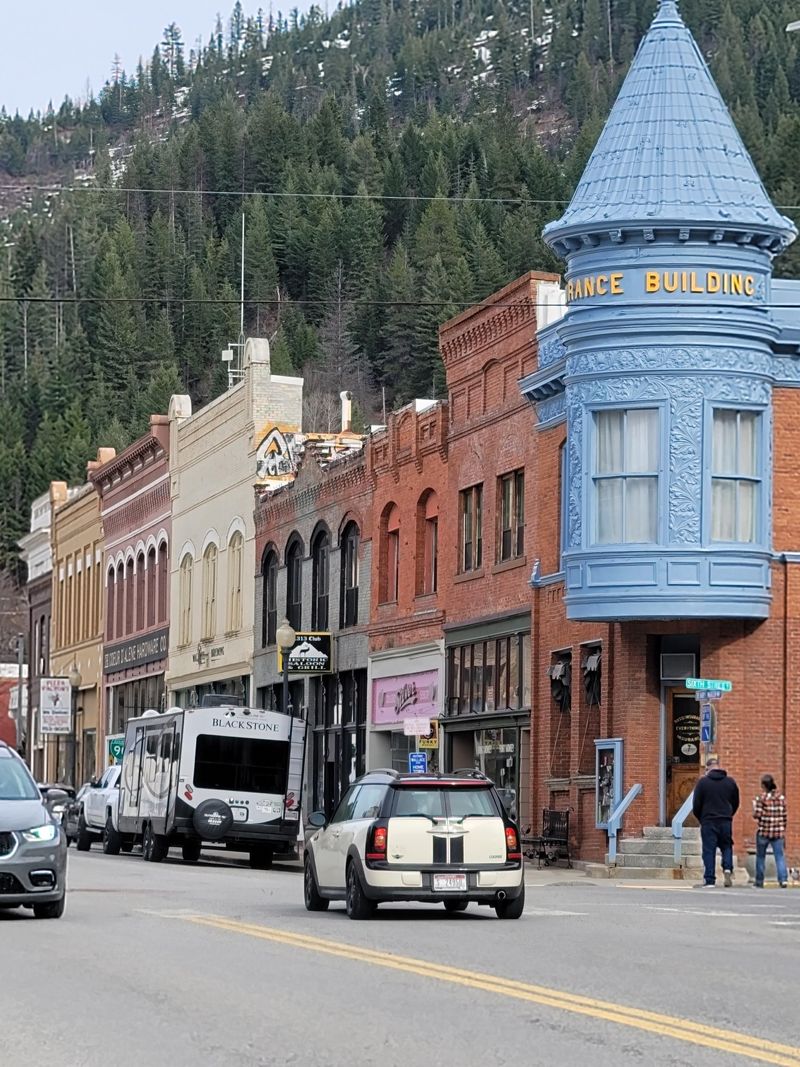
After exploring historic sites, many visitors appreciate relaxing with locally crafted beer. Wallace Brewing Company operates in a restored historic building, combining modern craft brewing with old-world atmosphere.
The brewery produces a rotating selection of beers that reflect both traditional styles and creative experimentation.
The taproom showcases the building’s original features, including exposed brick walls and vintage details. Sitting here with a cold beer, you can easily imagine the building’s previous incarnations over the decades.
The atmosphere is casual and welcoming, attracting both tourists and locals.
Beer selection changes seasonally, offering new flavors to try throughout the year. Brewers use local ingredients when possible, creating connections between their products and the surrounding region.
Tasting flights let visitors sample multiple beers without committing to full pints.
Food is also available, with menus featuring items that pair well with beer. The kitchen emphasizes quality over fancy presentations, serving satisfying meals that hit the spot after a day of sightseeing.
Many menu items incorporate local ingredients.
The brewery hosts occasional events, including live music and special release parties. Checking their schedule before visiting might reveal something extra happening during your stay.
Staff members are knowledgeable about their beers and happy to make recommendations based on your preferences.
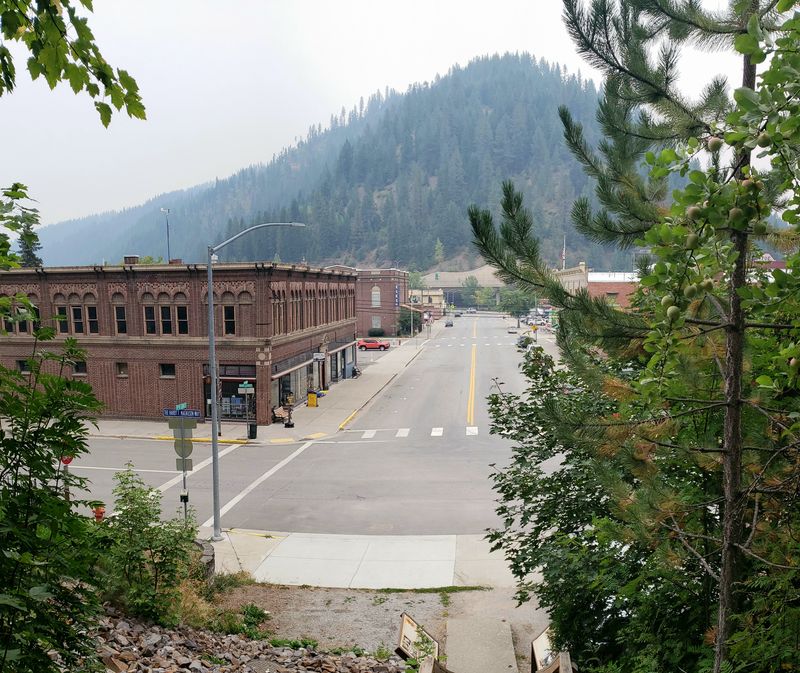
Wallace holds a unique distinction as the last town in America where an interstate highway ran directly through the main street. For decades, Interstate 90 traffic drove right past historic buildings, creating an unusual mix of highway and small-town life.
This quirky situation made Wallace instantly recognizable to travelers.
Local residents fought for years to preserve this arrangement. They argued that bypassing the town would hurt businesses that depended on highway traffic.
The debate pitted preservation against progress, with passionate arguments on both sides.
Eventually, a solution emerged. Engineers built a bypass that diverted most traffic while maintaining the historic downtown’s character.
The old highway route through town still exists but now carries less traffic. Visitors can still drive the original path and experience what millions of travelers saw for decades.
This history reflects Wallace’s determination to control its own destiny. The town didn’t simply accept changes imposed from outside but instead negotiated solutions that respected its unique character.
That independent spirit remains part of Wallace’s identity today.
Photographs from the interstate-through-town era show the surreal sight of semi-trucks rumbling past Victorian buildings. These images capture a moment in American transportation history that will never be repeated.
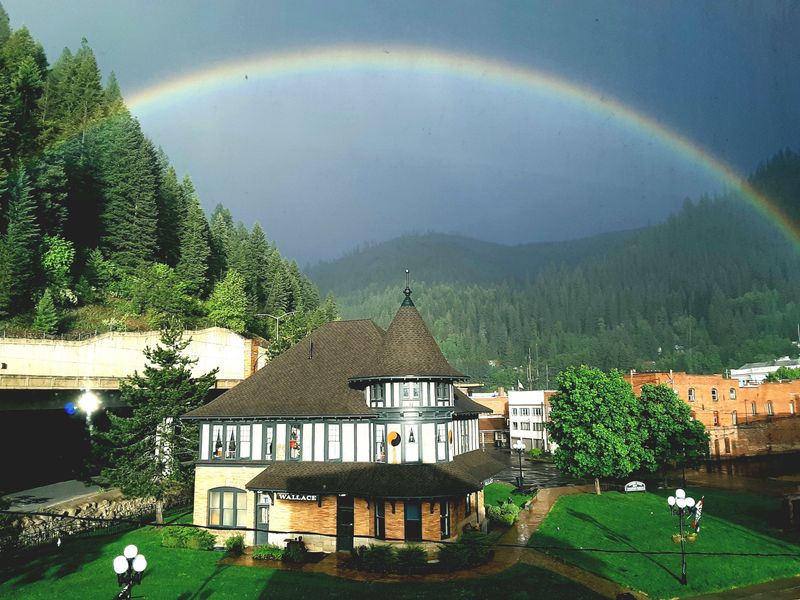
Every August, Wallace transforms into a celebration of regional culture and huckleberries. The Huckleberry Festival draws thousands of visitors who come for food, crafts, entertainment, and community spirit.
Streets close to traffic, filling instead with vendor booths and festival activities.
Huckleberries grow wild in the surrounding mountains, and locals have picked them for generations. The festival showcases this purple berry in every imaginable form.
Huckleberry pie, jam, syrup, ice cream, and even huckleberry beer appear at various booths. Tasting these treats provides delicious insight into regional food traditions.
Beyond food, the festival features arts and crafts vendors, live music, and activities for children. Local artisans display their work, offering unique souvenirs that capture Wallace’s character.
Entertainment ranges from traditional music to modern performances, creating something for every taste.
The festival atmosphere reveals Wallace’s community spirit. Locals volunteer to make the event successful, welcoming visitors warmly.
It’s a chance to experience small-town hospitality and meet people who call this historic place home.
Timing a visit to coincide with the Huckleberry Festival adds another dimension to exploring Wallace. Hotels book up quickly during festival weekend, so early reservations are essential for anyone planning to attend.
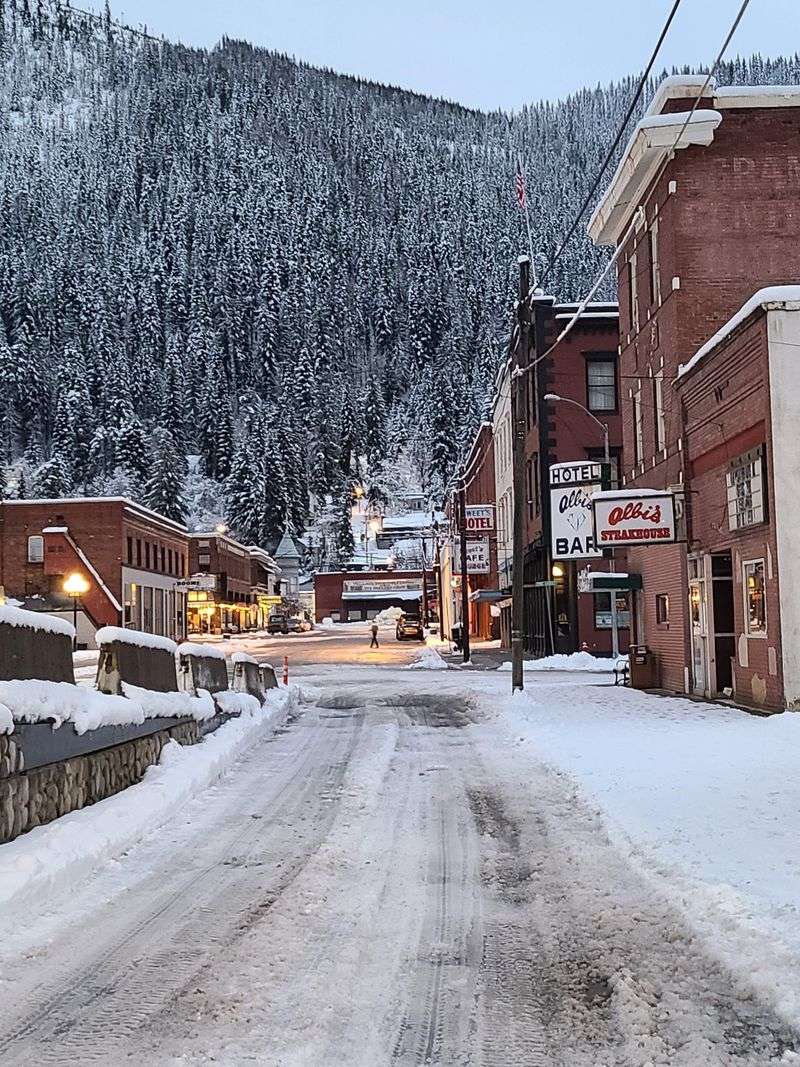
Just minutes from Wallace, Lookout Pass offers mountain recreation across all seasons. Winter brings skiing and snowboarding on slopes that suit various skill levels.
The area receives abundant snowfall, creating excellent conditions throughout the season. Lift ticket prices remain affordable compared to larger resorts, making it accessible for families.
Summer transforms the ski area into a destination for hiking and mountain biking. Trails wind through alpine terrain, offering spectacular views of the surrounding peaks.
The elevation provides cooler temperatures, making it pleasant even during hot weather. Wildlife sightings are common, adding excitement to outdoor adventures.
The ski area sits right on the Idaho-Montana border, straddling the continental divide. This location creates unique weather patterns and stunning geography.
Educational signs explain the significance of the divide and how it affects water drainage across the continent.
Facilities include a day lodge with food service and equipment rentals. The atmosphere is casual and family-oriented rather than pretentious or exclusive.
Staff members are friendly and helpful, especially with beginners who need guidance or instruction.
Lookout Pass complements Wallace’s historical attractions by offering active recreation. Visitors can balance museum tours and historic sites with outdoor adventures, creating well-rounded trips that appeal to everyone in the group.
Share this story