Savannah in late spring feels like slipping backstage before the headliners arrive. The city’s squares are fragrant, the weather is warm but not sweltering, and dinner reservations are surprisingly easy to snag.
You get the romance of moss-draped oaks and river breezes without elbowing through peak-season tour groups. Come now, and you will see why locals linger outside a little longer and travelers whisper that this is the sweet spot.
Wander Forsyth Park at Golden Hour
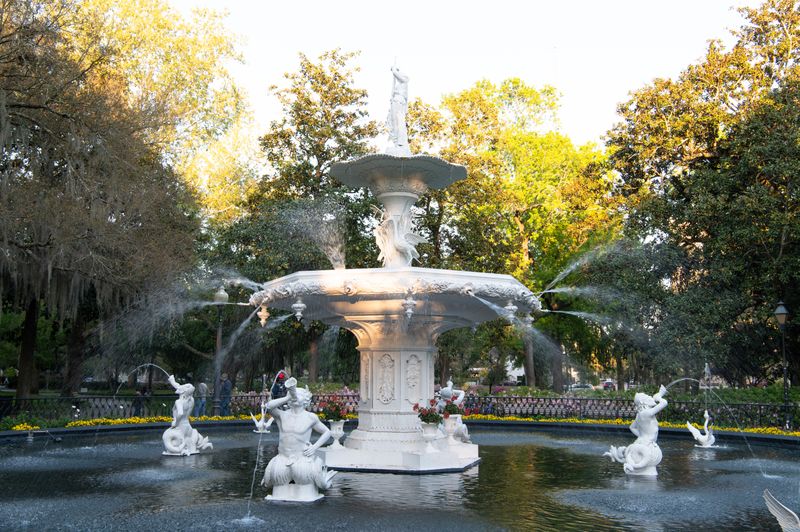
Forsyth Park is where Savannah exhales, and you can feel it most before summer crowds surge. Show up near sunset, when the light glides through moss and the fountain throws a gentle mist.
Bring a coffee from the Sentient Bean, then trace the perimeter path as joggers and dog walkers pass by. It is peaceful without feeling empty, and you can actually hear the fountain’s hush.
Pre-summer, the grass looks freshly brushed and picnic spots are yours for the choosing. Weekend farmers markets showcase local honey, oyster mushrooms, and flowers that somehow match the Victorian homes nearby.
If you are photo minded, arrive early or late for softer shadows. The practical perk is comfort: spring temperatures hover in the 70s, and humidity behaves.
End at the Confederate Memorial and follow Park Avenue for leafy neighborhood streets that hint at Savannah’s layers without the mid-July crush.
Explore the Historic District’s Squares Without the Rush
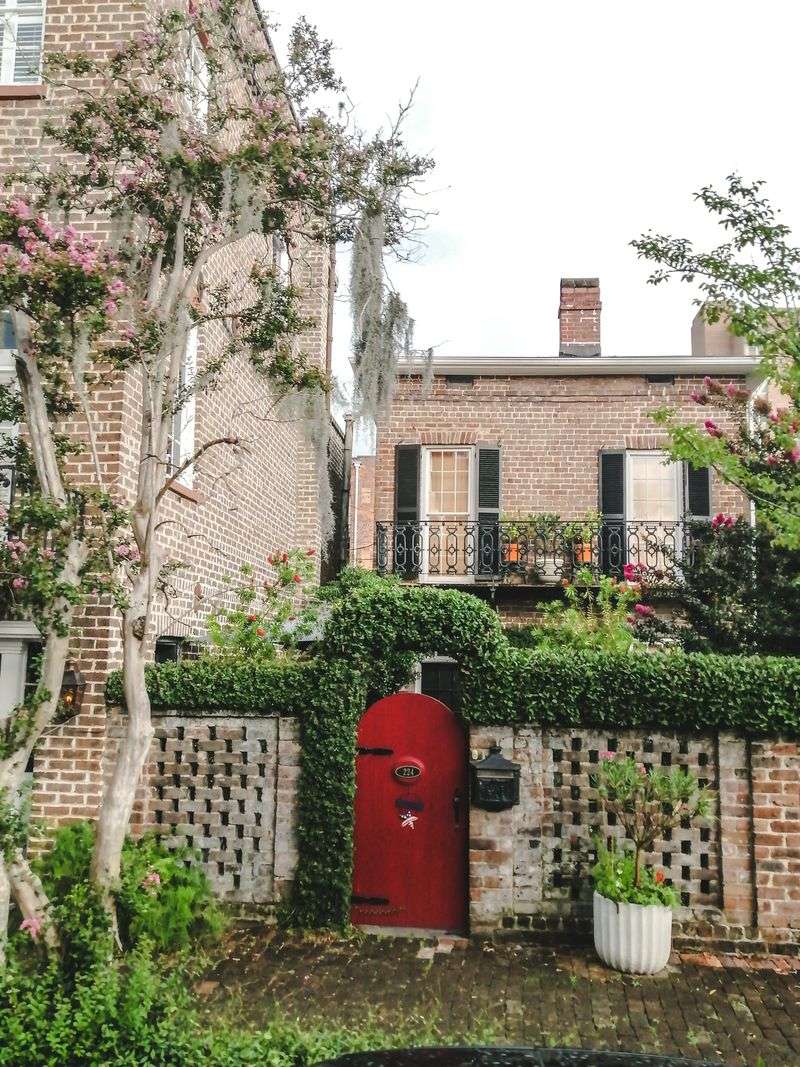
Twenty two historic squares stitch Savannah together like green beads, and visiting before summer means you can meander naturally. Start at Chippewa Square and listen as a guide explains how Oglethorpe planned the city on a human scale.
Then drift to Lafayette and Madison, where the ironwork and gardenias pull you in. You can read interpretive plaques at your pace, not over shoulders.
Morning is best for calm streets and freshly swept cobblestones. You will notice the whisper of carriage wheels and the creak of wooden shutters because there is space to notice them.
Wayfinding is simple: every few blocks, a new oasis. According to Visit Savannah, the Historic District sees its highest hotel occupancy in summer, so late spring yields easier bookings and often better rates.
Map a loop, pack a water bottle, and give yourself permission to sit on benches that will soon be coveted.
Tour Wormsloe’s Oak Avenue Before Midday Tours Fill
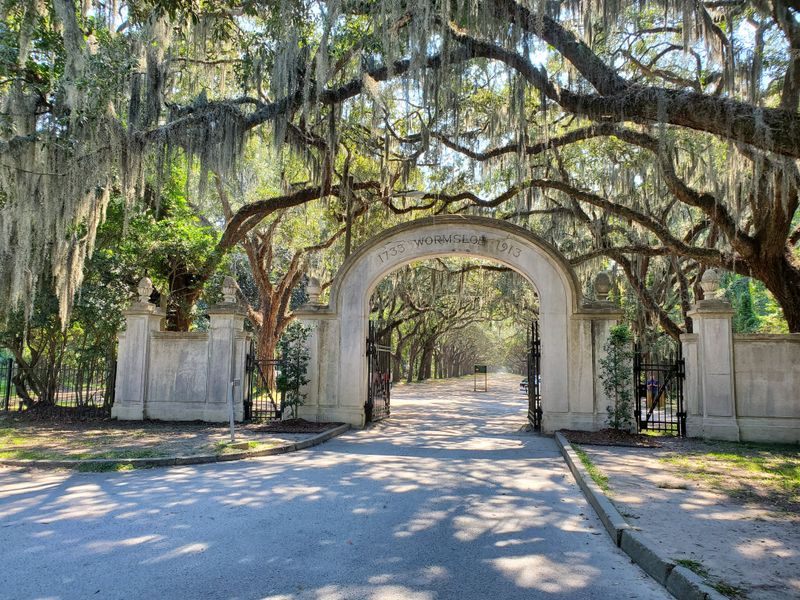
Wormsloe’s live oak tunnel is Savannah’s most cinematic entrance. Pre summer, you can actually hear gravel underfoot and photograph the arching limbs without waiting for a bus to pass.
Arrive at opening time and walk the nature trails to the colonial tabby ruins, where interpretive signs connect the site to Georgia’s early settlement. Rangers often chat longer when the parking lot is light.
Practical tip: weekdays feel almost private, and the filtered light through moss is best then. Bring bug spray, but you will likely need less than in June.
Plan 90 minutes to explore, then loop back to the museum exhibits to connect what you saw with the wider Lowcountry story. The state site reports steady growth in visitation year over year, which is why spring’s shoulder season is the sweet spot for clear photos, slower steps, and less background chatter.
Savor Lowcountry Cuisine Without the Waitlists
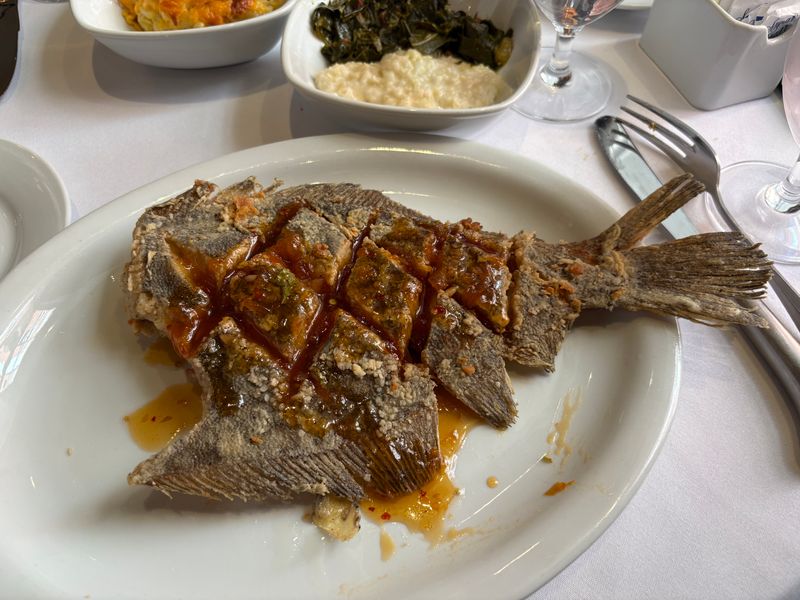
Before summer, Savannah’s dining scene opens like a friendly front door. Shrimp and grits arrive quickly, oysters taste colder, and hosts have time to talk about where the shrimp were caught.
Try The Grey for a reservation you might not score in peak months, or slip into a bar seat at The Olde Pink House to sample she crab soup and a split of Champagne.
You will notice seasonal touches on menus that sing in spring. Farmers market strawberries and tender greens show up in salads, and bartenders have citrus and herbs to play with.
The National Restaurant Association notes that seafood demand and menu flexibility spike with local availability, a dynamic you can taste here. Book early for Friday and Saturday, but expect shorter waits the rest of the week.
Tip well, ask your server for a neighborhood dessert spot, and follow their lead without a crowd pushing you onward.
Stroll the Riverfront and Plant Riverside District
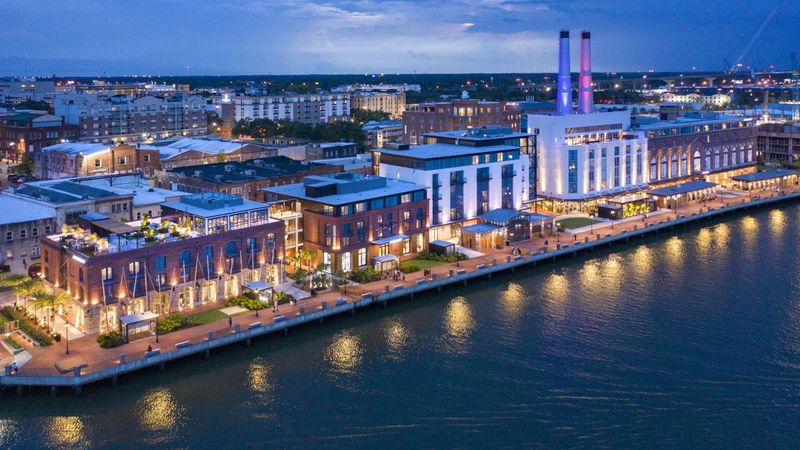
Savannah’s riverfront has layers: old cotton warehouses, cobblestones underfoot, and the hum of cargo ships sliding by. Visit before summer and you can actually hear the gulls between street performers.
Start east near the Waving Girl statue, then head west toward Plant Riverside, where repurposed power plant bones frame art, restaurants, and a gleaming dinosaur fossil inside the lobby.
Shoulder season means easier patio seating, wider walking lanes, and shorter lines for the riverboat cruises. If you want data, the Port of Savannah remains one of the busiest in the nation by container volume, and seeing a ship up close is a thrill without a crowd pressing rails.
Grab a gelato, time your loop for sunset, and watch the Talmadge Bridge silhouette against pink clouds. Comfortable breezes roll off the water now, not the thick heat that sags in July.
Immerse Yourself at the Owens Thomas House and Slave Quarters
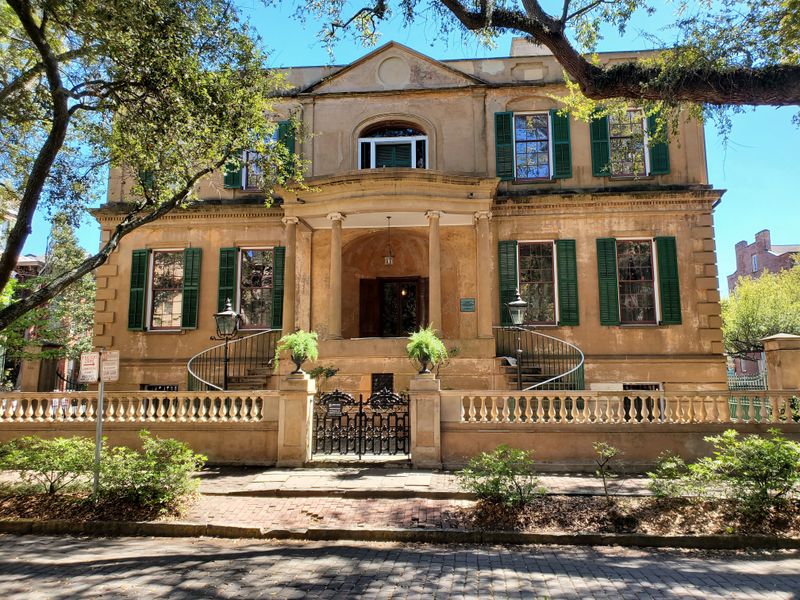
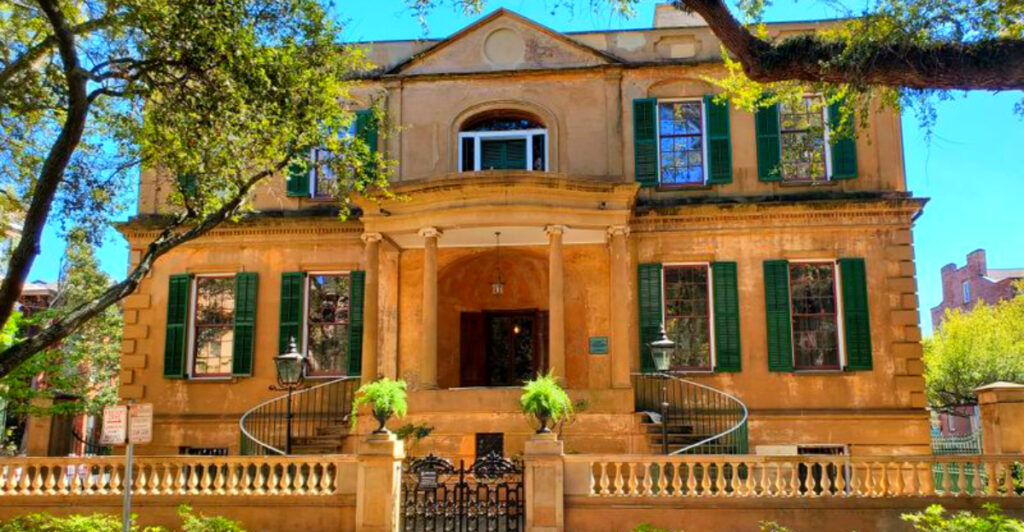
This museum experience is powerful and best absorbed without the pressure of full tours. The Owens Thomas House and Slave Quarters uses guided storytelling to connect architecture, wealth, and the enslaved people who sustained both.
In spring, smaller groups allow more questions and space to reflect as you move from elegant parlors to stark quarters with original artifacts and quotes.
The Telfair Museums manage timed entries, which sell out faster in summer. Book ahead, arrive a bit early, and pause in the garden between rooms to process what you hear.
Nationally, museum attendance often surges during peak travel periods, and Savannah follows that rhythm. Coming now ensures context is not rushed.
You leave understanding the city’s beauty and its complicated foundations, which makes every square feel more honest later. End across the way at Telfair Academy for a thread from past to present.
Bike the McQueen’s Island Historic Trail
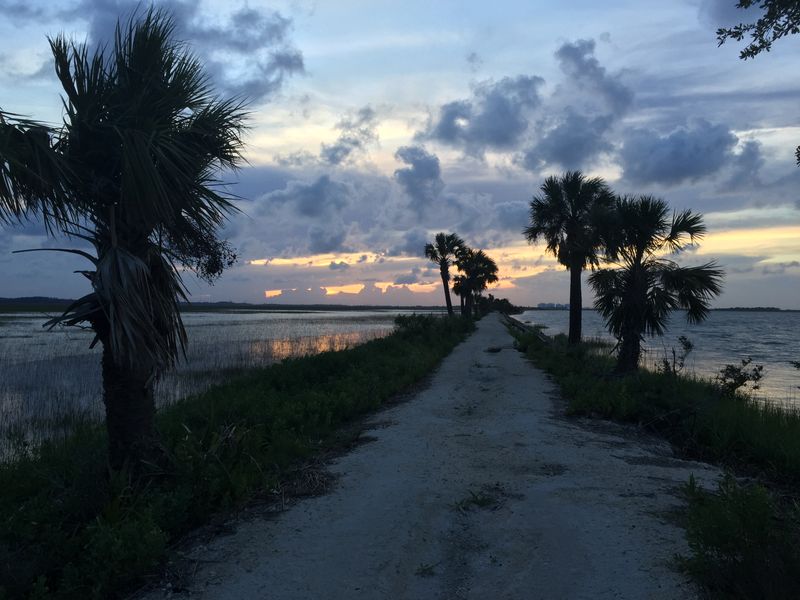
Want marsh breezes and birdsong without traffic stress? Rent bikes and hit McQueen’s Island Historic Trail, a flat former rail bed paralleling the river toward Tybee.
Pre summer, temperatures favor steady pedaling and you will likely share the path with egrets, not clusters of riders. Pack water, sunscreen, and a spare tube, then stop for photos where the spartina waves in wind.
Trail surfaces shift from packed gravel to occasional sandy patches, so wider tires help. You will pass interpretive signs about the old Savannah and Atlantic Railroad, tying the ride to regional history.
Fitness trackers love this one hour out, one hour back rhythm. Outdoor participation data shows biking grew strongly in recent years, which means popular paths get busy in peak months.
Shoulders are friendlier. Finish with peel and eat shrimp at a dockside spot, appetite earned and crowds avoided.
Slow Time in Bonaventure Cemetery
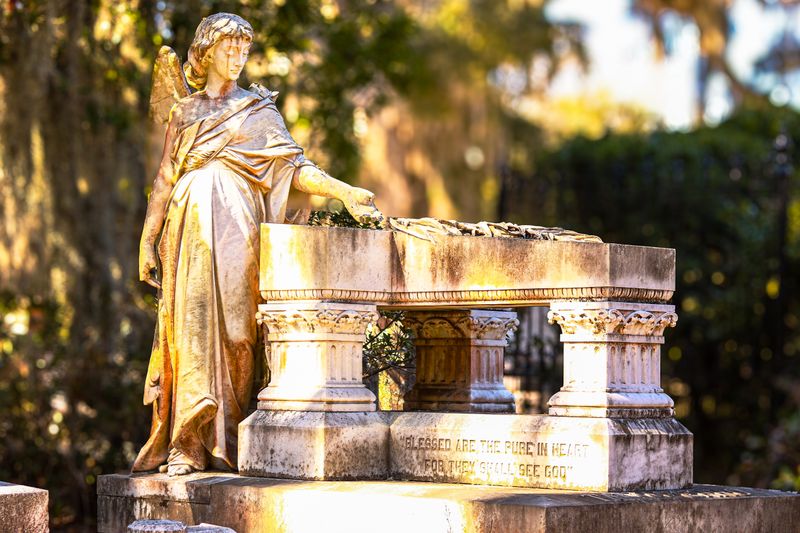
Bonaventure is not morbid here. It is contemplative, botanical, and bound to Savannah’s identity.
Spring flowers edge marble stones, and the light through moss feels like a soft filter you cannot replicate later. Arrive mid morning for gentle shadows and fewer tour groups.
You can move slowly, read inscriptions, and notice the river peeking through.
Guided tours explain funerary symbolism and notable burials, connecting threads to the city’s cultural scene. Shoulder season keeps group sizes smaller and conversation more intimate.
Bring comfortable shoes and respect the setting. Photography is welcome, but step lightly and avoid blocking pathways.
Savannah’s visitor numbers rise sharply by June, and you will feel that here when vans queue at the gate. Come now, and you get the quiet the place deserves, which lingers with you on the drive back beneath those swooping oak canopies.
Daytrip to Tybee Island Without Beach Gridlock
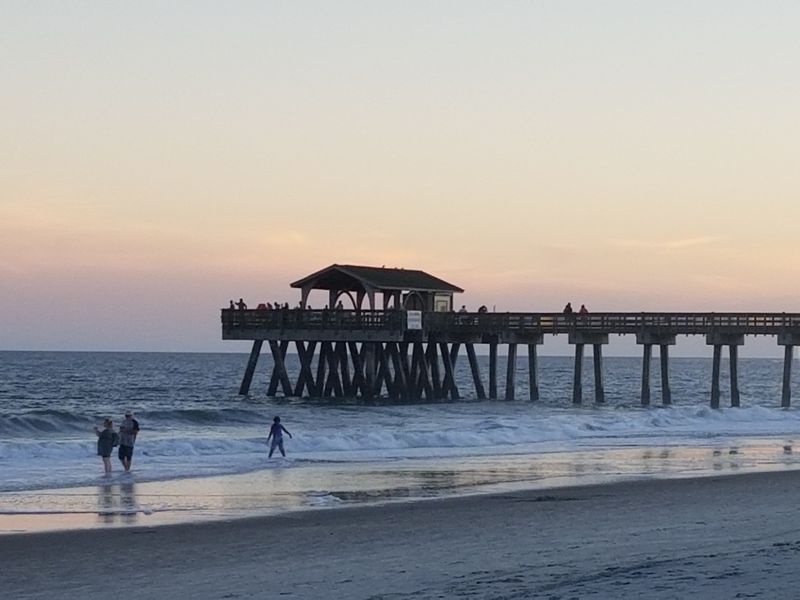
Tybee in late spring is coastal ease. The water warms, lifeguards are on duty, and parking is findable if you arrive before 10 a.m.
You get the lighthouse climb without a long line and beach space wide enough to throw a frisbee without apologizing. Bring snacks, rent chairs if you want, and plan a dune walk before the sun goes high.
Restaurants along Butler Avenue move faster now, and ice cream hits better when you are not melting in line. According to Georgia tourism data, coastal visitation peaks in midsummer, so this window balances comfort and services.
If you kayak, marsh creeks are calmer and winds lighter than later. Head back to Savannah for sunset on the river, sand still on your ankles, traffic still light enough to keep the windows down.
Step Into the Cathedral Basilica of St. John the Baptist
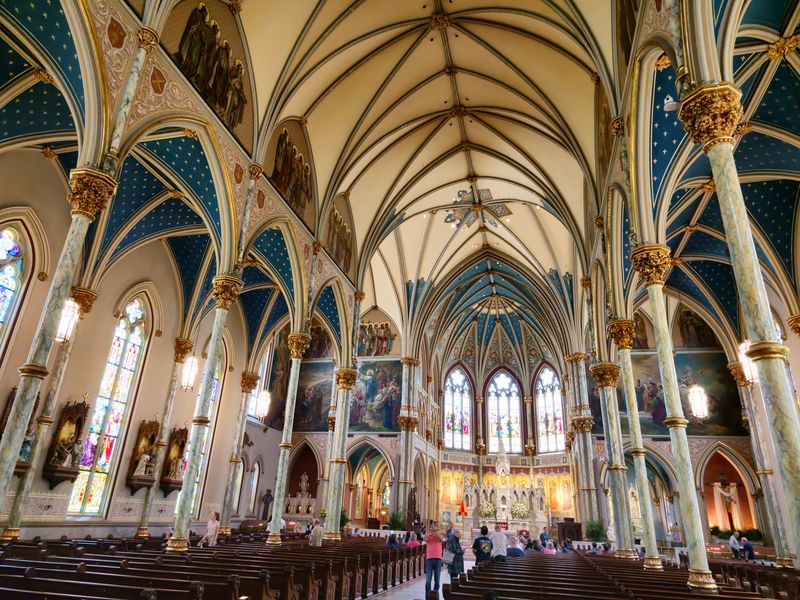
Slip inside the Cathedral Basilica of St. John the Baptist and let your eyes climb. Stained glass windows pour color over pews, and the organ loft hangs like a promise of sound.
In shoulder season, you can sit unhurried, admire the vaulting, and read the brochure without feeling like you are holding up a tour. It is free to enter, with donations encouraged.
Photography is allowed when services are not in progress, and you will have the space to frame shots that would be cramped in summer. Take five quiet minutes and breathe.
Sacred spaces reward stillness, and Savannah’s busiest months do not always allow it. Step back outside to Lafayette Square, where the fountain gurgles and the moss whispers again.
Consider this your reset between busier stops, and a cool interior moment before the heat swells later in the year.
Catch Culture at SCAD Museums and Shops
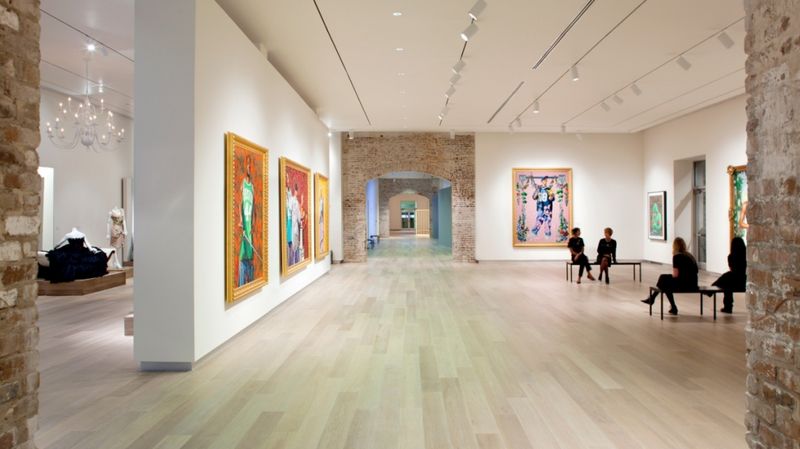
SCAD’s presence keeps Savannah fresh. The SCAD Museum of Art rotates contemporary exhibitions that hit differently when galleries are not crowded.
You can linger on wall text, talk with attendants, and catch student led installations that spill onto courtyards. Spring calendars often include film or fashion events, and you have a better shot at tickets before summer demand surges.
Afterward, duck into SCAD shops for design forward souvenirs that beat generic tees. Creative economies thrive when audiences have time to engage, and lighter foot traffic makes that possible.
Nationally, arts attendance increases around major travel holidays, so visiting now is a strategic win. Check the museum’s website for current shows and hours, then plan a lunch stop nearby.
You will leave with conversation topics, not just photos, and a sense that Savannah is evolving as much as it preserves.
Kayak the Skidaway Narrows and Moon River
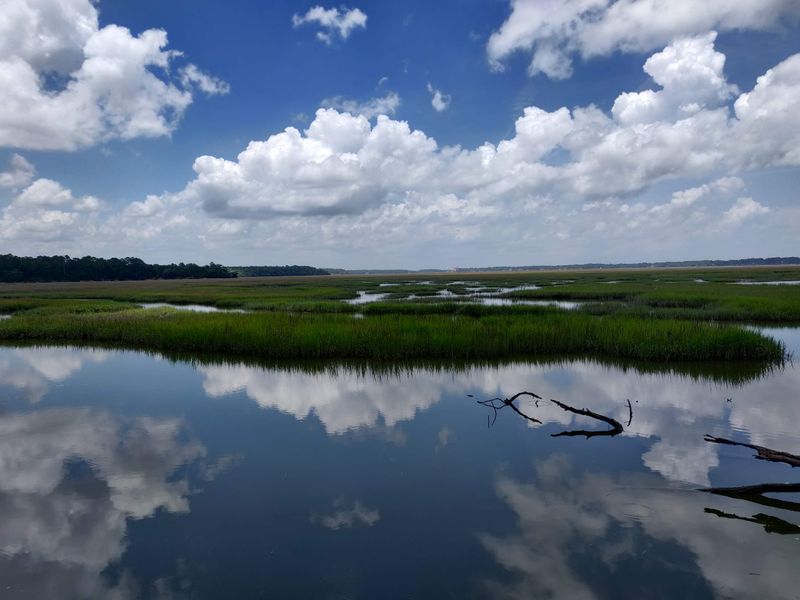
For a quieter adventure, launch kayaks into Skidaway Narrows or the Moon River. Outfitters can set you up with tides and routes, but shoulder season wind and temperature are friendlier to beginners.
Glide past oyster beds, watch for dolphins, and listen for clapper rails in the grass. You will share the water with fewer motorboats now, which keeps chop manageable and conversation easy.
Plan around tides for easier paddling and exposed sandbars that host birds. Wear sun protection, stash a dry bag, and bring a lightweight layer for breezes.
Outdoor recreation participation rose significantly nationwide in recent years, which means prime waterways fill in summer. Coming now lets guides take more time with technique and ecology.
End with tacos on a deck while the salt air lingers. Your shoulders will feel used, your mind rinsed, and your schedule still unhurried.
Ghosts, Grits, and Nighttime Squares
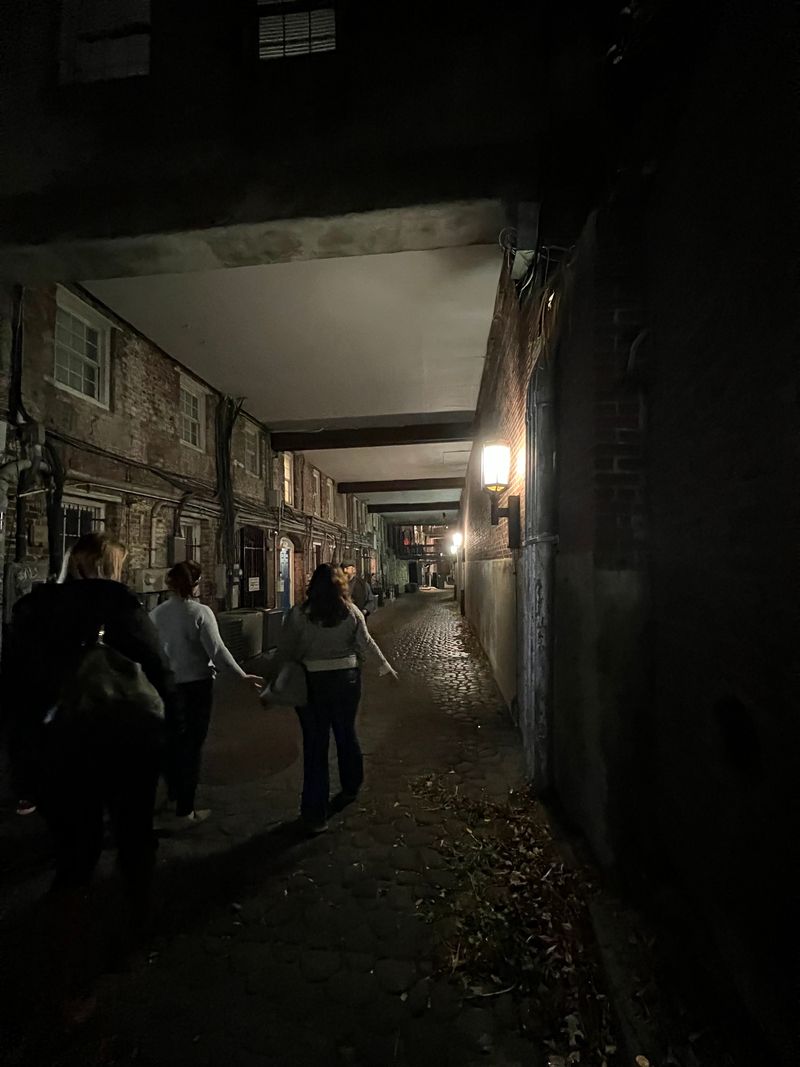
Night adds layers in Savannah, and spring nights invite strolling. Book a small group ghost tour that favors storytelling over jump scares.
With fewer visitors in town, guides can tailor routes and field questions about the city’s stranger chapters. You will pass hushed squares, pause by twilit townhouses, and feel the cobblestones shift underfoot.
Afterward, hunt down late night shrimp and grits or a bourbon at a quiet bar.
Cooler evenings make this an easy add even after a full day. Operators confirm that higher summer demand often pushes groups to capacity, thinning the charm.
Now, there is breathing room between stops and less street noise to drown details. If you prefer self guided, queue up a reputable audio tour and walk at your pace.
Either way, Savannah’s stories stretch longer when the sidewalks are yours.
Share this story