Thailand swept me up with color, kindness, and surprises around every corner. One moment I was sipping iced tea beside a gilded chedi, the next I was laughing with a street vendor who patiently taught me how to say thank you with a wai.
The warmth here goes far beyond the weather – it lives in gestures, smiles, and everyday encounters. Curiosity is rewarded constantly, whether you’re wandering a market or pausing at a roadside shrine.
If you’re ready for delight after delight, this journey has a way of keeping your grin firmly in place.
1. Thailand has an astonishing number of temples
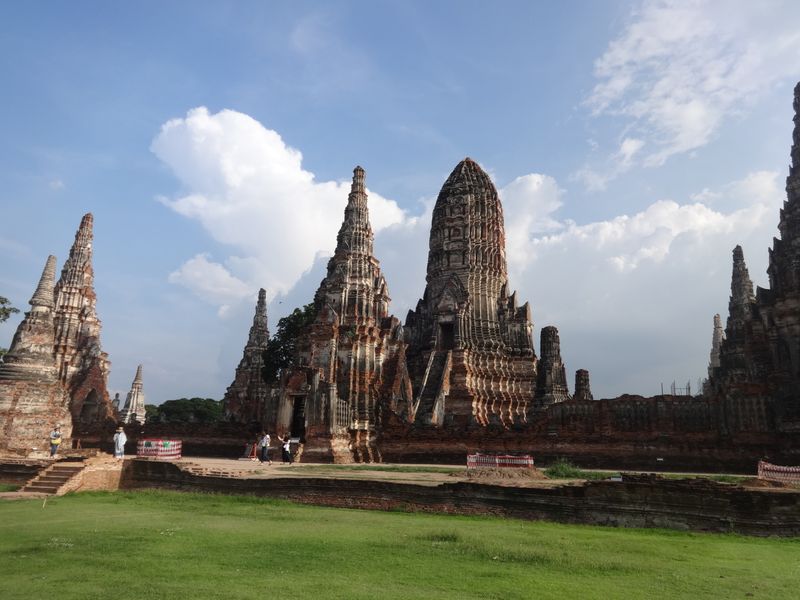
Bells chime over rooftops as spires poke the sky in every direction. More than forty thousand wats dot the country, each with a distinct rhythm of incense, chanting, and gold leaf.
You never walk far without meeting another quiet courtyard.
I learned to carry a light sarong for respectful visits, because serendipity kept leading me to new sanctuaries. Some were neighborhood shrines with playful guardian statues.
Others rose grand and formal, echoing with ritual and low drumbeats.
Temples are living places, not museum sets. Monks sweep, children play, aunties bring offerings of marigolds and sticky rice.
Step softly, look up, and the details reward your patience.
2. Bangkok’s official name is one of the longest in the world
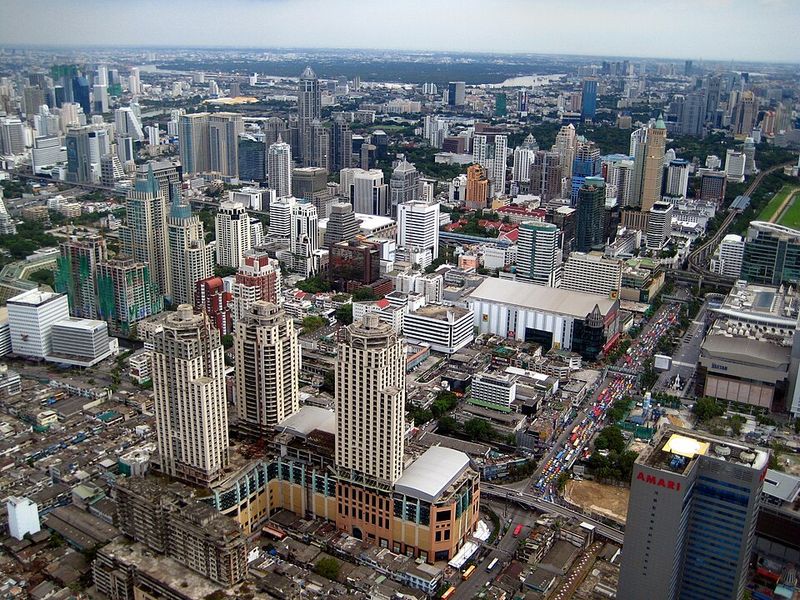
A local smiled, then recited a city name so long I lost count before the first breath. Bangkok’s ceremonial title unspools like poetry, stitching together sacred places, virtues, and royal grandeur.
Hearing it said aloud feels like stepping into a legend.
On a river ferry, I tried to repeat a single line and made the conductor laugh kindly. That name captures the city’s scale, its confidence, and a wink of humor.
It is a metropolis that knows its worth and dresses accordingly.
Modern towers gleam while temple rooftops flash in the sun. The long name bridges both worlds, ancient devotion and brisk ambition.
Even the skytrain seems to bow as it glides past shimmering spires.
3. It’s genuinely called the Land of Smiles
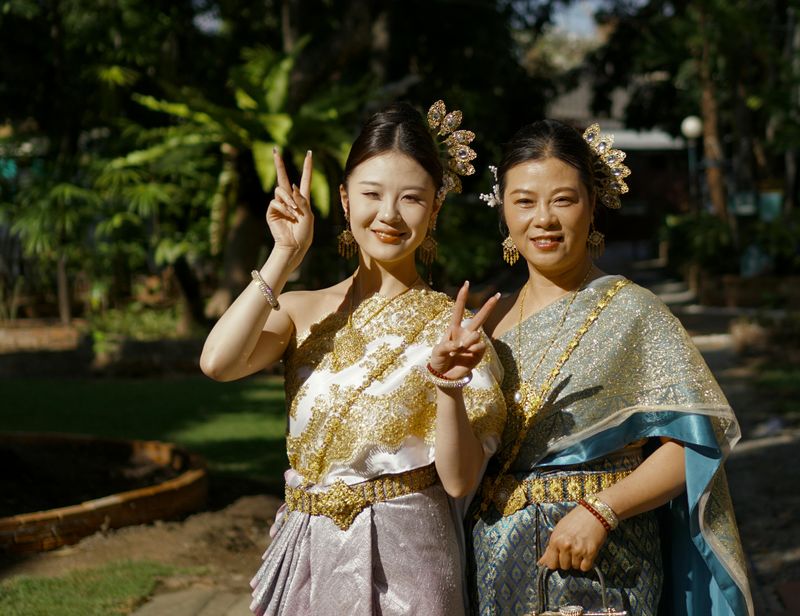
The first thing you notice is the smile, offered like sunshine even when clouds gather. In Thailand, a grin can mean hello, sorry, or please do not worry.
That quiet, practiced warmth puts you at ease before you can answer.
A guide explained there are dozens of smiles for different social moments, a soft toolkit for daily harmony. I watched disagreements dissolve with a humble dip of the head and a curved lip.
You feel invited to slow down, breathe, and meet people halfway.
Here, a smile smooths over delays, missteps, or clumsy language. It is not fake, just functional, generous, and very Thai.
Try it back and doors open, tuk tuks appear, and conversations blossom.
4. Thailand was never colonised by European powers

A quiet pride hums beneath daily life, shaped by a history of independence. Thailand navigated foreign pressures without surrendering its sovereignty.
That autonomy guarded language, monarchy, and cultural memory.
Traveling from Ayutthaya ruins to Bangkok museums, I felt how self-directed choices echo today. Design, etiquette, even foodways evolved without a colonial filter.
It explains the confidence in rituals that remain widely practiced.
Locals talk about adaptation, not defeat. You see it in diplomacy, in open markets, and in fearless creativity.
The result is a country comfortable in its own skin, inviting you to appreciate it on its terms.
5. Buddhism influences everyday life
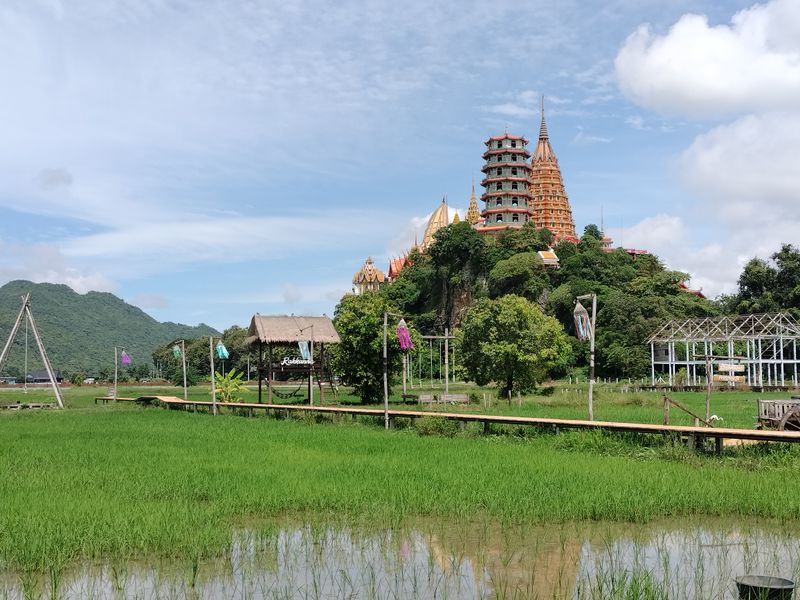
Morning arrives to the soft shuffle of robes and the clink of alms bowls. Theravada Buddhism shapes the day, from simple merit-making to grand festivals.
Even street corners hold small shrines glowing with candlelight.
I joined neighbors placing rice into monks’ bowls, a tiny gesture that felt grounding. The exchange is silent but intimate, a loop of gratitude.
Later, temple murals narrated moral tales with color and patience.
Buddhist values surface in everyday politeness and gentle restraint. You notice it in traffic, in queues, in how voices lower near altars.
Spiritual practice lives beside commerce, neither pushing the other away.
6. Traditional greetings are graceful and respectful
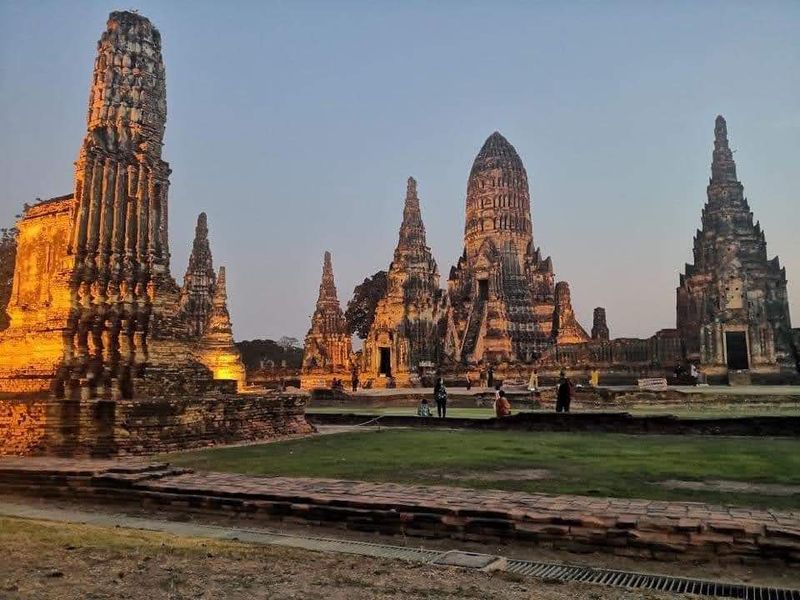
Arrivals feel softer when hands meet at the chest and heads dip slightly. The wai says hello, thank you, and with respect, please.
It turns first meetings into a shared pause.
A hotel receptionist taught me height matters, both of hands and intention. Greeting elders calls for a deeper bow.
After a day, the motion felt natural and my conversations gentler.
Watch how locals pair the wai with a smile and quiet tone. That combination unlocks smoother service, warmer help, and fewer missteps.
Learn it early and Thailand opens like a friendly book.
7. Thai culture values respect and saving face
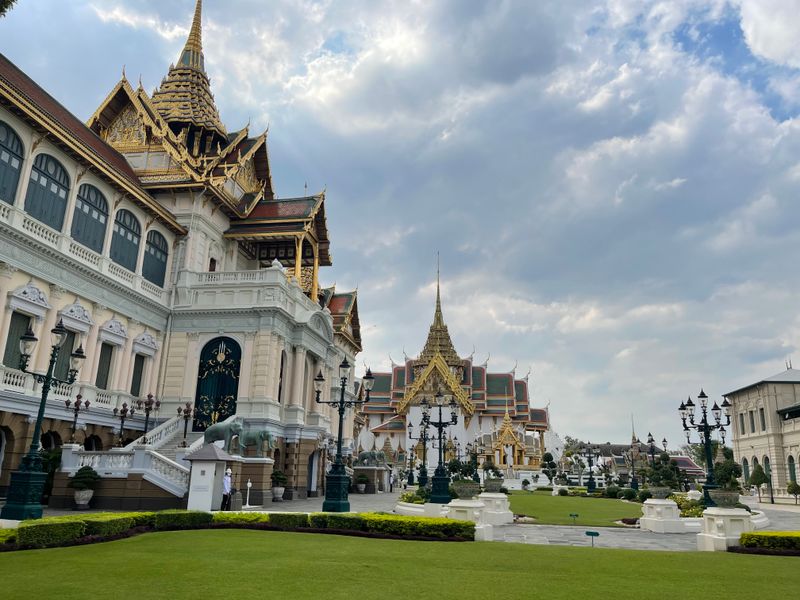
The smallest gesture sets the tone before words begin. Shoes come off at the door, voices soften with elders, tempers cool quickly.
Saving face is about dignity, not pretense.
I slipped once and stepped inside with sandals still on. A kind laugh, a wave, and I corrected course, grateful for the gentle nudge.
Privacy and calm carry real weight here.
If conflict sparks, people pivot to solutions and subtle signals. You will get farther with patience than volume.
Keep grace handy and Thailand will mirror it back beautifully.
8. Festivals here are wonderfully unique
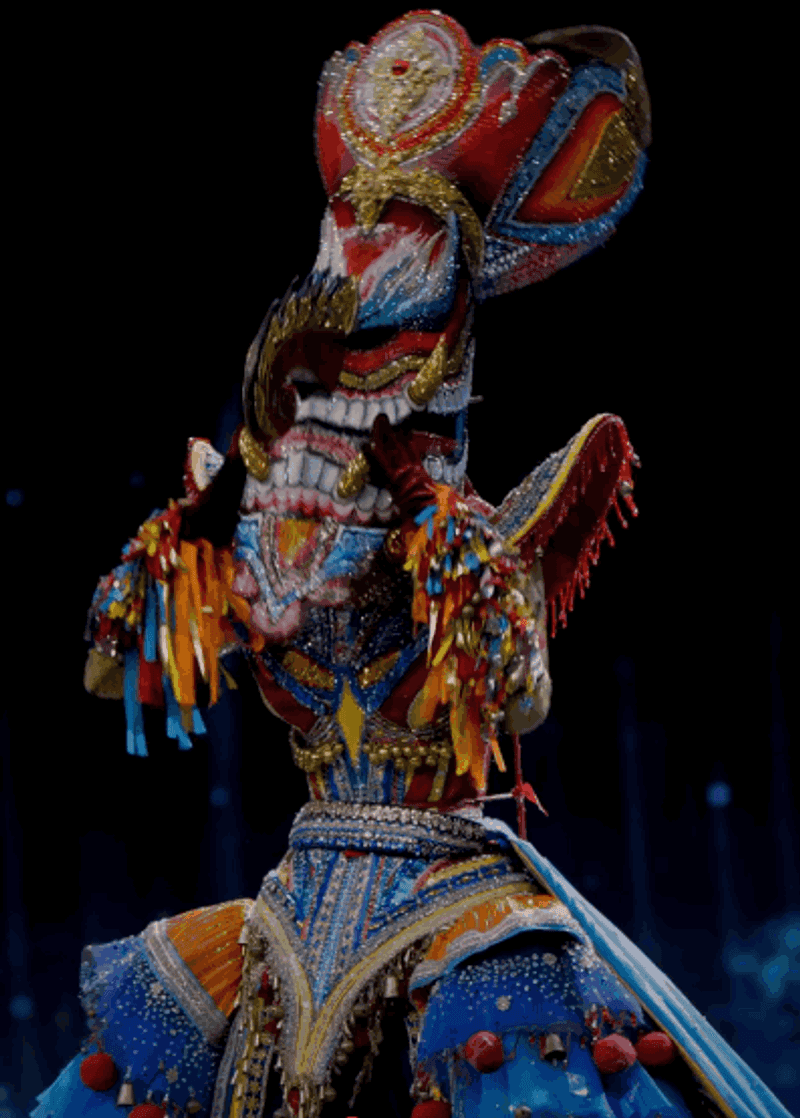
Mask eyes wink from neon colors as drums bounce off the pavement. Phi Ta Khon feels like a dream you can dance through, playful and a little eerie.
Costumes sway, bells jingle, and laughter rolls down the street.
A vendor painted a tiny swirl on my cheek and sent me into the parade. The festival blends folk spirits with Buddhist rhythms, never losing its mischief.
It is joyous theater powered by the whole town.
Come hydrated, bring sunscreen, and claim shade between bursts of music. Embrace the spectacle without blocking processions.
You will leave with confetti in your hair and a grin you cannot shake.
9. Festivals of light are breathtaking
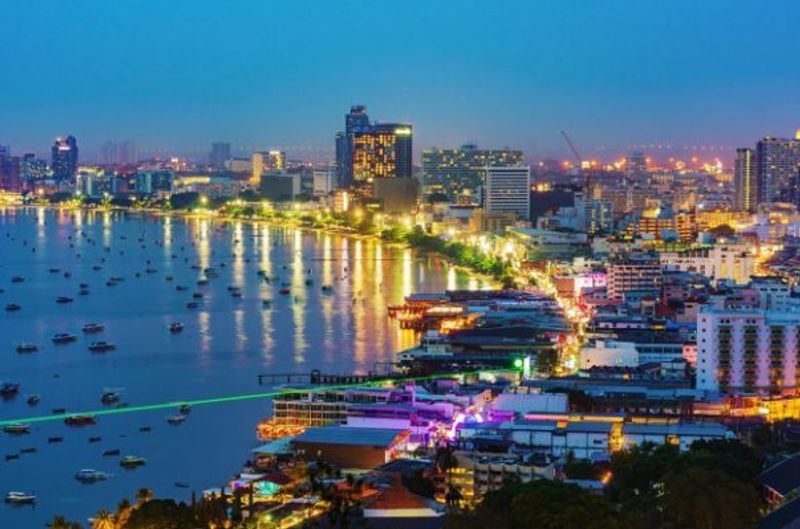
Silence drops right before lift-off as the first lantern slides upward. Then the sky fills with small suns, drifting like patient fireflies.
Faces turn golden and everyone whispers at once.
I wrote a wish with a friend and watched it climb slow and steady. The moment asked for care, from wind checks to cleanup plans.
Beauty lands sweeter when respect comes with it.
Chiang Mai glows brightest during Yi Peng and Loy Krathong. Rivers mirror flickering light while temples hum with prayer.
You walk away blinking, feeling lighter than the air above.
10. Not all temples look the same and some are modern marvels
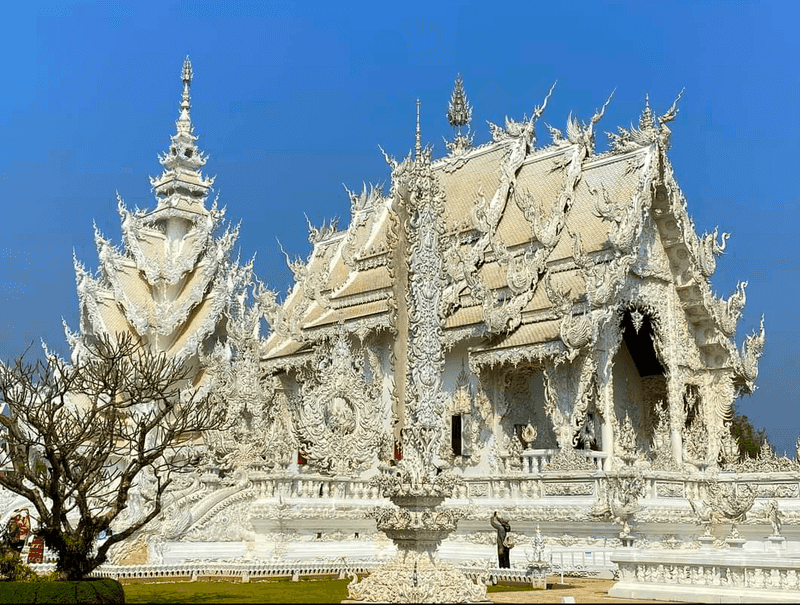
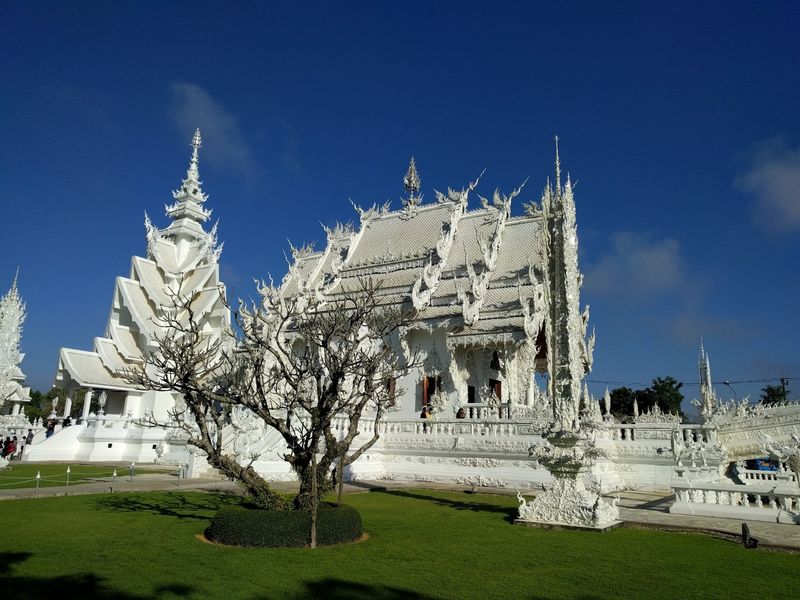
White gleam, almost icy, flashes brighter than noon. Wat Rong Khun is not ancient but it steals your breath with fearless detail.
Mirror shards wink, and the bridge swirls with symbolism.
I wandered slowly, eyes hopping from murals to tiny sculpted hands. The temple bends tradition into contemporary art without losing reverence.
It is both gallery and sanctuary, inviting reflection between camera clicks.
Elsewhere, bold designs play with color, glass, and daring motifs. Thailand welcomes innovation alongside heritage, and the mix feels alive.
If you think you have seen one wat, think again.
11. Thai cuisine is unbelievably diverse
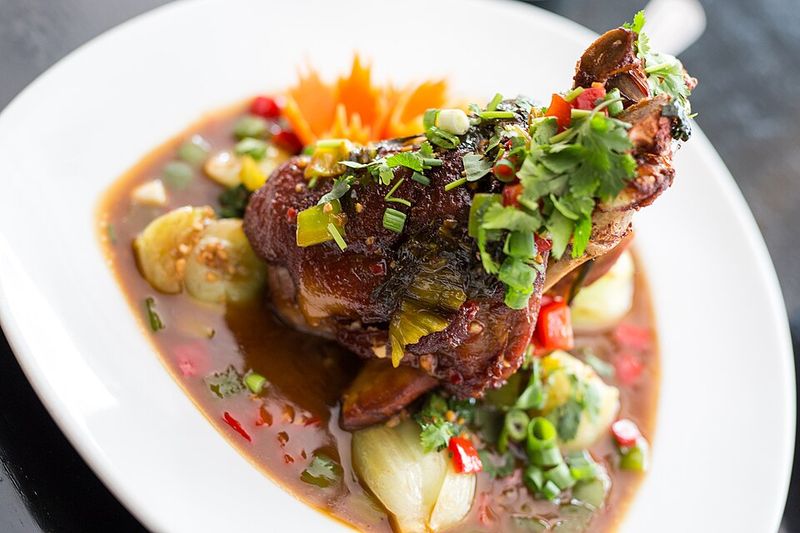
Chili sizzles, lime brightens, basil blooms in the steam. Thai food balances force and finesse on every plate.
Street carts hum like orchestras, each wok a quick solo.
A cook taught me to taste in steps, not gulps. Sweet, sour, salty, and spicy stack neatly, then dance.
From boat noodles to royal recipes, there is always another corner to explore.
Eat where lines form, ask for less heat first, then climb. Keep water handy, and never skip dessert.
Mango sticky rice is a soft landing after delicious chaos.
12. It’s a land of natural and cultural contrasts
Stone lions guard gateways while cicadas stitch the air. At Phimai, sandstone stories hold still, calm under wide skies.
Hours later, green hills roll past as mist drifts between ridges.
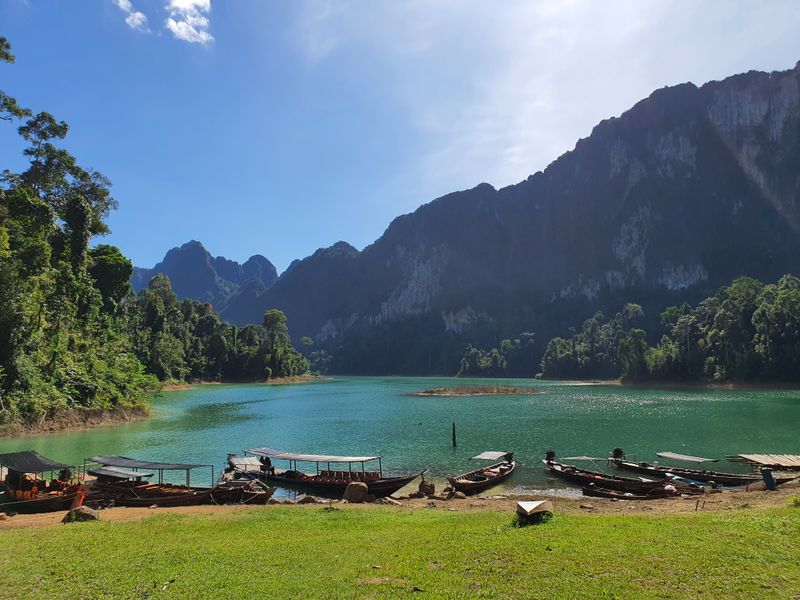
I split a week between ruins, forests, and beaches, surprised how easily the map shifted. Longtail boats skim turquoise water while fishermen grin from beneath wide hats.
Even small towns keep their own tempo and taste.
Pack layers, from temple-ready clothes to beach wear. Trains, buses, and ferries braid the country together.
Wherever you land, contrast sharpens the view and keeps curiosity awake.
13. Thai people have deep spiritual connections to nature
Bright ribbons sway on banyan trunks where the air feels hushed. Spirit cloths, garlands, and tiny shrines mark places where presence is felt.
The gestures are simple and everywhere once you notice.
A driver touched the dashboard charm before we pulled into traffic. Protection is practical here, folded into commutes and errands.
Animist threads weave with Hindu and Buddhist strands without friction.
Offerings may be soda, flowers, or fruit, chosen with affection. Stand a moment, breathe, and you will sense the care.
Nature is not just scenery but a partner in daily life.
Share this story