Italy’s countryside hides treasures that rival its famous cities. Beyond Rome’s Colosseum and Venice’s canals, small towns perched on cliffs, nestled by lakes, and tucked into hillsides offer authentic Italian experiences without overwhelming crowds.
These enchanting villages showcase centuries-old architecture, local cuisine, and breathtaking landscapes that make every visit feel like stepping into a living postcard.
Manarola — Colourful Cliffside Jewel of Cinque Terre
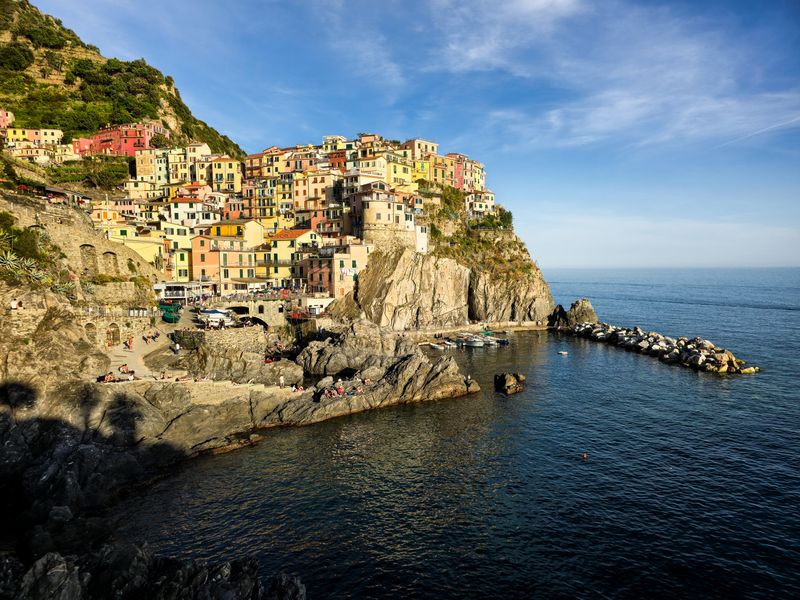
Brightly painted houses tumble down rocky cliffs straight into the turquoise Ligurian Sea, creating one of Italy’s most photographed scenes. Manarola’s charm lies in its vertical architecture — homes in shades of terracotta, sunshine yellow, and dusty pink stacked like building blocks against the Mediterranean backdrop.
Narrow stone staircases connect different levels of the village, each turn revealing another stunning angle of sea and sky.
The famous Via dell’Amore trail starts here, offering coastal hiking with panoramic views linking all five Cinque Terre villages. Locals still tend ancient vineyards clinging to impossibly steep hillsides, producing the region’s sweet Sciacchetrà wine.
Sunset transforms the village into pure magic — golden light bathes the colorful façades while waves crash against rocks below.
Despite tourist popularity, Manarola maintains its fishing village soul. Trattorias serve anchovies caught that morning, tossed with local olive oil and fresh herbs.
Small boats bob in the tiny harbor where fishermen still mend nets by hand. The village moves at its own unhurried Mediterranean pace, where meals stretch for hours and conversations flow as freely as the wine.
Tropea — Calabrian Seaside Beauty & Historic Heart
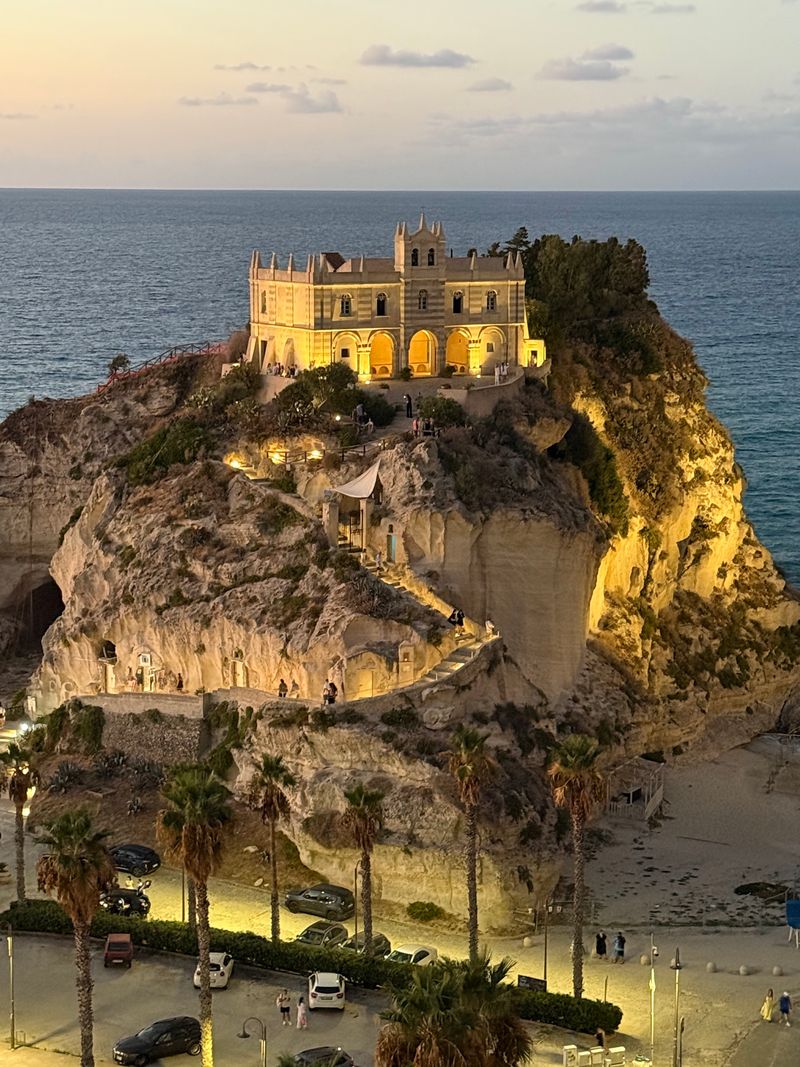
Perched atop towering sandstone cliffs, Tropea commands attention from every angle. The medieval town center balances precariously above some of Calabria’s finest beaches, where turquoise waters lap against white sand.
Stone buildings weathered by centuries of sea breezes line cobblestone streets that wind between baroque churches and sun-drenched piazzas.
The iconic Santa Maria dell’Isola sits on its own rocky promontory, connected by a dramatic staircase carved into the cliff face. This former Benedictine monastery now serves as Tropea’s signature landmark, framed perfectly against endless blue horizons.
Below the old town, long stretches of beach offer swimming in crystal-clear waters that rival any Caribbean destination.
Calabrian cuisine shines here with fiery ‘nduja spreadable salami and impossibly sweet red onions grown in nearby fields. Seafood restaurants cling to cliffsides, serving swordfish and tuna so fresh it practically swims to your plate.
Evening passeggiata fills the historic center as locals and visitors alike stroll past gelato shops and wine bars. Sunset viewpoints become gathering spots where the sky explodes in shades of orange and pink, reflecting off the Tyrrhenian Sea below.
Spello — Hilltop Harmony in Umbria
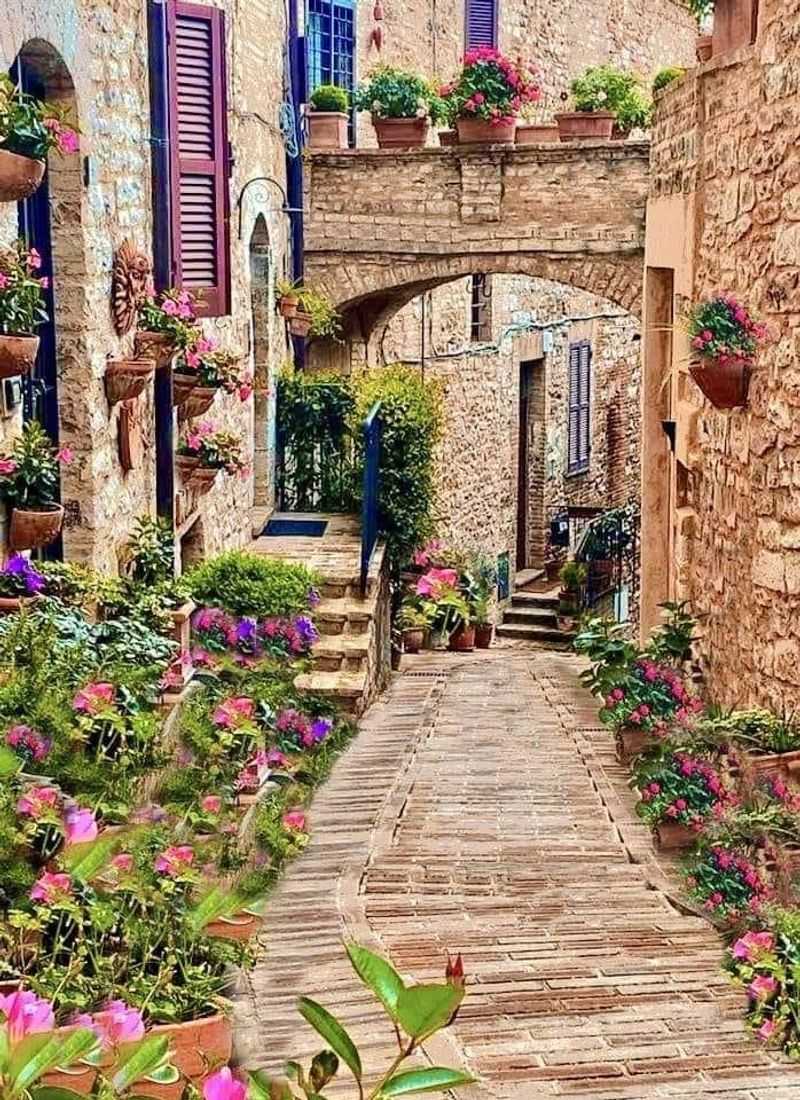
Flowers cascade from every balcony and window ledge, transforming Spello into Umbria’s most colorful hill town. Residents take serious pride in their floral displays — geraniums, petunias, and roses spill from terracotta pots, creating ribbons of color against honey-toned stone walls.
Walking these flower-lined streets feels like wandering through someone’s lovingly tended garden.
Roman ruins peek through medieval layers throughout the village. Ancient gates still stand where legionnaires once passed, while frescoes by Renaissance master Pinturicchio adorn the Santa Maria Maggiore church.
Tiny piazzas open unexpectedly as you navigate the maze of alleyways, each offering a different perspective of the Umbrian countryside stretching below.
Local restaurants serve pici pasta hand-rolled that morning and dressed with truffles foraged from nearby forests. Olive oil from surrounding groves arrives at your table in unmarked bottles, thick and peppery.
Small wine bars pour Sagrantino and Montefalco Rosso while owners share stories about harvests and family traditions. The pace here encourages lingering — over cappuccino in morning sunshine, over lunch that stretches into afternoon, over sunset views that paint the valley in gold.
Castelmezzano — Basilicata’s Rock-Cradled Hamlet
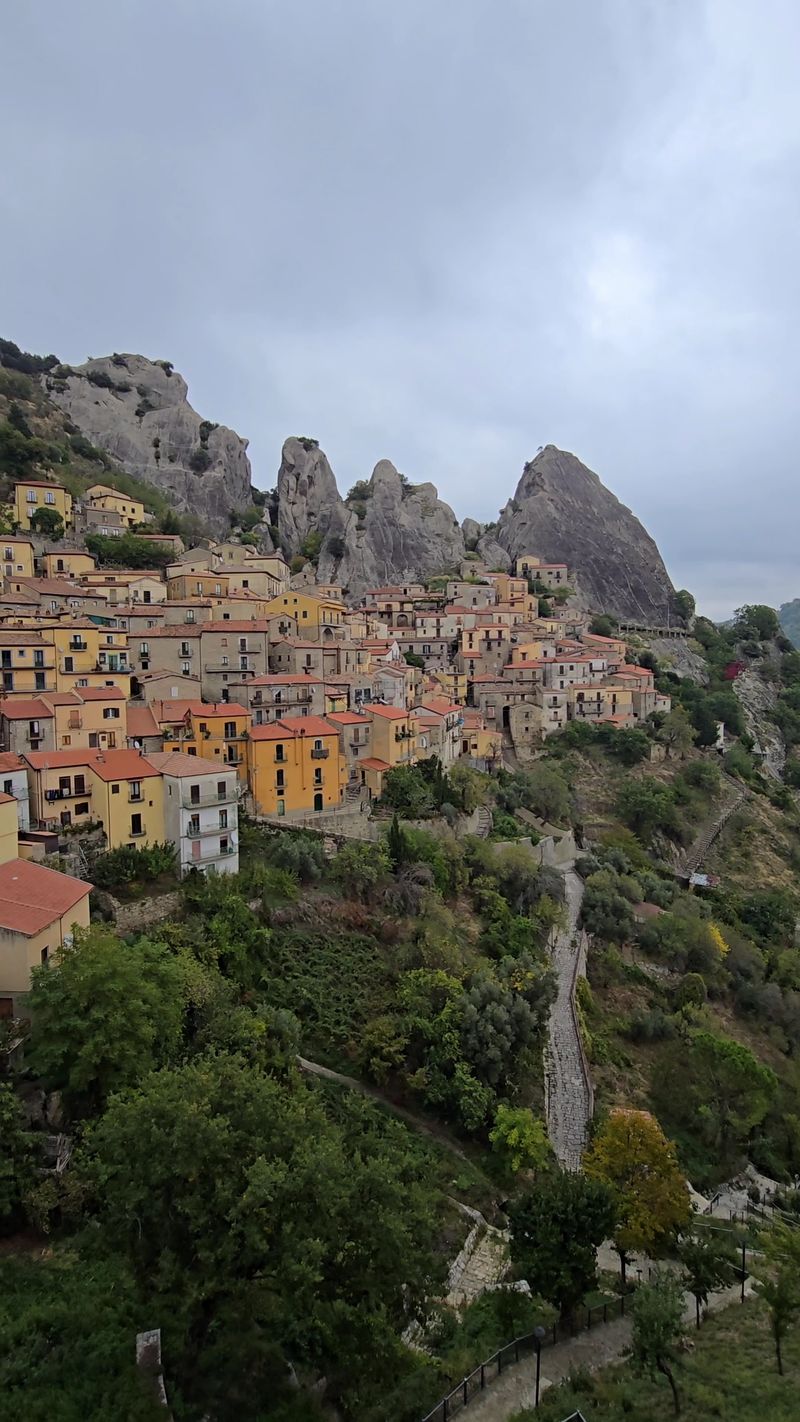
Jagged rock spires loom over stone houses like ancient sentinels guarding a secret. Castelmezzano appears impossibly wedged into the Dolomiti Lucane mountains, its medieval buildings seeming to grow directly from the cliffs themselves.
The village feels mythical — a place where legends of bandits and hidden treasures seem entirely plausible given the dramatic landscape.
Only about 800 people call this vertical village home, maintaining traditions that stretch back centuries. Stone staircases connect different levels where houses cling to whatever flat surface the mountain provides.
Architectural details reveal careful craftsmanship — arched doorways, wrought iron balconies, and weathered wooden shutters that have withstood countless mountain winters.
Adrenaline junkies come for the Volo dell’Angelo zip line that launches riders across the valley at breathtaking speeds, suspended between rocky peaks. Those seeking quieter thrills simply explore winding alleys that dead-end at spectacular viewpoints.
Local restaurants serve hearty Lucanian cuisine — cruschi peppers fried until crispy, handmade cavatelli pasta, and lamb slow-roasted with mountain herbs. Evening brings profound silence broken only by church bells echoing off stone walls.
Stars appear impossibly bright in skies unpolluted by city lights, completing the sense of having discovered somewhere truly removed from ordinary life.
Sirmione — Lake Garda’s Romantic Peninsula
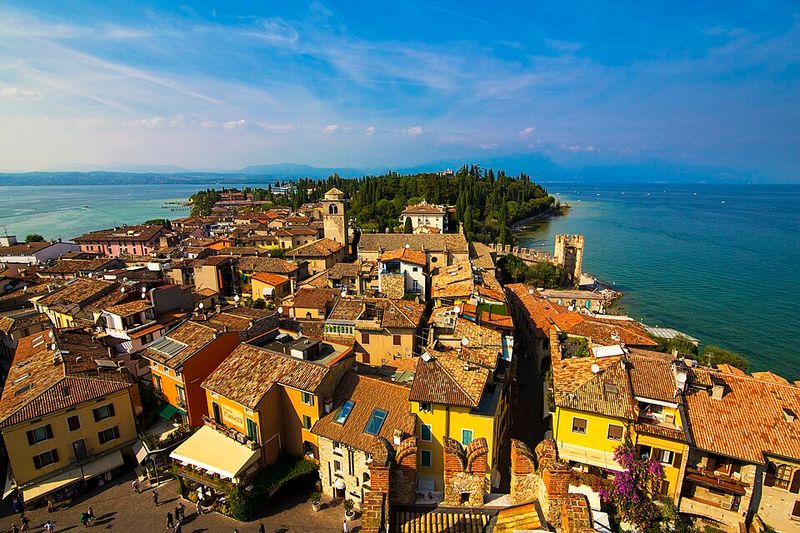
A fairy-tale castle guards the entrance to this slender peninsula jutting into Lake Garda’s blue-green waters. The Scaligero fortress, complete with drawbridge and crenellated towers, makes arriving in Sirmione feel like entering another century.
Beyond the castle walls, the old town unfolds along narrow lanes where lake breezes carry the scent of lemon trees and fresh-baked focaccia.
Thermal springs have drawn visitors since Roman times when poet Catullus built his villa on the peninsula’s tip. The Grotte di Catullo ruins sprawl across olive groves, offering glimpses into ancient lakeside luxury.
Modern spa facilities still harness these sulfurous waters, promising therapeutic benefits alongside relaxation.
Waterfront promenades invite leisurely strolling past gelato shops and boutiques selling silk scarves and handmade leather goods. Restaurants set tables along the water’s edge where diners enjoy lake fish prepared with local olive oil and white wine.
Small beaches provide swimming spots with mountain views, while boat tours explore grottos and neighboring villages. Evening transforms the peninsula into something magical — castle walls illuminated against darkening skies, lake waters reflecting golden lights, couples walking hand-in-hand along ancient stones worn smooth by countless footsteps.
Orvieto — Cliff-Top Wonder of Umbria
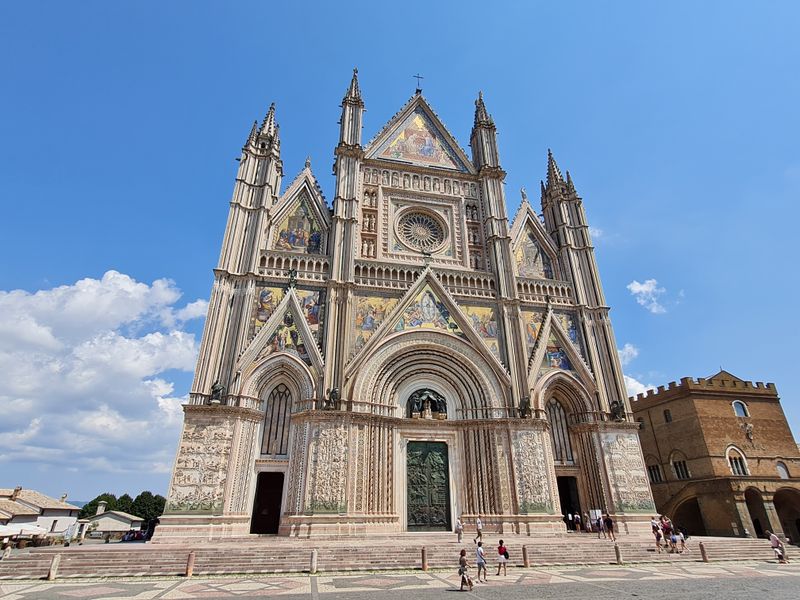
Rising from a massive volcanic tufa plateau, Orvieto commands the Umbrian landscape like a natural fortress. The town’s position seems almost impossible — sheer cliffs drop vertically on all sides, creating a flat-topped island in the sky.
Medieval builders capitalized on this natural defense, constructing a city that has remained virtually unchanged for centuries.
The Duomo’s facade stops visitors in their tracks with its explosion of mosaics, sculptures, and Gothic detail. Inside, Luca Signorelli’s Last Judgment frescoes rival anything in Rome for dramatic power.
But Orvieto’s real secret lies beneath the surface — a labyrinth of caves, tunnels, and chambers carved into soft tufa stone over 2,500 years. Tours explore this underground city where Etruscans stored wine, medieval residents hid from invaders, and Renaissance workers quarried building stone.
Above ground, the town moves at an easygoing pace. Locals gather in piazzas for afternoon aperitivo, sipping crisp Orvieto Classico wine produced in surrounding vineyards.
Small workshops sell ceramics painted with traditional patterns passed down through generations. Sunset views from the cliff edge stretch across valleys and hilltop villages, reminding visitors why this strategic location has been prized since ancient times.
Cefalù — Sicily’s Coastline Charmer
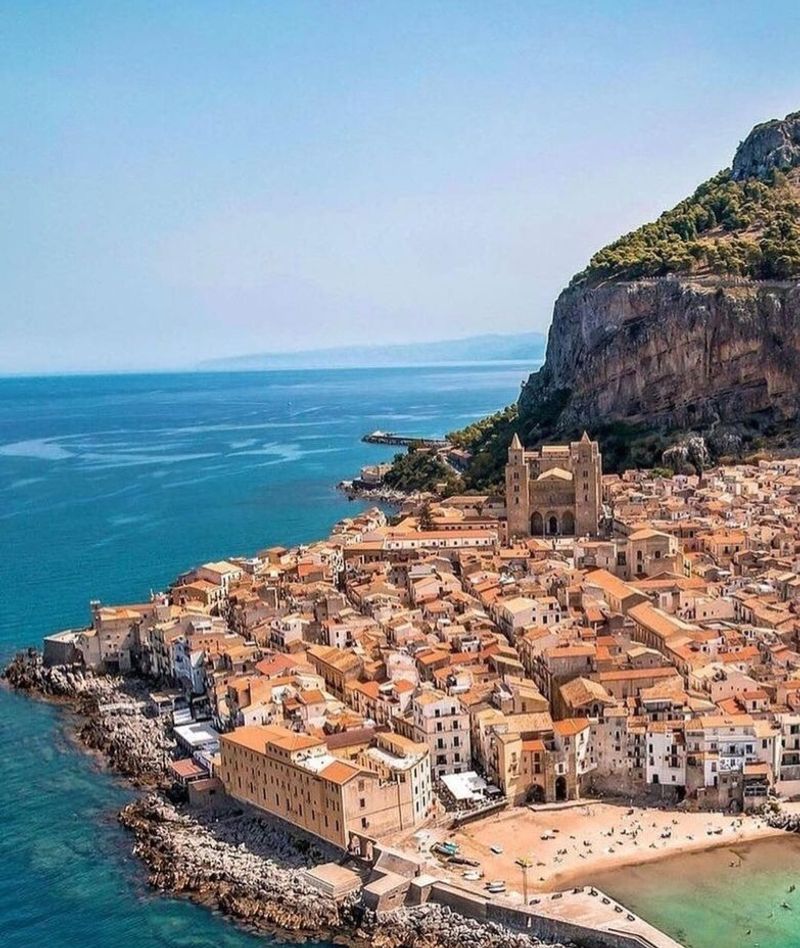
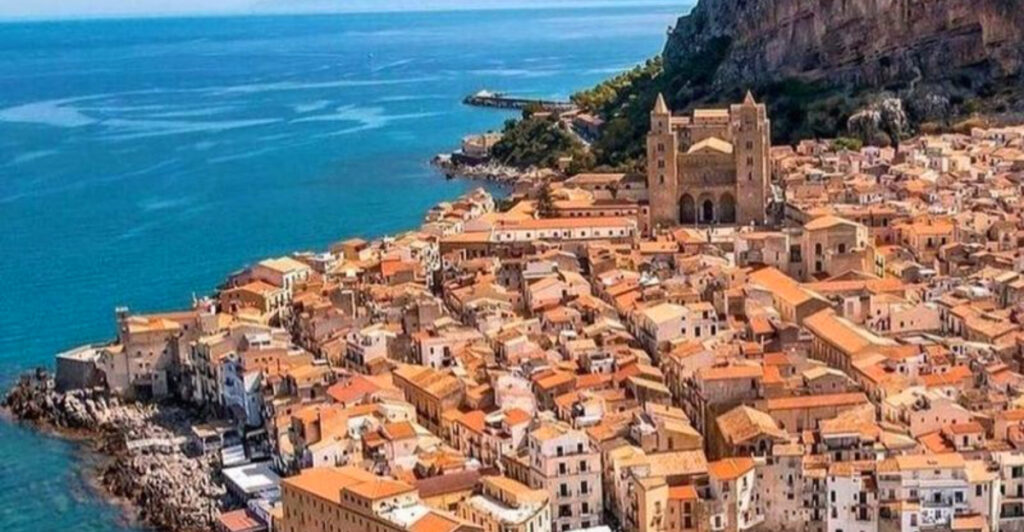
Golden sand meets medieval stone where Cefalù spreads along Sicily’s northern shoreline. The massive rock formation of La Rocca looms behind the town like a protective giant, its craggy face watching over red-tiled roofs and narrow streets below.
This dramatic backdrop makes Cefalù instantly recognizable, a postcard image that somehow looks even better in person.
The Arab-Norman cathedral dominates the historic center with Byzantine mosaics that shimmer in shafts of light filtering through ancient windows. Built by Norman king Roger II in the 12th century, its twin towers frame a façade of honey-colored stone that glows especially warm at sunset.
Surrounding streets wind between buildings weathered by centuries of sea air, opening onto small piazzas where grandmothers watch children play.
Beach life here feels authentically Sicilian rather than resort-artificial. Fishing boats painted in traditional colors rest on sand between swimming sessions.
Seafood restaurants serve the day’s catch grilled over lemon wood, accompanied by local Nero d’Avola wine. Those willing to climb La Rocca’s steep path reach ancient temple ruins and panoramic views stretching along the entire coastline.
The reward justifies burning legs — seeing Cefalù spread below with endless blue Mediterranean beyond creates memories that last.
Porto Venere — Ligurian Coast’s Hidden Gem
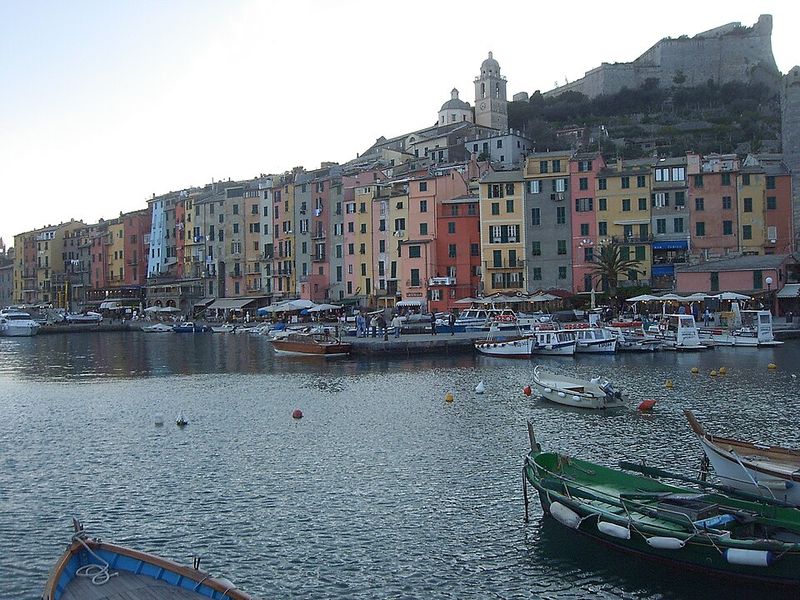
Tall, narrow houses in shades of ochre, pink, and yellow line the waterfront like a rainbow standing guard against the sea. Porto Venere’s architecture reflects its maritime history — these tower houses were built tall and close together for defense, with ground floors once used for storing fishing nets and boats.
The effect creates a striking wall of color reflected in harbor waters where fishing boats still bob between modern yachts.
The Church of San Pietro perches dramatically on the promontory’s rocky tip, black and white striped stone seeming to grow from the cliff itself. Waves crash directly below its walls, sending spray high enough to mist visitors exploring the terrace.
This position at the Gulf of Poets’ entrance has inspired writers and artists for centuries — Byron supposedly swam from here to visit Shelley in nearby San Terenzo.
Unlike crowded Cinque Terre villages just up the coast, Porto Venere maintains a quieter rhythm. Locals still outnumber tourists on most days, especially in shoulder seasons when the town returns fully to its residents.
Restaurants serve Ligurian specialties — trofie pasta with pesto, stuffed mussels, and focaccia still warm from wood-fired ovens. Boat trips to Palmaria Island reveal hidden coves and sea caves perfect for swimming in crystalline waters.
Bellagio — Lake Como’s Elegant Jewel
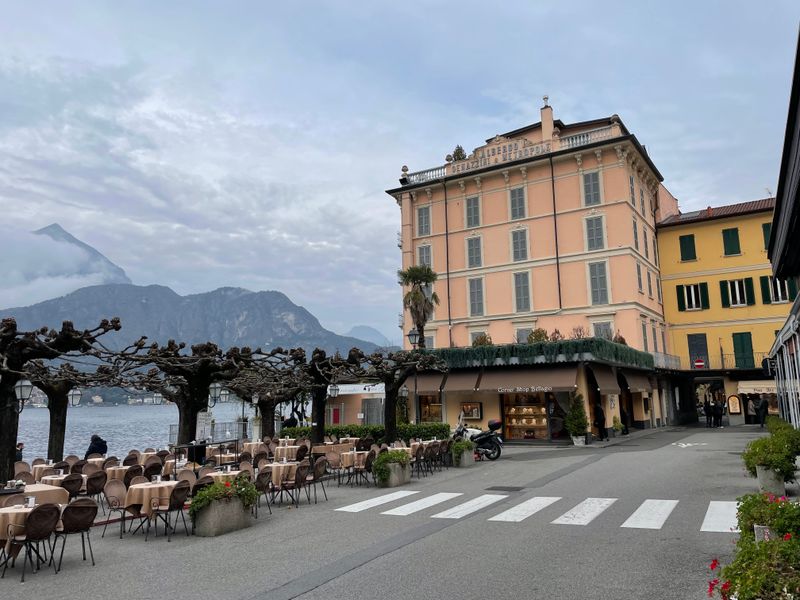
Where Lake Como’s three branches meet, Bellagio rises from the water like something from a romantic novel. Pastel villas cascade down wooded hillsides to a waterfront lined with grand hotels and sidewalk cafés.
This privileged position at the lake’s heart has made Bellagio synonymous with Italian elegance — a place where Hollywood stars hide behind sunglasses and wealthy Milanese maintain summer residences their families have owned for generations.
Cobblestone lanes climb steeply from the waterfront, passing beneath stone archways and between buildings whose shuttered windows frame flower boxes overflowing with geraniums. Small shops sell silk scarves and handmade leather goods, while gelaterias tempt with creative flavors.
Villa Serbelloni’s gardens sprawl across the promontory, offering shaded paths and lake views that have inspired countless marriage proposals.
The waterfront promenade invites endless strolling, watching ferries arrive and depart for villages around the lake. Restaurants set tables right at the water’s edge where diners enjoy risotto with perch or missoltini — sun-dried lake fish served with polenta.
Sunset paints the surrounding mountains in shades of purple and gold while lake waters turn mirror-smooth. The scene epitomizes Italian dolce vita — beautiful surroundings, excellent food, and the luxury of time spent doing nothing but soaking it all in.
Burano — Venetian Lagoon’s Rainbow Town
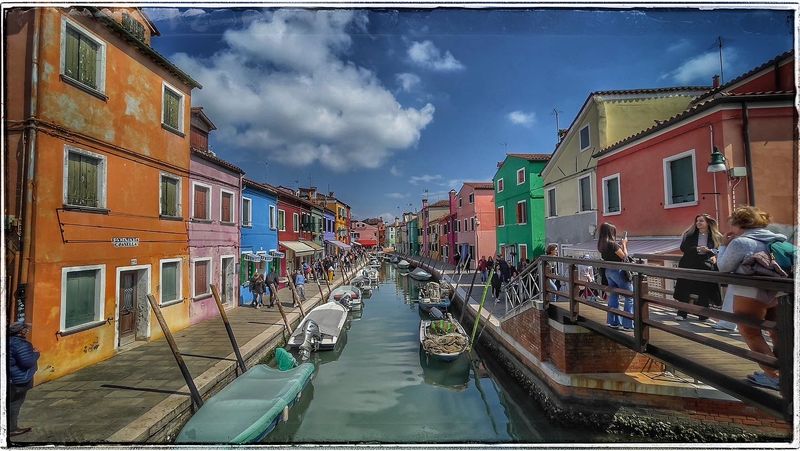
Every house wears a different color, creating a kaleidoscope of facades reflected in quiet canals. Burano’s rainbow appearance wasn’t just artistic whimsy — fishermen painted their homes in bright, distinctive colors so they could identify them through lagoon fog when returning from sea.
The tradition continues today with strict regulations governing which colors neighbors can use, ensuring the patchwork pattern remains vibrant.
Unlike Venice’s crowded calli, Burano’s streets maintain a village atmosphere where locals still outnumber visitors. Elderly women sit outside doorways working intricate lace patterns, a tradition that once employed most island women.
Small shops display this delicate handiwork alongside colorful Murano glass and painted ceramics. The leaning bell tower of San Martino adds a wonky charm, tilting noticeably due to soft lagoon foundations.
Seafood restaurants here serve some of the lagoon’s best risotto de gò — made with goby fish — and bussolai cookies perfect for dunking in sweet wine. Canals reflect the colorful houses in rippling patterns that change with every passing boat.
Morning light creates the most vivid colors and smallest crowds, when photographers capture the famous rainbow rows without dodging tourists. The island feels like a living painting, its cheerful palette and peaceful canals offering respite from Venice’s intensity just a short vaporetto ride away.
Alberobello — White-Trulli Wonderland of Puglia
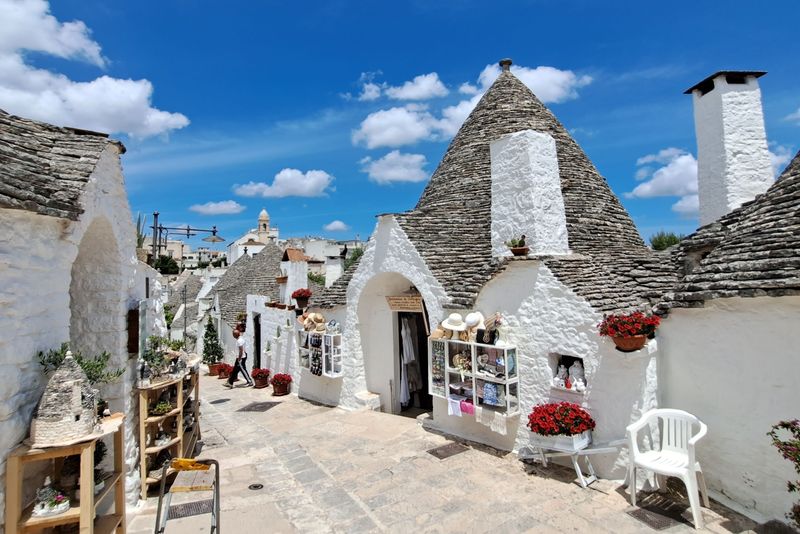
Limestone roofs stacked in circles create a skyline unlike any other in Italy. The trulli of Alberobello represent a building tradition stretching back centuries, using local stone and ancient techniques passed from generation to generation.
Each conical roof was carefully constructed without mortar, flat stones layered in gradually narrowing circles topped with decorative pinnacles. The precision required makes every trullo a small architectural marvel.
Symbols painted on many roofs carry meanings ranging from religious to astrological — crosses for protection, planetary signs for good fortune, mysterious markings whose significance remains debated. Some trulli stand alone while others connect in clusters, sharing walls and creating labyrinthine complexes.
The larger structures feature multiple cones, indicating rooms added as families grew or prosperity increased.
Today’s trulli serve varied purposes beyond residences. Some house restaurants where stone interiors stay naturally cool even in Puglia’s summer heat.
Others operate as boutique accommodations, letting visitors experience sleeping beneath these unique roofs. Small museums explain construction methods and daily life in traditional trullo dwellings.
Walking the narrow streets between whitewashed walls feels like exploring an architectural wonderland where every turn reveals another photogenic angle. The town’s magic intensifies at night when strategic lighting emphasizes the geometric beauty of hundreds of conical roofs glowing against dark skies.
Calcata Vecchia — Medieval Hilltop Retreat Near Rome
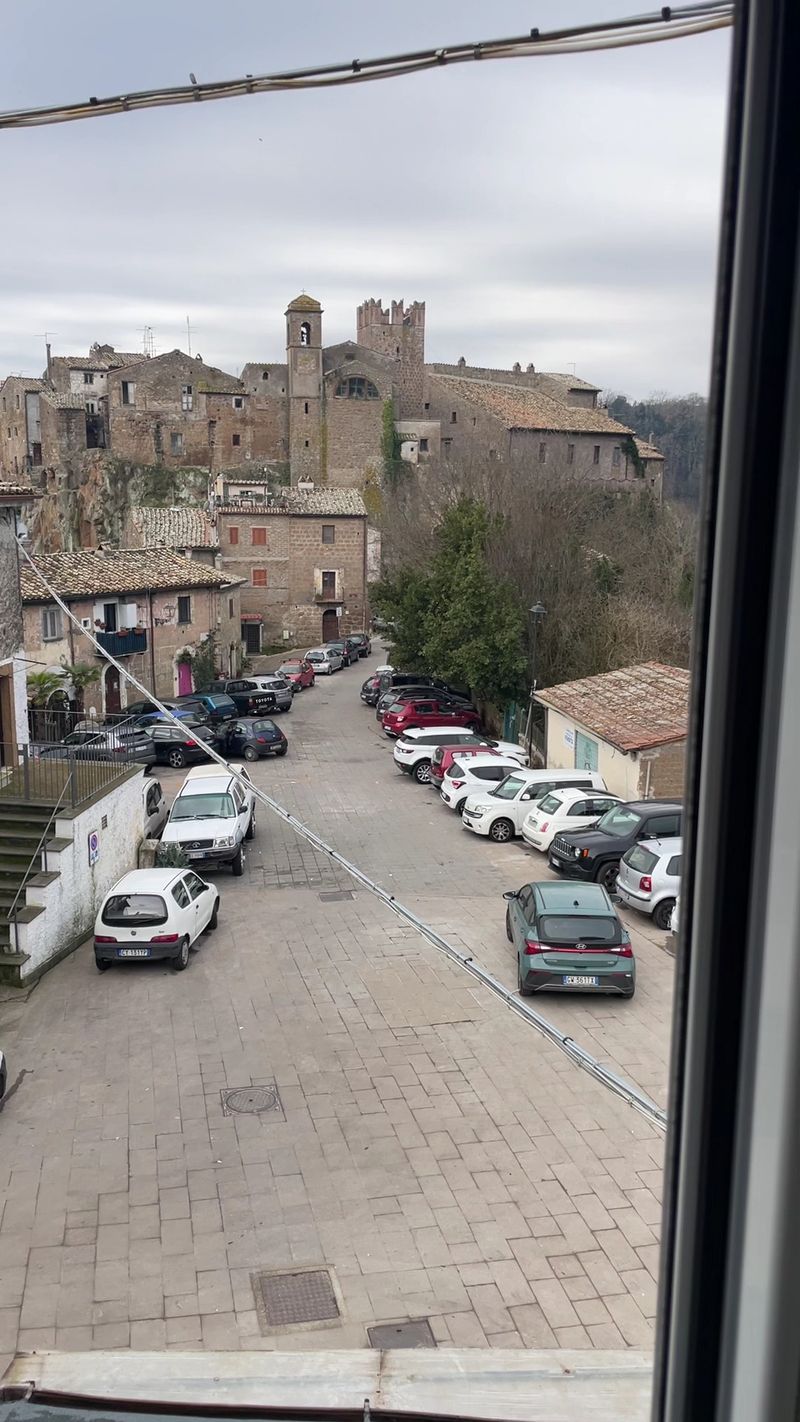
Stone buildings balance on a volcanic tufa outcrop like a crown on a rocky head. Calcata Vecchia’s precarious position atop vertical cliffs made it virtually impregnable in medieval times — the only access a single narrow bridge crossing the ravine.
This isolation preserved the village when surrounding areas modernized, creating a time capsule of medieval architecture and winding cobblestone passages.
In the 1960s, artists and bohemians discovered the abandoned village and began restoring crumbling buildings. Their influence transformed Calcata into an creative enclave where galleries, studios, and artisan workshops occupy spaces that once housed farmers and shepherds.
The population remains small and decidedly alternative, maintaining a countercultural vibe rare in central Italy.
Narrow streets barely wide enough for two people lead to unexpected piazzas where cats sunbathe on ancient stones. Small cafés serve organic food and homemade pastries while owners discuss philosophy and art.
Terraces perched at the cliff edge offer panoramic views across the Treja River valley, where thick forests and rocky gorges create wild scenery just 40 kilometers from Rome’s chaos. Sunday brings a small market where local farmers sell vegetables and artisans display handmade goods.
The village feels like a secret worth keeping — a place where time moves differently and modern stress feels impossibly distant despite the proximity to Italy’s bustling capital.
Vernazza — Quintessential Cinque Terre Harbour Village
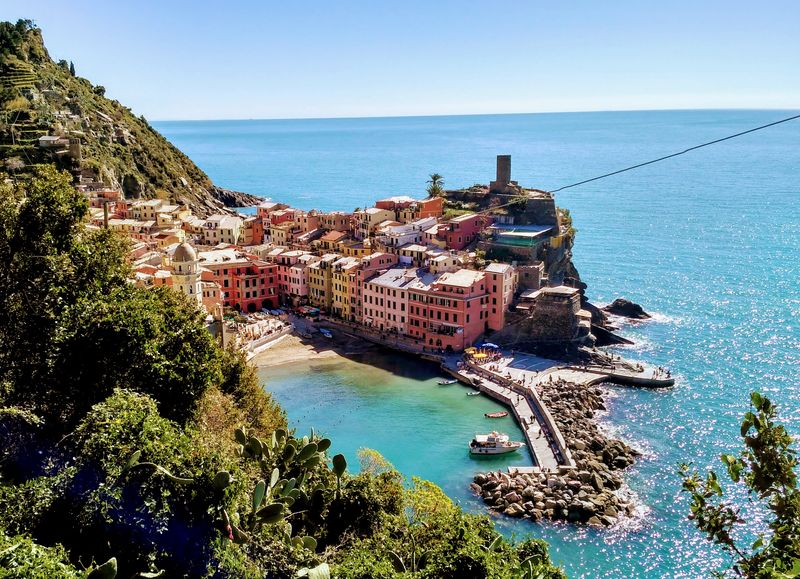
A tiny natural harbor cradles fishing boats between pastel buildings that seem to embrace the water. Vernazza’s layout centers entirely on this protected inlet where generations of fishermen have launched boats into the Ligurian Sea.
The village wraps around the harbor in a tight semicircle, buildings stacked vertically up the hillside behind. This compact design creates an intimate atmosphere where community life unfolds in full view.
The remains of a medieval castle perch on the rocky promontory, its tower offering panoramic views for those who climb the steep stairs. Below, the small piazza functions as Vernazza’s living room — locals gather for morning coffee, afternoon gelato, and evening aperitivo at tables spilling from cafés and restaurants.
The sound of waves provides constant background music, occasionally punctuated by church bells marking the hours.
Hiking trails connect Vernazza to neighboring Cinque Terre villages through terraced vineyards clinging to impossibly steep slopes. These paths offer stunning coastal views and a sense of the dramatic landscape that shaped village life.
Swimming from the rocky beach provides refreshing breaks between hiking and eating. Restaurants specialize in anchovies prepared countless ways — marinated, fried, in pasta — plus fresh catch grilled simply with lemon and herbs.
Sunset transforms the harbor into a painter’s palette as golden light illuminates colorful facades and the sea turns deep blue-green.
Ostuni — Puglia’s White City on the Hill
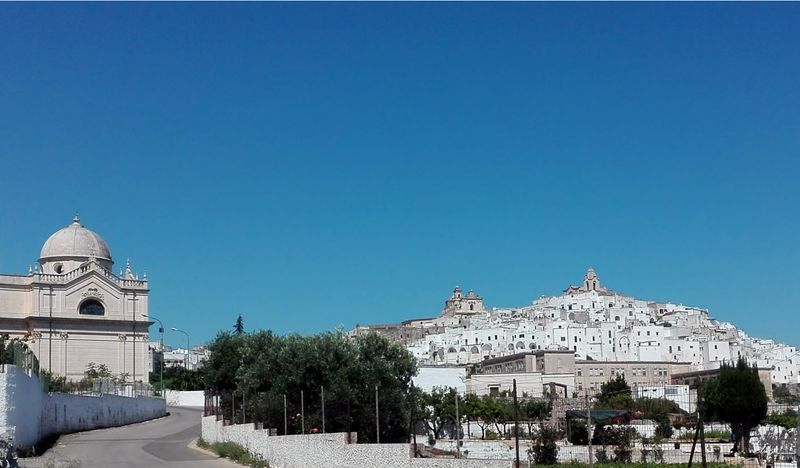
Gleaming white buildings cascade down three hills like snow that never melts. Ostuni earned its nickname La Città Bianca centuries ago when residents began whitewashing houses with lime as protection against plague.
The tradition continues today, with residents required to refresh the white paint regularly, creating a luminous urban landscape visible for miles across Puglia’s olive-covered plains.
Narrow streets wind upward through the historic center in a maze designed to confuse invading forces and provide shade from summer heat. Archways span between buildings, staircases appear unexpectedly, and tiny piazzas open like secrets revealed.
Getting lost here becomes part of the pleasure — each wrong turn leads to another photogenic corner where white walls contrast brilliantly against blue sky.
The cathedral crowns the highest point, its Gothic-Romanesque façade decorated with intricate rose windows. Surrounding streets host boutiques, ceramics shops, and restaurants where tables spill onto white-painted steps.
Local cuisine celebrates Puglia’s agricultural bounty — burrata cheese so fresh it’s still warm, orecchiette pasta shaped by hand, olive oil pressed from surrounding groves. Sunset viewpoints offer spectacular vistas across the Valle d’Itria where trulli dot the landscape and ancient olive trees twist in artistic shapes.
The white buildings glow pink in fading light before evening brings cooler temperatures and the passeggiata — that quintessential Italian ritual of strolling and socializing that continues until late.
Share this story