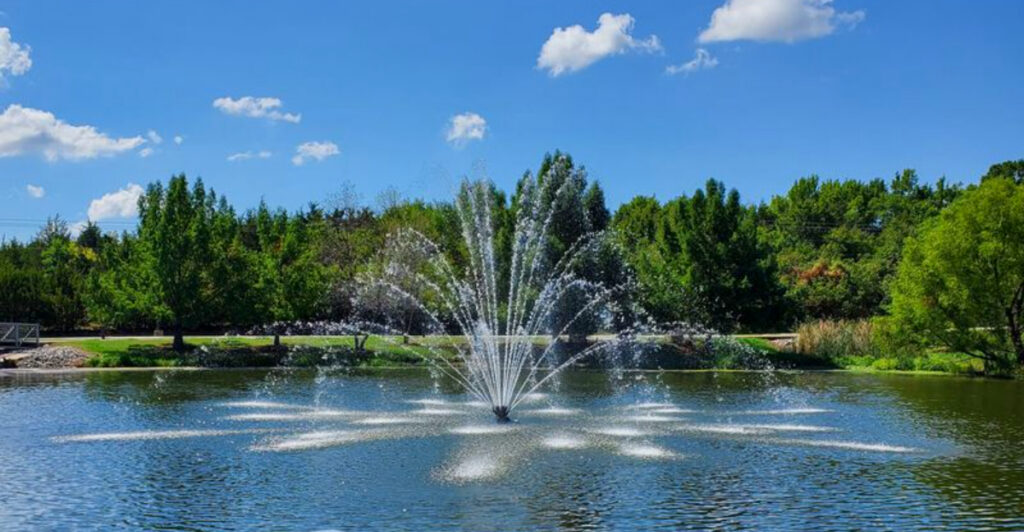
Tucked away in southern Oklahoma, the small city of Sulphur is quickly becoming a must-visit destination for travelers seeking natural beauty without the crowds. With sparkling lakes, scenic hiking trails, and cascading waterfalls all within easy reach, this charming town offers outdoor adventures that rival destinations much farther from home.
Whether you’re planning a weekend getaway or a day trip, Sulphur’s combination of natural wonders and small-town hospitality makes it an unforgettable place to explore.
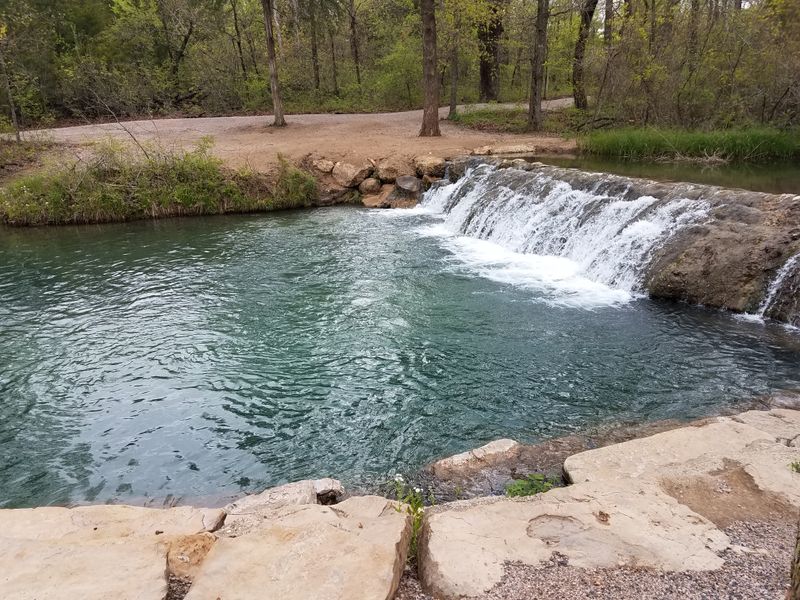
Sprawling across nearly 10,000 acres, this protected wonderland serves as the crown jewel of Sulphur’s outdoor attractions. The park blends natural mineral springs, dense forests, and refreshing streams into one spectacular package that draws visitors year-round.
You can spend entire days exploring without covering the same ground twice.
Families love the easy access to swimming areas where kids can splash around safely during summer months. The Lake of the Arbuckles sits within park boundaries, offering excellent fishing and boating opportunities for water enthusiasts.
Several picnic areas with shelters make it simple to enjoy lunch surrounded by nature.
Wildlife sightings happen frequently, with white-tailed deer, wild turkeys, and countless bird species calling this area home. The park rangers offer educational programs throughout the year that teach visitors about the region’s unique geology and ecology.
Best of all, entrance to the recreation area is completely free, making it an affordable adventure for families on any budget.
Historic structures dating back to the early 1900s dot the landscape, reminding visitors of the area’s long history as a healing destination. The park truly offers something for everyone, from serious hikers to casual nature lovers.
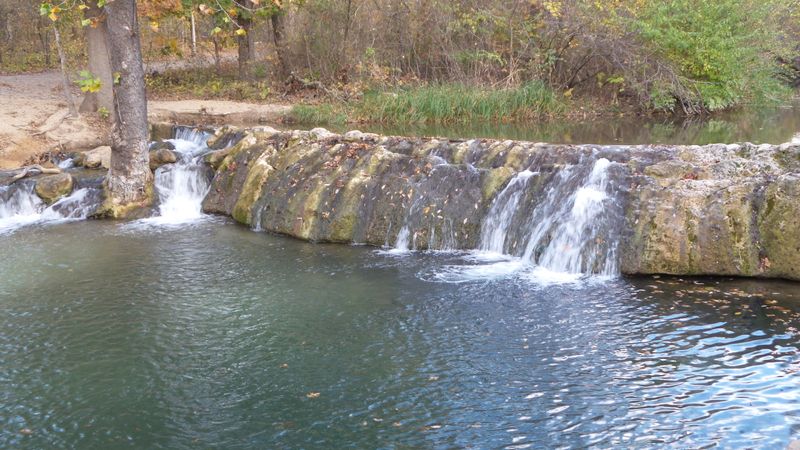
Standing before this cascading beauty, you might forget you’re in Oklahoma rather than some exotic tropical location. Water tumbles over limestone ledges in a wide curtain that creates a soothing soundtrack audible from several hundred feet away.
The falls flow year-round, though they’re most impressive after spring rains when the volume increases dramatically.
A short, paved trail makes the waterfall accessible to visitors of all mobility levels, including those using wheelchairs or strollers. Photography enthusiasts arrive early in the morning when soft light filters through the surrounding trees, creating magical conditions for capturing stunning images.
The shallow pool at the base invites wading on hot summer days.
Picnic tables near the falls provide perfect spots for enjoying snacks while listening to the rushing water. Local legend says Native Americans used these mineral-rich waters for healing purposes long before European settlers arrived.
The area remains one of the most photographed spots in all of southern Oklahoma.
Visiting during weekdays helps you avoid weekend crowds and enjoy a more peaceful experience. The falls are just a short drive from downtown Sulphur, making them an easy addition to any itinerary.
Curiosity gets rewarded at this educational hub where interactive exhibits explain the fascinating geology that makes Sulphur so special. The center takes its name from travertine, a type of limestone formed by mineral springs that bubble up throughout the area.
Hands-on displays let kids touch rock samples and learn how water shapes the landscape over thousands of years.
Knowledgeable staff members answer questions and provide trail maps for exploring the surrounding recreation area. A small theater shows films about local wildlife and the history of the mineral springs that put Sulphur on the map.
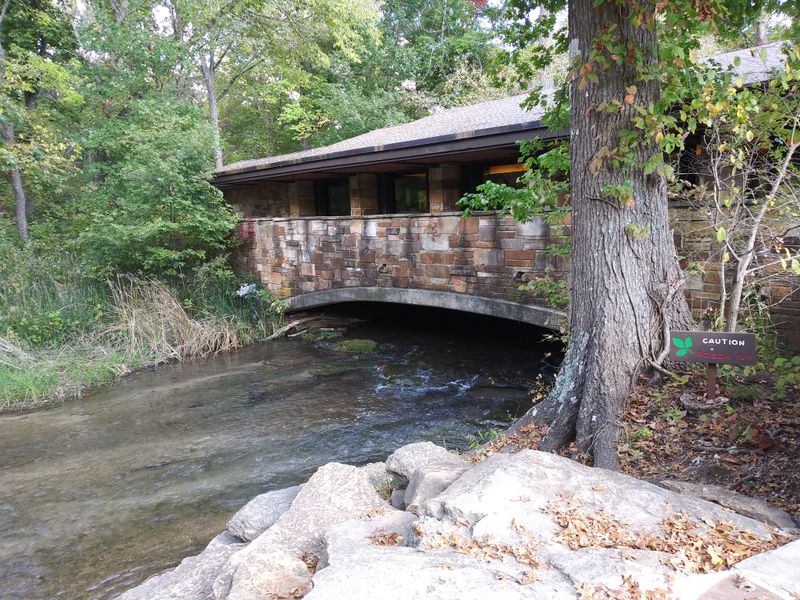
The building itself features large windows offering views of the natural surroundings.
Free admission makes this an excellent starting point for your Sulphur adventure, especially if you’re visiting for the first time. Junior ranger programs keep younger visitors engaged while teaching them about conservation and environmental stewardship.
The gift shop sells field guides, postcards, and locally made crafts.
Outside, a short nature trail begins right at the center’s doorstep, winding through native plant gardens labeled with informative signs. Restrooms and water fountains make this a convenient stop before heading out on longer hikes.
The center typically operates daily except for major holidays.
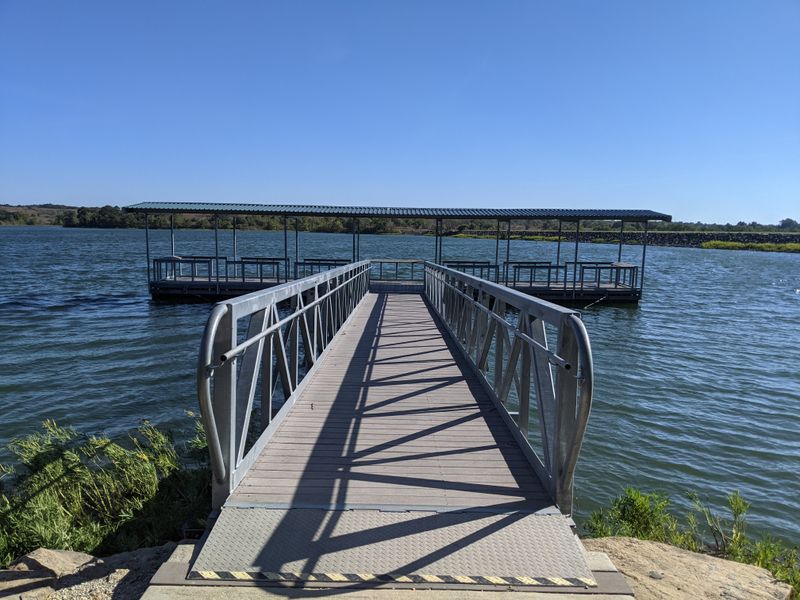
Anglers consider this 50-acre lake one of the best-kept fishing secrets in southern Oklahoma. Stocked regularly with catfish, bass, and sunfish, the waters provide consistent action for both experienced fishermen and kids trying their first cast.
A fishing pier extends over the water, giving everyone an equal shot at landing the big one.
The lake sits just outside the main recreation area, offering a quieter alternative to busier spots on summer weekends. A walking trail circles the entire shoreline, measuring roughly two miles and providing gentle exercise with constantly changing views.
Benches placed at intervals let you rest while watching for turtles sunning themselves on logs.
Kayakers and canoeists appreciate the calm waters that rarely get choppy even on breezy days. The surrounding woods provide shade during hot afternoons, keeping temperatures a few degrees cooler than open areas.
Wildflowers bloom along the trail in spring, attracting butterflies and hummingbirds.
A small parking area fills up quickly on nice weekends, so arriving early ensures you’ll find a spot. No motorized boats are allowed, preserving the peaceful atmosphere that makes this lake so appealing.
Pack a lunch and make a full day of enjoying this tranquil setting.
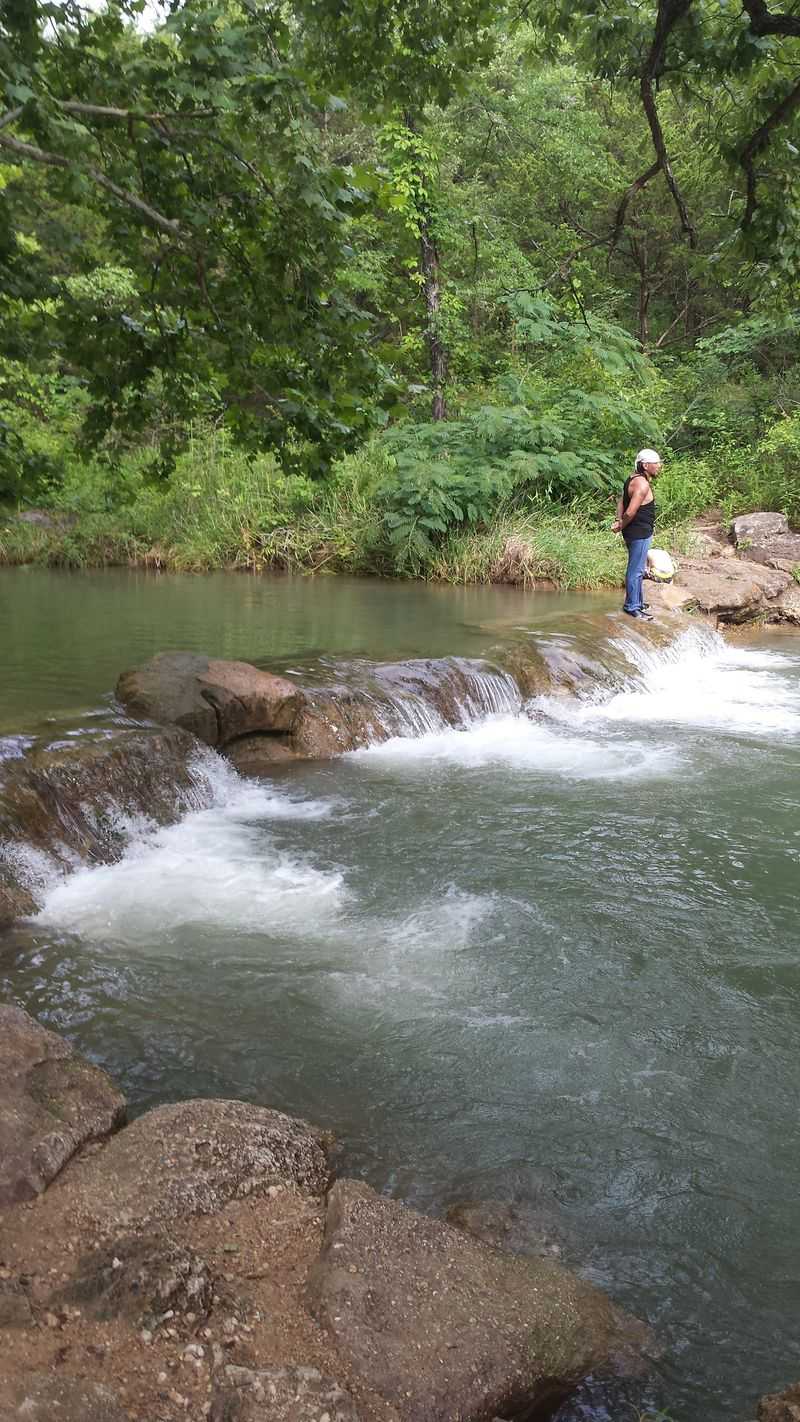
Elevation changes add welcome challenge to this moderately difficult hiking route that rewards effort with panoramic views. The trail climbs steadily through oak and hickory forests where shade provides relief even during summer heat.
About halfway up, the path becomes rockier, requiring attention to foot placement but nothing too technical for reasonably fit hikers.
At the summit, a clearing offers 360-degree views of the Arbuckle Mountains and surrounding valleys that stretch for miles. Bringing binoculars enhances the experience, letting you spot distant landmarks and maybe even soaring hawks.
The hilltop makes an ideal spot for watching sunrises or sunsets.
Spring wildflowers carpet the hillsides in vibrant colors, while fall brings spectacular foliage as leaves turn gold and crimson. The trail measures approximately three miles round-trip, taking most hikers between 90 minutes and two hours to complete.
Sturdy shoes with good traction are essential, especially after rain when rocks can be slippery.
Water sources don’t exist along the route, so carry plenty of fluids, particularly during warmer months. The trailhead parking area has limited space, making early arrival advisable on weekends.
Wildlife encounters are common, with deer and armadillos frequently spotted along the path.
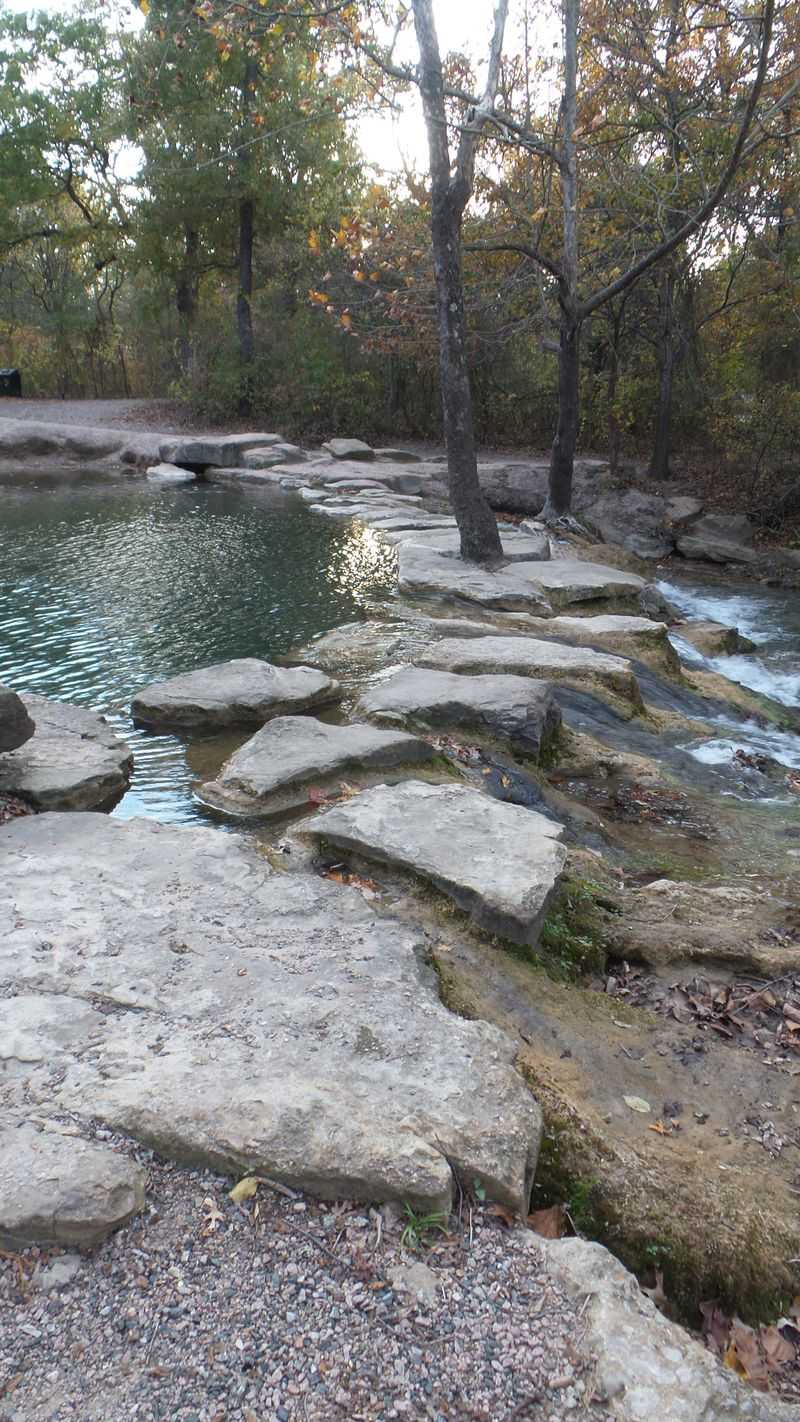
Crystal-clear water bubbles up from underground aquifers at these historic springs that once drew visitors seeking therapeutic benefits. The mineral-rich waters maintain a constant cool temperature year-round, creating small oases where aquatic plants thrive.
Wooden pavilions built in the early 1900s still shelter the springs, preserving their historic character.
Walking paths connect the two springs, which sit about a quarter-mile apart along a flat, easy route suitable for all ages. Interpretive signs explain how these springs formed and why Native American tribes considered them sacred long before Oklahoma became a state.
The water tastes slightly sulfurous, which actually indicates high mineral content.
Photographers love the way sunlight filters through the pavilion roofs, creating dramatic shadows on the turquoise water below. The springs never freeze, even during harsh winter weather, maintaining their flow through all seasons.
Benches surrounding each spring invite quiet contemplation while listening to the gentle gurgling sounds.
These springs represent the geological forces that shaped the entire Sulphur area and made it famous as a healing destination. Visitors can fill bottles with the mineral water, though signs warn that the taste takes some getting used to.
The springs remain among the most visited attractions in the recreation area.
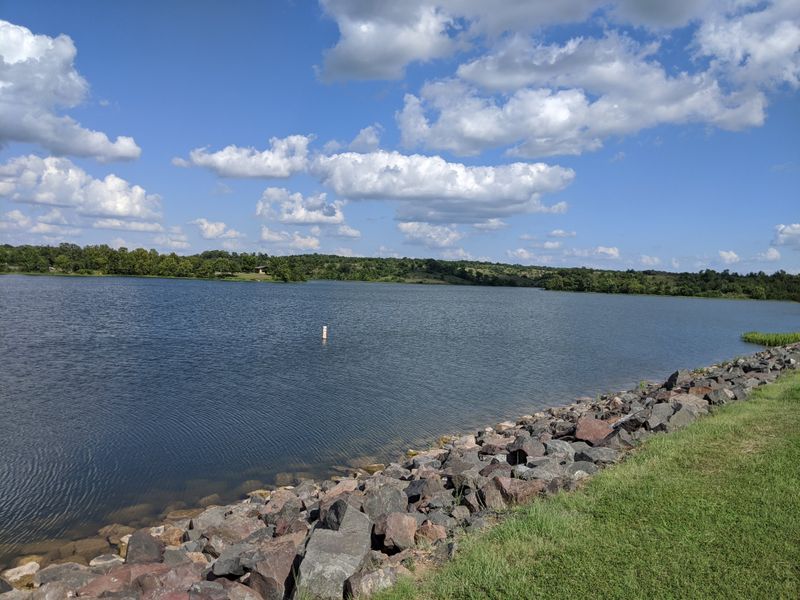
Spanning 2,350 acres when full, this reservoir ranks as the largest body of water in the Chickasaw National Recreation Area. Motorboats cruise across the surface while water skiers carve wakes behind them on summer afternoons.
Several boat ramps provide access, though launching fees apply during peak season.
The irregular shoreline creates dozens of quiet coves perfect for anchoring and swimming away from busier areas. Bass fishing tournaments happen regularly, with the lake producing trophy-sized catches that keep anglers coming back.
Crappie and catfish also populate the depths, ensuring variety for fishing enthusiasts.
A marina rents boats and sells bait, tackle, and snacks for those who didn’t bring their own gear. The surrounding hills provide a scenic backdrop that changes character with the seasons, from fresh spring greens to rich autumn golds.
Camping areas near the shore let you wake up to sunrise views over the water.
Swimming beaches with designated areas keep families safe while kids play in the shallows. Picnic facilities with grills dot the shoreline, making it easy to spend entire days enjoying the water.
The lake level fluctuates with rainfall, so checking current conditions before planning water activities makes sense.
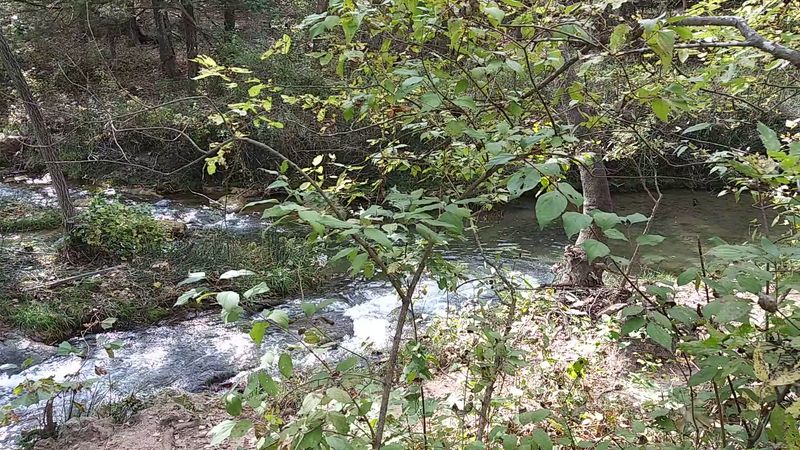
Winding through the heart of the recreation area, this meandering waterway offers endless opportunities for creek walking and exploration. Shallow depths make it safe for kids to wade while searching for minnows, crayfish, and smooth stones.
The creek bottom consists mostly of limestone bedrock, providing stable footing for those willing to get their feet wet.
Overhanging trees create natural tunnels in some sections, offering shade and a sense of adventure as you follow the current. Small waterfalls form where the creek drops over rock ledges, creating miniature versions of larger falls elsewhere in the park.
These spots make excellent places to cool off on sweltering summer days.
The creek serves as a natural playground where families can spend hours exploring without following any particular trail. Dragonflies and butterflies flit along the banks, while frogs announce their presence with evening choruses.
The water stays relatively cool even in July and August, fed by springs that maintain consistent temperatures.
Bringing old sneakers or water shoes protects feet from sharp rocks while allowing freedom to explore. The creek eventually feeds into larger water bodies within the recreation area, connecting different ecosystems.
This hands-on nature experience creates lasting memories for visitors of all ages.

Brick buildings dating back more than a century line the streets of this charming downtown district that retains authentic small-town character. Local shops sell everything from antiques to handmade crafts, with friendly owners who enjoy chatting with visitors about the area’s history.
Several restaurants serve home-style cooking that hits the spot after a day spent hiking and exploring.
Murals painted on building sides depict scenes from Sulphur’s past as a famous health resort destination. The downtown area remains walkable, with most attractions within a few blocks of each other.
Parking is free and usually plentiful except during special events.
A vintage theater still shows movies on weekends, offering entertainment on evenings when you’ve finished outdoor adventures. Ice cream shops provide sweet treats that taste even better after working up an appetite on the trails.
The downtown area hosts seasonal festivals that celebrate local culture and history.
Visiting downtown gives you a chance to support local businesses while experiencing genuine Oklahoma hospitality. Several buildings feature plaques explaining their historical significance and the role they played in Sulphur’s development.
The downtown area serves as a pleasant complement to the natural attractions that draw most visitors to the region.
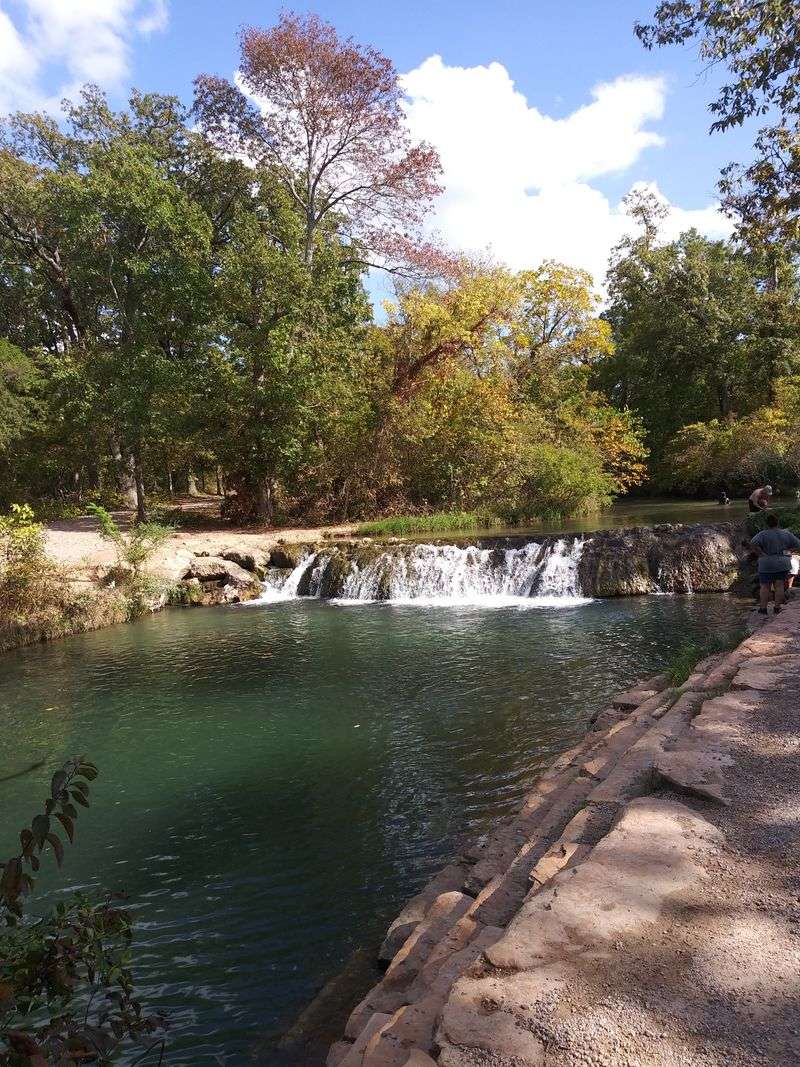
Multiple springs cluster together at this popular gathering spot where stone pavilions provide shelter and seating areas. Built by the Civilian Conservation Corps during the 1930s, these structures showcase craftsmanship that has endured for nearly a century.
The springs themselves produce thousands of gallons daily, creating pools of remarkably clear water.
Families claim picnic tables early on summer weekends, making this a social hub within the recreation area. The constant flow of cool spring water creates a microclimate several degrees cooler than surrounding areas, offering natural air conditioning.
Ducks and geese often visit, hoping for handouts from generous visitors.
The mineral content gives the water a distinctive blue-green tint that photographs beautifully in bright sunlight. Stone pathways connect different sections of the spring complex, making exploration easy even for those with limited mobility.
Interpretive panels explain the geological processes that bring this water to the surface.
The springs played a crucial role in establishing Sulphur as a health destination in the late 1800s and early 1900s. Today they serve primarily recreational purposes, though some visitors still believe in the healing properties of the mineral-rich water.
The area remains one of the most photographed and visited spots in the entire recreation area.
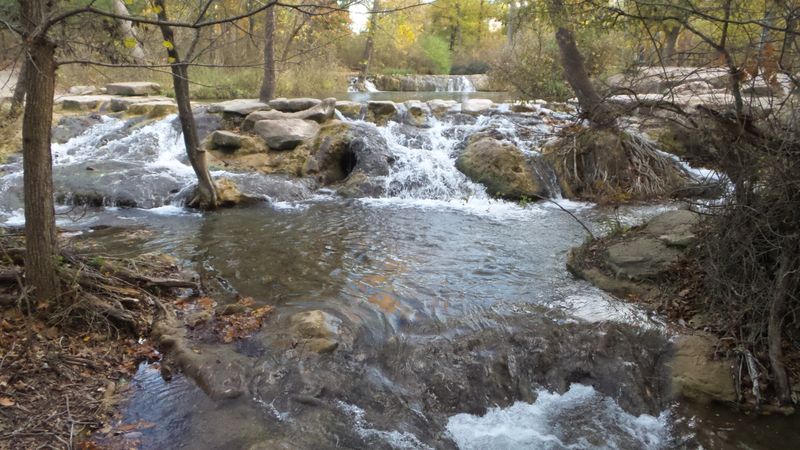
This artesian well represents a quirky piece of Sulphur’s history as a destination for those seeking health cures. Drilled in 1906, the well produces water with such high sulfur content that the smell is immediately noticeable.
A small gazebo covers the well, protecting visitors from the elements while they sample the distinctive water.
The water flows constantly from a pipe, and many locals swear by its health benefits despite the unpleasant odor. Bringing a cup or bottle lets you taste the water if you’re feeling adventurous, though be warned that the sulfur flavor is strong.
The well sits along a main road through the recreation area, making it an easy stop.
Historic photos displayed nearby show how the well looked during its heyday when visitors lined up to fill jugs with the medicinal water. The gazebo provides a shady spot to rest while reading about the well’s history and the role sulfur springs played in developing the area.
Some visitors hold their noses while others claim the smell isn’t that bad.
The well continues flowing after more than a century, testament to the abundant underground water sources beneath Sulphur. This odd attraction adds character to your visit and makes for entertaining photos and stories to share back home.
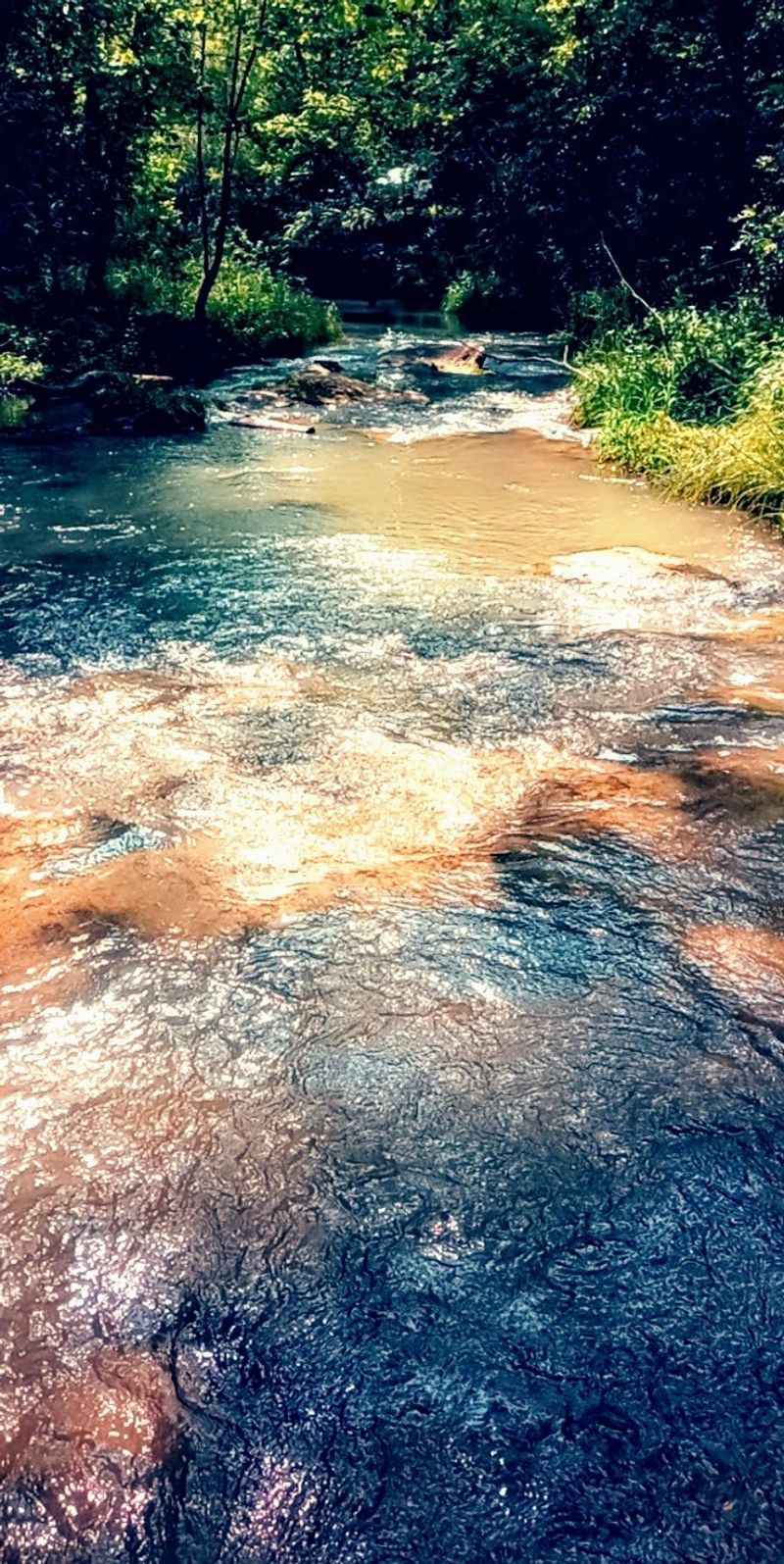
Flowing through remote sections of the recreation area, this pristine creek offers solitude for those willing to venture off the beaten path. The creek supports a healthy population of native fish species and provides habitat for numerous amphibians.
Limestone bluffs rise along portions of the creek, creating dramatic scenery.
Hiking along the creek requires some scrambling over rocks and fallen logs, adding adventure to your exploration. The reward comes in discovering hidden swimming holes and small cascades that few visitors ever see.
Bringing a camera captures the unspoiled beauty of this less-visited waterway.
The creek runs clearest during summer months when rainfall decreases and sediment settles out. Wildlife sightings increase in these quieter areas, with deer often coming to the water’s edge to drink.
The surrounding forest remains thick, providing habitat for owls, woodpeckers, and other woodland birds.
No maintained trails follow the creek, so navigation skills and a sense of adventure are essential. The effort required to reach remote sections of Guy Sandy Creek means you’ll likely have the place to yourself.
This experience appeals to those seeking genuine wilderness rather than developed recreation areas with facilities and crowds.
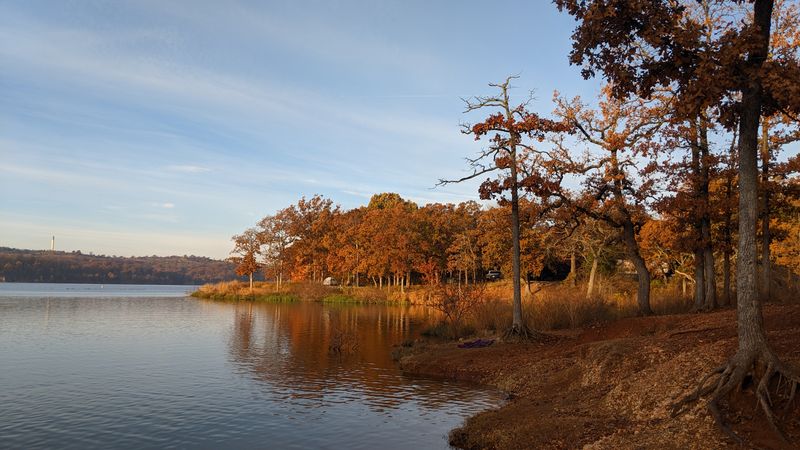
Serious hikers appreciate the challenge presented by this rugged trail that explores the wilder sections of the recreation area. Rocky terrain and steep sections test your endurance while rewarding you with solitude and spectacular views.
The trail passes through diverse habitats, from dense oak forests to open rocky areas where cacti somehow thrive.
Blazes painted on trees mark the route, though paying attention to navigation is important as the trail can be faint in places. The full loop measures approximately four miles, taking most hikers two to three hours to complete.
Elevation changes total several hundred feet, providing a genuine workout.
Spring wildflowers bloom in abundance along sunnier sections of the trail, creating colorful displays that contrast with gray limestone outcroppings. Fall brings cooler temperatures that make the challenging sections more enjoyable.
The trail sees far less traffic than easier routes, appealing to those seeking quieter experiences.
Carrying plenty of water is essential as no reliable sources exist along the route. The trail occasionally offers glimpses of the Lake of the Arbuckles through breaks in the vegetation.
Completing this hike gives you bragging rights and a genuine sense of accomplishment along with tired but satisfied muscles.
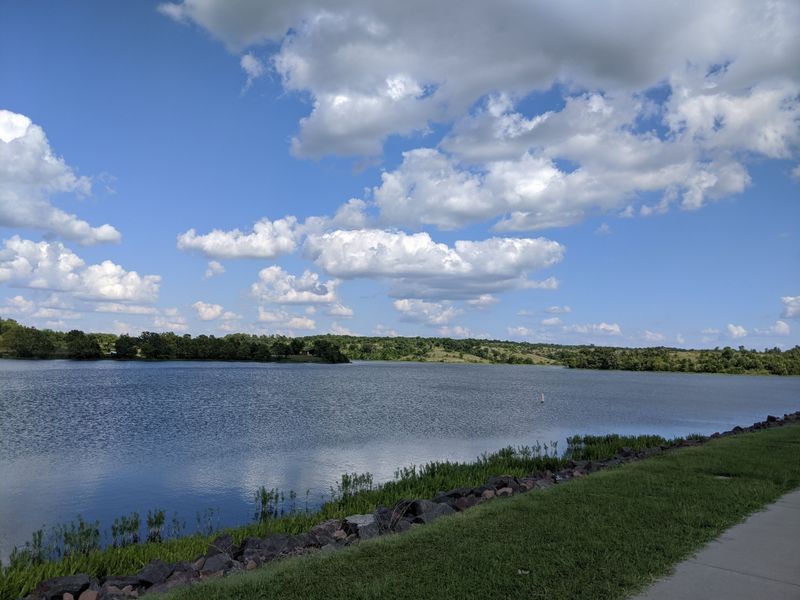
Manicured gardens showcase native Oklahoma plants alongside ornamental species in this peaceful corner of the recreation area. Stone pathways wind through flower beds that change with the seasons, from spring tulips to summer zinnias and fall chrysanthemums.
Benches placed throughout the park invite visitors to sit and enjoy the colors and fragrances.
A small stream runs through the park, crossed by charming stone bridges that make perfect photo backdrops. The park represents a more formal landscape compared to the wild natural areas that dominate the recreation area.
Butterflies and hummingbirds visit constantly during warmer months, attracted by the abundant flowers.
The Civilian Conservation Corps originally developed this area during the 1930s, and ongoing maintenance keeps it looking beautiful year-round. Interpretive signs identify plant species and explain their ecological roles or historical uses.
The park serves as an excellent introduction to native plants that thrive in southern Oklahoma’s climate.
Families with young children appreciate the flat, easy walking paths and the opportunity to see nature in a more controlled setting. The park rarely gets crowded, even on busy weekends when other attractions overflow with visitors.
This spot offers a gentler nature experience perfect for those who prefer gardens to wilderness.
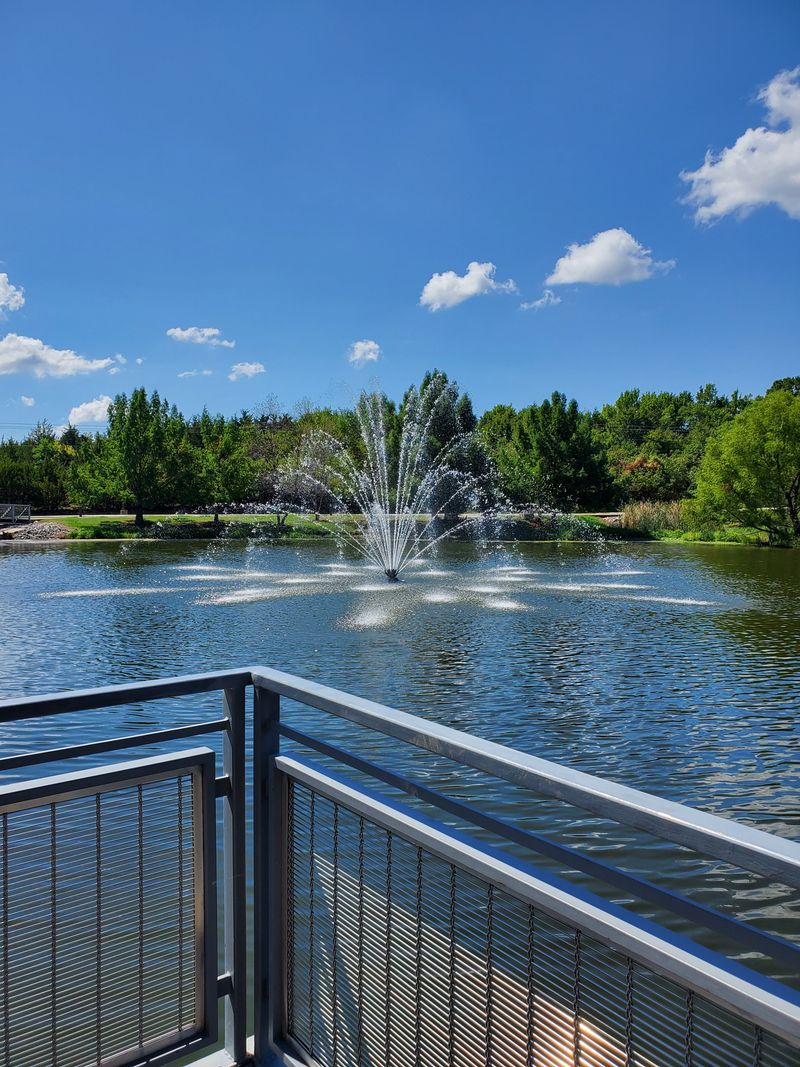
Walking through this preserved area feels like stepping back to the early 20th century when Sulphur thrived as a health resort destination. Historic stone buildings constructed by the CCC still stand, housing park facilities while maintaining their vintage character.
The district takes its name from Platt National Park, which preceded the current Chickasaw National Recreation Area.
Informational displays explain how the area evolved from Native American gathering place to federal park, documenting the people and events that shaped Sulphur’s development. Original stonework and architecture demonstrate the skill and dedication of Depression-era workers who built these lasting structures.
The district serves as an outdoor museum where history comes alive.
Many of the springs that made Sulphur famous lie within the historic district boundaries, connected by original pathways still in use today. The combination of natural and cultural resources makes this area unique among Oklahoma’s parks.
Guided tours sometimes happen on weekends, led by knowledgeable volunteers who share fascinating stories.
The district earned placement on the National Register of Historic Places, recognizing its significance in American conservation history. Visiting here provides context for understanding why Sulphur became such an important destination generations ago.
The preserved buildings and landscapes help modern visitors appreciate the area’s rich heritage.
Share this story