Step off the ferry and time loosens its grip. Drivers lift two fingers from the wheel to wave, crows gossip over hay fields, and the shoreline folds into quiet coves where the tide sounds like someone turning a page.
On Lopez Island, slow is not a buzzword but muscle memory, stitched into farm chores, tide charts, and long bike rides with salt in the air. If unplugging feels hard where you live, this place makes it effortless without trying.
Arriving by Ferry: The First Deep Breath
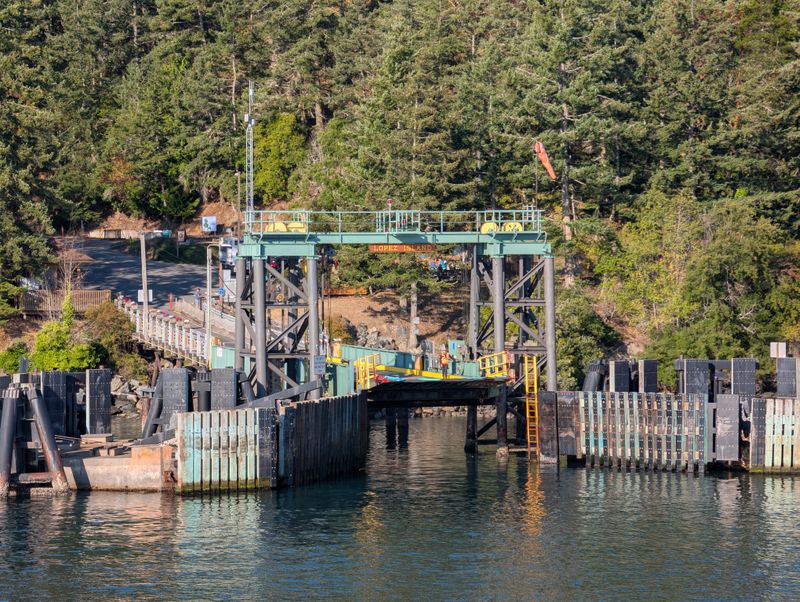
The ferry slides past kelp fronds that glint like lacquer, then noses into Lopez dock with a groan you feel in your ribs. Doors open, and everything decelerates.
People wave, not the enthusiastic flap of tourists but a small, practiced lift that says you are here now, slow with us. Gravel crunches as bikes roll down the ramp, panniers thumping softly, coffee steam drifting from travel mugs.
There is no scramble for rideshares, just the ferry tollbooth, a readerboard, and a road bending into trees. Cell bars thin to one or none.
Your shoulders drop on their own. The air tastes like cedar and salt.
A gull calls, long and slightly comic, and you laugh without meaning to.
Washington State Ferries carried roughly 17 million riders in 2023, yet this landing feels hand stitched and local. Reservation advice matters both directions on summer Fridays, and weekday mornings are mercifully calmer.
You learn to time sailings to the tide of island life. Arriving without a plan becomes the plan.
You breathe, finally, like you have not in months.
Cycling the Shoulderless Ribbon
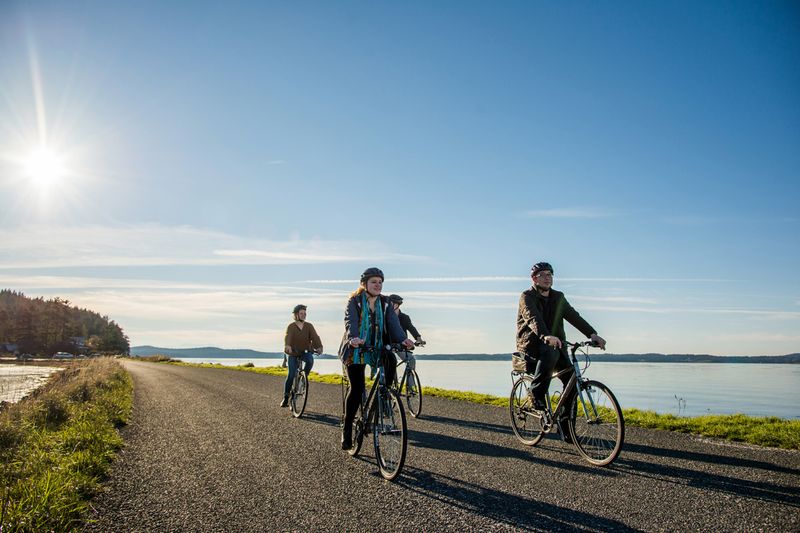
Locals call it the most bike friendly island in the San Juans, and the road proves it within minutes. Narrow lanes thread past hay bales and sheep, then open to a blue seam of water where swallows hunt low.
Drivers slow early, drift wide, and lift that signature wave. The landscape undulates rather than spikes, so miles accrue without punishment.
Tires sing on chip seal. Blackberries bow over ditches in late August, perfuming the edges.
Wind pushes across open fields, then dies in a shingled tunnel of firs. You keep seeing handmade signs for eggs, jam, salmon.
A pocket of shade becomes its own reward. A thermos stop becomes a ritual.
Bring lights for dawn and dusk, and a patch kit for goathead thorns near farm drives. Thirty mellow miles loops ferry to Shark Reef to village and back.
In summer, cyclists outnumber cars during golden hour, and it feels like a moving neighborhood. Nationally, bike tourism has nudged rural spending higher in recent years, and on Lopez you see it in fuller tip jars and sold out muffins.
You ride slower, because fast suddenly feels rude.
Shark Reef Sanctuary’s Low-Tide Theater
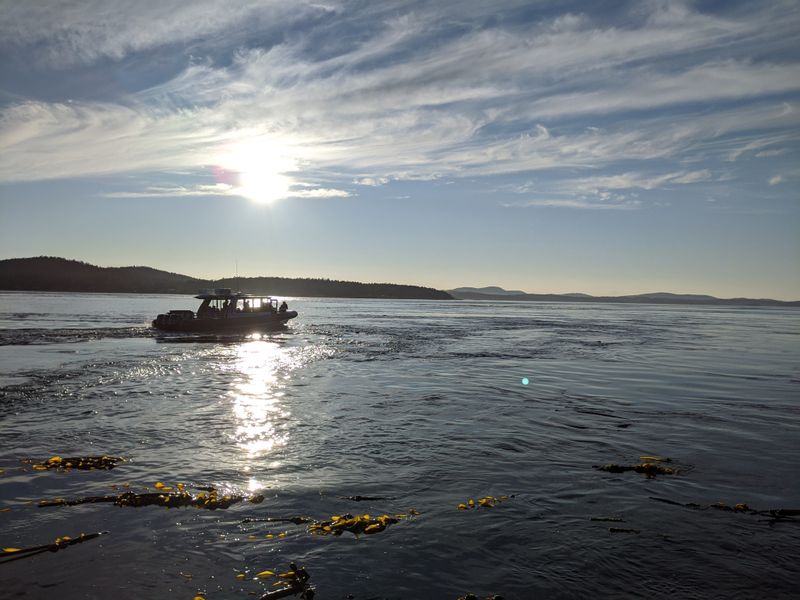
The trail is short but tuned like a whisper. Ferns brush your shins, cedar duff huffs up with each step, and then the forest cracks open onto basalt shelves slicked with lichen.
Offshore, a rock barge of sea lions huffs and rearranges itself, tails looped like question marks. The tide writes its daily script in kelp cursive.
You learn the trick of silence here. Voices carry, so conversation drops to a tidepool murmur.
The current in San Juan Channel moves like muscle under skin, visible, purposeful. Binoculars pull porpoises into reach and reveal gulls stabbing at surf smelt.
Wind scours the edges. Your phone stays in your pocket.
Stay back from the cliff. Watch your step on wet rock.
Low tide exposes universes, but do not pry limpets or starfish. This is theater without a stage crew.
Orca sightings are a gift, never a guarantee, though research groups reported fewer vessel disturbances in certain protected zones lately. You leave with salt lips and a hush you did not know you wanted.
The forest swallows you again, softer than before.
Iceberg Point: Edge of the Map Feel
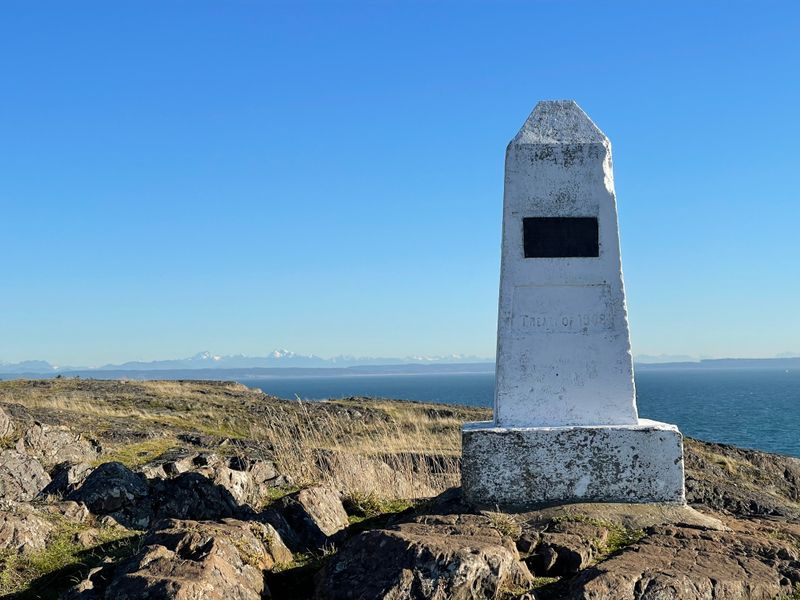
Iceberg Point is all horizon and wind, a headland where the island narrows to intention. The trail rolls through prairie scrub, sweet with yarrow and chocolate lily in spring, then slides onto bluffs that look directly into weather.
Waves wrinkle the channel like corduroy. A raven does the math on thermals and lifts, casual genius.
Footpaths spider along the edge. You can see Orcas and San Juan islands leaning near, freighters moving like apartment buildings, and sometimes the pale umbrella of Mount Baker.
Wildflowers paint the flats in fast brushstrokes, then burn to seed and rattle all summer. Sit.
The ground vibrates with small lives.
Sunset pulls campers from Spencer Spit and locals from dinner, and everyone pretends it is their secret. Recent visitor counts show the San Juans inching upward, especially on fair weekends, yet here you can still hear your breathing.
Stay off the fragile bluff edges, and keep dogs leashed. Pocket a trash bag for windborne wrappers.
When the light tips orange and the water goes pewter, the island feels like a promise kept.
Village Mornings: Coffee, Gossip, Groceries
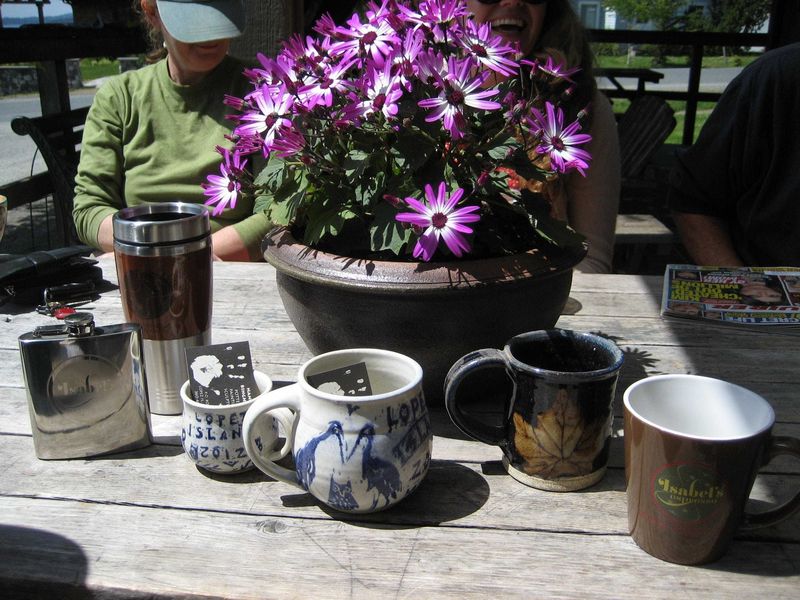
Lopez Village wakes like a cat stretching. The grocery opens with the smell of oranges and dill, and the bakery door fogs with breath as people queue for cardamom knots.
You hear ferry times in snippets, fishing reports in half sentences, and the quiet barter of egg cartons. A barista knows names and allergies and whose kid lost a tooth.
There is a slow news network here. Chalkboards announce farm pop ups, a missing rooster, a workshop on pruning old apples.
You meet the island in small exchanges. A jar deposit returned with a wink.
Directions given as landmarks, not miles. Someone holds a door for a stranger balancing flowers and a bike helmet.
Prices can bite, like everywhere groceries have climbed, but you buy what the island sells best. Local yogurt thick as paint.
Bread that behaves like a meal. In summer, the farmers market braids in fiddle tunes and jam trials.
You learn not to rush the coffee line. Standing still becomes part of breakfast.
Spencer Spit: Sandbar With a Memory
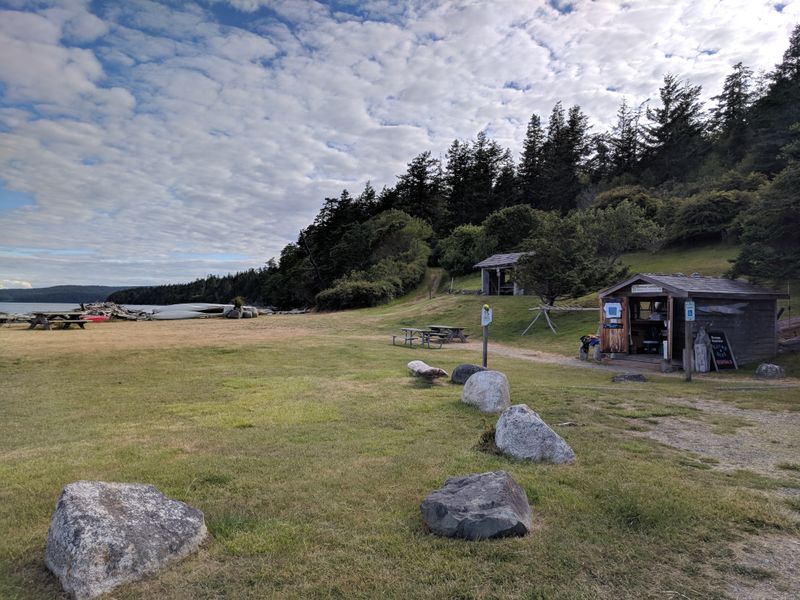
Spencer Spit draws a chalk line into the bay and dares the tide to erase it. Campsites hide in salal and madrona curls, each with its own driftwood geometry.
The sandbar turns to firm, wet canvas at low tide, perfect for bare feet and the scribble of shorebirds. You hear zipper music and stove clicks at dawn.
There are no showers, a fact that sharpens the day. Salt stays on your skin, smoke stays in your hair, and both feel honest.
Kayaks launch into a bowl of calm water and skim past eelgrass meadows where ghost shrimp puff chimneys. Kids decorate forts with sea glass trophies and secret passwords.
Book early in summer. The park fills on weekends, thanks to word of mouth and a nudge from social media.
Rangers keep an eye on respectful quiet hours, and the best sites have a line of sight to sunrise. Loons laugh at night, a sound like a trick.
You fall asleep to water moving one handful of stones at a time.
Farm Stands and Thursday Trust
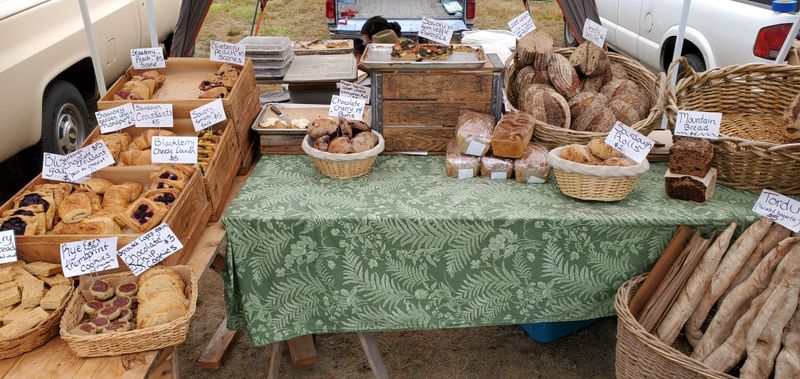
On Lopez, a hand lettered board that says eggs means there are eggs, and you are trusted. You pull into a gravel bite of shoulder, find a cooler beaded with condensation, and lift the lid like opening a secret.
Brown shells still dusted with straw. Jam labeled in tidy cursive.
A cash box, or a QR code taped to the post.
Honor systems work here because they are muscle memory. The island has long grown what it eats, from beef to berries, and the chain between soil and plate feels short and accountable.
Thursday afternoons pull a cross section of everyone to the market, baskets and dogs and recipes traded over basil. Tomatoes smell like August even in your memory.
Prices reflect real effort, and you pay knowing the story. Food publishing loves the phrase farm to table, but on Lopez the table is a porch, and the farm is two miles away.
National surveys show direct to consumer farm sales creeping up post pandemic, and jars that used to sit now move. You leave bills, take change, and wave at an empty driveway because someone is definitely watching from the kitchen.
Tidepools, Kelp, and Learning to Look
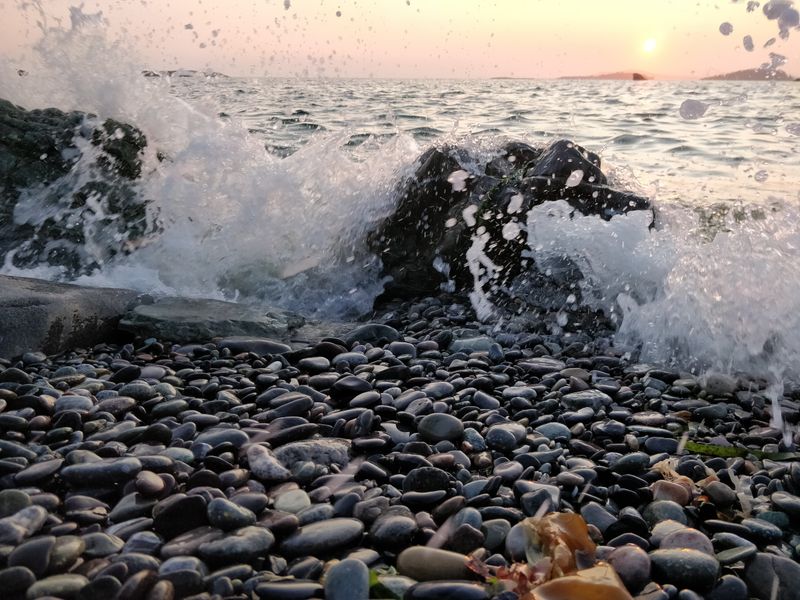
Low tide on Lopez is a classroom that smells like iodine and sun warmed rock. Knees go damp, hands go cold, and the world slows to the speed of an anemone uncurling.
Green stars blink from the undersides of stones you do not flip. Tiny crabs sidestep with comic seriousness.
Barnacles tick, a sound you only notice when everything else has hushed.
You learn to read kelp like a newspaper. Bull kelp rafts signal nearby depth.
Eelgrass beds feather where forage fish lay eggs. The colors are private: oxblood seaweed, lemon snail rims, pewter pools that become mirrors at dusk.
Take photos only after you have watched.
Bring rubber boots and a thermos. Check the tide chart tacked to the market door.
Respect the no take zones and wet hands before touching anything living. Regional marine biologists have flagged stress on intertidal zones as visitation grows, so gentleness matters.
The reward is attention itself. Once your gaze recalibrates, the whole island looks different, as if it had patiently waited for you to notice.
Rain Days Done Right
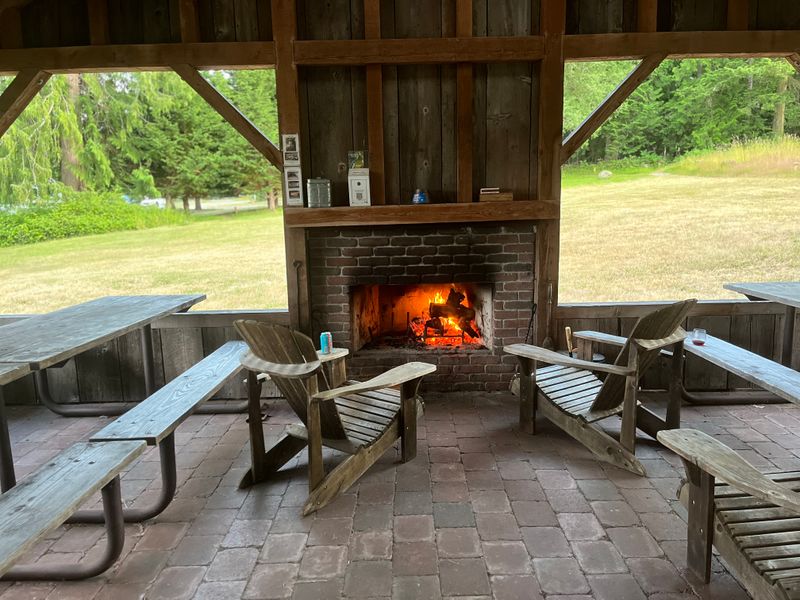
Rain on Lopez is not punishment but punctuation. It resets sound, swaps gull cries for the soft rattle of gutters, and tucks the horizon behind a gray curtain.
You accept the invitation. Boots by the door, kettle on, the coastal forecast whispering small craft advisories like bedtime stories.
The island smells sharper, resin and wet rope.
This is when you find the quiet crafts. Mending a jacket.
Sketching the curve of a madrone from the porch. Long lunches that stretch into midafternoon with chowder thick enough to stand a spoon.
The library offers shelter and serendipity, a shelf that reminds you reading is also travel.
Tourism boards brag on sunny photos, but locals keep their sanity in weather like this. Energy use spikes statewide in cold snaps, and you understand why wool reigns here.
The ferry sounds louder through rain, a low bass note. When the ceiling lifts an inch and the bay shows color again, you will pull on a hat and walk anyway.
The island feels newly washed and entirely yours.
Night: Stars, Silence, and a Single Car Headlight
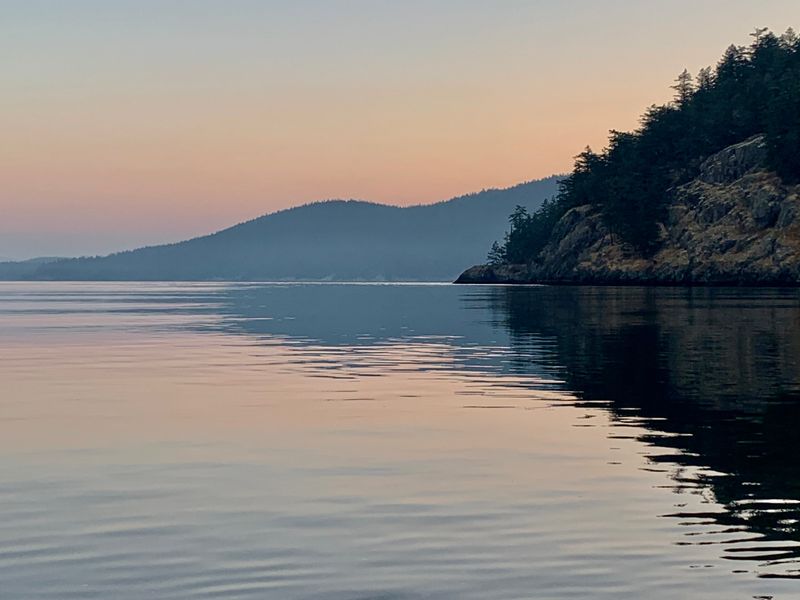
By night, Lopez folds itself smaller. The village dims, the shoreline clicks with invisible crabs, and the only neon is a moon jelly pulsing under the dock.
A single car sweeps past on Fisherman Bay Road, headlight smearing the trunks, then the dark reknits immediately. You hear your own steps like new information.
Look up. The Milky Way is no postcard blaze, but on clear shoulder seasons it streaks reliably, a chalky seam.
Constellations sit lower than you expect over fir ridges. Owls trade secrets across fields.
A buoy booms somewhere out beyond your map, and the sound arrives late.
There is very little nightlife by design. Restaurants close early, and you learn to love the crisp finality of that.
Power flickers sometimes in winter, and candles are not quaint but equipment. Crime rates are low in the islands, according to county data, which makes walking feel like permission.
You tuck your phone away to save battery and because darkness deserves an audience. Sleep comes heavy, like the tide returning.
Share this story