That dreamy European getaway might come with a few new rules you didn’t see on Instagram. Cobblestone lanes that once echoed with suitcase wheels are now going quiet.
Late-night bar hops in medieval squares? Not always welcome anymore.
From noise crackdowns to limits on tour groups and rolling luggage, cities across Europe are drawing firmer lines to protect local life and centuries-old streets. If you are planning to wander historic centers, it pays to know what has changed before you land.
A little awareness now can save you from awkward confrontations or surprise fines later. Here’s what’s shifting across Europe – and how to travel smart without missing a moment.
1. Prague, Czech Republic

Prague has stepped up nighttime rules, especially around the historic center where cobblestones amplify noise. Organized pub crawls are banned between 10 p.m. and 6 a.m., and the city issues substantial fines to organizers who ignore the curfew.
If you plan to explore after dark, expect more officers, posted quiet-hour signs, and reminders to keep rolling luggage movement to a minimum on narrow lanes.
Neighborhoods around Old Town Square and Charles Bridge are the focus because late-night clatter travels easily through courtyard buildings. Bars still operate, but groups are asked to disperse quietly and avoid boisterous chants or amplified music.
Tour operators now adjust start times, reduce group sizes, or swap wheels for soft-sided bags that can be carried over rough streets.
For visitors, the takeaway is simple: arrive earlier, check in before quiet hours, and consider shoulder straps through the final stretch. Hotels may offer luggage assistance or suggest taxi drops closer to entrances, limiting suitcase rumble.
The policy aims to balance nightlife with livability so residents are not overwhelmed. Treat the zone like a shared home and you should have no trouble enjoying Prague responsibly.
2. Barcelona, Spain

Barcelona expanded its citywide ban on organized pub crawls to curb late-night disruption, especially in the Gothic Quarter and El Born. The policy targets noise, street drinking, and large groups that crowd alleys and echo through apartments.
If you plan to bring rolling luggage, note that uneven stones and residential density make noise carry further, so consider carrying bags during early mornings or late nights.
Authorities emphasize balanced tourism: nightlife remains, but without disruptive convoy-style drinking tours. Police and city inspectors patrol popular lanes and squares, issuing fines to organizers and, when needed, dispersing rowdy groups.
Some bars now require smaller entries or timed arrivals, and tour providers have adjusted by promoting daytime tasting walks with strict headcounts.
You can still enjoy tapas crawls, but expect more rules about group size and sound. Arriving by public transport earlier in the evening can help, as can choosing accommodation near transit to reduce suitcase rolling time.
Barcelona’s goal is clear: protect residents’ rest while preserving the city’s character. Respect the rules, keep luggage movement considerate, and you will navigate the old streets without friction.
3. Mallorca, Spain

Palma de Mallorca has tackled overtourism with targeted measures, including tougher checks on short-term rentals and stricter enforcement of noise and dress codes. These steps aim to keep residential blocks livable and reduce late-night disturbances.
If you are moving luggage through the old town, be mindful of the sound wheels create on stone passages, especially in early or late hours.
Authorities have increased patrols in busy districts where party behavior once spilled into residential lanes. Bars and shops face clearer rules on serving hours and outdoor noise.
Some building managers ask guests to coordinate check-in windows so suitcase rolling does not echo during quiet periods, and rental listings risk penalties if they ignore caps or licensing standards.
For travelers, the upshot is predictable routines and a calmer atmosphere. Carrying smaller bags, using backpack straps, or arranging taxi drop-offs closer to your door can all help.
You will still find lively plazas and waterfront walks, but with higher expectations for courtesy. Plan ahead and you can enjoy Mallorca’s heritage while supporting policies that keep neighborhoods welcoming for everyone.
4. Ibiza, Spain

Ibiza has tightened rules to reduce the spillover of party tourism into residential and family areas. Bans on certain party boats and limits on late-night public drinking complement higher fines for disruptive behavior.
If you are transferring luggage between marinas and hotels, avoid dragging suitcases during night quiet hours, as enforcement is stricter in these windows.
Local councils have empowered police to focus on hotspots where noise once peaked well past midnight. Clubs continue operating, but operators coordinate transportation, queue management, and dispersal to reduce street disturbance.
Beachfronts with prior complaints now see more signage, reminding visitors about noise, glass, and litter, along with penalties for ignoring the rules.
Plan your evening logistics: pre-book transport, carry lighter bags, and route through main roads instead of narrow residential lanes. Businesses are adapting with earlier happy hours, guided food tours, and boat trips that comply with sound and safety standards.
You can still enjoy Ibiza’s music culture, but with clearer boundaries that protect rest and public spaces. Respect those boundaries and you will find a smoother, friendlier island experience for everyone involved.
5. Marbella, Spain

Marbella enforces fines for nuisance behaviors in busy tourist zones, including public urination, shouting, and disruptive conduct after dark. The goal is steadier nights and cleaner streets, particularly near the waterfront and Old Town.
If you travel with rolling luggage, try to arrive before late evening or carry bags for the last blocks to avoid excessive clatter in residential lanes.
Local rules align with nearby coastal towns, creating consistent expectations across the Costa del Sol. Patrols increase during peak seasons, and establishments may limit outdoor music or manage terrace seating to keep volumes reasonable.
You will notice clearer signage and regular reminders from hotel staff to respect quiet hours and local norms.
Practical tips help. Use taxis or rideshares to reduce the distance your wheels travel on stone, and choose accommodations with concierge support for late-night arrivals.
The result is a beach city that feels welcoming without sacrificing calm for residents. When you keep luggage noise down and follow posted guidelines, you will move smoothly through Marbella and avoid avoidable fines.
6. Balearic Islands (overall)

Across the Balearic Islands, authorities have coordinated rules to reduce nuisance tourism and protect shared spaces. Beach smoking bans are expanding, accompanied by patrols that deter loud behavior and littering.
If you are moving with rolling luggage near seafront promenades, be mindful of early mornings and late nights when noise is most noticeable.
Island councils work together on fines for activities that disrupt rest or damage the environment. In high-traffic resorts, bar zones face closer monitoring, and convenience stores observe clearer restrictions on late alcohol sales.
Tour companies increasingly promote nature-focused outings with capped group sizes, helping spread visits beyond a few crowded strips.
For a smooth trip, plan transfers during daytime, choose bags with softer wheels, and carry over stairs rather than clattering down steps. You will see more signs explaining the rules, making expectations transparent to visitors and residents alike.
The shared aim is to keep beaches clean, nights calmer, and towns welcoming. Follow the guidelines and you will find these islands easier to enjoy without tension.
7. Albufeira, Portugal

Albufeira introduced conduct codes targeting street drinking, public nudity, and late-night disturbances common in party districts. Fines back these rules, and enforcement increases during peak seasons when crowding grows.
If your accommodation sits in a narrow lane, avoid rolling heavy suitcases at night and choose quieter routes to minimize disruption.
Local authorities balance hospitality with clear expectations for respectful behavior. Bars and clubs operate under closer scrutiny, and some terraces close earlier to keep noise contained.
Visitors are encouraged to use designated transport points, reducing foot traffic clusters where echoes carry across whitewashed buildings.
Plan ahead by checking check-in times, packing lighter, and using backpacks for final approaches. Hotel staff often provide tips on the calmest streets and the best times to move luggage.
You can still enjoy beaches and lively music, but the city now insists on considerate volume and attire. That shift helps residents rest, keeps streets clean, and ultimately improves the travel experience for everyone.
8. San Sebastián, Spain

San Sebastián has tightened noise and litter rules to protect residential life near its bustling pintxo scene. Amplified music in public spaces faces restrictions, and disruptive street behavior can lead to fines.
If you are moving bags, consider carrying them through the last blocks, as cobbles and arcades can magnify wheel sound.
Local police have prioritized harmony in key corridors between the Old Town and beachfront. Establishments manage outdoor seating carefully, and festival periods bring extra reminders about trash and glass.
You will see visible bins and signage making it easy to comply without guessing.
To stay on the right side of the rules, pick check-in windows outside late night, choose routes along wider streets, and keep group size small. The city’s compact layout rewards slow, respectful movement and focused tasting rather than loud bar hopping.
You will still find lively bars and ocean views, just with more emphasis on courtesy. That balance keeps Donostia’s charm intact for everyone.
9. Lisbon, Portugal
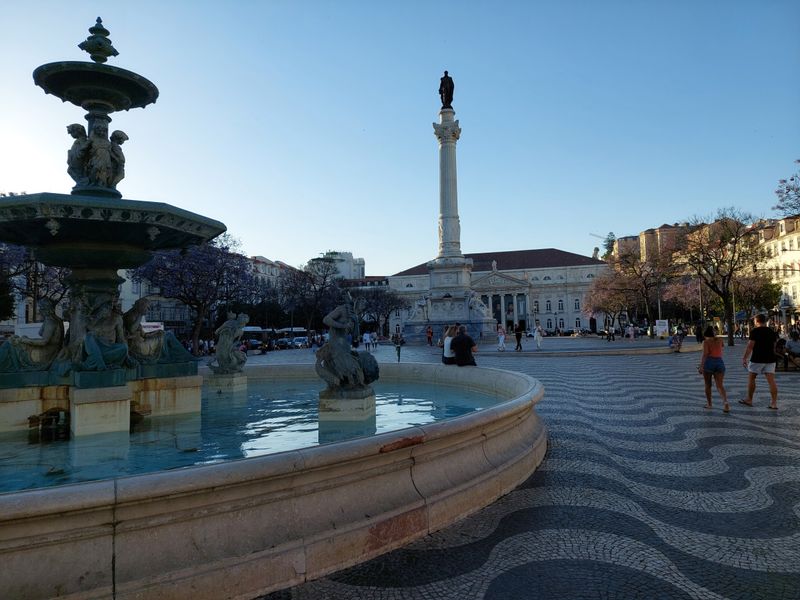
Lisbon expanded quiet zones citywide, applying strict noise limits with fines reportedly up to €2,000 for violations. These rules cover tourists and residents, reflecting the steep, echo-prone alleys of neighborhoods like Alfama and Bairro Alto.
Rolling suitcases can be surprisingly loud on calçada stones, so plan arrivals to avoid late-night clatter.
Authorities coordinate with neighborhood associations and nightlife venues to set expectations. Bars may limit outdoor music, while short-term rentals remind guests to respect posted hours and stairwell etiquette.
You will notice signage in multiple languages, plus tram and taxi options that shorten the distance you need to walk.
Practical steps help: pack lighter, use shoulder straps when streets get steep, and choose routes avoiding narrow stairways during quiet times. If you keep volume low and movement smooth, you will blend into Lisbon’s rhythm.
The aim is not to end fun, but to keep historic quarters livable. Respect that balance and you will have no trouble enjoying fado, viewpoints, and late dinners responsibly.
10. Venice, Italy
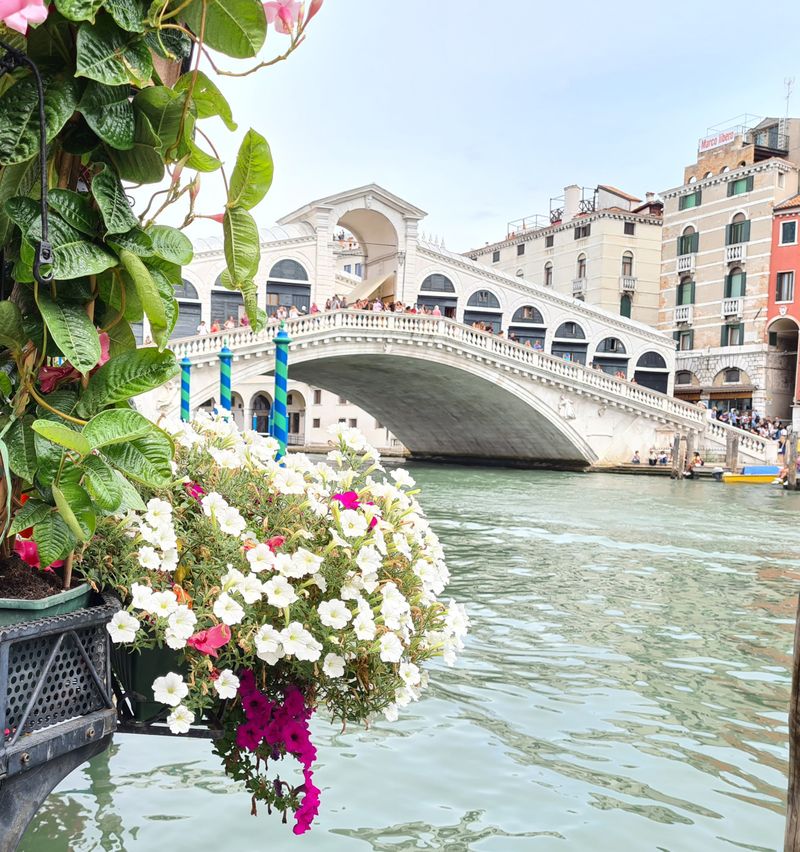
Venice has layered restrictions to protect fragile streets and resident life. Limits on oversized tour groups, bans on loudspeakers, and higher penalties for swimming in canals or disrespecting monuments all aim to reduce crowd pressure.
Rolling suitcases are not outright banned citywide, but narrow bridges and steps make quiet carrying the smarter choice.
Officials have increased checks near St. Mark’s and Rialto where congestion peaks. Guides now keep groups smaller, speak softly, or use whisper systems rather than blasting audio.
Travelers will also find clearer routes and occasional one-way foot traffic patterns during peak hours.
For smoother transit, pack compactly, avoid dragging wheels over bridges late at night, and use vaporetto stops to shorten walking distances. Many hotels offer porters or suggest routes that skirt the busiest alleys.
Venice is encouraging slower, more considerate movement so the city can remain both lived-in and loved. Follow the signage and you will experience its beauty without adding to the strain.
11. Florence, Italy

Florence has focused on reducing sensory overload in its historic center. Loudspeakers for tour groups face tighter controls, and vehicle access is regulated to keep streets calmer.
While wheeled suitcases are common, it helps to carry them near residences and churches during evening quiet hours.
City officers monitor hotspots like the Duomo, Piazza della Signoria, and narrow lanes where echoes build. Guides increasingly rely on low-volume systems, and short-term rentals provide check-in advice to minimize hallway noise.
You may find timed entries at major museums that ease outdoor queues and chatter.
To travel more quietly, plan luggage moves during daytime, choose hotels within a short walk of transit, and opt for softer wheels. Florence remains vibrant, but with a firmer expectation of respectful sound levels.
That approach allows art, history, and everyday life to share the same streets without conflict. Keep your pace measured and you will fit right in.
12. Rome, Italy

Rome has raised fines for disruptive conduct, from climbing fountains to damaging monuments, and for certain forms of public drinking near iconic sites. Enforcement is stronger in high-profile zones like Trevi, the Colosseum, and Piazza di Spagna.
Rolling suitcases are not the main focus, but quiet movement is encouraged in residential streets off major squares.
Authorities coordinate with heritage officials to protect fragile marble and urban decorum. Police remind crowds about prohibited actions, and barriers sometimes guide foot traffic to reduce jostling.
You will see multilingual notices that make rules explicit and easy to follow.
For a better visit, plan luggage moves outside rush and late quiet hours, use metro or taxis to cut walking distances, and avoid dragging wheels over church steps or uneven stones. Rome’s stance is clear: celebrate the city without wearing it down.
Keep behavior respectful and you will enjoy the landmarks while keeping fines at bay.
13. Amsterdam, Netherlands
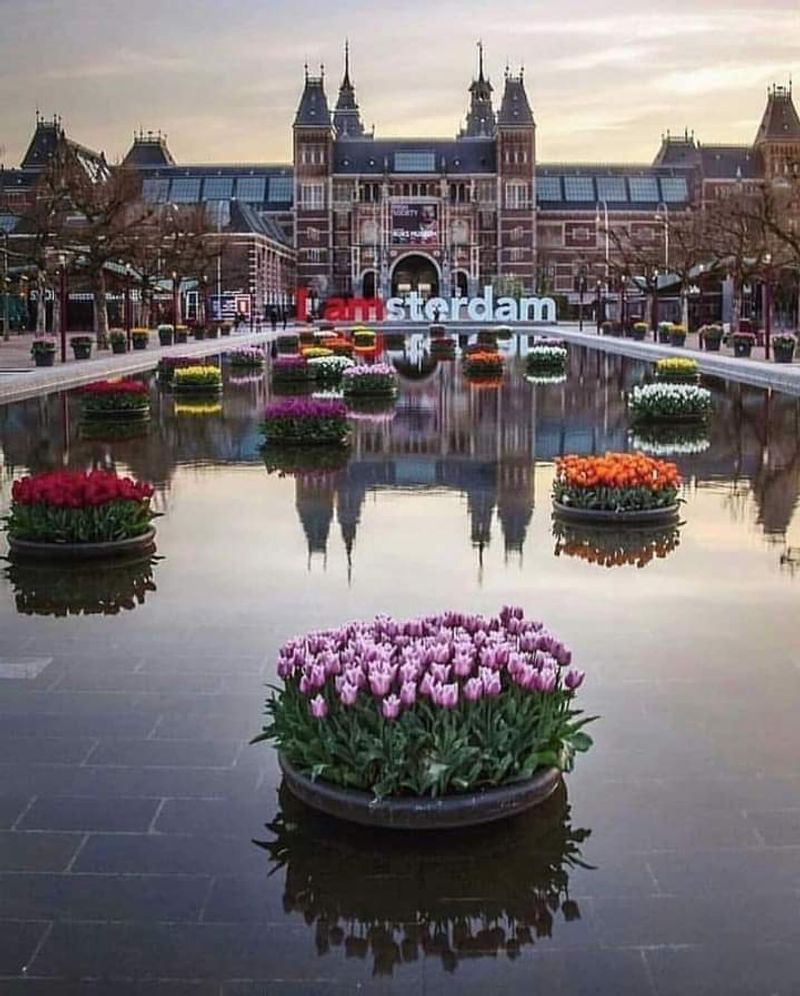
Amsterdam has run direct campaigns discouraging rowdy party trips and tightened enforcement of noise and nuisance complaints in busy nightlife areas. Messaging targets disruptive stag groups and late-night shouting that echoes along canals.
If you are moving luggage through Jordaan or the Red Light District, consider quieter wheels and earlier arrivals.
City officials increased patrols, signage, and online notices that warn about fines and evictions from short stays. Bars and windows operate under stricter scrutiny, with clearer closing times and crowd-flow management.
You will notice strong educational messaging even before you book, making expectations unmistakable.
Travelers can adapt by planning smaller gatherings, staying outside the noisiest blocks, and carrying bags over bridges rather than letting wheels rattle at night. Respect for residents remains the theme, ensuring canalside calm returns after hours.
The policy does not end nightlife, but it prioritizes livability and safety. Follow the guidelines and your visit will be both smooth and welcome.
14. Málaga, Spain

Málaga promotes respectful tourism through city campaigns that emphasize keeping noise down, avoiding litter, and following local norms. These messages are backed by enforceable fines for breaches, particularly in crowded central streets and seaside zones.
If you are moving luggage, plan routes that avoid narrow residential alleys late at night.
Authorities coordinate clean-up crews, patrols, and communication across festivals and cruise arrivals. Businesses share guidelines with guests and may adjust outdoor music or seating in response to neighborhood feedback.
You will likely see multilingual posters and QR codes linking to conduct rules.
Practical moves help: pick trains or buses that arrive earlier, pack lighter, and carry wheels over curbs. Málaga still offers lively dining and art, including the port area and museums, but underscores courtesy after dark.
Treat the city as a shared space and you will find locals more receptive, streets tidier, and evenings calmer.
Share this story