We like to imagine history as a tidy timeline, with clear breaks between “ancient” and “modern.” But the truth is far stranger. Cleopatra lived closer to the Moon landing than to the building of the Great Pyramid.
Oxford University was teaching students while the Aztecs were just beginning their empire. When you line up familiar events side by side, centuries collapse and stretch in ways that feel almost impossible.
These surprising overlaps will nudge your sense of time off balance – in the best way. Keep reading and see how well your internal timeline really holds up.
1. Cleopatra lived closer to the Moon landing than to the Great Pyramid
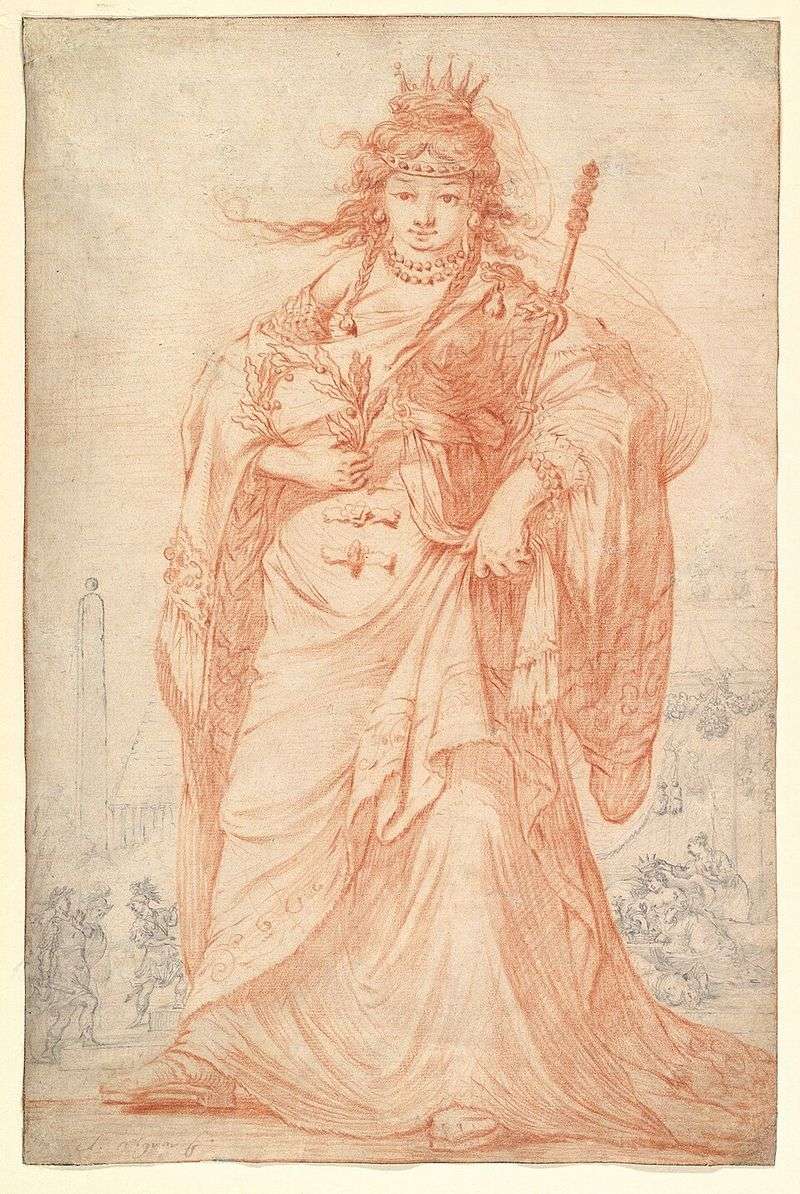
Cleopatra VII ruled Egypt in the first century BCE, dying in 30 BCE during the Hellenistic period. The Great Pyramid of Giza was completed around 2560 BCE, over two thousand years before Cleopatra’s lifetime.
By contrast, the Apollo 11 Moon landing occurred in 1969 CE, placing Cleopatra much closer to that modern milestone than to the Old Kingdom pyramid builders.
This comparison highlights how deep Egyptian antiquity truly is relative to classical history. Cleopatra’s world contained Greek influence, Roman politics, and written records that are far nearer to us than to Khufu’s Egypt.
Reliable sources for these dates include Egyptological chronology, classical historians, and NASA’s documented mission timeline.
When you imagine Cleopatra, it is tempting to picture her standing beside the Great Pyramid. In reality, she lived closer to rockets and television than to the monument’s construction.
Timelines reveal connections that challenge our intuitive sense of the ancient world.
2. France used the guillotine after Star Wars premiered
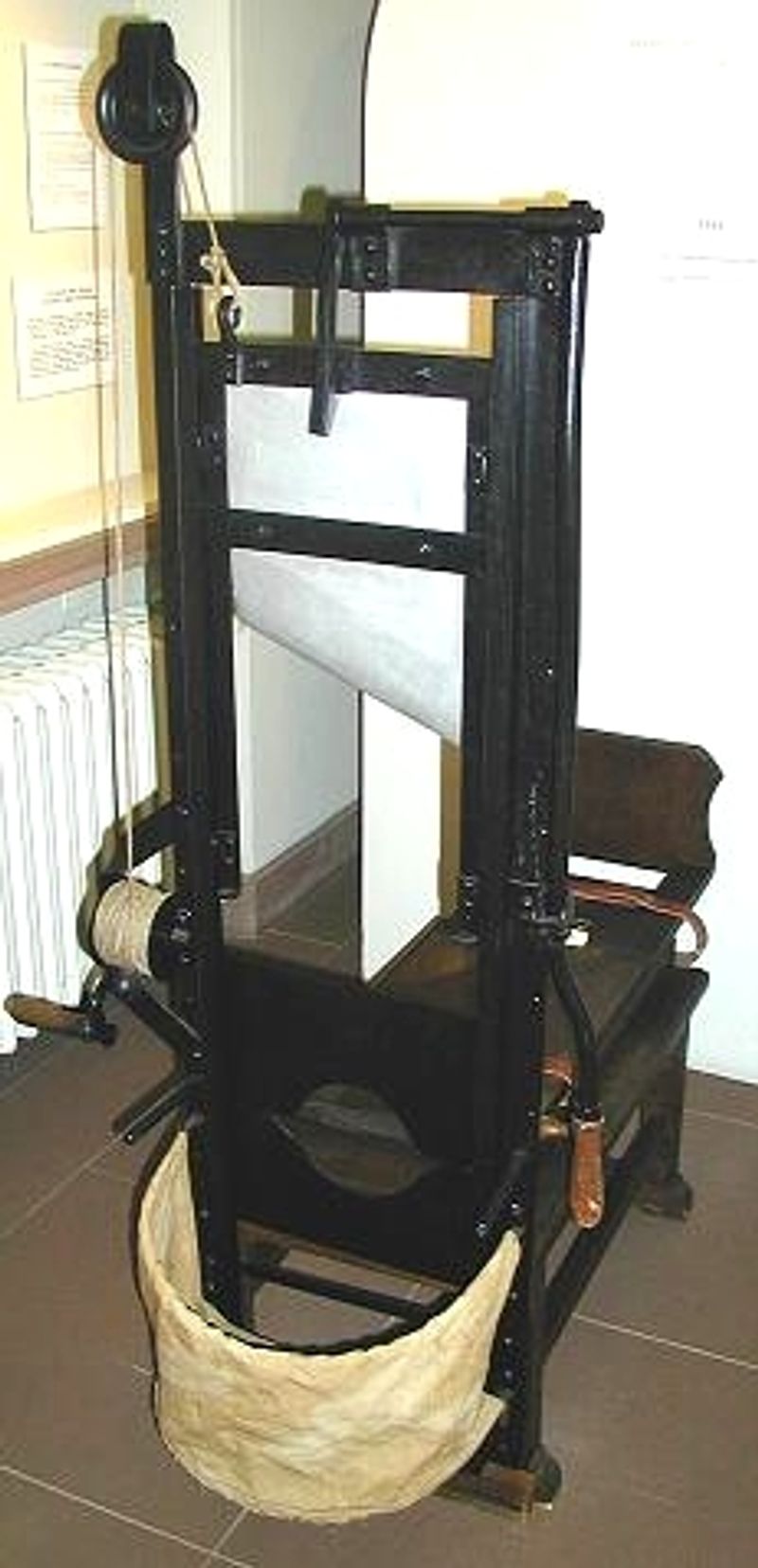
Star Wars: A New Hope premiered in May 1977, reshaping mainstream cinema and global pop culture. That same year, France carried out its final use of the guillotine, the execution of Hamida Djandoubi in September 1977.
The juxtaposition places a late Enlightenment era device within the lifetime of modern blockbusters and home video.
France officially abolished the death penalty in 1981, but the 1977 execution demonstrates how long capital punishment persisted in Europe. Newspaper archives, French legal records, and film release histories confirm that the premiere preceded the last guillotine use by mere months.
This overlap is documented in reputable histories of French justice.
Thinking of the guillotine as strictly revolutionary can be misleading. Its last operation happened in a decade associated with digital watches, video games, and space exploration.
Cultural timelines frequently collide in ways that feel counterintuitive.
3. Oxford University existed before the Aztec Empire

Teaching at Oxford is documented by 1096, and the university gained formal organization in the 13th century. The Aztec Triple Alliance that formed the Aztec Empire dates to 1428, when Tenochtitlan, Texcoco, and Tlacopan consolidated power.
This places Oxford’s oldest instructional roots more than three centuries earlier.
The comparison illustrates asynchronous development across regions. Medieval European institutions and Mesoamerican empires advanced on independent clocks, with sources including Oxford’s institutional histories and Nahua chronicles translated by modern scholars.
Archaeology and codices help refine the Aztec timeline.
When imagining universities as products of much later modernity, it is striking to see one predating a major American empire. Both legacies are significant yet arose under different cultural trajectories.
Timelines encourage careful, regional context rather than simple global narratives.
4. Harvard predates Newton’s Principia by over 50 years
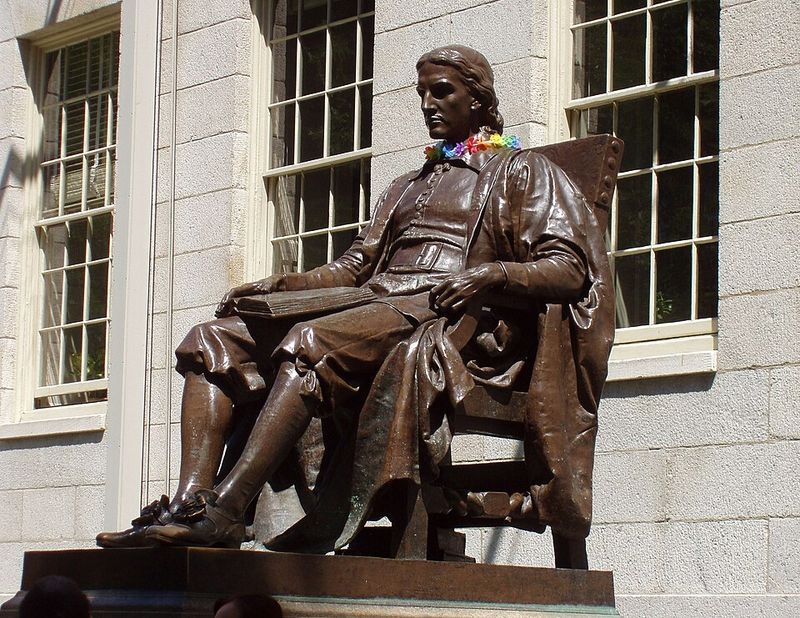
Harvard College was founded in 1636 in the Massachusetts Bay Colony, supporting clergy training and classical education. Isaac Newton published Philosophiae Naturalis Principia Mathematica in 1687, laying foundations for classical mechanics and universal gravitation.
The gap between them is just over half a century.
This sequence underlines how early American higher education coexisted with European scientific revolutions. College charters, colonial records, and Newton’s published editions provide reliable anchors for the dates.
The transatlantic intellectual world was already taking shape when Principia appeared.
It is easy to imagine Newton as belonging to an era far removed from colonial New England. Instead, students were already attending lectures in Cambridge, Massachusetts before Principia’s landmark publication.
History often stacks parallel developments more closely than expected.
5. Nintendo is as old as the Eiffel Tower

Nintendo was founded in 1889 in Kyoto as a manufacturer of hanafuda playing cards. The Eiffel Tower, centerpiece of the 1889 Exposition Universelle in Paris, opened the same year.
These two icons, one of entertainment and one of engineering, share a birthdate in modern history.
Company archives and French exhibition records anchor the timing. Over time, Nintendo evolved from cards to toys to electronic games, while the Eiffel Tower shifted from temporary fair spectacle to permanent landmark.
Their shared year offers a tidy benchmark for the late 19th century’s blend of culture and industry.
Thinking of Nintendo as purely digital can hide its deeper roots. The company’s origins align with a steel lattice that symbolized modernity in 1889.
Such pairings remind us how technology and culture often emerge side by side.
6. Woolly mammoths lived during pyramid building

Small, isolated woolly mammoth populations survived into the second millennium BCE, notably on Wrangel Island, with dates around 1700 to 1800 BCE from radiocarbon studies. The Egyptian Old Kingdom pyramid era peaked centuries earlier, but significant monumental activity continued into the Middle Kingdom.
This means some mammoths lived while Egyptians still built and maintained large stone works.
Published research in journals like Nature and Quaternary Science Reviews supports late survival on islands. Egyptian chronology, based on king lists and archaeological dating, frames the broader building tradition.
The overlap challenges a simple picture of mammoths as strictly Ice Age creatures.
When you picture pyramid sites, herds are not part of the mental image. Yet on remote islands far from the Nile, a few mammoths persisted while Egyptian society organized labor and stone transport.
Timelines across continents seldom align with our assumptions.
7. Mississippi kept pro-slavery language until 2013

Mississippi voters approved removing lingering pro-slavery era language from the state constitution in 2012, with federal certification in 2013 concluding the process. The wording had become legally defunct but remained on paper, revealing how outdated provisions can persist.
Official records and news reports document the ballot measure and subsequent filings.
This fact underscores the long administrative tail of historical change. Statutory cleanups, archival reviews, and constitutional amendments often lag behind social and legal reforms.
Reliable sources include state archives and the National Archives for certification details.
Seeing 19th century language enter the 21st century can alter how recent the past feels. It reminds you to distinguish between operative law and inherited text that survives through inertia.
The calendar date of removal still carries symbolic weight.
8. President John Tyler’s grandchild lived into the 2020s
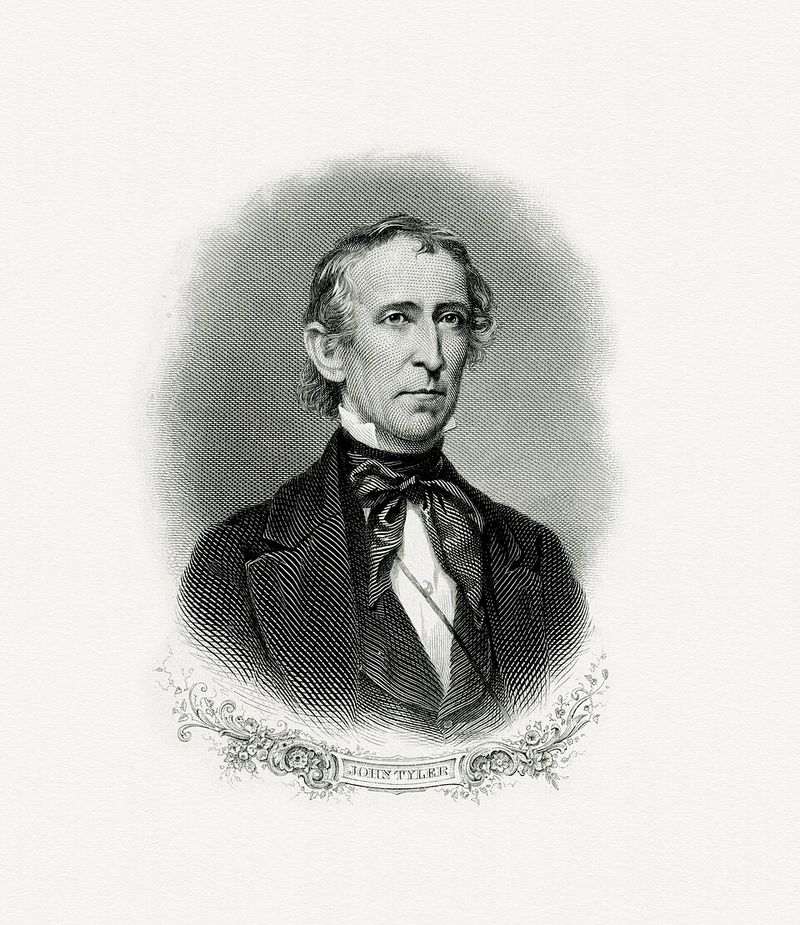
John Tyler, born in 1790 and president from 1841 to 1845, fathered children late in life. His son Lyon Gardiner Tyler also had children late, leading to grandchildren born in the 1920s.
One grandchild, Lyon Gardiner Tyler Jr., died in 2020, creating a living link from early America to the present.
Genealogical records, obituaries, and presidential history sources verify the lineage and dates. This multigenerational compression emerges when successive generations have children at advanced ages.
It condenses more than two centuries into just three steps.
When you consider the founding era, it often feels remote. Yet a single family line can bridge it to smartphones and streaming.
Such lines demonstrate how personal timelines do not mirror national narratives.
9. A U.S. Civil War widow lived until 2020
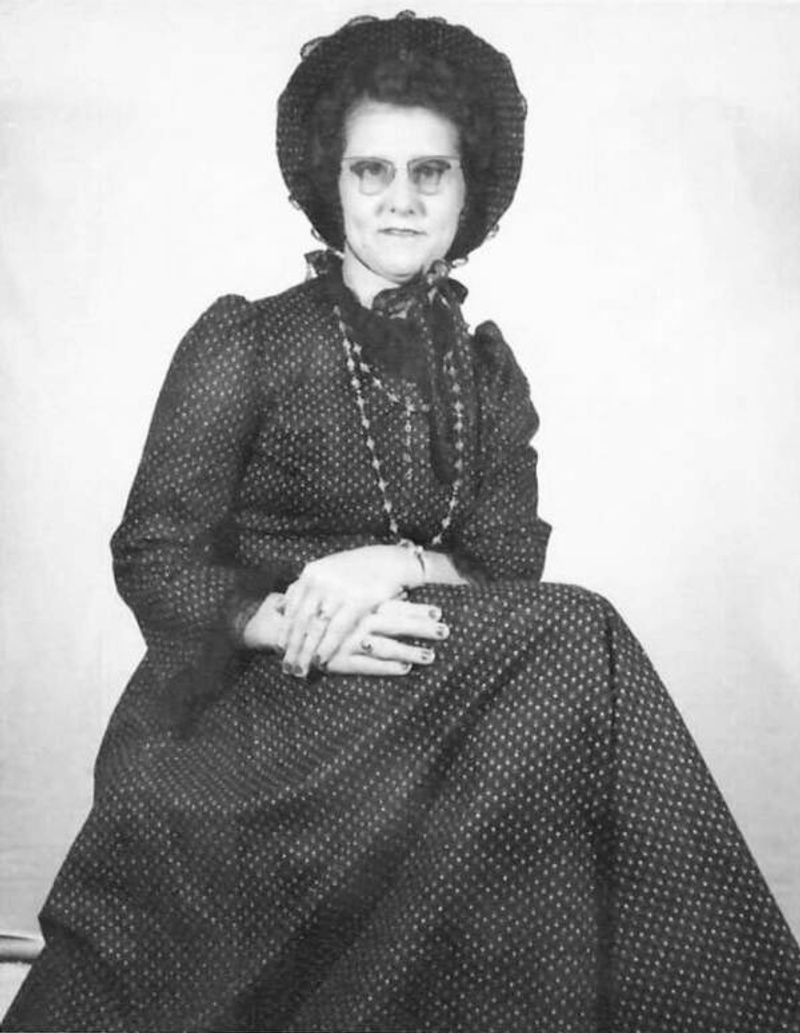
Helen Viola Jackson married James Bolin, a Union veteran born in the 1840s, in 1936. The marriage provided him care and later benefits for her, a common arrangement among aging veterans and helpers.
Jackson kept the marriage private for decades and died in 2020, acknowledged as one of the last Civil War widows.
Local historical societies, news outlets, and veteran records corroborate the dates and circumstances. The story shows how conflict eras extend through pensions, marriages, and memory.
A century and a half can shrink to a few relationships.
Hearing Civil War widow in a 21st century context can seem impossible. The math works through longevity and late life unions.
These personal histories reshape how distant the 1860s truly are.
10. Betty White was born before sliced bread

Betty White was born in 1922. Commercially sliced bread, popularized by the Chillicothe Baking Company with the machine invented by Otto Rohwedder, reached consumers in 1928.
The phrase greatest thing since sliced bread therefore places a beloved entertainer before a common modern convenience.
Biographical timelines and business histories verify the dates. The adoption of slicing machinery spread rapidly afterward, aided by packaging innovations.
It is a reminder that everyday technologies often arrive surprisingly late.
When you picture early 20th century life, it still included many manual tasks. Pre-sliced bread quickly became normal, displacing a long habit of home slicing.
Individual lifespans readily cross such consumer milestones.
11. The first fax machine dates to the Oregon Trail era

Alexander Bain patented a fax-like device in 1843 using synchronized pendulums to scan and reproduce images. That same year, a major wagon train departed for the Oregon Trail, representing westward migration across North America.
The invention and the migration symbolize parallel paths of communication progress and frontier movement.
Patent archives and 19th century newspapers document Bain’s work and subsequent refinements by later inventors. Trail diaries and government records confirm the 1843 migration surge.
Such overlaps reflect how innovation and expansion often happen at once.
Envisioning faxes as postwar technology can obscure earlier prototypes. The conceptual groundwork predates many telegraph upgrades and long predates office fax culture.
Timelines teach that basic ideas often arrive long before mass adoption.
12. The Ottoman Empire outlasted the Cubs’ 1908 title for years
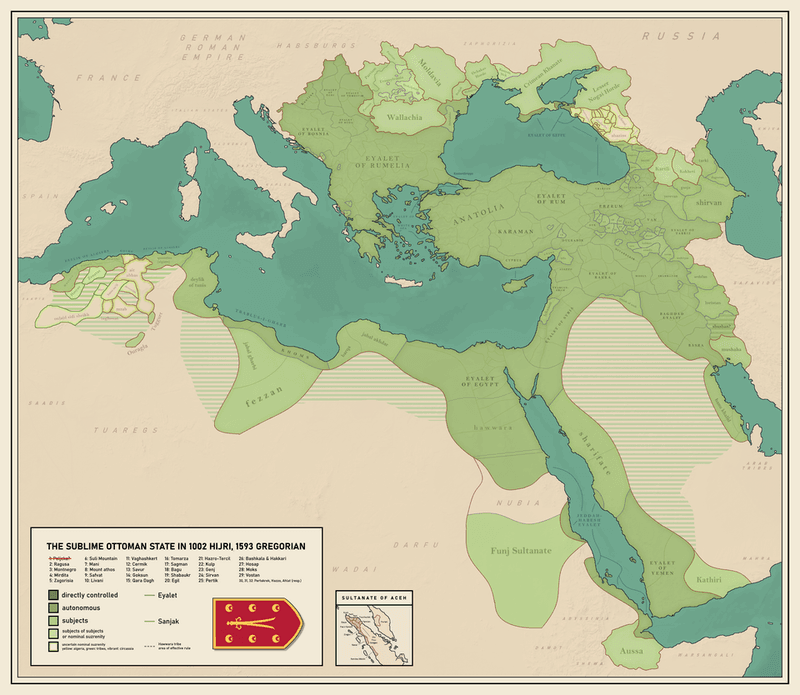
The Chicago Cubs won the World Series in 1908, then endured a championship drought until 2016. During the early part of that drought, the Ottoman Empire still existed, dissolving only in 1922 after World War I and the Turkish War of Independence.
The empire’s end came fourteen years after 1908.
Baseball records and world history texts align on these dates. The comparison juxtaposes a sports timeline with geopolitical change.
It frames the longevity of an athletic dry spell against a centuries-old state’s final years.
When you track championships, they often seem insulated from political history. Yet the calendar compares everything impartially.
Cross-domain timelines expose surprising proximity among unrelated events.
13. Microsoft was founded while Franco still ruled Spain
Microsoft was founded in 1975 by Bill Gates and Paul Allen to develop software for the Altair 8800 microcomputer. Francisco Franco, Spain’s authoritarian ruler since the 1930s, died in November 1975.
For part of that year, a key tech company and a long-standing dictatorship coexisted on the same global timeline.
Corporate histories and Spanish government records confirm the dates. The startup era of personal computing began while parts of Europe were still under regimes born from mid-century conflict.
It highlights how differently modernization can unfold across sectors.
Thinking of 1970s computing as uniformly progressive overlooks simultaneous political realities. New code and old institutions often overlap.
Timelines create a fuller picture of what a single year contained.
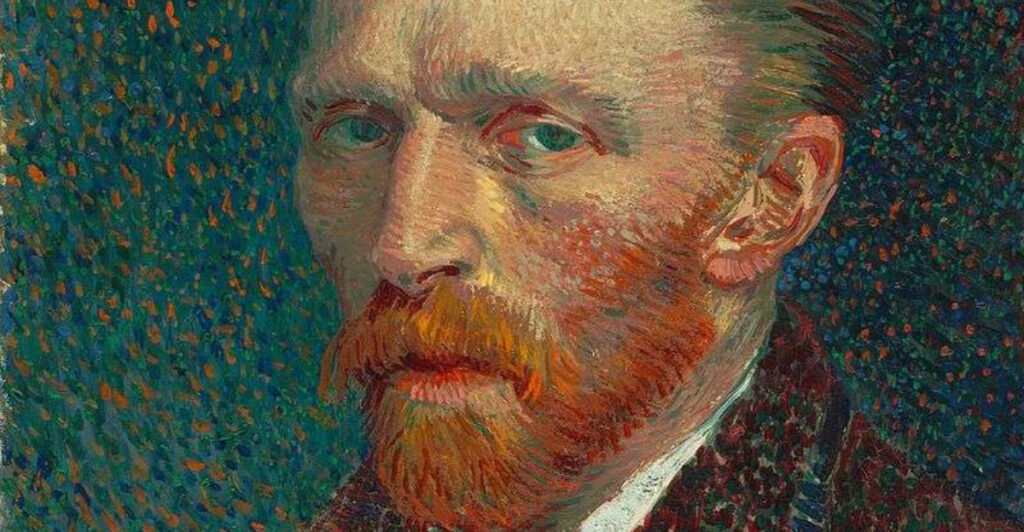
14. Van Gogh painted Starry Night the year Nintendo was founded
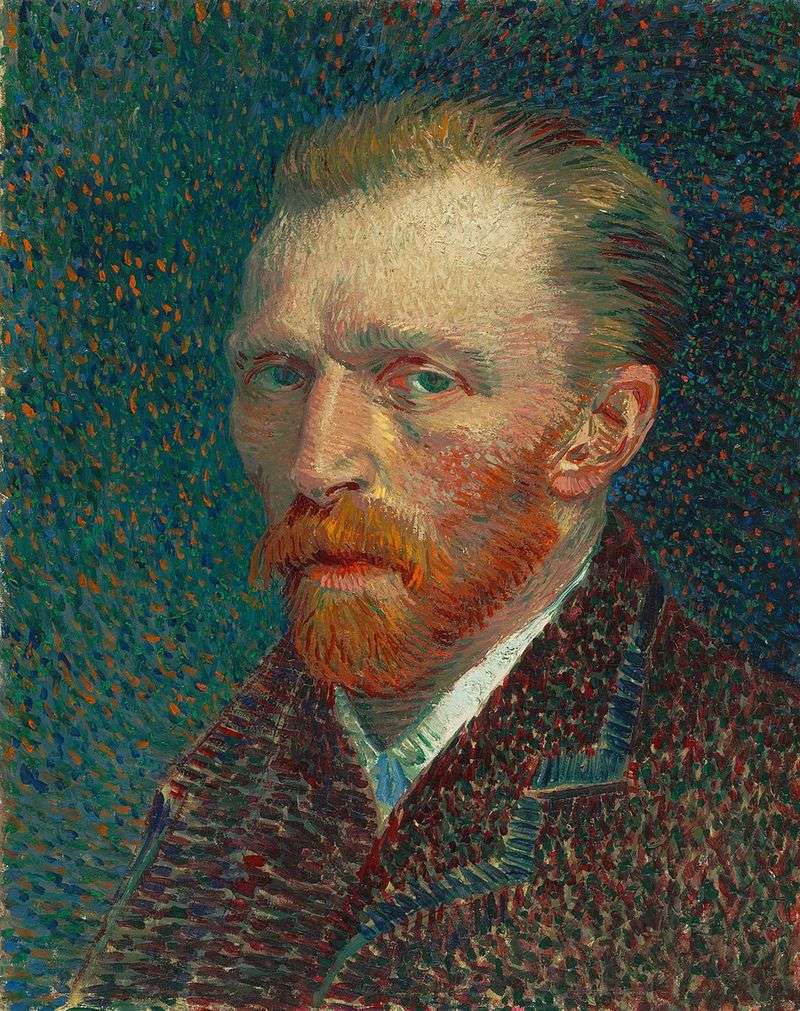
Vincent van Gogh painted The Starry Night in 1889 while at Saint-Remy-de-Provence. That same year, Nintendo began as a hanafuda card maker in Kyoto.
These unrelated milestones show art history and corporate origin stories landing on a single calendar square.
Museum catalogues, letters from Van Gogh, and company records establish the timing. One represents expressive post-impressionist innovation, the other a commercial venture that later embraced electronic entertainment.
The share of 1889 binds them in time if not in theme.
When measuring influence, it is easy to separate fine art from mass market products. Yet their debuts can coincide.
Timelines often bridge creative domains that seem worlds apart.
15. Animals received medals during World War II
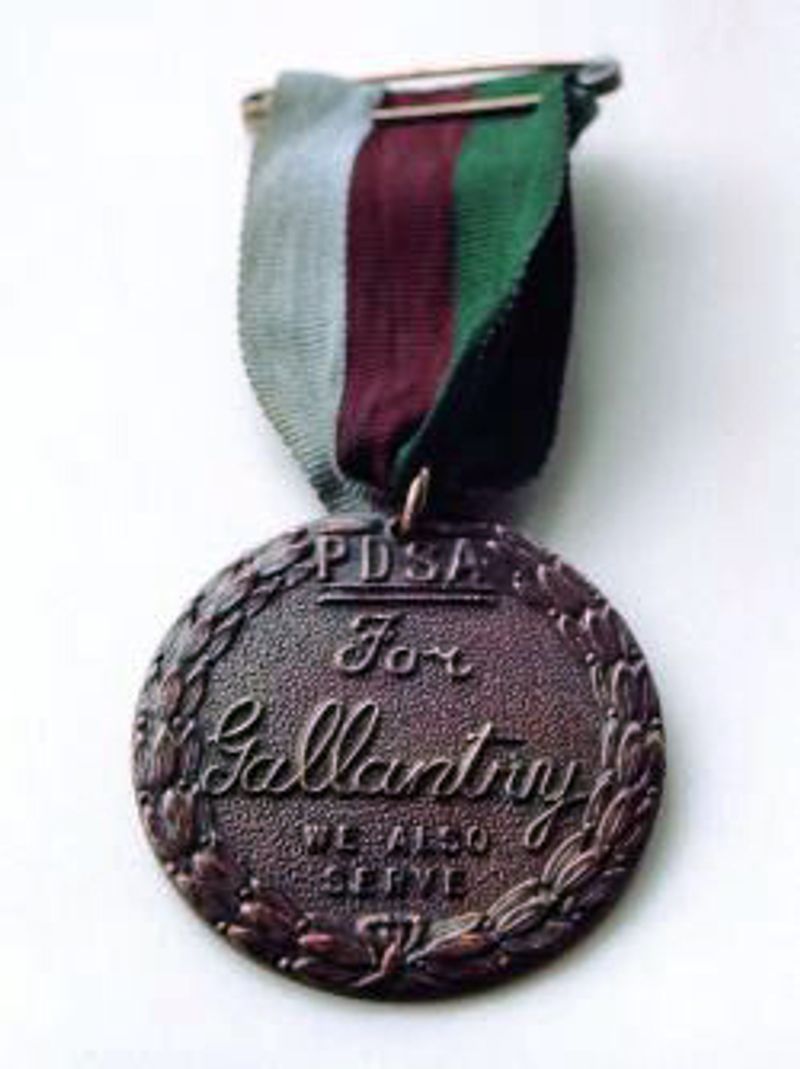
During World War II, several animals were recognized for service, including a Great Dane named Juliana reportedly awarded a medal for actions that helped neutralize an incendiary device. The broader record includes the Dickin Medal, created in 1943 in the UK, honoring dozens of animals for bravery.
Documentation exists in wartime press and animal awards registries.
These recognitions highlight civilian defense and military support roles beyond human participants. Carrier pigeons, dogs, and horses performed communications, detection, and rescue tasks.
The stories sit alongside better known campaigns and logistics.
Hearing about decorated pets can feel whimsical, but the citations reflect real tasks under dangerous conditions. War histories and award archives confirm the practice and individual cases.
This is another timeline detail that reshapes assumptions about the conflict.
16. Harvard’s founding was closer to the Moon landing than to ancient Rome’s peak
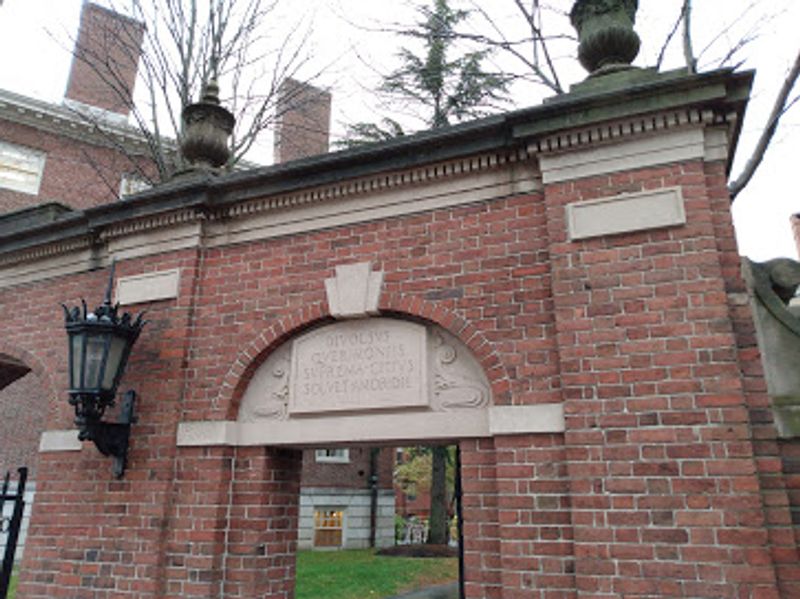
Harvard’s 1636 founding sits 333 years before the 1969 Moon landing. From 1636 back to the height of the Roman Empire under Trajan around 117 CE is more than 1,500 years.
The arithmetic puts colonial New England much nearer to astronauts than to imperial legions at their apex.
University records, NASA timelines, and standard Roman chronologies ground the dates. This reframes colonial America as relatively modern in the sweep of classical antiquity.
The contrast highlights how ancient Rome remains far back even from early modern events.
When thinking about Rome and early America, they can blend into generic old times. A measured comparison corrects that blur.
Timelines help keep proportions accurate.
17. Lifespans can bridge the 19th and 21st centuries
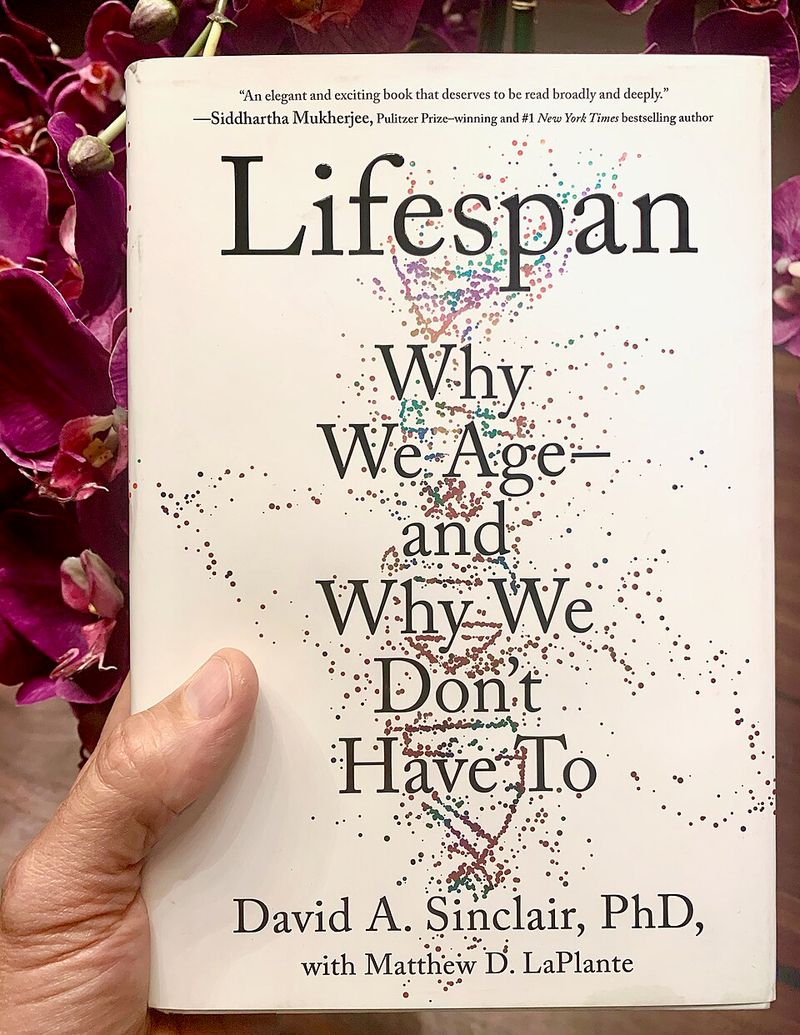
Long human lifespans and late-in-life parenthood can connect people across three centuries. A person born in the 19th century can meet a child who later lives into the 21st, creating living memory chains.
Verified examples include families of notable historical figures and documented supercentenarians.
Demographic studies and genealogical records illustrate these overlaps. The math depends on birth spacing and exceptional longevity rather than unusual claims.
It explains how anecdotes about meeting someone from a distant era can be accurate.
When time feels compartmentalized, consider how memories and stories travel through only a few handshakes. Personal timelines often compress national narratives into short arcs.
Human connections keep distant decades close.
18. Major events that seem simultaneous actually span centuries
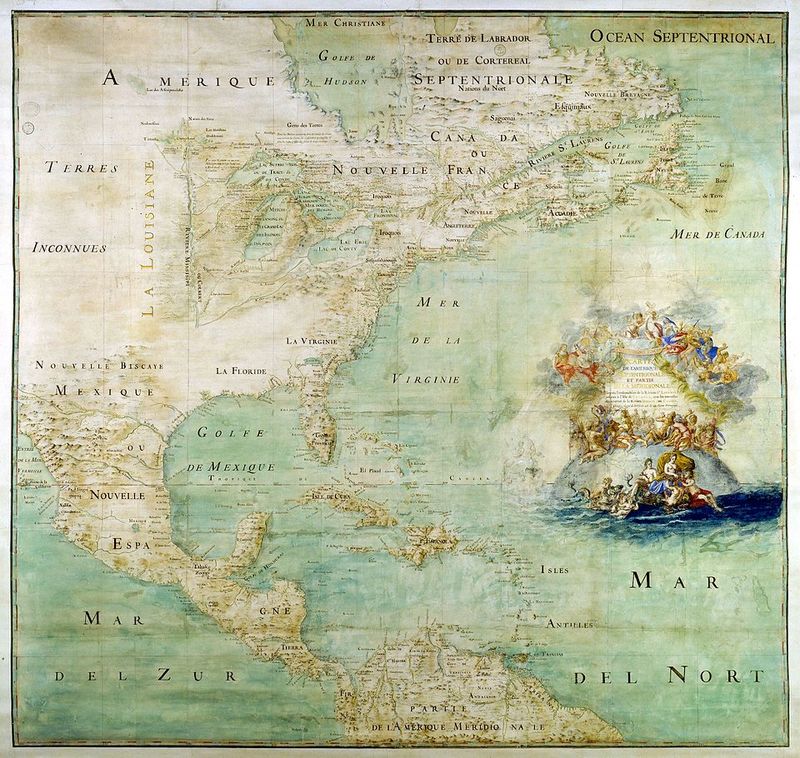
Curriculum summaries can make events feel concurrent, but many unfold across long arcs. Empires rise and fall over centuries while inventions progress from prototype to mass adoption.
Side-by-side timelines reveal offsets that lists can hide.
For instance, the printing press predates many so-called early modern states by decades, and steam technology matured long after first demonstrations. Reliable encyclopedias and academic surveys track these durations.
When you map them, clusters separate into distinct threads.
Recognizing span reduces confusion about cause and effect. Instead of assuming simultaneity, you can check durations and lags.
This habit sharpens historical understanding and avoids compressed myths.
Share this story