Germany is famous for its castles, beer festivals, and bustling cities like Berlin and Munich. But beyond the well-known tourist spots, this country hides incredible places that most travelers never discover.
From enchanted forests and mysterious bridges to quiet islands and underground caves, these hidden gems offer unforgettable experiences without the crowds, giving you a chance to see a side of Germany that feels truly special and authentic.
Spreewald — Serene Waterways and Forest Paths
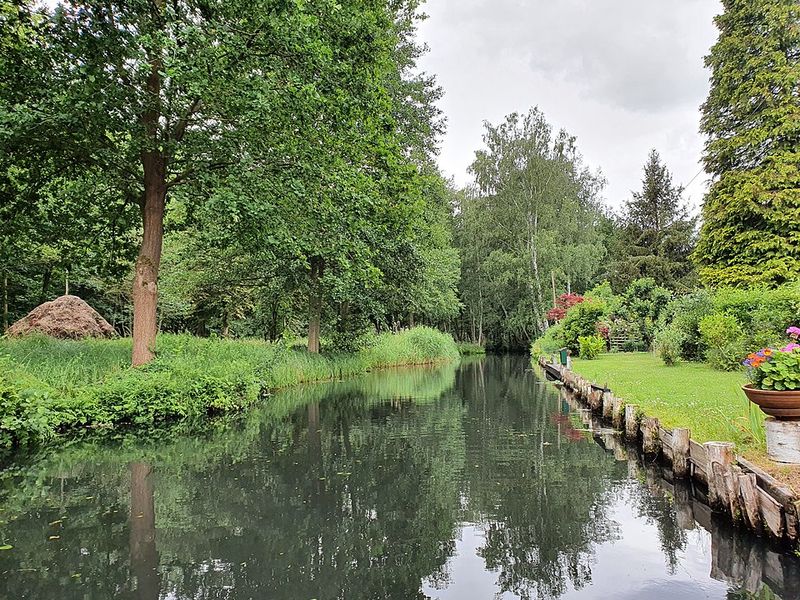
Gliding through narrow canals in a traditional wooden punt feels almost magical here. About 100 kilometers southeast of Berlin, Spreewald spreads across a network of waterways that slice through thick forests and charming villages.
This UNESCO Biosphere Reserve remains surprisingly quiet, even during peak season, making it perfect for travelers craving peace and natural beauty.
Paddling your own canoe gives you freedom to explore hidden channels where herons stand motionless and reeds whisper in the breeze. The region’s famous pickles, made using centuries-old recipes, appear on every local menu alongside fresh River Spree fish.
Cycling paths weave through the forests, connecting tiny hamlets with thatched roofs that look straight out of a fairy tale.
Local families still use boats for daily errands, adding authentic charm to your visit. Spring brings wildflowers along the banks, while autumn paints the trees in fiery shades.
Whether you’re drifting under wooden bridges or stopping at a riverside café for homemade cake, Spreewald’s unhurried rhythm and pristine landscapes create memories that linger long after you leave.
Rakotzbrücke (Devil’s Bridge) — Mirror Bridge in Kromlau
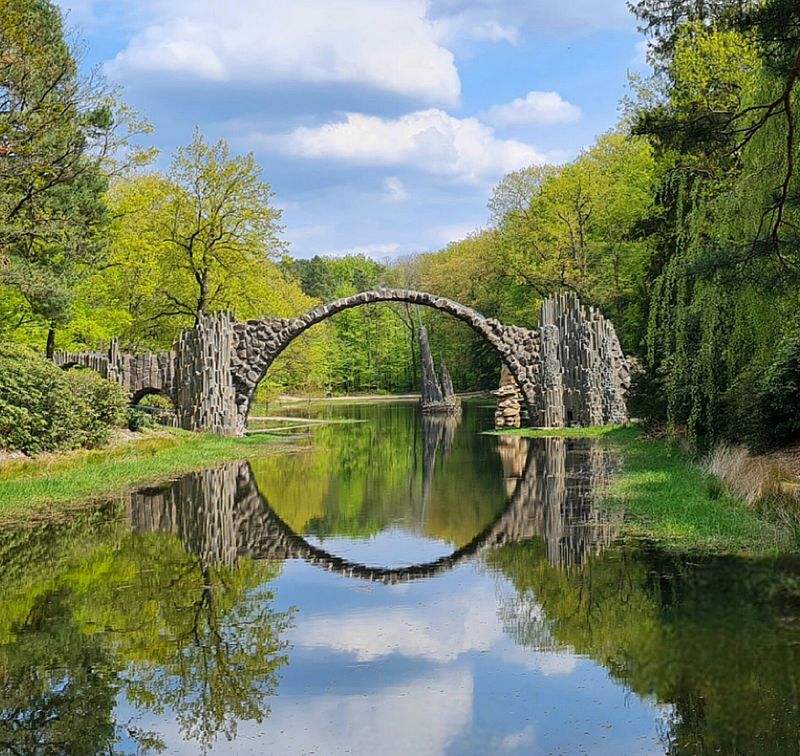
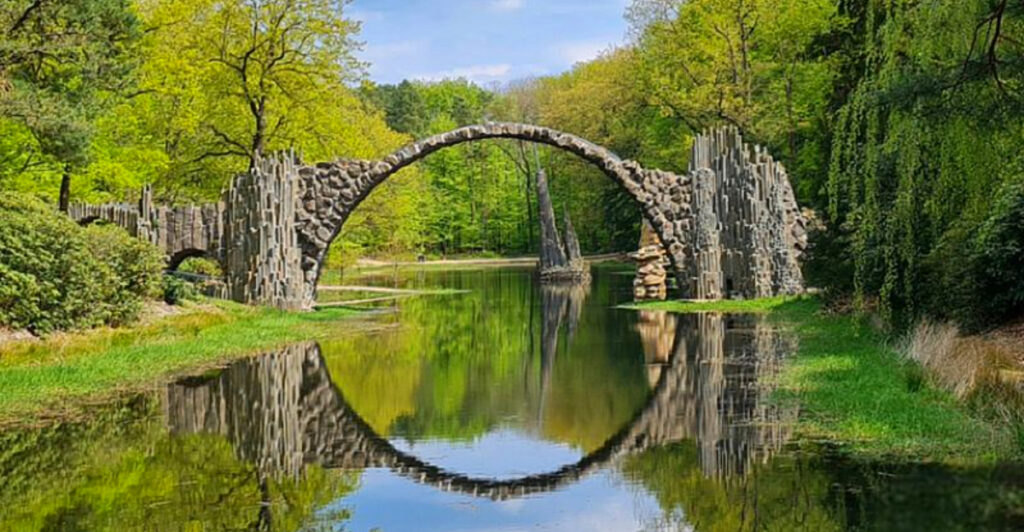
Perfect symmetry meets nature in this stunning 19th-century stone arch. When conditions are just right, Rakotzbrücke forms a flawless circle with its reflection, creating an optical illusion that photographers dream about.
Tucked away in Kromlau Park in Saxony, this elegant structure earned its “Devil’s Bridge” nickname from local legends claiming only supernatural powers could craft something so precise.
Early morning offers the best chance for mirror-still water and soft light filtering through surrounding trees. Autumn transforms the scene into a painter’s palette of gold and crimson, while spring brings fresh green leaves that frame the bridge beautifully.
The park itself remains wonderfully uncrowded compared to Germany’s major attractions, letting you soak in the tranquil atmosphere without jostling for photos.
Walking paths circle small lakes and wind through quiet gardens, making this more than just a quick photo stop. The bridge’s delicate construction has survived over 150 years, though visitors can no longer cross it to preserve its integrity.
Pack your camera, arrive early, and prepare for one of Germany’s most enchanting visual experiences.
Hiddensee — Car-Free Baltic Island Retreat
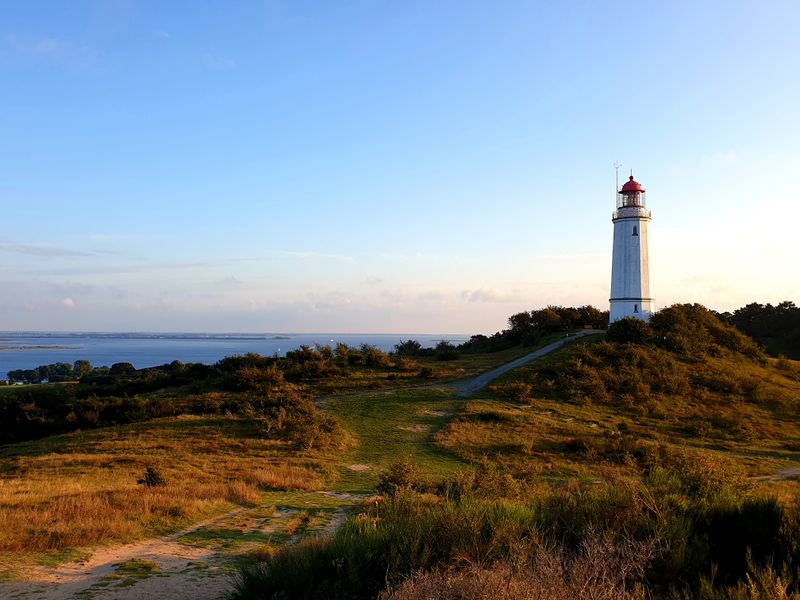
No engines rumble on this slender Baltic island where bicycles and footsteps rule. Hiddensee stretches along the northern coast like a quiet ribbon of sand, dunes, and heath, offering an escape that feels decades removed from modern life.
Artists and writers have sought refuge here since the 1800s, drawn by its raw beauty and meditative calm.
Cycling between villages takes you past weathered fishermen’s cottages and wild beaches where waves crash without interruption. The Dornbusch Lighthouse stands tall at the island’s northern tip, rewarding climbers with sweeping views across the Baltic Sea.
Small harbors smell of salt and smoked fish, while local shops sell handmade jewelry crafted from amber washed ashore.
Kloster village maintains its historic charm with cobblestone lanes and cozy guesthouses serving fresh seafood. Summer brings warm swimming weather, but spring and fall offer solitude and dramatic skies that photographers adore.
Without cars honking or traffic rushing past, Hiddensee’s natural sounds—seabirds calling, wind through beach grass, waves rolling in—become your daily soundtrack for true relaxation.
Saxon Switzerland National Park — Epic Rock Formations
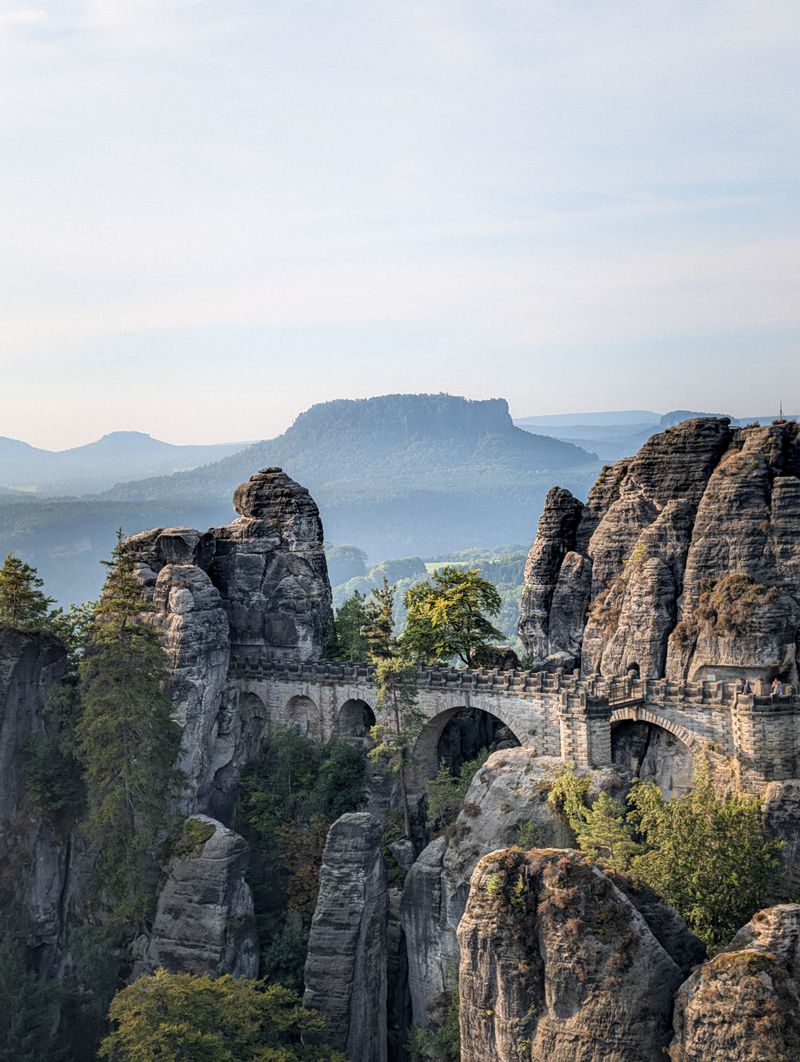
Jagged sandstone towers punch skyward like ancient monuments in this dramatic landscape near Dresden. Saxon Switzerland earns its name from Swiss artists who found the Elbe Valley reminiscent of their homeland, though these rock formations create something entirely unique.
The famous Bastei Bridge connects massive stone pillars, offering jaw-dropping views that stretch for miles across forested valleys.
Hiking trails range from easy riverside walks to challenging scrambles up narrow gorges and steep rock faces. Climbers tackle vertical cliffs using traditional techniques, while casual visitors snap photos from countless scenic overlooks.
Deep forests fill the spaces between rock formations, creating cool shade on hot summer days and brilliant color displays each autumn.
Sunrise from the Bastei reveals layers of mist floating through the valley below, while sunset paints the sandstone in warm orange tones. Small villages dot the park’s edges, offering traditional Saxon meals and comfortable lodging.
Few international travelers realize how otherworldly this corner of Germany feels, with its stark geological features rivaling famous mountain parks elsewhere in Europe.
Würzburg Residence — Hidden Baroque Masterpiece
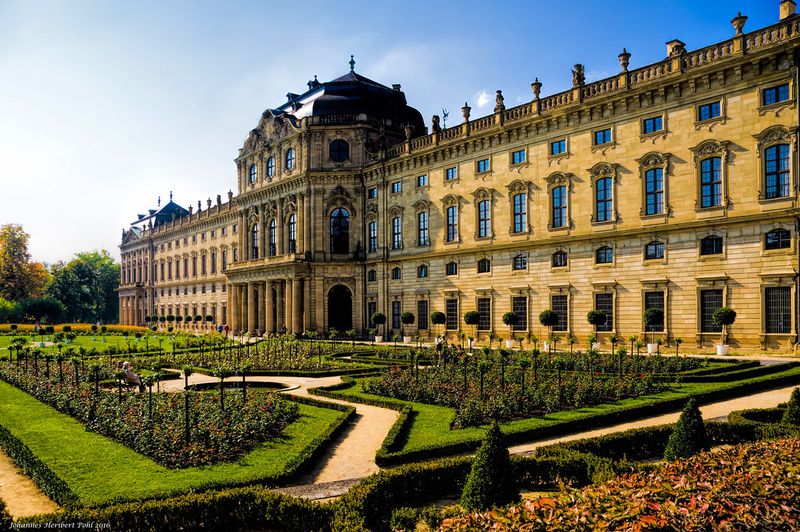
Stepping into this UNESCO palace feels like entering a jewel box of Baroque artistry. The Würzburg Residence in Franconia showcases some of Europe’s finest 18th-century architecture, yet it sees a fraction of the crowds that pack Munich’s tourist sites.
Giovanni Battista Tiepolo’s ceiling fresco above the grand staircase remains one of the world’s largest, depicting continents and heavenly scenes in breathtaking detail.
State rooms drip with rococo elegance—gilded mirrors, marble columns, and crystal chandeliers that once hosted emperors and bishops. Guided tours reveal fascinating stories about the prince-bishops who commissioned this extravagant complex and the artists who brought their visions to life.
The palace gardens stretch behind the building in formal geometric patterns, perfect for peaceful strolls after touring the opulent interiors.
English-language tours run regularly, making the experience accessible for international visitors. Photography is allowed in most areas, though the sheer beauty might distract you from your camera.
Würzburg itself charms with riverside wine bars and historic churches, making this hidden gem worth a dedicated day trip or overnight stay.
Dinkelsbühl — Medieval Walls and Quiet Plazas
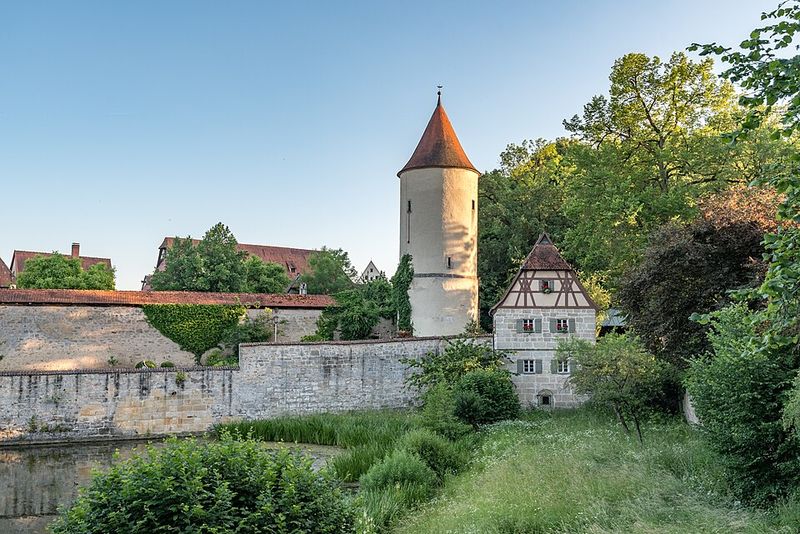
Walking Dinkelsbühl’s ramparts transports you straight into medieval times. This Bavarian gem maintains its original walls, towers, and gates better than almost any German town, yet it remains peacefully uncrowded compared to nearby Rothenburg.
Pastel-painted facades—soft yellows, pinks, and blues—line winding cobblestone lanes where locals still go about daily life much as their ancestors did.
The town’s 16th-century watchmen still patrol during evening tours, sharing legends and history by lantern light. Bakeries fill morning air with the scent of fresh pretzels and sweet pastries, while traditional restaurants serve hearty Franconian dishes in timber-framed dining rooms.
Small boutiques sell handcrafted goods without the tourist-trap feel of bigger destinations.
St. George’s Minster rises above the skyline, its Gothic architecture beautifully preserved inside and out. Summer brings the Kinderzeche festival, celebrating how the town’s children allegedly saved Dinkelsbühl during the Thirty Years’ War.
Without tour buses clogging streets or souvenir shops on every corner, this hidden treasure lets you experience authentic medieval charm at your own relaxed pace.
Blautopf — Enchanted Blue Spring of Baden-Württemberg
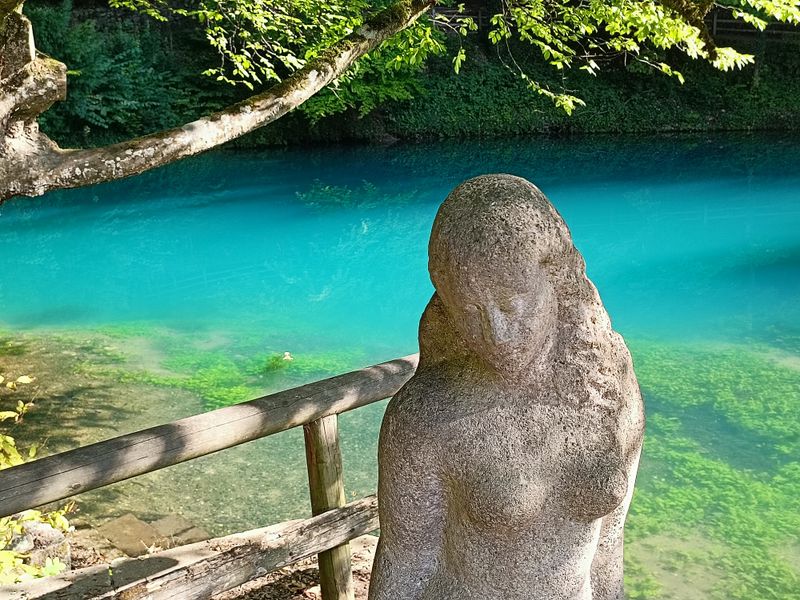
Water this impossibly blue seems painted rather than real. Blautopf near Blaubeuren glows with an otherworldly aqua color created by limestone particles suspended in water from underground karst caves.
The name literally means “blue pot,” and one look explains why—this small spring pool radiates color so vivid it stops visitors in their tracks.
Light and weather subtly shift the hue from deep sapphire to brilliant turquoise throughout the day. Divers explore the submerged cave system feeding the spring, though most visitors simply marvel from the walking path encircling the pool.
Local legends tell of a “beautiful Lau,” a water nymph who lived in the spring’s depths, adding mystical charm to the already magical setting.
The adjacent village of Blaubeuren offers cafés with spring views and a historic monastery worth exploring. Photographers arrive at different times seeking the perfect light to capture the color’s intensity.
Unlike Germany’s grand castles or famous cities, Blautopf provides a quick, mesmerizing natural encounter that feels like discovering a secret the locals kept hidden for centuries.
Quedlinburg — Fairytale Timber-Frame Town
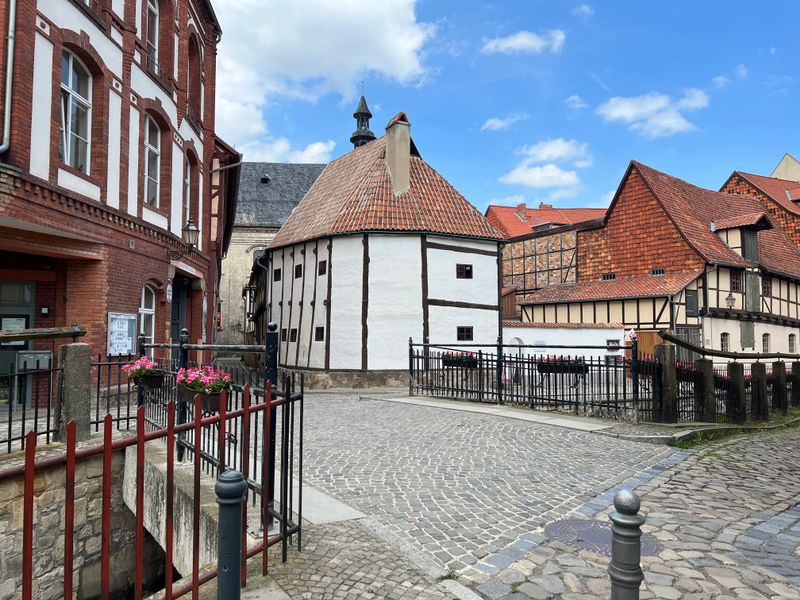
Over 1,300 timber-frame houses from six different centuries create a living museum of medieval architecture. Quedlinburg in Saxony-Anhalt earned UNESCO World Heritage status for good reason—its Old Town survived wars and modernization remarkably intact, preserving building styles that vanished elsewhere.
Each crooked beam, carved door, and painted facade tells stories spanning hundreds of years.
The hilltop castle and collegiate church dominate the skyline, their Romanesque architecture dating back over a thousand years. Narrow lanes twist between houses leaning at impossible angles, their upper floors jutting over sidewalks in traditional style.
The marketplace maintains its medieval layout, hosting weekly markets where locals still buy fresh produce and flowers.
Without the crowds that descend on bigger German cities, Quedlinburg lets you wander at leisure, discovering hidden courtyards and tiny shops selling handcrafted goods. Evening brings golden light that makes the colorful houses glow warmly, perfect for photography or simply soaking in the atmosphere.
History enthusiasts find endless architectural details to study, while casual visitors simply enjoy the fairy-tale ambiance of Germany’s best-preserved medieval town.
Maulbronn Monastery — Gothic-Cistercian Marvel
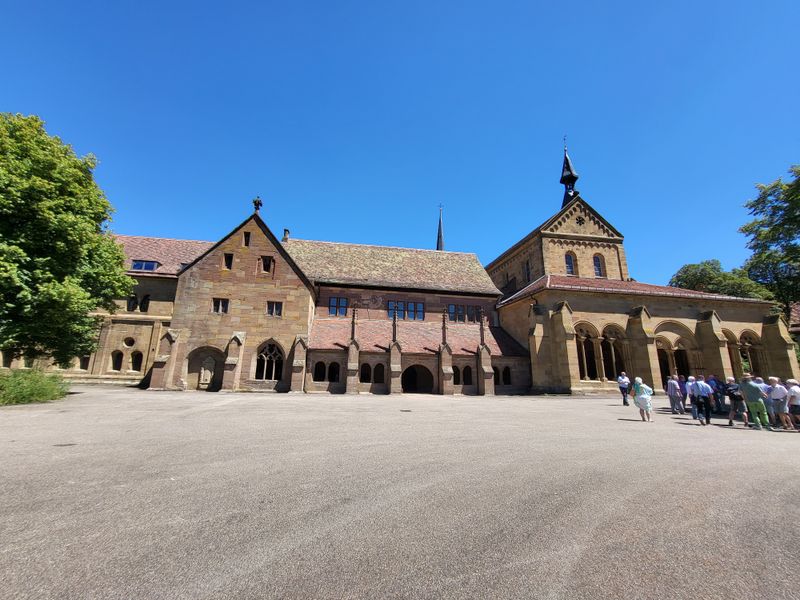
Centuries of monastic life echo through these perfectly preserved cloisters. Maulbronn Monastery in Baden-Württemberg stands as Europe’s most complete medieval monastic complex, its Gothic and Romanesque buildings surviving nearly 900 years virtually unchanged.
Cistercian monks built this architectural masterpiece starting in 1147, creating a self-sufficient community that influenced religious architecture across the continent.
Walking through arched corridors, past the ancient refectory and chapter house, feels like stepping into another era. The monastery church combines simple Romanesque elegance with later Gothic additions, while the fountain house provided monks with washing facilities using ingenious medieval plumbing.
Peaceful gardens and fish ponds show how the community sustained itself through agriculture and careful resource management.
Evening concerts in the historic halls showcase classical music in acoustics designed for Gregorian chants. Unlike crowded cathedrals in major cities, Maulbronn offers contemplative quiet and spiritual atmosphere without distractions.
The surrounding town remains small and charming, making this UNESCO site feel authentically remote and timeless—a genuine hidden gem for anyone interested in medieval history, architecture, or simply finding peace in beautiful historic spaces.
Eberstadt Stalactite Cave — Underground Wonder
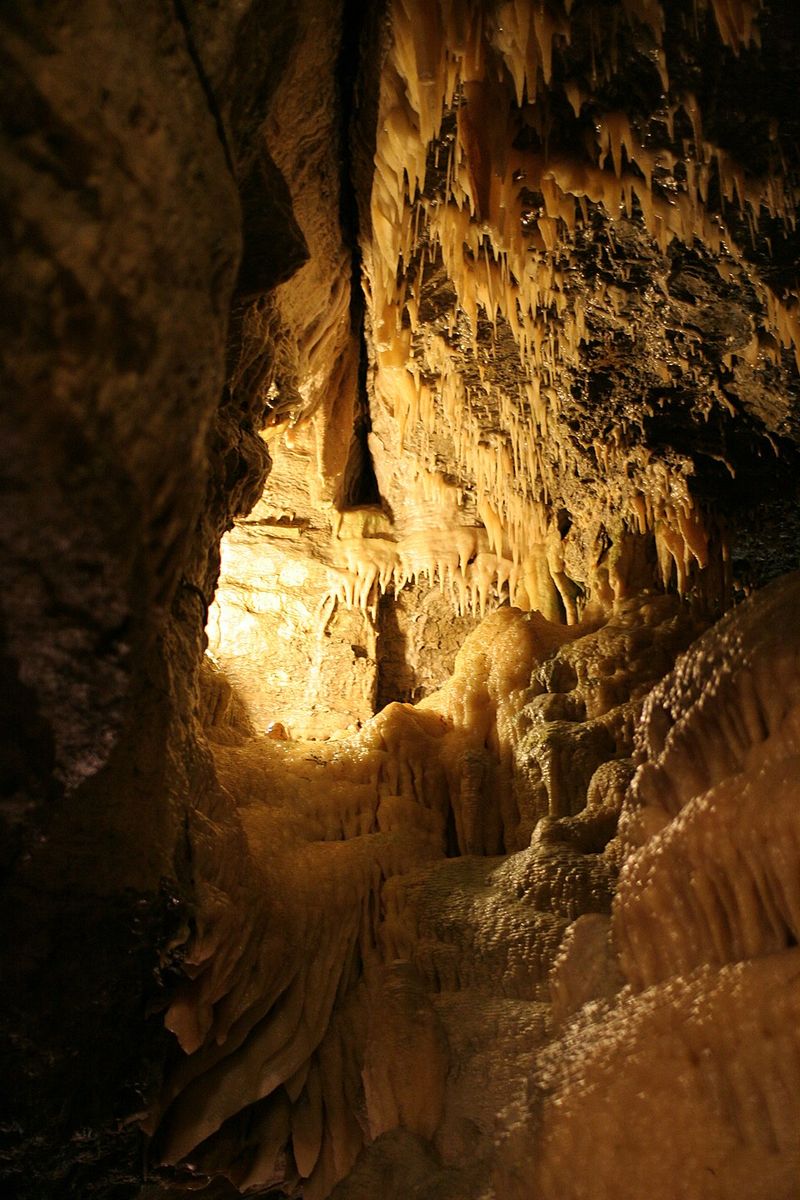
Descending into this underground realm reveals a frozen world of stone icicles and flowing rock. The Eberstadt Stalactite Cave near Stuttgart in the Odenwald region showcases some of Germany’s most pristine cave formations, their pure white color preserved by electric lighting that replaced soot-producing candles.
Delicate stalactites hang like crystal chandeliers while stalagmites rise to meet them, some joined after thousands of years of patient growth.
Guided tours explain the geology behind these formations—how water, limestone, and millions of years create such intricate beauty. The cave maintains a constant cool temperature year-round, offering refreshing relief on hot summer days.
Unlike larger tourist caves, Eberstadt remains relatively unknown, meaning smaller tour groups and more intimate viewing experiences.
Mineral deposits create subtle color variations in the white formations, while underground pools reflect the cave’s features in mirror-smooth surfaces. The surrounding Odenwald forest provides pleasant hiking before or after your cave visit.
For families, science enthusiasts, or anyone fascinated by Earth’s hidden wonders, this subterranean gem delivers natural beauty and geological education without the crowds of more famous European cave systems.
Romkerhall & Oker Waterfall — Harz Mountain Charm
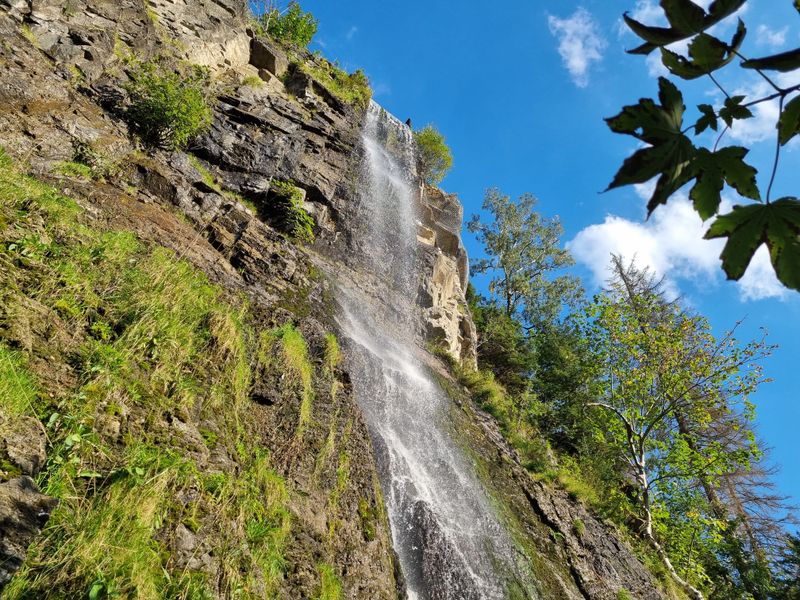
Mountain water tumbles over moss-covered rocks in this peaceful Harz hideaway. Romkerhall combines a scenic waterfall with quiet forest trails and a historic hotel-restaurant that’s welcomed visitors since the 19th century.
The Oker River drops dramatically here, creating a multi-tiered cascade surrounded by dense woodland that stays cool even during summer heat.
Hiking paths branch out in every direction, leading deeper into Harz Nature Park where deer browse clearings and woodpeckers hammer ancient trees. The waterfall viewing platform lets you feel the spray and hear the constant rush of water, a natural soundtrack that instantly relaxes city-weary nerves.
Unlike major national parks, this area sees mostly German hikers and local families, keeping crowds manageable and the atmosphere genuinely peaceful.
Spring brings the highest water flow as snowmelt swells the river, while autumn paints the surrounding beech and oak forests in spectacular colors. The on-site restaurant serves traditional Harz cuisine with waterfall views from its terrace.
For nature lovers seeking mountain scenery without alpine difficulty or tourist chaos, Romkerhall delivers accessible beauty and restorative quiet in equal measure.
Kulkwitzer See — Leipzig’s Hidden Lake Haven
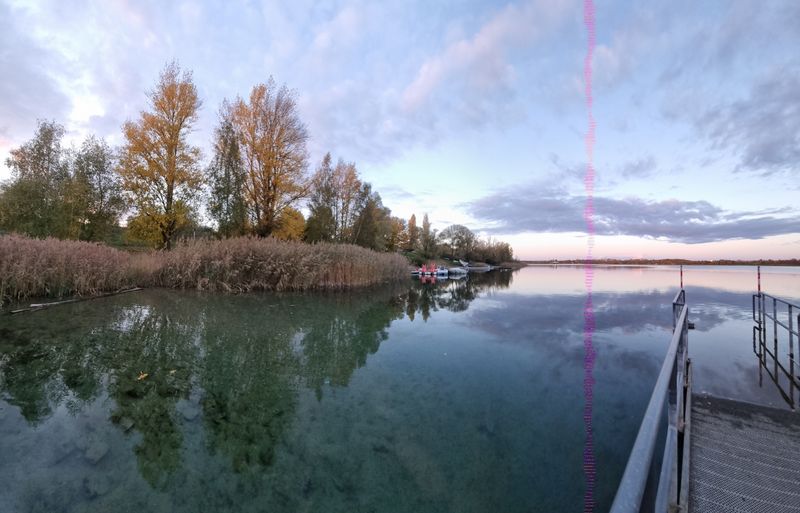
Crystal-clear water fills this former mining pit turned paradise. Just southwest of Leipzig, Kulkwitzer See offers eight kilometers of shoreline with sandy beaches, swimming areas, and water sports that locals treasure but tourists rarely discover.
The lake’s transformation from industrial site to natural recreation area shows nature’s remarkable ability to reclaim and renew.
Summer weekends bring Leipzig residents for swimming, paddleboarding, and beach volleyball, though the lake’s size means you can always find quieter spots. Water quality remains excellent thanks to the lake’s depth and natural filtration, making it safe and pleasant for cooling off during hot weather.
Paved paths circle the entire shoreline, perfect for jogging, cycling, or leisurely walks any season.
Cafés and small restaurants dot the eastern shore, serving cold drinks and snacks with lake views. Spring and autumn offer peaceful solitude, with migrating birds stopping to rest on their journeys.
For travelers spending time in Leipzig, this hidden lake provides an unexpected escape into nature without leaving the city region—proof that Germany’s gems aren’t always ancient castles or mountain peaks, sometimes they’re simply beautiful spaces where locals go to relax.
Wuppertal Suspension Railway & Trails
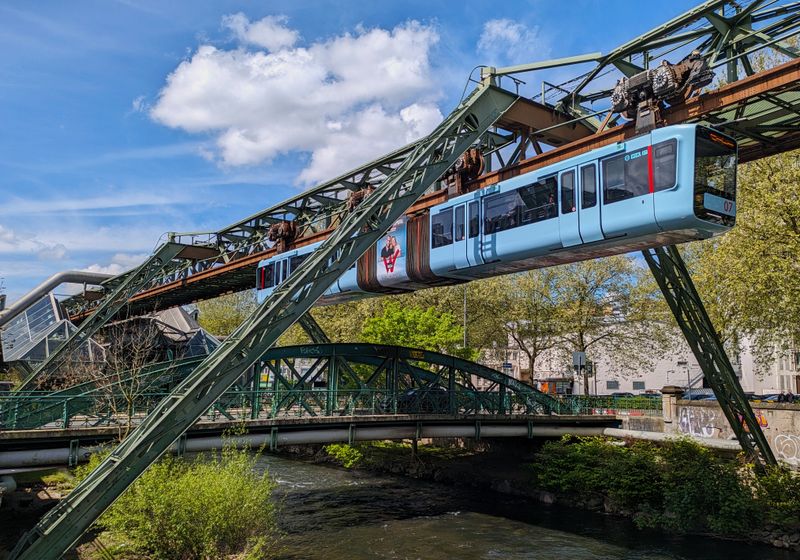
Trains floating above the river seem impossible until you ride one. Wuppertal’s Schwebebahn suspension railway has carried passengers since 1901, dangling from an overhead track that follows the Wupper River through the city.
This engineering marvel feels more like a theme park ride than public transportation, offering unique views of the valley, streets, and parks below.
The railway’s distinctive design—cars hanging beneath rather than riding on top of rails—solved Wuppertal’s steep terrain challenges while creating an iconic urban feature. Locals use it for daily commutes, but visitors ride for the novelty and photographic opportunities.
The system has operated safely for over a century, becoming such a beloved symbol that residents fiercely protect its historic character.
Beyond the railway, Wuppertal surprises with green valleys, sculpture parks, and cultural trails that few outsiders explore. The city’s hilly landscape creates natural beauty within an urban setting, perfect for travelers who enjoy offbeat experiences.
Combined with the unique transit system, these leafy spaces make Wuppertal an unexpectedly charming hidden gem for anyone tired of Germany’s standard tourist circuit.
Hainich National Park — Primeval Forest Trekking
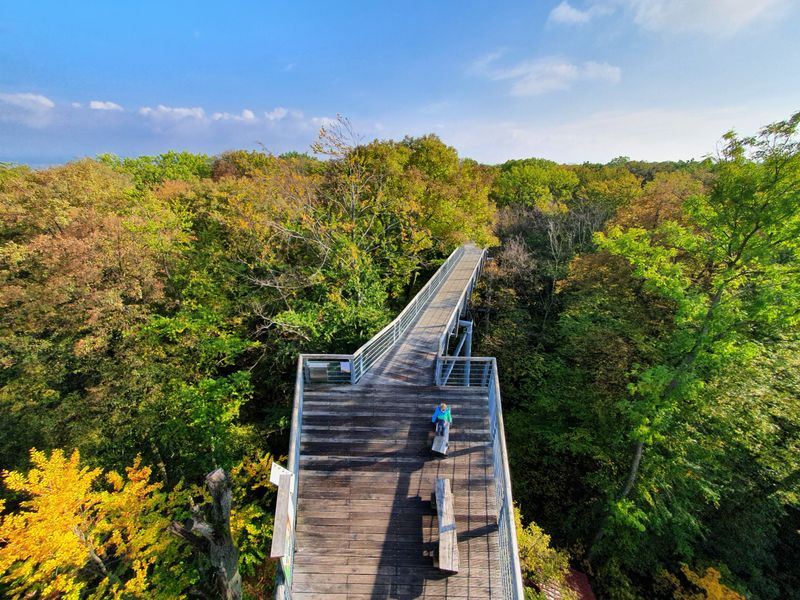
Walking among treetops reveals a forest world most people never see. Hainich National Park in Thuringia protects one of Europe’s largest unbroken deciduous forests, where ancient beech trees create a green cathedral that’s earned UNESCO World Heritage status.
The park’s treetop walkway lifts visitors into the canopy, bringing you eye-level with birds, insects, and foliage that thrive in the upper forest layers.
Ground-level trails wind through shade-dappled clearings where wildflowers bloom in spring and mushrooms sprout in autumn. Wild cats, rare woodpeckers, and countless other species thrive here thanks to strict protection that lets the forest develop naturally.
Unlike Germany’s more famous mountain parks, Hainich offers peaceful solitude where the only sounds are wind through leaves and birdsong.
Educational exhibits explain forest ecology without overwhelming you with information, while viewing platforms provide rest stops with panoramic forest views. The park’s central location makes it accessible from several Thuringian towns, yet it remains wonderfully uncrowded.
For anyone seeking deep forest immersion, wildlife watching, or simply breathing clean air under ancient trees, Hainich delivers primeval beauty without requiring wilderness expertise or mountain climbing skills.
Mosel River Valley Villages — Wine, Views & Quiet Roads
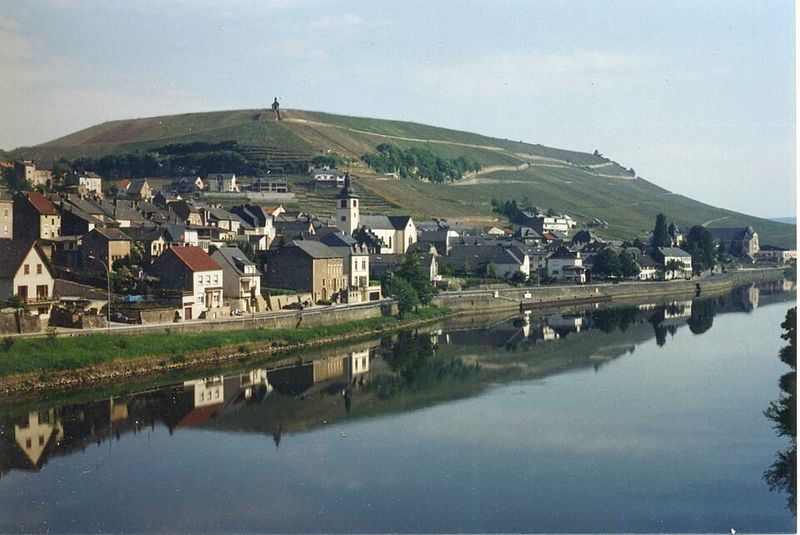
Steep vineyards climb hillsides above a river that loops through valleys like a silver ribbon. The Mosel River Valley creates some of Germany’s most romantic landscapes, where medieval villages cling to slopes and castle ruins crown hilltops overlooking endless rows of grapevines.
Towns like Cochem and Bernkastel-Kues draw visitors for wine tasting and riverside charm, but countless smaller hamlets remain blissfully quiet and authentic.
Winding roads follow the river through this wine country, each turn revealing another postcard view of half-timbered houses, church spires, and terraced vineyards. Local wineries welcome guests for tastings of Riesling and other regional varieties, often pouring wines while explaining family traditions spanning generations.
Riverside promenades invite leisurely walks, while hiking trails climb to viewpoints offering sweeping valley panoramas.
Small guesthouses provide comfortable lodging with home-cooked meals featuring local ingredients and wines. Autumn harvest season brings special festivals and golden light that photographers adore.
The Mosel’s gentler pace and less-developed villages reward travelers who venture beyond Germany’s major tourist routes, offering intimate cultural experiences and landscape beauty that make you want to slow down and savor every moment.
Share this story