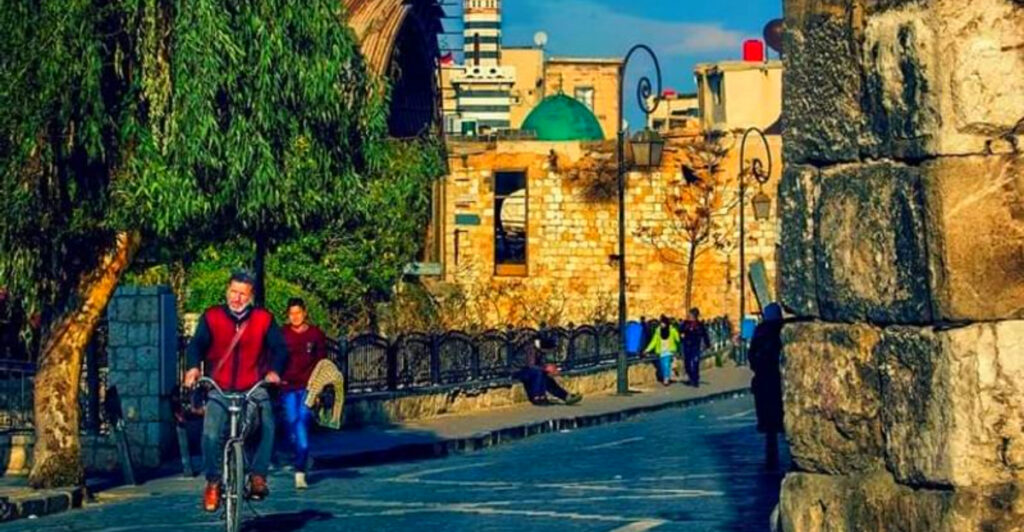
Some cities are so old their streets feel like time itself etched them into stone, yet people still wake up there, brew coffee, and head to work. You can walk from Bronze Age walls to buzzing markets in minutes, watching history and modern life share the same address.
Along the way, data tells a deeper story, like the UN estimating 55 percent of humanity lives in urban areas today, on track to hit 68 percent by 2050. Ready to see where the ancient world still hums with everyday life?
1. Athens, Greece
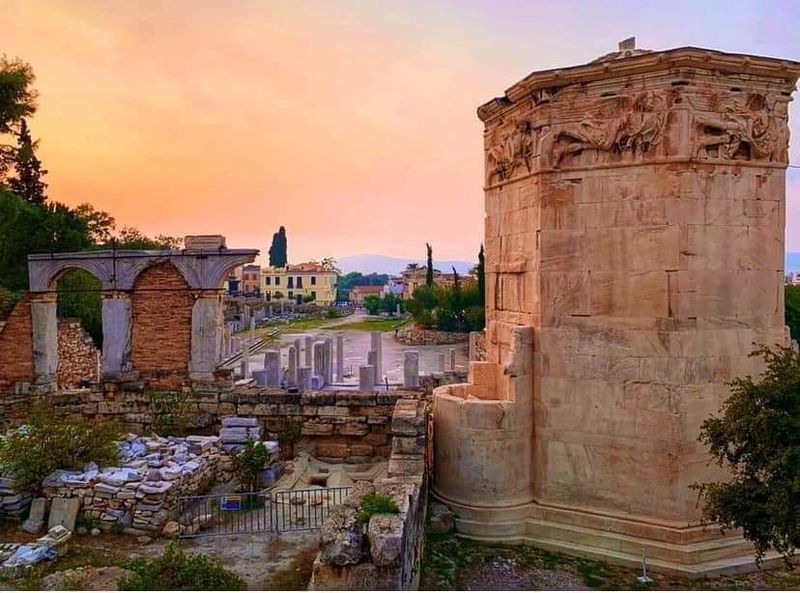
In Athens, antiquity sits eye level with daily life. You can ride the metro and surface beside the Acropolis, where the Parthenon crowns a limestone plateau like a timeless compass.
Down in Plaka, balconies overflow with bougainvillea, and tavernas serve grilled octopus within sight of fifth century BCE stones. The city’s layered timeline feels tangible, especially when you spot Roman columns tucked behind pharmacies and bakeries.
It is a place to learn by walking.
Modern Athens pulses with students, startups, and street art in Exarcheia and Psyrri. Tourism accounts for roughly 25 percent of Greece’s GDP, and Athens is a gateway to that engine, reshaping neighborhoods with boutique hotels and pedestrian upgrades.
Yet you can still catch a neighborhood souvlaki shop serving office workers on lunch break. Visit the Acropolis Museum for context, then time a sunset at Areopagus Hill.
You will leave with marble dust in your memory.
2. Rome, Italy
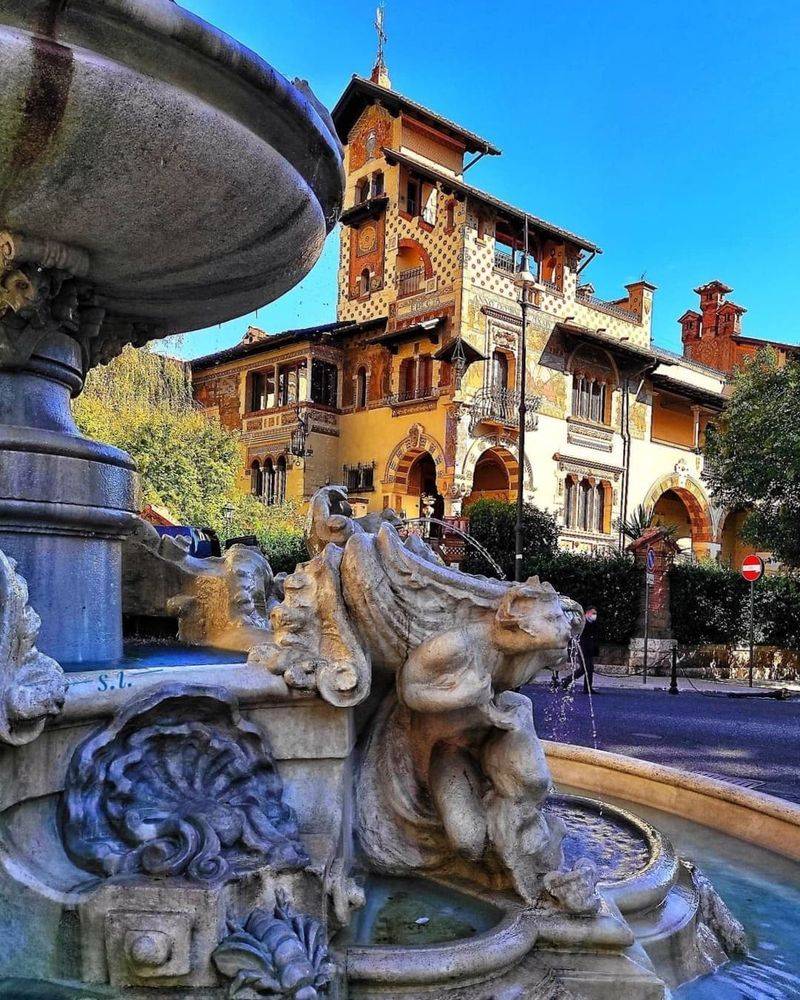
Rome feels like a living archive where emperors and espresso share the same timeline. The Colosseum’s ribbed arches rise beside traffic, and locals shortcut through ancient forums on their commute.
In Trastevere, laundry flutters above cobbled lanes as if centuries did not pass. You can trace aqueducts’ shadows while sipping an espresso that tastes focused and modern.
Even the Tiber embankments carry stories between bridges.
Contemporary Rome is dynamic, from creative studios in Ostiense to tech startups near Termini. Italy welcomed over 55 million international arrivals in 2023, and Rome captured a large slice, supporting hospitality jobs and preservation funds.
That influx pressures housing, but it also restores fountains and curates new archaeology parks. Do not skip the Centrale Montemartini museum, where Roman statues meet industrial turbines.
Then, stand in the Pantheon’s oculus rain and realize continuity is Rome’s greatest monument.
3. Varanasi, India
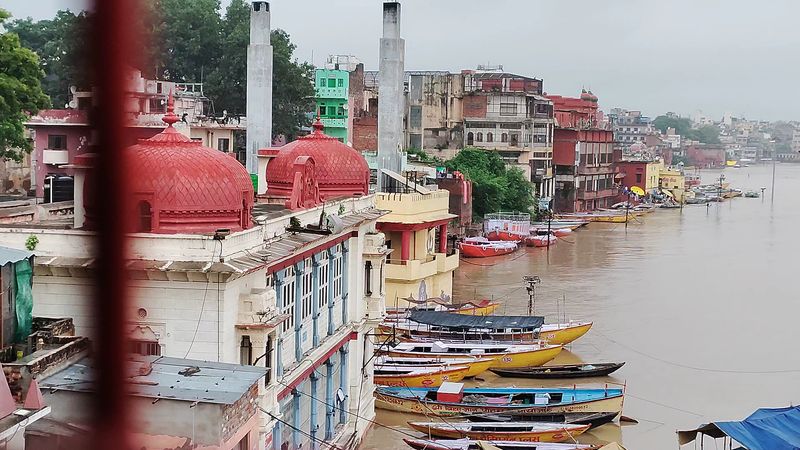
Varanasi wakes before sunrise, when saffron robes and conch shells call the Ganges to attention. On the ghats, morning light turns river mist into something numinous while shopkeepers unlock shutters for the day’s chai.
Pilgrims arrive by the thousands, some to bathe, some to study Sanskrit, many to mourn. Even the alleys seem to hum with centuries of footsteps, as if the city breathes ritual.
You feel like a respectful guest in a house much older than memory.
Despite the sacred cadence, Varanasi is unmistakably alive. Silk weavers thread looms in workshops, students crowd internet cafes, and food delivery scooters dodge holy cows.
India’s urbanization has topped 35 percent of the population, and Varanasi balances growth with heritage through riverfront cleanups and traffic reroutes. Evening aarti at Dashashwamedh Ghat unites visitors and locals in firelight.
Bring humility, closed shoes, and time to simply watch the river think.
4. Damascus, Syria
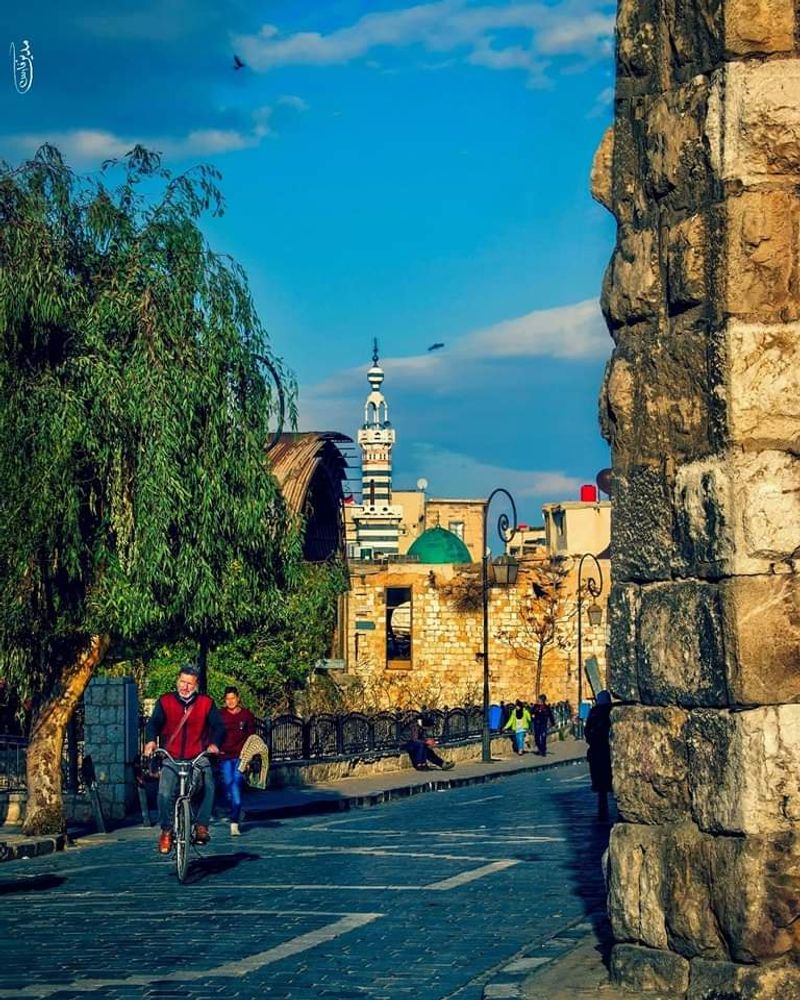
Old Damascus holds history inside narrow lanes perfumed by cardamom and jasmine. The Umayyad Mosque’s courtyard gleams, echoing footsteps under mosaicked arches that watched empires turn.
Vendors sell pistachio baklava from trays that look like family heirlooms. Even with hardship and conflict, the city’s soul persists in conversations over tiny cups of coffee and in the care of craftspeople restoring carved doors.
Walk slowly. This is a place for listening.
Continuity here is resilience as much as age. Families who left return to check homes, while others hold neighborhoods together through schools, clinics, and market trade.
NGO figures note millions displaced nationwide, yet Damascus demonstrates how communities keep rituals alive, from Ramadan lanterns to Damascene steel workshops. If you visit when safe and permitted, hire local guides who know current conditions and support small businesses.
Respect photos, ask permission, and remember that endurance is lived daily.
5. Aleppo, Syria
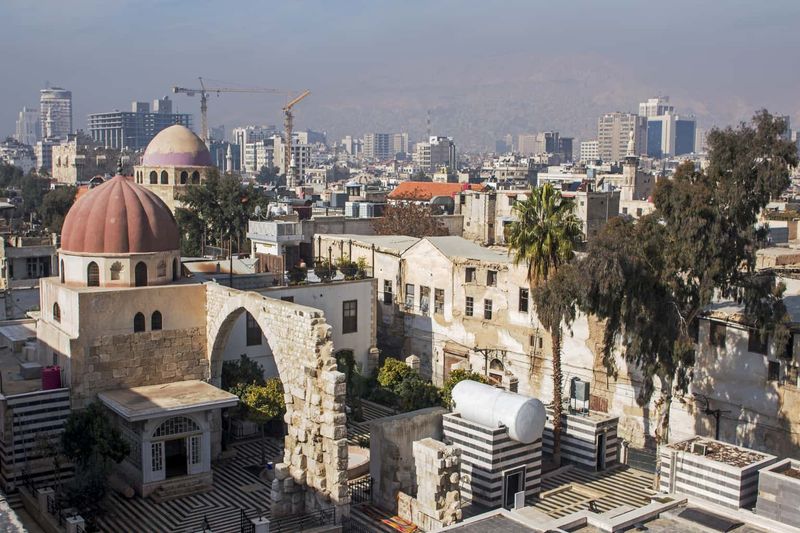
The Citadel of Aleppo commands a view that compresses eras into one skyline. Stone ramparts overlook lanes where merchants once sold soap and cumin by the sack, and they still do, bit by careful bit.
War scarred buildings and hearts, yet bakeries reopened and laughter returned to courtyards. You feel both ache and admiration walking past patched arches toward the souk.
Aleppo’s story today is restoration and routine mingling without ceremony.
International agencies and local groups document gradual recovery, counting reopened shops and rehabilitated stalls. Markets are employment engines, especially for women artisans and family businesses.
Food tells the tale best: kebab halabi sizzling near pistachio ice cream, a kitchen economy restitching itself. If travel becomes safe, pace with sensitivity, spending on local guides, textiles, and meals.
Every purchase says keep going. The Citadel’s silhouette at sunset feels like a promise the city keeps for itself.
6. Byblos, Lebanon
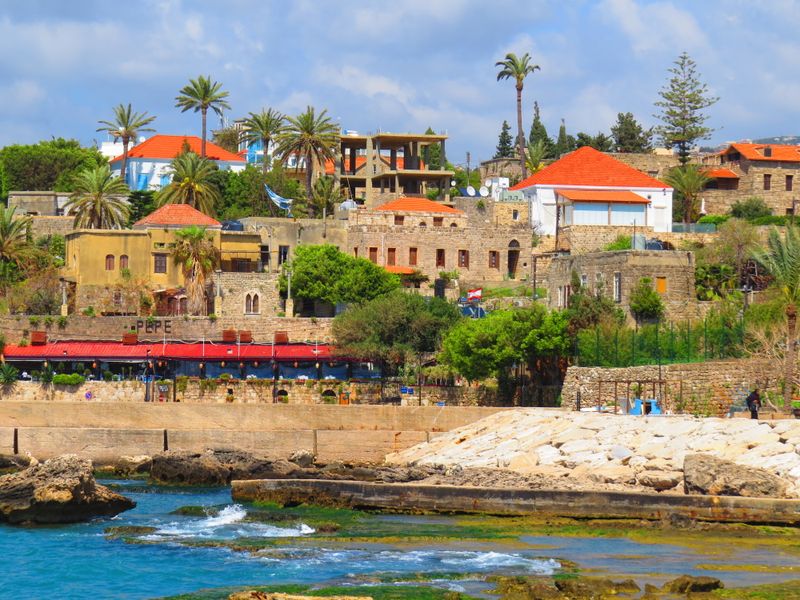
Byblos is where alphabets found their sea legs. Phoenician ruins terrace down to a snug harbor lined with fishing boats and cafes arranging plates of grilled fish under umbrellas.
Medieval walls knit around Roman columns like a museum without glass, and yet locals debate football while kids race along the quay. It is easy to slip from archaeology to aperitif in ten steps.
That effortless continuity is Byblos’s signature.
Tourism remains essential to Lebanon’s economy, and Byblos routinely ranks among its most visited coastal towns. Despite national headwinds, small guesthouses and craft markets keep the local cycle turning, from olive wood carvers to soap makers.
Visit the Crusader Castle, then trace inscriptions in the site museum to glimpse early writing trade. Sunset paints the harbor copper and pink.
Order coffee, hear Arabic and French braid together, and understand how ancient ports still teach connection.
7. Sidon, Lebanon
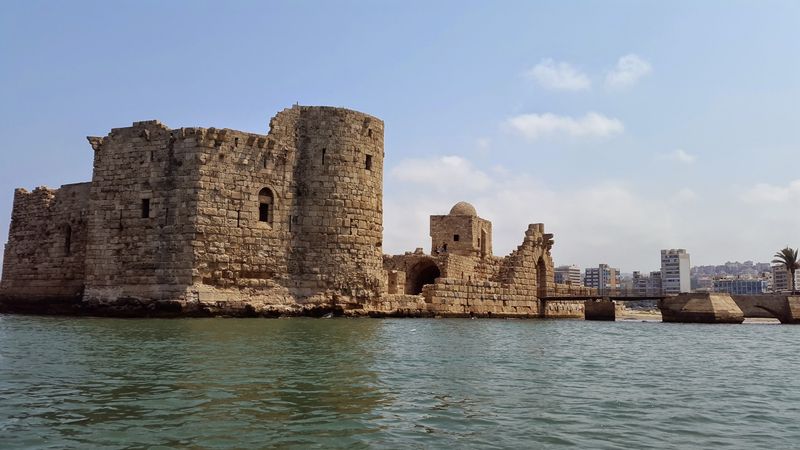
Sidon meets the Mediterranean with a stone causeway that strides into the Sea Castle. Fishers mend nets as scooters thread through lanes perfumed with zaatar and orange blossoms.
In the souk, mounds of spices glow like embers beside nablusi soap towers, while schoolkids weave between shoppers. Ruins and routine sit shoulder to shoulder here.
You feel the city living its age without self-consciousness, which is rare and beautiful.
Economically, Sidon’s port and markets supply nearby towns, and weekend visitors support cafes and bakeries clustered near the castle. Heritage projects stabilize ancient walls and restore khans into cultural spaces, creating jobs that respect tradition.
For travelers, mornings offer the best light and fewer crowds for photos. Step into the Debbane Palace to cool off and learn Ottoman home life.
Leave with soap wrapped in paper and the sense that commerce can preserve memory.
8. Plovdiv, Bulgaria
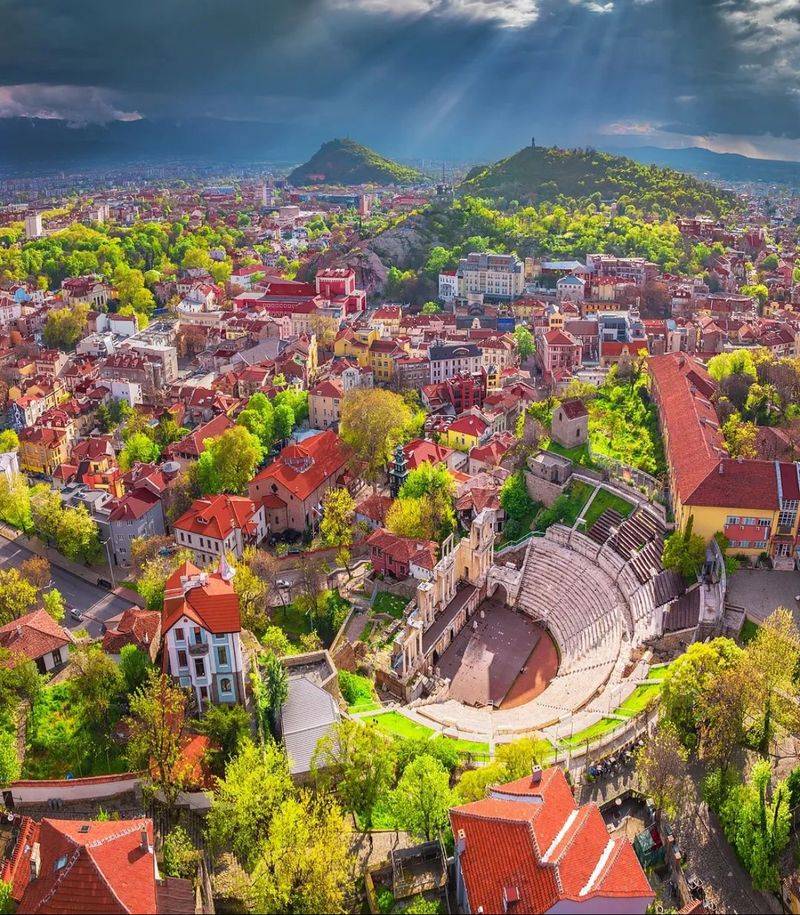
Plovdiv wears its ages like layered paint. The Roman Theater still hosts concerts overlooking a city that brews craft coffee and ideas in the Kapana district.
Cobbled Old Town streets tilt past Bulgarian Revival homes with painted eaves that seem to smile. You can step from a Thracian mound to a gallery opening within minutes.
It is the sort of contrast that makes your curiosity walk faster.
As Bulgaria’s second city, Plovdiv blends manufacturing, universities, and creative industries. When it served as European Capital of Culture, visitor numbers surged and small studios multiplied, strengthening a year round calendar of festivals.
For a quick plan, climb Nebet Tepe at golden hour, book theater seats if available, then eat at a family tavern serving shopska salad and grilled kebapche. The city’s manageable scale rewards wandering.
By night, Kapana’s lights thread history to the present like a bright seam.
9. Matera, Italy
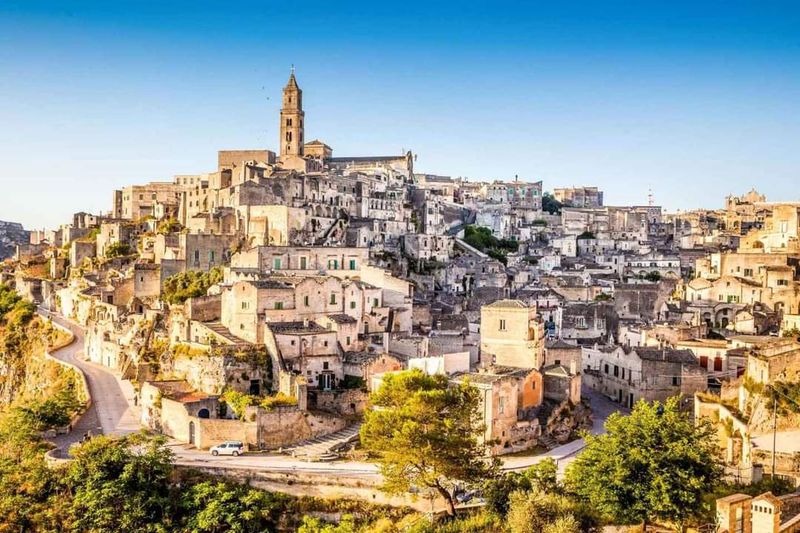
Matera looks prehistoric at first glance, a honeycomb of cave homes called the Sassi stacked along a ravine. Then you notice fiber internet signs and boutique doors tucked into limestone.
Families once left these caves for modern flats, but restoration flipped the script, turning many into hotels, galleries, and homes again. Walking at dusk, you hear cutlery, church bells, and music threading from one grotto to another.
The whole city feels like a stage set that cooks dinner.
Matera’s renaissance shows how preservation can be economic strategy. After EU backed projects and film productions, visitor nights climbed, creating jobs in hospitality and crafts.
That growth demands balance to protect residents’ quality of life, so consider staying longer, eating locally, and visiting less crowded churches like Santa Lucia alle Malve. Sunrise on the Murgia plateau shows cave churches glowing pink.
You will likely linger, then linger again.
10. Xi’an, China
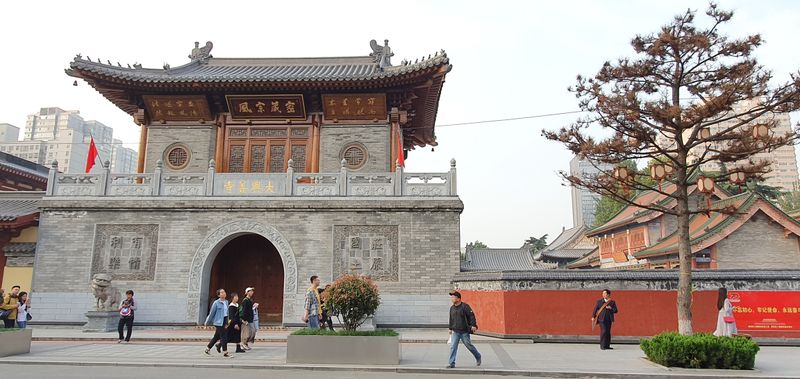
Xi’an anchors China’s historical memory with a city wall you can cycle in a loop above modern avenues. Food stalls sizzle in the Muslim Quarter, where cumin smoke and neon share the air with centuries of trade routes.
The Terracotta Army waits outside town, ranks of clay soldiers steady as ever while bullet trains hum nearby. It is a living capital of many pasts, still decisive in the present.
You read time in bricks and broth.
As a tech and education hub, Xi’an welcomes graduates and startups alongside millions of visitors yearly. China’s high speed rail network exceeds 40,000 kilometers, and Xi’an’s connectivity funnels tourism and business into the urban core.
Rent a bike on the wall, then explore calligraphy stele at Beilin Museum for quieter context. For dinner, try biangbiang noodles hand slapped into broad ribbons.
The city moves confidently between dynasty and deadline.
11. Luxor (ancient Thebes), Egypt
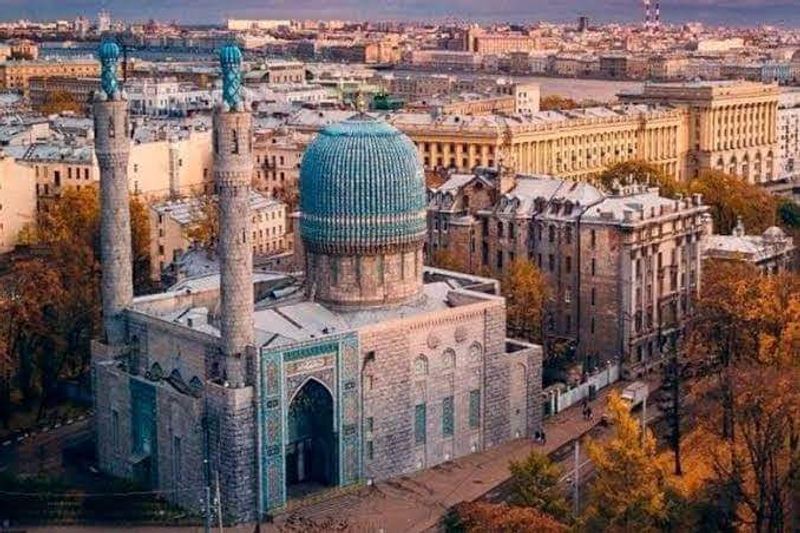
In Luxor, the Nile divides daily routines from pharaonic awe. Commuters ferry across to fields while stone colossi gaze over millennia.
Karnak’s hypostyle hall feels like a forest of papyrus turned to stone, and the Valley of the Kings hides quiet in the desert heat. Yet markets chatter, schoolkids in uniforms giggle past stalls, and feluccas tack into evening breeze.
Life persists under an ancient skyline that never gets ordinary.
Tourism is a key employer here, especially as Egypt invests in infrastructure and site management. Visitor patterns rely on seasonality, so mornings mean cooler temple walks and afternoons suit shaded museums.
Consider staying on the West Bank for village homestays that spread benefits beyond large hotels. Balloon rides at dawn offer a farmer’s mosaic of fields meeting ruins.
Luxor reminds you that agriculture and eternity have always negotiated along this river.
12. Fes, Morocco
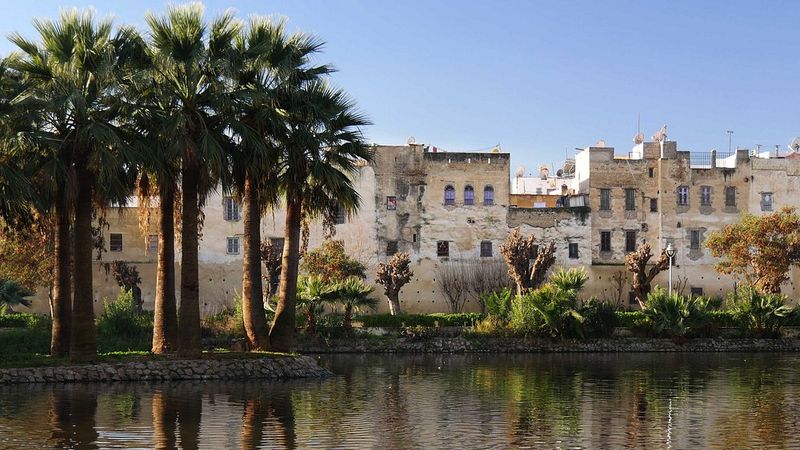
Fes el Bali is a labyrinth that teaches patience and rewards curiosity. The Chouara Tannery, with its earthen vats, still dyes leather using age old methods while shop owners negotiate with cheerful precision.
Minarets peek over rooftops like green bookmarks. Deliveries happen by mule, and you navigate by scent, sound, and sudden vistas.
It is one of the rare places where getting lost is the point and the pleasure.
Fes anchors Morocco’s craft economy through guilds that train new artisans in zellige, brass, and textiles. Tourism supports apprenticeships, so buying directly funds skill transmission.
Morocco welcomed over 14 million visitors in 2023, and Fes benefits from better rail links and riad renovations. To engage respectfully, hire certified guides, tip porters, and ask before photos.
At dusk, climb a terrace for the adhan drifting across the city. You will remember the echo long after directions fade.
13. Yazd, Iran
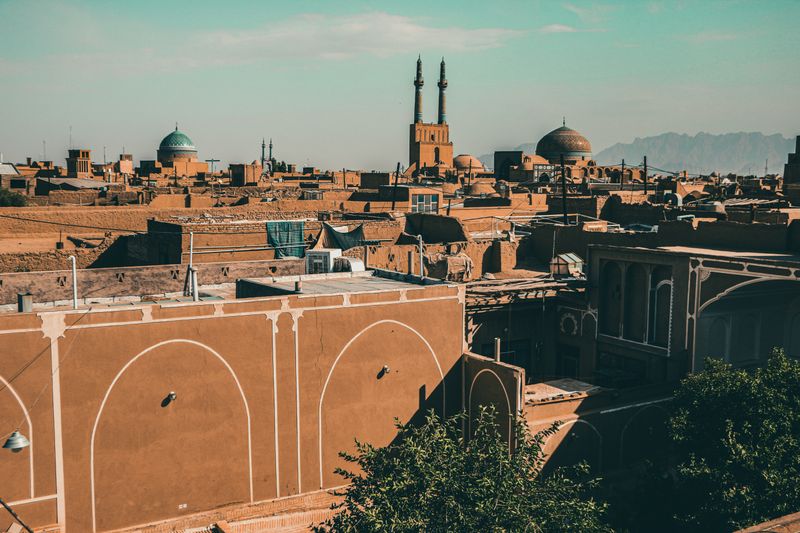
Yazd rises from desert sands with windcatchers that seem to breathe for the city. These tall badgirs funnel breezes into adobe homes, proof that sustainability is not a trend but tradition.
Between alleys, the Jameh Mosque’s blue tiles glow like water. Bakeries scent mornings with sesame flatbread while cyclists glide past courtyard doors.
You feel the calm efficiency of a place engineered for heat and community.
UNESCO recognized Yazd for its intact earthen architecture and urban planning. Local industries span textiles, sweets, and solar adoption that riffs on ancient climate logic.
For travelers, rooftop cafes reveal a horizon of ochre geometry at sunset. Visit Zoroastrian sites like the Fire Temple and Towers of Silence to trace faith lines through the landscape.
Respect dress codes and local customs, and you will find conversations as warm as the color of the walls.
14. Cusco, Peru
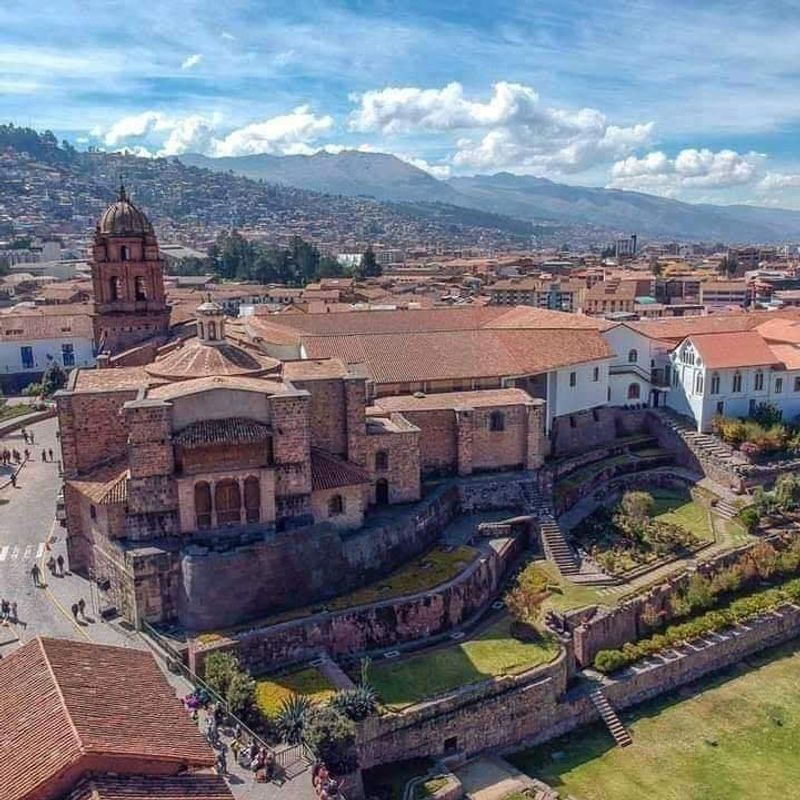
Cusco walks on Inca bones. Cyclopean stones form foundations so precise a blade cannot slip between them, and Spanish arcades rest atop with quiet inevitability.
Around the Plaza de Armas, dancers rehearse festivals that braid Quechua tradition with modern music. Markets brim with potatoes in rainbow shades, and cafes fuel treks into the Sacred Valley.
You sense altitude in your lungs and history in your stride.
Tourism drives jobs and conservation across the region, with Cusco as the staging ground for Machu Picchu journeys. Authorities introduced timed entries and route controls to protect sites, a model that keeps heritage viable.
Acclimate first, hydrate, and explore lesser known Inca roads like Qenqo and Tipon. Eat lomo saltado one night and quinoa soup the next to taste fusion at the source.
The city teaches adaptation, a skill as old as its stones.
15. Jericho, West Bank, Palestine
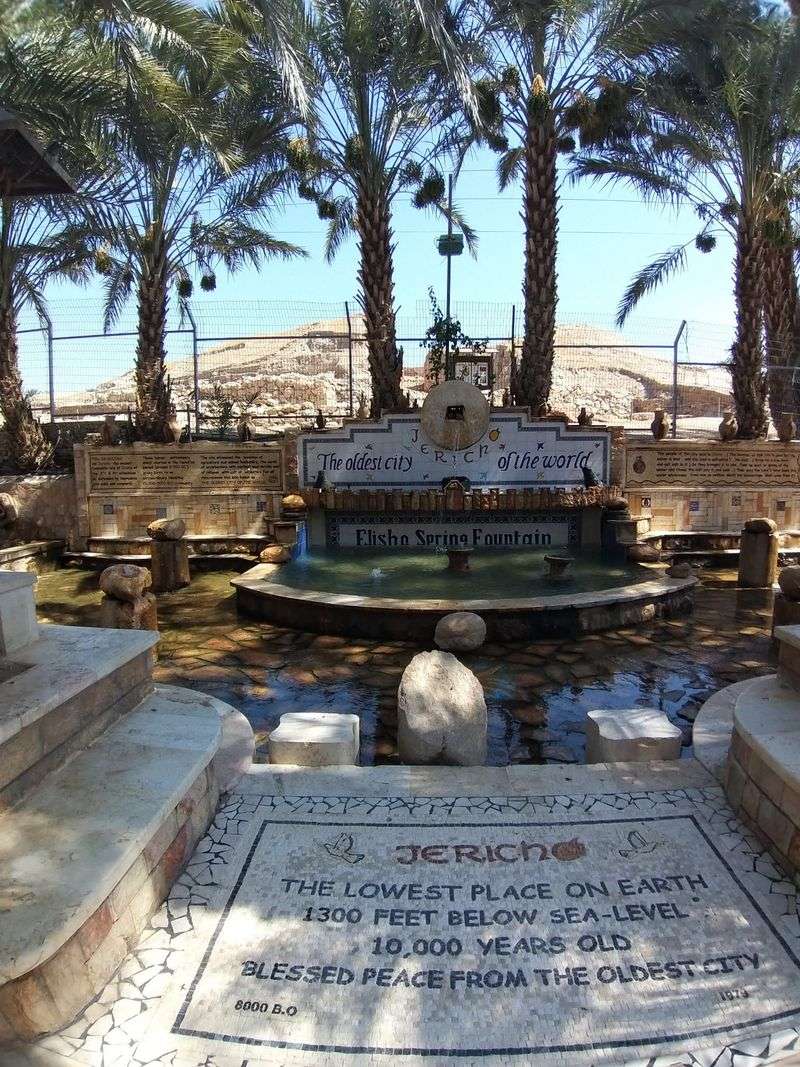
Jericho’s claim as one of the world’s oldest inhabited cities feels believable the moment you see Tell es Sultan. An ancient tower rises from dust while date palms nod toward apartment blocks.
Markets sell citrus and herbs as buses offload schoolkids beside millennia of earth layers. The scale is humble, but the timeline is extraordinary.
You experience a conversation between prehistory and present tense under a generous sky.
Agriculture, especially dates and citrus, anchors the local economy, with tourism adding seasonal lift. Archaeological projects bring scholars and funding, and new signage helps visitors interpret complex digs.
If you go, respect site boundaries and consider hiring local guides for context on water systems and walls. The Dead Sea is a short drive, pairing deep time with deep salt.
Jericho proves that continuity can look like daily chores done beside the first city’s bones.
Share this story