I still remember the first time I walked into a place that felt like it had slipped through a crack in time – low lights, bamboo everywhere, carved tiki idols watching from the shadows, and the scent of rum-heavy cocktails hanging in the air. In Fort Lauderdale, where sleek beach bars and modern lounges seem to pop up overnight, it’s rare to find somewhere that hasn’t traded its soul for a refresh.
But this local legend hasn’t changed its tune. For decades, it’s been pouring powerful tropical drinks and staging Polynesian performances that make you forget you’re anywhere near the city.
If you’re craving a true old-school escape, it’s time to step inside MAI-KAI Restaurant and Polynesian Show.
A Living Time Capsule From the Golden Age of Tiki
Walking into the MAI-KAI feels like stepping through a portal to 1956, and honestly, that’s exactly what the owners want. The restaurant opened during the height of America’s tiki craze, when returning World War II veterans brought back stories of exotic Pacific islands.
Everything from the hand-carved tikis to the bamboo walls remains virtually unchanged from opening day.
I remember my first visit as a kid, thinking I’d somehow landed in Hawaii without boarding a plane. The tropical gardens surrounding the building create an immediate sense of escape, with waterfalls, koi ponds, and lush greenery blocking out the Federal Highway traffic.
It’s deliberately over-the-top in the best possible way.
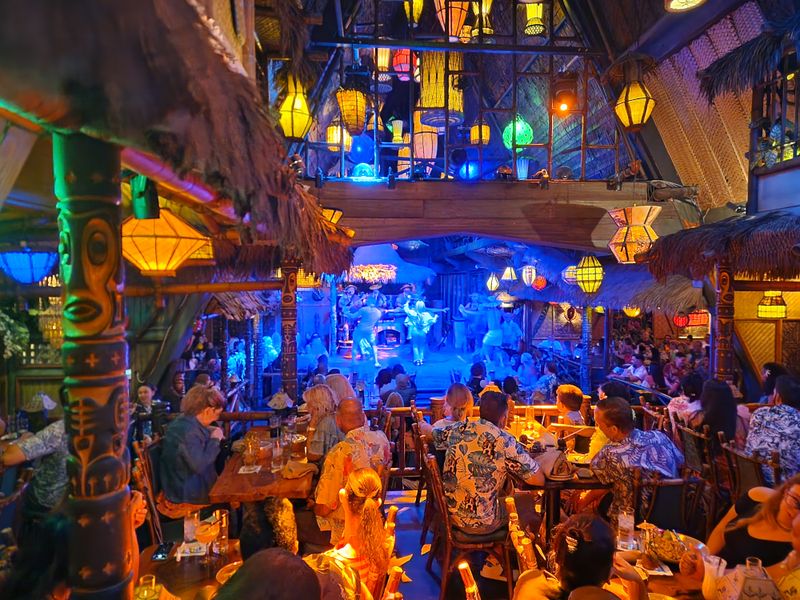
The building itself is an architectural gem, designed to resemble a Polynesian longhouse with soaring thatched roofs and open-air sections. Unlike modern restaurants that go for sleek minimalism, the MAI-KAI embraces maximalism with carved wooden columns, woven wall coverings, and enough bamboo to build a small village.
Every corner reveals another detail, from pufferfish lamps to vintage nautical maps.
This commitment to preserving the original vision has earned the MAI-KAI a spot on the National Register of Historic Places, making it one of the few tiki restaurants with official historical designation.
The Mystery Bowl: Cocktails That Arrive on Fire
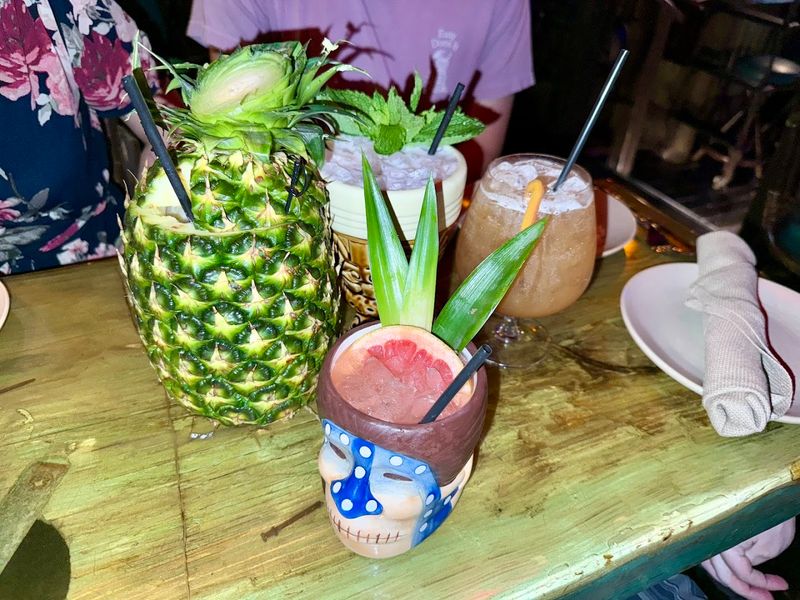
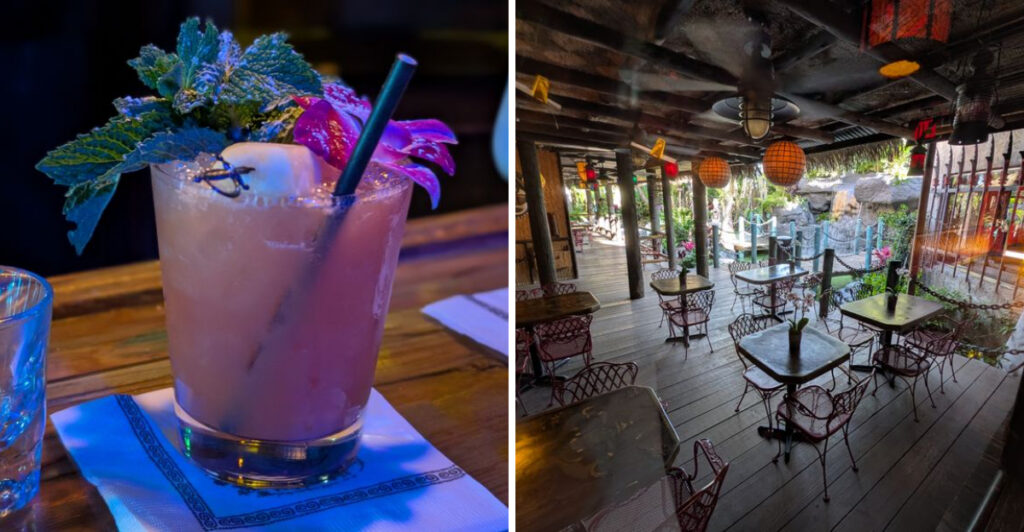
Forget everything you know about ordinary bar drinks because the MAI-KAI’s cocktail menu reads like a sorcerer’s spellbook. With over 50 exotic rum concoctions, many served in ceramic tiki mugs you’ll want to smuggle home, the bar program here is legendary among tiki enthusiasts.
Several recipes remain closely guarded secrets, passed down only to select bartenders who swear oaths of silence.
The Mystery Bowl arrives at your table literally on fire, creating a spectacle that stops conversations at neighboring tables. Designed for sharing, this enormous vessel contains multiple types of rum, fresh juices, and secret ingredients that create a surprisingly balanced drink despite its theatrical presentation.
Pro tip: the flames aren’t just for show; they caramelize the sugars and add a subtle smoky flavor.
Each cocktail gets crafted with fresh-squeezed juices, quality rums, and house-made syrups. The bartenders here aren’t just pouring drinks; they’re performing liquid alchemy.
The Barrel O’Rum, served in a miniature wooden barrel, contains enough booze to knock out a small elephant yet goes down dangerously smooth.
The Polynesian Revue: Dinner Theater Done Right
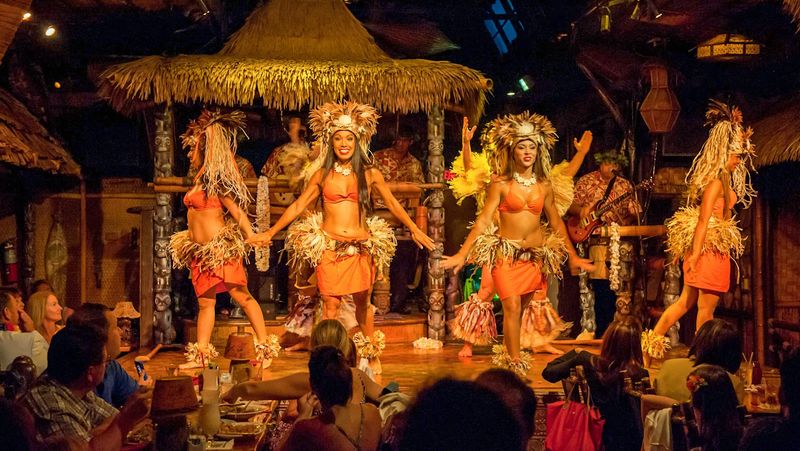
Twice nightly, the MAI-KAI transforms from restaurant to showroom as the lights dim and drums begin pounding. The Polynesian Revue has been running continuously since opening night, making it one of America’s longest-running dinner shows.
Real dancers from Pacific islands perform traditional dances from Hawaii, Tahiti, Samoa, and New Zealand, not actors in costumes pretending.
The fire knife dance finale gets hearts racing as performers spin flaming blades inches from audience members. I’ve seen this show multiple times, and the skill level never fails to amaze me.
These aren’t gentle flame twirls; we’re talking about legitimate athletic performances where one mistake could mean serious burns.
The show rotates performers and occasionally updates choreography, but maintains traditional authenticity. Unlike some dinner theaters that dumb down their acts, the MAI-KAI respects both the art forms and the audience’s intelligence.
Reservations for show seating fill up fast, especially on weekends, so book ahead if you want the full experience.
Chinese-Polynesian Fusion Before Fusion Was Cool
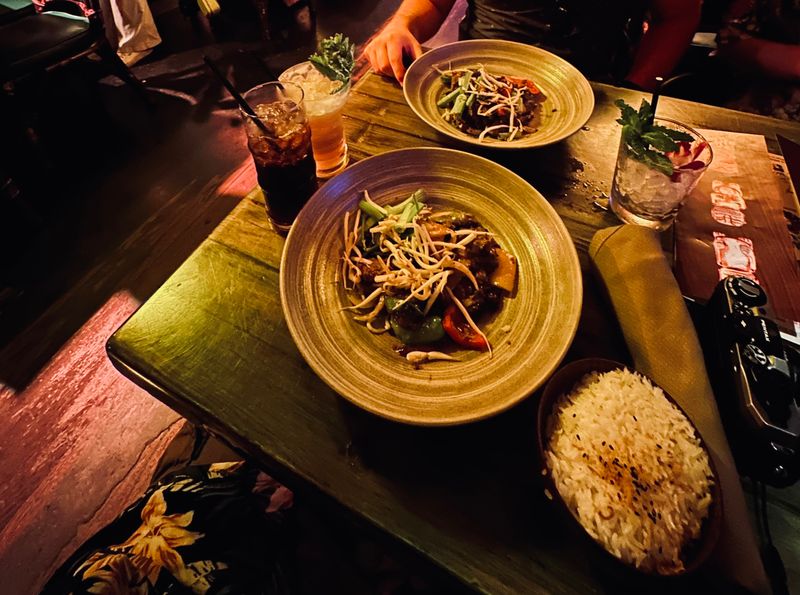
Here’s where the MAI-KAI gets delightfully weird: it serves Chinese food at a Polynesian restaurant, and somehow it works perfectly. This combination reflects the historical reality of Chinese immigrants throughout Pacific islands, creating a fusion cuisine long before celebrity chefs made fusion trendy.
The menu features everything from egg rolls to teriyaki steak, all with that vintage tiki restaurant twist.
The famous Pupu Platter arrives on a flaming tray, because apparently regular appetizer platters are too boring. Egg rolls, spare ribs, rumaki, and other finger foods surround a small hibachi flame in the center.
It’s designed for sharing, though I’ve witnessed solo diners tackle the whole thing through sheer determination and hunger.
Is it authentic Chinese cuisine? Not remotely.
Is it authentic Polynesian food? Also no. But it’s authentically MAI-KAI, representing a specific moment in American culinary history when exotic meant combining everything vaguely Asian or Pacific into one glorious, MSG-laden feast.
The Molokai Bar: Where Serious Tiki Geeks Gather
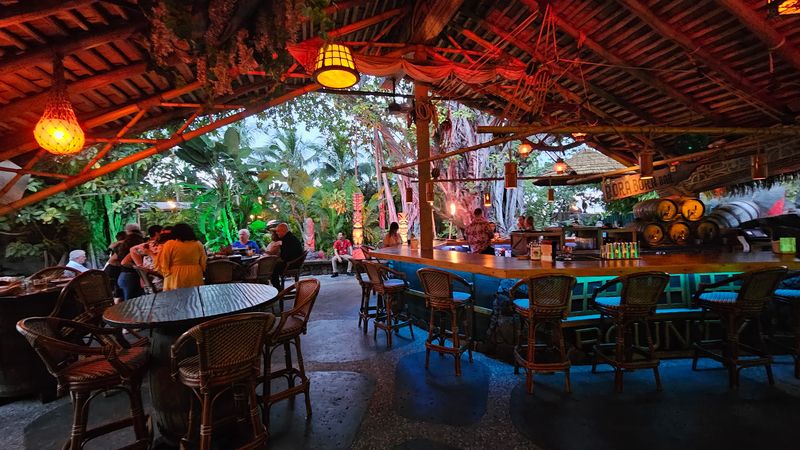
Tucked away from the main dining room, the Molokai Bar functions as the MAI-KAI’s beating heart and soul. This intimate space attracts hardcore tiki enthusiasts who can recite rum varieties like baseball statistics and debate the proper ratio of lime to orgeat in a proper Mai Tai.
The bar seats maybe 20 people maximum, creating an exclusive clubhouse atmosphere.
Hundreds of vintage tiki mugs line the shelves behind the bar, representing decades of collecting and trading. Some date back to the 1950s and would fetch serious money on eBay, but they’re not for sale.
The bartenders here know their stuff, capable of making obscure drinks from memory and offering recommendations based on your flavor preferences rather than just pushing the most expensive option.
Unlike the family-friendly dining room, the Molokai Bar skews toward adult conversation and serious drinking. I’ve spent entire evenings perched on a barstool, chatting with visitors from California who made pilgrimages specifically to experience this legendary watering hole.
The regulars treat newcomers like potential converts to the tiki religion, eager to share knowledge and recommendations.
Getting a seat here on weekends requires either luck or strategic timing. Arrive early, stake your claim, and prepare for an education in classic cocktail culture that few modern bars can match.
Vintage Decor That Money Can’t Buy Anymore
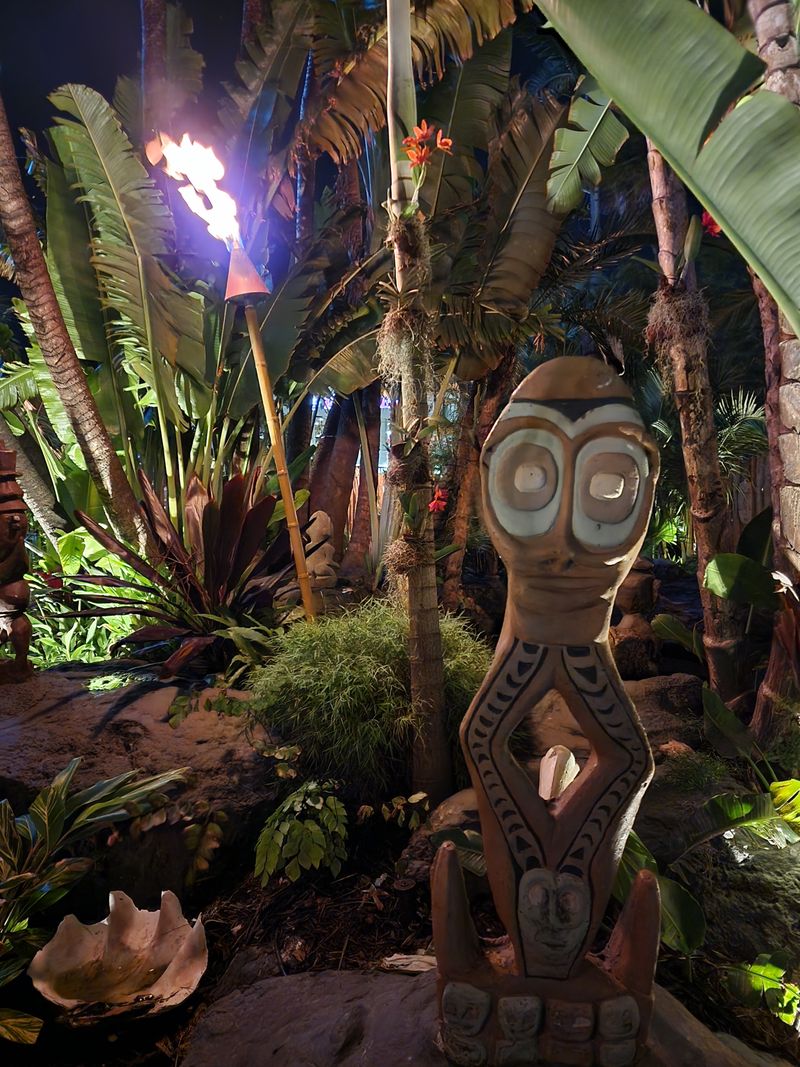
Every square inch of the MAI-KAI contains artifacts, decorations, and design elements that simply don’t exist in modern manufacturing. The carved tikis were created by skilled artisans decades ago, the vintage glassware comes from closed factories, and the authentic Polynesian artifacts represent genuine cultural pieces rather than cheap imports.
Walking through feels like touring a tiki museum that happens to serve drinks.
Giant clam shells function as light fixtures, pufferfish lamps dangle from bamboo ceilings, and fishing nets draped with glass floats create textured walls. The attention to detail borders on obsessive, with themed rooms featuring different Polynesian island aesthetics.
One section might evoke Tahitian elegance while another captures Hawaiian beach shack vibes.
The tropical fish tanks aren’t just decorative additions; they’re carefully maintained ecosystems featuring exotic species that mirror the underwater world of Pacific reefs. I once spent twenty minutes watching a lionfish patrol its tank, hypnotized by its flowing fins and venomous spines.
These aren’t afterthoughts; they’re integral to the immersive environment.
Original artwork depicting island scenes covers the walls, much of it commissioned specifically for the restaurant in the 1950s and 1960s. The paintings show an idealized version of Polynesia that never quite existed but captured American imagination during the postwar exotic craze.
Their slightly faded colors and mid-century style add authenticity you can’t fake with new reproductions.
The Gardens: Tropical Paradise in South Florida
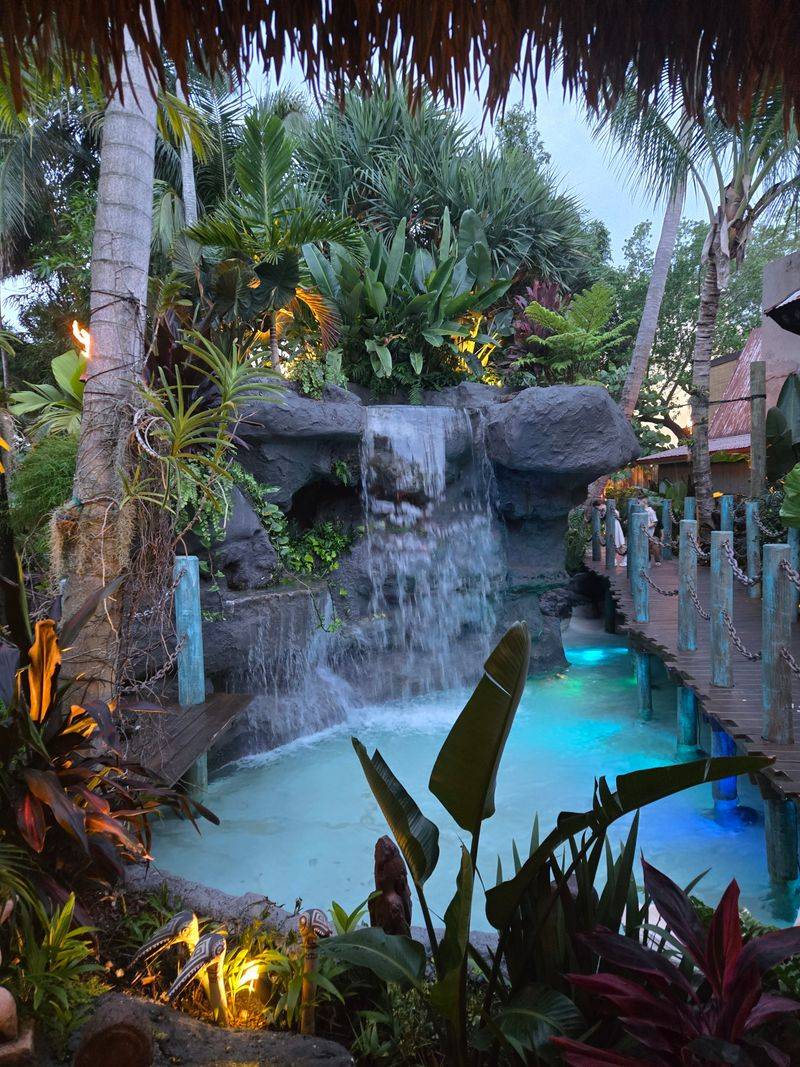
Before you even enter the building, the MAI-KAI’s elaborate gardens set the mood with waterfalls, koi ponds, and enough tropical vegetation to make a botanist weep with joy. The landscaping team maintains this outdoor paradise year-round, fighting South Florida’s occasional cold snaps to keep everything lush and green.
Stone pathways wind through the grounds, creating photo opportunities at every turn.
The koi pond near the entrance has become an unofficial pre-dinner attraction, with guests tossing food to fish that have grown to impressive sizes over the years. Some of these koi are probably older than many of the restaurant’s patrons, gliding through the water like colorful submarines.
The sound of flowing water immediately transports visitors away from the nearby traffic noise.
Tiki torches line the walkways, lit at dusk to create flickering shadows that dance across the foliage. During my evening visits, I’ve made it a ritual to arrive early and walk the gardens before heading inside.
It’s a transition period that helps shift your mindset from everyday Florida to exotic island escape.
The gardens also serve practical purposes, providing fresh flowers for drink garnishes and table decorations. Orchids, hibiscus, and other tropical blooms get harvested regularly, ensuring that the garnish on your cocktail was growing outside just hours earlier.
This farm-to-glass approach adds an authentic touch that plastic flowers simply can’t match.
Tiki Mug Collectors’ Holy Grail
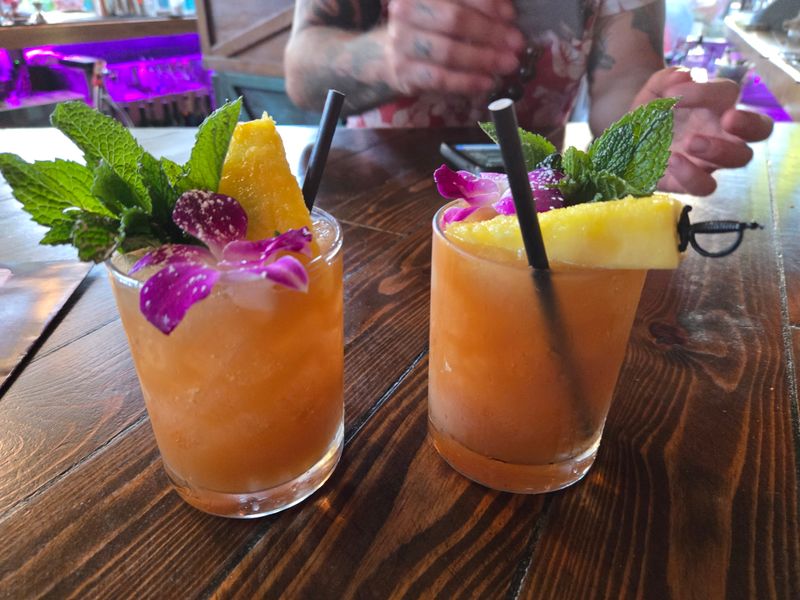
Serious tiki mug collectors consider the MAI-KAI’s custom drinkware among the most desirable pieces in the hobby. Over the decades, the restaurant has commissioned dozens of unique mug designs, some now worth hundreds of dollars on the secondary market.
The current mugs available for purchase pale in comparison to vintage specimens from the 1960s and 1970s, which occasionally surface at estate sales and send collectors into bidding frenzies.
Each cocktail arrives in a specific mug designed to complement the drink’s theme. The Shrunken Skull comes in a creepy miniature head, the Mystery Bowl uses a massive communal vessel, and various other drinks feature everything from volcanic eruptions to tropical birds.
The ceramic craftsmanship on these mugs exceeds what most modern manufacturers produce.
I’ll confess to
The Mystery of the Secret Recipes
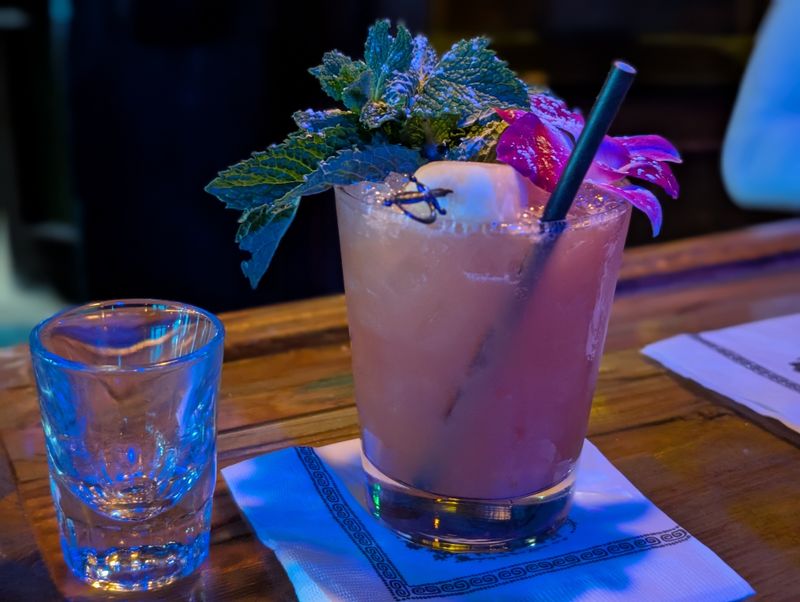
Certain MAI-KAI cocktail recipes exist nowhere else on Earth, locked away in a vault and known only to a select few bartenders. The owners guard these formulas like nuclear launch codes, creating mystique that draws cocktail enthusiasts from around the world.
Even former employees who signed non-disclosure agreements claim they never learned the complete recipes for signature drinks.
The secrecy isn’t just marketing gimmickry; it’s survival strategy. During tiki culture’s decline in the 1970s and 1980s, many classic tiki bars closed and their recipes vanished forever.
The MAI-KAI’s protected formulas represent irreplaceable pieces of cocktail history. Modern tiki revivalists have attempted to reverse-engineer these drinks through careful tasting and chemical analysis, but something always seems slightly off.
Some drinks contain ingredients that aren’t even listed on the menu, with bartenders adding mystery components from unmarked bottles beneath the bar. I once asked a bartender what made the Black Magic so special, and he just smiled and said, “If I told you, it wouldn’t be magic anymore.” Frustrating?
Absolutely. But also kind of enchanting in an age where every recipe lives one Google search away.
A Family Business Spanning Generations
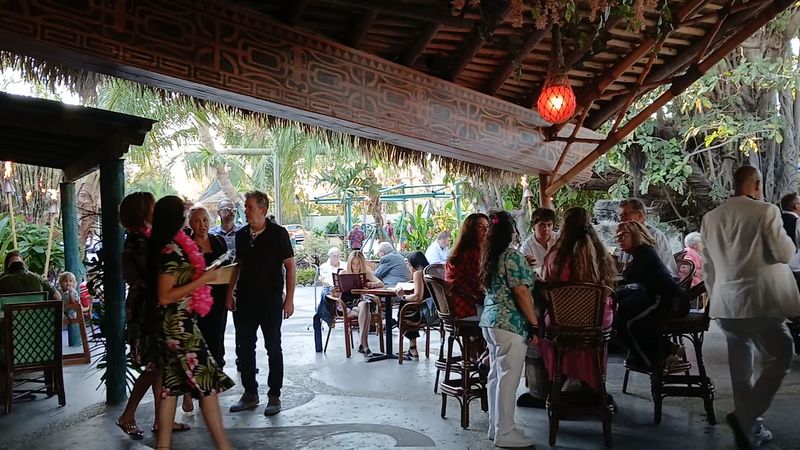
Unlike corporate restaurant chains where managers rotate every few years, the MAI-KAI has remained family-owned since opening day. The Thornton family built this tiki temple and their descendants continue operating it with the same passion and attention to detail.
This continuity explains how the restaurant maintains its authentic character while so many similar establishments have closed or sold out.
The current generation faces unique challenges their grandparents never imagined. Maintaining a 1950s aesthetic in the Instagram age requires balancing preservation with adaptation.
They’ve added modern conveniences like online reservations and social media presence while keeping the core experience unchanged. It’s a delicate dance between honoring history and staying relevant.
Family stories permeate the restaurant’s culture, with longtime staff members sharing tales of previous generations and memorable moments spanning decades. One server told me about serving celebrities in the 1970s, when the MAI-KAI represented Fort Lauderdale’s hottest nightspot.
The institutional knowledge these veterans possess can’t be replaced or taught in training manuals.
Hurricane Survival and Resilience
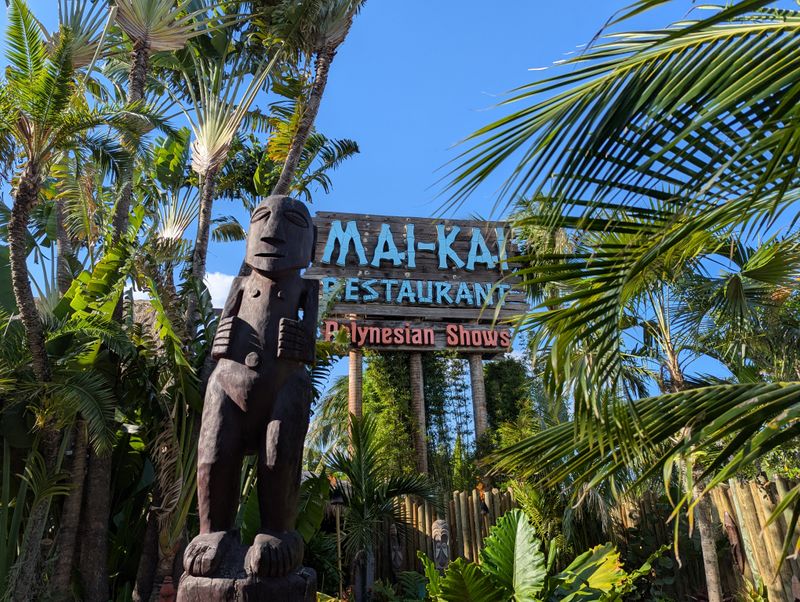
South Florida’s hurricane corridor has thrown everything at the MAI-KAI over nearly seven decades, yet the restaurant keeps bouncing back. Multiple major storms have damaged the property, requiring extensive repairs and occasionally forcing temporary closures.
The thatched roofs, while aesthetically perfect, aren’t exactly hurricane-proof, necessitating frequent reconstruction after severe weather.
Hurricane Wilma in 2005 caused significant damage, flooding parts of the property and destroying landscaping that took years to restore. But the family and staff rallied, treating restoration as a labor of love rather than just business necessity.
Longtime customers donated time, money, and labor to help rebuild their beloved tropical escape.
The gardens particularly suffer during hurricanes, with mature trees toppled and carefully cultivated tropical plants destroyed by salt spray and wind. Each recovery involves not just rebuilding structures but recreating the lush environment that makes the MAI-KAI special.
It’s like repainting a masterpiece from memory after the original gets damaged.
The Dress Code: Vintage Standards in Modern Times
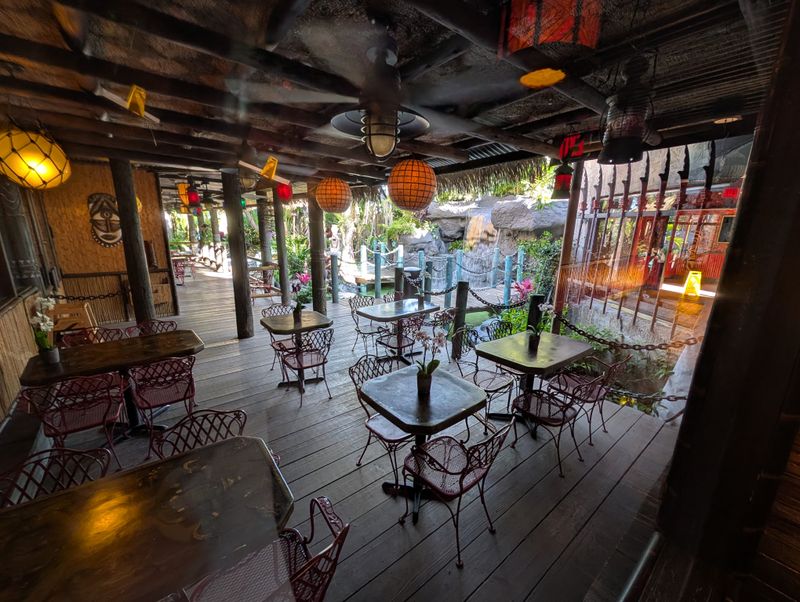
The MAI-KAI maintains a dress code that surprises first-time visitors expecting beach bar casualness. No shorts, no flip-flops, no tank tops – this isn’t some dive bar with sand floors.
The policy reflects the restaurant’s origins as an upscale supper club where people dressed up for nights out, treating dining as an event rather than just refueling.
Modern customers occasionally balk at these requirements, showing up in beachwear and getting turned away at the door. The staff remains firm, offering to reschedule reservations but refusing to compromise standards.
I’ve witnessed awkward conversations where tourists argue that “it’s Florida” and “we’re on vacation,” but the rules exist for good reasons beyond simple snobbery.
Smart casual works fine – you don’t need a tuxedo or evening gown.
Celebrity History and Hollywood Connections
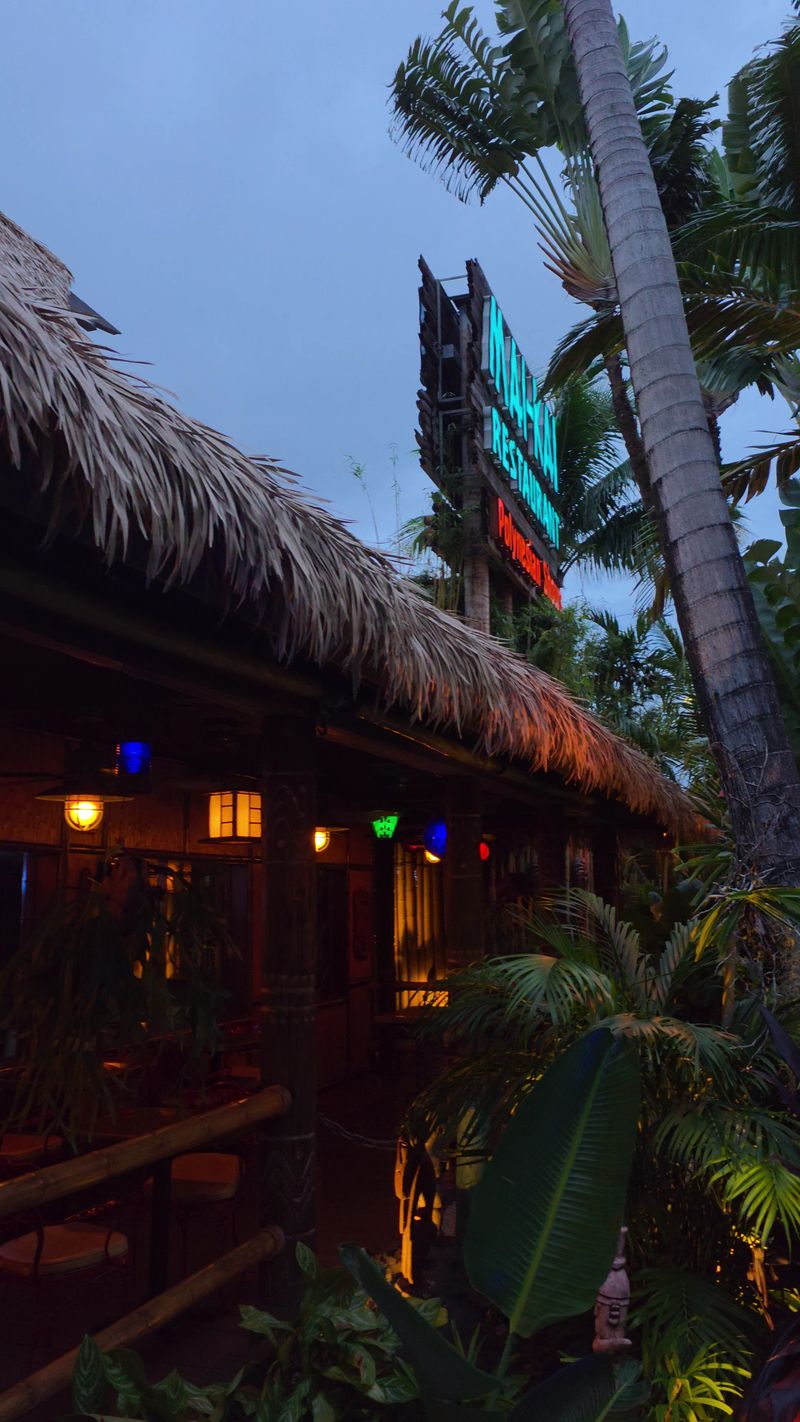
During its heyday, the MAI-KAI attracted celebrities like moths to a tiki torch. Frank Sinatra reportedly drank here, Elvis Presley stopped by during Florida visits, and countless politicians, athletes, and entertainers made it their Fort Lauderdale destination.
The walls display signed photos documenting decades of famous faces, though many younger visitors no longer recognize the faded black-and-white stars.
The restaurant’s proximity to Fort Lauderdale’s beach hotels made it a natural celebrity hangout during the 1960s and 1970s when the area rivaled Miami Beach for glamorous nightlife. Musicians performing at local venues would stop by after shows, creating impromptu jam sessions in the bar.
These spontaneous moments became legendary stories passed down through staff generations.
Modern celebrities still visit occasionally, though the social media age makes discreet dining nearly impossible. The MAI-KAI doesn’t publicize celebrity sightings or make a fuss, maintaining the same service standards whether you’re a movie star or a schoolteacher.
This democratic approach to hospitality reflects old-school restaurant values that prioritized experience over exclusivity.
The Rum Collection: A Liquid Library
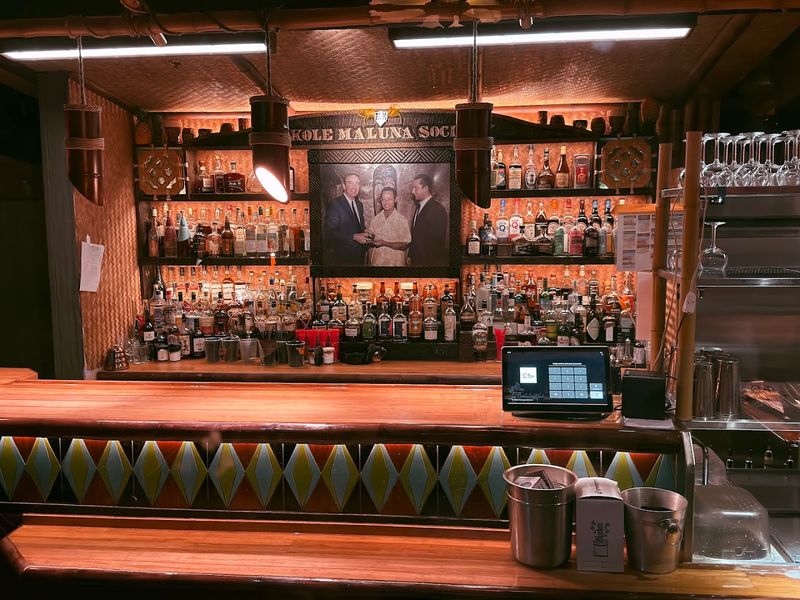
Behind the bar sits a rum collection that would make Caribbean distillers jealous. The MAI-KAI stocks dozens of varieties from islands across the Pacific and Caribbean, including rare bottles no longer in production.
Some bartenders can identify rums by taste alone, demonstrating expertise that comes only from years of dedicated study and countless cocktails.
The restaurant’s cocktail program treats rum with the same reverence wine bars show toward vintage Bordeaux. Different drinks require specific rum styles – light Puerto Rican rums for delicate drinks, heavy Jamaican rums for bold flavors, and aged Barbados rums for sophisticated sipping.
This attention to detail elevates tiki cocktails from sugary fruit bombs to complex, layered experiences.
Rum education happens organically here, with bartenders explaining differences between pot-still and column-still distillation or discussing how aging in different climates affects flavor profiles. I’ve learned more about rum at the MAI-KAI than from reading cocktail books, because theory meets practice when someone’s actually mixing drinks in front of you.
The Future of a Tiki Institution
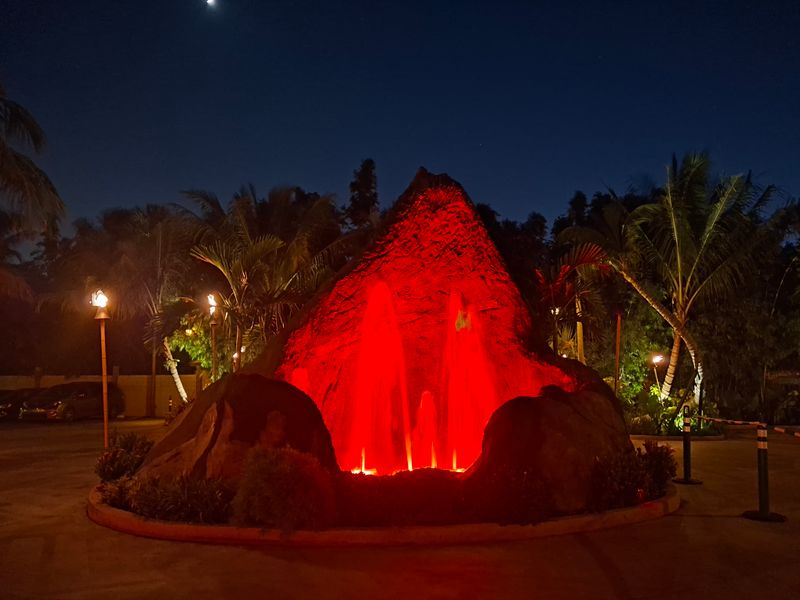
As the MAI-KAI approaches its seventh decade, questions about longevity and relevance intensify. Can a mid-century theme restaurant survive in an era of fast-casual dining and delivery apps?
The answer seems to be yes, but only through careful adaptation that honors tradition while embracing necessary changes. The restaurant has discovered that authenticity and history actually attract younger customers seeking experiences that feel real rather than manufactured.
Social media has unexpectedly become the MAI-KAI’s best marketing tool, with Instagram-worthy drinks and vintage aesthetics generating organic promotion from visitors. Millennials and Gen Z customers appreciate the analog experience of a place without TVs or modern distractions, finding refuge from digital overload in bamboo-walled escapism.
The same old-fashioned qualities that seemed outdated in the 1990s now feel refreshingly different.
Challenges remain significant. Rising costs, labor shortages, and changing dining habits threaten all independent restaurants, especially those requiring extensive maintenance like the MAI-KAI.
The family owners must balance financial realities with preservation goals, finding ways to increase revenue without compromising the experience that makes the place special.
Yet the MAI-KAI’s continued survival suggests that quality, authenticity, and commitment to craft still matter. In a homogenized restaurant landscape dominated by chains and concepts, this tiki palace proves that unique, family-owned establishments can thrive when they refuse to compromise their vision.
Share this story