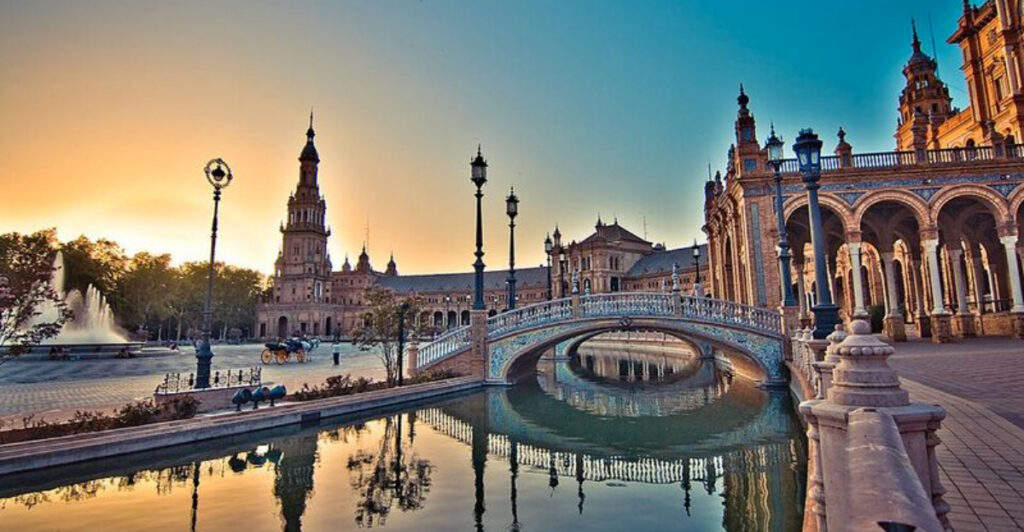
Spain is filled with magical cities that offer something special for every traveler. From beach towns with world-class art museums to medieval hilltop villages where history comes alive around every corner, these destinations promise unforgettable experiences in 2026.
Whether you crave flamenco rhythms, sunny Mediterranean shores, or winding cobblestone streets, Spain’s most charming cities will capture your imagination and leave you planning your next visit before you even leave.
Barcelona – Catalan Creativity on the Mediterranean
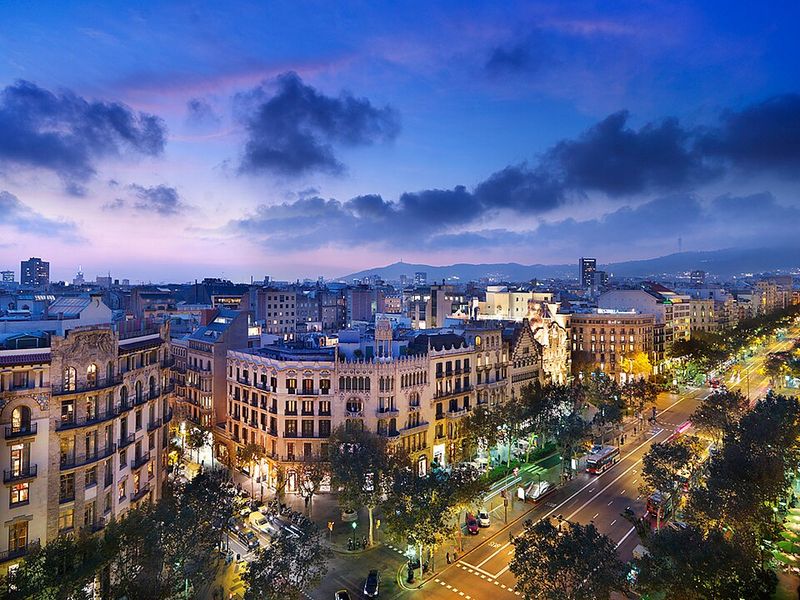
Barcelona pulses with an energy unlike anywhere else in Spain. Gaudi’s fantastical buildings twist and curve across the cityscape, turning everyday architecture into dreamlike sculptures that defy gravity and logic.
The Barri Gòtic neighborhood takes you back centuries with its shadowy medieval lanes, while just minutes away, golden beaches invite you to kick off your shoes and wade into the Mediterranean. Surfers catch waves as families build sandcastles, creating a perfect blend of urban excitement and coastal relaxation.
Food lovers will find paradise in El Born, where tapas bars serve up plates of jamón, patatas bravas, and fresh seafood that taste even better when enjoyed on a sunny terrace. The Picasso Museum houses thousands of works by the famous artist, offering a quieter cultural escape from the bustling streets outside.
Park Güell rewards visitors who climb its hills with whimsical mosaics and panoramic views over the entire city. Barcelona’s harbor buzzes with sailboats and seafood restaurants, making waterfront strolls a daily ritual for locals and visitors alike.
This Catalan capital manages to feel both cutting-edge and deeply rooted in tradition, creating an intoxicating atmosphere that keeps travelers coming back year after year.
Seville – Flamenco, Palaces and Orange-Blossom Streets
Orange trees line nearly every street in Seville, filling the air with sweet fragrance during spring bloom season. This Andalusian gem radiates warmth not just from its climate but from the passionate spirit of its people and culture.
The Real Alcázar palace complex transports visitors into a world of intricate tilework, peaceful courtyards, and fountain-filled gardens that once hosted royalty. Climbing the Giralda Tower rewards you with sweeping views across terracotta rooftops and the winding Guadalquivir River below.
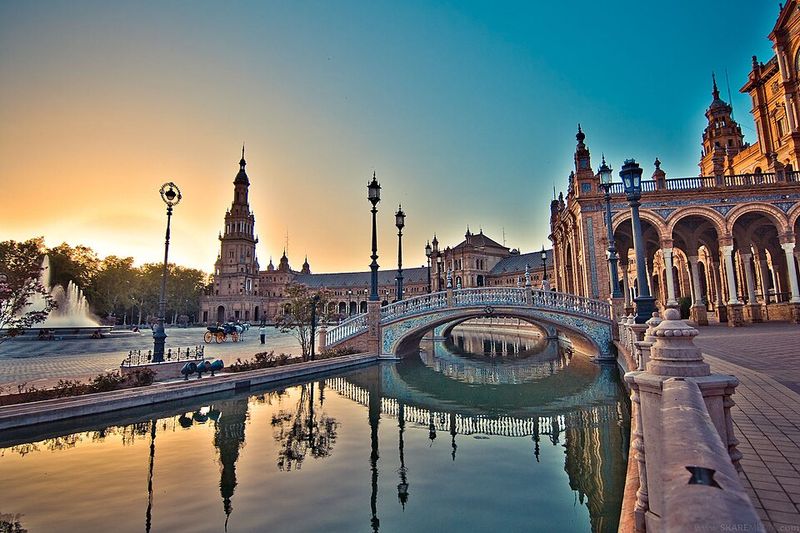
Plaza de España stands as one of Europe’s most photographed squares, with its grand semicircular buildings, hand-painted tiles representing each Spanish province, and charming bridges crossing small canals. As evening arrives, the Triana and Santa Cruz neighborhoods come alive with the rhythmic clapping and passionate footwork of flamenco performances in intimate tablaos.
Sidewalk cafés spill onto plazas where locals gather under glowing lanterns to share stories over cold drinks and tapas. Visiting outside the scorching summer months lets you explore comfortably, wandering labyrinthine lanes that reveal hidden courtyards and centuries-old churches.
Seville captures the heart of Andalusia—proud, beautiful, and utterly enchanting at every turn.
Madrid – Sophisticated Capital With Neighborhood Soul
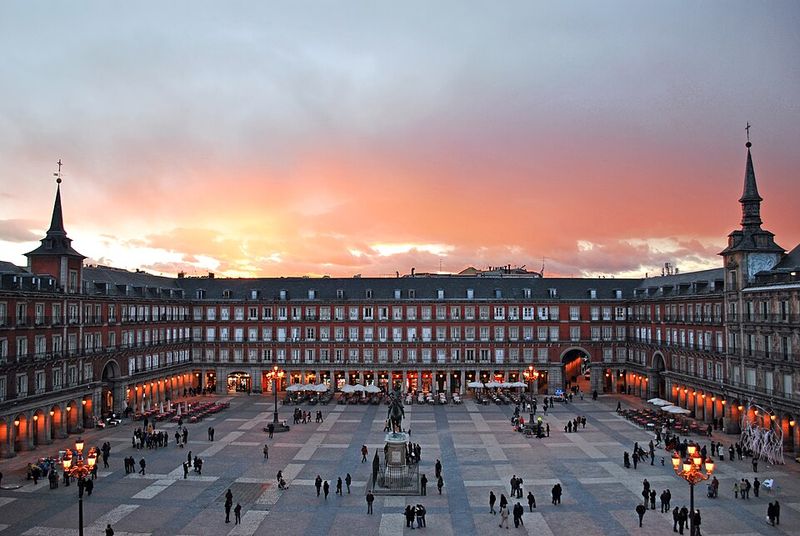
Grand boulevards meet intimate neighborhood plazas in Spain’s energetic capital. Madrid doesn’t sleep—literally—with dinner reservations starting at 10 PM and nightlife stretching until sunrise across barrios like Malasaña and La Latina.
The Prado Museum houses masterpieces by Velázquez, Goya, and El Greco, while the Reina Sofía displays Picasso’s powerful Guernica and modern Spanish art that challenges and inspires. Adding the Thyssen-Bornemisza creates an art triangle that rivals any city on Earth for cultural richness.
Retiro Park offers a green escape where rowboats glide across a central lake and street performers entertain crowds near the Crystal Palace. The Royal Palace stands as one of Europe’s largest, with opulent rooms showcasing Spain’s imperial past through gilded ceilings and priceless tapestries.
Mercado de San Miguel tempts food lovers with stalls offering everything from fresh oysters to Iberian ham, creating a gourmet playground under one ornate roof. Each neighborhood develops its own personality—Chueca pulses with rainbow pride, while Lavapiés reflects multicultural Madrid with international restaurants and edgy art galleries.
Whether you’re a first-timer or a seasoned Spain traveler, Madrid’s sophisticated yet approachable character makes every visit feel fresh and exciting.
San Sebastián – Basque Beauty & Pintxo Perfection
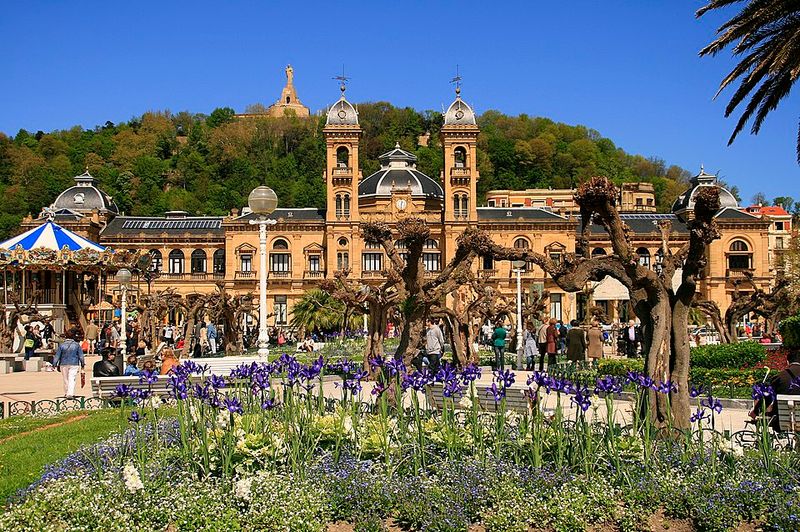
Waves crash against golden sand while Belle Époque architecture frames one of Europe’s most beautiful urban beaches. San Sebastián, known as Donostia in Basque, combines seaside relaxation with serious culinary credentials that have earned it more Michelin stars per capita than nearly anywhere else.
La Concha Beach curves gracefully around calm bay waters perfect for swimming, while Zurriola Beach attracts surfers who ride Atlantic swells just minutes from the Old Town. Monte Urgull and Monte Igueldo offer hiking trails that reward climbers with panoramic views of coastline, city, and the green hills of Basque Country stretching inland.
The real magic happens in the Old Town’s compact streets, where pintxo bars line every block with countertops displaying elaborate small bites. Unlike simple tapas, these Basque creations are miniature works of culinary art—think seared tuna with apple compote or spider crab mousse on toast.
Bar-hopping becomes a cultural ritual, with locals moving from one establishment to the next, sampling specialties and sipping txakoli, the local slightly sparkling white wine. San Sebastián manages to feel both sophisticated and relaxed, where beach days transition seamlessly into gourmet evenings without anyone changing out of their casual coastal attire.
Granada — Moorish Majesty and Sierra Views
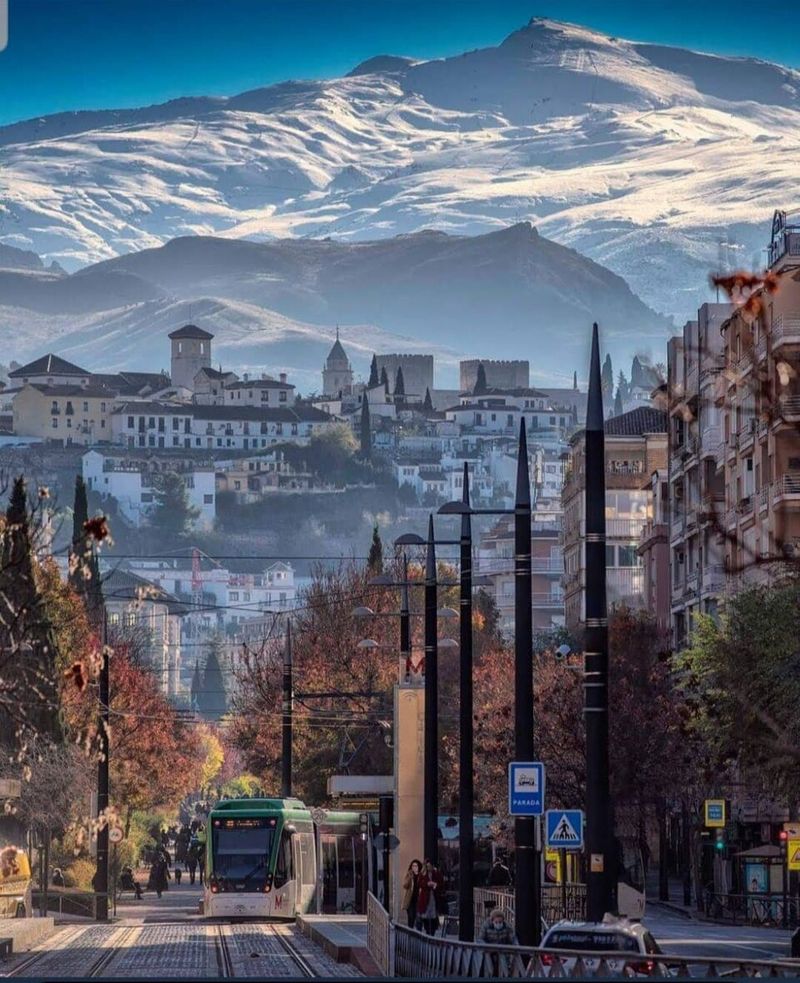
Snow-capped mountains tower behind the Alhambra, creating a dramatic backdrop that makes Granada one of Spain’s most visually stunning cities. This Andalusian jewel preserves the final chapter of Moorish Spain, where Islamic artistry reached its peak before the Reconquista changed the peninsula forever.
The Alhambra palace complex demands at least half a day to explore properly, with its intricate stucco work, peaceful reflecting pools, and the lush Generalife gardens offering shade and beauty. Booking tickets well in advance is essential since daily visitor numbers are strictly limited to protect this UNESCO treasure.
Climbing through the Albaicín neighborhood feels like time travel, with steep cobblestone lanes winding past whitewashed houses adorned with colorful flower pots. The Mirador de San Nicolás viewpoint becomes especially magical at sunset when the Alhambra glows golden-red against the Sierra Nevada peaks.
Granada’s tapas culture stands out even in tapas-loving Spain—order a drink and receive a free small plate of food, making bar-hopping incredibly affordable and delicious. Tetería tea houses in the Albaicín serve mint tea and sweets in Moroccan-style lounges, adding to the city’s multicultural atmosphere.
Granada captures both grandeur and intimacy, where world-famous monuments coexist with quiet neighborhood moments that feel like discovering secrets.
Valencia — Turia Gardens, Beaches & Paella Culture
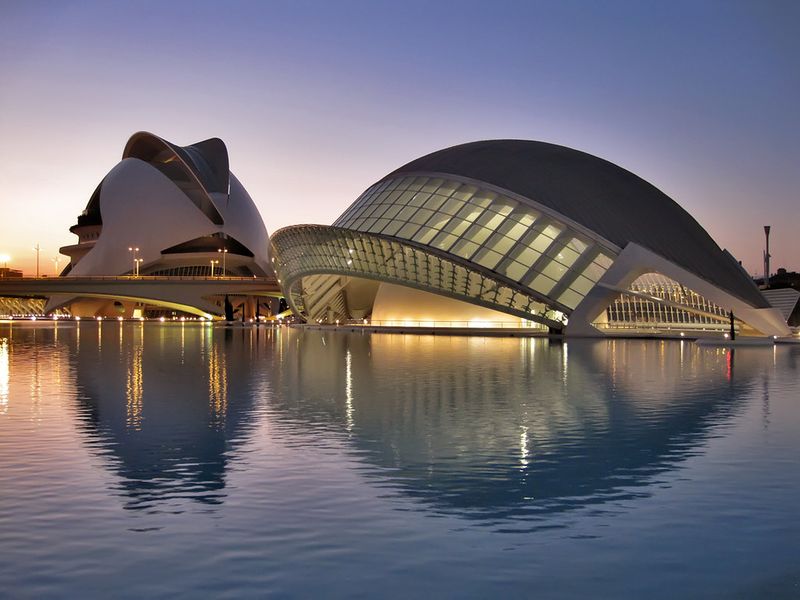
A former riverbed transformed into nine kilometers of parks creates Valencia’s green heart. After devastating floods, the city rerouted the Turia River and converted its old path into gardens, sports facilities, and playgrounds that locals use daily for jogging, cycling, and picnicking.
The City of Arts and Sciences rises from these gardens like a science fiction dream made real, with Santiago Calatrava’s white structures housing an opera house, science museum, and Europe’s largest aquarium. This futuristic complex contrasts beautifully with Valencia’s medieval old town, where the Central Market’s modernist dome shelters vendors selling fresh produce, seafood, and cured meats.
City beaches like Malvarrosa stretch along the Mediterranean, offering easy escapes from sightseeing with golden sand and beachfront restaurants serving cold horchata, a local tiger nut drink. The El Carmen neighborhood pulses with street art, boutique shops, and tapas bars tucked into centuries-old buildings.
Valencia invented paella, and eating this rice dish in its birthplace feels like a pilgrimage for food lovers—restaurants in nearby Albufera prepare it over open wood fires using traditional recipes. Las Fallas festival in March transforms the city into a pyrotechnic wonderland with giant sculptures and fireworks, though Valencia charms visitors year-round with its perfect blend of tradition and innovation.
Córdoba — Whitewashed Streets and Moorish Grandeur
Striped arches stretch endlessly in every direction, creating a mesmerizing forest of columns inside Córdoba’s extraordinary Mezquita. This mosque-turned-cathedral represents centuries of Islamic and Christian history coexisting under one roof, with a Renaissance church nave built right into the heart of the original Moorish structure.
Stepping outside into the Jewish Quarter reveals narrow whitewashed lanes where flower-filled patios hide behind heavy wooden doors. During the Patio Festival each May, residents open these private courtyards to visitors, competing for prizes with spectacular displays of geraniums, jasmine, and fountains.
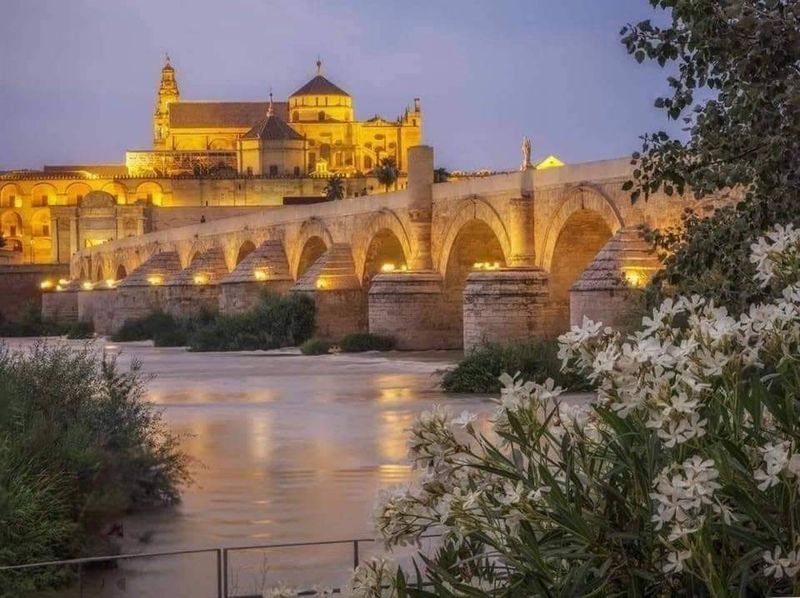
The Roman Bridge spans the Guadalquivir River, offering postcard views back toward the Mezquita’s honey-colored walls and bell tower. Walking across at sunset, you’ll understand why Córdoba inspired poets and travelers for over two thousand years.
Calleja de las Flores, a narrow alley bursting with potted plants, frames the Mezquita’s tower perfectly for Instagram-worthy photos that capture Córdoba’s essence. Local taverns serve salmorejo, a thicker cousin of gazpacho topped with hard-boiled egg and jamón, alongside oxtail stew and other Andalusian specialties.
Córdoba feels more intimate and relaxed than larger Spanish cities, where you can wander medieval lanes without crowds and discover the serene beauty that makes it unforgettable.
Salamanca — Golden Stone & Student Spirit
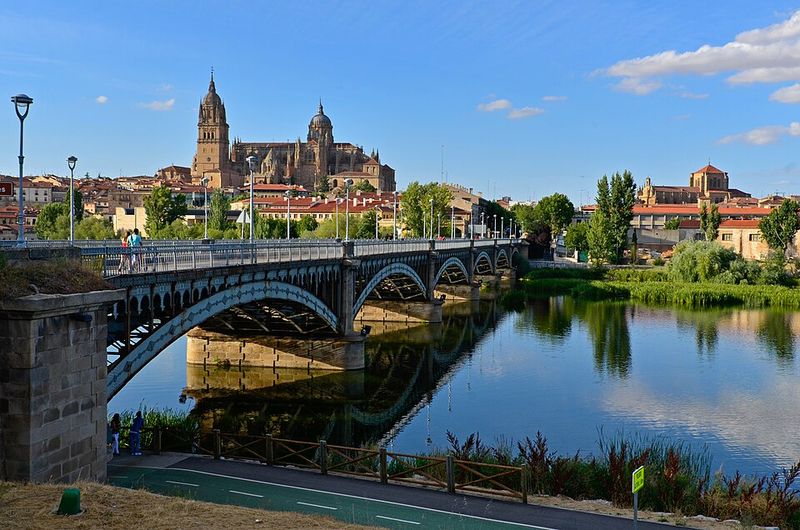
Golden limestone glows warm and inviting as evening light hits Salamanca’s buildings. This university city has educated scholars since 1218, making it one of Europe’s oldest centers of learning and infusing modern streets with youthful energy that keeps cafés and plazas buzzing until late.
Plaza Mayor ranks among Spain’s most beautiful squares, with baroque arcades forming a perfect rectangle where locals gather for evening strolls and students meet for drinks. The uniformity of its golden sandstone architecture creates harmony that feels both grand and welcoming.
The University of Salamanca’s façade challenges visitors to find a tiny carved frog hidden among its intricate stonework—legend says spotting it brings good luck in studies. Inside, historic lecture halls with wooden benches have hosted centuries of students, while the old library preserves ancient manuscripts in a space that smells of leather and history.
The New and Old Cathedrals stand side by side, representing different architectural eras yet connected by passages that let you explore both. Casa de las Conchas, a mansion decorated with hundreds of carved stone shells, now houses a public library in one of the city’s most photographed buildings.
Salamanca’s combination of architectural beauty, intellectual heritage, and lively student culture creates an atmosphere that’s both sophisticated and fun-loving.
Toledo — Medieval Labyrinth on a Hilltop
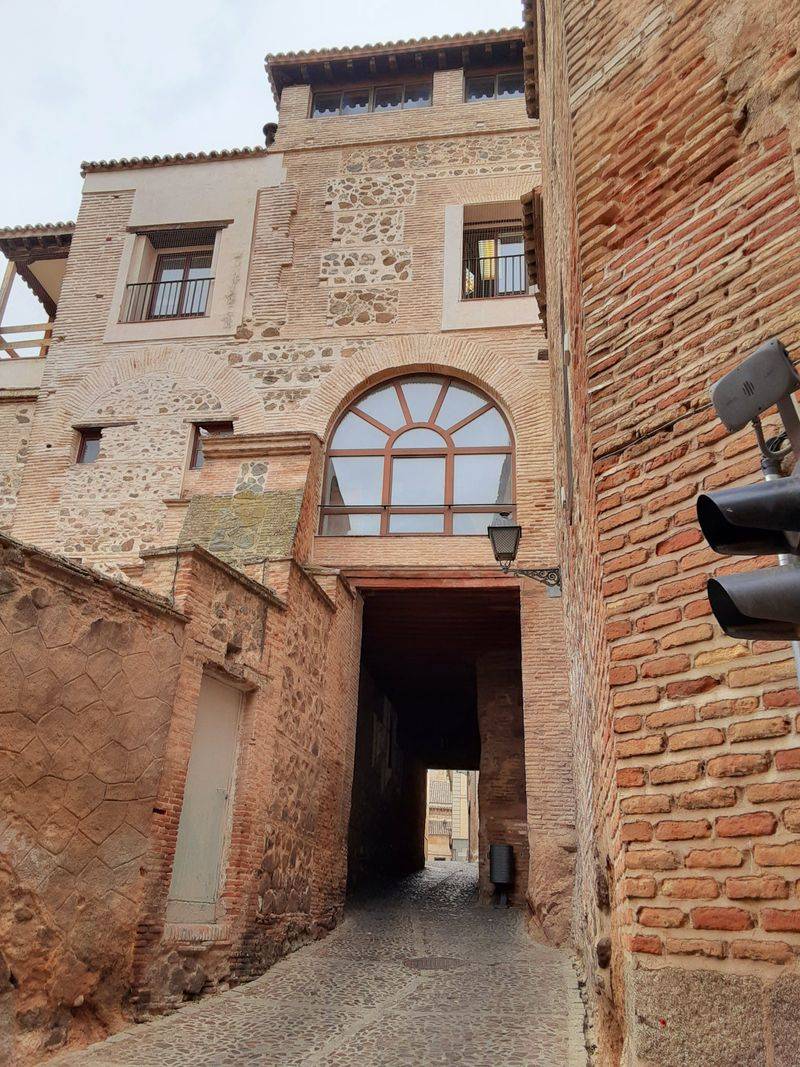
Fortress walls crown a rocky hill surrounded on three sides by the Tagus River’s protective loop. Toledo rises like a medieval vision, with its skyline of spires, towers, and ramparts looking much as it did centuries ago when Christian, Muslim, and Jewish communities coexisted within these walls.
The massive Gothic cathedral dominates the historic center, its interior so richly decorated with gold, marble, and Renaissance art that it takes hours to appreciate fully. The Alcázar fortress commands the highest point, rebuilt multiple times throughout history and now housing a military museum with panoramic terraces.
Getting lost in Toledo’s maze of cobblestone lanes becomes part of the adventure, with each turn revealing artisan workshops where craftspeople still create damascene jewelry using techniques perfected by Moorish metalworkers. El Greco spent much of his career here, and his paintings hang in churches and museums throughout the city, capturing Toledo’s dramatic light and spiritual intensity.
Marzipan shops tempt visitors with local sweets shaped like fruits and animals, a Toledo specialty since medieval times. Crossing the Alcántara or San Martín bridges provides classic views back toward the city perched majestically above the river gorge.
Toledo works best as a day trip from Madrid or an overnight stay that lets you experience its streets after day-trippers depart and the city returns to quiet medieval charm.
Ronda — Dramatic Gorge & Bullring Heritage
A stone bridge spans a 390-foot-deep gorge, connecting two halves of a town that seems to defy gravity. Ronda perches on clifftops above the El Tajo canyon, creating one of Spain’s most dramatic urban settings where buildings literally hang over sheer rock faces.
The Puente Nuevo (New Bridge) took 42 years to complete in the 18th century and remains Ronda’s most photographed landmark, with viewing platforms offering dizzying perspectives down into the gorge. Walking across feels thrilling, especially when you peer over the edge to spot birds soaring far below.
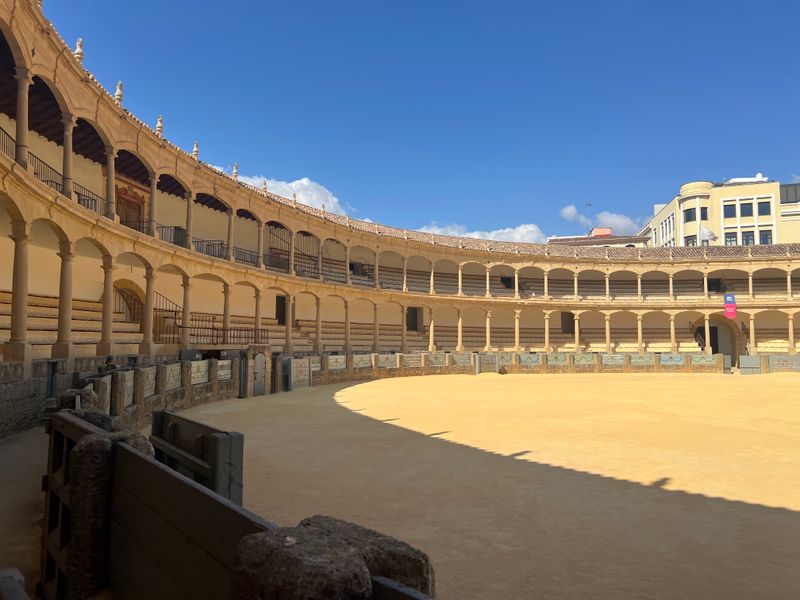
Ronda’s bullring is among Spain’s oldest and most beautiful, with its elegant two-tiered arcade and museum explaining the controversial tradition’s history. Whether you approve of bullfighting or not, the architecture and cultural significance make it worth visiting.
The old Moorish quarter preserves narrow streets, Arab baths, and the Mondragón Palace with its Renaissance gardens. Nearby wineries produce excellent wines that pair perfectly with local cuisine featuring wild game and mountain cheeses.
Hemingway wrote about Ronda, and Orson Welles loved it so much his ashes were scattered on a local estate, testament to this mountaintop town’s ability to captivate creative souls. Its dramatic setting and preserved historic character make Ronda an essential stop in Andalusia.
Girona — Catalan Rivers & Medieval Magic
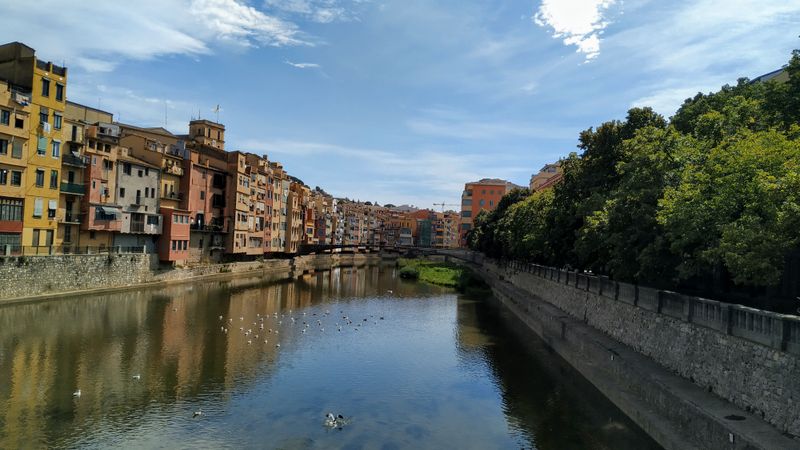
Pastel-painted houses line the Onyar River in shades of coral, yellow, and ochre, their reflections shimmering in the water below. Girona feels like a fairytale city that somehow escaped mass tourism, offering medieval charm without Barcelona’s crowds or prices despite being just 40 minutes away by train.
The Jewish Quarter, called El Call, ranks among Europe’s best-preserved, with stone passages so narrow you can touch both walls simultaneously. The Centre Bonavida museum explains the rich history of Girona’s Jewish community before their expulsion in 1492.
Girona’s cathedral crowns the old town, reached by climbing 90 baroque steps that reward the effort with views across terracotta roofs. Inside, the single-nave Gothic interior creates a soaring space that feels impossibly wide, while the cathedral museum displays the famous Tapestry of Creation.
The Arab Baths, despite their name, were actually built by Christians copying Moorish design, with beautiful columns surrounding a central pool in atmospheric underground chambers. Game of Thrones fans might recognize locations around the old town, which served as filming sites for several seasons.
Girona’s combination of history, architecture, and riverside beauty makes it perfect for a day trip or longer stay, with excellent restaurants serving Catalan cuisine and local wines from nearby regions.
Málaga — Mediterranean Art & Sunshine
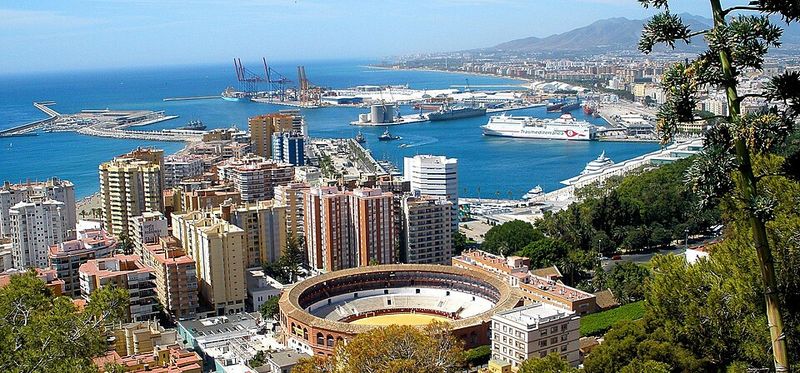
Picasso was born here, and Málaga hasn’t let anyone forget it. The Picasso Museum occupies a restored 16th-century palace, displaying hundreds of works by the city’s most famous son, from early sketches to later cubist masterpieces that revolutionized modern art.
The Alcazaba fortress rises above the city center, its Moorish walls and gardens offering cool shade and spectacular views over the port and Mediterranean beyond. Roman ruins sit at its base, while the Gibralfaro castle crowns the hill above, connected by a scenic path that rewards hikers with panoramic vistas.
Málaga’s cathedral, nicknamed La Manquita (the one-armed lady) because one of its towers was never completed, dominates the historic center with its Renaissance grandeur. The revitalized port area, Muelle Uno, transforms former industrial docks into a waterfront promenade lined with restaurants, shops, and cultural venues including the Centre Pompidou’s colorful cube.
City beaches like La Malagueta put golden sand within walking distance of museums and historic sites, letting you combine culture and beach time effortlessly. The Atarazanas Market, housed in a former Moorish shipyard, sells fresh fish, produce, and local specialties under beautiful stained glass windows.
Málaga proves that Costa del Sol cities can offer substance along with sunshine, blending art, history, and Mediterranean living into one appealing package.
Bilbao — Basque Art Meets Industrial Chic
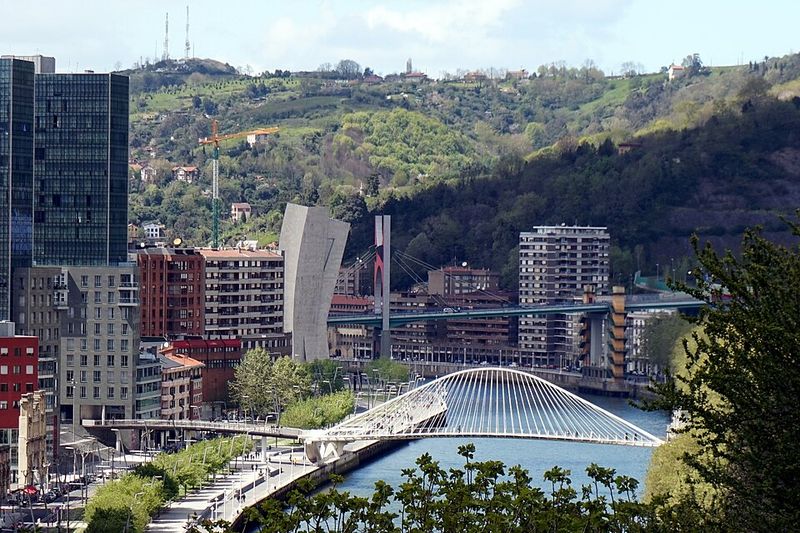
Titanium curves gleam along the riverbank like a spaceship that landed in an industrial port city. Frank Gehry’s Guggenheim Museum transformed Bilbao from declining industrial center to cultural destination, proving that bold architecture can revitalize an entire city’s identity and economy.
Inside, the museum houses rotating exhibitions of contemporary art alongside permanent installations, though many visitors find the building itself as impressive as any artwork displayed within. The riverside location lets you appreciate the structure from multiple angles, with Jeff Koons’ giant Puppy sculpture covered in flowers greeting visitors at the entrance.
Bilbao’s Casco Viejo (Old Town) offers a completely different atmosphere, with narrow streets lined with traditional pintxo bars where locals balance elaborate small bites on toothpicks while sipping wine. The Ribera Market sells fresh produce and seafood in a beautiful art nouveau building along the river.
The city’s metro system, designed by Norman Foster with distinctive glass and steel entrances nicknamed Fosteritos, makes navigation easy while adding architectural interest. Day trips from Bilbao reach the stunning Basque coastline, charming fishing villages like Bermeo, and Rioja wine country where bodegas offer tastings.
Bilbao’s successful reinvention from industrial to cultural hub creates a unique urban experience where gritty history meets cutting-edge design.
Santiago de Compostela — Pilgrim’s City & Cathedral
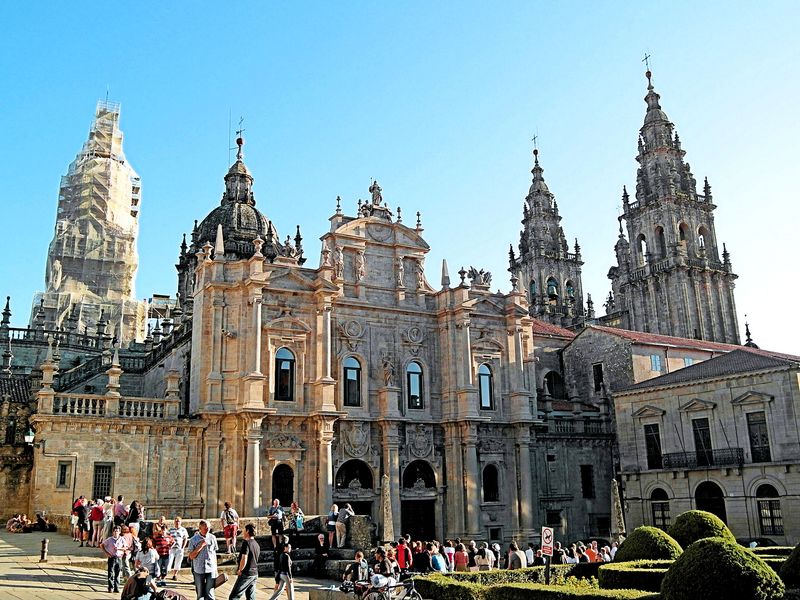
Pilgrims arrive with walking sticks and backpacks, some with tears streaming down their faces after walking hundreds of miles. Santiago de Compostela marks the end of the Camino de Santiago pilgrimage route, where the cathedral supposedly houses the remains of Saint James, making it one of Christianity’s most important sites.
The cathedral’s baroque facade dominates the Praza do Obradoiro, where pilgrims and tourists mix in the vast square, some kissing the ground after completing their journey. Inside, the Botafumeiro, a giant incense burner, swings from the ceiling during special masses, requiring eight men to operate its pendulum motion.
The old town’s granite buildings and arcaded streets create atmospheric walks through medieval lanes where stone and moss create a distinctly Galician aesthetic. University students add youthful energy to historic plazas, filling cafés and bars that serve pulpo (octopus), Galician wines, and tarta de Santiago almond cake.
The Mercado de Abastos sells the freshest seafood imaginable, with vendors offering percebes (goose barnacles), razor clams, and other Atlantic treasures that make Galician cuisine famous throughout Spain. Celtic influences distinguish this northwestern region from Mediterranean Spain, with bagpipe music and misty green landscapes creating an atmosphere closer to Ireland than Andalusia.
Santiago rewards both spiritual seekers and culture lovers with its unique character and powerful sense of history.
Cádiz — Ancient Port & Carnival Spirit
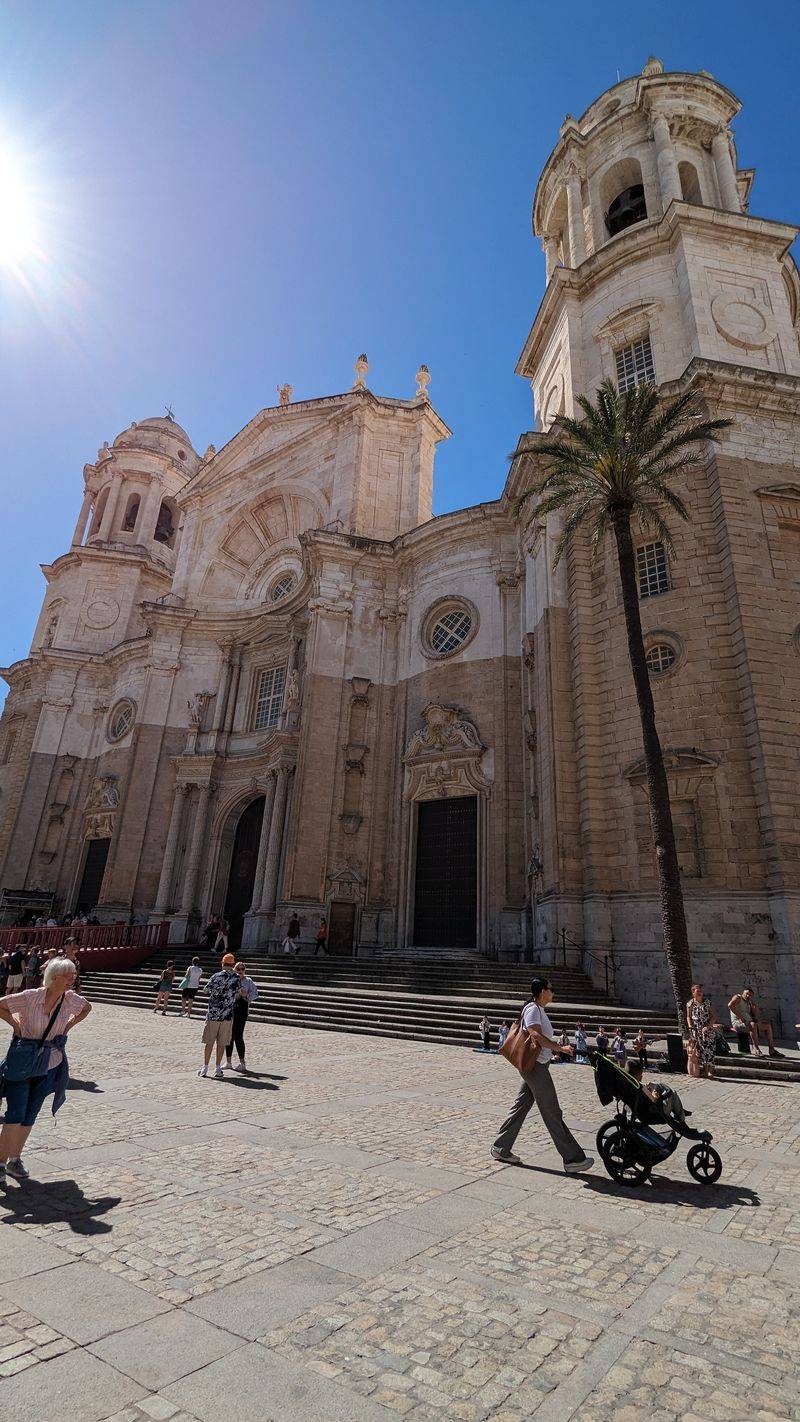
Europe’s oldest continuously inhabited city sits on a narrow peninsula jutting into the Atlantic, surrounded by water on three sides. Cádiz claims over 3,000 years of history, founded by Phoenician traders who recognized the strategic value of this natural harbor long before Rome or Greece rose to power.
The golden-domed cathedral catches sunlight beautifully, its baroque and neoclassical mix reflecting centuries of construction. Climbing the Torre Tavira camera obscura tower provides 360-degree views across the entire old town, ocean, and modern neighborhoods beyond the historic walls.
La Caleta beach sits tucked between two castles, creating a protected cove where locals swim and sunbathe within walking distance of the cathedral. The narrow streets of the old town feel distinctly different from other Andalusian cities, with a salty maritime character shaped by centuries of seafaring tradition.
Cádiz’s Carnival rivals Rio’s in passion and creativity, with locals spending months preparing elaborate costumes and satirical songs for February celebrations that take over the entire city. Year-round, the Mercado Central sells incredibly fresh fish and seafood that end up on plates in nearby taverns, often simply grilled and served with lemon.
Cádiz remains refreshingly authentic and unhurried, where tourists feel welcome but don’t dominate, letting you experience a working Spanish city that happens to be extraordinarily beautiful and historically significant.
Share this story