The 1970s gave us fearless style, but not every daring look deserves a comeback. Some trends were fun for a moment yet fail hard under modern lighting, cameras, and common sense.
With comfort, sustainability, and fit now ruling closets, these relics feel more costume than clothing. Let’s revisit the loudest offenders and learn what to steal, what to skip, and how to update the vibe without wearing a time capsule.
1. Leisure suits in shiny polyester
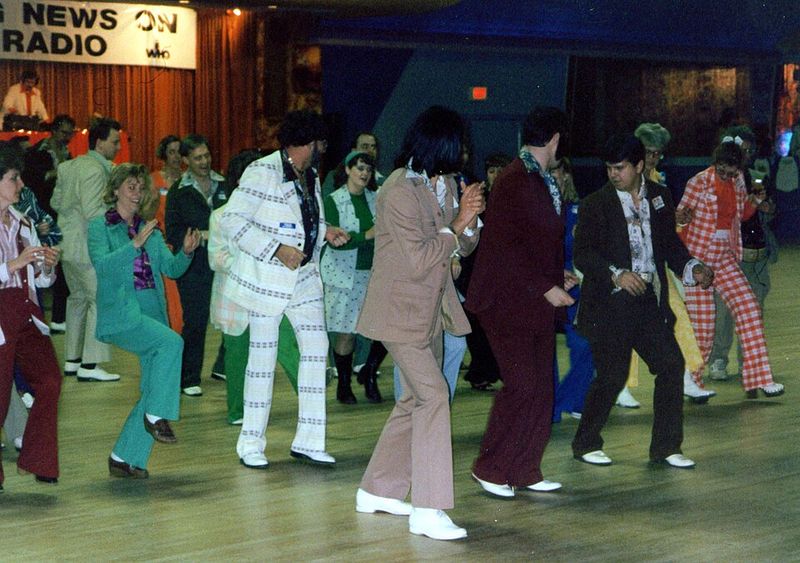
Leisure suits promised ease, but the slick polyester sheen revealed every crease and sweat mark. You can almost hear the swish with every step, which is not the soundtrack anyone wants in a meeting or at a wedding.
Modern tailoring thrives on breathable fibers and subtle texture that photographs well and lasts through seasons. Even costume designers admit the glare looks cheap on camera.
If you want a relaxed set, choose a softly structured blazer and drawstring trouser in wool blend or Tencel.
Breathability matters. According to McKinsey’s State of Fashion 2024, comfort-first dressing drove elevated basics to outpace occasion wear growth.
That means fabric choice is a business decision for brands and a sanity saver for you. Keep the matching idea, lose the shine.
A matte suit with minimal shoulder padding reads current, travels better, and pairs with sneakers without shouting disco reunion.
2. Extreme bell-bottom pants
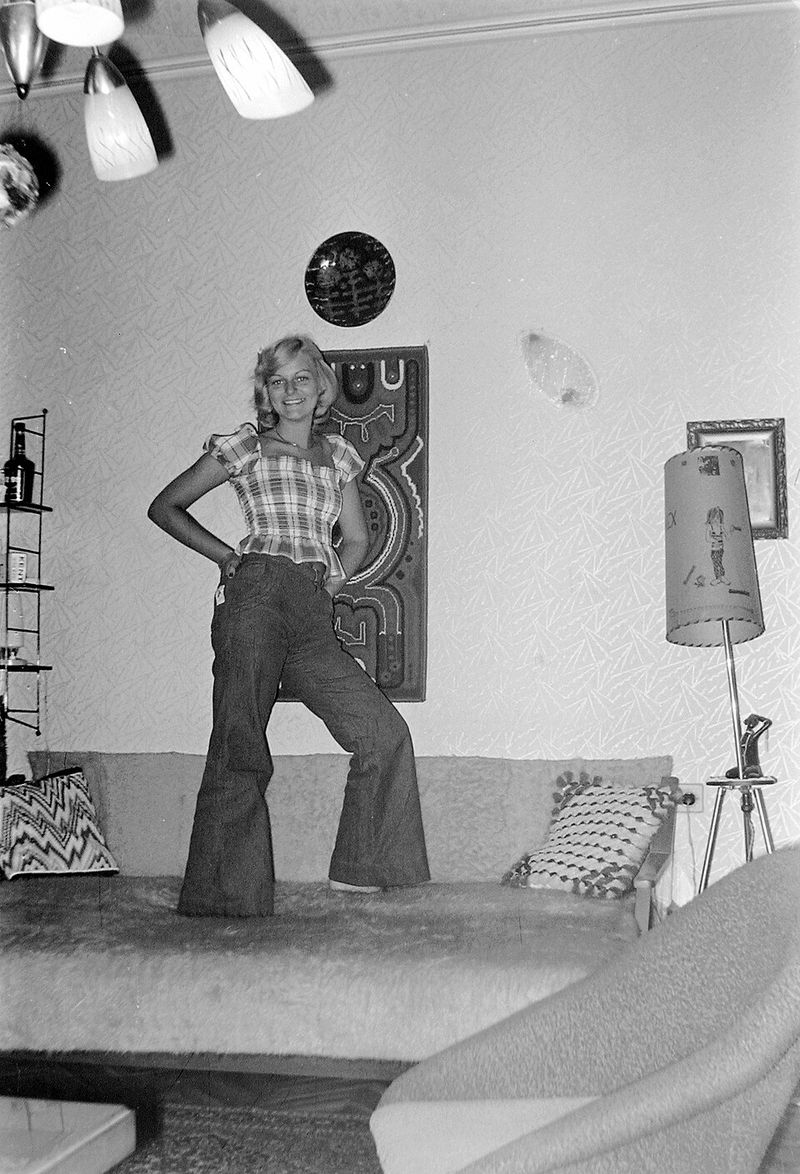
Bell-bottoms can be playful, but the extreme versions swallow footwear and trip you on stairs. Street grime collects in those sweeping hems, and rainy days turn them into heavy, soggy anchors.
Beyond practicality, the dramatic flare distorts proportions, making even long legs look shorter. Tailors will tell you a strong break should not demand hazard pay.
Want movement without mayhem? Try a gentle bootcut or kick-flare ending just above the ground, skimming the shoe.
Data underscores the shift. Edited’s retail analytics showed straight and wide-leg rises outpacing dramatic flares in replenishment rates since 2022.
That indicates what actually sells and stays in carts. Keep the vintage spirit with high-rise structure and sturdy denim, but stop at a measured flare.
Your silhouette will thank you, and so will the person walking next to you not getting whipped by your hem.
3. Platform shoes with sky-high soles
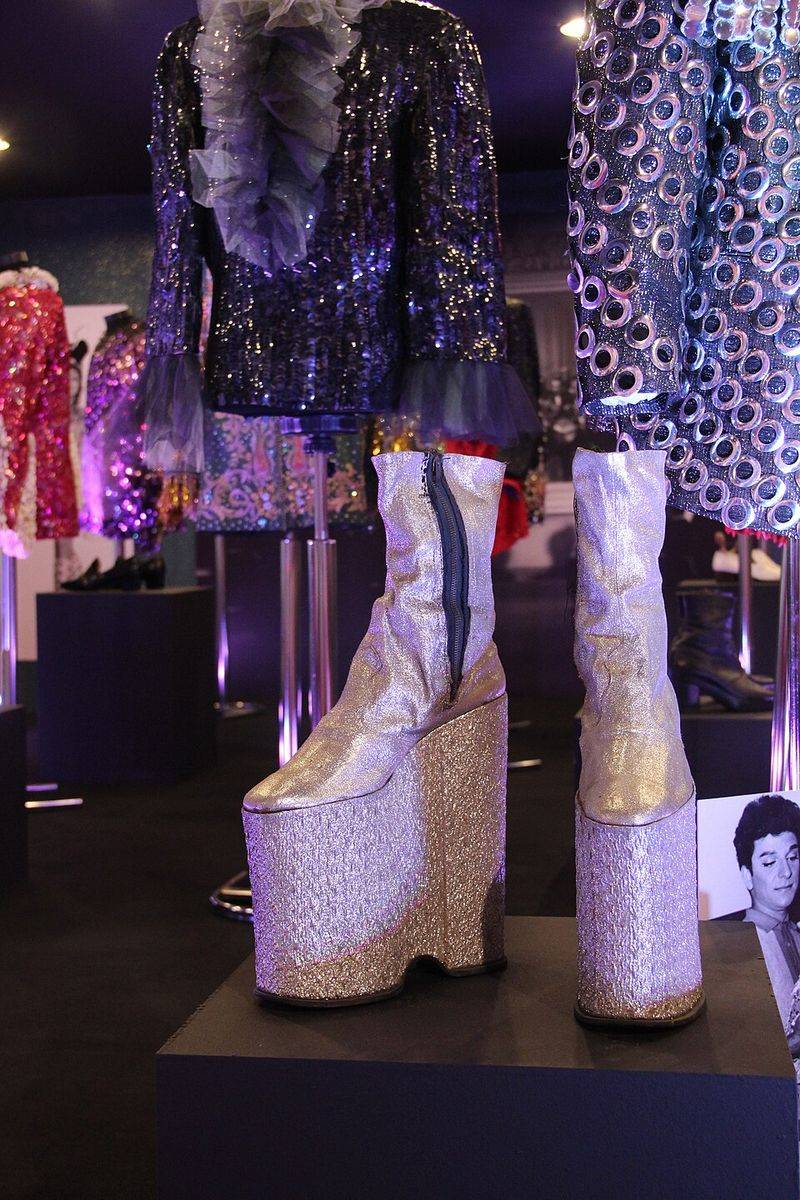
Sky-high platforms look bold until you attempt stairs, curbs, or a subway gap. Ankle turns are not a personality trait.
Podiatrists warn that rigid platforms reduce ground feel, increasing missteps on uneven surfaces. Add slick nightclub floors and you have a recipe for ice-capades without the applause.
If height is the goal, choose a moderate platform with a block heel and rubber outsole for traction.
Injury stats back the caution. Research in Foot & Ankle International has linked unstable elevated footwear to higher sprain risk, and ER reports spike around festival seasons.
Keep the 70s glamour in materials, not altitude: metallic leather straps, satin finishes, or a sculpted mid-heel achieve presence without peril. You can dance longer, commute faster, and avoid carrying spare flats like emergency equipment.
Fashion should lift you up, not send you flying.
4. Polyester everything
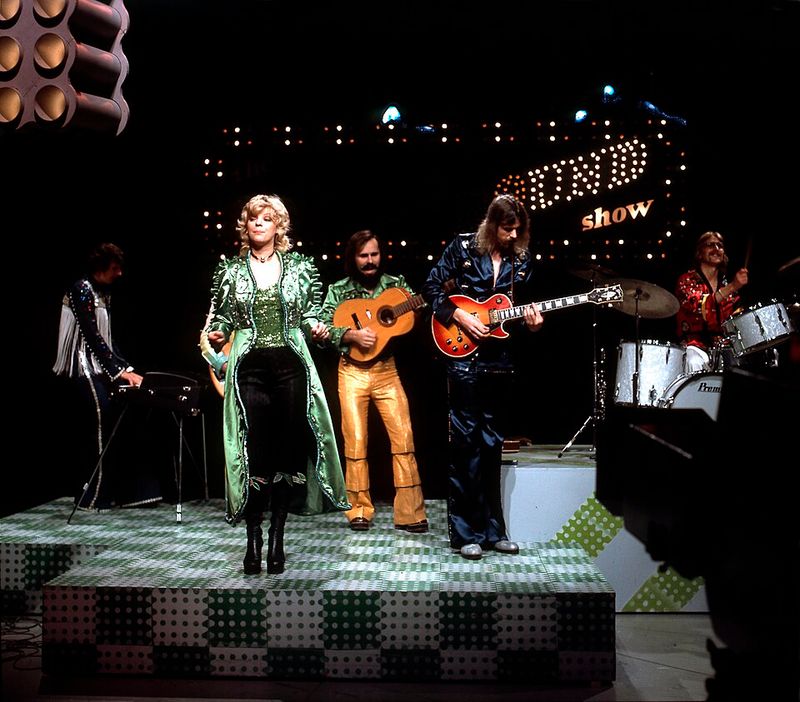
Polyester has evolved, but the 1970s version felt like wearing a plastic tarp at noon. Breathability was minimal, static was maximal, and stains bonded like best friends.
Today’s wardrobes demand performance and planet-aware choices. Recycled blends, Tencel, and organic cotton offer drape without the greenhouse effect.
Keeping polyester in small, purposeful doses can work, but head-to-toe plastic feels and looks dated.
Sustainability matters. The Ellen MacArthur Foundation cites synthetics as a key microplastic source during laundering.
That calls for smarter fabric mixes and washing habits. Reach for blends engineered for airflow, and line-dry when possible to extend life.
If you love wrinkle resistance, try modern crepe or tech-wool. They breathe, travel well, and photograph without the 70s shine.
Keep the print if you must, but let your pores breathe. Comfort sells confidence better than any retro tag.
5. Patchwork denim overload
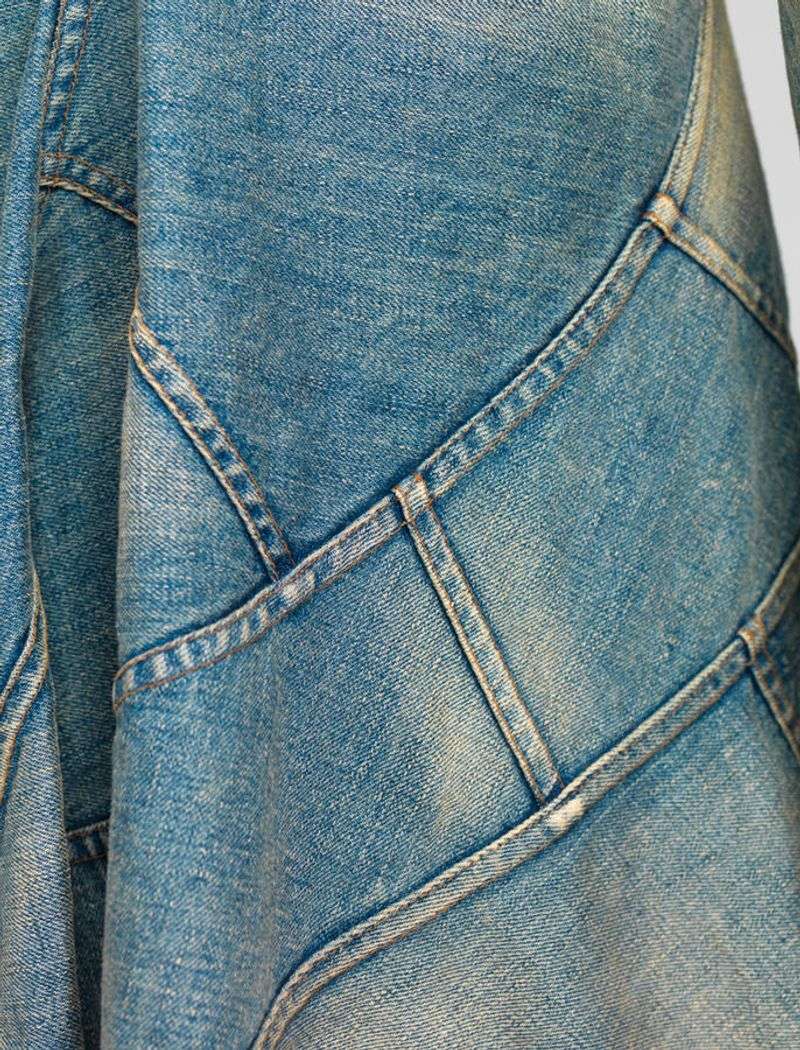
Patchwork denim tells a sustainability story, but in the 70s it often looked chaotic and bulky. Multiple fabric weights fought each other, creating stiff panels that broke in odd places.
Sitting felt like negotiating with a quilt. Today’s upcycling can look refined with uniform weights, hidden seams, and tonal variation.
Keep the craftsmanship, lose the costume energy.
Craft schools and indie brands now use laser-cutting and bar-tack reinforcement to make patchwork wearable. The result is movement, not armor.
If you want the vibe, choose two to three tones max and place patches where stress is low. Balance with a clean tee and sleek shoe.
You get texture, heritage, and comfort in one. Let the detail whisper sustainability instead of shouting roadside art project.
6. Head-to-toe fringe outfits
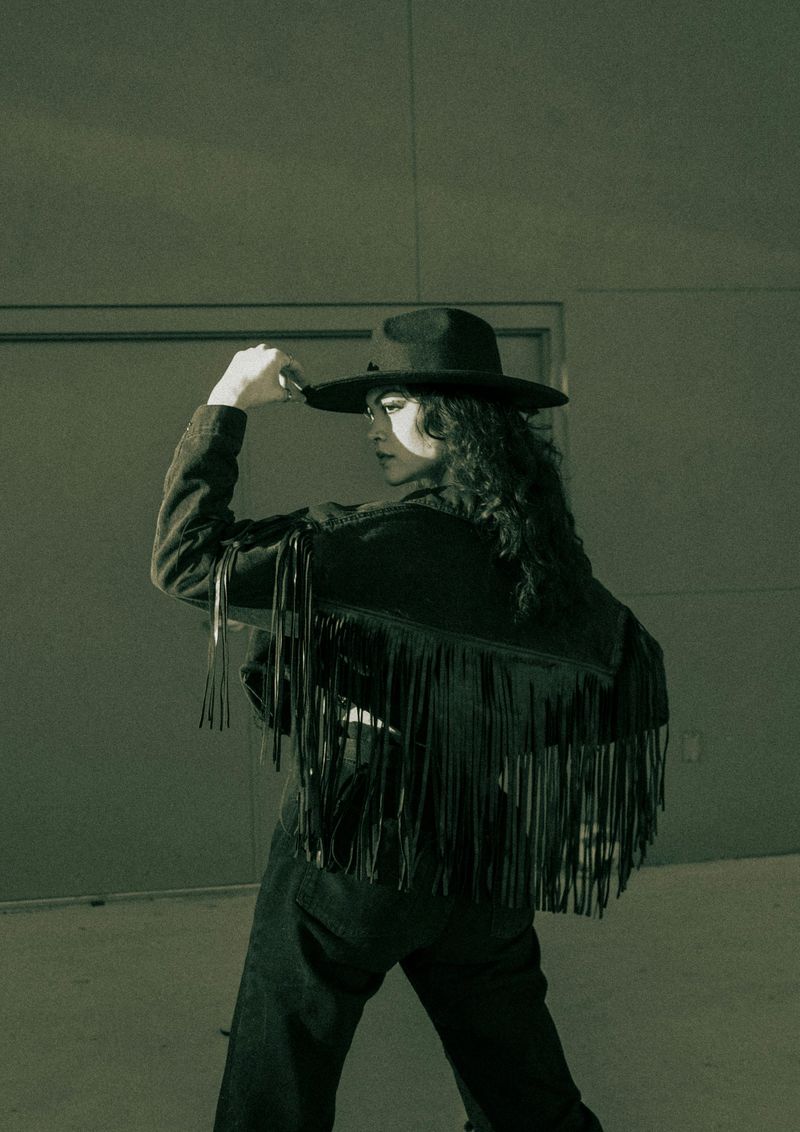
Fringe is fabulous in motion, but the head-to-toe approach overwhelms. It tangles in zippers, dips into soup, and sheds like a golden retriever in summer.
Cleaning is a nightmare because fringe traps dust and oil. Keep the texture as an accent on a jacket yoke or bag, not a full-body commitment.
You want rhythm, not a moving carwash.
Runways still flirt with fringe, yet retail reality keeps it contained. One hero piece per outfit preserves clarity and longevity.
Think sleek column dress with a fringe hem or a minimal leather jacket with shoulder tassels. Pair with streamlined basics to frame the detail.
Your snapshots capture movement without visual chaos, and your dry-cleaning bill stays human. Drama, edited, is always more wearable than drama unleashed.
7. Overly wide neckties
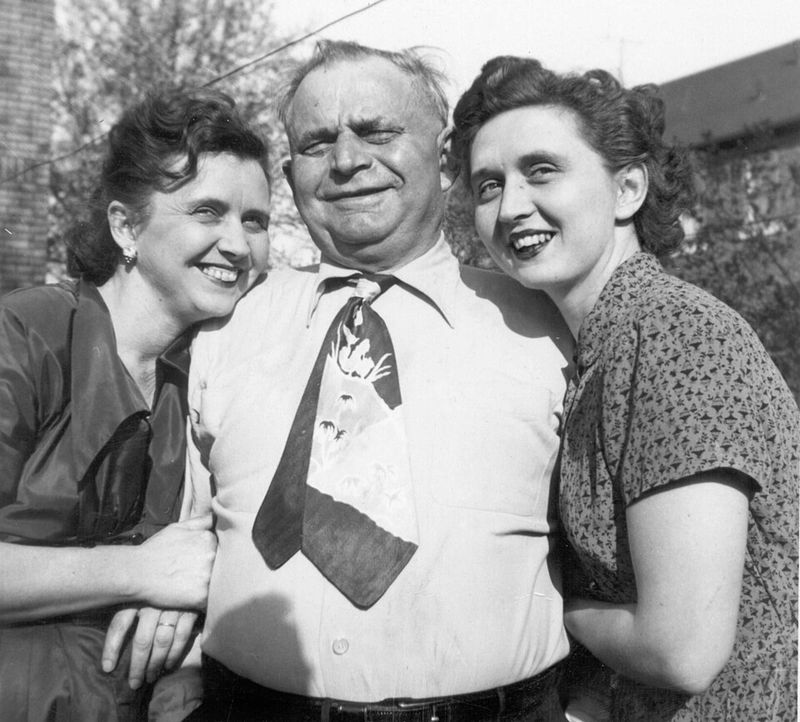
The 70s tie often looked like a scarf that lost its way. Four-inch-plus widths smothered plackets and made shirts balloon at the buttons.
Proportion is everything near the face, and mega ties pull focus for the wrong reasons. Contemporary ranges hover around 2.75 to 3.25 inches for balance across most lapels.
That sweet spot frames the torso without stealing the show.
Consider fabric too. Heavy polyester knots slump by lunch, while silk or textured wool maintains shape.
If you love vintage prints, source them on modern widths. It respects nostalgia and modern suiting lines.
Your blazer lies flat, your collar sits right, and you stop wrestling with lunch-buffet neckwear. Elegance usually hides in millimeters, not megaphones.
8. Feathered Farrah Fawcett wings (over-sprayed versions)

The original Farrah waves had movement. The over-sprayed copycats turned hair into lacquered helmets with crunchy ends.
Stiff wings widen the face and fight humidity in the worst way, breaking into odd clumps by afternoon. Modern hairstyling favors touchable texture with heat protection, flexible hold, and shine that looks like hair, not shellac.
You get bounce that survives a commute and a breeze.
Pro tip: layer products lightly. A mousse for lift, a round brush for bend, and a flexible spray for finish.
Hairstylists note that too much alcohol-based spray leads to dullness and breakage. Keep the feathered shape hint with face-framing layers and a soft blowout.
The spirit remains playful without the aerosol time capsule. Your pillowcase and scalp will thank you tomorrow.
9. Matching terrycloth sets
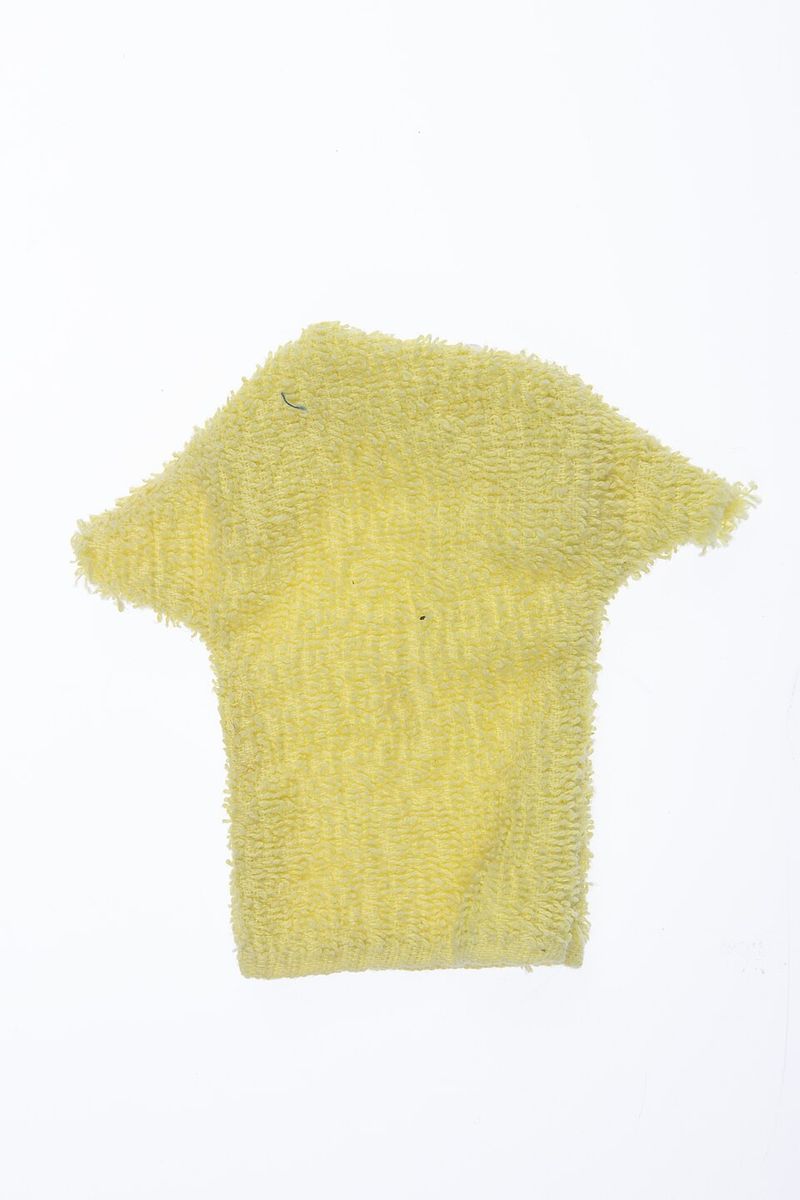
Terrycloth is cozy after a swim, not a full-time uniform. The 70s matching short sets soaked sweat, held odors, and lost shape after a few washes.
Texture can read beach towel instead of brunch-ready. If you love the spa vibe, choose French terry or towel-texture accents on collars and cuffs.
It nods to leisure without looking like you forgot to get dressed after the pool.
Care is another factor. Loops snag in bags and on jewelry, and heavy moisture makes the fabric sag.
Modern loungewear offers better recovery and breathable knits that handle errands gracefully. Keep terry as a cover-up, not a calendar staple.
Your weekend photos will age better, and your washing machine will not battle fuzz warfare. Comfort deserves structure too.
10. Denim-on-denim-on-denim
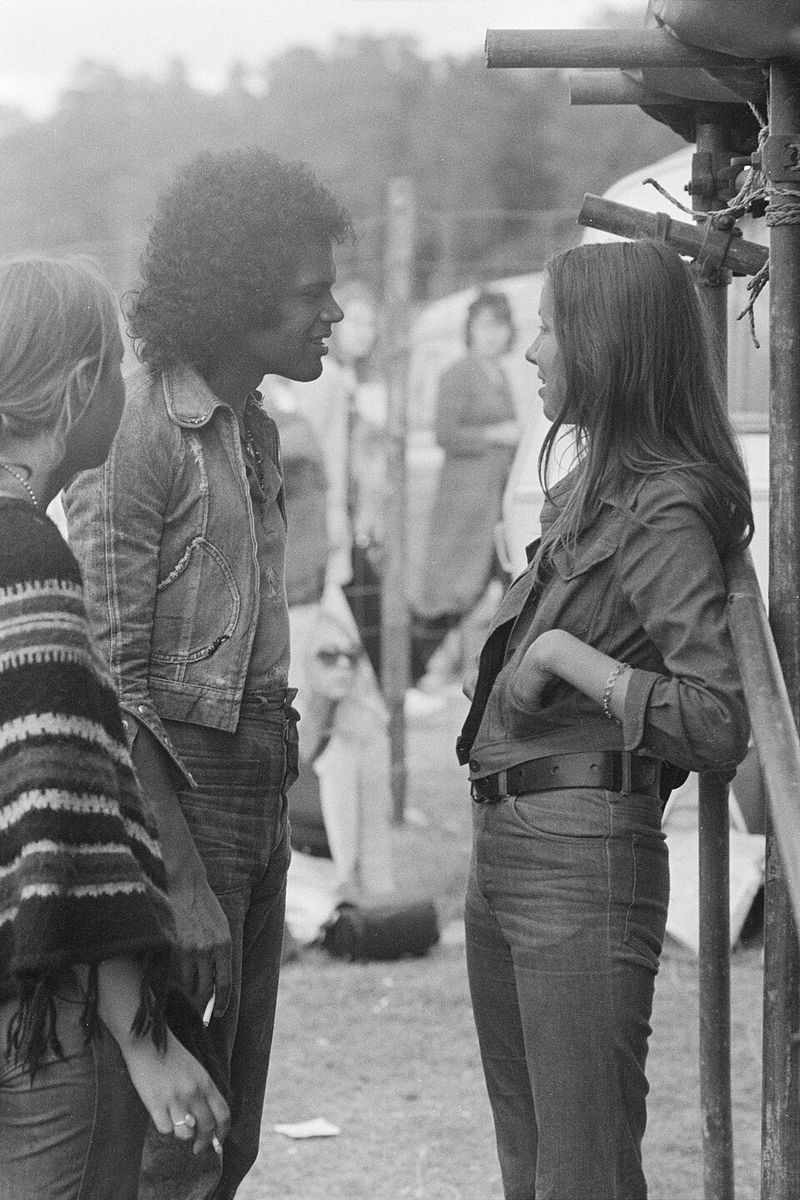
Double denim can be chic. Triple layers push past cohesion into costume, especially when washes clash.
Too many rivets, seams, and pockets create visual noise and stiff movement. The fix is simple: limit denim to two pieces and vary texture elsewhere.
A chambray shirt with dark jeans and a wool blazer reads intentional, not Western theme night.
Color theory helps. Keeping washes within two shades or going high contrast creates harmony.
Add leather, knit, or suiting to break up the hardware parade. Celebrity stylists lean on one hero denim item, then neutral support acts.
Your silhouette breathes, and the outfit photographs clean. Denim works hardest when it is not doing every job at once.
11. Ultra-short athletic shorts
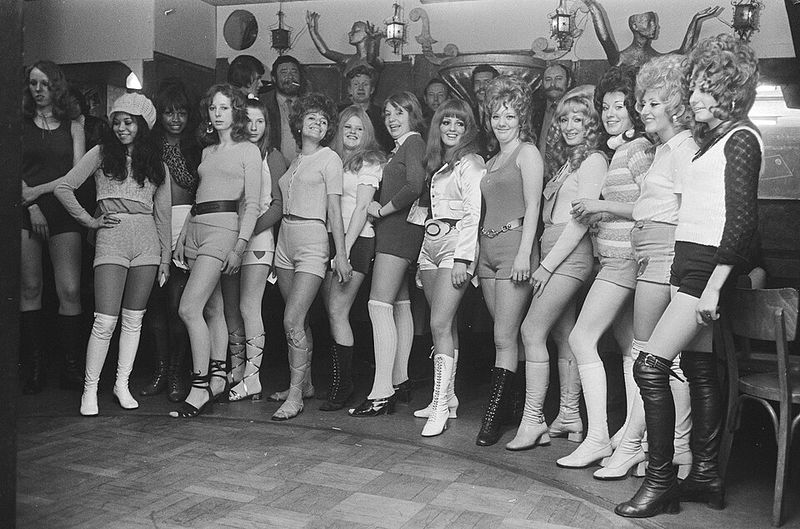
Split shorts that barely cover anything looked daring on 70s tracks, but daily life involves benches, rideshares, and stairs. Coverage equals comfort, and modern performance brands know it.
Chafing risk rises when inseams shrink, and storage vanishes. You should not need a crossbody bag just to carry keys on a run.
A 5 to 7 inch inseam delivers mobility, modesty, and pocket real estate.
Sports science backs longer cuts for many. Runners World notes that fit and fabric trump tiny hems for speed and comfort.
Moisture-wicking liners, bonded seams, and brief options beat nostalgia every mile. Keep the retro color blocking, add reflective trims, and move freely without wardrobe anxiety.
Training is hard enough without fighting your shorts.
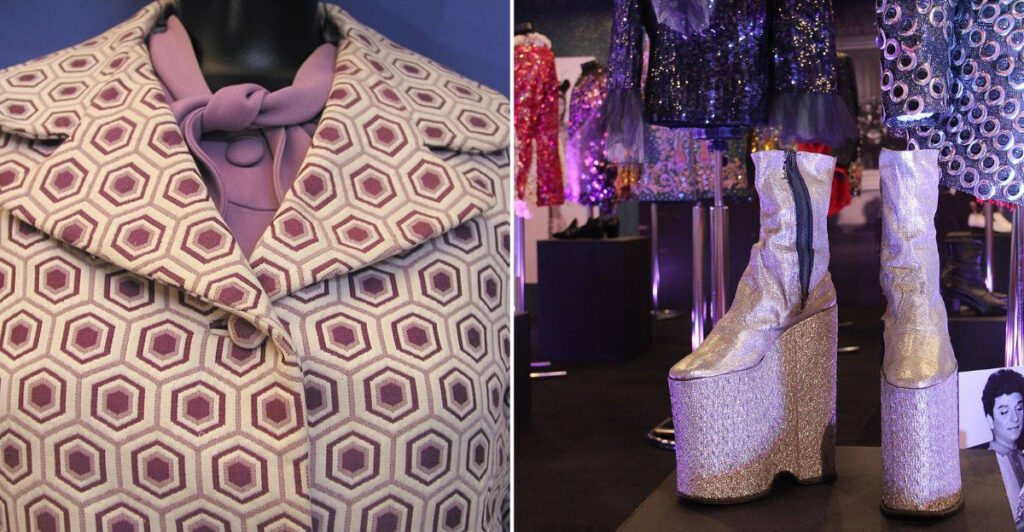
12. Bold geometric wallpaper prints on clothing
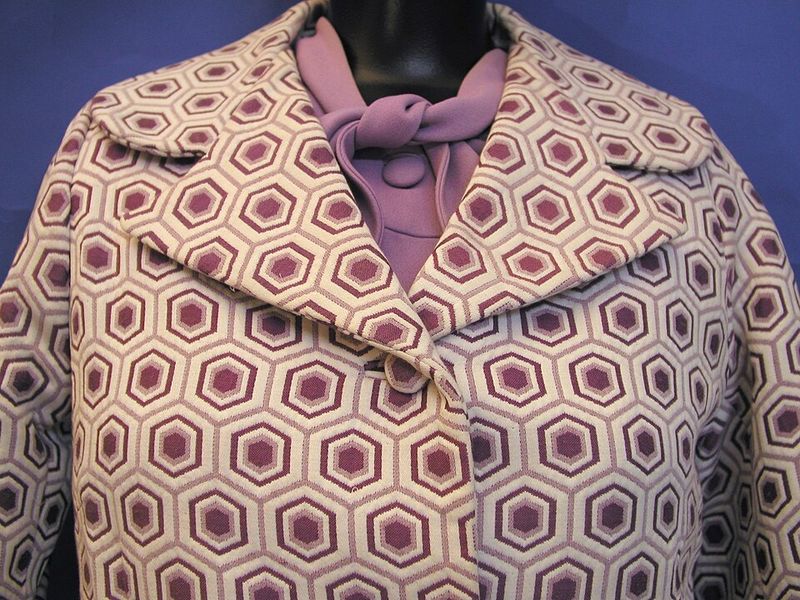
Wallpaper prints were fun on actual walls, but on clothing the scale overwhelmed bodies. Giant repeats swallow curves and joints, making sleeves and torsos look blocky.
Cameras exaggerate the chaos, especially under LED lights. If you crave retro graphics, shrink the motif or confine it to one piece.
Pair with solids so your face remains the focal point.
Retail data shows micro-prints and spaced graphics have better sell-through than jumbo repeats in basics. It makes sense: versatility wins.
Choose one statement item, like a skirt with a restrained pattern, and keep everything else quiet. You keep the vibe while earning more wears.
Your closet is not a living room, and your outfit should not feel like it needs crown molding.
13. Oversized tinted aviator glasses (in neon hues)
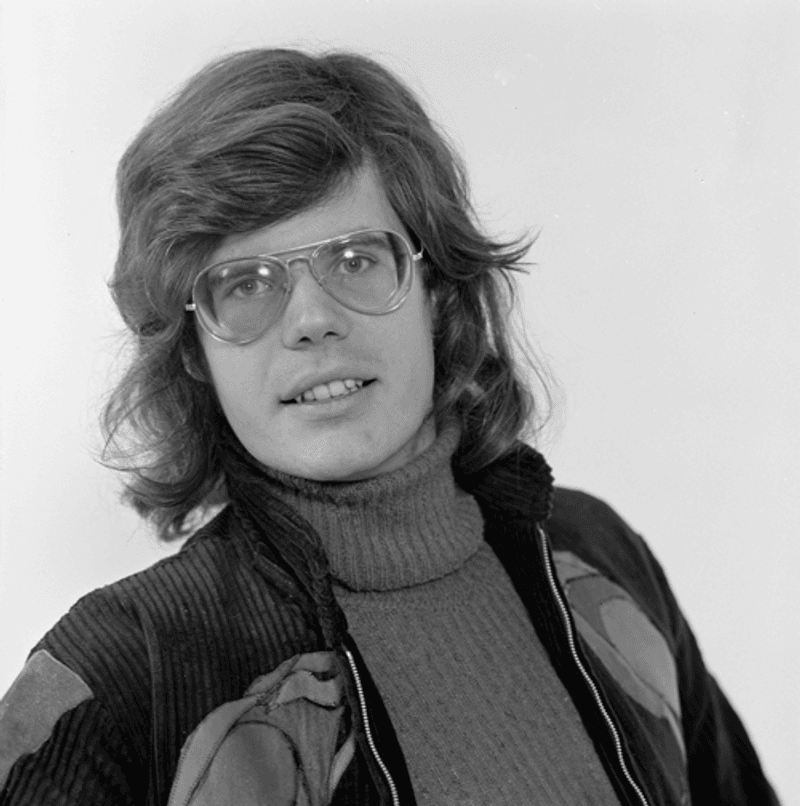
Classic aviators endure, but neon-tinted, face-swallowing versions distort color and dominate expressions. Indoors, the tint reads gimmicky and strains eyes under artificial light.
Lens tech has improved, yet neutral tints remain most wearable. If you like scale, choose proportional frames with UV protection and subtle gradient lenses.
Your outfits gain polish without hijacking your face.
Eye health matters more than retro drama. The American Academy of Ophthalmology recommends lenses blocking 99 to 100 percent of UVA and UVB.
Many novelty tints skip that rigor. Go for certified protection, scratch resistance, and anti-reflective coatings.
Keep color accents in the frame, not the lens cast. You will see better, look sharper, and avoid squinting through a highlighter pen.
14. Crochet vests with no layering balance
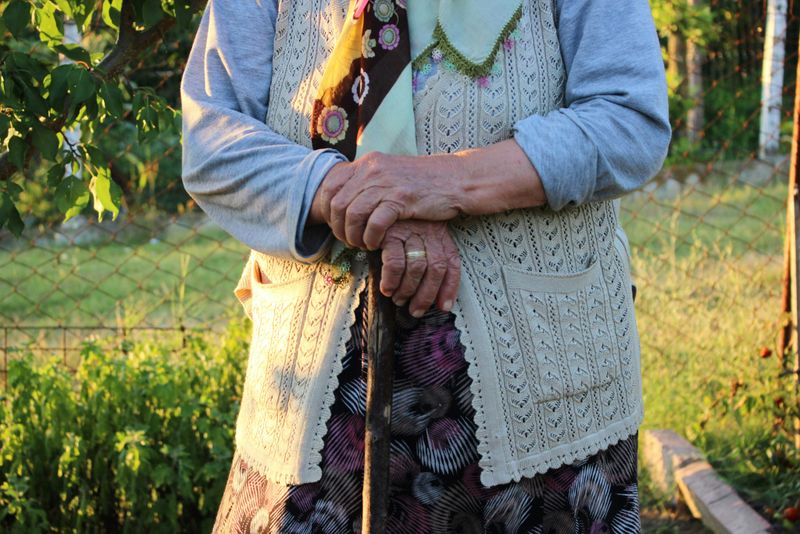
Crochet is beautiful craft, but an unlined vest over bare skin can veer costume or beachwear. The open holes disrupt proportion and leave you guessing about underlayers.
In the 70s, that laissez faire approach felt free. Today, balance is the difference between boho-chic and boho-mess.
Layer over a crisp poplin shirt, a slim turtleneck, or a monochrome tank to restore structure.
Weight matters too. Choose finer yarns to reduce bulk and keep the silhouette close.
Color helps: earthy neutrals integrate easily, loud brights demand expert styling. A single crochet piece per outfit feels curated.
Your look reads intentional, not improvised. Let the handiwork shine by giving it a clean stage, not an everything-everywhere moment.
15. Earth-tone everything (mustard, avocado, and burnt orange all at once)
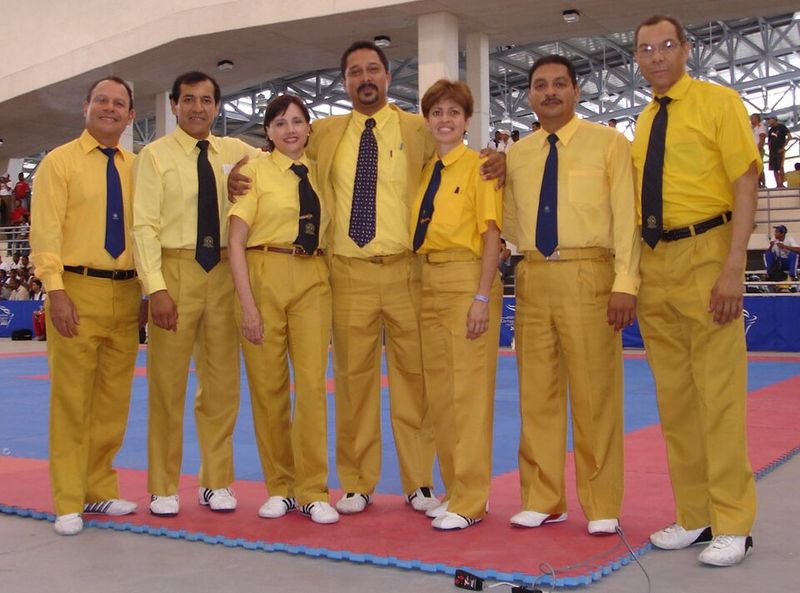
Earth tones can be elegant, but stacking mustard, avocado, and burnt orange creates a murky soup. Skin undertones fight those colors, and photos skew sallow under warm bulbs.
The fix is curation. Choose one saturated earthy piece and ground it with creams, charcoals, or denim.
Suddenly the palette feels intentional and wearable year-round.
Colorists suggest testing pieces in daylight because LEDs can distort warmth. A camel coat with olive pants works, but toss in burnt orange and mustard and the harmony collapses.
Keep contrast near the face: ivory tee, silver jewelry, or a crisp white shirt. You keep the 70s nod without committing to a retro filter.
Your mirror and camera will agree for once.
Share this story