Tucked away in the rugged mountains of Far West Texas, Alpine stands as an unexpected oasis of creativity and intellectual energy. This small town of about 6,000 residents sits at an elevation of 4,462 feet, surrounded by peaks that soar over a mile high.
Despite its remote location, travelers from across the state describe Alpine as a thriving hub where artists, writers, musicians, and deep thinkers gather to create, collaborate, and find inspiration in the desert landscape.
Sul Ross State University Brings Young Minds to the Mountains
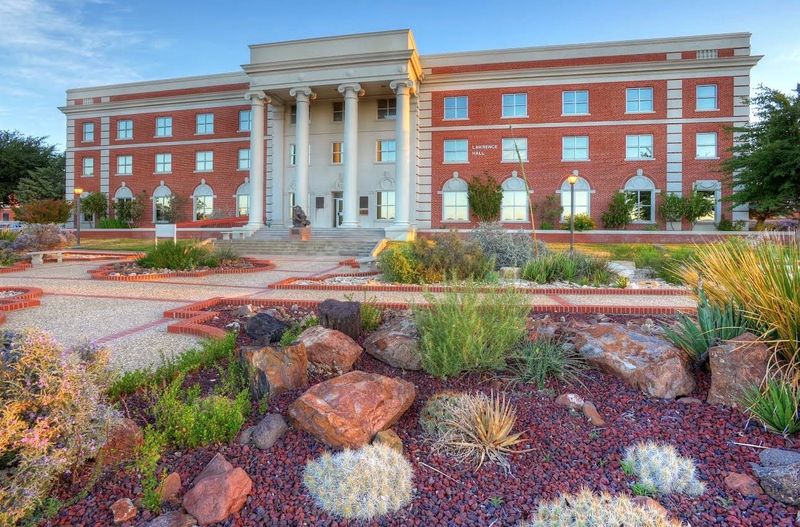
College students walking to class under massive blue skies create an atmosphere you won’t find anywhere else in West Texas. Sul Ross State University anchors Alpine’s intellectual community with programs in art, literature, and natural sciences that draw curious minds from across the region.
The campus feels intimate rather than overwhelming, with historic buildings and mountain views that make studying almost pleasant.
Professors here often double as local artists, writers, or musicians, blurring the line between academic life and creative practice. Students regularly exhibit their work in town galleries or perform at community events, creating connections that extend far beyond graduation.
This constant flow of young people keeps Alpine’s cultural scene energized and prevents the town from feeling sleepy or isolated.
Campus events like lectures, film screenings, and art exhibitions are open to the public, making the university a true community resource. Local residents often attend these gatherings, creating conversations between generations and backgrounds.
The university also maintains a museum with regional artifacts and rotating art shows that showcase both student and professional work, giving visitors a window into the area’s creative spirit.
Art Galleries Pop Up in Unexpected Places
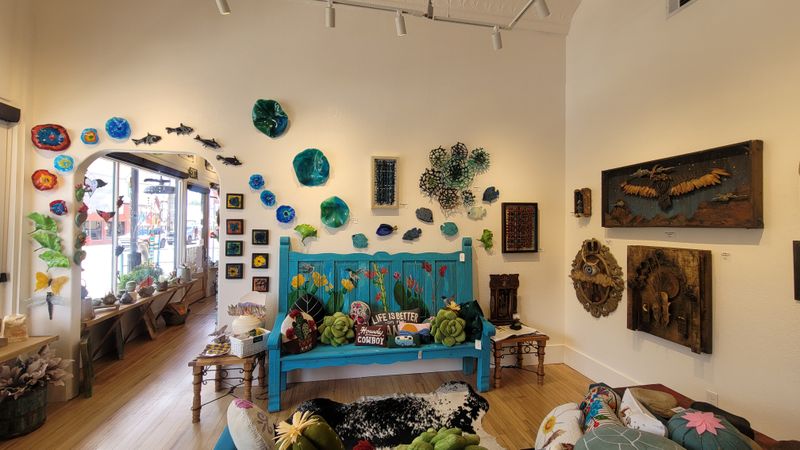
Walking down Alpine’s compact downtown, you’ll stumble upon gallery spaces tucked between hardware stores and cafes. These aren’t stuffy white-cube galleries with intimidating price tags—they’re welcoming spots where local painters, photographers, and sculptors display work inspired by the surrounding desert and mountains.
Many artists live and work right here in Brewster County, so their pieces capture the specific quality of West Texas light and landscape.
Gallery owners often sit behind the counter, ready to chat about their creative process or the region’s art history. First Friday gallery walks have become a monthly tradition, when shops stay open late and visitors can meet artists face-to-face.
Wine and conversation flow freely during these events, creating a social atmosphere that feels more like a neighborhood party than a formal art opening.
Several galleries also offer workshops where visitors can try their hand at painting, printmaking, or pottery. These hands-on experiences let travelers connect with Alpine’s creative community in a meaningful way.
Whether you’re a serious collector or just browsing, the galleries here make contemporary art feel accessible and relevant to everyday life in this mountain town.
The Museum of the Big Bend Tells Stories Through Objects
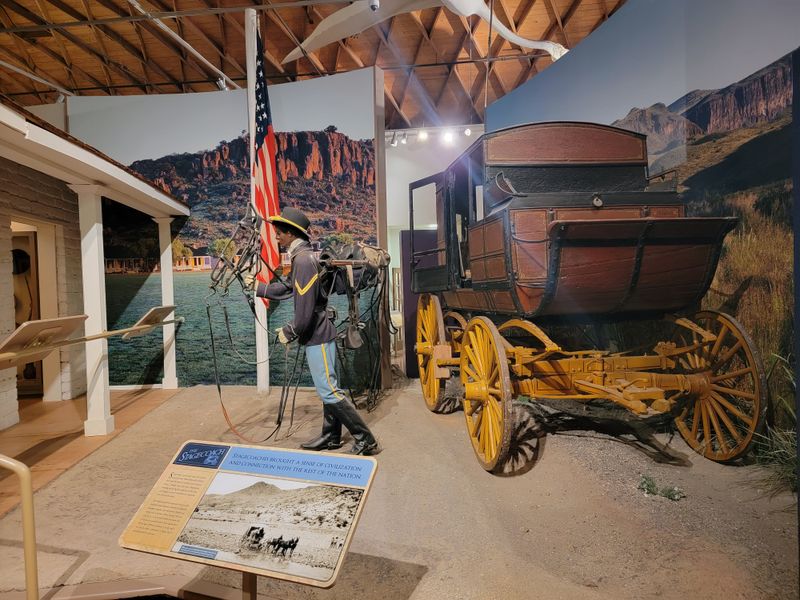
History comes alive through carefully curated exhibits that trace human presence in this region back thousands of years. The Museum of the Big Bend, located on the Sul Ross campus, houses collections that range from ancient Native American artifacts to cowboy gear and contemporary folk art.
Each display case reveals another layer of how people have adapted to and been shaped by this harsh but beautiful landscape.
Rotating exhibitions bring fresh perspectives on regional culture, from documentary photography projects to displays of traditional crafts. The museum staff includes scholars who conduct original research on Big Bend history, so the information you encounter here isn’t recycled from textbooks.
Special events like lecture series and book talks draw crowds of locals and visitors who want to understand the area more deeply.
Admission is free, making this an accessible stop for anyone curious about Alpine’s cultural roots. The building itself offers quiet spaces for reflection, with windows that frame views of the surrounding mountains.
Families, students, and solo travelers all find something that resonates, whether it’s learning about early ranching life or discovering the region’s surprising artistic traditions that stretch back generations.
Coffee Shops Double as Creative Workspaces
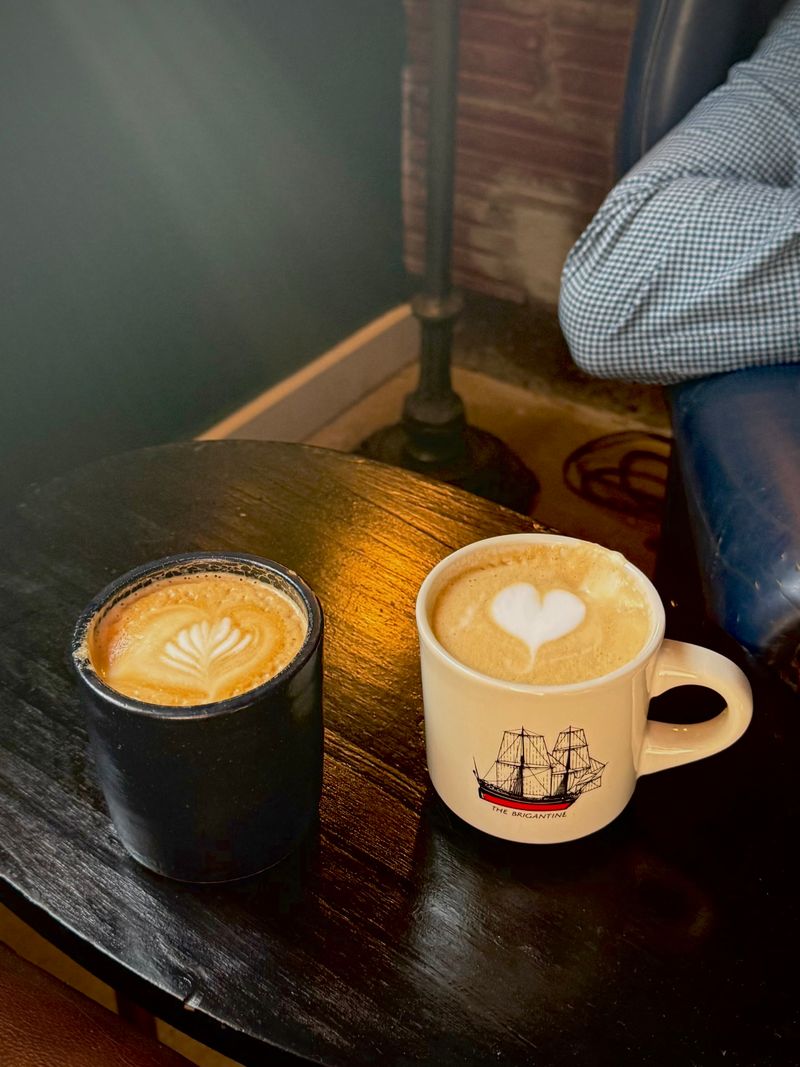
Espresso machines hiss and laptop keyboards click in Alpine’s coffee shops, where artists, writers, and students claim corner tables for hours. These cafes understand that their customers need more than caffeine—they need spaces to think, create, and occasionally procrastinate while staring out windows at distant peaks.
The atmosphere strikes a balance between focused productivity and relaxed sociability, with just enough background conversation to prevent isolation.
Local baristas know regular customers by name and drink order, creating a sense of belonging that’s hard to find in bigger cities. Bulletin boards overflow with flyers for poetry readings, art shows, hiking groups, and music performances, serving as low-tech social networks.
Many coffee shops display rotating artwork on their walls, giving emerging artists exhibition space and customers something interesting to contemplate between paragraphs or brush strokes.
Travelers passing through often comment on how these cafes feel genuinely welcoming rather than exclusive or hipster-precious. You’ll see ranchers in work boots sitting near college students with sketchbooks, all coexisting comfortably.
The quality of the coffee is surprisingly excellent, with shops sourcing beans carefully and taking their craft seriously without being pretentious about it, perfectly capturing Alpine’s unpretentious creative spirit.
Live Music Venues Host Surprising Talent
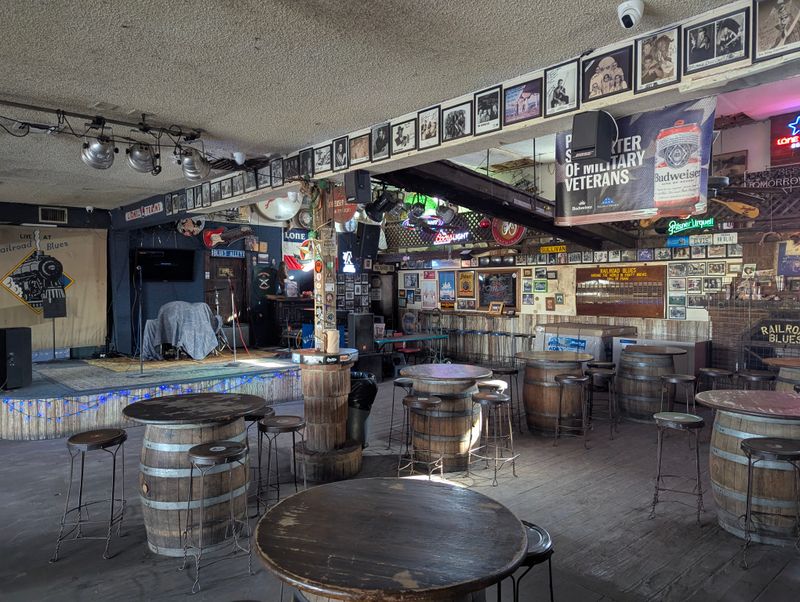
Acoustic guitars and fiddles echo through intimate venues where touring musicians make Alpine a regular stop despite its remote location. The town punches well above its weight in terms of musical offerings, attracting folk singers, country bands, and even experimental musicians who appreciate playing for audiences that actually listen.
Venues range from dedicated music halls to restaurants that clear space for a small stage on weekends.
Local musicians also thrive here, forming bands that blend traditional Texas sounds with more contemporary influences. Open mic nights give newcomers and seasoned performers alike a chance to test new material in a supportive environment.
The audiences tend to be knowledgeable and enthusiastic, creating an energy that performers remember and return for.
What makes Alpine’s music scene special isn’t just the quality of performers but the atmosphere of genuine appreciation. People come to these shows to experience live music, not just to drink and socialize with music as background noise.
Between sets, musicians often hang out with audience members, swapping stories about life on the road or discussing songwriting techniques. This accessibility creates memorable experiences that travelers carry with them long after leaving town.
Public Art Transforms Ordinary Spaces
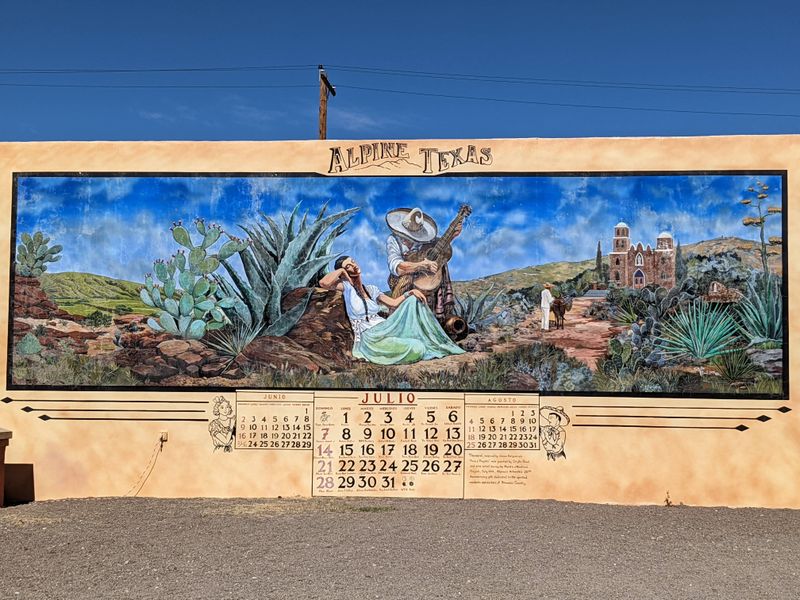
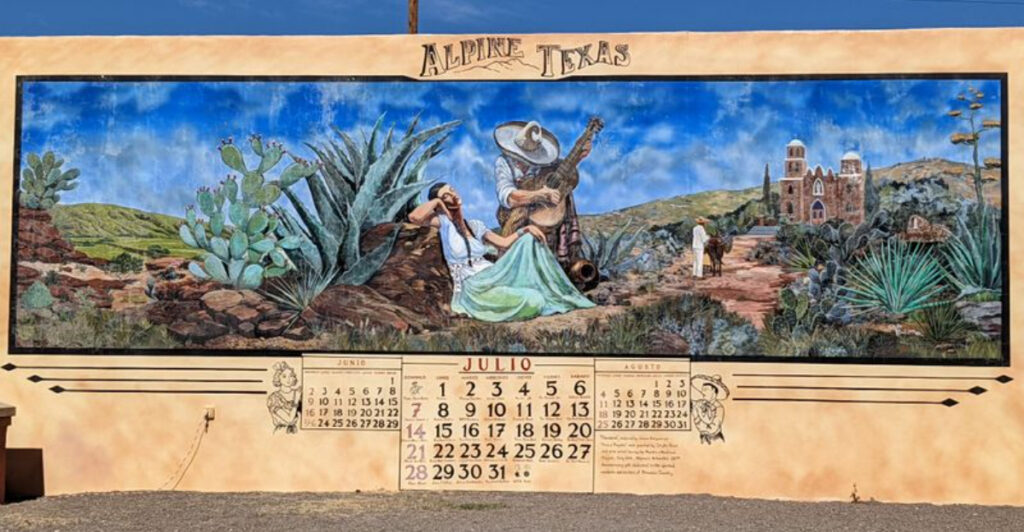
Murals brighten building walls throughout downtown, transforming what could be utilitarian architecture into outdoor galleries. These aren’t random splashes of color but thoughtfully designed pieces that reflect Alpine’s character and history.
Some depict the surrounding landscape with its distinctive geology and plant life, while others celebrate the town’s multicultural heritage or honor local figures who shaped the community.
Sculpture installations appear in unexpected places—a metal cactus outside a shop, abstract forms in a small plaza, or whimsical creatures perched on benches. These pieces invite interaction and photographs, turning casual walks into treasure hunts.
Local arts organizations coordinate these projects, often bringing in visiting artists to collaborate with community members on large-scale works.
The commitment to public art shows Alpine’s belief that creativity shouldn’t be confined to galleries or private collections. Everyone who walks these streets gets to experience visual art, regardless of their economic status or cultural background.
Visitors notice how this artistic presence changes the feel of the entire town, making it more vibrant and memorable than typical small Texas communities. The art also sparks conversations among residents about aesthetics, community values, and what it means to create a distinctive sense of place.
Writer Retreats Find Inspiration in Isolation
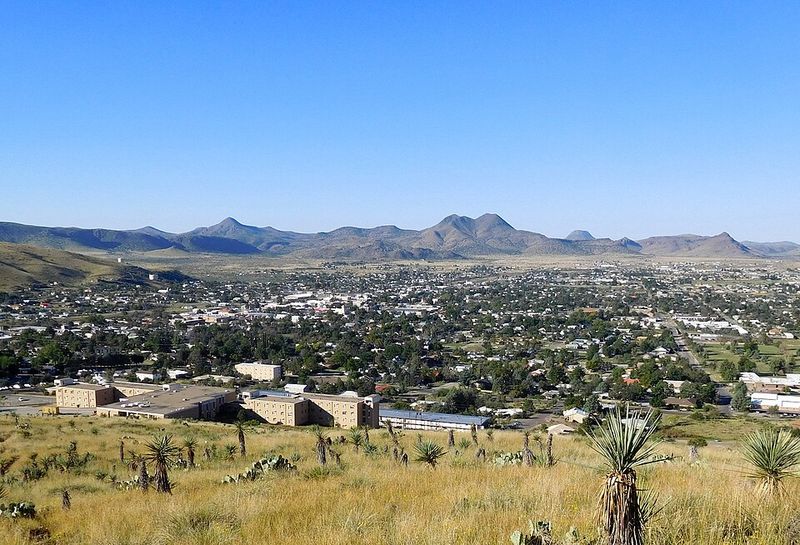
Novelists and poets escape to Alpine specifically for its remoteness, finding that distance from urban distractions helps words flow more freely. Several properties around town offer residencies or simple accommodations designed for creative work, with desks facing mountain views and enough quiet to hear your own thoughts.
The high desert landscape seems to clarify thinking, stripping away mental clutter the way wind strips unnecessary branches from desert trees.
Local writing communities welcome visiting authors, organizing informal gatherings where people share work-in-progress and offer feedback. The bookstores and coffee shops provide additional spaces for writers to work among kindred spirits without the pressure of constant networking.
Many established authors have discovered Alpine as a productive escape, returning year after year to make progress on manuscripts.
The town’s literary culture runs deeper than you might expect from a population of 6,000. Residents read seriously and show up for author events, asking thoughtful questions and buying books.
This creates a reciprocal relationship where writers feel genuinely appreciated rather than merely tolerated. Travelers interested in writing often leave Alpine with renewed motivation, having experienced a place where literary work is valued and supported as an essential part of community life.
Community Theater Stages Ambitious Productions
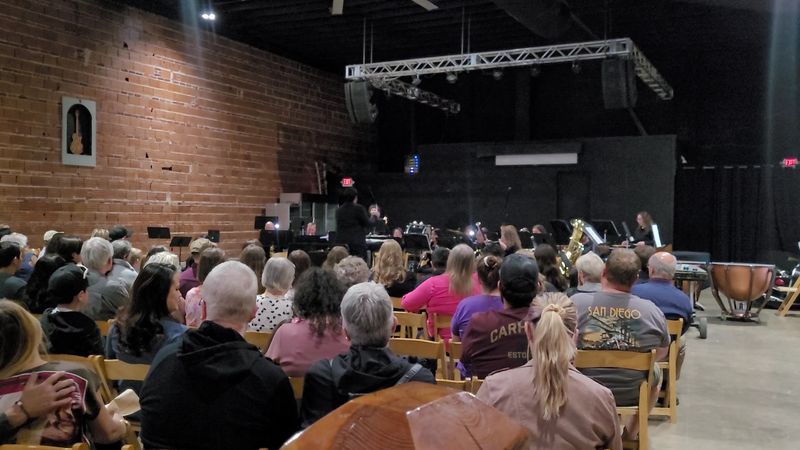
Amateur actors tackle challenging plays on small stages, proving that theatrical ambition isn’t limited to major metropolitan areas. Alpine’s theater groups perform everything from classic dramas to contemporary comedies, with production values that sometimes surprise visitors expecting modest community theater fare.
Directors and performers take their craft seriously while maintaining the joy and accessibility that makes live theater special.
Auditions draw from the university and broader community, mixing students with longtime residents in casts that span generations. Rehearsal processes build friendships and creative partnerships that extend beyond individual productions.
The theaters themselves are intimate spaces where audiences sit close enough to see performers’ expressions, creating immediacy that big professional venues sometimes lack.
Theater in Alpine serves multiple functions—entertainment, artistic outlet, and social glue that connects different parts of the community. Attending a performance here means supporting neighbors and friends while experiencing stories that range from laugh-out-loud funny to deeply moving.
For travelers, catching a show offers insight into Alpine’s creative ambitions and the collaborative spirit that makes cultural life possible in remote places. The standing ovations that end performances feel genuine, celebrating not just the show but the community effort that brought it to life.
Artisan Craftspeople Keep Traditional Skills Alive
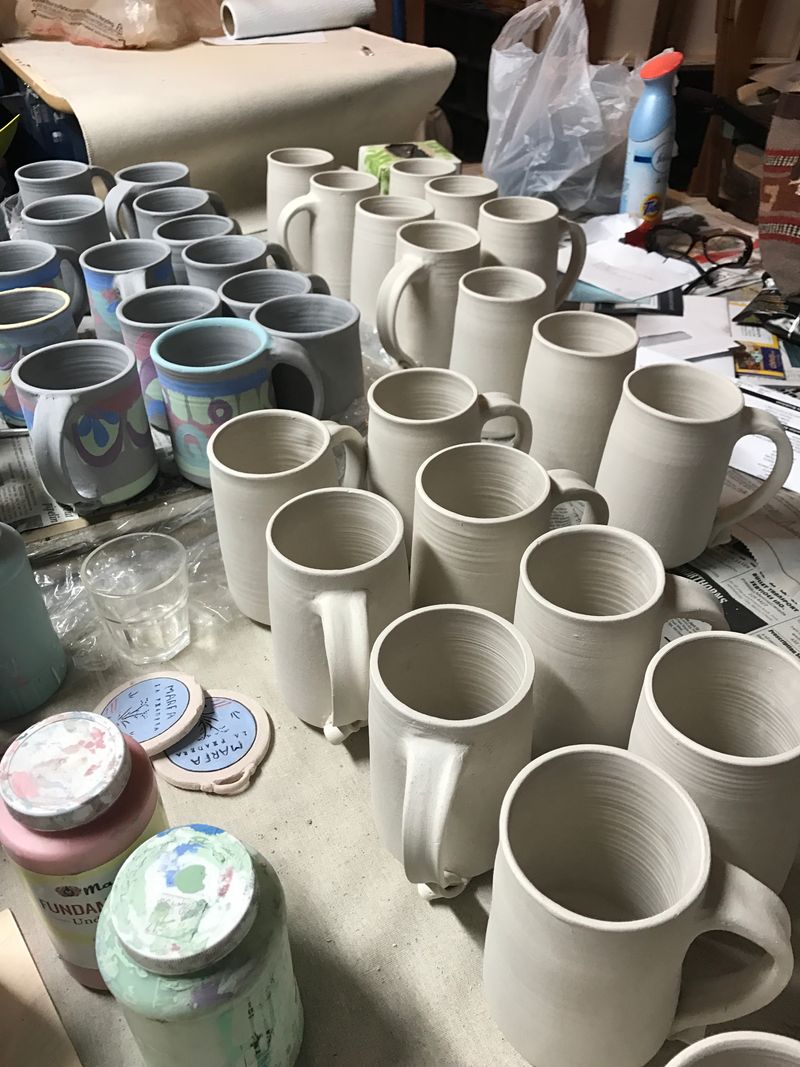
Leather workers, potters, and metalworkers maintain studios where they practice crafts that connect to the region’s ranching and frontier heritage. These aren’t hobbyists making trinkets for tourists—they’re skilled artisans producing functional objects of genuine quality and beauty.
Their work often blends traditional techniques with contemporary design sensibilities, creating pieces that feel both timeless and modern.
Many craftspeople welcome visitors to their studios, explaining their processes and the materials they use. Watching someone tool leather or throw a pot on a wheel provides a meditative counterpoint to screen-based modern life.
These artists often source materials locally when possible, using regional clay or wood that carries the character of the surrounding landscape.
The presence of working craftspeople adds another dimension to Alpine’s creative community. While painters and writers work in relatively solitary ways, craft studios often become social spaces where makers gather, share techniques, and collaborate on projects.
Visitors can purchase unique handmade items that serve as meaningful souvenirs, objects with stories and connections to specific people and places. This craft tradition also attracts younger makers interested in learning from experienced artisans, ensuring these skills and values continue into future generations.
Food Culture Emphasizes Local Ingredients and Creativity
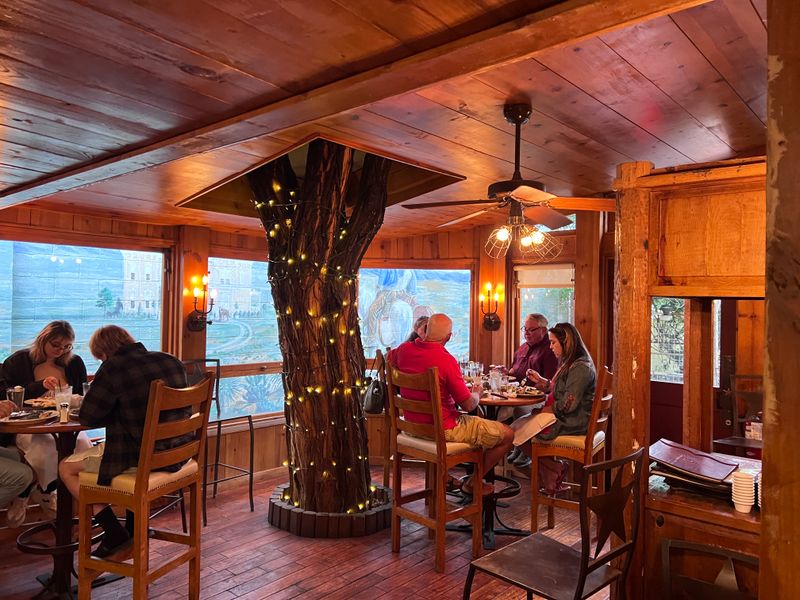
Restaurant kitchens experiment with regional ingredients, creating menus that reflect both place and personality. Chefs here often come from bigger cities, drawn by Alpine’s quality of life and the freedom to cook without corporate constraints.
They source beef from nearby ranches, incorporate native plants when seasonally available, and put creative spins on traditional Texas and Mexican dishes.
The food scene isn’t large but it’s thoughtful, with each restaurant offering something distinct. You’ll find everything from elevated comfort food to adventurous fusion concepts, all served in casual atmospheres where the focus stays on the plate rather than pretentious presentation.
Many establishments feature local art on their walls and host occasional special events like winemaker dinners or chef collaborations.
Eating out in Alpine becomes part of the cultural experience rather than just refueling. Diners strike up conversations with neighboring tables, chefs sometimes emerge from kitchens to chat with guests, and meals unfold at a pace that encourages savoring rather than rushing.
Travelers consistently mention the food as a pleasant surprise, expecting basic Tex-Mex and roadside fare but discovering genuine culinary creativity. This commitment to good food reflects Alpine’s broader values—quality matters, local connections count, and there’s always room for creative expression, even on a dinner plate.
The Landscape Itself Inspires Creative Work
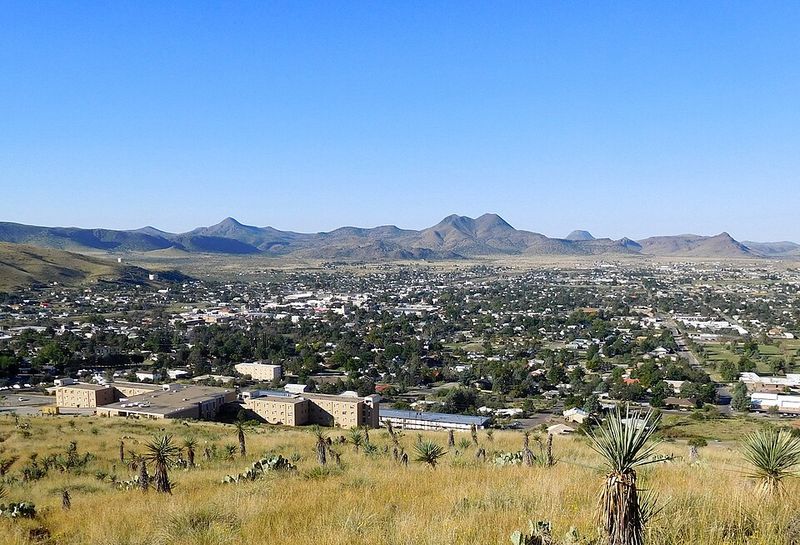
Mountains that change color throughout the day provide endless material for photographers, painters, and writers who never tire of trying to capture their essence. The high desert environment around Alpine possesses a stark beauty that challenges easy description—vast sky, dramatic geology, surprising plant life adapted to harsh conditions.
Artists find themselves returning to these same subjects repeatedly, discovering new angles and interpretations with each attempt.
Light behaves differently at this elevation, with clarity that makes distant mountains appear closer and colors more saturated. Sunrises and sunsets become daily performances that residents pause to witness, understanding that this connection to natural beauty feeds creative work.
The landscape also enforces a certain humility—its scale and age dwarf human concerns, providing perspective that can be both comforting and challenging.
Many creative people describe the environment as an active presence rather than passive backdrop. The land shapes daily rhythms, influences color palettes, and provides metaphors that seep into writing and art.
Travelers often comment on feeling this influence themselves, even during short visits. There’s something about being surrounded by mountains and sky that opens perception and invites contemplation, making Alpine’s claim as a hub for artists and thinkers feel less like marketing and more like geographic destiny written in stone and light.
Share this story