<p>Clarksdale, Mississippi sits at the heart of the Mississippi Delta, where the blues were born and legends were made. This small town has drawn music lovers from every corner of the globe, all eager to walk the same streets where Muddy Waters, Robert Johnson, and John Lee Hooker once played.
From historic juke joints to world-class museums, Clarksdale offers an authentic blues experience you won’t find anywhere else.</p>
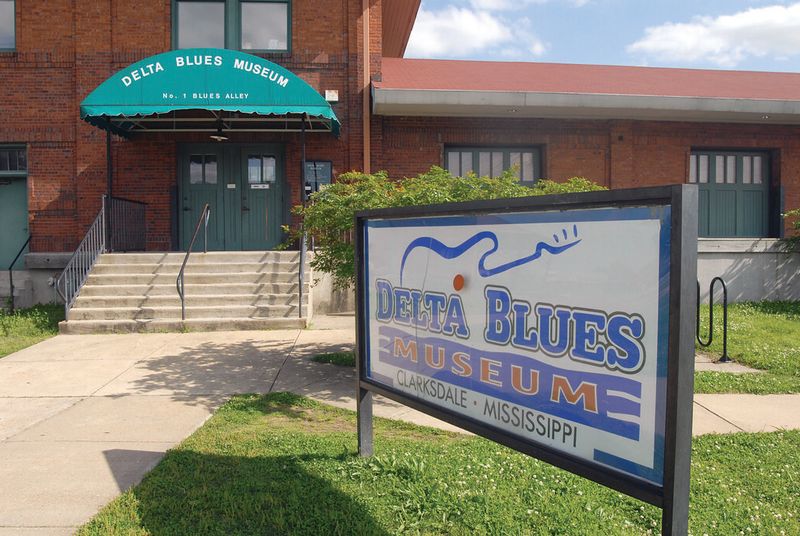
<p>Music history comes alive inside this incredible museum housed in the old Clarksdale train depot. You’ll find Muddy Waters’ actual cabin, moved here from the Stovall Plantation where he recorded his first tracks for the Library of Congress.
The walls showcase vintage guitars, handwritten lyrics, and photographs that tell the story of how the blues shaped American music.</p><p>Interactive exhibits let you explore the evolution of blues from field hollers to electric guitar riffs. Kids and adults alike can try their hand at playing instruments or listen to rare recordings through headphones.
The museum staff knows their stuff and loves sharing stories about the artists who made Clarksdale famous.</p><p>Special exhibits rotate throughout the year, featuring everything from harmonica collections to stage costumes worn by blues royalty. The gift shop sells hard-to-find recordings and books about Delta blues history.
Plan to spend at least two hours here because there’s so much to see and hear.
Admission is affordable, and the experience will deepen your appreciation for this uniquely American art form.</p>
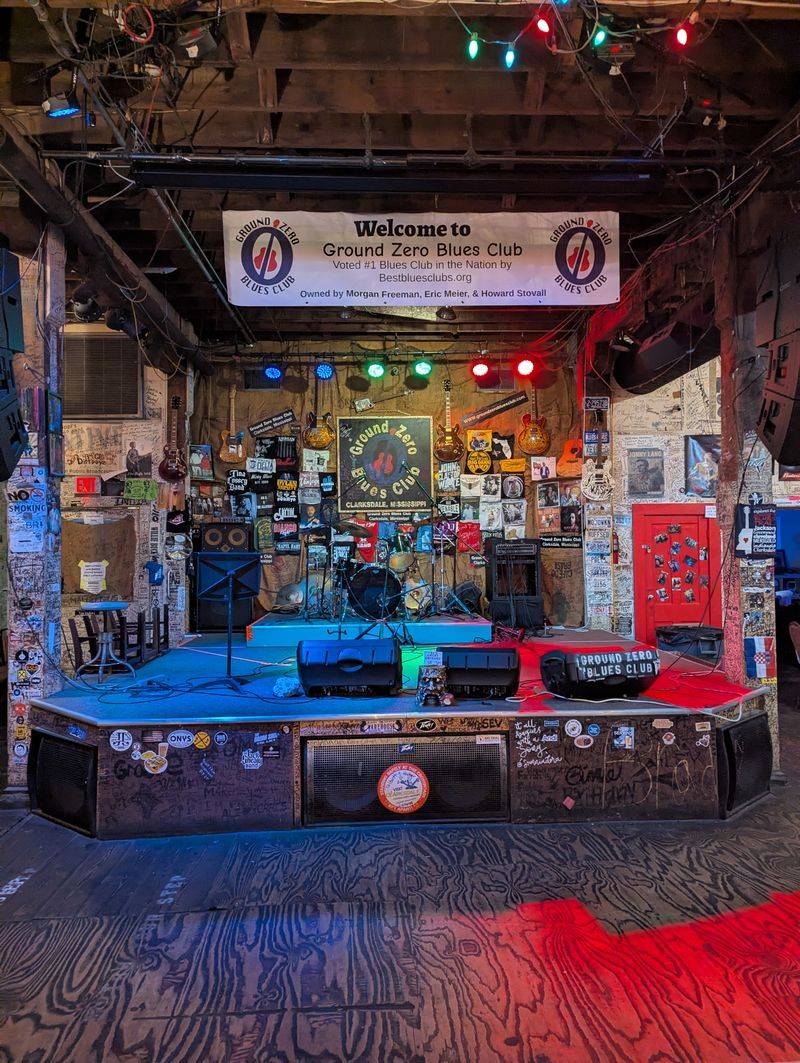
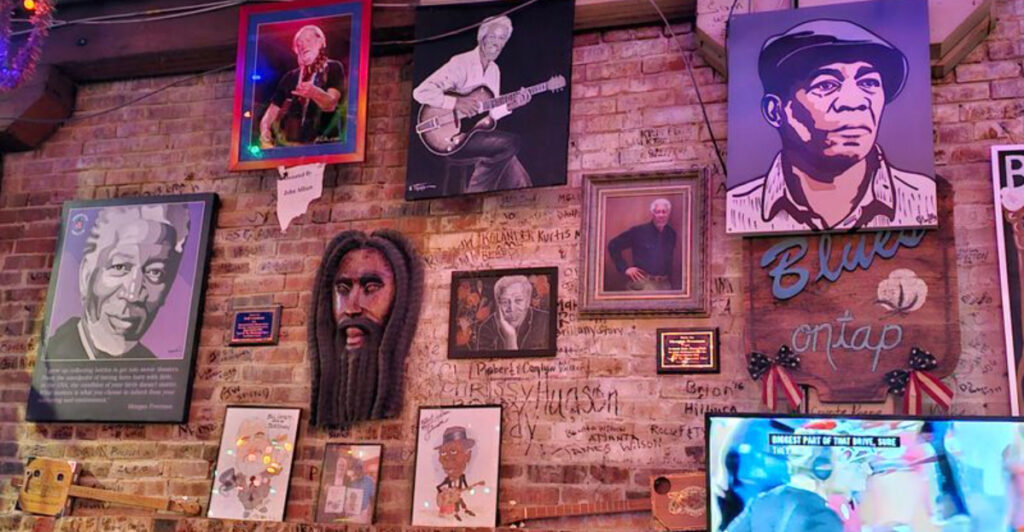
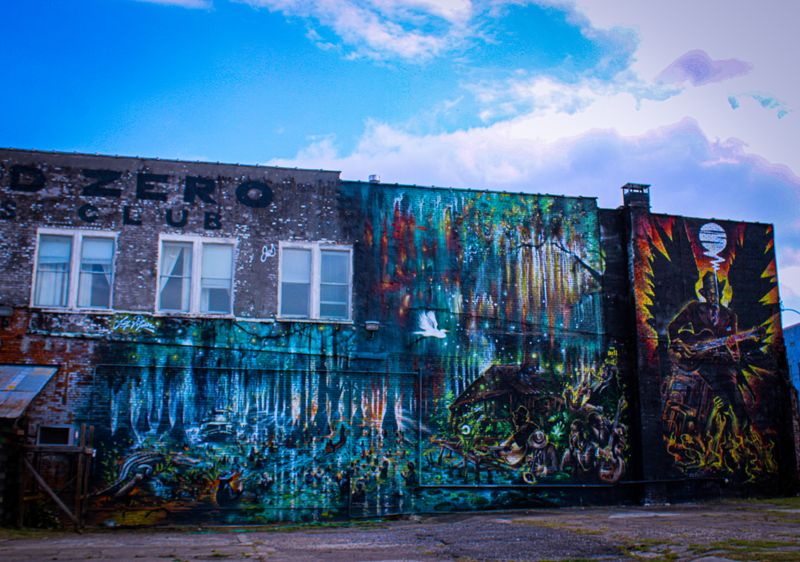
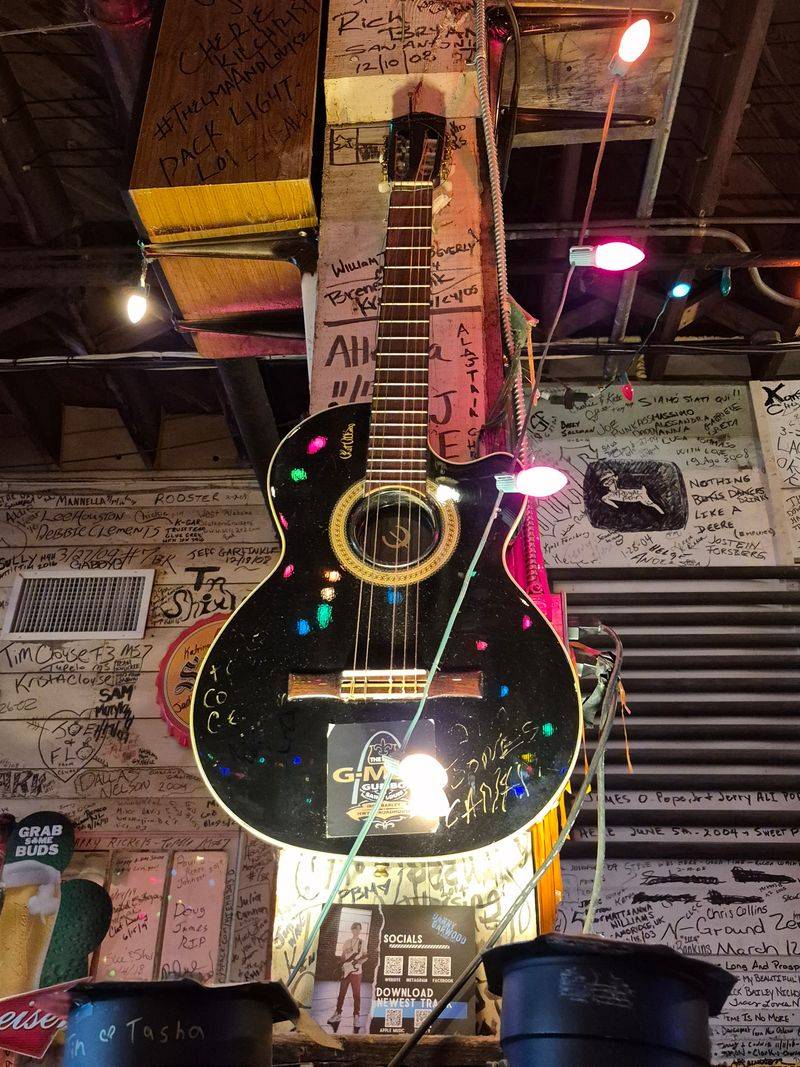
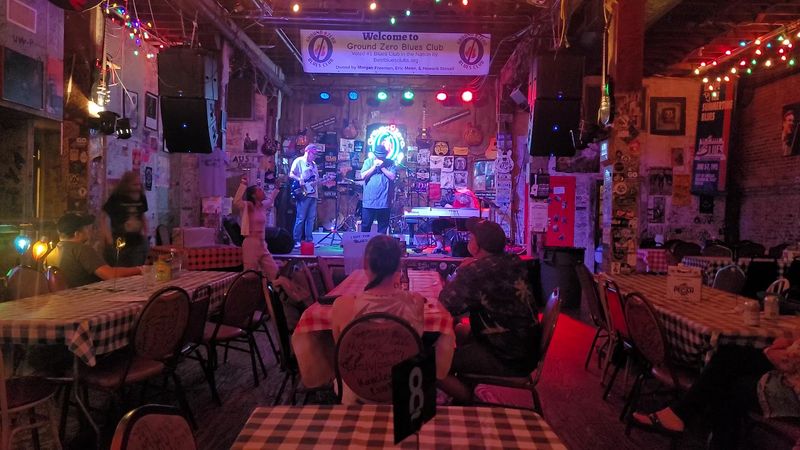
<p>Co-owned by actor Morgan Freeman, this legendary juke joint brings the authentic Delta blues experience to life every single night. Raw wooden floors creak beneath your feet as you enter a space where the walls practically sweat music history.
Live bands take the stage most evenings, delivering performances that range from traditional acoustic blues to electrified modern interpretations.</p><p>The atmosphere feels genuinely old-school, with Christmas lights strung across the ceiling and concert posters plastered everywhere. Order some Southern comfort food from the kitchen while you soak in the sounds.
The fried catfish and tamales are local favorites that pair perfectly with cold beer.</p><p>Tourists and locals mix freely here, united by their love of good music and good times. The cover charge is reasonable, especially considering the quality of talent that graces the stage.
Thursday nights tend to draw the biggest crowds, but any night promises an unforgettable experience.
Dress casually and prepare to stay late because once the music starts flowing, you won’t want to leave.</p>
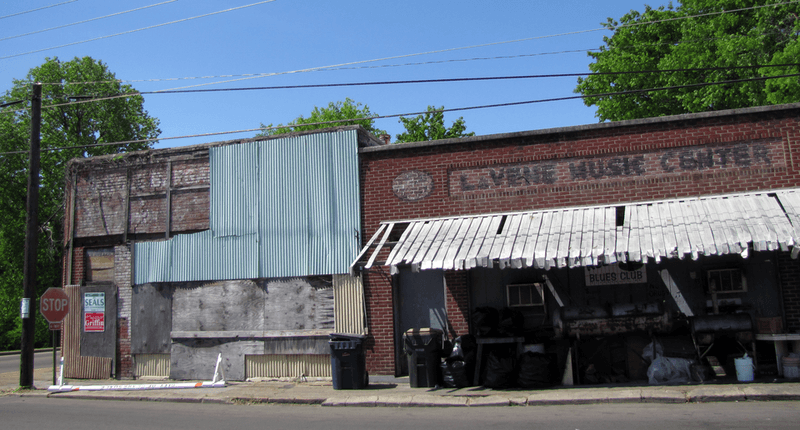
<p>Step inside what might be the most authentic juke joint left in America, where nothing has changed much since the 1960s. Red Paden himself used to hold court here until his passing, and the spirit of his no-frills approach to blues lives on.
The tiny space gets packed shoulder-to-shoulder on weekend nights when local musicians plug in and let loose.</p><p>Don’t expect fancy cocktails or gourmet snacks at this bare-bones establishment. You’ll find cold beer in coolers and maybe some chips if you’re lucky.
The real draw is the music, played loud and honest by artists who grew up breathing Delta blues.</p><p>Photographers love capturing the gritty, real atmosphere that makes Red’s so special. The corrugated metal walls and mismatched furniture create a backdrop that screams authenticity.
Visitors from Japan, Europe, and across America make pilgrimages here specifically to experience blues in its purest form. Cash only, so hit the ATM before you arrive.
Open mainly on weekends, but the schedule can be unpredictable, so call ahead or check their social media for current information.</p>
<p>Legend says Robert Johnson sold his soul to the devil right here at the intersection of Highway 61 and Highway 49. Whether you believe the tale or not, standing at this spot sends shivers down your spine.
Three giant blue guitars mark the location, making it impossible to miss and perfect for photos.</p><p>The mythology surrounding this crossroads has inspired countless songs, books, and movies about the blues. Johnson supposedly met the devil at midnight and traded his eternal soul for supernatural guitar-playing abilities.
His mysterious death at age 27 only added fuel to the legend.</p><p>Visitors from around the world stop here to pay homage and snap pictures with the iconic guitar monuments. Some leave guitar picks or other small tributes at the base of the signs.
The actual intersection is just regular pavement, but the cultural significance makes it sacred ground for blues fans. Visit during the day for clear photos, or come at night for a spookier atmosphere.
It’s free to visit anytime, and you’ll likely meet fellow music pilgrims doing the same thing.</p>
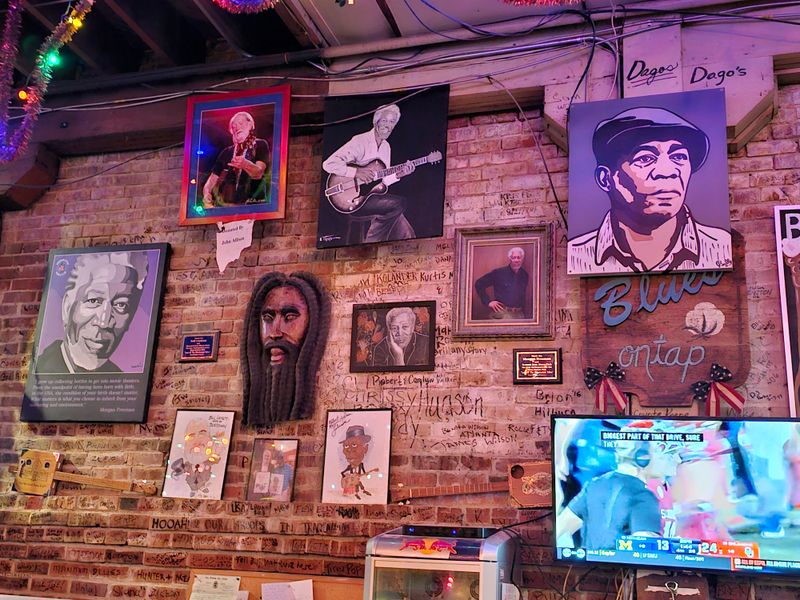
<p>Owner Roger Stolle has created more than just a store; he’s built a blues information headquarters where knowledge flows as freely as the music. Shelves overflow with rare vinyl, CDs, books, and folk art created by local artists.
Roger himself serves as an unofficial tourism director, offering recommendations on where to eat, sleep, and catch live music.</p><p>The shop specializes in hard-to-find recordings by obscure Delta blues artists you won’t discover anywhere else. Colorful folk art pieces line the walls, many created by self-taught artists from the surrounding area.
You might spend an hour just browsing through the vinyl bins, uncovering musical treasures.</p><p>Roger’s encyclopedic knowledge of Clarksdale’s music scene makes him the perfect person to ask about current events and hidden gems. He’s genuinely passionate about sharing the blues with newcomers and veterans alike.
The store also sells quirky souvenirs and locally made crafts that make great gifts. Stop in early during your visit to get the inside scoop on what’s happening around town.
The friendly atmosphere and expert guidance make Cat Head an essential stop.</p>
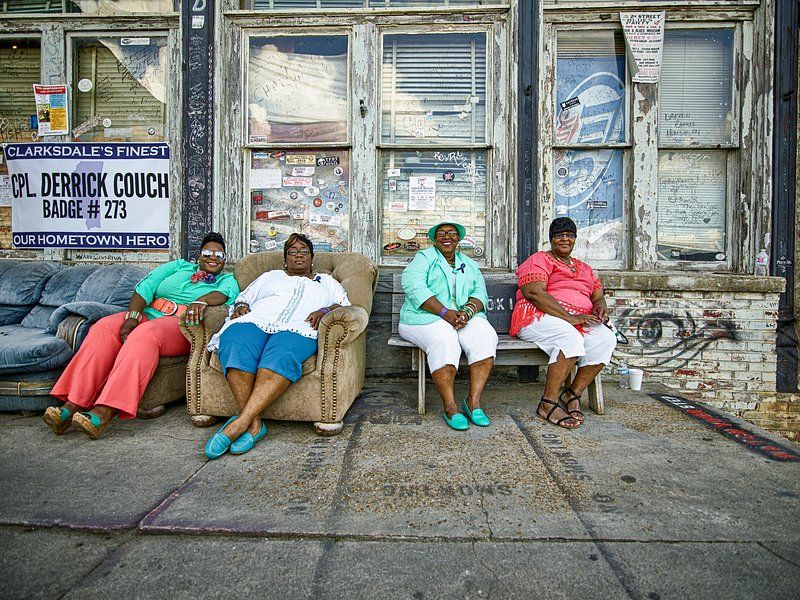
<p>Tucked away in a historic building, this quirky museum houses an eclectic collection that spans blues, rock, and everything in between. Owner Bill Luckett, who also co-owned Ground Zero with Morgan Freeman, assembled an impressive array of memorabilia before his passing.
You’ll see everything from Ike Turner’s keyboard to rare concert posters from the 1960s.</p><p>The exhibits wind through multiple rooms, each packed with instruments, photographs, and personal items from music legends. Some displays focus specifically on Clarksdale natives who made it big, while others celebrate the broader influence of Delta blues on rock and roll.
The intimate setting allows you to get up close with artifacts you’d only see behind glass elsewhere.</p><p>Admission is inexpensive, and the self-guided tour lets you explore at your own pace. Music plays throughout the space, creating a soundtrack for your journey through decades of musical history.
The museum doesn’t get as crowded as some other attractions, giving you breathing room to really appreciate each display.
Pick up a souvenir from the small gift area on your way out.</p>
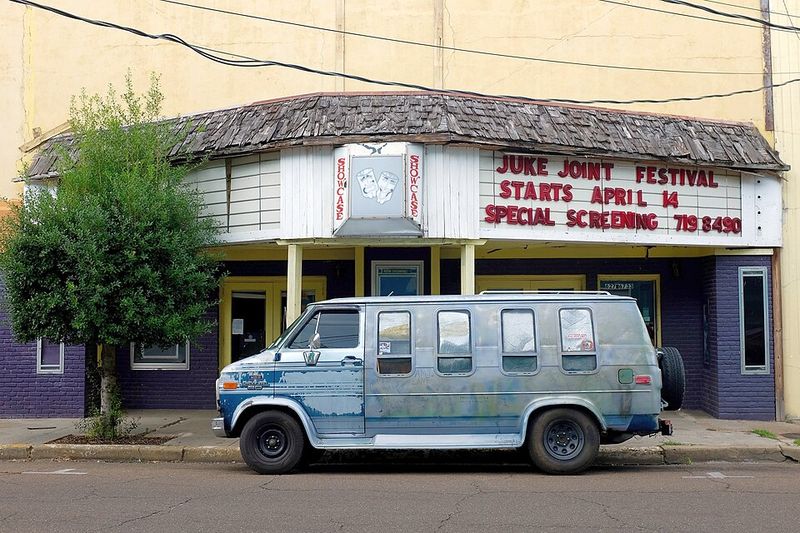
<p>Every April, Clarksdale transforms into blues paradise when thousands of fans descend for this incredible festival. Multiple stages pop up around downtown, featuring both legendary performers and up-and-coming talent.
The streets close to traffic, creating a massive block party atmosphere where music pours from every doorway.</p><p>Unlike corporate music festivals, this event maintains a grassroots feel that honors the juke joint tradition. You can wander freely between venues, catching different acts throughout the day and night.
Food vendors serve Delta favorites like hot tamales, barbecue, and fried catfish. Local artists set up booths selling handmade crafts and artwork.</p><p>The festival brings together an amazing mix of people from different countries, ages, and backgrounds, all united by blues music.
Hotels book up months in advance, so plan early if you want to attend. Many locals rent out rooms in their homes to accommodate the overflow.
The energy is electric, and the sense of community is palpable. Admission is free to most outdoor stages, though some indoor venues charge modest cover fees.
Bring comfortable shoes because you’ll be on your feet all day.</p>
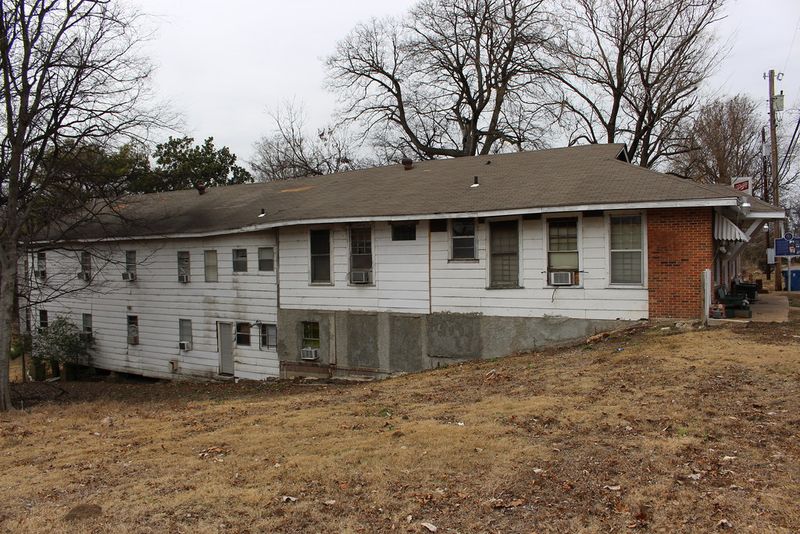
<p>Blues royalty slept here, including Sonny Boy Williamson, Ike Turner, and Robert Nighthawk, making this humble hotel a living monument to music history. Originally built as a hospital where Bessie Smith died after her fatal car accident, the building was converted into a boarding house for traveling musicians.
The rooms remain simple and unchanged, preserving the authentic atmosphere of a bygone era.</p><p>Current owner Frank Ratliff, known as Rat, continues the tradition of welcoming blues pilgrims from around the globe. Staying here isn’t about luxury; it’s about connecting with the past and sleeping where legends once rested between gigs.
The walls could tell countless stories of late-night jam sessions and conversations about music.</p><p>Rooms are basic but clean, with shared bathrooms and minimal amenities. You won’t find room service or fancy linens, but you will find genuine hospitality and a chance to experience Clarksdale like the musicians did.
Rates are incredibly affordable, making this a budget-friendly option for travelers. Book in advance because rooms fill up quickly, especially during festival season.
The experience is unforgettable for true blues enthusiasts.</p>
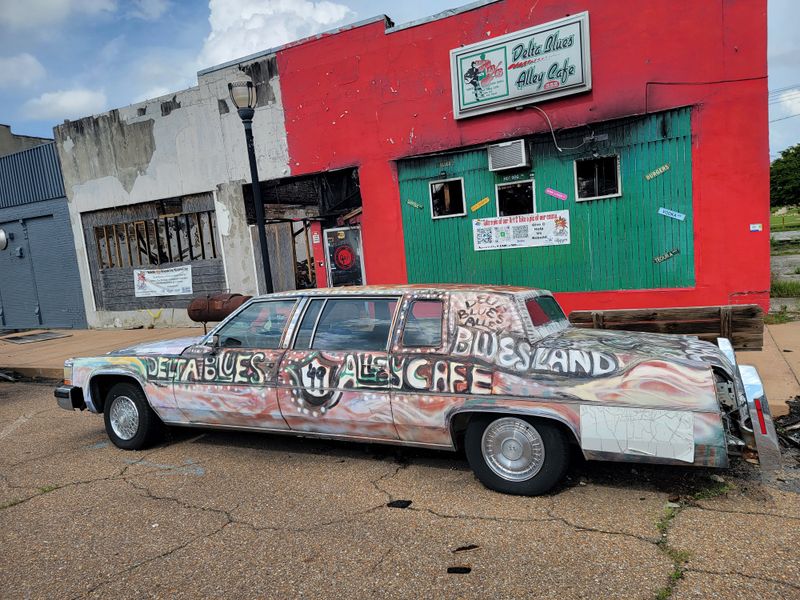
<p>Where cotton once ruled, music now reigns at this renovated plantation that’s home to the famous Shack Up Inn. The property preserves the original sharecropper shacks, transforming them into unique lodging that attracts artists and musicians from everywhere.
Each cabin is decorated with found objects, vintage signs, and musical instruments, creating a funky, artistic vibe.</p><p>Hopson made history as the location where the first mechanical cotton picker was used, changing agriculture forever. Now it serves as a cultural destination where guests can experience Delta life while enjoying modern comforts.
The owners have maintained the authentic character while adding bathrooms and air conditioning to make stays comfortable.</p><p>Musicians often stay here while playing gigs around Clarksdale, and impromptu jam sessions happen regularly on the property. The atmosphere is relaxed and creative, perfect for soaking up Delta culture.
Explore the grounds to see old farm equipment and buildings that tell the story of plantation life. The Commissary serves as a gathering spot where guests swap stories and music recommendations.
Staying at Hopson offers a unique perspective on the connection between cotton, sharecropping, and the birth of blues music.</p>
<p>Stan Street’s passion for Southern folk art created this vibrant gallery space where creativity explodes from every corner. Bright paintings, quirky sculptures, and handmade crafts fill the rooms with color and imagination.
Many pieces come from self-taught artists working in the Delta region, their work reflecting the same raw creativity that defines blues music.</p><p>The gallery showcases both established folk artists and emerging talents, with rotating exhibitions that keep things fresh. You’ll find everything from whimsical animal sculptures to powerful paintings addressing Southern history and culture.
Prices range from affordable prints to investment-quality original pieces.</p><p>Stan himself is often on hand to discuss the artists and their work, sharing stories that bring each piece to life. His enthusiasm for folk art is contagious, and he loves helping visitors find the perfect piece to take home.
The gallery also hosts occasional events, including artist receptions and musical performances. Even if you’re not buying, the gallery is worth visiting just to experience the creative energy.
The connection between visual art and music becomes clear when you see how both forms express the Delta experience.
Free admission makes it an easy addition to your Clarksdale itinerary.</p>
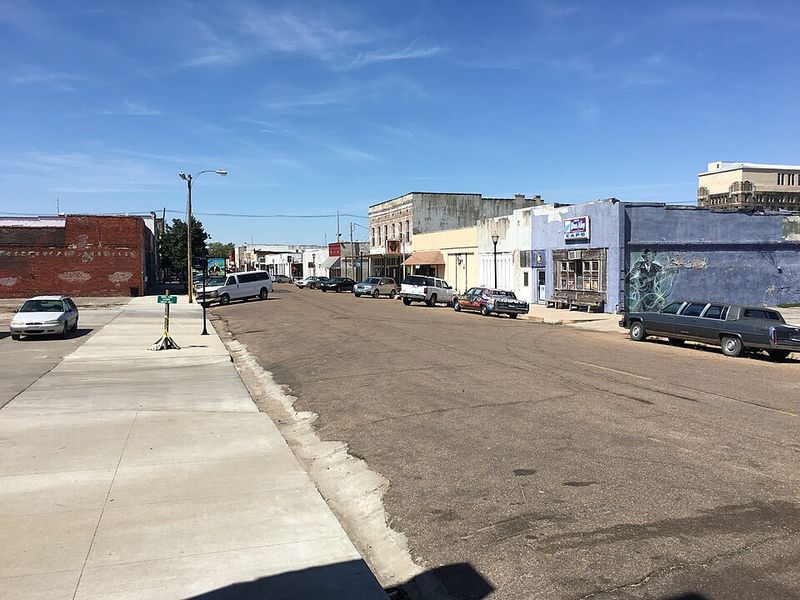
<p>Downtown Clarksdale’s walls serve as canvases for stunning murals honoring blues legends who called this area home. Larger-than-life portraits of Muddy Waters, John Lee Hooker, and other icons transform ordinary buildings into an outdoor gallery.
Local and visiting artists have contributed to this growing collection, each mural adding another layer to the visual storytelling.</p><p>Walking through Blues Alley offers a self-guided art tour that’s completely free and accessible anytime. The murals provide perfect photo opportunities, and many visitors pose in front of their favorite artists.
Some murals include brief biographies or famous quotes, educating passersby about each musician’s contributions.</p><p>The alley connects several downtown attractions, making it a natural part of any walking tour. New murals appear periodically, so repeat visitors always find something fresh to discover.
The bright colors and bold designs stand out against the historic architecture, creating a dynamic contrast. Evening light casts interesting shadows on the artwork, offering different photographic possibilities throughout the day.
Grab a map from the tourism office showing all the mural locations so you don’t miss any.
The project demonstrates Clarksdale’s commitment to celebrating its musical heritage in creative, accessible ways.</p>
<p>Each August, the banks of the Sunflower River come alive with music during this beloved festival that’s been running for decades. Gospel music shares equal billing with blues, honoring the deep connections between these two powerful traditions.
Families spread blankets on the grass while kids play near the water and adults soak in the sounds.</p><p>The festival maintains a family-friendly atmosphere with activities for all ages, including art projects and educational exhibits. Food vendors offer festival favorites alongside Delta specialties.
The relaxed riverside setting creates a different vibe from the more intense juke joint scene.</p><p>Many attendees return year after year, making the festival feel like a reunion of old friends. The lineup typically includes Grammy winners alongside local talents, providing a mix of star power and homegrown authenticity.
Gospel performances often move people to tears with their emotional intensity and spiritual power. Admission is free, making this an accessible event for everyone.
Bring lawn chairs or blankets for comfortable seating. Arrive early to claim a good spot near the stage.
The festival showcases the full spectrum of African American musical traditions that emerged from the Delta, giving context to how blues fits into the larger cultural picture.</p>
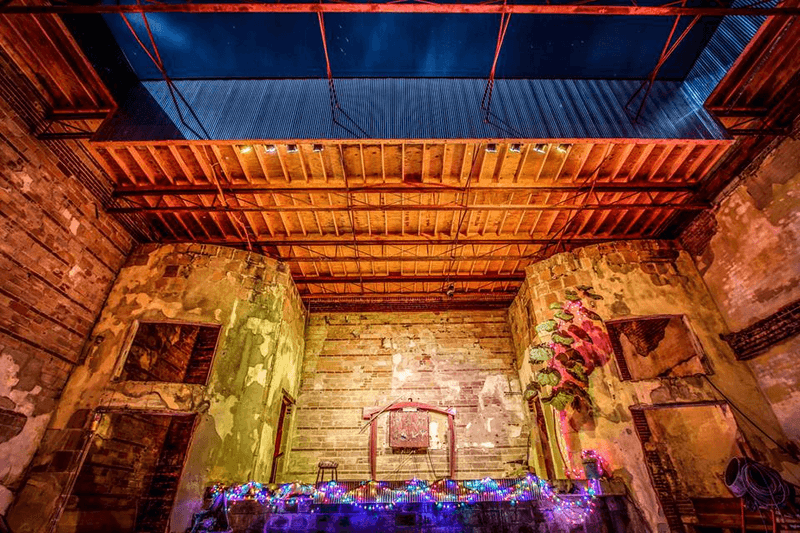
<p>This beautifully restored art deco theater now serves as a premier venue for concerts, films, and community events. Originally built in the 1940s, the Roxy entertained generations of Clarksdale residents before falling into disrepair.
Dedicated preservationists brought it back to life, maintaining its vintage charm while updating the technical systems.</p><p>The marquee lights up downtown, announcing upcoming shows and special events. Inside, the original architectural details have been carefully preserved, from the ornate ceiling to the classic theater seating.
Modern sound and lighting systems ensure contemporary performances sound and look fantastic.</p><p>The Roxy hosts everything from blues concerts to independent films, comedy shows, and theatrical productions. Ticket prices vary by event but remain affordable compared to big-city venues.
The intimate size means there’s not a bad seat in the house, and performers often comment on the excellent acoustics. Check the schedule online before your visit to see what’s playing during your stay.
The theater also offers tours by appointment, allowing architecture and history buffs to learn more about the restoration process.
Supporting events here helps ensure this community treasure continues serving Clarksdale for generations to come.</p>
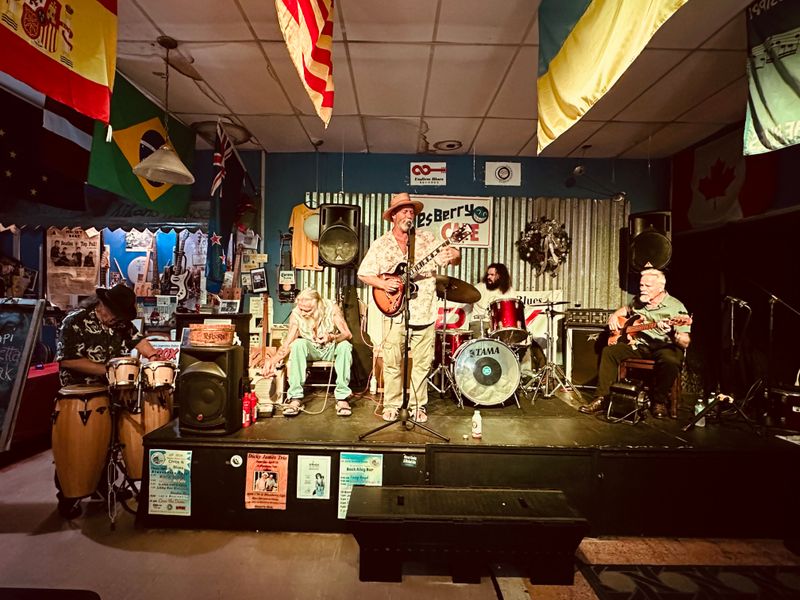
<p>Start your day right with Southern breakfast classics served in this charming cafe decorated with blues memorabilia. Biscuits arrive hot from the oven, perfect for soaking up sausage gravy or honey.
The menu features Delta favorites like grits, catfish, and tamales alongside standard breakfast fare.</p><p>Locals and tourists mix at the tables, creating a friendly atmosphere where conversations flow easily. The walls display photographs and posters celebrating Clarksdale’s musical heritage.
Blues music plays softly in the background, setting the mood without overwhelming conversation.</p><p>Lunch options include sandwiches, salads, and daily specials that showcase Southern cooking traditions. Everything is made fresh to order, so expect a bit of a wait during busy times.
The portions are generous, and prices won’t break your budget. Coffee flows freely, and the staff keeps your cup filled.
Try the sweet potato pancakes if you’re feeling adventurous, or stick with classic eggs and bacon if you prefer familiar territory. The cafe serves as an informal gathering spot where you can pick up tips from locals about what’s happening around town.
Open for breakfast and lunch only, so plan accordingly.
The homey atmosphere makes you feel like a regular even on your first visit.</p>
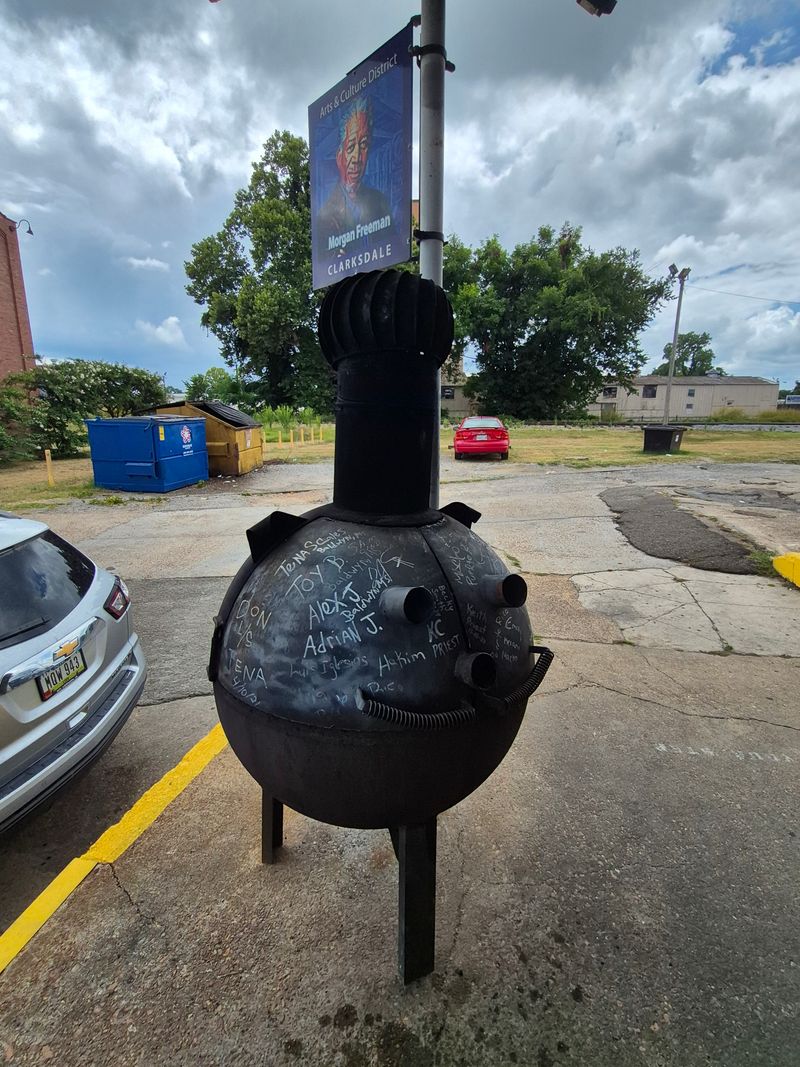
<p>Throughout Clarksdale, distinctive blue markers tell the stories of important people, places, and events in blues history. The Mississippi Blues Trail includes over 200 markers statewide, with Clarksdale hosting a significant concentration.
Each marker provides historical context and explains why that particular location matters to blues heritage.</p><p>Hunting down these markers turns sightseeing into a treasure hunt, leading you to spots you might otherwise overlook. You’ll discover where recording studios once stood, where famous musicians lived, and where historic performances took place.
The markers include photographs and detailed text that bring the past to life.</p><p>Creating a self-guided tour using the markers helps you understand how deeply blues culture permeates every corner of Clarksdale. Some markers stand in front of active businesses, while others mark empty lots where important buildings once existed.
The trail connects Clarksdale to other Delta towns, showing how the music spread throughout the region. Pick up a trail map at the tourism office or download one online before starting your exploration.
Taking photos at each marker creates a visual record of your blues pilgrimage.
The markers are free to visit anytime and provide educational value that enhances your appreciation of the music.</p>
Share this story